
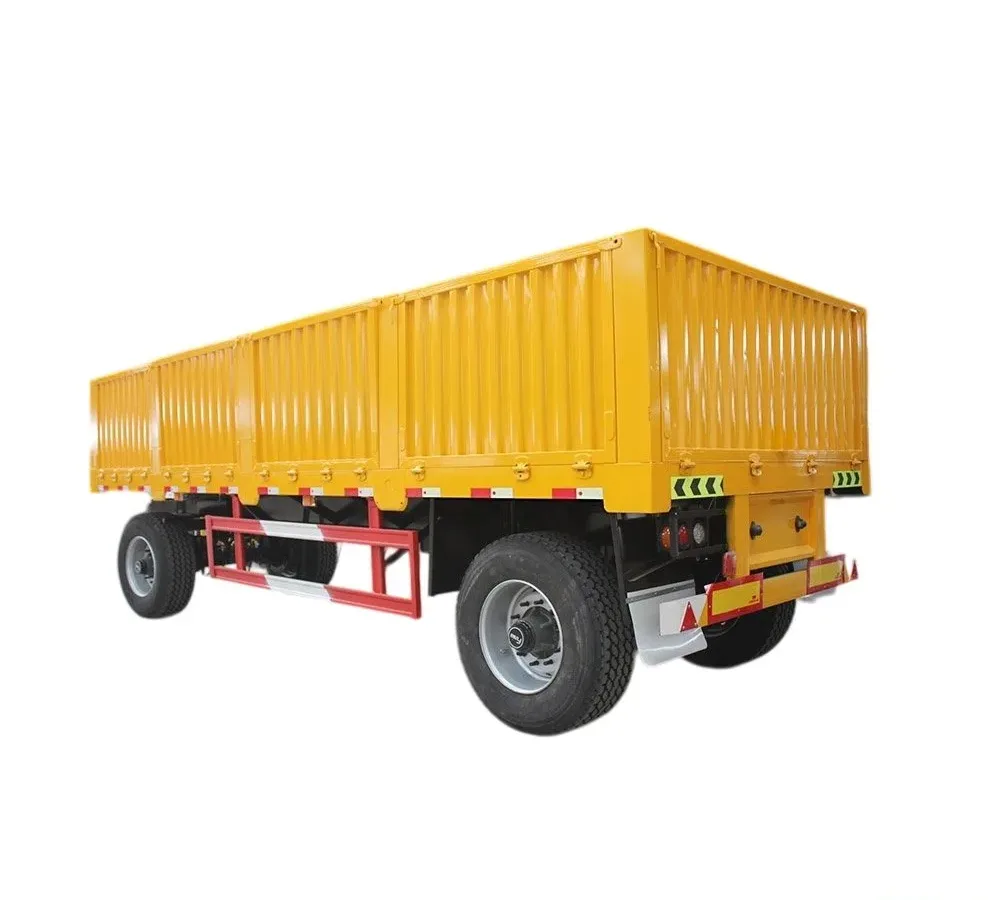

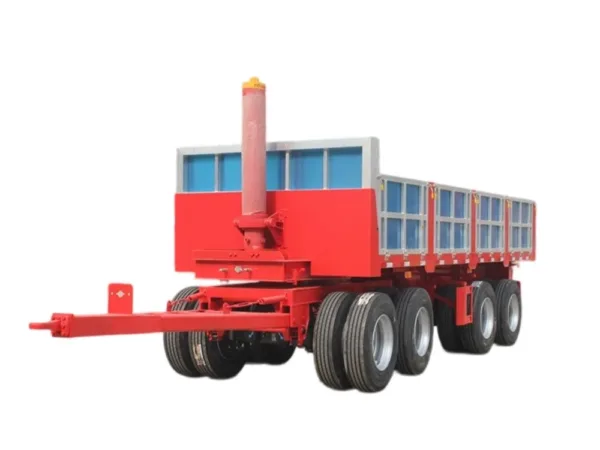
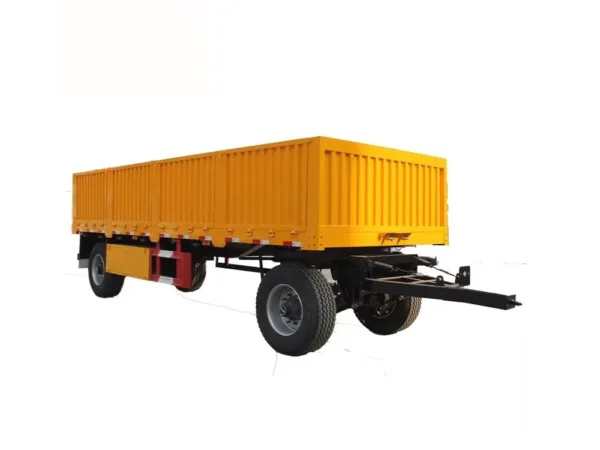
Lowbed flatbed semi trailer with 30000 KG load capacity in steel, available in 2, 3 or 4 axle builds and 12R22.5 tyre. Request a quote for your fleet.






The lowbed flatbed semi trailer is a heavy-duty hauling platform built for fleet operators, farm contractors and transport businesses that move oversized or awkward loads, and it is the unit this page covers from deck to drawbar. It combines a low deck height with a flat, open loading surface, so tall cargo clears overhead obstacles and wide cargo sits stable. The strongest reason to choose this unit is its 30000 KG load capacity, which covers the daily weight range of most agricultural and construction haulage work.
It is aimed at buyers who need one trailer to handle machinery, bulk goods and mixed freight without switching platforms. The steel build and optional colour keep it practical for fleets that want a consistent, recognisable working unit.
The lowbed flatbed semi trailer earns its place on farm and rural haulage routes where loads change from day to day. A typical week might include moving a tractor between fields, carrying a seed drill to a neighbouring site, and shifting pallets of feed or fertiliser to a storage shed. The flat open deck takes awkward shapes that a boxed trailer cannot, and the low deck height keeps tall implements stable on the move.
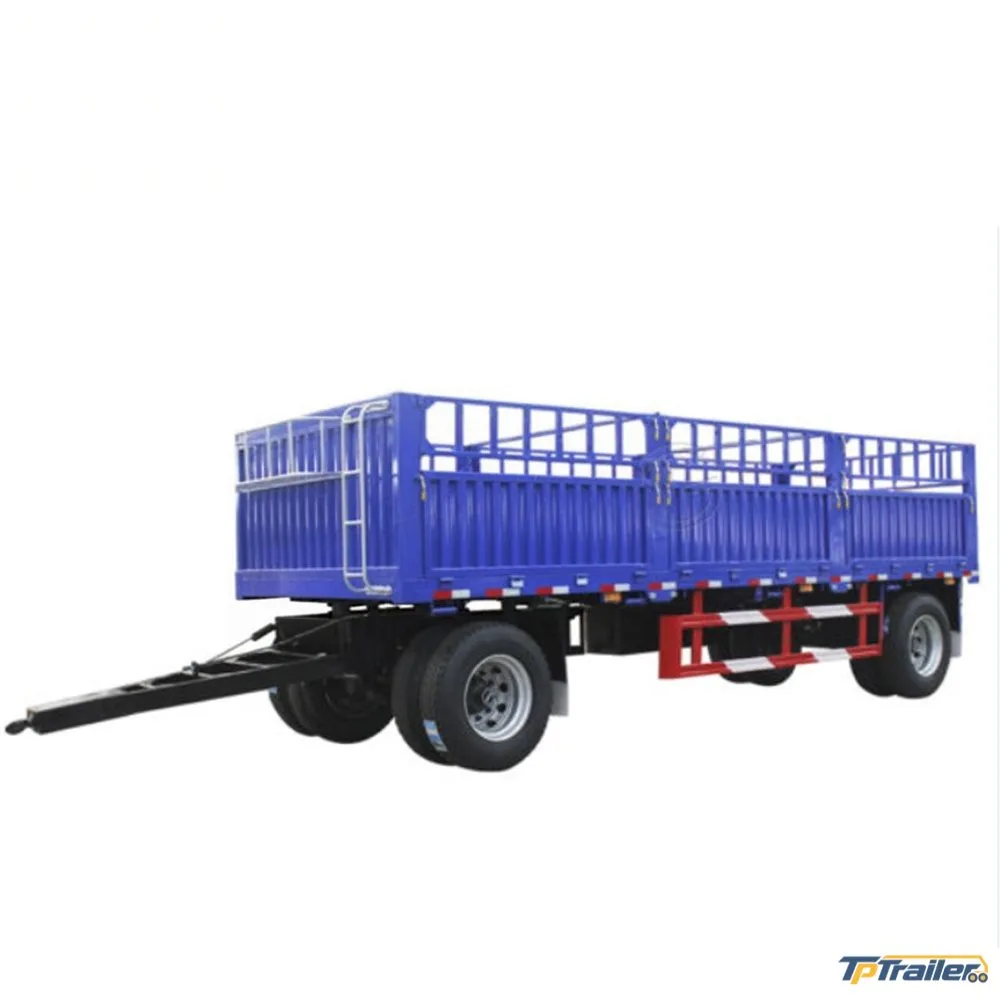
Contractors also use it to move small excavators, skid steers and compact loaders between job sites. On these routes the lowbed flatbed semi trailer works as a general-purpose platform rather than a single-task unit, which is why mixed agricultural operations often choose it over a dedicated machine carrier.
On construction and civil work routes, the same trailer handles plant movement and material delivery in one working day. A crew can drop a mini excavator at a trench, return with pallets of blocks, and finish with a load of site equipment. The 30000 KG load capacity covers the weight range of most small plant and bulk material runs, so the trailer stays useful across the whole project. The lowbed flatbed semi trailer also suits yard and depot work, where it moves stock between storage areas and loading bays. Because the deck is flat and open, forklifts can load from the side or the rear, which speeds up turnaround on short internal runs and keeps vehicles moving instead of waiting.
Longer trunk routes between a farm store and a distribution yard are the third setting where this platform pays for itself. Here the trailer runs mostly loaded on sealed road, so tyre quality and axle alignment matter more than ground clearance, and the lowbed flatbed semi trailer rewards a buyer who specifies the tyre size and axle brand to suit steady highway work. A procurement manager planning a mixed fleet can treat the trailer as the flexible middle: it takes the loads that are too tall for a curtain-sider and too heavy for a light flatbed, and it does so without a second tractor or a second driver.
On arrival, the buyer’s workshop has to match the trailer to the towing unit. Check the drawbar and coupling height, the mounting points on the tractor, and the tube size and routing for any air or hydraulic line that feeds the trailer. Confirm the hose path will not rub on the deck edge or the suspension. Because no fitment drawing is supplied with the listing, a fitment drawing is confirmed at quotation, and that sheet is the document your fitters should work from. Torque values should come from that drawing and from the axle supplier’s manual, not from guesswork on the yard.
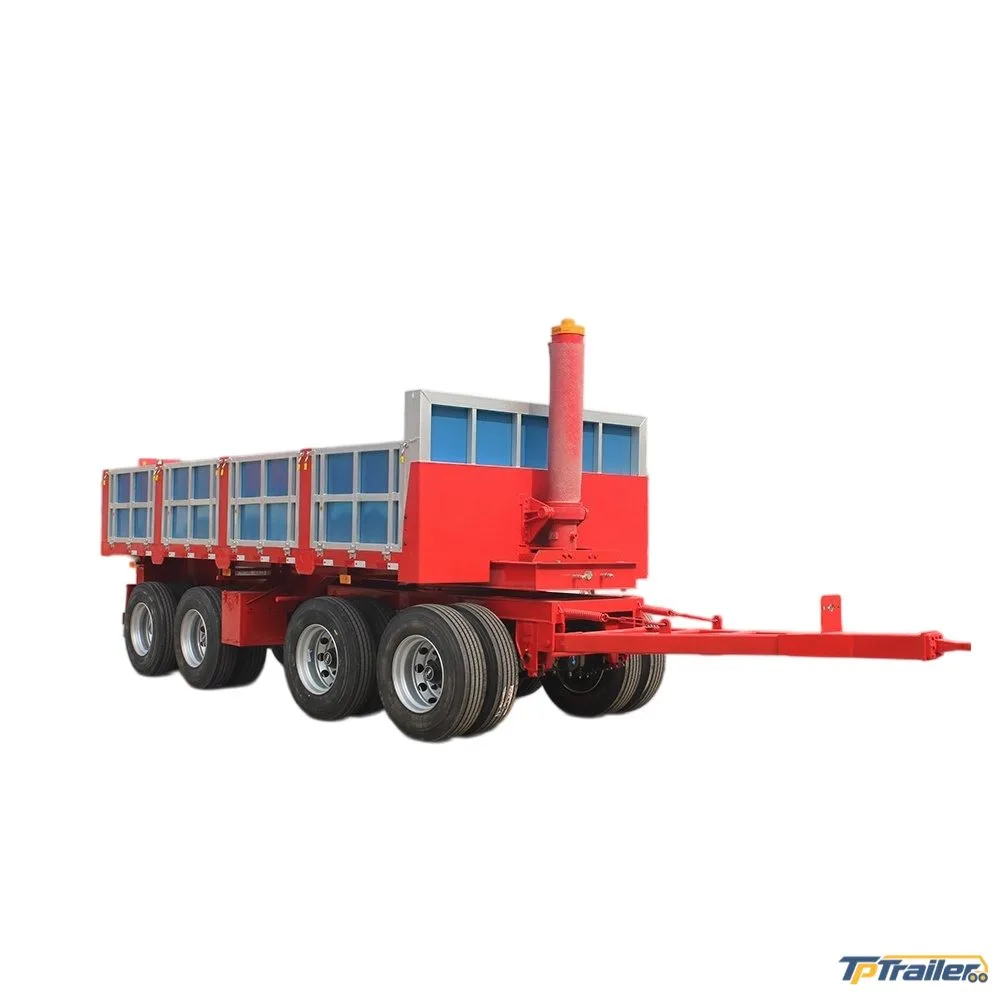
A mismatch is expensive in a way that is easy to underestimate. If the coupling height is wrong, the lowbed flatbed semi trailer sits nose-up or nose-down and the load shifts forward under braking. If a tube size is wrong, an air line leaks and the brakes on the rear axles release slowly. If the mounting points do not line up, the unit waits while brackets are made, and every day of that wait is a day the haul is not running. Settling the fitment drawing at quotation, before the lowbed flatbed semi trailer is built, removes most of that risk from the delivery day.
Plan the first coupling as a short trial rather than a loaded run. Hitch the assembly to the tractor on level ground, raise the landing gear, and watch the gap between the deck and the tractor frame through a full steering swing. Then run the unit empty for a few kilometres and check that the lines stay clear and that the suspension settles level on both sides. A procurement manager who builds that trial into the handover schedule gets a safer first week and a written record that the lowbed flatbed semi trailer left the yard fit to work.
A maintenance interval is easier to defend when it is tied to the work the trailer does. A unit on steady highway runs and a unit on farm tracks both need tyre and brake checks, but the rough-ground machine needs its suspension and deck inspected more often. Write the interval into the workshop schedule for the lowbed flatbed semi trailer, record each inspection against the unit number, and the fleet manager can see wear building before it becomes a roadside stop.
A lowbed flatbed semi trailer leaves the factory as a partly disassembled machine, not a sealed crate. Expect the deck, ramps, axles, suspension and drawbar to be braced and wrapped separately for the sea voyage. Steel surfaces usually receive a protective coating before shipment, and hydraulic or air lines are capped so moisture and dust cannot enter during transit. Ask the supplier to photograph each bundle before it is closed, because that record is your only proof of how the lowbed flatbed semi trailer was packed when it left the works.
Space is the real cost driver here. A lowbed flatbed semi trailer can be nested or partly broken down so decks and ramp sections sit closer together, but every removable item must be labelled against the packing list. Confirm whether your supplier ships the unit assembled or flat-packed, and whether the loading plan assumes a flat rack, an open-top or a standard container. The right answer depends on the deck length you order, so settle it before production starts rather than at the port.
Weigh the loading plan against your own unloading equipment as well. If your yard has a forklift that can lift a bundled deck section, a denser pack saves freight; if it does not, a flatter pack that can be lifted in pieces may cost less overall. The lowbed flatbed semi trailer should arrive in a form your team can actually handle, so describe your lifting gear when you ask for the loading plan and let the supplier match the pack to it.
That depends on the deck length and how far the unit is broken down. A lowbed flatbed semi trailer is often shipped partly disassembled to reduce volume, but the final loading method must be agreed before production. Send your required deck length and axle count to the supplier and ask for a loading plan. Confirm whether the plan uses a standard container, an open-top or a flat rack, and who bears the cost of any difference.
Mechanical, air, bogie and single point suspension are all offered, and the right one follows the ground you actually cross. Describe your usual route, the surface, and whether the trailer runs loaded most of the time. Ask the factory to recommend a suspension for that duty and to state it on the quotation. Do not accept a default without that written recommendation, because changing suspension after build is expensive.
Check the packing list against every bundle before you sign the delivery receipt. Look for coating damage, bent ramps, capped lines that were crushed, and axle plates that do not match the brand you ordered. Photograph anything suspect before unloading. Then confirm the tyre specification and the colour against the order. Report shortages or transit damage to the supplier immediately, because claims are much harder once the lowbed flatbed semi trailer has been moved and put to work.
To get a quote, send the deck length you need, the axle count you want, and the quantity you plan to order. Mention your usual load and road surface so the suspension and axle brand can be matched to the job. With those details, the supplier can confirm the configuration, the colour and the loading plan for your lowbed flatbed semi trailer.
Explore more lowbed flatbed semi trailer in this range.
| Load Capacity | >30000 KG | Type | Semi-Trailer, Full Trailer |
|---|---|---|---|
| Max Payload | >30000 kg | Place of Origin | China (Mainland) |
| Province | Guangdong | Use | Truck Trailer, Truck Trailer |
| Material | Steel | Size | 7500*2500*1496mm ( or customize) |
| Dimensions | 750 × 250 × 149.6 | ||
No reviews yet — click the Review button on the right to share your experience with this product.













Fill in the form below and our team will respond within 24 hours.
Write a Review