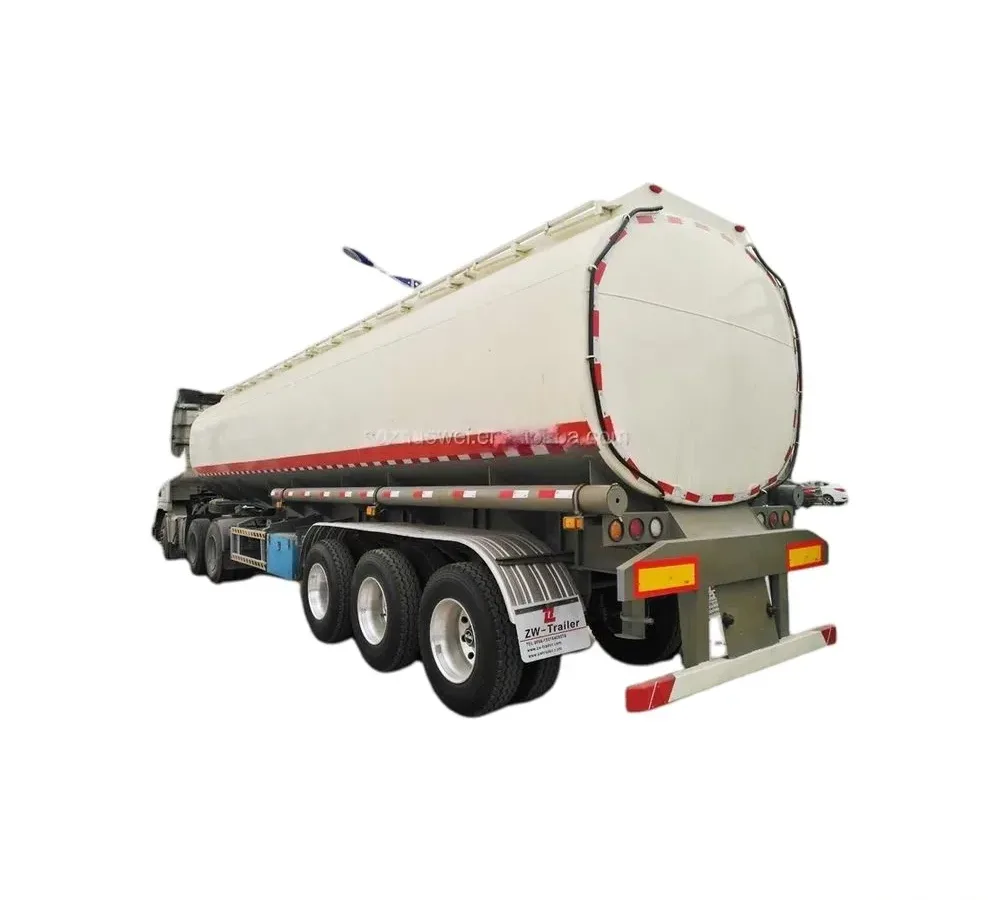
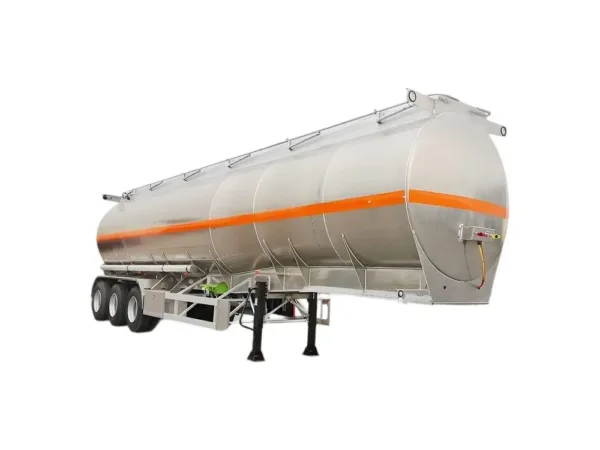
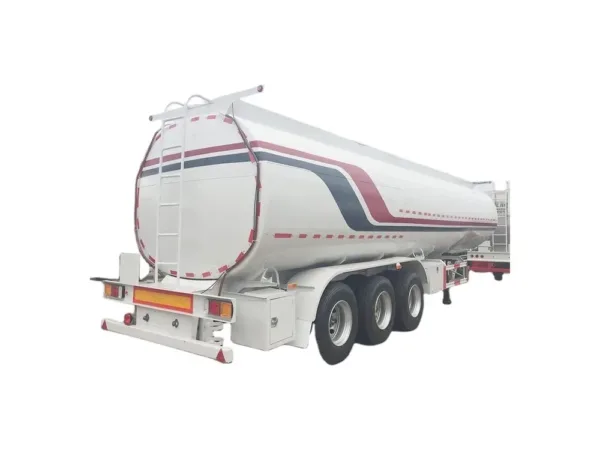
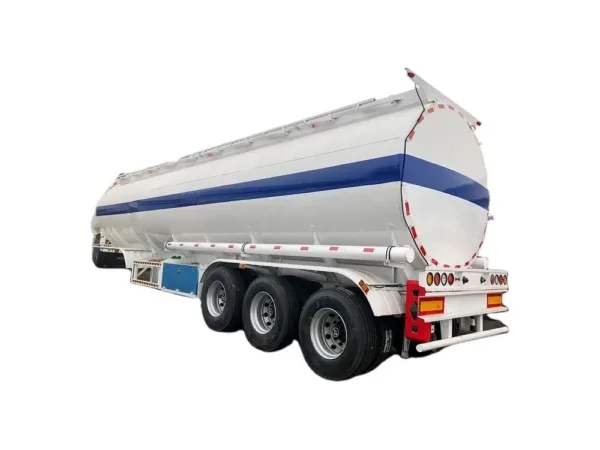
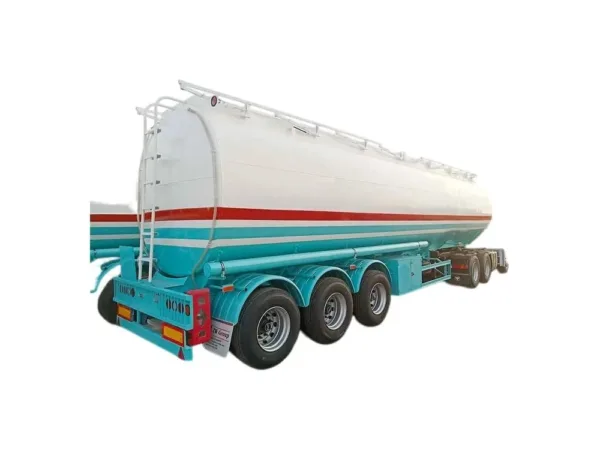
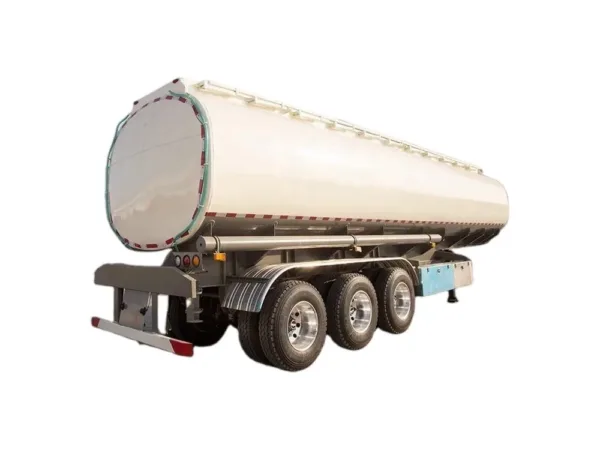
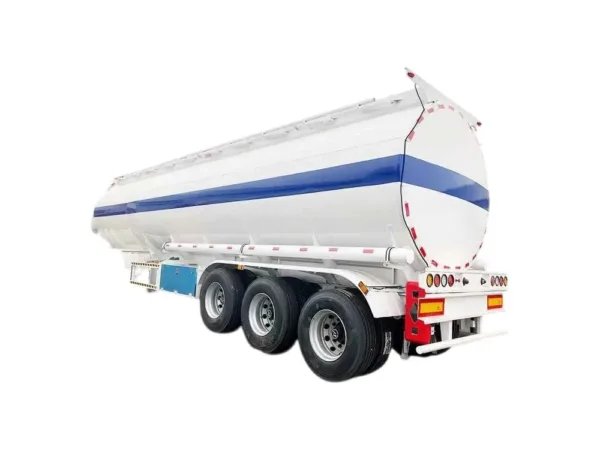
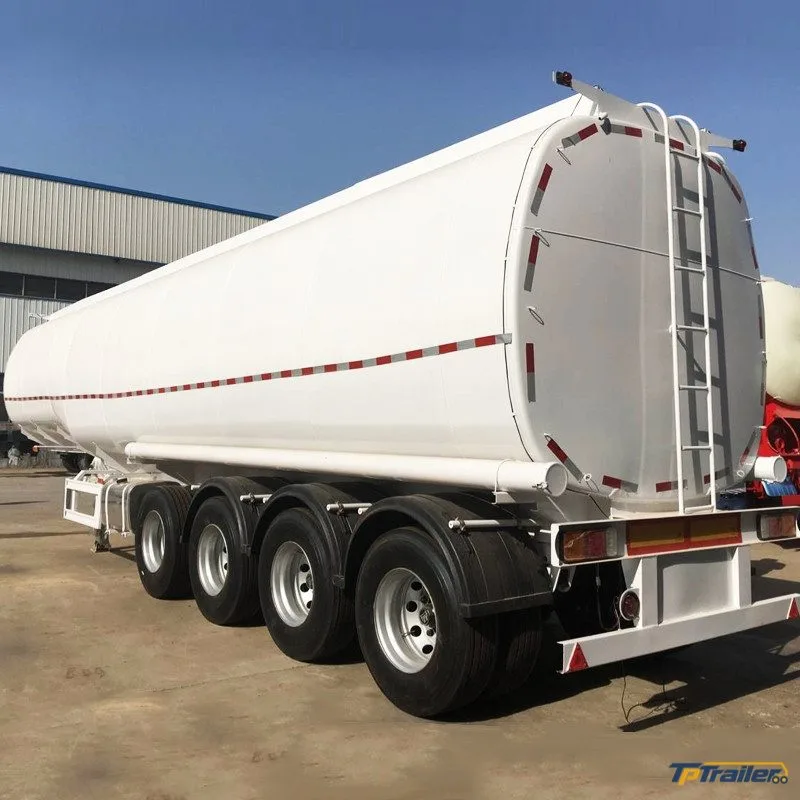
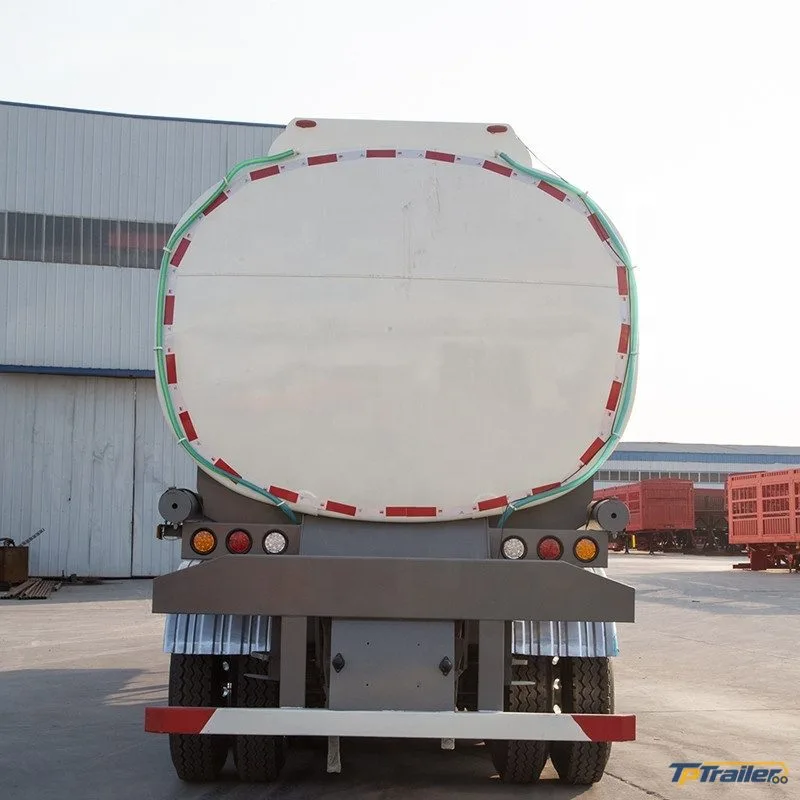
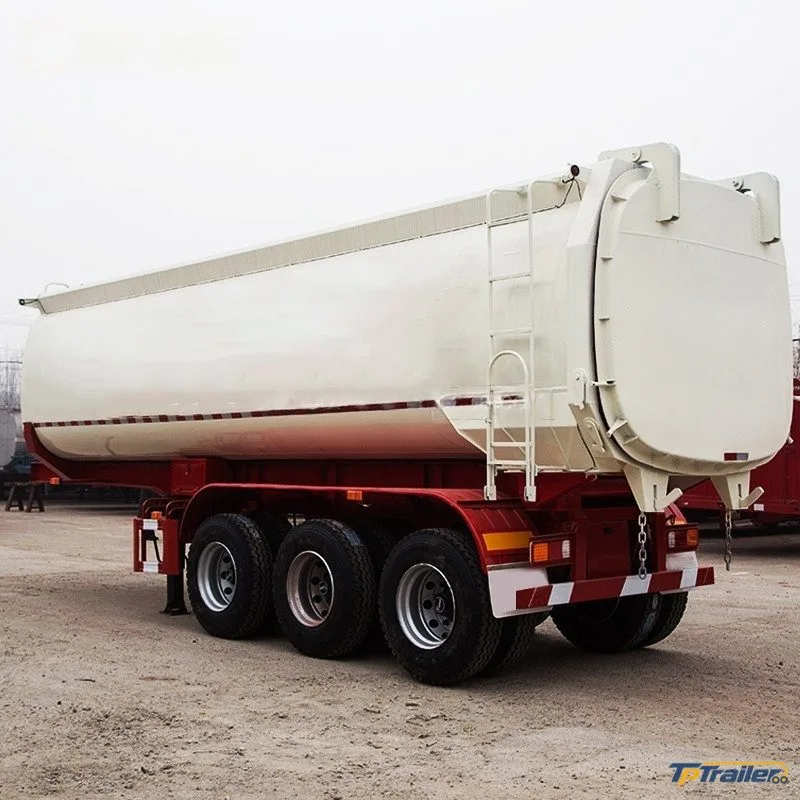
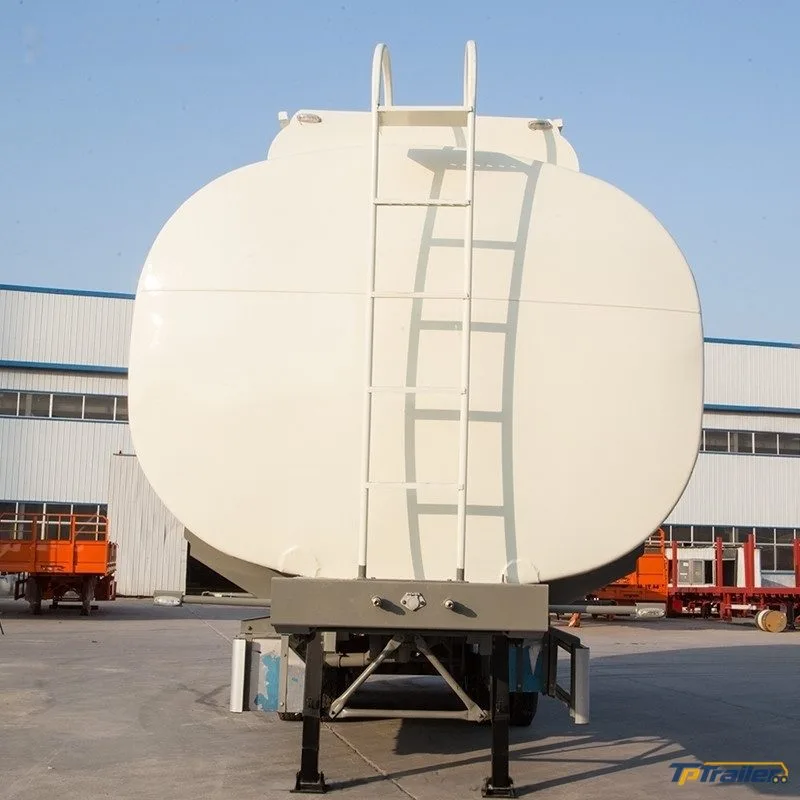
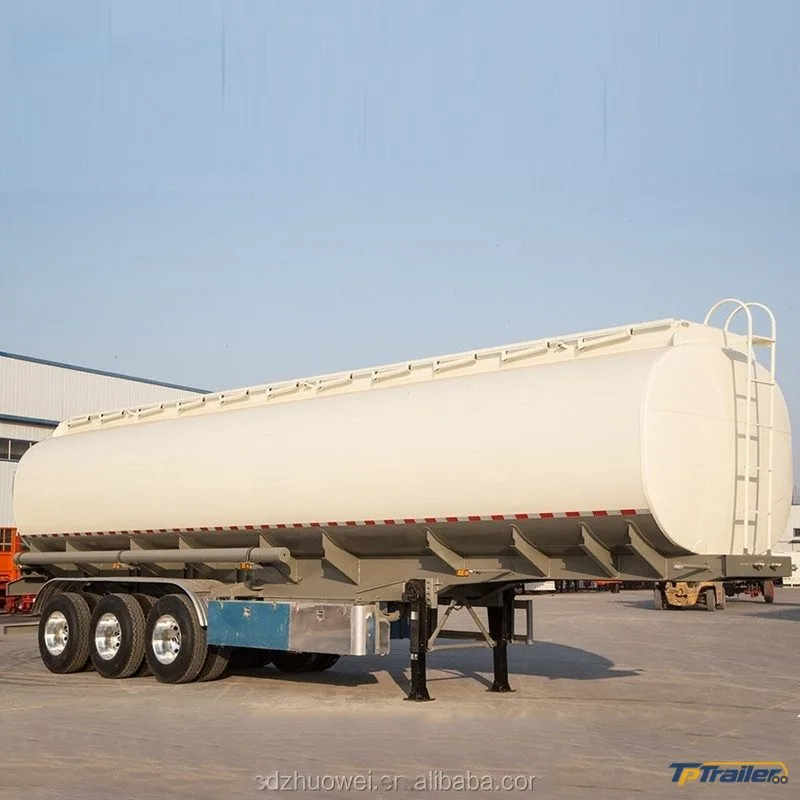
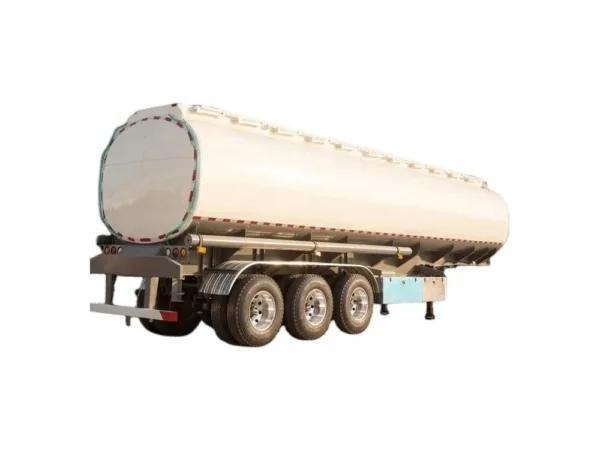
The fuel tanker semi trailer described here is a three-compartment liquid bitumen asphalt tanker built for Zimbabwe-bound haulage, and it is aimed at fleet operators moving hot binder, fuel and other liquid cargo in bulk. Its strongest argument is compartmentalisation: three separate chambers on one chassis let a single tractor unit carry different grades or products per trip without cross-contamination. The tank body is formed from 5mm steel plate on a Q345 carbon steel main beam, so the structure is sized for dense liquid loads rather than light dry freight. Buyers comparing road tankers for regional distribution or plant-to-site binder delivery get one unit that covers several duty cycles instead of a single-product barrel.
Table of Contents
Why It Works On Site
Three chambers, three products per run. Compartmentalisation means a single fuel tanker semi trailer can split its load between grades, so a depot delivery does not need a second vehicle and a second driver. Discharge can be sequenced chamber by chamber, which keeps unloading orderly at a busy gantry and cuts the number of trips per shift.
Payload matched to dense liquid cargo. The rated load capacity of 25001-30000 KG sits in the band where bitumen and fuel haulage is economically viable per trip. That bracket lets the operator plan axle loading around a realistic gross weight instead of guessing, and it keeps the fuel tanker semi trailer inside the payload class its tractor unit is already set up to pull.
Q345 carbon steel main beam. The chassis rail carries the concentrated mass of a part-filled tank, which is the hardest moment in any liquid haul. Q345 carbon steel gives the fuel tanker semi trailer the stiffness to resist flexing over rough road sections and repeated loading cycles, so the tank mounts and chamber walls are not working against a twisting frame.
Manholes with vent valves. Each chamber top is fitted with a manhole and vent valve, giving the operator a fill point and a pressure relief path per compartment. On site that means faster top loading, safer thermal expansion management on hot binder, and inspection access without opening the whole tank.
Pneumatic bottom valve control. Bottom valves operated by a pneumatic block let the driver open and close discharge from a single control position rather than at each valve. For a fuel tanker semi trailer working a tight schedule, that shortens unloading time and keeps the operator clear of the discharge point.
API adaptor or spherical discharge valve. The discharge end accepts a 4-inch API adaptor valve or a 3-inch spherical valve, so the fuel tanker semi trailer connects to the hose and coupling standard the receiving terminal already uses. That compatibility avoids adaptor kits and keeps turnaround predictable.
Where It Is Used
Bitumen and asphalt haulage is the core duty. A fuel tanker semi trailer of this type runs from a binder terminal or refinery to an asphalt mixing plant, carrying hot liquid bitumen in chamber-sized batches so the plant can draw one grade at a time. The three-compartment layout suits plants that hold more than one penetration grade and need deliveries split across them without a dedicated single-grade barrel for each.
The same unit covers plant-to-paver transfers where a short run needs a partial load rather than a full tank. Because the tank body is steel and the main beam is Q345 carbon steel, the fuel tanker semi trailer is built around the weight and heat profile of binder rather than the lighter demands of dry bulk. Operators working road construction schedules value the ability to drop a chamber at one site and continue to the next with the remainder still on board.
The second duty cycle is fuel and oil distribution. A fuel tanker semi trailer with multiple chambers can serve filling stations, depots and industrial yards on a single route, delivering diesel to one stop and a different grade to the next without returning to the terminal. That pattern fits regional distribution where stops are far apart and a full-tank single-product load would leave the vehicle underused.
The discharge valve options let the same unit couple to terminal loading arms and to site hose connections, so the fuel tanker semi trailer moves between bulk terminals and smaller receiving points without reconfiguration. Operators also use this class of trailer for crude and other liquid cargo where a sealed, vented chamber set is required. The payload band keeps it viable for dense liquids, and the manhole and vent arrangement supports safe filling at each stop along the route.
Choosing The Right Spec
Compartment count against your delivery pattern. The range runs from a single chamber up to nine. A fleet delivering one grade to one plant gains nothing from extra divisions, while a distributor serving several stops per run needs the split. Match the fuel tanker semi trailer chamber count to the number of separate drops or grades in a typical day, not to the maximum available.
Volume against payload. Volume options span 28000 to 70000 litres, and payload spans 28 to 70 tons. The two must be chosen together, because a large volume filled with a dense liquid can exceed the rated load. Decide which liquid dominates your work, then set the fuel tanker semi trailer volume so a full fill stays inside the load capacity band you have selected.
Discharge and bottom valve choice. The 4-inch API adaptor valve suits terminals with standard loading arms, while the 3-inch spherical valve suits operators who prefer a different flow characteristic. Pneumatic bottom valve control is common to both. Choose the discharge end that matches the receiving points on your regular fuel tanker semi trailer route, since changing couplings later means downtime.
Handrail and loading options. Manual or pneumatic handrails change how much effort top access takes on a daily basis, and optional bottom loading with overfilling and recovery systems changes how the unit is filled at the gantry. If your terminal loads from below, specify that configuration up front; retrofitting a fuel tanker semi trailer for bottom loading is more disruptive than ordering it correctly.
Customisation Before Delivery
Compartment layout. The number of compartments in your fuel tanker semi trailer is agreed when the order is confirmed. Each compartment adds its own manhole and discharge point, so the layout follows the cargo split you actually run rather than a stock pattern. Tell us the split you need and it is fixed on the confirmation sheet.
Axle count. The axle configuration of the fuel tanker semi trailer is settled at order confirmation. More axles spread the payload across the road and change how the unit tracks under load. The choice is made against your route and your tractor, not against a default build.
Discharge and bottom valve type. The discharge valve and bottom valve arrangement on the fuel tanker semi trailer are chosen at order confirmation. Pneumatic block control suits operators who want remote operation. The valve style is locked in before the tank body is assembled.
Handrail and loading options. Manual or pneumatic handrail is selected when the order is confirmed. Bottom loading with overfilling and recovery systems is optional and is specified at the same point. These choices affect the fittings on the fuel tanker semi trailer, so they are settled early.
Body material and finish. The tanker body and main beam material are confirmed with the order, and the finish is agreed at the same time. Material choice on the fuel tanker semi trailer is tied to the cargo you carry. Colour and marking are recorded on the confirmation sheet, not assumed later.
Fitting And Installation
On arrival, the buyer has to match the fuel tanker semi trailer to the tractor that will pull it. Check the kingpin and fifth wheel coupling first, then the landing gear position and the mounting points along the main beam. Confirm the electrical connector and the air line couplings line up with the tractor before the unit is loaded. The discharge valve outlet and the bottom valve control route need to reach your unloading point without strain on the pipework. Walk the handrail and the manhole positions against your loading bay so the operator can reach them safely. If any of these do not line up, stop and record it before the trailer is put into service.
Most installation problems come from mismatched fittings rather than from the tank itself. A discharge adaptor that does not match your hose end, or a bottom valve control that cannot reach the tractor, turns a working fuel tanker semi trailer into a stationary one. The cost is downtime while adaptors are sourced, plus the risk of a temporary connection that is not suited to the cargo. Before dispatch, confirm the coupling and valve details against your own equipment. Where the input gives no fitment data, a fitment drawing is confirmed at quotation instead of being assumed. Keep that drawing with the trailer paperwork so the next service visit starts from the same reference.
Service Life And Maintenance
Valves and seals. The discharge valve and bottom valve are the first points to wear on a fuel tanker semi trailer. Inspect them for seepage and slow closing at each scheduled check. A valve that drips after closing points to a worn seat or seal. Replacing the part early protects the surrounding pipework.
Manhole covers and vents. Manhole covers and vent valves carry the pressure balance of the tank. Check the gasket seat and the vent path on the fuel tanker semi trailer for blockage or hardening. A vent that does not breathe freely stresses the tank body during loading and unloading. Clean and inspect at every service stop.
Tanker body and welds. The tanker body is the shell that holds the cargo, so inspect seams and welds for staining or cracking. On the fuel tanker semi trailer, look along the barrel and around each compartment division. The specified body thickness sets how much material you have to work with over the service life. Address small defects before they spread.
Main beam and running gear. The main beam carries the load, so check it for straightness, cracks and loose fasteners. On the fuel tanker semi trailer, inspect suspension mounts and tyre condition at the same time. The specified carbon steel main beam material is chosen for structural duty. Keep the beam clean of road salt and standing water.
Handrail and access. Handrail and access fittings take daily operator contact. Check the handrail mounts and the walkway surface on the fuel tanker semi trailer for looseness or corrosion. A pneumatic handrail needs its control checked for smooth travel. Touch up coating damage early so the finish keeps protecting the steel.
Packing And Container Loading
Each fuel tanker semi trailer leaves the works with the tank shell protected against road and sea transit damage. Exposed fittings such as the API adaptor valve, the spherical valve and the pneumatic bottom valve controls are wrapped or capped so grit and salt air cannot enter the bores. Manhole covers stay closed with their vent valves seated. Buyers should confirm at quotation which fittings ship fitted and which ship loose in a crate, because a loose valve set is easier to stow but must be inventoried on arrival.
Loading follows the trailer length and the ship’s stow plan. A complete fuel tanker semi trailer is normally driven or winched aboard and chocked, not nested, since the main beam and running gear do not collapse. Where the order allows, several units ship as deck cargo or in a break-bulk hold rather than inside a container. Ask the supplier to state the shipping method in writing before booking freight, then verify the chock points, the valve caps and the handrail condition against the packing list at destination.
Common Mistakes Buyers Make
Ordering the wrong compartment count. A buyer plans one product per trip, then discovers the discharge plumbing suits a different split. The single check is to write the compartment count and the discharge valve type into the purchase order together, so the tank internals and the valve layout are built as one matched set rather than two separate choices.
Ignoring the bottom valve control type. Pneumatic block control needs an air supply on the tractor, and a manual setup does not. The single check is to confirm the control method against the tractor’s available air system before signing, then state it on the order so the valve kit arrives complete and usable.
Assuming any container fits. A fuel tanker semi trailer is loaded by length and height, and a tank body with handrails raises the overall profile. The single check is to request the shipping dimensions and the recommended loading method in writing, then match them to the freight booking before the unit is built.
Skipping the tank body thickness review. Buyers compare volume and payload but overlook the shell gauge, which drives service life under repeated loading. The single check is to confirm the tanker body thickness on the quotation and compare it with the duty cycle you actually run, not with a competitor’s headline capacity figure.
Leaving optional loading equipment unspecified. Bottom loading with overfilling and recovery systems is optional, and a terminal that needs it cannot use a trailer built without it. The single check is to list every terminal interface you will connect to, then mark each optional system as required or not required on the order.
Buyer Questions
Can the tank be built to match my terminal’s loading arms?
Yes, within the options the works offers. The manhole count and size, the discharge valve type and the bottom loading package are all selectable, and the bottom loading option covers overfilling and recovery. Send the terminal’s connection drawings and the product you handle, then ask the supplier to confirm the manhole layout and valve arrangement against them. Anything outside the listed options should be treated as confirmed at quotation, not assumed.
How do I choose between the axle configurations on offer?
Start from the loaded weight and the routes the fuel tanker semi trailer will run, then match the axle count to the payload band you need. The range spans several axle counts and a broad payload band, so the same tank volume can sit on more than one running gear. Give the supplier your gross weight target and typical road conditions, and ask for the axle count recommendation in writing before the order is fixed.
What should I confirm before the unit ships?
Confirm the compartment count, the discharge and bottom valve types, the handrail operation and whether bottom loading is included. Ask for the packing list and the shipping dimensions, and check that every optional item you ordered appears on both. On arrival, inspect the valve caps, the manhole covers and the handrail for transit damage, and compare the delivered specification line by line with the signed order before accepting the fuel tanker semi trailer.
To price a fuel tanker semi trailer for your route, send the overall length you need, the axle count you prefer, the compartment split and the quantity you plan to order. With those four details the supplier can confirm the tank configuration, the valve layout and the loading method, and return a firm quotation against your specification.
We use cookies to enhance your browsing experience, serve personalized content, and analyze our traffic. By clicking "Accept All", you consent to our use of cookies. Privacy Policy
Cookie Preferences
Required for the website to function properly. Cannot be disabled.
Help us understand how visitors interact with the website (Google Analytics).
Used to deliver personalized ads and measure ad campaign effectiveness.











Write a Review