Heavy Duty Steel Full Dump Trailer 15-20 Tons Dual Brake
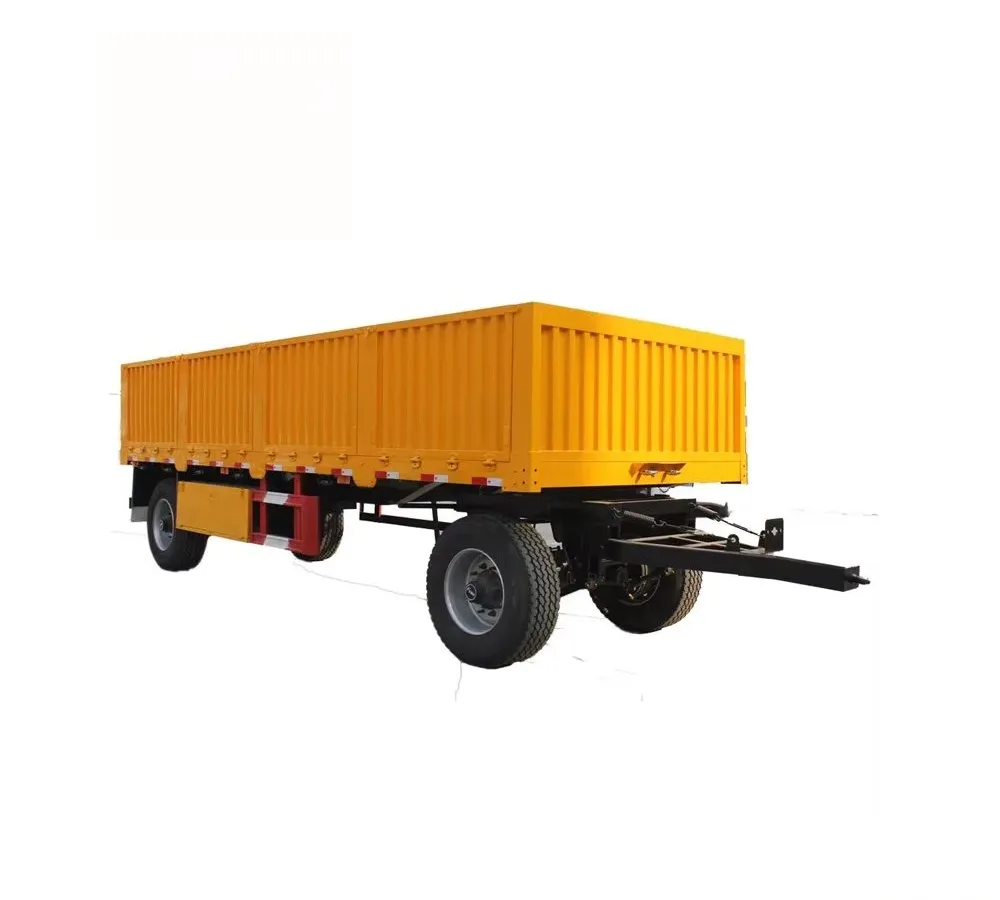
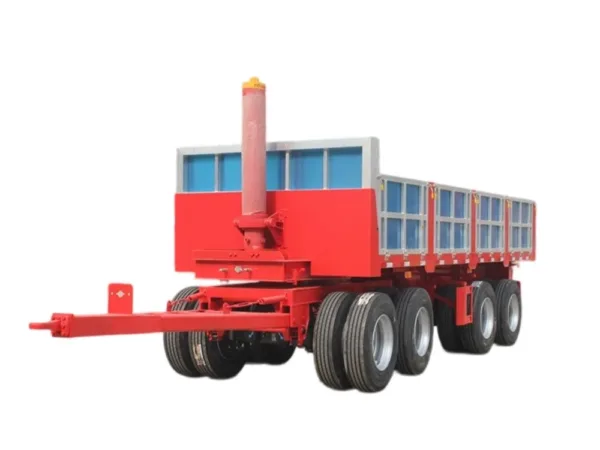
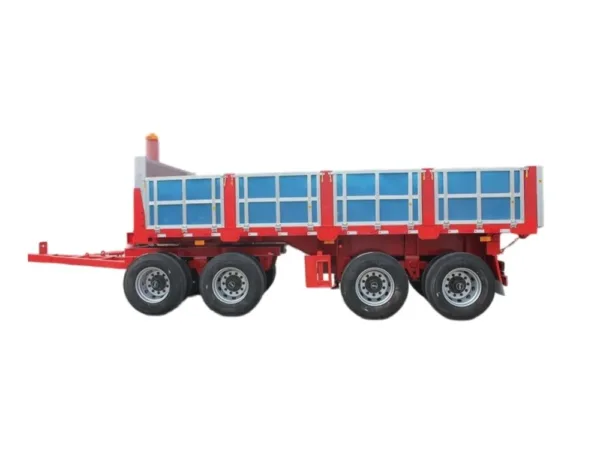
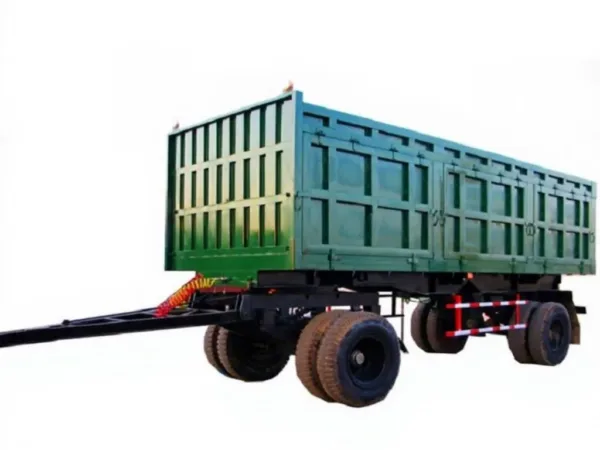
This full trailer carries 20 T with a heavy duty steel dump body and a dual brake system, built to ISO, ADR and CCC standards for demanding haulage work.
20 T 3
FOB Reference PriceUS$11,000Final price confirmed by inquiry
Certifications
ISO 9001
Key Features
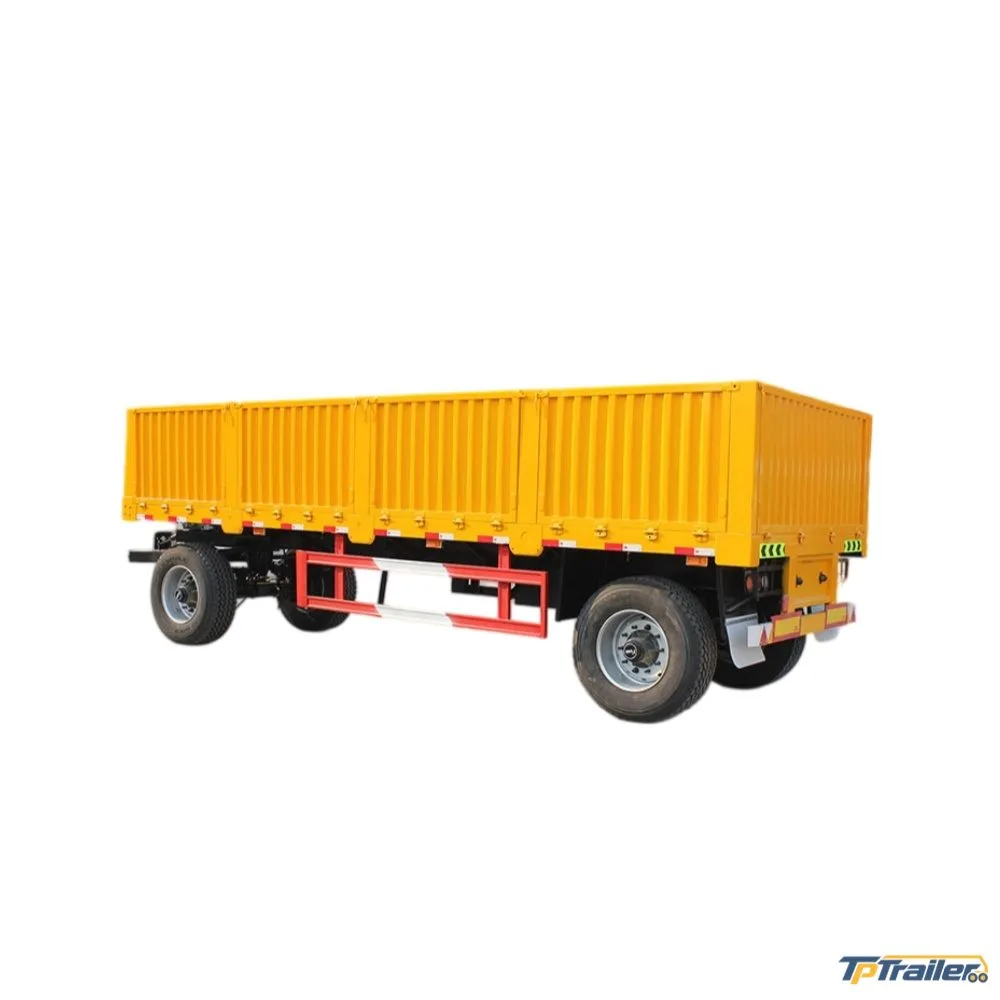
Heavy duty steel full dump trailer with 7000X2500X2750mm body dimensions
15-20 tons payload with a 20 T rated load capacity
1200mm side board height for bulk material retention
13 Tons axle paired with dual tires 11R22.5 16PR
Dual line brake system for controlled stopping under load
4.5 Tons tare weight keeps the payload allowance high
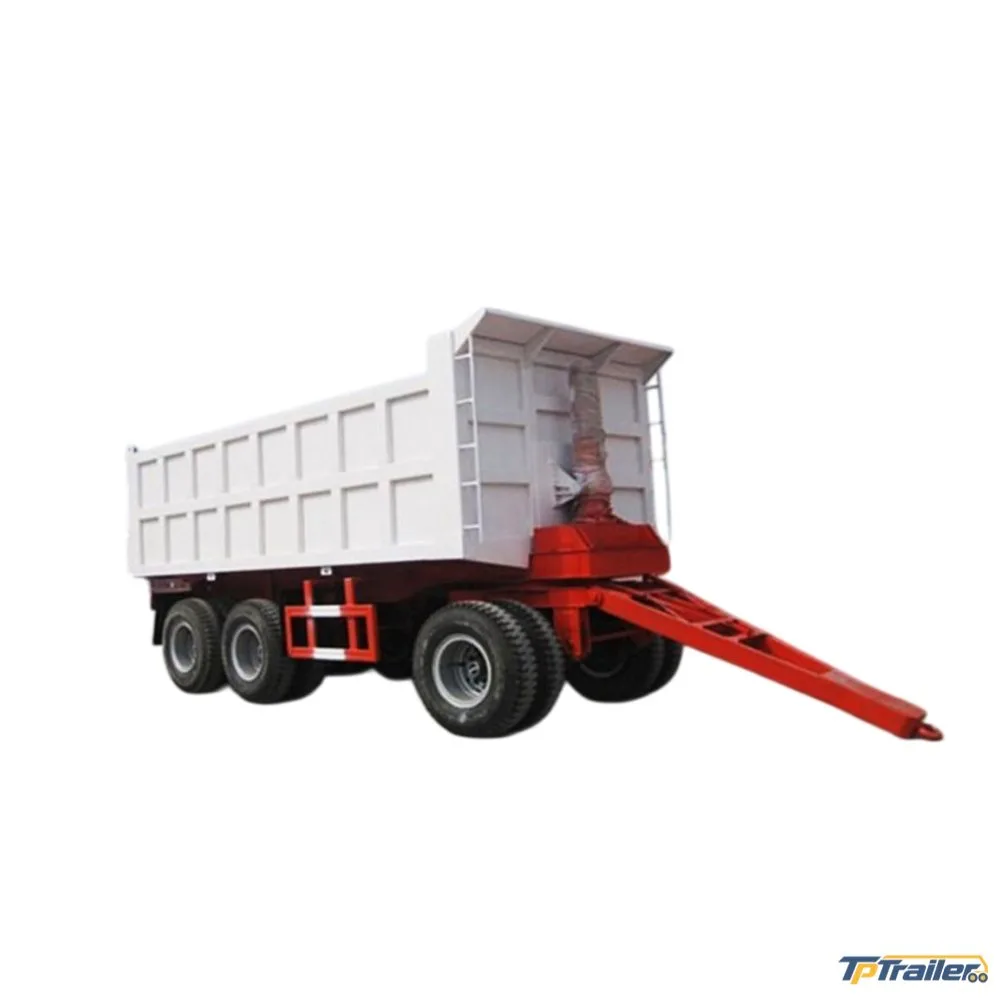
The full trailer is a heavy duty steel dump unit built for operators who move bulk loads every working day. It combines a 7000X2500X2750mm body with a 1200mm side board height, a 13-ton axle set and dual 11R22.5 16PR tires on a draw bar chassis. Payload sits in the 15-20 ton band, with a 4.5 ton tare weight and a 20 T load capacity rating. It suits farms, quarries, yards and road fleets that need one trailer to tip and carry without a second machine. The strongest reason to choose it is the dual line brake system backed by ISO, ADR and CCC certification: braking and compliance are settled before the first load.
Table of Contents
Why It Works On Site
Full dump body with 1200mm sides. The high side boards keep loose cargo inside the body during travel and during the tip, so grain, sand and rubble do not spill over the edge on rough ground. Operators load the full trailer closer to its limit and spend less time clearing the deck before the next run. The 7000X2500X2750mm body also gives the loader a wide target, which shortens each loading cycle on a busy site.
20 T load capacity on a 13-ton axle. The rated load capacity and the axle rating are matched to the same duty band, so the running gear is not carrying a body it was not sized for. That balance matters on repeated tip cycles, where an undersized axle is the first part to complain. A fleet can plan loads around the rating instead of guessing, and a full trailer stays in the same duty class across the whole working season.
Dual line brake system. Two brake lines mean the service brake and the emergency function are separated, so a pressure loss on one circuit does not leave the trailer without braking. On tipped ground, ramps and yard slopes this is the difference between a controlled stop and a runaway. It is also the feature that makes the full trailer practical for road work as well as field work, because the driver has a second circuit behind the first.
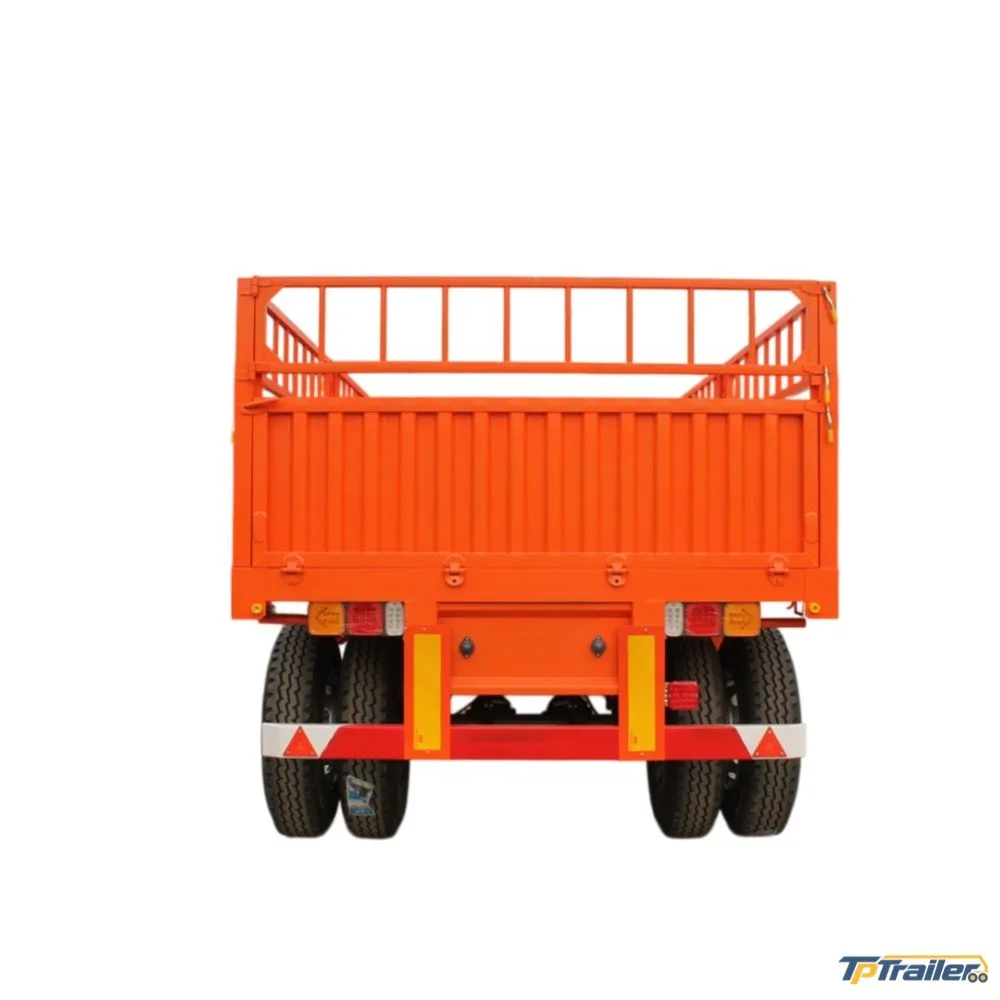
Dual tires 11R22.5 16PR. Twin tires per side spread the load across a wider contact patch, which lowers ground pressure on soft field tracks and yard surfaces. The 16PR casing is built for sustained load rather than occasional use. For a full trailer working mixed surfaces, that means less rutting on soil and steadier tracking on sealed roads, with a common tire size that tire shops already stock.
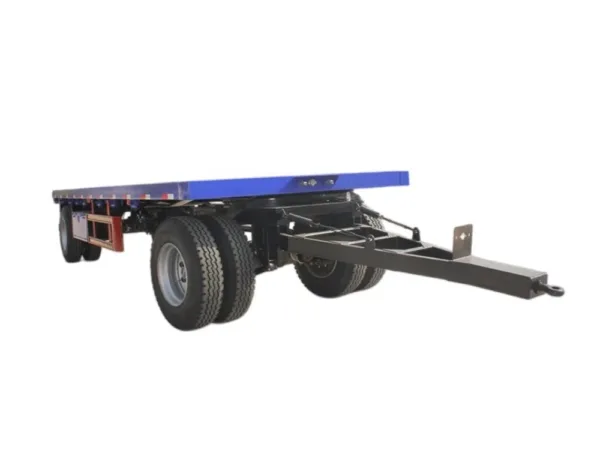
Draw bar chassis. The draw bar layout puts the pivot at the towing vehicle and keeps the trailer tracking behind it, which suits tight farm lanes, gateways and yard corners. It also keeps the tipping load predictable because the body pivots on a fixed, simple frame. For a full trailer that turns in and out of the same gate every day, this geometry reduces the space the driver needs to line up.
ISO, ADR and CCC certification. These are the marks a transport buyer checks before a unit enters service. Having them on the full trailer removes a documentation step at purchase and gives the operator a clear basis for registration and insurance conversations. It also signals that the build was assessed against recognised standards rather than assembled to a local pattern only.
Where It Is Used
The full trailer earns its place on hauling jobs where the load is loose, the distance is short to medium, and the same unit has to load, travel and tip without help. On a mixed farm it moves grain, silage, manure and soil between fields and storage, often over unsealed tracks where the dual tires and the high side boards matter more than top speed. In a quarry or aggregates yard, the same body carries sand, gravel and crushed stone from the stockpile to the weighbridge and back, with the dump action clearing the body between loads.
Construction and demolition sites use it for spoil, rubble and broken concrete, where the 1200mm sides hold irregular pieces that would roll off a flat deck. The dual line brake system keeps the unit usable on yard slopes and site ramps, and the draw bar geometry lets it turn inside gateways and between stockpiles. A fleet operator running a full trailer on this duty cycle gets one asset that covers field, yard and site work.
Road-side and municipal work is the second home for this unit. A full trailer of this size fits the job of moving road planings, drainage spoil, green waste and collected debris between depots and disposal points, where the route is mostly sealed road and the stop-start pattern is frequent. The 11R22.5 16PR dual tires track steadily at road speed, and the dual line brake system gives the driver a brake circuit suited to repeated slowing under load.
Operators also use the body for stock transfers between yards, moving bagged or bulk material that has to arrive tipped rather than lifted. Because the unit carries ISO, ADR and CCC certification, it can be put forward for work where documentation is checked before a vehicle is accepted. For a fleet, that makes the full trailer a flexible member of the line-up: it can cover an agricultural run in the morning and a yard clearance in the afternoon without changing equipment.
Choosing The Right Spec
Match the payload band to the cargo density. The 15-20 ton payload band and the 20 T load capacity rating suit dense loads such as sand, gravel, soil and stone, where the body fills before the weight limit is reached. For lighter, bulkier cargo like silage or green waste, the same full trailer runs volume-limited rather than weight-limited. Buyers should compare their usual cargo density against the band before fixing the order.
Check the body dimensions against the loader. The 7000X2500X2750mm body and 1200mm side boards set how much the machine can drop in one pass and how far material can sit above the rail. A wider bucket or a larger grab needs the opening and the side height to match, or the cycle slows down. Operators moving long or awkward pieces should confirm the body length suits the cargo before choosing the full trailer.
Weigh tare against the towing vehicle. A 4.5 ton tare weight plus payload has to sit inside what the towing vehicle and the route allow. Fleets running lighter prime movers may need to plan part loads, while heavier combinations can use the upper end of the payload band. The full trailer’s tare figure is fixed, so the towing vehicle is the variable to check first.
Confirm the brake and certification route. The dual line brake system and the ISO, ADR and CCC marks are the fixed points of this build. Buyers whose work requires documented braking and certification should treat these as the deciding features, not options. Where the route or the site demands a specific approval, check that the full trailer’s existing certification covers it before ordering.
Customisation Before Delivery
Axle specification. The full trailer is built around a single heavy axle as standard. Buyers moving heavier or more uneven loads can discuss a different axle arrangement at order confirmation. The final axle choice is recorded in the order documents, so the running gear matches the duty cycle you describe. Nothing is changed after the build starts without a written revision.
Body and side board configuration. The dump body length and the side board height define how the full trailer is loaded on your site. Both are fixed at order confirmation against your material type and handling method. State the target volume per trip and the loader used, and the body is matched to that duty rather than to a generic pattern.
Tyre selection. The standard fitment is a dual tyre arrangement in a heavy-load rating. Where ground conditions differ, the tyre specification is agreed at order confirmation together with the axle choice. Tyre and axle decisions belong together, because the load path runs through both. Confirm the surface type and typical route before signing.
Finish and marking. Body colour and any identification marking are settled at order confirmation. Markings are applied to the steel before delivery, so the wording must be final at that point. Send the exact text and layout with the order. The full trailer then arrives carrying your fleet identification rather than a generic finish.
Brake and coupling details. The dual line brake system is part of the base build. Any change to the coupling interface or the air line arrangement is agreed at order confirmation, not on arrival. Describe the towing vehicle and its connections, and the interface is matched before the full trailer leaves the line.
Fitting And Installation
Fitting begins with the towing vehicle, not the trailer. Before the full trailer arrives, confirm the draw bar eye or coupling type on the tractor, the height of the hitch point, and the position of the air line couplings. The dual line brake system needs both supply and service lines routed clear of sharp edges and hot surfaces, with enough slack for articulation.
Check that the parking area is level and firm enough to hold the unit while the lines are connected. Have the tyre pressures checked cold and the wheel nut torque verified against the values supplied with the unit. Where the input gives no fitment data, a fitment drawing is confirmed at quotation, so the interface is settled before production rather than at the yard.
A mismatch at this stage is expensive in a way that is easy to underestimate. A coupling that does not match the tractor keeps the full trailer parked while a replacement is sourced and fitted. Air lines that are too short or routed badly chafe, and a brake system that cannot be connected properly keeps the unit out of service. A tyre or axle combination that does not suit the site shortens component life from the first load.
Each of these problems is a downtime cost, not a parts cost. That is why the interface details are confirmed at quotation and again at order confirmation. The installation then becomes a connect-and-check job instead of a fabrication job, and the full trailer starts earning on schedule.
Service Life And Maintenance
Brake system first. The dual line brake system is the most safety-critical assembly on the full trailer. Inspect lines for chafe, couplings for seal condition, and the actuator travel before each trip. Air leaks show up as slow pressure build or a dragging brake. Fix small faults early, because a neglected leak turns into a roadside stop. Keep the lines clipped and clear of the load area.
Tyres and wheels. Dual tyres carry the payload, so check pressures cold and look for uneven wear across each pair. A mismatched pair wears fast and loads the axle unevenly. Inspect wheel nuts and studs at the stated torque after the first runs and at each service. Stones trapped between duals cause sidewall damage that is easy to miss on a quick walk-around.
Axle and suspension. The axle carries the rated load, so inspect for oil weeping at the hubs and listen for bearing noise on the move. Check suspension mounts and U-bolts for looseness. A full trailer used on rough ground should be inspected more often than one on sealed roads. Record what you find, so a trend is visible before a failure stops the unit.
Dump body and hydraulics. The tipping body and its ram are worked hard. Inspect the body floor for cracks at the seams, the hinge points for wear, and the hydraulic hoses for rubbing. Lower the body fully before moving. A full trailer left with the body raised stresses the ram and the frame. Wipe hose ends clean before reconnecting anything.
Steel finish and structure. The steel body and chassis are the longest-lived parts if the finish is maintained. Wash off corrosive material after unloading, and touch up chips before rust starts. Inspect welds at the draw bar and body mounts for cracks. A painted steel structure that is kept clean and recoated where worn will outlast one that is only washed occasionally.
Packing And Container Loading
Each full trailer ships as a complete unit. The chassis is cleaned and the painted surfaces are coated before dispatch. The dump body is secured in its transport position. Dual line brake components are capped to keep moisture and dust out during the sea voyage. Dual tires are protected against sunlight and scuffing. Loose items are boxed and tied to the frame. The draw bar is braced so it cannot swing against the body. Every full trailer leaves the yard with its own packing record, and the buyer should keep that record with the shipping documents.
A full trailer is not a nested item. The assembled body, draw bar and axle set do not collapse into a smaller footprint. Container planning therefore works on unit count, not on stacking. The dump body can be lowered to reduce overall height, and removable side boards can travel separately to free vertical space. Ask the supplier for the shipping dimensions of the packed unit before booking. Confirm the loading plan in writing, then check the container seal and the unit count on arrival. Photograph the full trailer before unloading.
Common Mistakes Buyers Make
Ordering without checking the draw bar match. The towing vehicle must suit the draw bar eye and coupling height. A mismatch leaves the full trailer unusable on day one. Measure the coupling point on the tractor before ordering. Send that measurement to the supplier and ask for written confirmation that the draw bar suits it.
Ignoring the side board height. Buyers compare payload figures and skip the board height. That changes the usable volume and the load profile. Check the board height against the material you haul. If you need a different height, confirm it at quotation rather than assuming a standard body will do.
Treating the brake system as a formality. The dual line brake system must match the towing vehicle and local rules. Ask which line feeds the service brake and which handles the emergency function. Confirm the connections and the air fittings at quotation. A full trailer that cannot brake correctly will not pass inspection.
Overlooking tare weight in route planning. The tare weight eats into the gross combination on every trip. Check it against bridge limits and site access rules before you commit. Ask the supplier to state it on the quotation. A full trailer that is legal on paper can still be too heavy for a weak bridge or a tight yard.
Skipping the certification check. Buyers assume the listed certification covers their market. It may not. Ask for the certificate scope and the exact model it covers. Confirm the full trailer you order sits inside that scope. Get it in writing before the deposit, not after the unit lands at the port.
Buyer Questions
Can the trailer be shipped in a standard container?
That depends on the packed dimensions, which are confirmed at quotation. The full trailer ships as a complete unit, so the body, draw bar and axle set set the footprint. Ask the supplier for the packed length, width and height before you book freight. Compare those figures with your planned container. If the unit does not fit, discuss a different shipping method with the supplier. Do not assume the trailer size equals the shipping size.
What should I check when the trailer arrives?
Check the unit count against the packing record first. Then inspect the paint, the dump body, the side boards, the dual tires and the dual line brake fittings for transit damage. Photograph every side before unloading. Confirm the draw bar and coupling are straight and undamaged. Keep the shipping documents with the packing record. Report any damage to the supplier before you move the full trailer off the dock, because claims are easier to support with dated photos.
Can I change the side board height or axle setup?
Changes to the side board height or the axle setup are confirmed at quotation, not assumed. State the body height you need and the axle count you plan to run. Confirm the resulting payload and tare weight in writing. Ask whether the change affects the certification scope of the full trailer. Get the final specification on the quotation before paying a deposit. A verbal change is not a specification, so keep every adjustment in the written offer.
Send the required body length, the axle count you plan to run and the quantity you need. Add your towing vehicle coupling details and any board height requirement. The supplier can then confirm the full trailer specification, the certification scope and the shipping plan in one written quotation.
We use cookies to enhance your browsing experience, serve personalized content, and analyze our traffic. By clicking "Accept All", you consent to our use of cookies. Privacy Policy
Cookie Preferences
Required for the website to function properly. Cannot be disabled.
Help us understand how visitors interact with the website (Google Analytics).
Used to deliver personalized ads and measure ad campaign effectiveness.
















Write a Review