

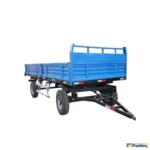
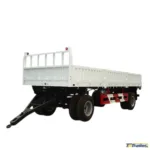

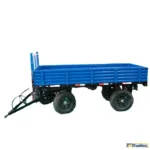
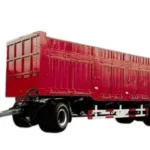
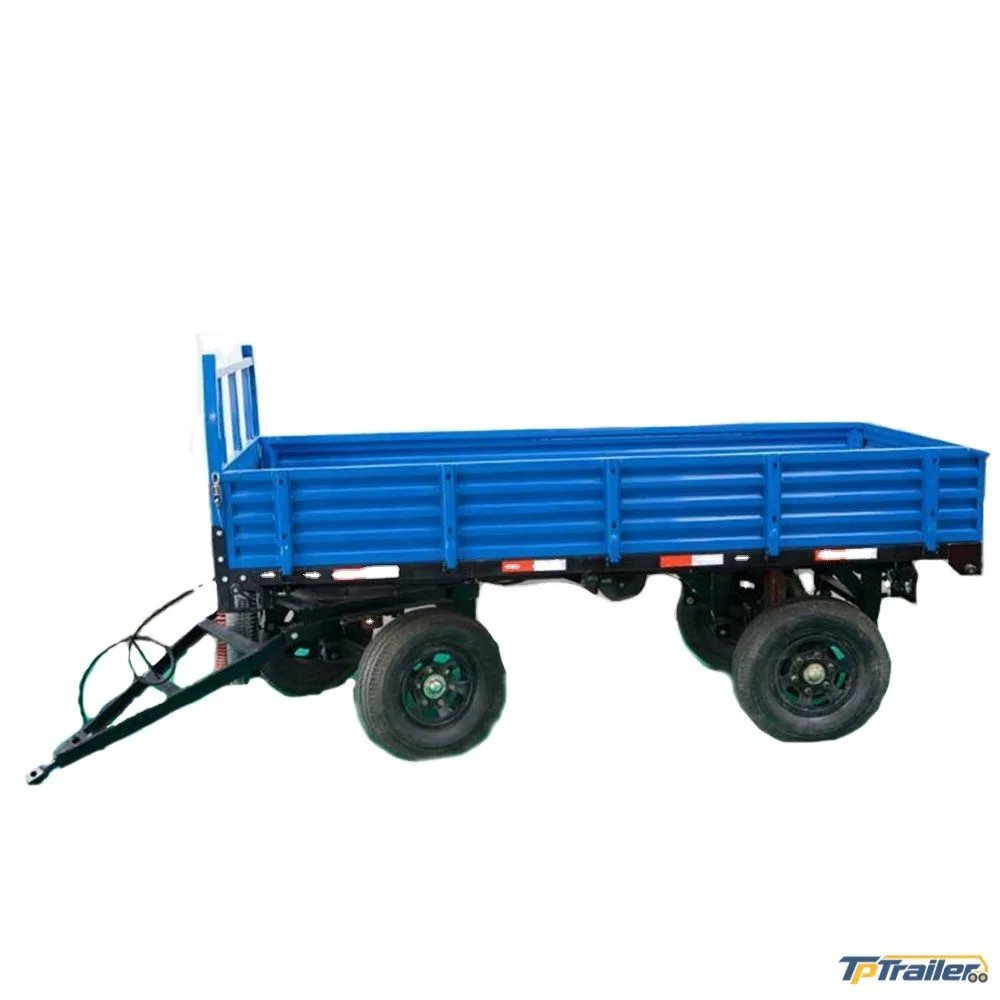
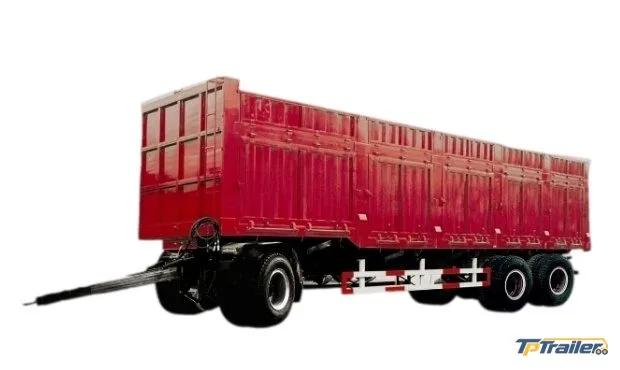
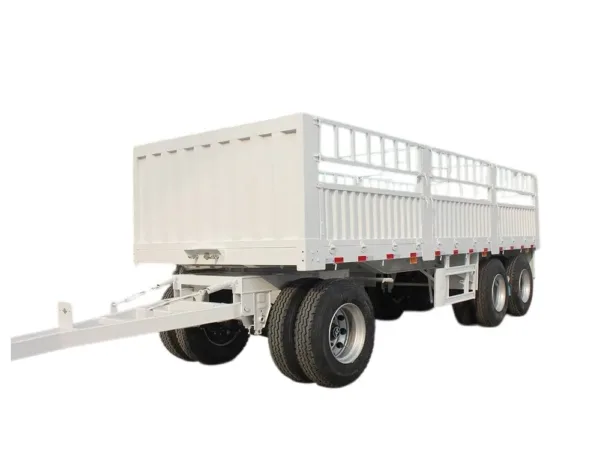
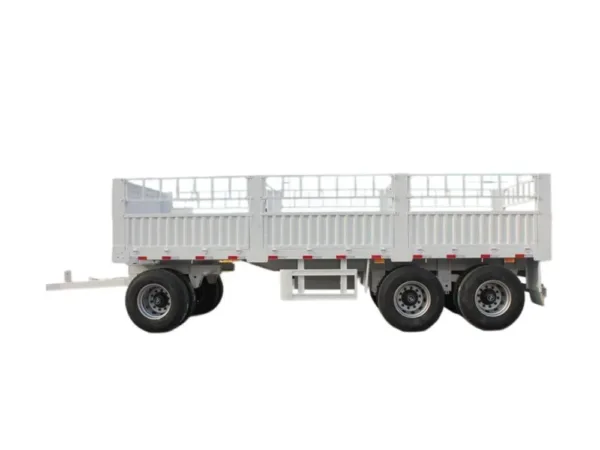
farm tipping trailer with 20T load capacity and 2 axles, 8 tyres and dual line braking with ABS. Built for farm haulage; quotes are available on request.
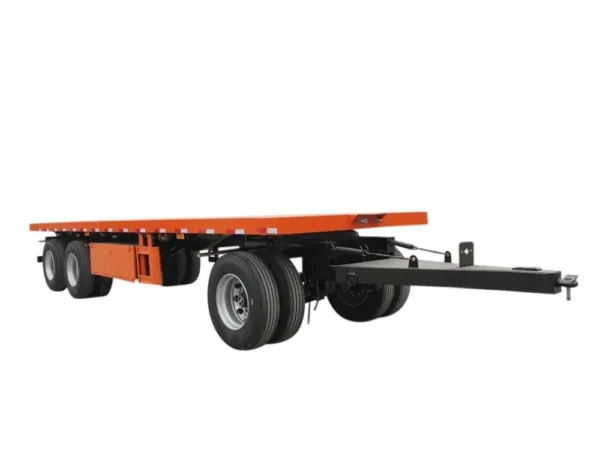


The farm tipping trailer is a heavy-duty hauling platform built for agricultural operators who move bulk loads on and off paved surfaces every working day. It suits fleet owners, contractors and large farming operations that need a tipping body matched to tractor or truck haulage. The strongest reason to choose it is the combination of a 20T load capacity with a dual line braking system and ABS, which keeps heavy loads controlled on descents and in wet field conditions. This is a working machine, not a light utility cart, and it is specified to keep earning across seasons rather than to sit idle between harvests.
This farm tipping trailer earns its place in the bulk-movement jobs that repeat every week of the season. The most common is grain and feed haulage between field, store and yard, where the tipping body discharges into a pit or auger hopper without manual shovelling. The same deck handles silage and hay bales, manure and slurry solids, and bagged fertiliser on the return leg.
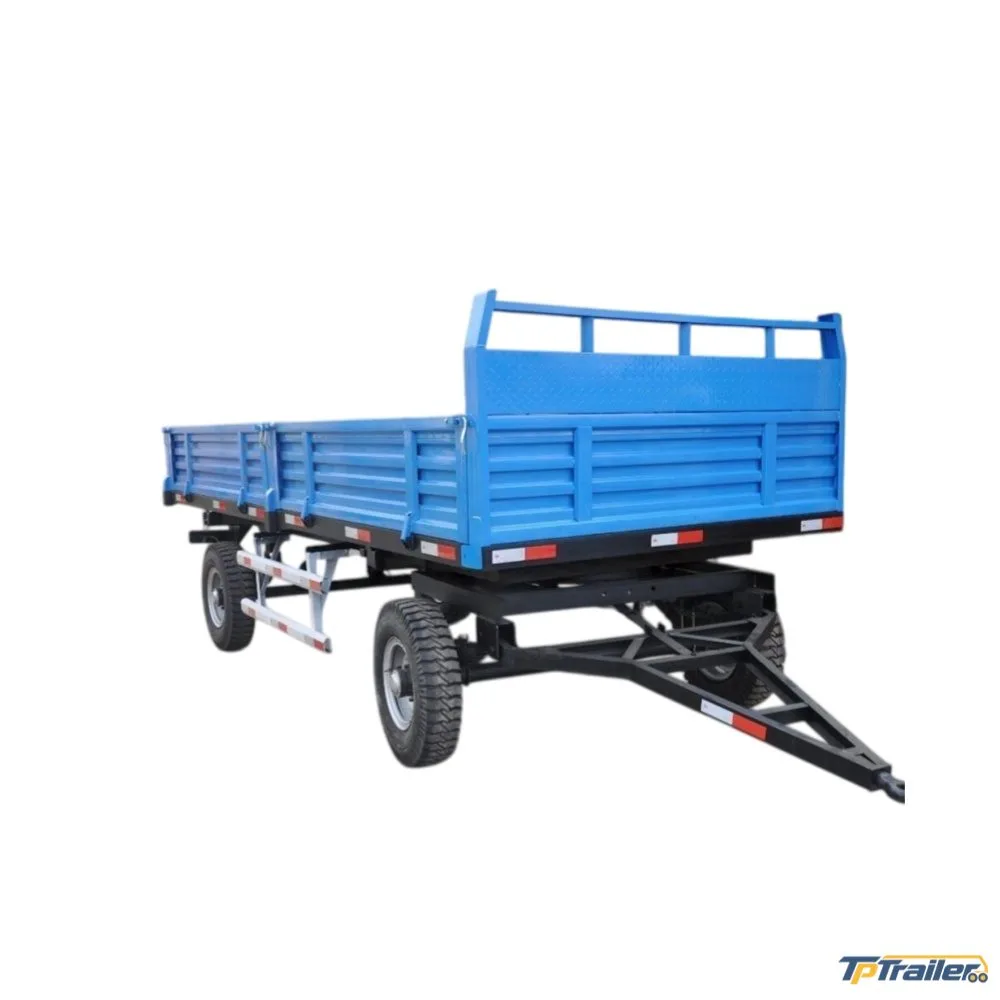
On mixed farms it doubles as a soil and gravel mover for track repairs, drainage work and shed construction, carrying stone from the yard to the point of use. Because the body tips, the load leaves the platform under its own weight, which removes the labour and time of manual unloading in the farm tipping trailer’s core duty cycle.
Beyond the field gate, the unit works on the routes a fleet operator recognises: farm tracks to the main road, short highway runs to a cooperative or processor, and yard-to-yard transfers between storage sites. The dual line braking system and ABS make those public-road legs practical rather than marginal, so the same farm tipping trailer can cover field work and road haulage without a second unit. Contractors use it for land clearance, hedge and ditch spoil removal, and movement of fencing materials between jobs. The tipping action also suits waste and green-waste collection on estates and larger holdings, where loads are mixed and need to be dropped quickly at a transfer point before the next collection round begins.
Procurement managers running a mixed fleet should think about the farm tipping trailer as a shared asset rather than a single-farm tool. Because the unit is towed rather than driven, it can be assigned to whichever tractor or truck has spare capacity that day, and the 20T rating means one trailer covers the heaviest haul in the rotation. That flexibility is what makes a small number of units go a long way across several depots, and it is the reason the specification is written around the load rather than around one vehicle.
Each choice on that list changes how the farm tipping trailer behaves once it is in service, so the order confirmation is the document worth reading twice. A buyer who signs without stating the axle count, the tyre size and the spring rating is accepting whatever the build sheet happens to carry, and that is where mismatches start. Put the duty cycle in front of the supplier in plain terms — the weights you move, the ground you cross, the number of trips per week — and let the options be selected against it. The farm tipping trailer is configurable, but only on paper first.
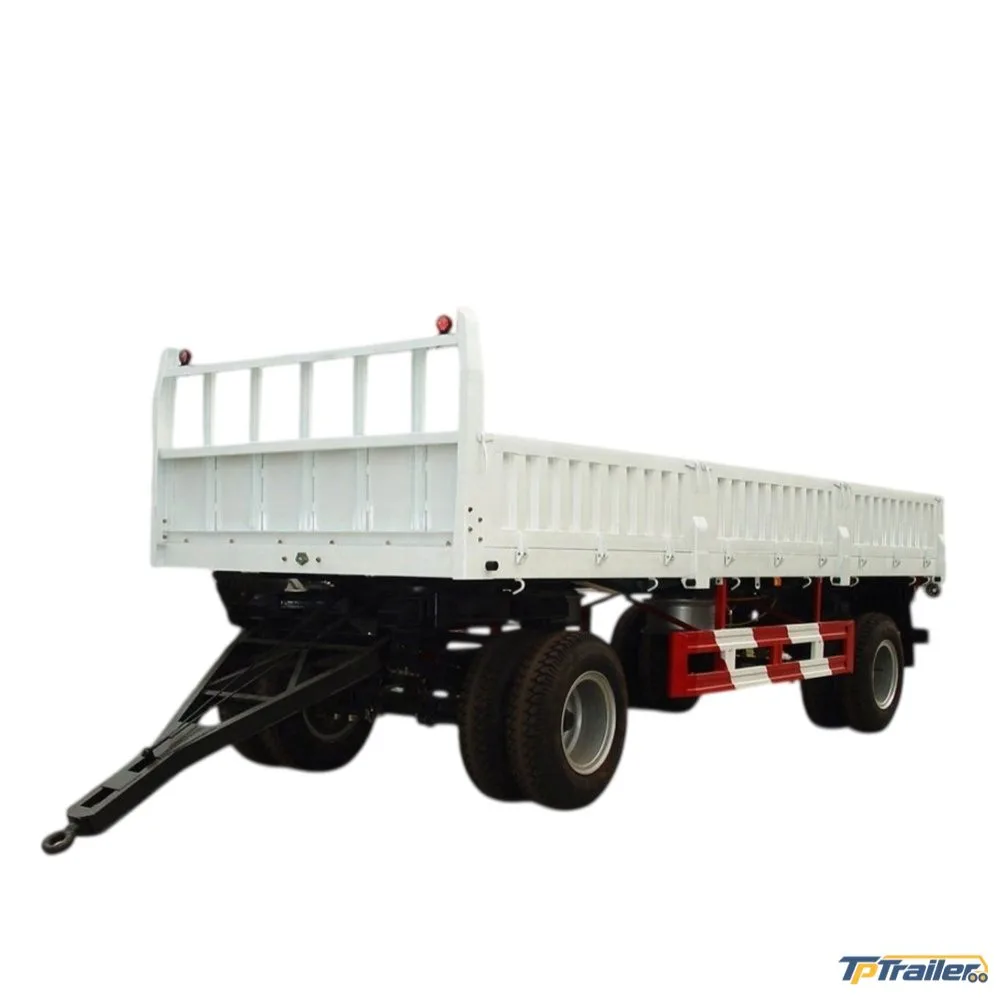
When the farm tipping trailer arrives, the first task is to match the towing vehicle to the trailer coupling. Check the drawbar eye, the hitch height and the pin diameter against the tractor before you move the unit. The dual line braking system with ABS needs both supply lines connected in the correct order, and the hose routing should clear the drawbar through its full turning arc. If the input gives no fitment dimensions for your tractor, a fitment drawing is confirmed at quotation instead of being guessed. Walk the chassis and note the mounting points for the side beams and the platform.
Confirm that the channel steel side beams sit square on the frame rails. Check that the leaf spring packs are seated on their hangers and that the axle tubes are aligned. On a new farm tipping trailer, loose or mismatched fasteners are the most common cause of a poor first run. Record the condition of every connection before the first loaded trip.
A wrong size at the coupling or the brake line costs real downtime. A drawbar that does not match the tractor cannot be used at all, and the farm tipping trailer sits idle while a replacement is sourced. A brake hose that is too short will pull tight on a turn, and one that is too long will chafe against the frame. Either fault takes the unit out of service at the worst moment, often mid-season.
The tyre and axle choice also affects how the trailer sits behind the tractor, so a mismatch in track or ride height changes the whole towing feel. That is why the fitment drawing is confirmed at quotation and why the axle, spring and tyre choices are settled at order confirmation. Getting these details right before delivery is far cheaper than correcting them after the trailer reaches the yard.
The first loaded run should be treated as a check rather than a full shift. Hitch the farm tipping trailer, connect both brake lines, and pull away slowly with a part load to feel how the unit tracks. Stop and inspect the coupling, the spring hangers and the platform edges while the load is still on board. Any movement or noise at this stage is easier to correct than it will be after a season of work.
A written maintenance log pays for itself on a fleet. Record the date, the hours and what was checked for each farm tipping trailer, and the interval between services becomes a fact rather than a guess. When a tyre, a spring leaf or a brake line is replaced, note it against the unit so the next inspection starts from a known baseline. That record is also what a procurement manager needs when comparing running costs across several trailers, and it makes the decision to repair or replace an evidence-based one.
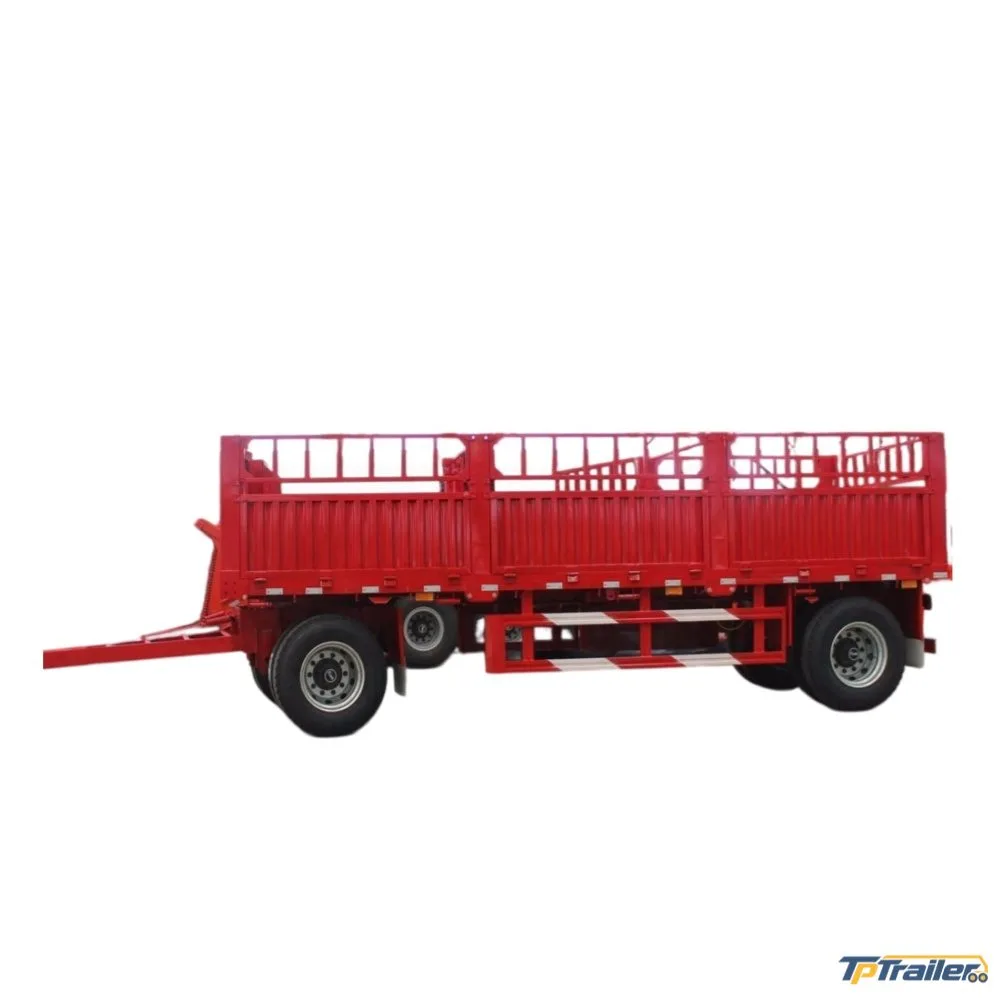
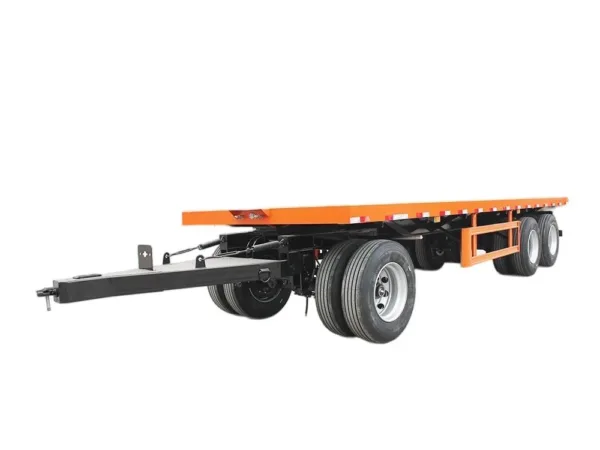
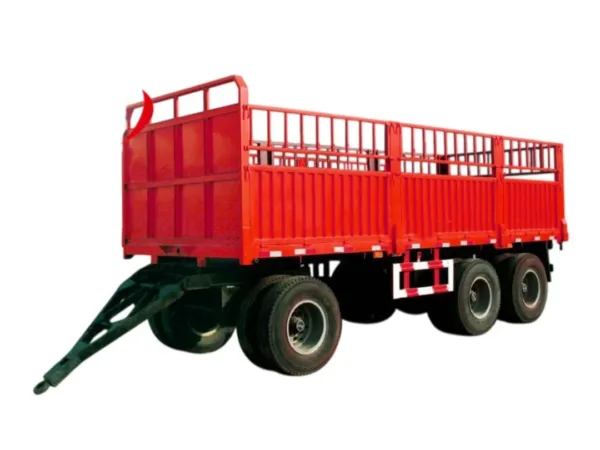
Each farm tipping trailer is prepared for sea freight with the chassis and tipping body secured as one unit. Loose items such as the axle set and brake components are boxed and strapped to the deck. The diamond steel plate platform is protected against surface scuffing during handling. Because the unit ships as a complete trailer rather than a kit, the buyer should confirm with the supplier how the wheels and tyres are handled for the voyage. Ask for loading photos before the container is sealed.
Stacking is limited by the trailer footprint and the container opening. A farm tipping trailer with a fixed deck cannot be nested like small parts, so container space is planned around the unit count per shipment. Buyers ordering more than one unit should confirm the loading plan in writing. Verify the number of axles, tyre count and side beam section against the packing list on arrival. Check the brake lines and platform edges for transit damage before signing the delivery receipt.
For a multi-unit order, the loading plan is the document that decides freight cost per trailer. Ask how many units fit in the container you intend to book, where the loose components are stowed, and what bracing holds the bodies in place. A clear plan also tells the receiving yard what lifting equipment to have ready on the day the container is opened, which keeps unloading inside the free time.
The pattern behind most of these errors is the same: a specification left to the factory default. A farm tipping trailer is a long-lived purchase, and the few minutes spent confirming the axle, spring, tyre and brake details at quotation are the cheapest part of the whole transaction. Buyers who write those details down and check them against the packing list on arrival rarely have a dispute to resolve.
The trailer ships as a complete unit with the chassis and tipping body secured together. Loose axle and brake parts are boxed and strapped to the deck, and the diamond steel plate platform is protected against scuffing. Ask the supplier for loading photos and a packing list before the container is sealed. On arrival, inspect the platform edges, brake lines and side beam for transit damage before signing the delivery receipt.
Container space is planned around the trailer footprint, so the number of units per shipment depends on the loading plan. Because the unit is a complete trailer, nesting is limited. Confirm the loading plan and unit count in writing at quotation. If you order more than one farm tipping trailer, ask for the loading layout so you know exactly how many fit and what space remains.
Check the load capacity, axle number, tyre number and tyre size against the packing list and your order. Inspect the side beam, platform and brake system for damage. Confirm the certification documents match the unit. Photograph any discrepancy before signing. If something does not match, raise it with the supplier immediately, because claims are easier to support with photos taken at the point of unloading.
To receive a quote, send the trailer length you need, the axle count you require and the quantity you plan to order. State your tyre preference and whether the optional axle applies. With those details, the supplier can confirm the build, the farm tipping trailer configuration and the loading plan for your shipment. The price range shown is USD 5300.0 to 5400.0, with the lower figure applying at a quantity of four units, so a fleet order is worth planning as one shipment rather than several.
Explore more farm tipping trailer in this range.
| Load Capacity | 20T | Type | Full Trailer |
|---|---|---|---|
| Max Payload | 20ton | Place of Origin | China (Mainland) |
| Province | Guangdong | Use | Truck Trailer |
| Material | Steel | Size | 9500 × 2500 × 2700mm |
| Dimensions | 750 × 250 × 255 | ||
No reviews yet — click the Review button on the right to share your experience with this product.











Fill in the form below and our team will respond within 24 hours.
Write a Review