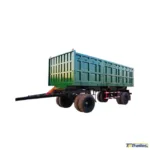
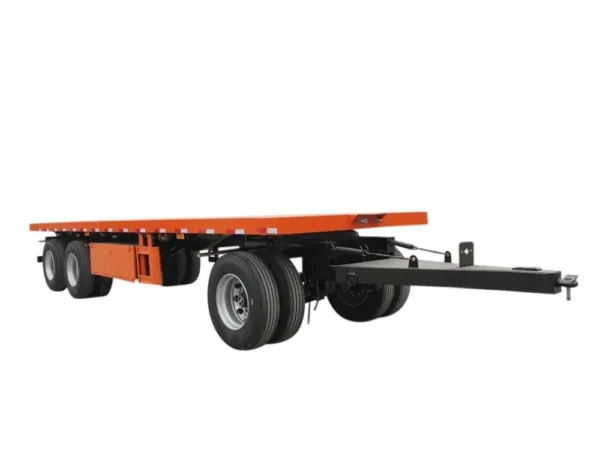
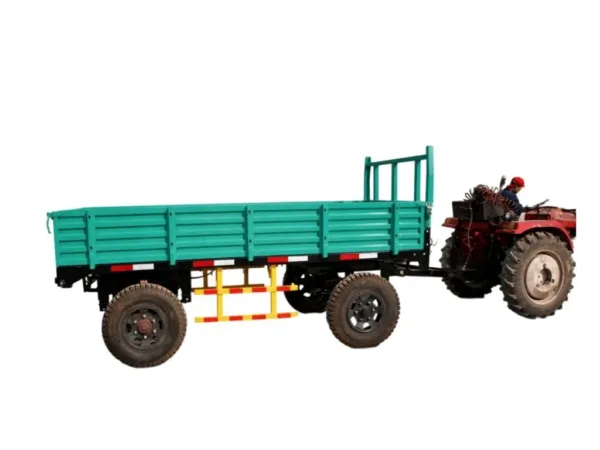
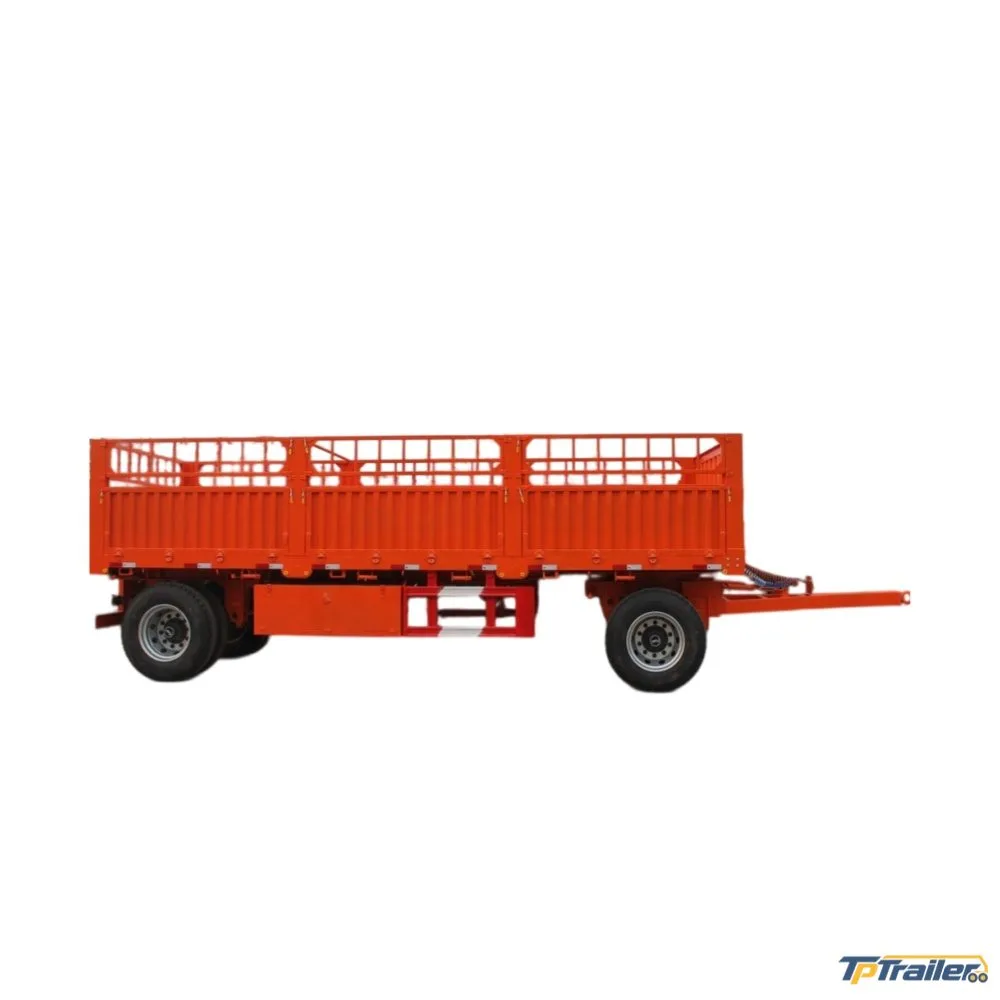
Hydraulic Tipping 2 Axle Farm Tractor Trailer 5001-10000 KG
2 axle farm tractor trailer with hydraulic tipping and 5001-10000 KG load capacity, customised dimensions. Request a quote for your farm transport needs.
5001-10000 KG 2
FOB Reference PriceUS$6,700-9,900Final price confirmed by inquiry
Certifications
ISO 9001
Key Features
Hydraulic tipping body for controlled load discharge on the farm
Two-axle running gear matched to a 5001-10000 KG load capacity
Dimensions customised to the buyer's requirements
New condition unit for fleet and farm operators
2-year warranty on core components
Online after-sales support for maintenance questions
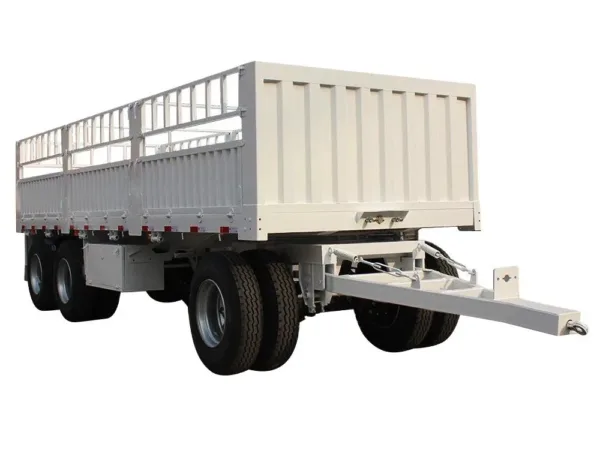
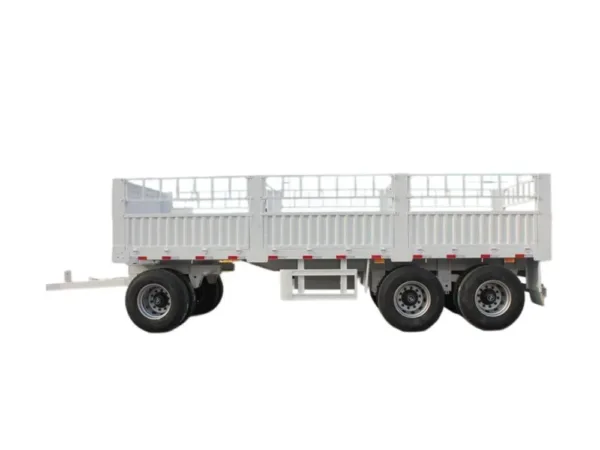
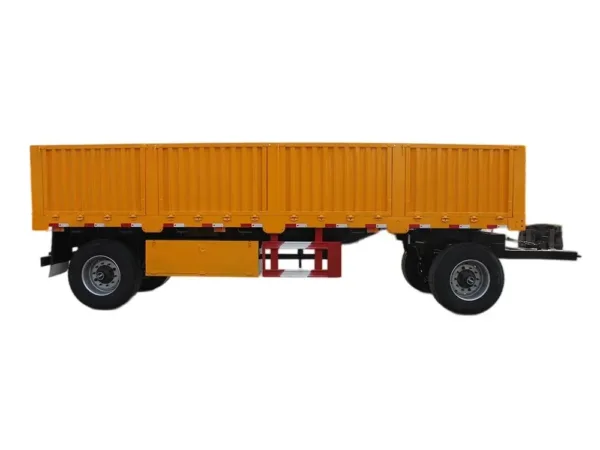
A farm tractor trailer with hydraulic tipping turns the tractor you already own into a self-unloading haulage unit. This four-wheel, two-axle dump trailer is built for mixed farms, livestock holdings and small contracting outfits that move bulk loads daily. Its hydraulic tip does the unloading, so one operator and one tractor handle the whole cycle. The strongest reason to choose it is that the load leaves the trailer under its own power, without shovels, without a second machine and without a hired hand. Capacity sits in the 5001-10000 KG band, so it suits mid-size harvests, manure runs and feed deliveries rather than light garden work.
Table of Contents
Why It Works On Site
Hydraulic tipping action. The tip is driven off the tractor’s hydraulics and raises the bed to dump the load in one pass. Grain, sand, wet manure and soil all slide out without manual work. That single feature is what separates a working farm tractor trailer from a flatbed that has to be unloaded by hand at every stop.
Two axles, four wheels. Load is spread across two axles instead of one, so the bed stays level on uneven ground and the tractor keeps its grip. Field tracks, gateways and soft yards are handled without the pitching a single-axle unit shows. The four-wheel layout also keeps the farm tractor trailer stable when the bed is raised on a slope.
Capacity in the 5001-10000 KG band. This is the working range for a mid-size holding. It carries a full grain run, a day of manure clearing or a feed drop in one trip. Operators stop splitting loads across two journeys, and the farm tractor trailer earns its keep on every outing rather than sitting between seasons.
Customised dimensions. Bed length, width and side height are set to the buyer’s order. A livestock farm can specify a deeper body for silage, while an arable operation can ask for a wider, shallower bed for grain. The farm tractor trailer then fits the tractor’s hitch height and the gateway widths already on the site.
Two-year core component warranty. The warranty covers the core components for two years, which matters on a unit that tips under load every day. Buyers get a defined support window on the parts that carry the stress. Online after-sales support backs it up, so a question about the tip or the running gear is answered without a site visit.
New condition, ordinary product type. The unit ships new, as a standard production model rather than a one-off build. That keeps parts and service straightforward across a fleet. For an operator running several tractors, a farm tractor trailer that is easy to keep working matters more than a bespoke machine.
Where It Is Used
The most common job is moving bulk material out of a field or yard and tipping it at a heap, pit or store. Grain, maize and silage come off the trailer at the silo or clamp in one raised pass. Livestock units use the same farm tractor trailer for manure and bedding, loading from the shed and tipping at the muck heap.
Because the bed is raised hydraulically, the operator never leaves the seat to shovel out a sticky load. Feed deliveries and bought-in fertiliser run the other way, tipped into a barn or spreader. On mixed farms the trailer often does two or three of these jobs in a single day, which is where a tipping body pays for itself against a fixed-bed unit.
Construction and grounds work sit alongside the farm jobs. The farm tractor trailer carries sand, gravel, soil and rubble on estate tracks and yard-to-field routes where a road truck cannot go. Two axles keep it planted on soft ground, and the tip drops a load exactly where it is needed rather than in a heap to be moved again. Contractors use it for fencing materials, stone and clearance spoil. Because dimensions are customised, an operator can match the bed to the pallets, crates or bulk heaps they actually handle. The trailer is also a practical tool for seasonal peaks, when extra haulage is needed for a few weeks and hiring a truck is not worth it.
Choosing The Right Spec
Match the load to the capacity band. The 5001-10000 KG range covers most mid-size hauling, but the top of the band suits grain and silage while the lower end is enough for lighter, bulkier cargo. Work out the heaviest single load first, then pick a farm tractor trailer that carries it with margin. Overloading shortens the life of the tip and the axles.
Set the dimensions around the cargo. Because the bed is customised, side height and floor area should follow what is carried. Deep sides hold loose silage and manure; a wider, lower bed suits grain and pallets. Check the farm tractor trailer against your gateways, sheds and yard turning space before confirming the size.
Choose the tipping setup for the tractor. The hydraulic tip runs from the tractor’s supply, so confirm the tractor can drive it. A larger bed needs more oil flow and a stronger lift than a compact one. Buyers running several tractors should pick a farm tractor trailer that works with the smallest unit likely to pull it.
Weigh the two-axle layout against your routes. Two axles and four wheels suit field tracks, farmyards and uneven ground. If most trips are on made roads at higher speed, check the tyre and running gear specification against that duty. The same farm tractor trailer can serve both, but the axle and tyre choice should reflect where most of the miles are done.
Customisation Before Delivery
Axle count. The farm tractor trailer is built on a twin-axle layout as standard, and the axle count is fixed at order confirmation. Buyers who run lighter loads or want a shorter turning circle can discuss the configuration with the sales team before the build starts. Nothing is changed after the order is locked.
Deck length and dimensions. The platform size is listed as customised, so the deck length, width and side-wall height are agreed against your load profile. Give the team the longest item you will carry and the weight it puts on the floor. The final dimension set is written into the order confirmation.
Suspension and running gear. Suspension type and the running gear fitted to the farm tractor trailer are settled at the same point in the order. Tell the team the surface the trailer will work on, field tracks or sealed road, and the choice is matched to it. The decision is recorded before production begins.
Tyres and colour. Tyre specification and finish colour are both open choices on this farm tractor trailer. State the ground conditions and the tyre option is narrowed for you. Colour is a simple selection at order confirmation, useful when several trailers work the same farm and need to be told apart quickly.
Hydraulic tipping set. The tipping cylinder and its mounting are part of the customisation conversation, because the ram has to suit the deck you order. Confirm the tractor’s hydraulic supply with the team so the circuit is matched. Every choice above is settled at order confirmation, not after the build.
Fitting And Installation
Nothing on this farm tractor trailer is fitted by guesswork. Before dispatch, the team confirms a fitment drawing against your tractor, and that drawing is the document the installation follows. It covers the drawbar and hitch geometry, the mounting points on the chassis, and the route the hydraulic hoses take from the tractor’s outlets to the tipping circuit. Check the drawing against the machine in front of you before the trailer is coupled for the first time.
Measure the hitch height, the distance between the mounting points and the clearance around the hose run. If any figure on the drawing does not match the tractor, raise it before installation starts. A mismatch found at that stage is a conversation. A mismatch found after the trailer is loaded is a repair, and the farm tractor trailer sits idle while it is sorted out.
The cost of a wrong size is downtime, and downtime on a working farm is the expensive part. A drawbar that does not sit at the right height loads the tractor’s linkage unevenly. A hose run that fouls the chassis wears through at the first full tip. Both faults stop the farm tractor trailer in the middle of a job, usually with a load on the deck.
That is why the fitment drawing is confirmed at quotation rather than assumed, and why the buyer should read it before signing it off. Online support is provided after delivery for questions on the installation, so the person doing the work can ask rather than force a part into place. Keep the drawing with the trailer’s paperwork. It is the reference for every later check on the coupling and the hydraulic line.
Service Life And Maintenance
Tyres and wheel bearings first. On any farm tractor trailer, the tyres and wheel bearings take the earliest wear. Check tread depth, sidewall condition and bearing play before each season’s heavy work. A bearing that is starting to rumble is cheaper to deal with than one that has failed in a field. Keep the tyre pressures even across the axle pair.
Hydraulic circuit checks. Inspect the tipping hoses, couplings and cylinder seals for chafing, weeping or cracked rubber. Look along the full hose route, not just at the ends, because a rub point against the chassis is where a failure starts. Wipe the rams clean before each use. Grit carried into a seal shortens the life of the farm tractor trailer’s tipping system.
Chassis and mounting points. Walk the chassis rails, cross members and mounting points for cracks, loose fasteners and corrosion. Pay attention to the areas around the tipping pivot, where load and movement concentrate. Re-torque fasteners to the values in the fitment drawing after the first working period, then at each inspection. A loose mount spreads stress into the frame.
Deck and side walls. The deck surface and side walls wear from loading, scraping and tipping. Check for bent panels, worn floor plates and damage at the tailgate edge, where material drags out on every tip. Repair small damage early, before water reaches the structure underneath. A sound deck keeps the farm tractor trailer working through the season.
Coating and storage. The finish is the first line of defence against corrosion. Wash off soil, fertiliser and manure after use, and touch up any chipped paint before rust takes hold. Store the trailer under cover or on hard standing where possible. A maintained coating extends the interval between structural inspections.
Packing And Container Loading
The farm tractor trailer is prepared for sea freight as a complete unit. Axles, wheels and the tipping cylinder stay mounted, so the machine arrives ready for assembly. Steel surfaces are coated before dispatch to limit corrosion during transit. Hydraulic hoses are capped, and loose parts are bundled and labelled. The buyer should confirm the coating specification and the protection of exposed hydraulic fittings at quotation. Ask the supplier to photograph the unit before loading, and check that the photos match the order before the container is sealed.
The farm tractor trailer can be partially disassembled to save container space. Wheels and drawbar components may be removed and packed alongside the body, and two units often share one container when dimensions allow. Because the dimension is customised, the exact loading plan depends on the agreed size. Confirm the loading plan in writing before production. On arrival, verify the unit count against the packing list, inspect the coating and hydraulic hoses, and check the tipping cylinder for transit damage. Report any shortage or damage to the supplier and the carrier before unloading. Keep the shipping documents with the machine for the warranty record.
Common Mistakes Buyers Make
Ordering without confirming the length. A farm tractor trailer built to the wrong length will not match the towing vehicle or the yard layout. Measure the towing vehicle’s hitch height and the available turning space, then put the required length in writing on the order. The dimension is customised, so the agreed figure becomes the build instruction.
Ignoring the load capacity band. Buyers compare the load capacity against the heaviest load only, not the daily average. Check the load capacity against the heaviest planned load plus a margin, and confirm the figure at quotation. A farm tractor trailer matched to real loads avoids overloading the axles and body.
Skipping the axle count check. The number of axles affects how the trailer carries weight and how it tracks. Confirm the axle count against the load capacity and the road conditions on your farm. State the axle count on the order, and ask the supplier to confirm it in the order confirmation for the farm tractor trailer.
Assuming a showroom visit. No showroom location is listed, so buyers who expect to inspect a unit in person lose time. Ask for photos and video of a finished unit instead, and confirm what the online support covers after delivery. Put the warranty terms for core components in the purchase contract before paying.
Leaving after-sales terms vague. Online support is provided, but buyers rarely confirm how it works. Agree the contact channel, response expectation and spare parts route before shipment. Record the warranty period for core components in the contract. A farm tractor trailer backed by clear terms is easier to keep working through the season.
Buyer Questions
Can the trailer be built to my required length?
Yes. The dimension is customised, so the length is set by the order rather than by a fixed catalogue size. Measure the towing vehicle’s hitch point, the width of your gateways and the space needed to turn loaded, then send the required length with your enquiry. Confirm the figure on the order confirmation before production starts. Because the build follows the agreed dimension, a change after production begins may not be possible, so check the drawing carefully.
What does the warranty cover and for how long?
The warranty of core components runs for two years. The input does not list which components count as core, so ask the supplier to name them in the contract before you order. Online support is provided after delivery. Confirm the contact channel and what the support covers, and keep the shipping documents and order confirmation with the farm tractor trailer. That record makes any warranty claim easier to process.
How many units fit in one container?
The loading quantity depends on the agreed dimension and on whether wheels and drawbar parts are removed for packing. The input does not state a fixed number per container, so the loading plan is confirmed at quotation. Send your required length and the order quantity, and ask the supplier for a written loading plan. Confirm that plan before production, and check the unit count against the packing list on arrival.
To receive a quotation, send the required length, the axle count you need and the quantity you plan to order. State your farm conditions and the heaviest planned load so the farm tractor trailer is matched to the work. The supplier will confirm the dimension, the loading plan and the price tier for your quantity in writing.
We use cookies to enhance your browsing experience, serve personalized content, and analyze our traffic. By clicking "Accept All", you consent to our use of cookies. Privacy Policy
Cookie Preferences
Required for the website to function properly. Cannot be disabled.
Help us understand how visitors interact with the website (Google Analytics).
Used to deliver personalized ads and measure ad campaign effectiveness.



















Write a Review