Drawbar Side Wall Tipper Full Trailer 30000 KG Load Capacity
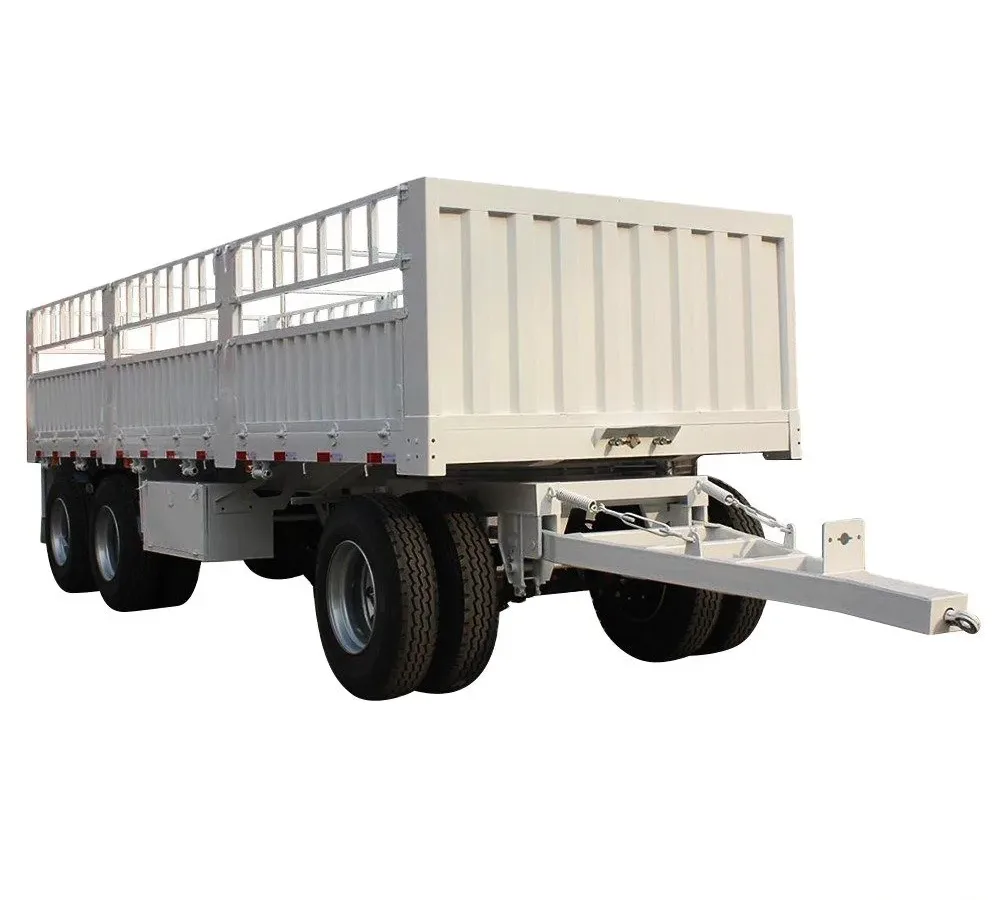
Drawbar side wall tipper full trailer with 30000 KG load capacity and 16ton axles for bulk cargo hauling. Request a quote for fleet or dealer orders today.
>30000 KG 2
FOB Reference PriceUS$8,800-9,900Final price confirmed by inquiry
Certifications
ISO 9001
Key Features
30000 KG rated load capacity for bulk cargo hauling
16ton axles paired with 28ton landing gear legs
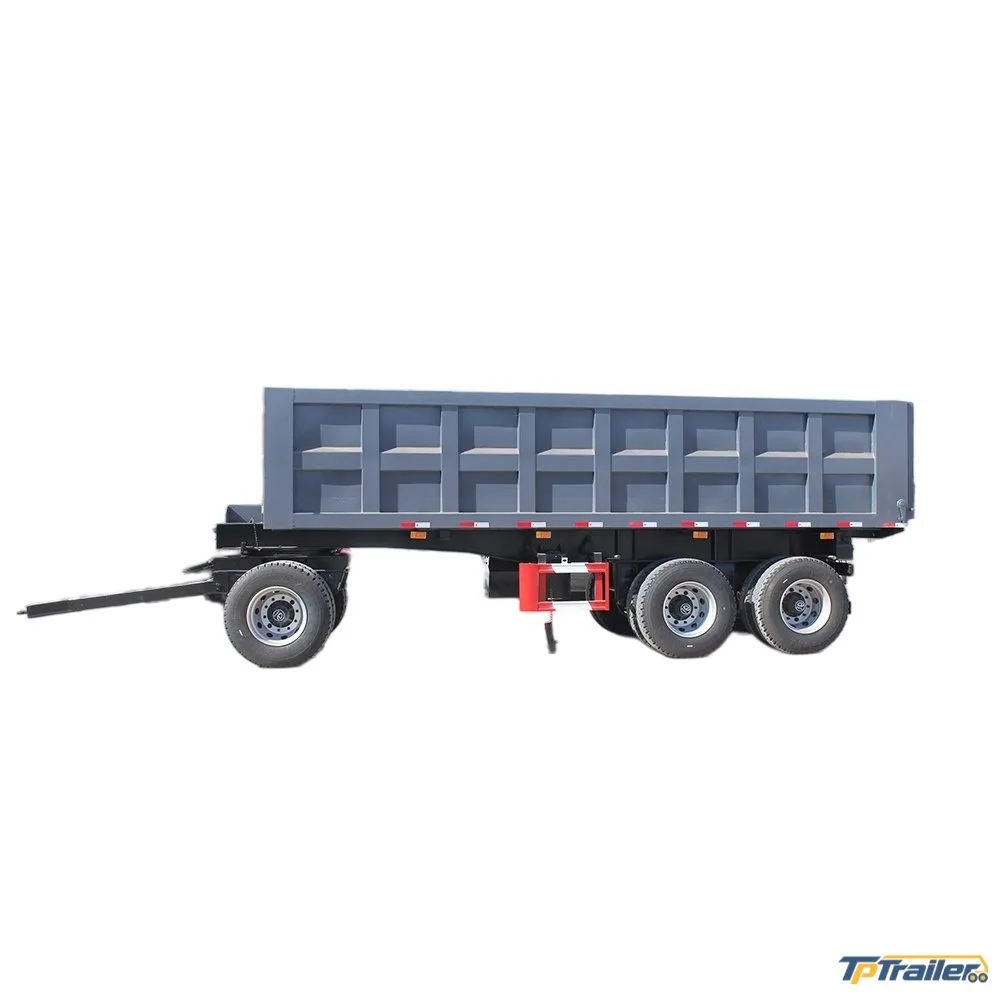
12 tires on a 15000*2500+500*1500mm trailer body
ABS anti-lock braking system for controlled stopping
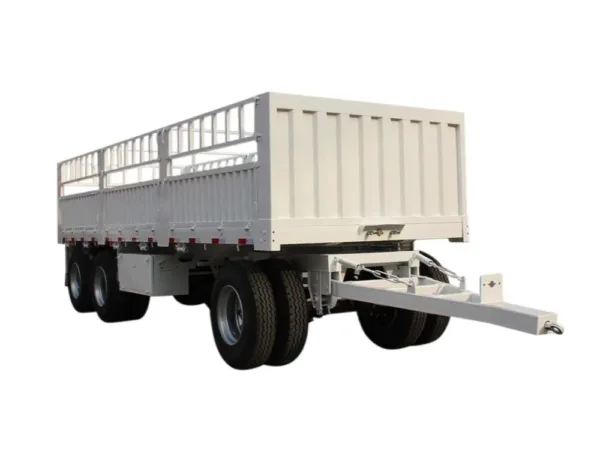
Side wall tipper body for end dump fence cargo towing
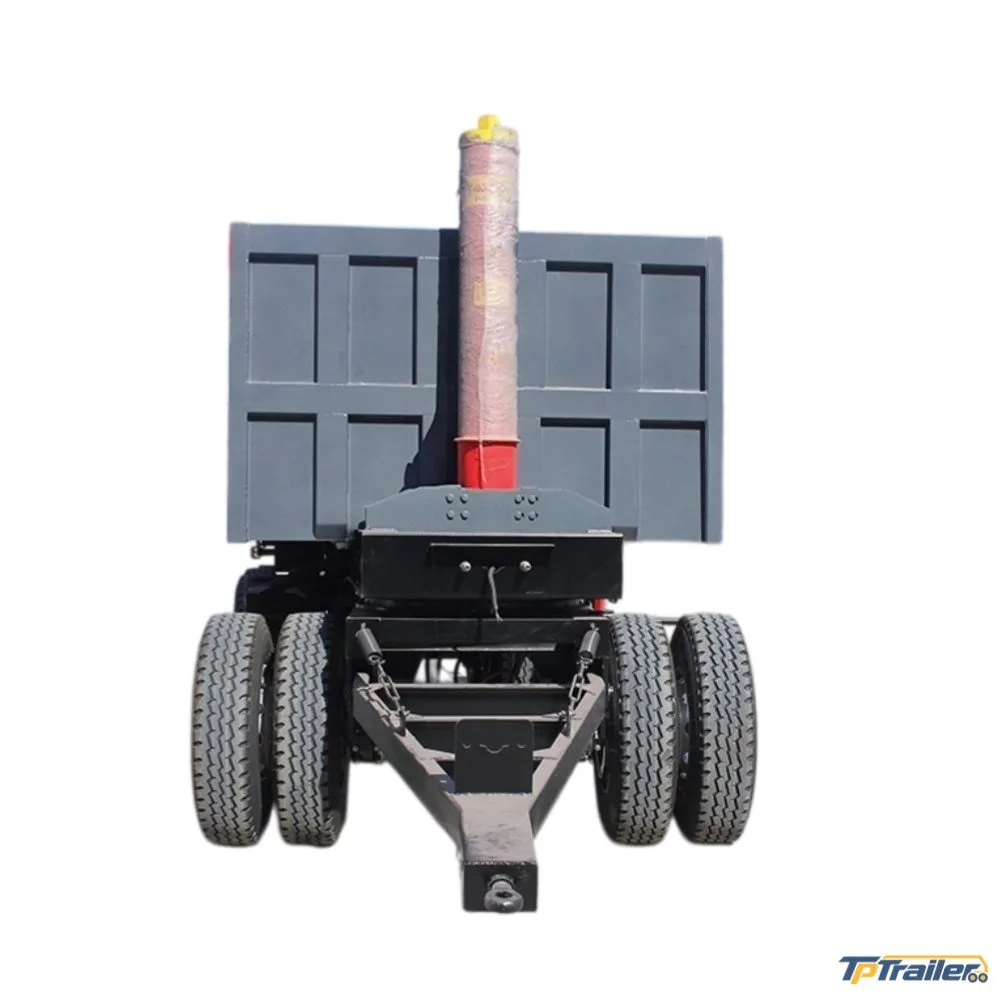
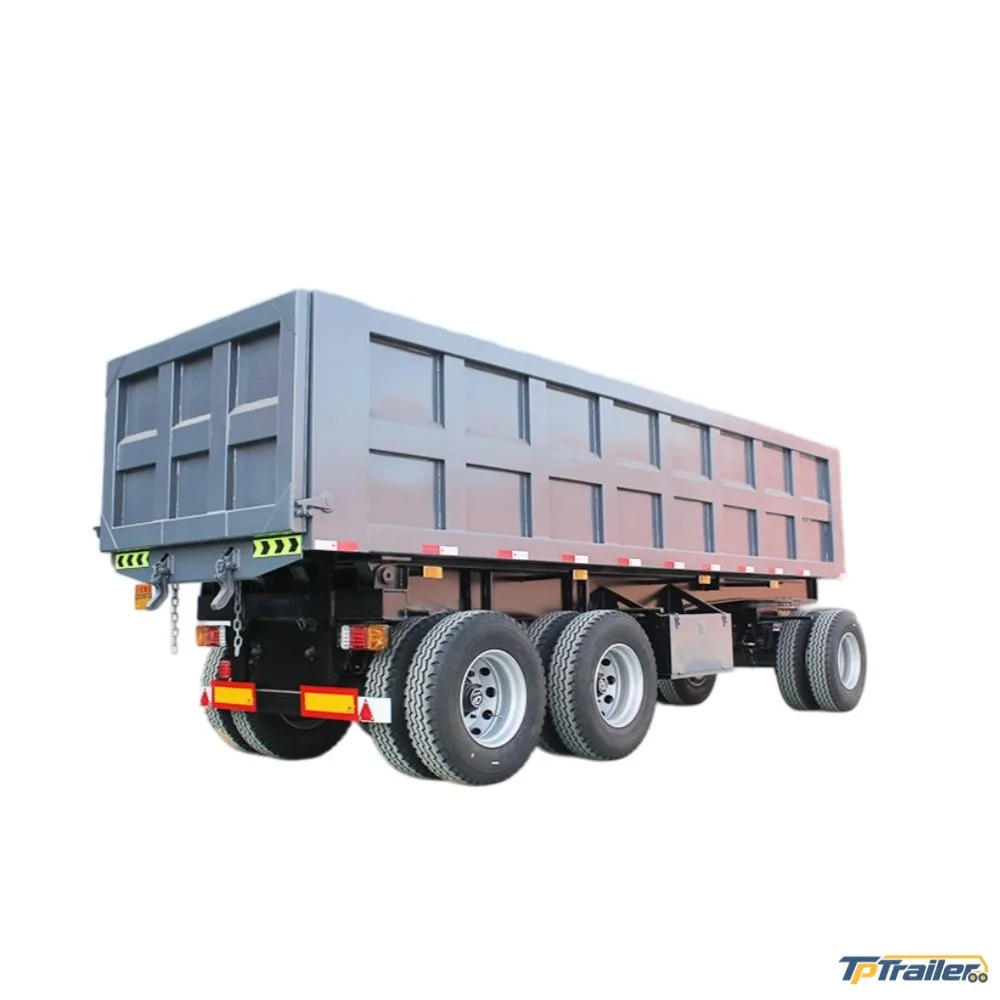
The drawbar side wall tipper full trailer is a fence-bodied tipping trailer built for hauling bulk and loose cargo behind a drawbar hitch. It suits farms, contracting fleets and yards that need one unit to load by hand or bucket, tip on site and return empty without a crane. Its strongest reason to choose it is the combination of a 30000 KG load capacity with a tipping side wall body: heavy bulk loads go on, and the same body discharges them where they are needed. Buyers who move grain, silage, soil or scrap between fields, yards and depots get a single trailer that loads, travels and unloads without a second machine.
Table of Contents
Why It Works On Site
30000 KG load capacity sets the working ceiling for every trip, so a loader can fill the body to a planned weight instead of guessing. On a grain or silage run that means fewer journeys for the same tonnage, and the drawbar side wall tipper full trailer stays within a known limit that the operator can check against the load cells or the weighbridge before pulling away.
Side wall tipping body discharges to the side rather than the rear, which matters where the trailer cannot reverse into a narrow bay. The drawbar side wall tipper full trailer can be parked parallel to a heap, a pit or a feed bunker and tip sideways, so the tractor stays on firm ground and the load lands where the next machine can reach it.
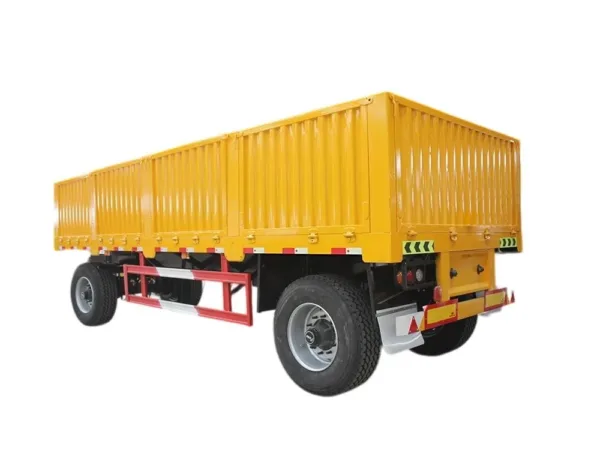
Fence cargo body keeps loose and awkward loads contained on the move. Silage, pallets, fencing materials and bagged goods sit inside the walls instead of shifting across the deck, and the drawbar side wall tipper full trailer can be loaded from three sides by hand or bucket before the walls are closed for the road.
Drawbar towing layout spreads the trailer behind the tractor on its own running gear, which keeps the towing vehicle stable on field tracks and yard surfaces. The drawbar side wall tipper full trailer tracks behind the hitch rather than loading the rear axle, so a standard farm tractor can move it between sheds, fields and the weighbridge without a specialist prime mover.
Twelve-tire running gear spreads the loaded weight across more contact points, which reduces ground pressure on soft field headlands and gateways. For the drawbar side wall tipper full trailer that means fewer ruts on wet ground and steadier tracking on the road, so the same unit can cross a damp field and then run at traffic speed on tarmac.
ABS anti-lock braking system keeps the wheels from locking under hard braking, which matters when a loaded tipping trailer is slowed on a slope or a loose surface. On the drawbar side wall tipper full trailer it gives the driver steering control during an emergency stop, so a full load can be brought down without the trailer sliding out of line.
Where It Is Used
The most common job for a drawbar side wall tipper full trailer is moving bulk farm cargo from field to store. Grain, maize, silage and chopped forage go in by loader or blower, travel a short distance on farm tracks or minor roads, and tip to the side into a pit, bunker or heap. Because the body tips sideways, the trailer can be parked along the store wall and discharge without reversing into a tight doorway.
The same pattern covers root crops, compost and lime: load at the heap, tip at the spreader or the field edge. Operators who run several loads a day value the fact that the drawbar side wall tipper full trailer can be filled and emptied without a second handling step, keeping the tractor and loader on a steady cycle rather than waiting for a rear-tip unit to find space to reverse.
A second set of jobs sits outside the field. Construction and yard work uses the drawbar side wall tipper full trailer for soil, sand, gravel, rubble and spoil, where the fence body holds the load on the road and the side tip drops it along a trench or a wall line. Scrap and recycling yards load mixed metal and bulky waste that would roll off a flat deck.
Municipal and estate work uses it for green waste, leaves and street sweepings collected on rounds. In each case the trailer is chosen because it loads from any side, carries a contained load at road speed and tips where the material is needed. The drawbar side wall tipper full trailer also suits seasonal peaks, when a fleet needs extra bulk capacity without buying a dedicated rear-tip unit.
Choosing The Right Spec
Load capacity first. The stated 30000 KG load capacity is the figure to match against the heaviest planned trip, not the average one. A buyer moving grain at harvest should size against the fullest load the loader will build, then check that the tractor and hitch can handle the drawn weight. Choosing below that ceiling on the drawbar side wall tipper full trailer leaves capacity unused; choosing at it keeps every trip inside a known limit.
Tire count and axle rating together. The twelve-tire layout and the axle rating work as a pair, so the choice depends on ground and distance. More tires spread weight for soft field work and long road runs, while a buyer working only on hard standing may not need the same spread. On the drawbar side wall tipper full trailer the running gear should match the routes, because tire count drives both ground pressure and road behaviour.
Body size against the load. The stated body dimensions set the floor area and wall height, which decide whether the trailer suits low-density cargo like silage or dense cargo like gravel. A buyer hauling bulky material fills the volume before reaching the weight limit, while dense loads reach the limit first. Matching the drawbar side wall tipper full trailer body to the usual cargo avoids running half empty or overloaded.
Braking and support equipment. The ABS braking system and the landing gear rating belong in the same decision as the load. ABS matters most where the trailer is braked hard on slopes or loose surfaces, and the landing gear rating matters when the unit is dropped loaded in the yard. A buyer should confirm the drawbar side wall tipper full trailer specification matches the tractor, the hitch and the yard routine before ordering.
Customisation Before Delivery
Axle and tyre configuration. The axle rating and the number of tyres are set to suit the load you carry and the roads you run. Tell us the duty cycle at order confirmation and the build is fixed against it. The drawbar side wall tipper full trailer leaves the line matched to your haul, not to a generic template.
Body size and side wall height. The deck length, width and side wall height are chosen from the sizes we build. A shorter body suits tight farm yards, a longer one suits bulk grain and silage runs. Every drawbar side wall tipper full trailer order locks the dimensions in writing before production starts.
Colour and finish. Paint colour is customised to your fleet or your own preference. Confirm the shade at order confirmation so the panels are coated in one batch. A matched colour keeps a drawbar side wall tipper full trailer looking consistent beside your other units and simplifies touch-up later.
Braking and running gear. The ABS anti-lock braking system is specified as part of the build. Discuss the braking layout, landing gear leg and suspension choice with our team when you order. These choices are settled at order confirmation, and the drawbar side wall tipper full trailer is assembled to that agreed sheet.
Written order sheet. Every option above is recorded on a single confirmed specification before the build begins. Nothing is left verbal. That sheet is the reference for the drawbar side wall tipper full trailer you receive, so check it carefully and raise any change before confirmation.
Fitting And Installation
On arrival, the buyer matches the trailer to the towing vehicle. Check the drawbar coupling height against the hitch on your tractor or truck, and confirm the mounting points line up before the unit is moved under load. The hydraulic and pneumatic connections must match the tube size and thread on your existing lines, and hose routing should be planned so nothing rubs on the chassis or the fence panels. Where the input gives no fitment data, a fitment drawing is confirmed at quotation instead of being guessed.
Ask for it early and compare it with the vehicle on your yard. A mismatch found on paper costs nothing; a mismatch found on the first load costs a working day. The drawbar side wall tipper full trailer is a large unit, so plan the space and the lifting equipment before it lands.
A wrong size at the coupling or the hose joint is the most common cause of lost time on a new trailer. If the drawbar eye or the hydraulic coupler does not match, the unit sits idle while adapters are sourced. That is downtime you cannot recover during harvest or a haulage window. Confirm the towing vehicle’s hitch class, the line pressures and the electrical plug type before delivery.
Walk the drawbar side wall tipper full trailer with the fitment drawing in hand and tick each connection point. Torque values are applied only where the supplied documentation states them, so follow that sheet rather than working from memory. Get the fitment right once and the drawbar side wall tipper full trailer goes to work on day one.
Service Life And Maintenance
Tyres and wheel ends first. Tyres and wheel bearings take the earliest wear on any drawbar side wall tipper full trailer. Check tread depth, sidewall condition and tyre pressure before each long run, and feel wheel hubs for heat after the first trips. A soft tyre or a dry bearing escalates fast under a loaded body.
Brake system checks. The ABS anti-lock braking system and the air or hydraulic lines deserve a regular walk-round. Look for chafed hose, loose fittings and moisture in the lines. Test braking on a clear surface after any service. A drawbar side wall tipper full trailer that brakes evenly keeps stopping distances predictable when the body is full.
Drawbar and coupling inspection. Inspect the drawbar, the eye and the coupling for cracks, elongation and loose fasteners. Grease the moving points as part of routine care. These parts carry the whole towing load, so a worn eye on a drawbar side wall tipper full trailer is a safety item, not a cosmetic one.
Body, side walls and paint. Wash the body and side walls after hauling abrasive or corrosive loads, and touch up chips before rust starts. The customised paint finish protects the steel. Keeping the drawbar side wall tipper full trailer clean and coated extends the interval before panel repair is needed.
Landing gear and structure. Check the landing gear leg, the fence panels and the tipping hinge for bending or loose bolts. Operate the tip on level ground and watch the body travel. A drawbar side wall tipper full trailer kept on a maintenance log gives warning before a small fault becomes a repair.
Packing And Container Loading
Sea freight protection starts with the surfaces a drawbar side wall tipper full trailer shows to the weather. Painted steel panels, the tipping body and the chassis rails are the parts a bulk carrier voyage attacks first. Ask how the supplier wraps them before booking freight. Typical protection is shrink film or heavy wrapping over painted faces, plus timber or rubber padding where chains and lashings touch steel. Loose items such as ramps, pins and small fittings should travel boxed and strapped to the frame, never loose in the hold.
The trailer ships as a complete unit, so nesting is limited. A drawbar side wall tipper full trailer cannot be stacked on another unit without risking the tipping body and side walls. Confirm the shipping method written on the order and ask for loading photos before the vessel sails. On arrival, check wrapping for chafe and water marks, look for bent side wall panels, cracked paint at weld lines and missing fittings. Verify the landing gear leg and axles against the order before you sign the delivery receipt.
Common Mistakes Buyers Make
Ordering the wrong deck size. Buyers match the trailer to the tow vehicle by eye and ignore the printed size. The single check is to measure your longest load and your yard gate, then compare both against the size on the quotation before you pay a deposit.
Ignoring the load capacity. A trailer bought for one cargo often runs overloaded on another. The single check is to weigh your heaviest planned load, including the container or bales, and confirm the load capacity on the order covers it with margin.
Skipping the axle and tire count. Buyers assume the axle and tire configuration suits their roads without asking. The single check is to state your axle count and tire number in the enquiry and have the supplier write both on the proforma invoice.
Overlooking the braking system. Some buyers order without confirming whether the ABS anti-lock braking system is fitted. The single check is to ask for the braking system in writing and confirm it meets the registration rules where the drawbar side wall tipper full trailer will be licensed.
Choosing colour too late. Colour changes after production starts delay the shipment. The single check is to approve the colour and any marking in writing before the build begins, and to ask for a photo of the finished paint on the drawbar side wall tipper full trailer.
Buyer Questions
Can the drawbar side wall tipper full trailer be shipped in a standard container?
No. The size on the specification is far longer than any container interior, so the unit ships as break bulk or on a bulk carrier. Ask the supplier to quote the shipping method and the port of loading with the trailer price. Before you book, confirm the vessel accepts rolling or lift-on cargo at that port, and check that your destination port can handle the discharge. Get the loading plan in writing so the freight forwarder prices the same method the supplier intends to use.
What should I confirm about the landing gear leg and axles before ordering?
Ask the supplier to state the landing gear leg rating and the axle rating on the quotation, then compare both with your expected load and road conditions. Confirm the axle count and tire number match the registration rules in your market. If you plan to tow on soft ground or unsealed farm tracks, say so in the enquiry so the supplier can confirm the configuration suits it. Any figure not on the quotation is confirmed at quotation, not assumed.
How do I handle colour and marking for a drawbar side wall tipper full trailer order?
Colour is customized, so treat it as an order line rather than a comment. Send the colour reference, any logo artwork and the position of each mark in the enquiry. Ask the supplier to confirm the colour and marking on the proforma invoice before production. Request photos of the painted unit before it is wrapped for loading. If you order several units, confirm every unit carries the same colour and marking so the fleet looks consistent on delivery.
To quote a drawbar side wall tipper full trailer, send the overall length you need, the axle count, and the quantity you plan to order. Add your cargo type and the port of discharge. With those details the supplier can confirm the configuration, the shipping method and the price tier that applies to your order.
We use cookies to enhance your browsing experience, serve personalized content, and analyze our traffic. By clicking "Accept All", you consent to our use of cookies. Privacy Policy
Cookie Preferences
Required for the website to function properly. Cannot be disabled.
Help us understand how visitors interact with the website (Google Analytics).
Used to deliver personalized ads and measure ad campaign effectiveness.





















Write a Review