

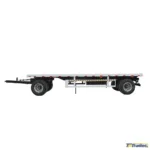

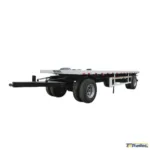
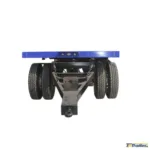

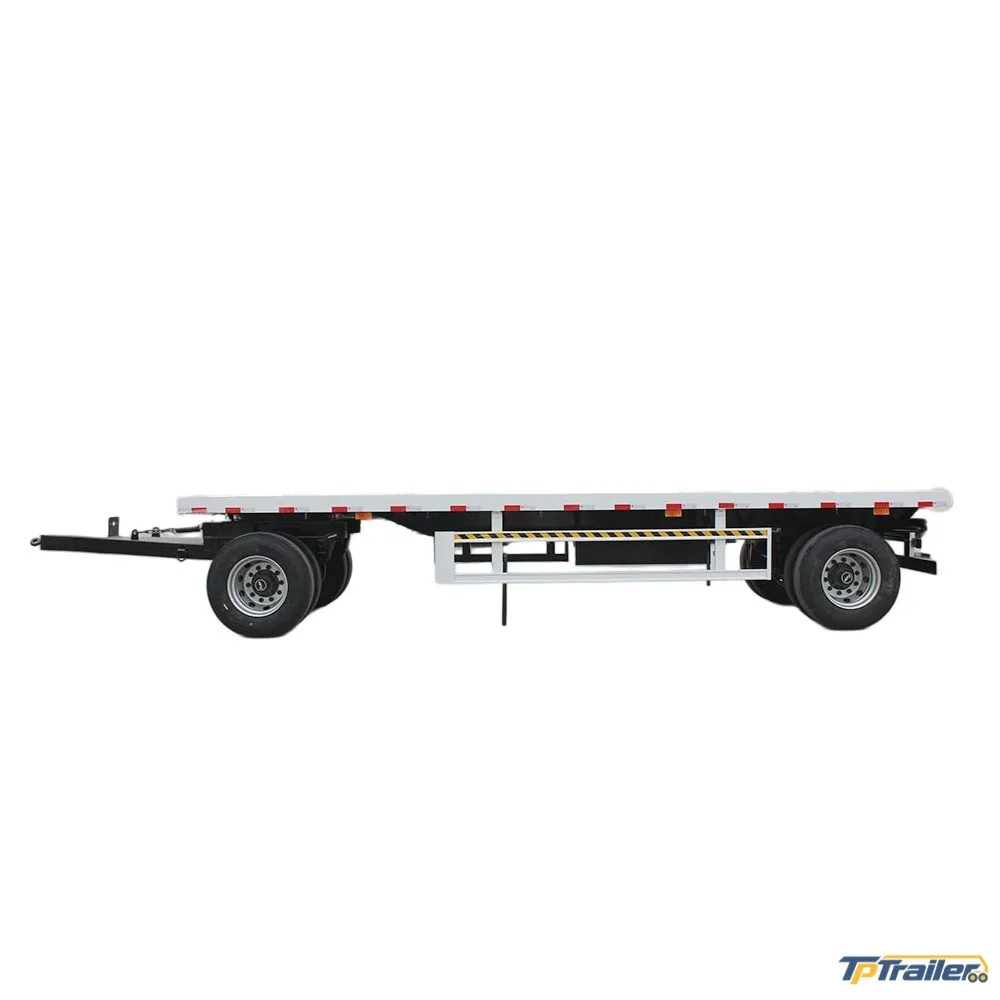
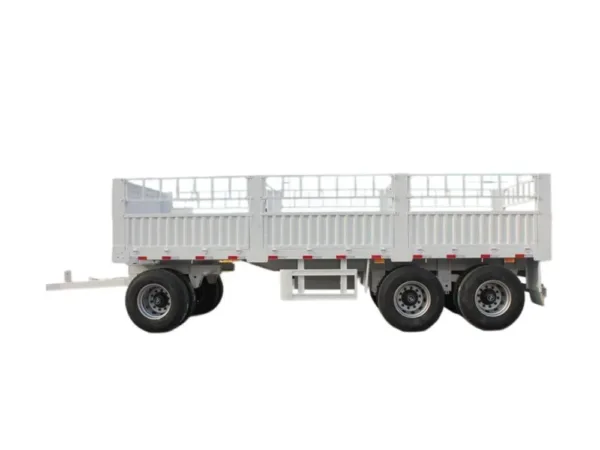
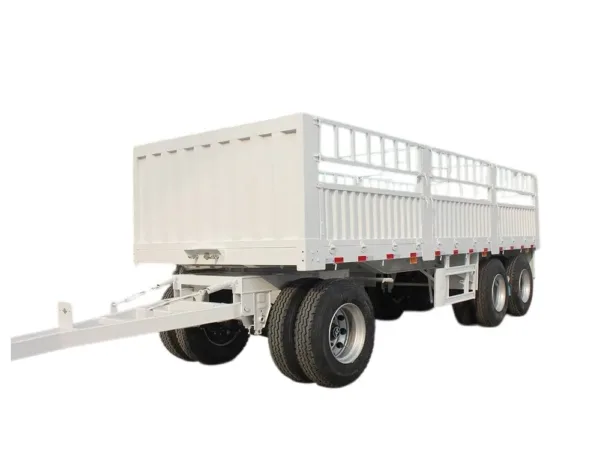
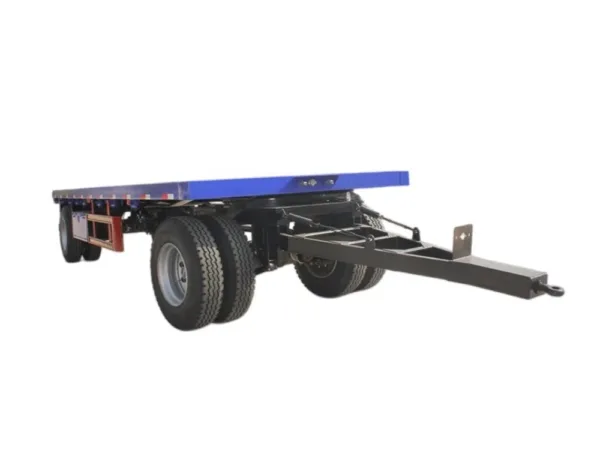
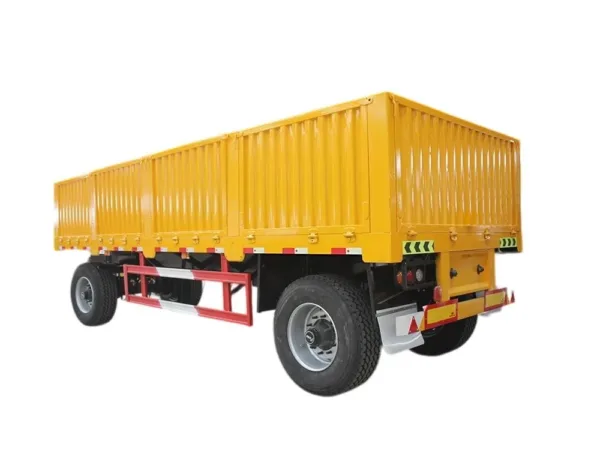
flatbed trailer with 20001-25000 KG load capacity for walking tractors and cargo transport. Customized axles and mechanical suspension; quotes available.






The small ATV flatbed trailer is the load carrier that keeps a walking tractor or mini tractor earning on the road as well as in the field, and it is built for smallholders, contractors and fleet operators who move cargo behind compact prime movers. The strongest reason to specify it is the load range: the flatbed trailer is rated for 20001-25000 KG, so one platform covers heavy bulk hauling that would otherwise need several lighter units. Axle count, suspension, colour and logo printing are all set to the buyer’s order, so the trailer arrives matched to the tractor and the work rather than close to it.
Farm and estate work is the natural home for this flatbed trailer. It hauls bagged fertiliser and seed from the store to the field headland, moves bales and pallets between barns, and carries feed to livestock units on tracks that a rigid truck cannot reach. Because the deck is open, a telehandler can drop a pallet straight onto it while the tractor waits, and the same platform takes crates, drums and tools back the other way.
Contractors use it to move fencing materials, posts and water tanks around a holding in one run. The load range of 20001-25000 KG means a single flatbed trailer can take dense loads such as gravel, sand or stone without splitting the job across several lighter units, which is why estate managers treat it as the general-purpose carrier rather than a single-task tool.
Off-farm, the same flatbed trailer works construction and yard logistics. It carries bricks, blocks, timber, scaffold boards and site cabins between a depot and a plot, and it moves plant attachments and fuel bowsers where a road truck will not fit. Municipal and grounds crews use the open deck for green waste, road salt bags, barriers and signage, loading from whichever side the access allows.
In sawmills, builders’ merchants and small depots, the flatbed trailer shuttles stock between the yard and the loading bay, and the custom axle count lets operators match the unit to soft ground or hard standing. The mechanical suspension keeps loads settled on unmade routes, so the same trailer moves between field, site and yard without changing setup.
Fitting starts with the towing interface. The buyer must match the trailer coupling to the drawbar and hitch of the walking tractor or truck that will pull it, and confirm the mounting points on the towing vehicle before the flatbed trailer arrives. Check the tube size of any hydraulic or air line if the build includes one, and plan the hose routing so lines clear the deck edge and stay away from moving parts.
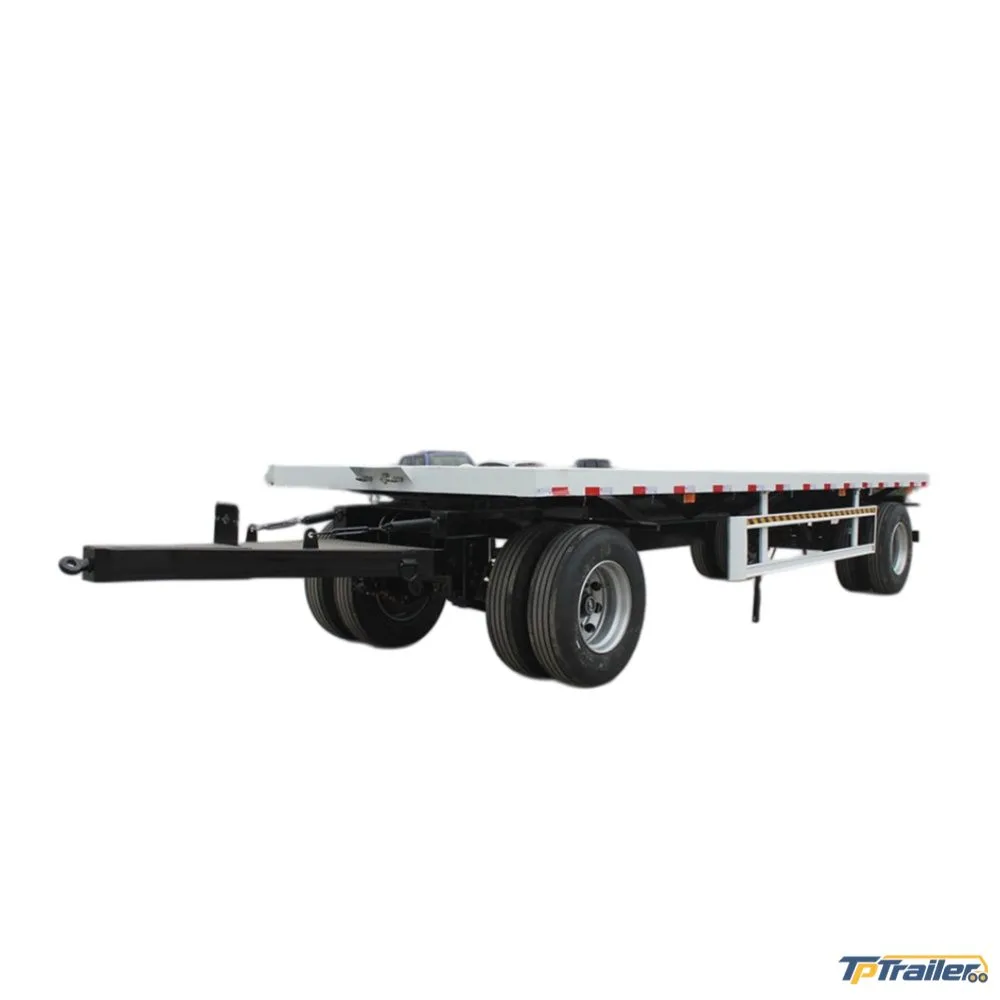
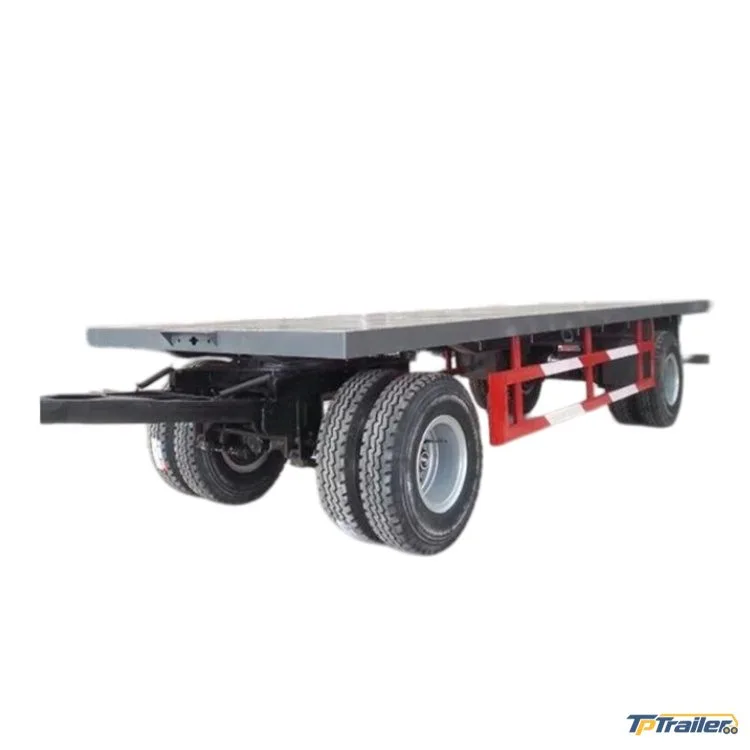
Confirm the tyre and rim combination against the axle count agreed at order confirmation. Where the input gives no fitment data, a fitment drawing is confirmed at quotation rather than assumed. Write down the coupling type and mounting pattern, then compare them with that drawing before dispatch.
A wrong size costs downtime, not just money. A coupling that does not match the tractor hitch means the flatbed trailer cannot leave the yard until an adapter is sourced. A mounting pattern that misses the frame holes means drilling or welding on a new chassis, which is work nobody planned for. Hose routing that fouls the deck or a moving part can rub through and stop the trailer mid-task. Torque values should come from the fitment drawing confirmed at quotation; do not guess them. Buyers who check the coupling, tube size and mounting points against that drawing before delivery avoid most of this, and the flatbed trailer goes to work on arrival.
Level towing is the second fitment point that repays attention. Measure the drawbar height of the tractor at rest and send it with the order, so the coupling position on the flatbed trailer can be set to suit. A deck that rides nose-up or nose-down shifts weight onto the wrong axle group and wears tyres unevenly. On a unit with a customized axle count, that imbalance is harder to correct later because the suspension layout is already fixed. Confirm the coupling height and the deck angle in the same drawing review, and the leg will trail straight behind the prime mover on its first working day.
Set the service interval by duty, not by calendar. A flatbed trailer that runs loaded every day on unmade ground needs bearing and suspension checks more often than one that shuttles pallets across a sealed yard twice a week. Keep a simple log of hub temperatures, tyre pressures and any parts replaced, because a pattern of rising hub heat on one side points to a bearing or an axle alignment issue before it becomes a breakdown. On a unit with a customized axle count, note which axle position wears fastest; that tells the operator where the load sits and whether cargo is being placed too far forward or back on the deck.
A flatbed trailer ships as a steel structure, so protection targets edges, coating and loose parts. The deck and chassis are wrapped where handling equipment makes contact. Small fittings travel boxed and labelled against the packing list. Buyers should ask the supplier to photograph the loaded unit before the doors close. That photo set is the reference if damage appears later. The flatbed trailer leaves the works protected, but the packing method is confirmed at quotation.
Nesting and stacking depend on the frame design and the number of axles ordered. A flatbed trailer with a low frame may allow decks to sit close, saving container space on multi-unit orders. Axles, ramps and supports are usually removed or folded for transport. The buyer should verify the loading plan before booking freight. Ask for the packed dimensions, the unit weight and the lift points. Container loading of a flatbed trailer is arranged per order, confirmed at quotation.
Plan the receiving end before the container lands. A flatbed trailer is heavy steel, so the yard needs a lift point clear of overhead lines and enough hard standing to set the unit down without twisting the frame. Confirm who unloads, with what equipment, and where the packing list and photo set are kept. If several units ship together, label each against the order so the right axle configuration reaches the right site. Unloading is not part of the flatbed trailer order unless agreed at quotation, so settle it in writing with the freight forwarder.
One more mistake costs more than it looks: treating the flatbed trailer as a finished product the moment it is ordered. The unit is configured to the buyer’s specification, so the order confirmation is the last cheap moment to change the axle count, deck length or finish. After that, changes run into cut steel and rework. Read the confirmation line by line against the enquiry, check the load range against the heaviest cargo on the circuit, and only then release the build. That single review protects the schedule and keeps the flatbed trailer matched to the work it was bought for.
That depends on the packed dimensions and the container type you book. The flatbed trailer is a steel unit, so the supplier needs the deck length and the packed height to plan the layout. Send your container size and the other cargo volumes with the enquiry. Ask for a loading drawing before you pay. Whether mixed loading is possible is confirmed at quotation.
Check the coating and deck edges against the pre-shipment photos. Confirm that every boxed item on the packing list is present. Look at the axle mounts, the suspension system and the coupling for movement in transit. Record any damage before signing the delivery receipt. Then test the flatbed trailer unladen on level ground before loading cargo. Report discrepancies to the supplier with photos.
Yes. The number of axles is customized, and the suspension system is mechanical. Tell the supplier the axle count you need and the loads the flatbed trailer will carry. Describe your typical ground, since field tracks and road use load the frame differently. Colour and logo printing are also set per order. Final configuration, price and delivery terms are confirmed at quotation.
To quote your flatbed trailer, send the deck length you need, the axle count, and the quantity. Add your tractor coupling height and cargo weight. Colour and logo files help too. With those details the supplier can confirm the configuration, packing plan and price, and the flatbed trailer can be built to the routes and loads you actually run.
Explore more flatbed trailer in this range.
| Load Capacity | 20001-25000 KG | Type | Semi-Trailer |
|---|---|---|---|
| Place of Origin | China (Mainland) | Province | Guangdong |
| Use | Truck Trailer | Material | Steel, Steel |
| Size | 7000X2500X2750mm | Dimensions | 10000 × 260 × 250 |
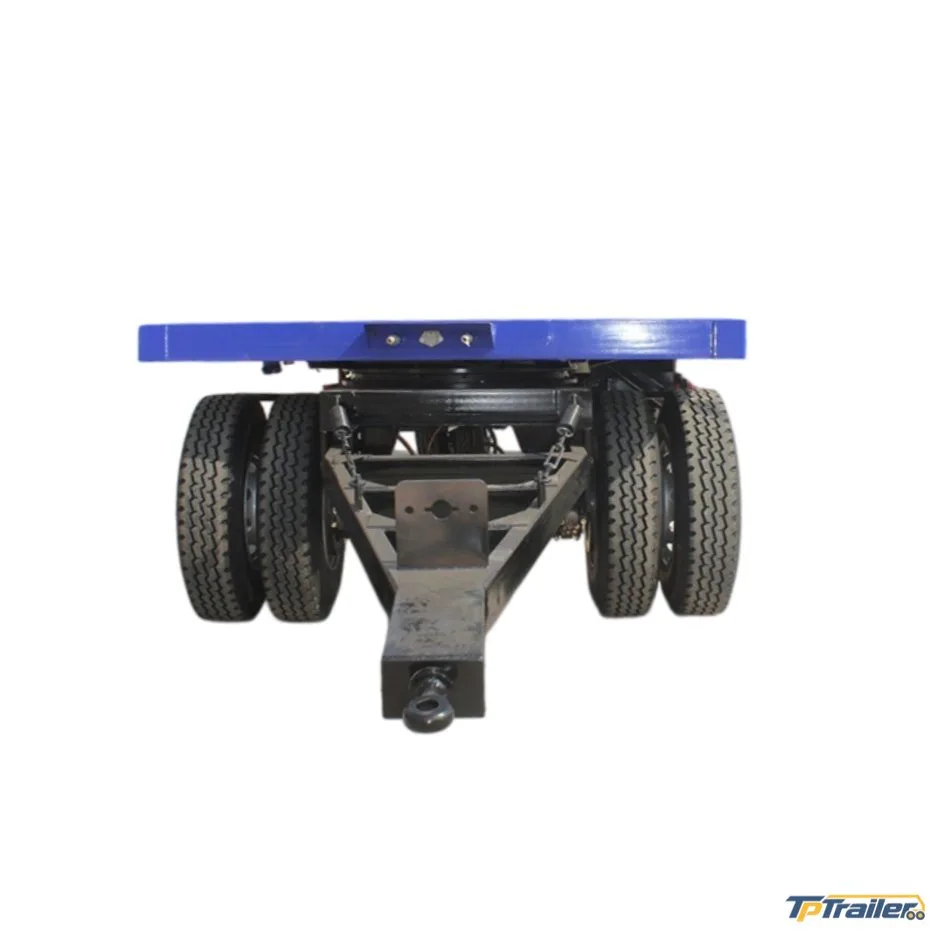
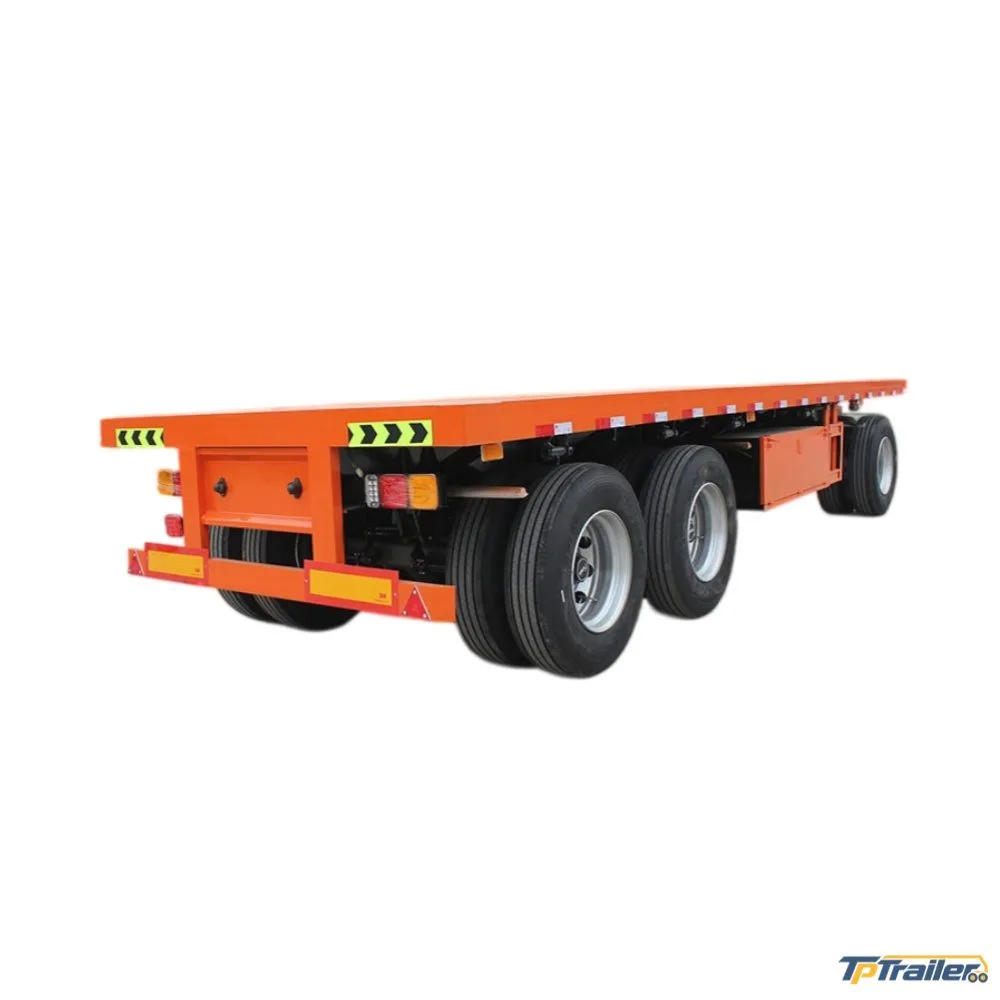
No reviews yet — click the Review button on the right to share your experience with this product.









Fill in the form below and our team will respond within 24 hours.
Write a Review