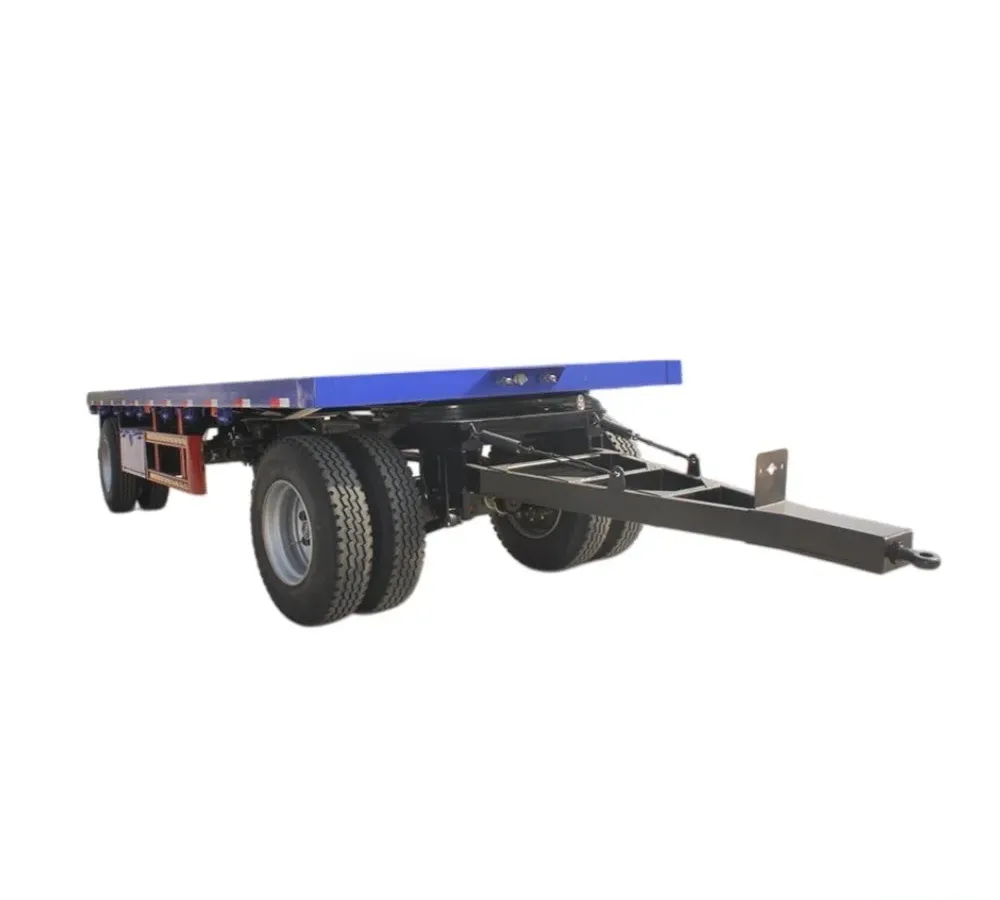
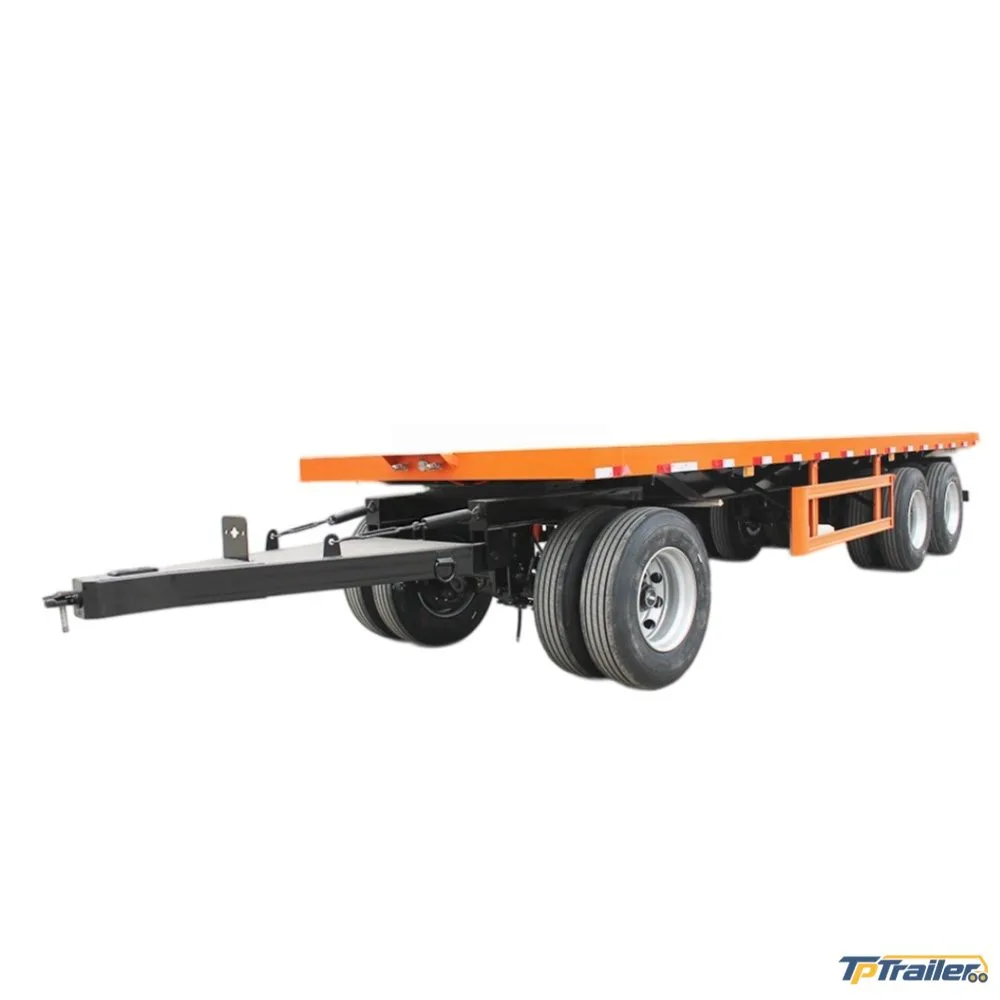
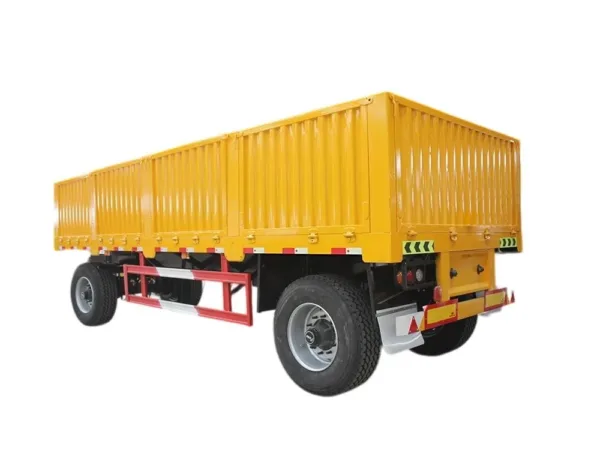
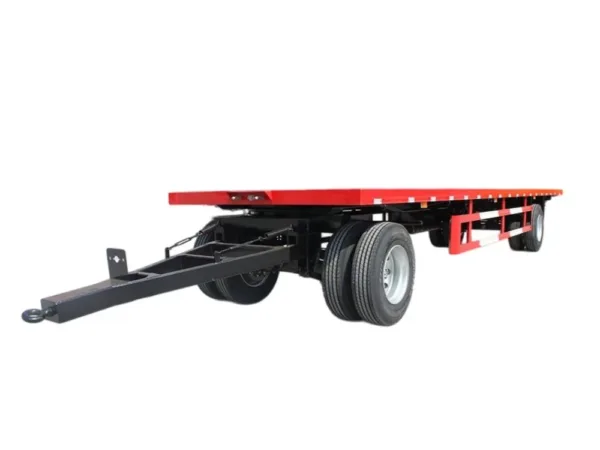
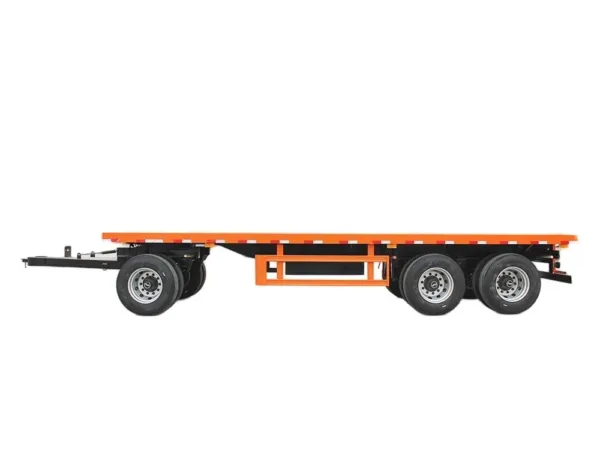
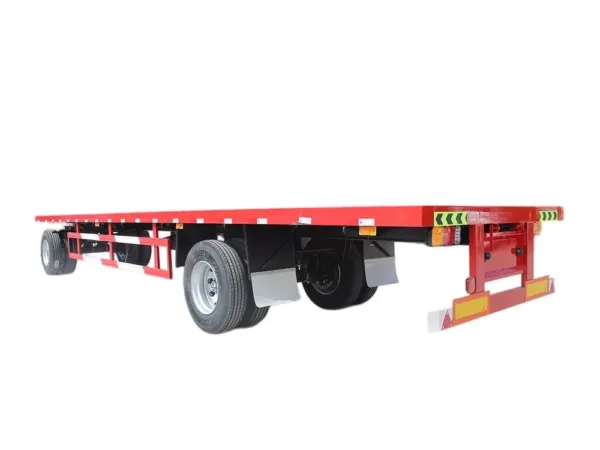
A flatbed semi trailer with a turntable deck gives fleet operators a way to move heavy, awkward loads that a fixed-deck trailer cannot handle. This 20 ft steel unit is built for farms, yards and haulage contractors who need one trailer to carry bales, machinery, timber and palletised goods. Its load capacity of 30000 KG is the headline figure, and it is the reason buyers shortlist this model. The rotating turntable deck lets the load swing with the tractor on tight turns, so long or rigid cargo follows the road instead of fighting it. Steel construction keeps the deck stiff under concentrated weight. It is a working trailer, not a showpiece.
Table of Contents
Why It Works On Site
30000 KG load capacity. This is the figure that decides whether a flatbed semi trailer earns its keep on a mixed fleet. It lets one unit carry a loaded bale stack, a small excavator or a palletised delivery without splitting the job across two runs. The deck and frame are sized around that rating, so the operator plans loads against one known ceiling instead of guessing per trip.
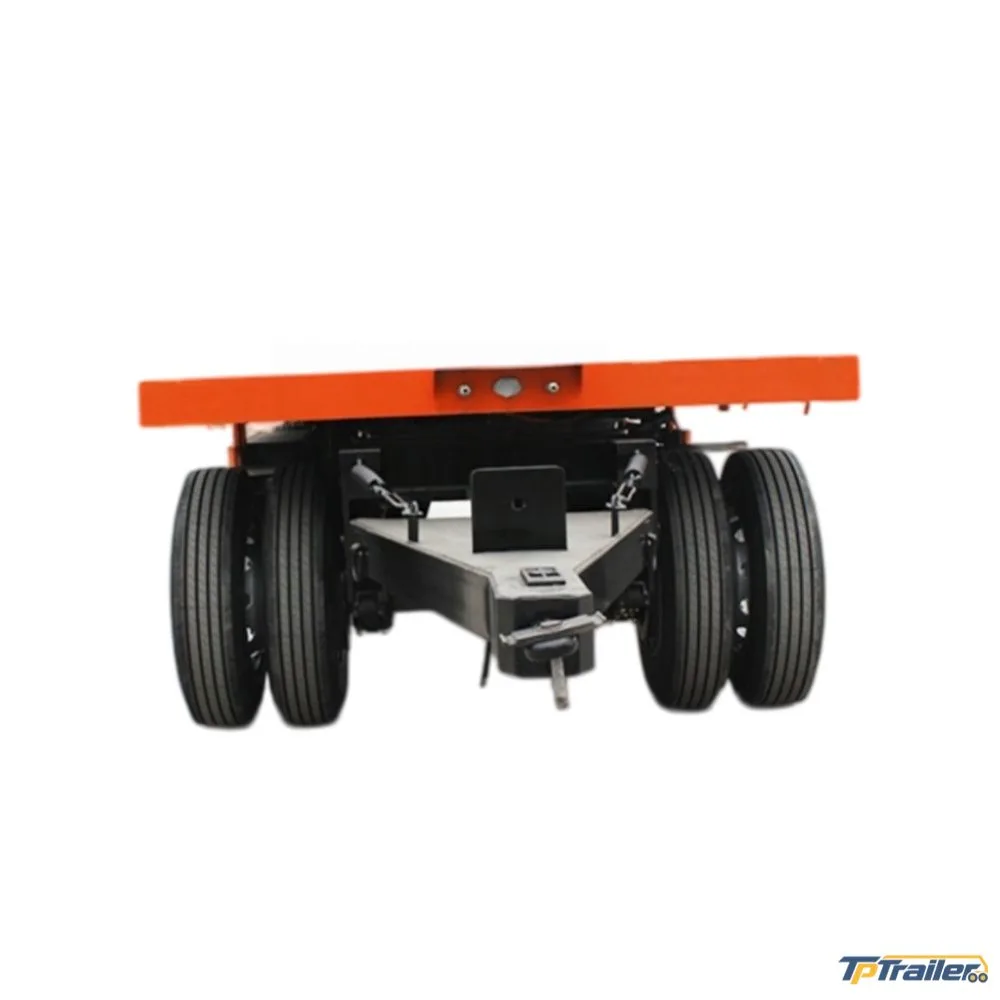
Turntable deck. The deck rotates under the load rather than forcing the cargo to track the tractor. On farm tracks and yard corners, that means long timber, pipe or machinery does not overhang into fences or parked equipment. For a flatbed semi trailer working tight sites, the turntable turns a two-person spotting job into a single reverse.
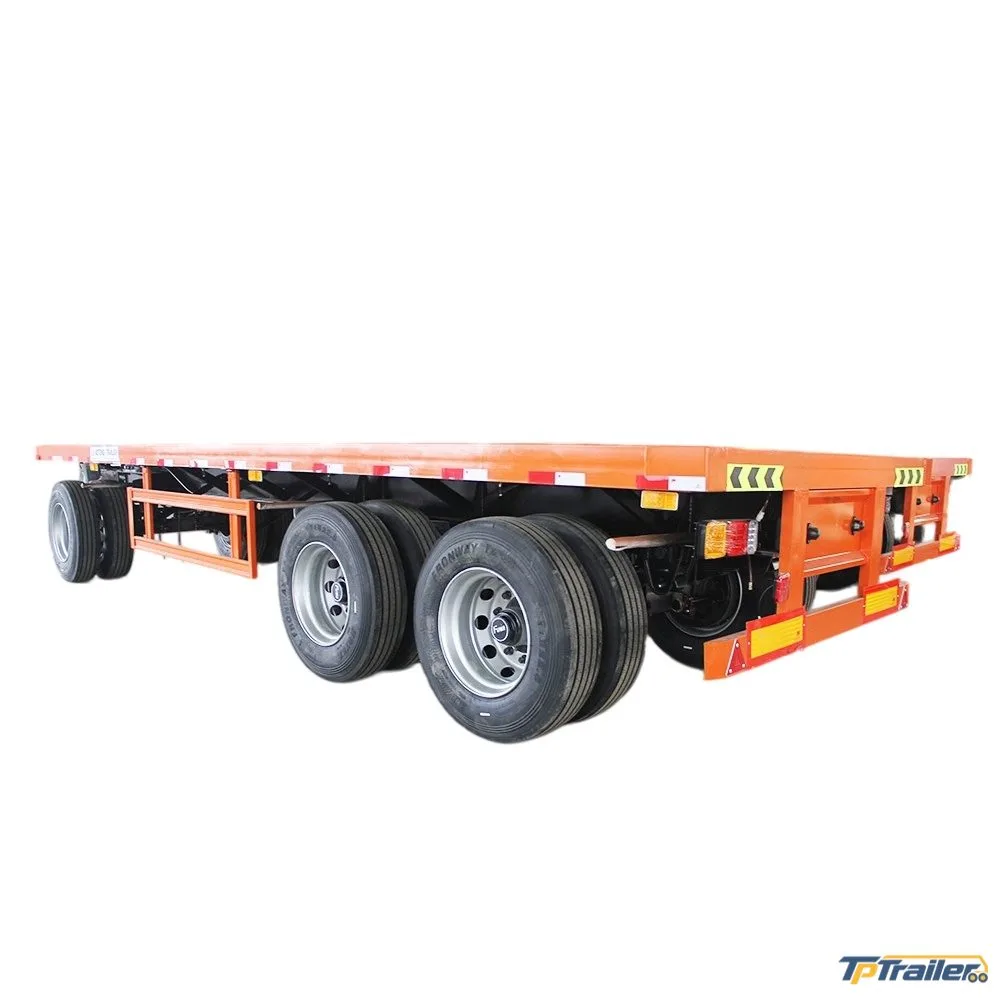
20 ft steel deck. The steel deck takes point loads without denting the way timber or aluminium can. Forklift tines, pallet corners and the feet of trailed implements sit on a surface that spreads the weight. That matters on a flatbed semi trailer that switches between bagged goods and steel fabrications in the same week.
Flat, open loading area. With no sides to lift over, a telehandler or forklift can place cargo from either side or the rear. Loading and unloading run faster, and awkward shapes that will not fit a box trailer still travel. A flatbed semi trailer set up this way suits yards where the loading equipment changes from job to job.
Rigid steel frame. A stiff frame keeps the deck flat under load, so cargo does not shift as the trailer flexes over rough ground. Lashings stay tight and the load stays where it was placed. For operators running a flatbed semi trailer on unmade farm tracks, frame stiffness is what protects both the cargo and the deck over repeated trips.
Single-unit configuration. One trailer covers hauling, delivery and machinery movement, which cuts the number of units a fleet has to license, insure and store. Buyers who would otherwise run a tipper and a low loader can consolidate. That simplicity is often the deciding factor for a flatbed semi trailer bought to replace two older, narrower-purpose units.
Where It Is Used
On mixed farms, this flatbed semi trailer handles the loads that appear without warning. Round and square bales come off the field on it, stacked two or three high within the load rating. It carries seed and fertiliser bags from the yard to the field headland, and moves pallets of feed between the store and the livestock sheds. When an implement needs shifting between blocks, the open deck takes the mower, the spinner or the small cultivator without a specialist low loader.
The turntable deck helps on field gates and farm tracks where the tractor has to swing wide. Timber from a clearing job, fencing posts and water tanks also travel on the same deck. For a farm running one flatbed semi trailer alongside its tractors, the value is in not turning a job away because the wrong trailer is on site.
In haulage and contracting work, the same flatbed semi trailer covers construction and yard duties. It moves scaffolding bundles, steel sections, drainage pipe and palletised blocks between depots and sites. Plant hire firms use the open deck for mini excavators, compaction plates and small dumpers that fit within the load rating. Builders’ merchants load it with timber, sheet materials and bagged aggregate.
Because the deck is flat and open, a forklift at either end can work from the side, which speeds up depot turnarounds. The turntable deck earns its place on tight site entrances and residential streets where the tractor cannot take a wide line. On longer trunk runs, the flatbed semi trailer carries the same mixed cargo without needing a curtain-sider or a low loader for every drop.
Choosing The Right Spec
Match the load rating to your heaviest regular load. The 30000 KG capacity is the ceiling, so start from the heaviest cargo you move weekly rather than the occasional peak. A flatbed semi trailer bought for bales and pallets sits well inside that figure. If your regular work is plant and steel, check the individual item weights against the rating before you commit to the model.
Check deck length against your cargo lengths. The 20 ft deck sets what fits without overhang. Timber, pipe and steel sections need to sit within the deck or be supported at the ends. Measure your longest regular loads first. A flatbed semi trailer that is too short forces overhang and extra lashing, while one matched to your cargo keeps the load inside the deck footprint.
Decide whether the turntable earns its place. If your routes include tight yards, field gates or residential streets, the rotating deck is the reason to pick this flatbed semi trailer over a fixed-deck unit. If your work is straight trunking between wide depots, a fixed deck may be simpler. Be honest about the tightest turn on your regular route before choosing.
Weigh single-unit simplicity against a mixed fleet. One flatbed semi trailer replaces several narrow-purpose units, which suits operators who want fewer assets to manage. If your work splits cleanly into bulk and general cargo, a dedicated tipper plus this trailer may still be the better split. Compare the two against your weekly job mix, not against the occasional load.
Customisation Before Delivery
Axle count is the first decision on a flatbed semi trailer build. The number of axles sets how the load spreads across the road and how the trailer tracks behind the tractor. Confirm the count you need when the order is placed, because the running gear is assembled to that layout and cannot be changed after the frame is welded.
Deck length and deck configuration are settled at order confirmation. The turntable flatbed semi trailer can be laid out around the cargo you carry most often, including where the turntable sits and how the deck edges are finished. Bring your load dimensions to the quotation so the layout is drawn to them rather than adjusted later.
Suspension type is chosen per order. Mechanical and other arrangements behave differently when empty and when loaded, so the choice should follow your route profile and your tractor. The selection is locked in at confirmation, and the mounting brackets are then built to match the frame you have specified.
Tyre size and tyre brand are confirmed with the order. Tyre choice affects ground pressure, ride height and the spare you need to carry. State the size you want at quotation so the rims and the flatbed semi trailer deck height are aligned before production starts.
Colour and finish are agreed before delivery. Paint and coating options are recorded on the order so the steel trailer leaves the factory in the finish you specified. Treat the colour choice as a production instruction, not a cosmetic afterthought, and confirm it in writing with the rest of the build sheet.
Fitting And Installation
On arrival, the buyer has to match the flatbed semi trailer to the tractor before any load is carried. Check the fifth wheel coupling height against the trailer kingpin plate, then confirm the turntable position lines up with the deck layout on the build sheet. Look at the mounting points on the frame and make sure the brackets, plates and pin positions agree with the drawing.
Hose routing is the next item: air lines and electrical leads should run clear of the turntable sweep and any moving linkage, with enough slack for full articulation. Fastener torque values are not stated in this listing, so tighten to the figures in the documentation supplied with the unit and have a qualified technician sign off the coupling check.
A size mismatch is the expensive failure mode on a flatbed semi trailer. If the coupling height is wrong, the deck sits nose-up or nose-down and the load shifts forward under braking. If the hose routing is wrong, lines chafe through on the first tight turn and you lose brakes or lights on the road. If the mounting points do not line up, the trailer sits idle while brackets are reworked, and that downtime costs more than the parts. Before dispatch, ask for the fitment drawing that matches your order. Where the input gives no fitment data, that drawing is confirmed at quotation, so the interface between tractor and steel trailer is agreed on paper before the build begins.
Service Life And Maintenance
Tyres wear first on any flatbed semi trailer. Check tread depth, sidewall condition and inflation across the set, and look for uneven wear that points to an alignment or axle problem. Matching tyre size and brand at order time keeps replacement simple and protects the deck height you planned for.
Brake and air system components are the next wear point. Inspect chambers, hoses and couplings for cracks and chafe, and test the lines at the turntable sweep where flexing is constant. Route hoses correctly at installation and they last longer between replacements on the steel trailer.
Turntable and coupling hardware carry the turning load. Inspect the pin, plate and mounting bolts for play, and check the mounting points for movement or elongation. A technician should confirm torque against the supplied documentation. Loose hardware is a warning sign, not a routine finding.
Frame and deck steel should be inspected for coating damage. Chipped paint on a flatbed semi trailer lets moisture reach bare steel, so touch up chips and keep the coating intact. The finish chosen at order is the first defence, and prompt repair of small damage extends the interval before corrosion becomes structural.
Running gear and suspension need a periodic look at bushes, shackles and axle alignment. Uneven tyre wear and poor tracking usually start here. Record each inspection so trends show up early. Correct alignment after any kerb strike protects the flatbed semi trailer and the tyres that carry the load.
Packing And Container Loading
Each unit leaves the factory as a complete flatbed semi trailer, so protection starts with the surfaces that face the weather and the dock. Steel decks and ramp edges are the parts most exposed to scuffing and rust during a sea voyage. Ask the supplier to confirm how decks are coated and covered before loading, and whether exposed steel is wrapped or greased. Because the input lists no packing method, treat the protection scheme as something confirmed at quotation. Record the agreed scheme in the purchase order so the loading crew works from a written instruction rather than a verbal one.
A flatbed semi trailer is a long, low, open structure, so nesting and stacking are limited by its own frame and running gear. Do not assume several units share the floor space of one. Ask the supplier to confirm the loading plan, the number of units per container or per vessel slot, and whether any parts ship knocked down. On arrival, verify the deck surface, the coating, the ramp edges and the running gear before signing. Photograph every unit at the port and compare against the loading report. A flatbed semi trailer checked this way is easier to claim on if transit damage appears.
Common Mistakes Buyers Make
Ordering the wrong deck length. A flatbed semi trailer is bought around the cargo it carries, and a deck that is too short or too long wastes capacity or fails to fit the load. The single check: measure your longest and heaviest load, then confirm the deck length and width against that measurement before you approve the drawing.
Ignoring the load capacity figure. Buyers compare price before they compare the rated load capacity, then find the trailer is matched to lighter work than theirs. The single check: write the rated load capacity you need into the enquiry and have the supplier confirm the quoted flatbed semi trailer meets it in writing.
Assuming a standard coupling. The hitch, kingpin and running gear must match the towing vehicle, and a mismatch stops the unit at the yard. The single check: confirm the coupling type and the axle arrangement with the supplier, and send a photo of your tractor unit with the enquiry.
Skipping the loading plan. Buyers book freight before they know how many flatbed semi trailer units fit, then pay for space they cannot use. The single check: request the loading plan and the units-per-container figure with the quotation, and pass it to your forwarder before booking.
No arrival inspection. Damage found after the unit is moved and repainted is hard to attribute. The single check: inspect the deck, coating and running gear on arrival, photograph each flatbed semi trailer against the loading report, and note any damage on the delivery document before signing.
Buyer Questions
How is the flatbed semi trailer protected for sea freight?
The input does not state a packing method, so the protection scheme is confirmed at quotation. Ask the supplier what covers the deck, how exposed steel is treated, and whether the running gear is wrapped. Put the agreed method in the purchase order. Before loading, request photos of the protected unit. On arrival, check the deck surface and coating first, because those are the areas most exposed to salt air and handling. Note any damage on the delivery document before you sign.
How many units fit in one container, and can they be nested?
The input gives no loading figure, so units per container are confirmed at quotation. A flatbed semi trailer is a long, low structure, and nesting depends on its frame and running gear, so do not plan freight on an assumption. Ask for the loading plan, the number of units per container or vessel slot, and whether any parts ship knocked down. Give that plan to your forwarder before you book space.
What should I confirm before paying a deposit?
Confirm the deck length and width against your longest load, the rated load capacity against your heaviest load, the coupling type against your tractor unit, and the axle arrangement you need. Ask for the drawing and check it line by line. Confirm the packing method and the loading plan in the same document. The price tiers depend on order quantity, so state the number of units you intend to buy before asking for the final figure.
To quote this flatbed semi trailer, send the deck length and width you need, the axle count and arrangement, the coupling type, and the quantity you plan to order. Include your heaviest load so the rated load capacity can be matched. With those details, the supplier can confirm the configuration, the packing method and the loading plan in one reply.
We use cookies to enhance your browsing experience, serve personalized content, and analyze our traffic. By clicking "Accept All", you consent to our use of cookies. Privacy Policy
Cookie Preferences
Required for the website to function properly. Cannot be disabled.
Help us understand how visitors interact with the website (Google Analytics).
Used to deliver personalized ads and measure ad campaign effectiveness.




















Write a Review