Steel Dolly Semi Trailer Car Tow Truck Trailer 30000 KG

This steel dolly semi trailer offers a 30000 KG load capacity for car tow and full truck trailer work. Built in Shandong for high capacity hauling.
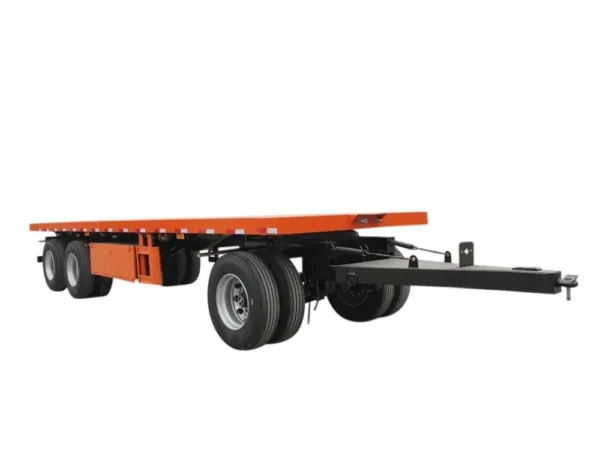
>30000 KG 2
FOB Reference Price US$7,200-9,900 Final price confirmed by inquiry

Certifications

  • ISO 9001

Key Features

  • Steel construction for heavy duty trailer use
  • Rated load capacity of 30000 KG
  • Built for car towing and full truck trailer duty
  • Suits fleet operators and procurement buyers
Load Capacity >30000 KG
Type Semi-Trailer
Max Payload >30000 kg

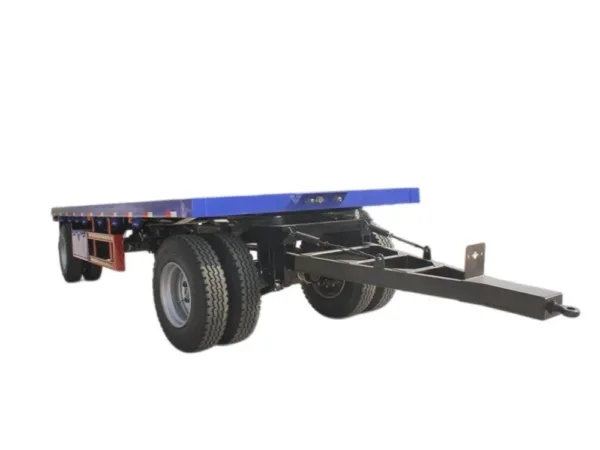
The dolly semi trailer is a converter unit that links a tractor unit to a semi trailer, turning a standard fifth-wheel prime mover into a hauler for loads up to 30000 KG. It is built for fleet operators, farm hauliers and transport contractors who need to move semi trailer cargo without buying a dedicated tractor for every trailer type.

The single strongest reason to choose it is the way it spreads trailer weight across its own axle set and the towing vehicle, so heavy farm and bulk loads stay stable on the road. Shandong-made steel construction keeps the unit simple to inspect and repair, and the dolly semi trailer rewards buyers who plan the coupling chain before they order rather than after the container lands.

Why It Works On Site

  • 30,000 KG load capacity. The rated capacity sets the ceiling for every hauling decision on site, from grain to bagged fertiliser. Operators can plan trailer loading against one figure instead of guessing, and the dolly semi trailer stays within its design envelope when the load sheet is checked before departure.
  • Converter dolly layout. The dolly carries its own axle and coupling, so a single tractor can pull a semi trailer that was not built for that prime mover. That flexibility lets a yard keep one tractor busy across several trailers, and the dolly semi trailer becomes the link that makes the swap possible without a second driver or vehicle.
  • Steel frame and body. Steel takes impact, abrasion and the daily knocks of farm and yard work without the brittle failure of lighter materials. Repairs are straightforward for any workshop with welding equipment, and the unit holds its shape through repeated coupling and uncoupling cycles on uneven ground.
  • Full trailer towing geometry. The dolly introduces a second articulation point, which keeps the trailer tracking behind the tractor on bends and yard turns. Drivers get predictable follow-through on narrow farm lanes, and the dolly semi trailer reduces the cut-in that causes clipped gates and fence posts.
  • Fifth-wheel coupling. A standard fifth-wheel connection matches common tractor hardware, so hitching follows a routine drivers already know. Pre-trip checks stay short, and the assembly fits existing yard practice instead of demanding new tools or procedures.
  • High-capacity steel deck. The deck and chassis are sized around the rated load, giving a flat, strong platform for pallets, bales and bulk bags. Loading with a telehandler or forklift is direct, and the dolly semi trailer keeps the cargo bed level during transfer.

Where It Is Used

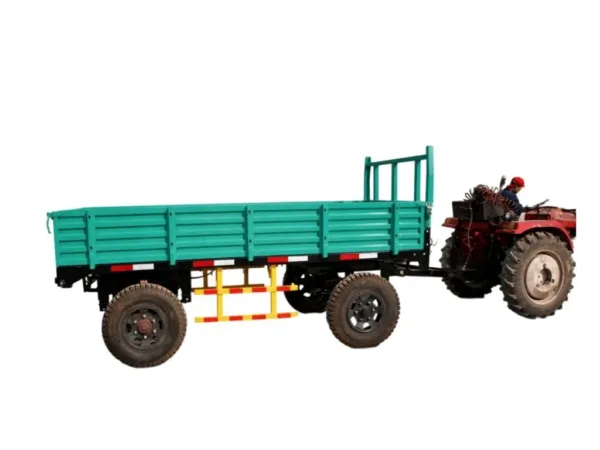
Farm and bulk haulage is the core duty, and the dolly semi trailer lets a farm fleet pull a semi trailer of grain, silage, hay bales or bagged fertiliser from field edges and store yards to the main road, then hand the load to a larger unit for the long run. The rated load capacity covers the sort of full trailer weights that build up quickly when bales are stacked tight or bulk bags are loaded three high.

dolly semi trailer - detail 1

Operators use the unit to keep one tractor working across several trailers through the harvest window, cutting the number of prime movers needed at peak. The steel deck takes forklift and telehandler traffic, and the fifth-wheel coupling keeps hitching familiar for drivers who already work with semi trailers every day.

Construction, yard and depot work is the second common duty. Site managers move plant, pallets of materials, fencing and drainage products on semi trailers that would otherwise sit idle for want of a suitable tractor. The dolly semi trailer closes that gap, letting an existing prime mover reposition loaded trailers around a depot, between storage bays or along a site access road.

Because the unit carries its own axle set, the trailer stays supported when uncoupled, which suits short shuttle runs and staging areas. Fleet operators also use the leg for recovery and repositioning, moving empty or part-loaded trailers between yards without committing a dedicated vehicle. The simple steel build means a workshop can inspect and maintain it alongside the rest of the fleet.

Choosing The Right Spec

  • Match the rated load to your heaviest routine job. The load capacity is the figure that decides whether a dolly semi trailer suits grain, bales or plant. Work out the heaviest trailer weight you expect on a normal day, not the once-a-season peak, and keep the dolly semi trailer within that rating on every trip.
  • Check tractor and trailer coupling compatibility. The fifth-wheel connection must match the hardware on your prime mover and the kingpin on the trailer. Confirm both before ordering, because the unit only earns its place when the coupling chain closes cleanly and the driver can hitch without adapters.
  • Plan around the axle set and turning circle. The dolly adds an articulation point, which changes how the combination turns in yards and gateways. Measure your tightest regular route and turning area, then confirm the assembly geometry suits it before you commit the unit to that duty.
  • Weigh the price tiers against fleet size. The quoted tiers reward volume, so a single unit suits a trial or a small yard, while a multi-unit order lowers the per-unit cost for fleets standardising several tractors. Decide how many dolly semi trailer units your work actually needs before choosing a tier.

Customisation Before Delivery

  • Axle count is the first choice to settle on a dolly semi trailer. Buyers moving lighter loads can pair fewer axles with the rated load capacity, while heavier duty cycles justify more. Every option is agreed at order confirmation, so the build sheet matches your route and cargo before production starts.
  • Deck length is fixed at order confirmation. A longer deck suits bulky farm loads, a shorter deck keeps the unit manoeuvrable in tight yards. Because the deck is welded to the main frame, the length cannot be changed after the build begins, so decide it early with your transport plan in hand.
  • Suspension type is selected per order. Leaf spring setups are the common choice for a dolly semi trailer working rough farm tracks, while other options may be discussed with the supplier. The selection is recorded at order confirmation and matched to the axle count and the load capacity you specify.
  • Tyre specification is confirmed with the order. Size, tread pattern and load rating should reflect the ground you cross and the load capacity of the assembly. State your typical surface and journey length at quotation so the tyre set is agreed before the build is scheduled.
  • Colour and finish are chosen at order confirmation. A painted finish protects the steel frame of the dolly semi trailer, and the colour can be matched to your fleet or farm preference. Surface preparation and coating system are confirmed with the order so the finish suits your climate.

Fitting And Installation

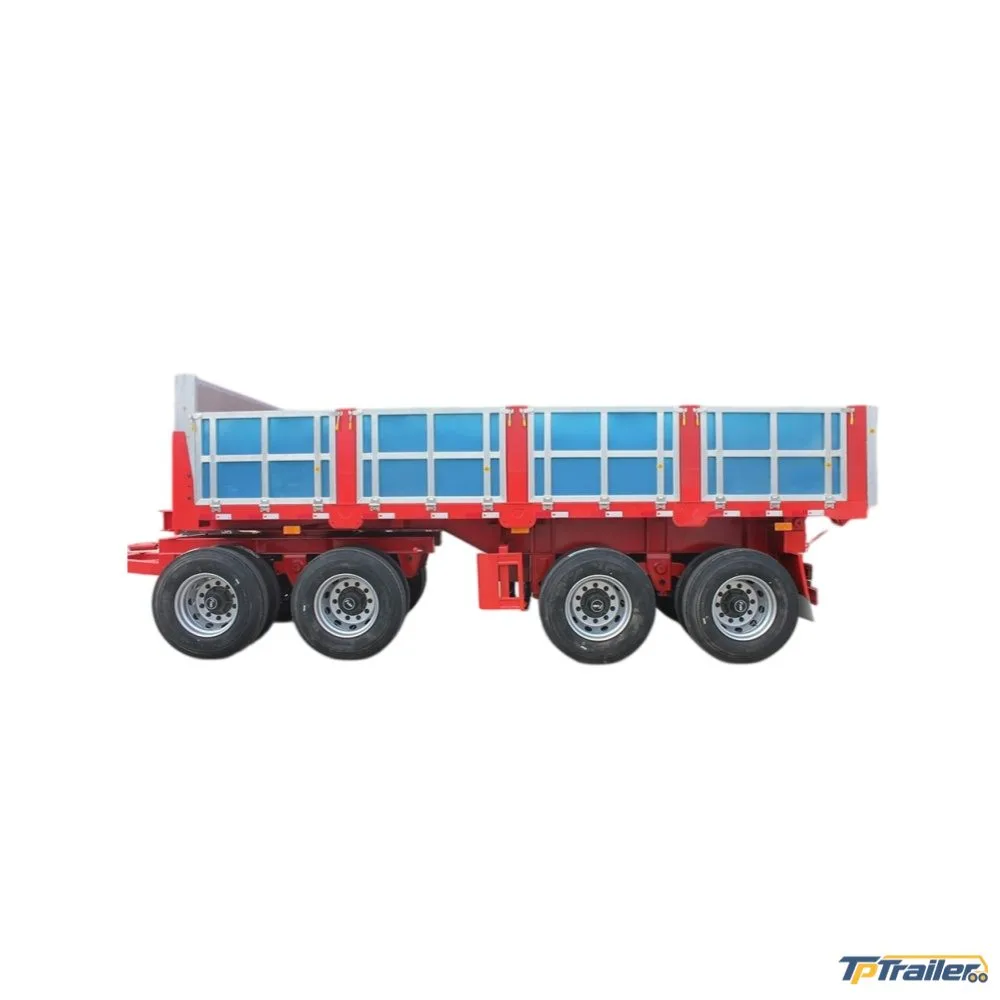
On arrival, the buyer has to match the dolly semi trailer to the towing vehicle and the trailer it supports. Check the coupling height against the drawbar of the unit behind it, and confirm the mounting points line up with the towing eye or hitch on the tractor. Verify the electrical connector type and the air line couplings before the first hook-up. Because the input gives no fitment dimensions, a fitment drawing is confirmed at quotation rather than assumed here. That drawing should show the coupling position, the deck height and the mounting hole layout of the dolly semi trailer, so your workshop can prepare the receiving vehicle in advance.
dolly semi trailer - detail 3
dolly semi trailer - detail 2

Measure the hose and cable routing path on your own unit and compare it with the drawing. If the routing crosses a hot surface or a moving part, plan a support or shield before installation begins. Confirm the torque values for the mounting fasteners from the drawing and the supplier, and use a calibrated wrench on every fixing. A dolly semi trailer that is coupled at the wrong height loads the drawbar unevenly and wears the tyres and suspension faster.

A wrong size at the coupling point costs the buyer downtime. If the mounting points do not align, the assembly cannot be pressed into service, and the vehicle it was bought for sits idle while brackets are reworked or a new drawbar is fabricated. Hose and cable mismatches are quicker to fix but still stop the unit from working until adapters arrive. The cheapest protection is to confirm the fitment drawing at quotation and check it against your tractor and trailer before the order is released.

Ask the supplier to mark the coupling height and mounting layout clearly on that drawing. Then walk your yard and measure the receiving unit against it. Any difference found at that stage is a drawing change, not a workshop emergency. Buyers who skip this step often discover the mismatch on the day the dolly semi trailer arrives, when the pressure to move loads is highest and the time to rework is shortest.

Service Life And Maintenance

  • Tyres wear first on any dolly semi trailer. Inspect tread depth, sidewall condition and inflation before each journey, and check for uneven wear that points to axle or alignment problems. Keeping pressures at the recommended level protects the tyre set and reduces rolling resistance on the road.
  • Brake and air line components are the next wear point. Check couplings, hoses and connections for cracks, chafing and leaks during routine inspection. A unit that loses air pressure brakes unevenly, so test the system before every trip and replace damaged lines rather than patching them.
  • Wheel bearings and hub seals need periodic inspection. Look for grease loss, noise and heat at the hub after a run. A coated or painted finish on the dolly semi trailer frame helps here, because it keeps road salt and moisture away from the steel around the hub and suspension mounts.
  • The frame and welds deserve a regular walk-around. Inspect the main beams, cross members and mounting brackets for cracks, corrosion and loose fasteners. The steel construction is built for the rated load capacity, but impact damage and untreated rust will shorten its working life if left alone.
  • Suspension parts wear with load and road surface. Check springs, shackles and bushes for cracks, sag and looseness, and confirm the mounting hardware stays tight. A protective coating on the assembly frame and suspension area slows corrosion and extends the interval between major inspections.

Packing And Container Loading

A dolly semi trailer ships as a steel structure with exposed axles, hubs and drawbar. Each unit is cleaned and the bare metal is coated before dispatch. Axles and hubs are wrapped, and the drawbar and coupling are protected so they do not rub against other cargo. Loose items travel in a crate or strapped bundle. The buyer should ask for photos of the packed unit before the container is sealed, so the condition at loading is documented for both sides.

Container space on a dolly semi trailer depends on the frame length and the axle count. Frames may be partly nested or stacked where the design allows, but the buyer should confirm the stacking method with the supplier before booking. The loading plan should show the number of units per container and the securing points. Ask for the container type in writing. On arrival, check the frame for bending, the axle tubes for dents and the coating for scuffs.

Common Mistakes Buyers Make

  • Ordering a dolly semi trailer without matching the coupling to the towing vehicle. A mismatch in the drawbar eye or hitch means the unit cannot be used on delivery. The single check is to measure the hitch on the tractor and send the drawing to the supplier before the order is placed.
  • Treating the load capacity as the only specification that matters. Axle count, tyre size and frame section decide how the trailer behaves under load. The single check is to confirm the axle configuration and tyre specification in the quotation, not just the headline rating of the dolly semi trailer.
  • Assuming every trailer fits a standard container. Frame length and width decide whether the unit loads flat or needs partial disassembly. The single check is to request the loading plan and container type in writing, then compare the frame dimensions against the internal container size.
  • Ignoring the surface finish. A steel dolly semi trailer that is not coated for the destination climate will corrode quickly in storage or in service. The single check is to ask which coating system is applied and how the edges and welds are treated, then confirm it in the order.
  • Skipping the arrival inspection. Damage in transit is hard to claim once the container is emptied and the paperwork is signed. The single check is to photograph the assembly before unloading, record any scuffs or bends, and report them to the supplier the same day.

Buyer Questions

Can the trailer be shipped in a standard container?

That depends on the frame length and the axle count of the dolly semi trailer you order. Ask the supplier for the loading plan and the container type before you book freight. Measure the frame yourself and compare it with the internal dimensions of the container you intend to use. If the frame does not fit flat, confirm whether partial disassembly is required and who performs it.

What should I confirm before signing the order?

Confirm the axle configuration, the tyre specification, the coupling type and the coating system in writing. For a dolly semi trailer, also confirm the load capacity and the frame dimensions against your own towing vehicle and route. Ask for the packing photos and the loading plan. Any item the quotation does not state should be listed as a question and answered before payment, not after delivery.

How is the load capacity verified?

The load capacity is stated by the supplier, and the test method behind it should be confirmed at quotation. Ask whether the rating applies to the complete dolly semi trailer or to the frame alone, and whether it assumes a particular axle and tyre combination. Request the relevant documentation with the quotation. Do not treat the headline figure as a substitute for matching the axle count to your intended load.

Send the required frame length, the number of axles and the quantity you need. Include your towing vehicle coupling type and the destination port. With those details we can confirm the configuration, the container loading plan and the price tier for your volume, and the dolly semi trailer you receive will match the work you have planned for it.

Explore more dolly semi trailer in this range.

Load Capacity >30000 KG Type Semi-Trailer
Max Payload >30000 kg Place of Origin China (Mainland)
Province Guangdong Use Truck Trailer
Material Steel Size 12000^ * 2500^ * 1100(mm)
Dimensions 1250 × 250 × 150

Reviews (0)

No reviews yet — click the Review button on the right to share your experience with this product.
Frequently Bought Together

Inquiry about: Steel Dolly Semi Trailer Car Tow Truck Trailer 30000 KG

Fill in the form below and our team will respond within 24 hours.