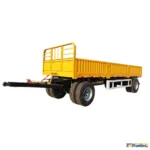
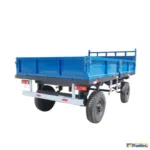
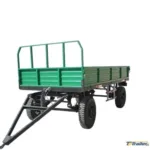
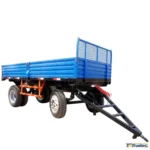
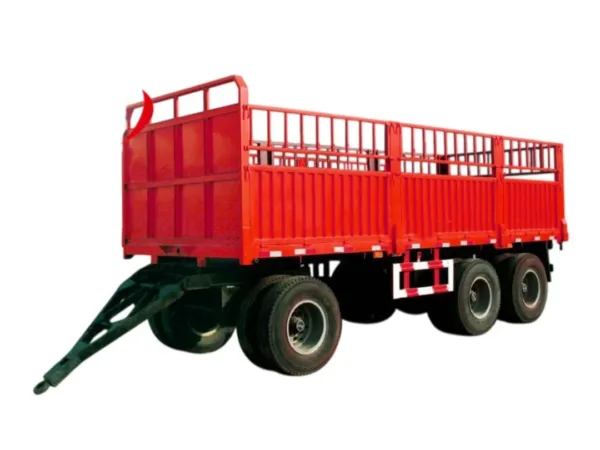
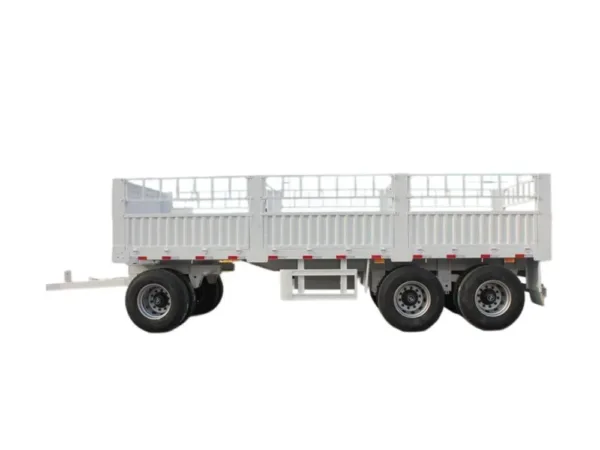
2-20T Utility Farm Draw Bar Side Dump Full Trailer
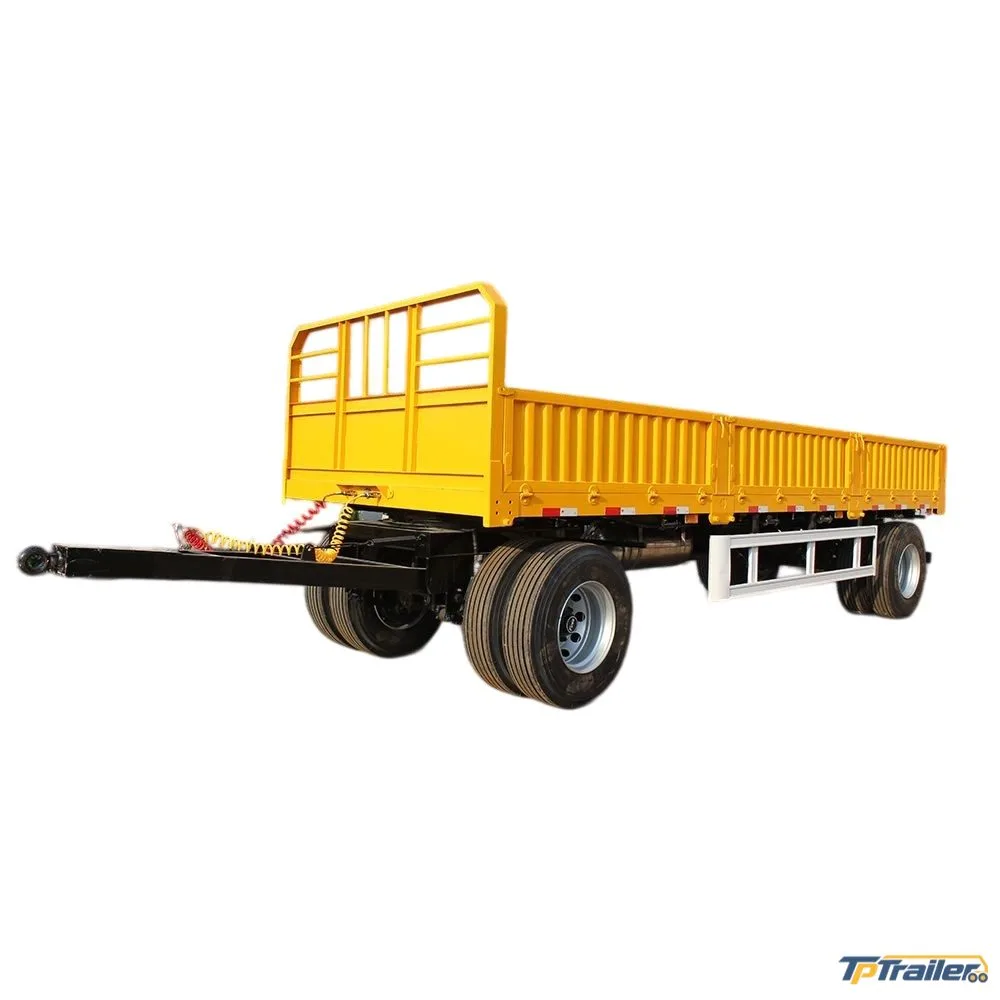
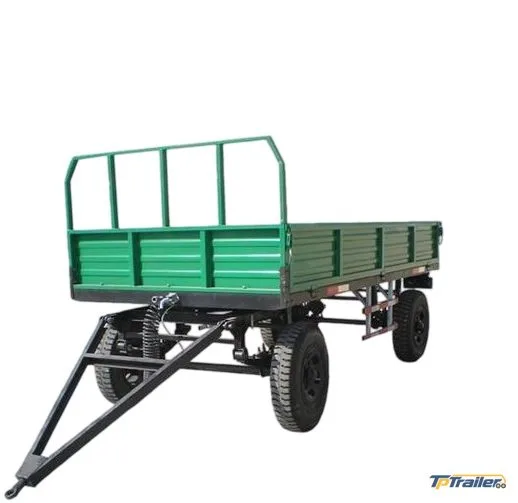
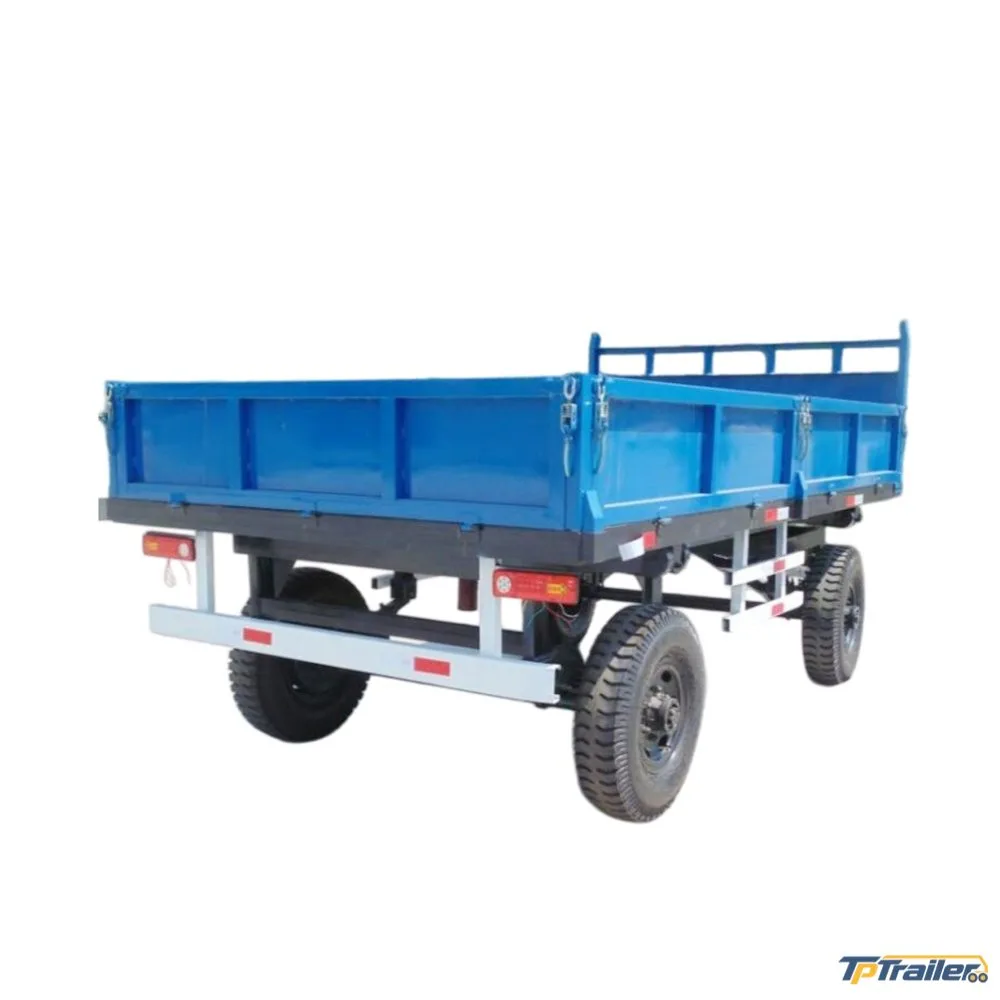
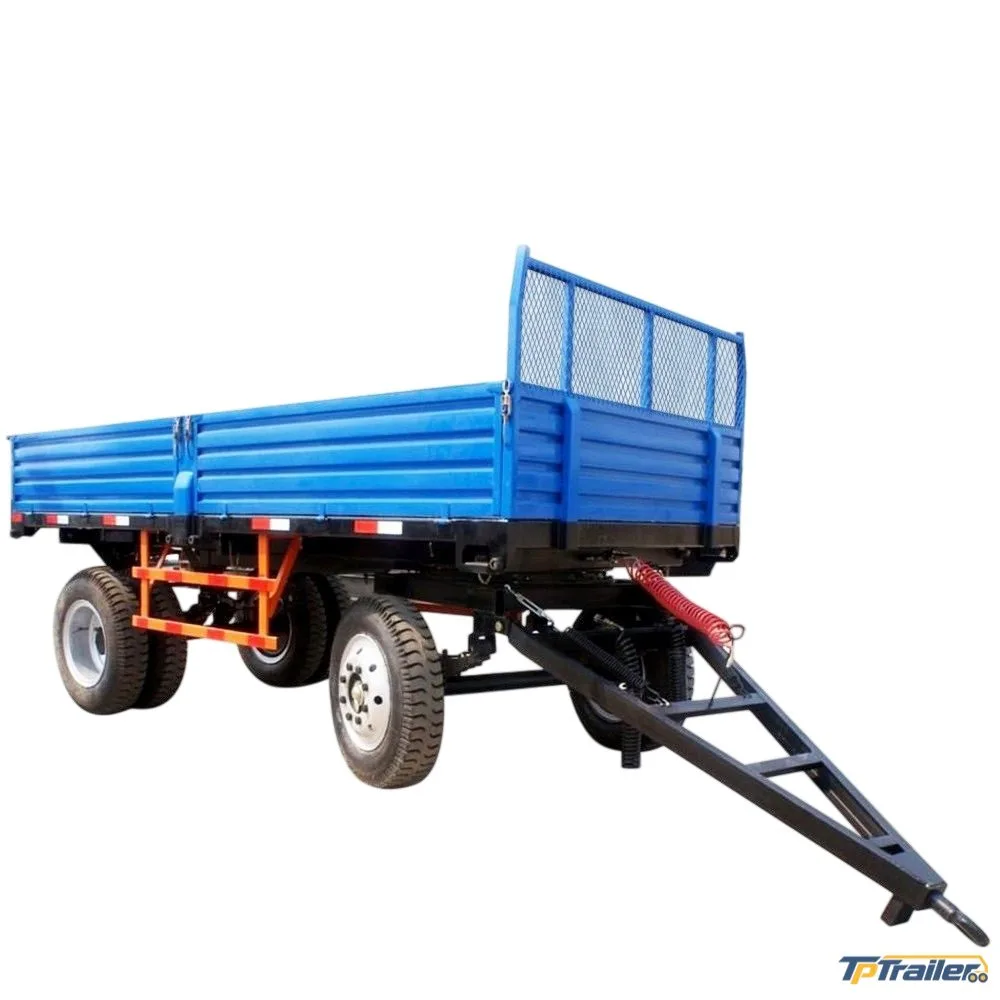
This farm tipping trailer handles 2-20T loads, built as a side dump full trailer for sand, stone and building materials on farm and site transport work.
2-20T 2
FOB Reference PriceUS$9,500Final price confirmed by inquiry
Certifications
ISO 9001
Key Features
Side dump and rear tipper body for flexible unloading on farm and site work
2-20T load capacity covers bulk cargo, sand, stone and building materials
Draw bar full trailer design for utility and agricultural transport
Built for farm use and construction material hauling
Suits bulk cargo transport across mixed fleet duties
The farm tipping trailer is a utility transport unit built to move sand, stone, and building materials across working land. It pairs a draw bar hitch with a side dump and rear tipper body, so one operator can discharge bulk cargo without manual shovelling. It suits farm managers, construction suppliers, and small haulage fleets that need a single vehicle for mixed loads. The strongest reason to choose it is the load capacity range of 2-20T, which lets a buyer match one trailer platform to light farm runs or heavier material hauls instead of keeping two separate units.
Table of Contents
Why It Works On Site
Load capacity from 2-20T. Because the rated range spans light and heavy work, the same farm tipping trailer can handle a small load of bagged feed or a full bed of aggregate. Buyers running mixed schedules avoid keeping a light trailer and a heavy trailer side by side, which simplifies fleet planning and driver allocation across the working season.
Side dump and rear tipper body. The dual discharge design lets the operator tip to the side or the rear depending on where the receiving pile sits. On a narrow farm track, side discharge keeps the load clear of the tow vehicle. On a wider yard, rear tipping drops material straight behind, so the farm tipping trailer fits tight and open sites alike.
Draw bar hitch. The draw bar coupling spreads towing load and keeps the trailer tracking behind the tractor or tow unit on uneven ground. That makes the farm tipping trailer steadier when crossing field entrances, ramps, and soft patches, so bulk cargo arrives without the sway that a poorly hitched body can develop at working speeds.
Bulk cargo function. The body is shaped for loose, high-volume material rather than palletised goods. Sand, gravel, crushed stone, and similar building materials flow out under their own weight when tipped, so the farm tipping trailer cuts the labour hours normally spent unloading by hand or with separate handling equipment.
Utility trailer build for farm use. The unit is configured as a general utility trailer rather than a single-purpose machine. One day it carries construction material to a site, the next it moves farm inputs. That flexibility keeps the farm tipping trailer earning across seasons instead of standing idle between harvests or building projects.
Construction material transport role. Because the trailer is specified for construction material transport, it fits the short-haul runs between stockpile and build point. Operators load at the yard, tow to the pour or fill location, and tip in place. The farm tipping trailer removes the double handling that slows small sites with no dedicated dumper on hand.
Where It Is Used
On working land, the farm tipping trailer handles the routine hauling that keeps a property running. Operators load sand and gravel for track repairs, move crushed stone to fill gateways, and shift soil from excavation points to lower ground. Bagged inputs and loose feed move between store and field without a separate flatbed run.
Because the body tips, the same unit that delivers a load can discharge it into a spreader, a bunker, or a stockpile without a second machine. Farm managers use the farm tipping trailer for yard clearance, moving rubble after shed work, and carrying building materials to remote outbuildings where a rigid truck cannot turn. The draw bar layout keeps it stable on field tracks and farm lanes, and the side dump option lets the operator drop material along a fence line or verge without reversing into position.
On construction and supply sites, the farm tipping trailer carries the loose materials that small projects consume daily. Sand for mortar, stone for drainage, and mixed aggregate for hardstanding all suit the bulk cargo body. A supplier can load at the yard, tow to the plot, and tip directly where the material is needed, which shortens the route from delivery to placement.
Contractors working on scattered plots use the farm tipping trailer to move material between locations without booking a dedicated tipper for each drop. The side dump function helps where space is tight and the tow vehicle cannot straighten up for a rear tip. Because the unit is specified for construction material transport, it fits the short runs between stockpile and build point that make up most of a small site’s material movement.
Choosing The Right Spec
Light end of the load capacity range. Buyers whose heaviest load is bagged goods, feed, or small stone deliveries can work at the lower end of the 2-20T range. A lighter duty cycle keeps the farm tipping trailer matched to the tow unit and the ground it crosses, and avoids paying for capacity the working schedule never uses.
Heavy end of the load capacity range. Operations moving full beds of sand, gravel, or crushed stone should size toward the upper end of the 2-20T range. Heavier loads suit rear tipping into stockpiles and bunkers, where the farm tipping trailer discharges a full body in one pass and the receiving point sits directly behind the tow line.
Side dump for tight routes. Where lanes are narrow, verges are soft, or the receiving pile sits beside the track, the side dump function matters more than raw capacity. Choosing a farm tipping trailer with this discharge option lets the operator place material along a fence line or embankment without reversing the whole rig into a confined space.
Rear tipper for open yards. On wide yards, pads, and stockpile areas, rear tipping gives the cleanest drop and the simplest approach. Buyers with open receiving points should weight the rear tipper function when matching a farm tipping trailer to their site, because it lets the tow unit pull straight through and discharge behind without a turning manoeuvre.
Customisation Before Delivery
Axle count and configuration. The farm tipping trailer can be built with the axle arrangement that matches your load profile and road conditions. Single and multi-axle builds change how weight is distributed across the deck. Confirm your preferred layout at order confirmation so the chassis is prepared correctly. The load capacity band already covers a wide spread of duties.
Deck length and body style. Deck length is settled against the cargo you haul most often, from short bulk loads to longer building materials. A longer deck suits bulky sand and stone runs; a shorter one keeps manoeuvring tight in yards. State the intended deck length when you confirm the order. The side dump and rear tipper functions stay as specified.
Suspension choice. Suspension is selected for the ground you actually cross, not the smoothest road on the route. Farm tracks, yard surfaces and construction sites each load the running gear differently. Tell us the terrain profile at order confirmation and the suspension is matched to it. This choice affects ride, tyre wear and how the farm tipping trailer tracks when loaded.
Tyres and wheels. Tyre type is chosen against surface and load, with tread and carcass suited to field or site use. Flotation-style tyres help on soft ground; harder tread suits compacted yards. Specify your typical surface at order confirmation. Wheel fitment is agreed alongside the tyre choice so the farm tipping trailer arrives ready for its working environment.
Finish and colour. Colour and finish are agreed before the build is locked, so the farm tipping trailer matches your fleet or site identification. Coating choice also feeds into how the body resists abrasion from sand and stone. Name your preferred finish at order confirmation. No lead time is implied by any option; scheduling is handled separately once the specification is signed off.
Fitting And Installation
On arrival, the buyer has to match the trailer to the towing vehicle and the site. Check the draw bar and coupling against the hitch on the tractor or truck, and confirm the mounting points line up before the farm tipping trailer is loaded. Hydraulic connections need the correct tube size and coupler type, and hose routing should be planned so lines do not chafe on the chassis or catch on the deck edge during tipping.
Electrical connections for lighting must reach the socket without strain. Where the input carries no fitment data, a fitment drawing is confirmed at quotation rather than assumed. Walk the whole assembly before first use, because a mismatch found in the yard costs minutes, while one found on site costs the working day.
A wrong size is expensive in downtime, not in parts. A coupling that does not seat means the farm tipping trailer cannot leave the yard, and a hydraulic line with the wrong tube size can leak or fail under load. Both stop a haul of sand, stone or building materials mid-schedule. Confirm the mounting points, tube size and hose routing against the drawing before the machine is dispatched to the field. If any dimension is uncertain, raise it at quotation so the fitment drawing is adjusted. Treat the first connection as a trial fit: check alignment, check that hoses clear moving parts, and check that the farm tipping trailer sits level behind the towing unit before any load goes on.
Service Life And Maintenance
Tyres and wheels wear first. Tyres carry the load and take the abrasion on yard and field surfaces, so they are usually the first item to show wear. Inspect tread depth, sidewall condition and wheel nut security regularly. Matching tyre type to surface at order confirmation slows the wear rate. Keep pressures consistent across the axle set on the farm tipping trailer.
Check the tipping rams and hoses. Hydraulic rams, seals and hoses work under pressure every cycle and are a common wear point. Look for weeping seals, cracked hose covers and chafed routing after each working day. Route hoses clear of the chassis at installation. Prompt replacement of a worn hose protects the farm tipping trailer from a stalled tip under a full load.
Inspect the deck and body panels. Sand, stone and building materials abrade the deck and side panels, so surface wear is expected. Inspect for dents, cracks and thinning, especially at the corners and hinge line. A durable finish chosen at order confirmation extends the interval between repairs. Keep the farm tipping trailer body clean of compacted material that traps moisture.
Watch the suspension and running gear. Springs, bushes and shackles absorb the shock of rough ground and loaded travel. Inspect for cracked leaves, worn bushes and loose fastenings. The suspension option selected for your terrain sets the baseline wear rate. Regular checks keep the farm tipping trailer tracking straight and reduce knock-on wear on tyres and bearings.
Service the coupling and draw bar. The draw bar and coupling take constant load and movement, so play and wear appear there over time. Check the hitch for looseness, inspect the mounting points and keep the coupling lubricated as advised. A fitment drawing confirmed at quotation ensures the right match. A secure coupling keeps the farm tipping trailer stable at every load.
Packing And Container Loading
A farm tipping trailer ships as a steel structure, so packing focuses on surface protection and securing loose items rather than cushioning. Painted panels and the tipping body are the parts most exposed to scuffs during handling. Suppliers normally wrap or cover painted surfaces and bundle removable parts such as lights, pins and fasteners. Ask how the farm tipping trailer is protected before dispatch, and confirm that any loose hardware is boxed and labelled rather than placed loose in the body. This keeps small parts from being lost between loading and arrival.
Container loading depends on the trailer size and how the supplier breaks it down. Some units ship assembled and occupy floor space as a single footprint. Others are partly disassembled so decks, sides and drawbar sections can be stacked or nested more tightly. Ask whether the farm tipping trailer can be nested or stacked to save container space, and request a loading plan or layout drawing. That plan should show how many units fit per container and how the farm tipping trailer is braced against movement during the sea voyage. Verify the plan against the actual unit dimensions before you book freight.
Common Mistakes Buyers Make
Ordering without checking the load capacity against the real cargo. Buyers sometimes match the farm tipping trailer to a rough guess rather than the heaviest load they will carry. The check is simple: list your typical and maximum loads, then confirm the load capacity range covers them. Under-specifying sends the unit back or forces a replacement order.
Ignoring the drawbar and towing setup. A farm tipping trailer is only useful if it couples correctly to the towing vehicle. Buyers forget to confirm the drawbar configuration, coupling type and hitch height. Before ordering, measure your tractor or tow vehicle coupling and send those dimensions to the supplier for confirmation.
Skipping the tipping system details. The tipping function is the core of a farm tipping trailer, yet buyers often leave the tipping method and controls unspecified. Ask how tipping is actuated and what controls are included. Confirm the tipping angle and body clearance suit your unloading point before you commit to the order.
Assuming the listed dimensions match the delivered unit. Overall length, width and body height drive both transport and site access. Buyers who do not request a dimensioned drawing discover the farm tipping trailer does not fit a gate or ramp. Always request a drawing and check it against your access route and storage area.
Overlooking container and unloading logistics. Buyers focus on the farm tipping trailer and forget how it arrives. If the unit ships partly disassembled, assembly instructions and lifting points matter. Confirm the loading plan, the unloading method at your site and who reassembles the unit before the container is booked.
Buyer Questions
Can the trailer be supplied partly disassembled to reduce shipping volume?
This depends on the model and how the farm tipping trailer is built, so confirm it at quotation. Ask the supplier for a loading plan that shows whether decks, sides or drawbar sections can be separated or nested. If partial disassembly is possible, request assembly instructions and a list of fasteners included. Then check your own unloading equipment and labour can handle the parts. A farm tipping trailer that arrives in sections needs a reassembly plan before it reaches your yard.
What should I check on arrival before signing for delivery?
Inspect the farm tipping trailer against the packing list and the loading plan while the container is still open. Check painted surfaces for transit damage, count boxed hardware and confirm the tipping body and drawbar sections are present. Photograph any damage before unloading and note it on the delivery receipt. If parts are missing, raise it with the supplier immediately. A farm tipping trailer checked at the container door is far easier to resolve than one discovered short weeks later on site.
How do I confirm the trailer suits my towing vehicle and cargo?
Send the supplier your towing vehicle coupling details, hitch height and the loads you plan to carry. Ask them to confirm the drawbar configuration and that the load capacity range covers your heaviest load. Request a dimensioned drawing of the farm tipping trailer and compare it with your gate widths, ramps and unloading area. Any point the input does not settle, such as exact coupling type, should be confirmed at quotation in writing before you place the order.
To receive a quotation, send the overall length you need, the number of axles required and the quantity you plan to order. Add your towing vehicle coupling details and the loads you will carry, so the farm tipping trailer specification can be confirmed against your site before pricing is issued.
We use cookies to enhance your browsing experience, serve personalized content, and analyze our traffic. By clicking "Accept All", you consent to our use of cookies. Privacy Policy
Cookie Preferences
Required for the website to function properly. Cannot be disabled.
Help us understand how visitors interact with the website (Google Analytics).
Used to deliver personalized ads and measure ad campaign effectiveness.


















Write a Review