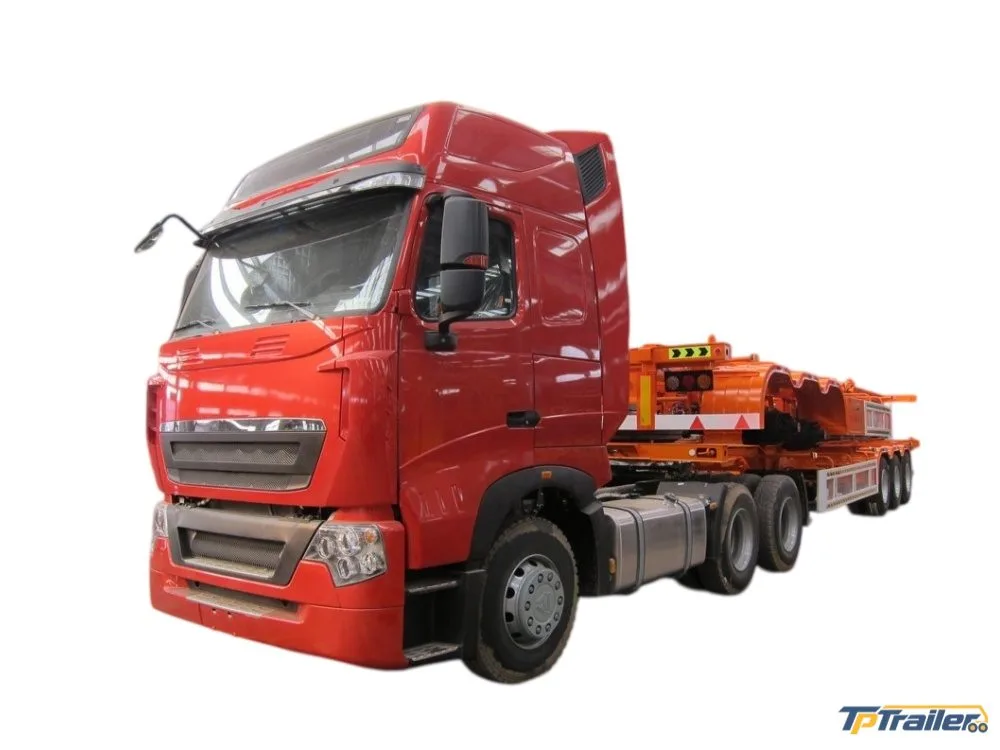
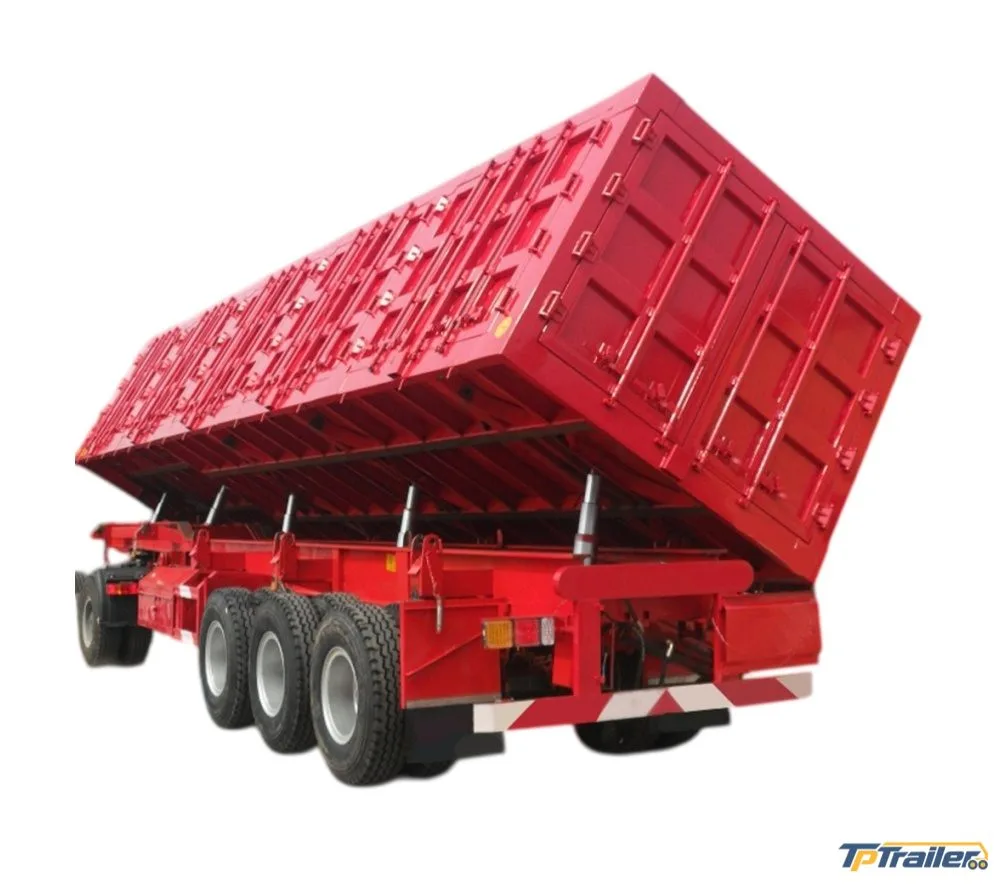
This dump semi trailer truck is a steel-bodied tipping trailer built to move bulk and containerised cargo on road haulage routes. It is aimed at fleet operators, freight contractors and agricultural hauliers who need one platform for loose loads and standard containers. The strongest reason to choose it is the combination of a 30000 KG load capacity with a tipping body, so the same unit discharges aggregate, grain or scrap without extra handling equipment. Axle counts of two, three or four and container lengths of 20FT, 40FT and 45FT let a buyer match one dump semi trailer truck to the loads the fleet actually carries.
Table of Contents
Why It Works On Site
30000 KG load capacity. The rated load capacity sets the ceiling for each trip, so a haulier can plan aggregate, sand or grain runs around a known payload rather than guessing. That matters on site because loading crews fill to a target, and a predictable limit keeps the dump semi trailer truck within its design envelope across repeated cycles. It also lets dispatch compare the trailer against the tractor unit before assigning it to a route.
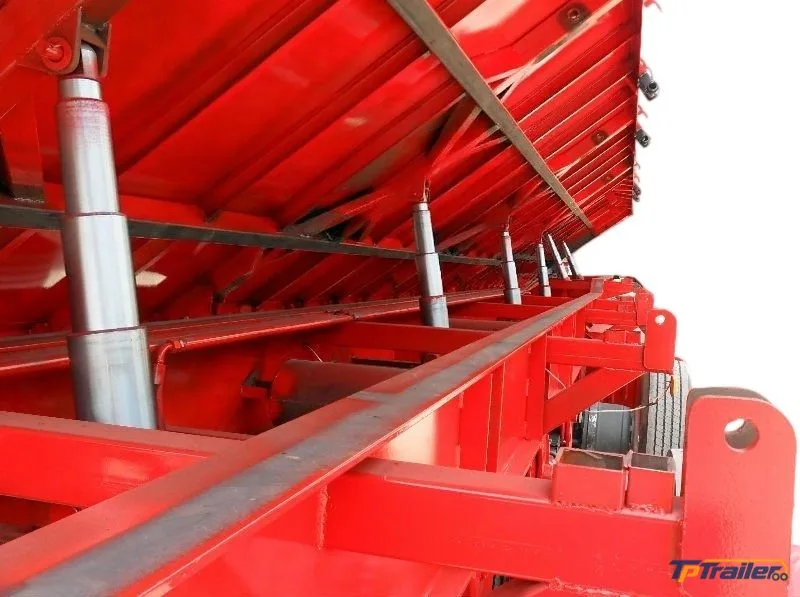
Tipping body design. The dump body raises to discharge the load under gravity, which removes manual shovelling and speeds up turnaround at tips and yards. For a dump semi trailer truck working a quarry-to-yard run, the discharge step is often the bottleneck, and a tipping body keeps the vehicle moving. It also suits sites where a tipper lorry cannot manoeuvre but a tractor-trailer combination can.
Two, three or four axles. The axle configuration spreads the load and lets the operator match the trailer to the tractor unit and the routes it serves. A fleet running mixed duties can hold one dump semi trailer truck specification for lighter work and another for heavier bulk runs. This flexibility keeps spare parts and driver familiarity within a single trailer family rather than several unrelated models.
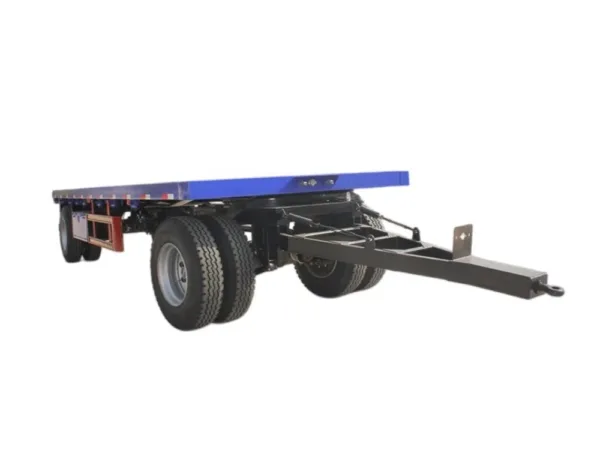
20FT, 40FT and 45FT container handling. The flatbed and container-carrying capability means the same dump semi trailer truck can move boxed freight as well as loose cargo. That widens the backhaul options: a trailer that tips aggregate outbound can return with a container instead of running empty. For operators balancing bulk and container work, one unit covers two revenue streams.
ABS braking. ABS is fitted as standard, which supports controlled braking on loaded runs and in poor surface conditions. On a dump semi trailer truck carrying bulk material, braking stability under load is a daily safety concern, and ABS helps the driver keep the combination straight during hard stops. It also aligns the trailer with common fleet safety expectations.
Steel construction. Steel is the practical material for a tipping body that takes impact from rock, scrap and aggregate during loading. A steel-bodied dump semi trailer truck resists the abrasion that shortens the life of lighter bodies, so the unit stays in service across repeated load-and-tip cycles. That durability is what fleet buyers weigh against purchase cost.
Where It Is Used
The most common duty for a dump semi trailer truck is moving bulk construction material. That means aggregate from a quarry to a batching plant, sand and gravel to a road project, or crushed stone to a yard. The tipping body discharges directly into a stockpile or hopper, so the trailer does not need a separate unloading machine at the destination.
Hauliers running short, repeated cycles between a pit and a plant get the most from the design, because the discharge step is quick and the load capacity is known before each trip. A dump semi trailer truck also suits demolition and site-clearance work, where spoil, rubble and excavated soil have to leave the site and be tipped at a licensed fill area. On these routes the steel body takes the impact of uneven rubble, and the tipping action clears sticky or heavy material that would otherwise need manual work.
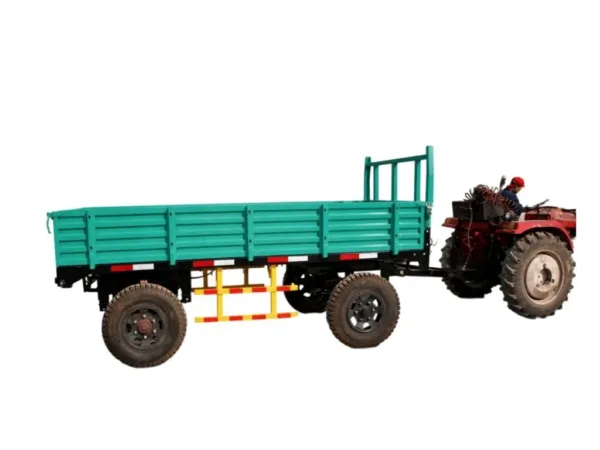
The second use is agricultural and containerised freight. Grain, fertiliser, feed and silage move in bulk from farm stores to mills and ports, and a dump semi trailer truck with a tipping body discharges them without a separate conveyor or auger. The same trailer handles containers when the load is bagged, palletised or boxed, which matters for operators who do not want an empty return leg.
A haulier might tip grain at a mill and collect a 20FT or 40FT container for the trip back. Longer flatbed and container runs also suit the 45FT size where the route and tractor unit allow it. For mixed fleets, this dual role is often what justifies the purchase, since one dump semi trailer truck covers bulk discharge and container transport without a second dedicated unit.
Choosing The Right Spec
Match axle count to route weight. Two axles suit lighter, shorter runs where the tractor unit carries more of the combination weight. Three and four axles spread the load across more tyres and are the usual choice for heavier bulk work. The right dump semi trailer truck configuration depends on the routes the fleet runs and the tractor units already in service, so buyers should compare axle options against their normal payload and road conditions rather than defaulting to the largest.
Pick container length by cargo. A 20FT option suits dense, heavy loads and short container work, while 40FT and 45FT sizes fit longer boxed freight and higher-volume cargo. Operators who mostly tip bulk but occasionally move containers should choose the length their customers actually book. The dump semi trailer truck range covers all three, so the decision is about the freight mix rather than the trailer itself.
Weigh load capacity against typical loads. The 30000 KG load capacity is the design ceiling, and buyers should compare it with the heaviest routine load the fleet carries. A trailer run consistently near its limit needs the axle and body specification that supports it. Choosing a dump semi trailer truck with headroom over normal loads leaves room for heavier jobs without changing units.
Confirm ABS and steel body fit the duty. ABS is fitted, which suits fleets with formal safety expectations and mixed road conditions. The steel body suits abrasive and impact-heavy cargo such as rubble, scrap and aggregate. Buyers moving lighter, non-abrasive freight should still weigh the steel body against their duty cycle. Matching these two features to the actual job keeps the dump semi trailer truck cost-effective over its service life.
Customisation Before Delivery
Axle count is the first decision on a dump semi trailer truck. Buyers choose between two, three or four axles depending on the load they plan to carry and the roads the unit will work on. The axle configuration is fixed at order confirmation, so the chassis and running gear are built to one agreed layout rather than adjusted later.
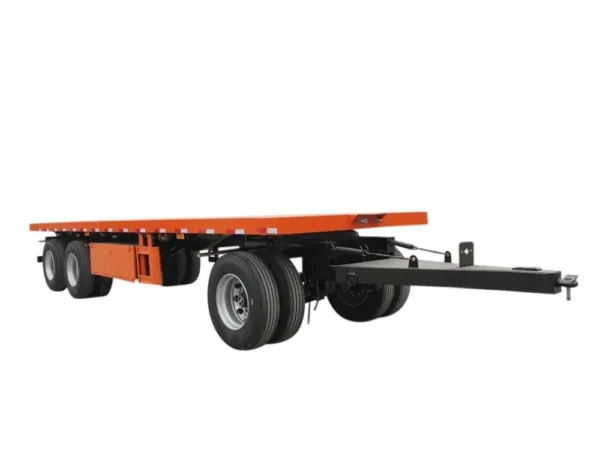
Deck length and container format go together on this flatbed dump semi trailer truck. The build covers 20FT, 40FT and 45FT container transport, so the deck length and the locking arrangement are matched to the container sizes the operator actually moves. Settle the deck length and container combination at order confirmation.
Suspension type is selected with the axle count, because the two work as one system under a dump semi trailer truck. The choice is recorded on the order so the frame mounts and hanger positions are built for that suspension from the start. Changing it after build would mean reworking the chassis, so it is agreed before production.
Tyres and wheels are chosen to suit the ground the trailer works on and the towing unit in the fleet. The tyre specification is confirmed with the order, together with the axle count, so the running gear arrives as one matched set. This keeps spare wheels and tyre stock consistent across a fleet of the same dump semi trailer truck.
Colour and finish are agreed at order confirmation, along with the ABS specification that is part of the build. Paint choice is practical as well as visual: it marks fleet identity and helps the operator spot surface damage early. All options on this dump semi trailer truck are locked in before production begins.
Fitting And Installation
Fitting starts with the coupling and mounting points. The buyer has to match the trailer to the towing unit before the first load: the fifth wheel or drawbar arrangement, the mounting points on the chassis, and the position of the landing gear. Confirm the tube size and hose routing for the air system, because the ABS and brake lines must run clear of moving parts and hot surfaces.
Route hoses so they do not rub on the frame or trap against the deck when the body tips. Where torque values matter, use the figures supplied with the unit rather than generic ones. A dump semi trailer truck that is coupled to the wrong mounting height or fed by undersized lines will not brake or tip as intended, and the fault often appears only under load.
A wrong size costs downtime in a way that is easy to underestimate. If the hose routing or tube size does not match the tractor, the ABS and brake system may need rework before the unit can legally work, and the trailer sits idle while parts are sourced. Mounting point mismatch is worse: it can mean drilling, adapter plates or a replacement coupling, all of which take time and labour.
Because the load capacity of this dump semi trailer truck is rated at thirty thousand kilograms, the fitting has to be right before the first loaded trip, not after it. Where the input gives no fitment data, a fitment drawing is confirmed at quotation instead of leaving the buyer to guess. Treat the drawing as the reference for every connection on the dump semi trailer truck.
Service Life And Maintenance
Brake and ABS components wear first on any dump semi trailer truck, because they carry the stopping duty of a loaded unit. Operators should inspect linings, drums and ABS sensors at each service and check for air leaks along the lines. Keeping the ABS system working as designed protects the rest of the braking system and extends the safe working life of the trailer.
Tyres and wheel ends are the next wear point on a dump semi trailer truck. Inspect tread depth, sidewall condition, wheel nut tightness and bearing play. Matching the tyre specification to the ground conditions at order time is the simplest way to lengthen the replacement interval, and rotating stock across a fleet keeps wear even.
Suspension and hanger mounts take repeated shock on a loaded dump semi trailer truck. Check springs, bushes, U-bolts and hanger welds for cracks or looseness. Choosing the suspension type for the actual road conditions at order confirmation reduces the shock the mounts see, which is the main material choice that extends the inspection interval.
The tipping body, hinges and hydraulic mounting points need regular attention. Inspect hinge pins, pivot points and the frame around the tipping cylinder for wear or distortion. Grease the moving points as part of routine service, and check that the body returns square to the frame. A body that tips unevenly puts stress on the chassis and shortens the life of the dump semi trailer truck.
Steel condition and coating decide how long the structure lasts. Inspect the frame and deck for rust, coating damage and cracks, and touch up paint before corrosion spreads. The colour and finish chosen at order time are part of this protection, so a coated dump semi trailer truck holds its structure longer than an untreated one.
Packing And Container Loading
Each dump semi trailer truck leaves the yard as a frame and running gear assembly, not as a sealed box. Steel chassis rails, axles and the tipping body are cleaned and coated before dispatch. Exposed machined faces on the axle spindles and landing gear legs get a protective film or grease wrap so sea air does not reach bare metal. Hydraulic rams are retracted and tied, and loose fittings travel in a marked crate fixed to the frame. Buyers should ask for photos of the packed unit before the container doors close, since that is the last clear view of the goods before they cross the water.
Space is saved by how the unit is built, not by crushing it. A dump semi trailer truck ships with wheels and tyres removed where the buyer requests it, so the deck sits lower and the load profile shrinks. Flat sections and detached parts can be bundled inside the frame envelope. Nothing is nested through the chassis, because that would bend cross members. Confirm the shipping configuration in writing: tyres on or off, ramps included or separate, and whether any parts travel as deck cargo. Those choices decide how many units fit per container.
Common Mistakes Buyers Make
Ordering the wrong deck length. A container size quoted from memory rarely matches the trailer the buyer actually needs to pull. The single check is to measure the container or cargo footprint with a tape and send that figure with the order, rather than naming a nominal size.
Ignoring the load capacity figure. Buyers compare prices across listings and forget to match the rated load to the heaviest legal payload on their route. The single check is to write down the maximum payload per trip and confirm it against the rated load before signing.
Skipping the axle count decision. Axle count changes the tare weight, the tyre bill and the turning behaviour on site. The single check is to confirm how many axles the local road rules and the haul road allow, then lock that number into the purchase order.
Assuming ABS is standard everywhere. Brake systems vary by market and by build, and a buyer who assumes a fitment can be disappointed at registration. The single check is to state the required brake specification in the enquiry and get it confirmed at quotation for that dump semi trailer truck.
Leaving shipping terms vague. Tyres, ramps and loose parts are easy to misplace when the packing list is loose. The single check is to request a packing list with every line item and compare it against the container photos on arrival.
Buyer Questions
Can the trailer be shipped with tyres fitted?
Yes, but the buyer should decide before booking freight. Tyres fitted raise the overall height and width of the packed unit, which can reduce how many dump semi trailer truck units fit in one container. Ask the supplier for the packed dimensions with tyres on and with tyres off, then compare both against the container internal dimensions. If tyres ship separately, list them as separate line items on the packing list and check the count on arrival.
What should I check when the container is opened?
Check the count first, then the condition. Compare every line on the packing list against what is on the floor, including loose fittings and any detached parts. Photograph the frame, axles and hydraulic rams before unloading, because coating damage and bent brackets are easiest to prove while the goods are still in the container. Note any shortage or transit damage on the delivery documents before signing, and send the photos to the supplier the same day.
Does the load capacity cover the trailer body and the cargo?
The rated load capacity is the payload figure to plan around, so treat it as cargo weight rather than total gross weight. Confirm with the supplier whether the figure refers to payload alone or to the combined weight of the dump semi trailer truck and its load, and get that written into the quotation. Then compare it with the heaviest load your route allows, allowing for the tare weight of the axles and body you ordered.
To get a quote, send three things: the deck or container length you need, the axle count you want, and the quantity you plan to order. Add your brake specification and whether tyres ship fitted. With those details the supplier can confirm the build and the price tier for your dump semi trailer truck order.
We use cookies to enhance your browsing experience, serve personalized content, and analyze our traffic. By clicking "Accept All", you consent to our use of cookies. Privacy Policy
Cookie Preferences
Required for the website to function properly. Cannot be disabled.
Help us understand how visitors interact with the website (Google Analytics).
Used to deliver personalized ads and measure ad campaign effectiveness.


















Write a Review