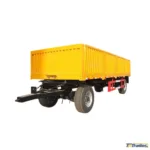
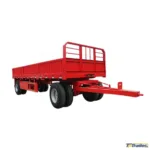
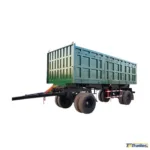
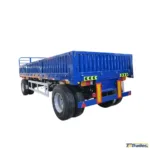
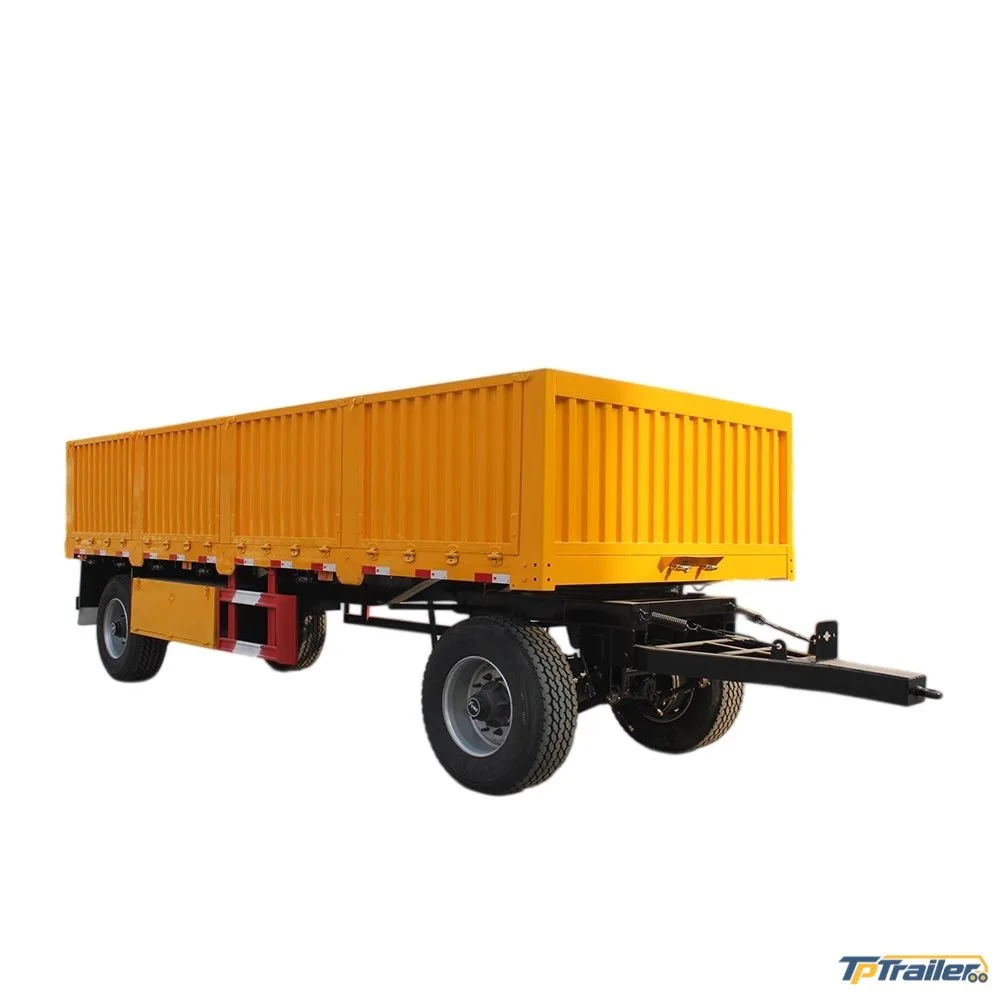
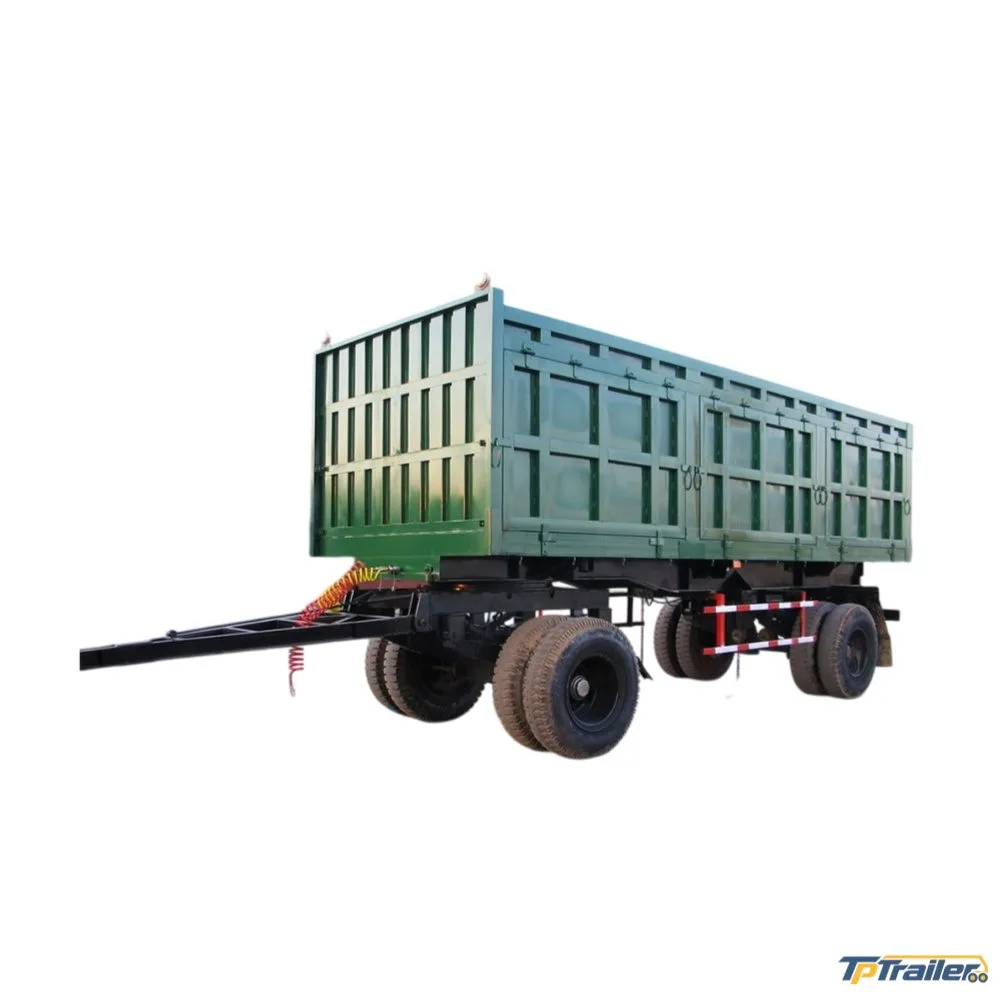
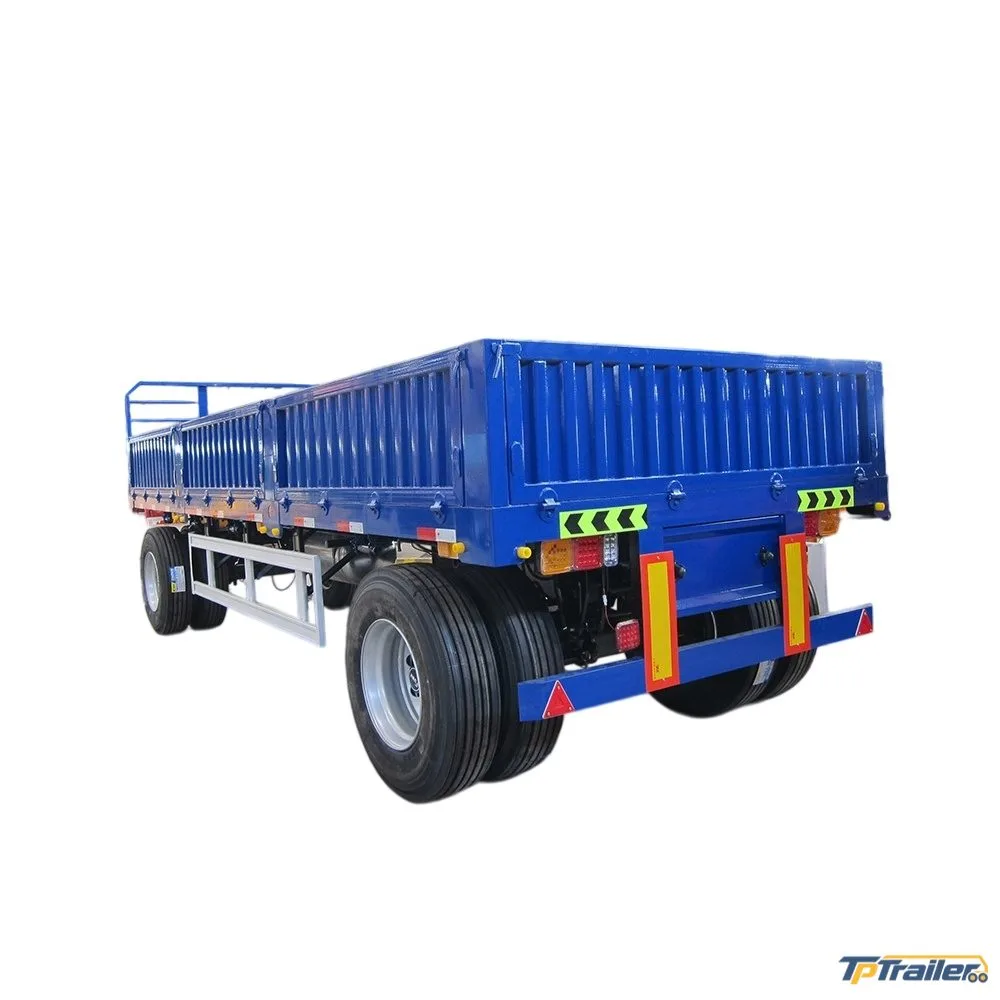
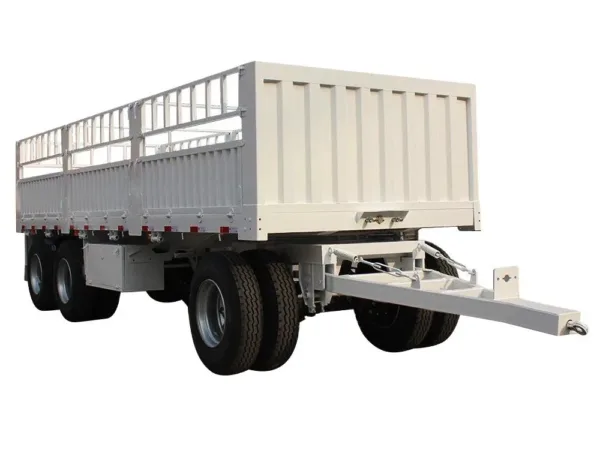
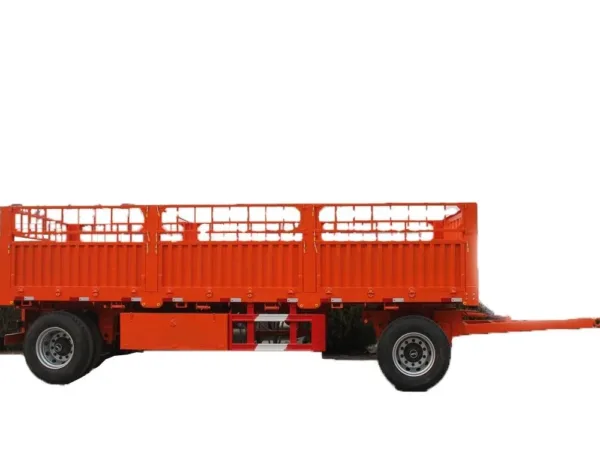
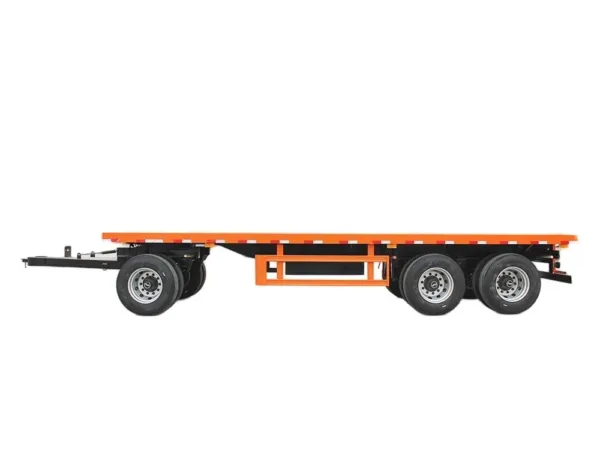
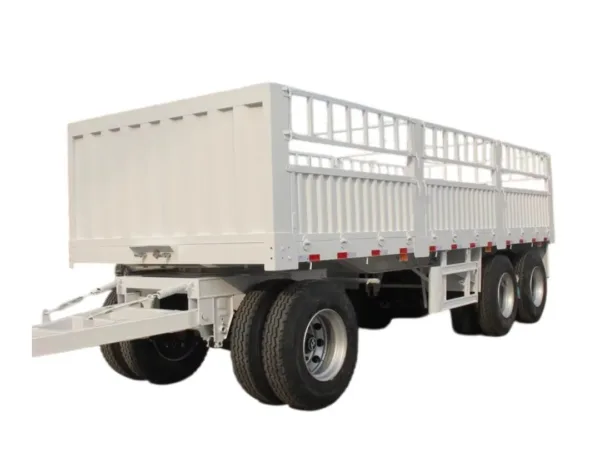
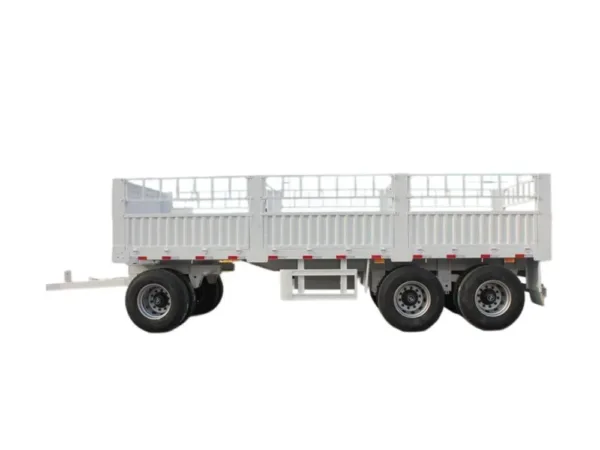
Full Trailer is the working name for this 20ft drawbar truck trailer, a full car type unit built for buyers who move heavy agricultural and industrial loads behind a truck. It is aimed at fleet operators, farm contractors and transport yards that need one dependable platform rather than a specialist vehicle for every job. The strongest reason to choose it is the load capacity: 30000 KG on a single 20ft deck, which lets one Full Trailer replace several lighter runs and keeps the truck earning on every trip. The drawbar layout spreads weight across the towing vehicle and the trailer’s own axles, so the platform stays stable when it is loaded to its limit.
Table of Contents
Why It Works On Site
30000 KG load capacity: the deck is rated to carry thirty tonnes, which means a single trip can move a full harvest load, a stacked pallet consignment or a machine plus its attachments. Buyers plan fewer journeys per day, cut fuel and driver hours, and stop splitting heavy cargo across two vehicles. The rating is the figure to quote when a site manager asks what the trailer will take.
Full car type body: the full car body gives a continuous flat platform with side and end structure, so cargo sits on a defined deck instead of being strapped to a bare frame. Bags, crates, bales and palletised goods load straight on. That makes the Full Trailer practical for mixed loads where the cargo changes from one trip to the next.
20ft deck length: the 20ft platform matches common pallet footprints and standard container-style loading patterns, so a forklift driver can work in familiar increments. Long items such as timber, pipe and steel sections sit within the deck rather than overhanging far beyond it. Loading crews spend less time repositioning and more time moving goods.
Drawbar towing layout: the drawbar connects the trailer behind the truck with a controlled pivot, which keeps the combination tracking through yard entrances, field gates and tight loading bays. Operators already running drawbar equipment can add this Full Trailer without retraining drivers or changing their coupling routine. It suits sites where space to turn is limited.
Truck trailer configuration: as a truck trailer, the unit is built to work with a haulage tractor rather than a light pickup, so it fits fleets that already run heavy vehicles. The same truck that pulls it during the day can return to other duties once the trailer is dropped. That sharing of the towing unit is what keeps cost per tonne down.
One platform, many loads: because the Full Trailer combines a rated deck, a full car body and a 20ft length, it covers grain, feed, building materials, machinery and general freight. Operators avoid keeping separate trailers for each cargo type. The result is a simpler fleet, fewer registration and maintenance items, and a trailer that earns on most working days.
Where It Is Used
The most common work for this Full Trailer is agricultural hauling between field, store and market. A 20ft deck with the stated load capacity takes bulk bags of grain or fertiliser, stacked bales, feed sacks and crates of produce in one run. Contractors use it to move a tractor’s worth of implements to a site and bring the harvested crop back, so the truck is loaded in both directions.
Because the body is a full car type, loose bags and pallets stay on a defined platform and can be secured with standard straps. Yards that handle seasonal peaks value the Full Trailer because it absorbs a heavy harvest week without extra vehicles, and it drops back to general freight once the season ends.
Construction and industrial buyers use the same platform for materials that arrive on pallets or in bundles. Bricks, blocks, timber, roofing sheets, pipe sections and steel bar all load onto the 20ft deck, and the load capacity covers dense cargo that would overload a lighter trailer. On depot-to-site routes the drawbar layout lets the combination enter gates and reverse into tight unloading areas where a longer articulated unit would struggle. The Full Trailer also suits yard shuttling, moving stock between a main store and a satellite yard without booking a full haulage run. Operators who already pull truck trailers recognise the coupling routine and can put a new driver on the unit with minimal instruction.
Choosing The Right Spec
Match the load capacity to your densest cargo: the 30000 KG rating is the ceiling, so compare it with the heaviest single load you routinely move, not the average. Sand, gravel, steel and wet grain reach high weights in a short deck length. If your regular loads sit well below the rating, the Full Trailer still gives margin for mixed consignments and return loads.
Check the 20ft deck against your loading pattern: the 20ft length suits standard pallet groups and container-style loads. Measure your longest frequent item, such as timber or pipe, against the deck before ordering. Buyers who mostly move short pallets gain from the compact footprint; buyers with long stock should confirm the overhang they can accept on their routes.
Confirm the drawbar suits your truck and routes: the drawbar layout works best where the towing truck is already set up for trailer work and the routes include yard gates, farm tracks and tight bays. Check turning space at both ends of the journey. Fleets that run mostly long open highway may weigh the Full Trailer against other configurations before committing.
Choose between the single unit and the multi-unit tier: the two price tiers reward volume, so a buyer replacing several ageing trailers or equipping more than one depot should compare the per-unit figure at the higher quantity against buying one at a time. Single-unit buyers keep flexibility; multi-unit buyers standardise their fleet on one Full Trailer specification, which simplifies spares, training and scheduling.
Customisation Before Delivery
Axle count. The Full Trailer can be built with the axle arrangement your haulage work needs. A single-axle build suits lighter farm runs, while a tandem or tri-axle layout spreads the load across more tyres. Confirm the axle count when you place the order, and the factory builds to that figure rather than a stock configuration.
Deck length and body type. The deck length and body style of the Full Trailer are fixed at order confirmation. A full-car body carries a complete vehicle, while a flat deck takes pallets, bales or machinery. Tell the supplier the longest load you plan to move, and the deck is set to cover it without overhang.
Suspension choice. Leaf-spring suspension is the common choice for farm and road work on a Full Trailer. Ask about the spring pack rating and the number of leaves if your loads vary widely. The suspension type is agreed at order confirmation, so it matches the axle count and the load you carry.
Tyres and wheels. Tyre size, tread pattern and wheel type are selected before the Full Trailer is built. Field work and road transport ask for different treads, so state where the trailer will run most. The tyre set is confirmed with the order, and the spare can be added at the same time.
Colour and finish. Paint colour and finish are chosen at order confirmation. A bright colour helps the Full Trailer stand out on a busy yard, while a plain finish suits fleet use. Ask which coating the factory applies to the chassis and deck so you can plan touch-ups later.
Fitting And Installation
When the Full Trailer arrives, the first task is to match it to your towing vehicle. Check the drawbar height against the hitch on the truck, and confirm the coupling size fits the ball or pin you use. Look at the mounting points on the chassis and make sure they line up with the brackets on your tractor or truck. Check the tube size on the hydraulic or air lines if the trailer uses them, and follow the hose routing the supplier describes so nothing rubs on the frame.
If the input gives no fitment data, ask for a fitment drawing at quotation and confirm every dimension before the order is placed. A wrong coupling height or a mismatched mounting point stops the Full Trailer from working on day one. The unit sits idle while brackets are re-drilled or adapters are sourced, and that downtime costs you haulage days during a busy season. Getting the fitment drawing agreed early is cheaper than fixing a mismatch after delivery.
Wiring and lighting are the next check on a new Full Trailer. Confirm the plug type matches your vehicle socket, and test every lamp before the trailer goes into service. Check the brake connection if the trailer is braked, and confirm the breakaway system works as described. Look at the tyre pressures and the wheel nut torque, and re-check the nuts after the first loaded run, since new wheels can settle. If the input gives no torque figure, ask the supplier for the value at quotation rather than guessing.
A missed wiring fault or a loose wheel nut turns a simple delivery into a roadside stop. The Full Trailer then waits for a fitter while your schedule slips. Walk the whole unit with the delivery paperwork in hand, and record any damage before you sign. A careful handover keeps the Full Trailer working from the first trip.
Service Life And Maintenance
Tyres wear first. Tyres on a Full Trailer take the most wear, especially on road runs with a loaded deck. Check tread depth and sidewall condition before each season, and look for uneven wear that points to alignment or pressure problems. A matched tyre set and correct pressure spread the load and lengthen the interval between replacements.
Brakes and bearings. Brake shoes and wheel bearings are the next items to watch on a Full Trailer. Listen for grinding or humming on the move, and check hub temperature after a loaded run. Grease the bearings as the supplier advises, and inspect the brake linkage for slack. Catching a worn bearing early avoids a seized hub on the road.
Chassis and coating. Inspect the chassis rails and the deck for cracks, bends and rust on a Full Trailer. The coating choice made at order confirmation decides how long the steel resists corrosion. A good paint or galvanised finish extends the interval between touch-ups. Wash off mud and manure after field work, and repaint any chipped spot before rust spreads.
Coupling and drawbar. The coupling, drawbar and safety chains carry the Full Trailer, so check them often. Look for wear in the hitch jaw, stretched chains and loose bolts. Confirm the coupling locks fully onto the ball or pin every time you hook up. A worn coupling lets the trailer move on the hitch and damages both parts.
Lights and wiring. Lamps, plugs and wiring fail with vibration and weather on any Full Trailer. Test the lights before each trip, and check the plug pins for corrosion. Route the cable clear of sharp edges and moving parts. A quick lamp check at the start of the day keeps the Full Trailer legal on the road and visible at night.
Packing And Container Loading
Each Full Trailer leaves the works as a complete unit, so packing is less about crating and more about restraint. The chassis is secured to a flat rack or loaded directly into the container floor with timber dunnage under the frame rails. Lashings hold the drawbar and the running gear so nothing shifts as the vessel rolls. Hydraulic lines and exposed fittings are capped or wrapped. Paint and galvanised surfaces are left bare, since wrapping a large steel frame traps moisture against the coating. Ask the supplier for loading photos before the doors close.
A Full Trailer does not nest like a small implement. The deck and the drawbar set the footprint, and stacking two units risks point loads on the upper frame. Where a buyer orders several units, the realistic saving comes from removing wheels or shipping the trailer partly knocked down, and that choice belongs in the quotation. Confirm the loading plan in writing, including how many units fit and whether any part travels loose. On arrival, check the lashings, the drawbar, the tyres and the lights before signing the delivery note.
Common Mistakes Buyers Make
Ordering the wrong deck length. A Full Trailer is built around the deck, and a unit that is short for the load cannot be extended later. Measure the longest item you intend to carry, add the overhang you accept, and confirm that figure against the deck length in the quotation before the deposit is paid.
Assuming the load capacity covers the payload. The load capacity is a rating for the trailer, not a licence to fill the deck with any material. Check the density of what you haul, compare the total weight against the rating, and confirm the axle and tyre combination that carries it.
Ignoring the coupling and drawbar height. A Full Trailer only works if the ring or coupling matches the towing vehicle. Measure the hitch height and the coupling type on your truck, send both to the supplier, and ask for the matching drawbar setup in writing.
Skipping the road rules at destination. Lights, reflectors, mudguards and brake requirements differ by market. A Full Trailer built to one market may fail inspection in another. List the lighting and braking rules your registration authority enforces and have the supplier confirm compliance in the quotation.
Leaving shipping terms vague. The trailer is bulky, so port, container plan and unloading method drive the real cost. A Full Trailer quoted without those details invites rework. Confirm the port, the loading plan and who unloads, then check that the packing list matches what you ordered.
Buyer Questions
Can the trailer be shipped in a standard container?
The answer depends on the deck length and the drawbar, because a Full Trailer is a long, low unit. Ask the supplier for the overall length and width with the drawbar fitted, then compare those figures with the internal dimensions of the container you intend to book. If the unit does not fit, ask whether wheels can be removed or the trailer shipped partly knocked down. The loading plan should be confirmed at quotation, not assumed at the port.
What should I check when the trailer arrives?
Walk the unit before you sign. Check the frame rails and the drawbar for bends, the welds for cracks, the tyres for flat spots, and the lights for damage. Confirm the coupling matches the one you ordered and that the load capacity on the plate agrees with your quotation. Photograph anything that looks wrong and note it on the delivery document. A Full Trailer that travelled well should show no fresh paint damage at the lashing points.
Can I order one unit, and how is the quantity priced?
Single units are quoted, and the price per unit is confirmed at quotation for the quantity you request. A Full Trailer ordered in larger numbers is usually priced lower per unit, so state the quantity you plan to buy rather than asking for a single figure. If you expect to reorder, say so. Ask whether the quoted price includes the loading plan and the packing you need, so the comparison between suppliers is like for like.
To receive a quotation, send the deck length you need, the number of axles you require, and the quantity you intend to order. Add your destination port and the coupling type on your towing vehicle. With those details, the supplier can confirm the Full Trailer configuration, the loading plan and the price for your volume.
We use cookies to enhance your browsing experience, serve personalized content, and analyze our traffic. By clicking "Accept All", you consent to our use of cookies. Privacy Policy
Cookie Preferences
Required for the website to function properly. Cannot be disabled.
Help us understand how visitors interact with the website (Google Analytics).
Used to deliver personalized ads and measure ad campaign effectiveness.





















Write a Review