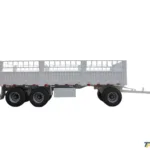
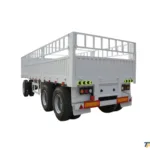
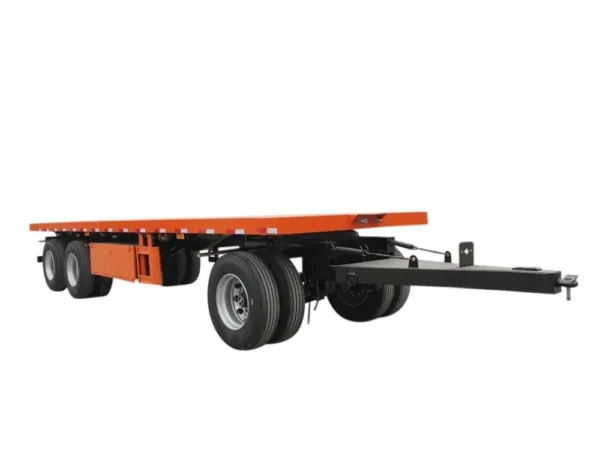
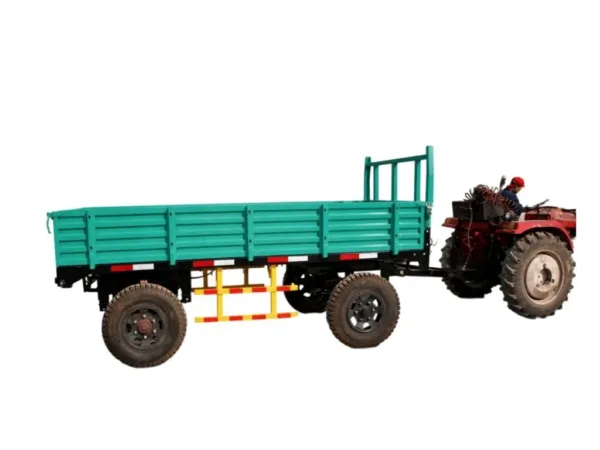
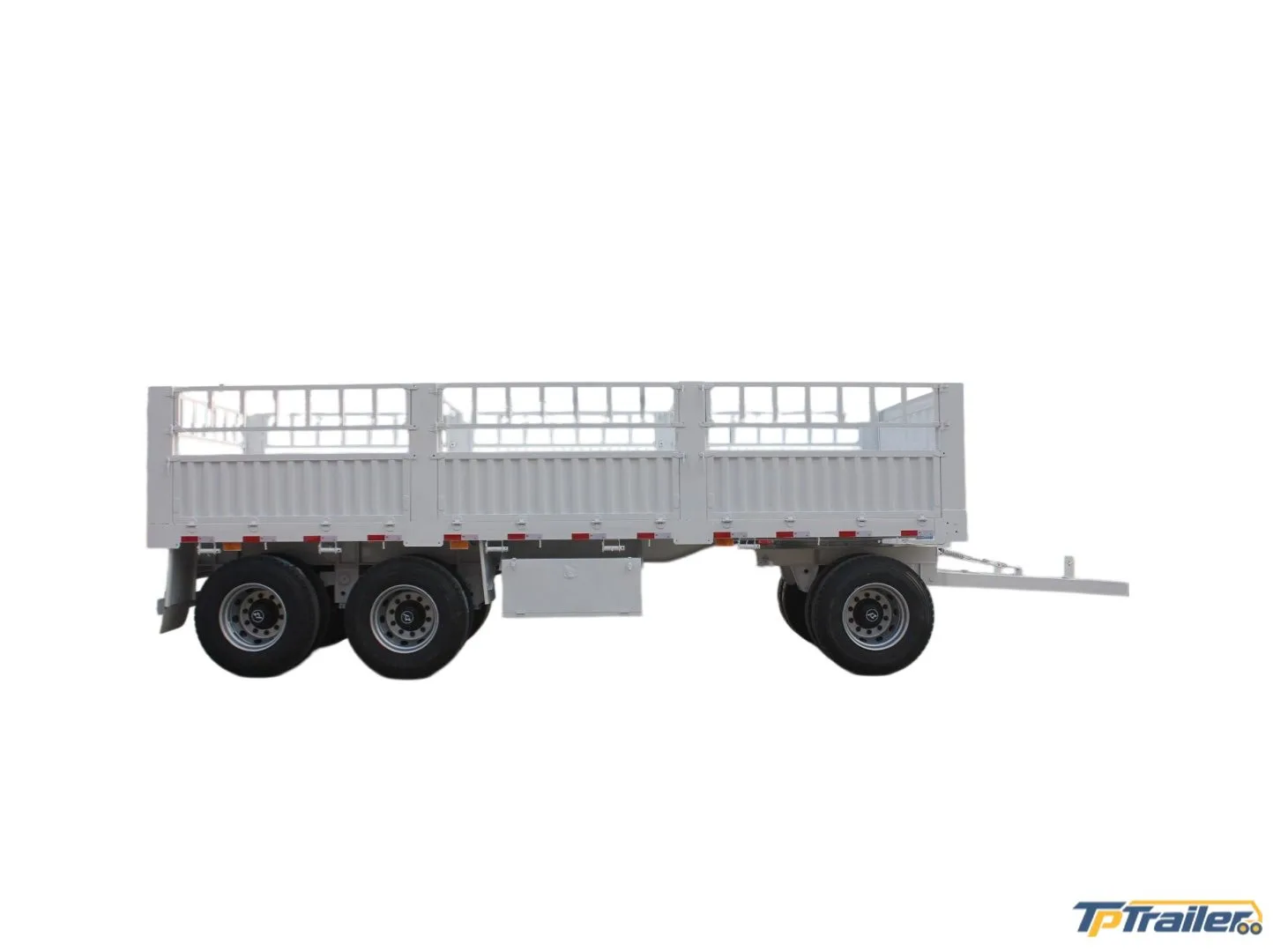
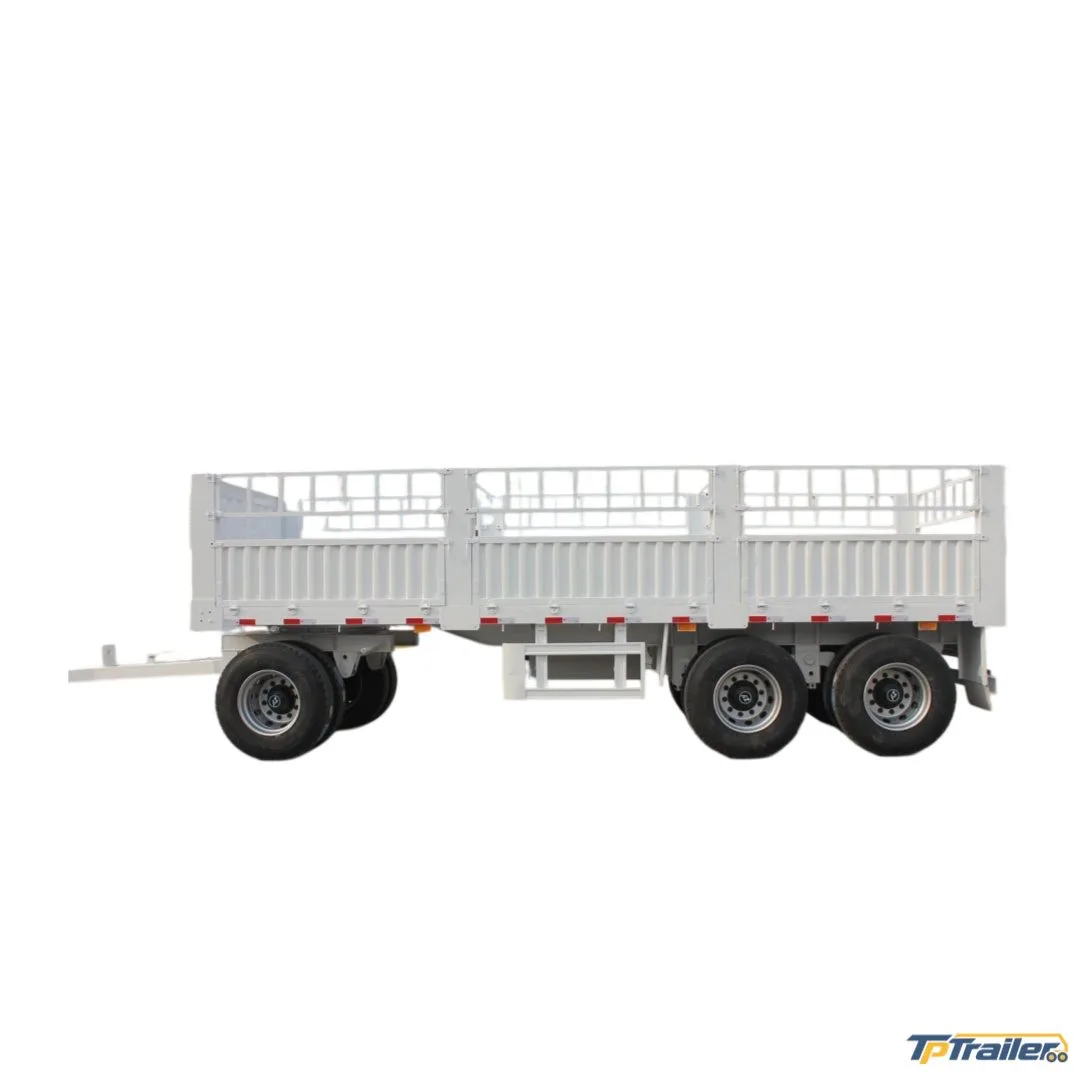
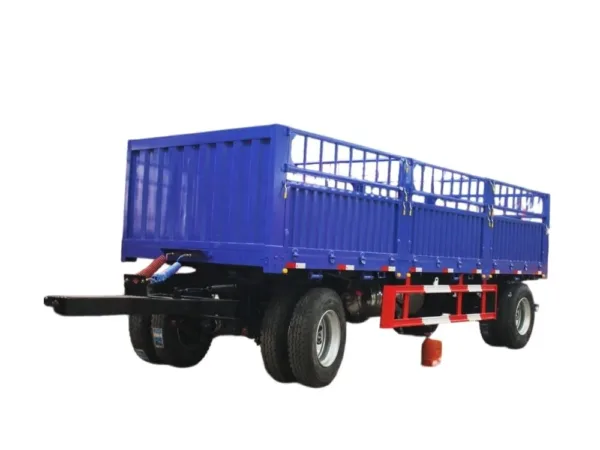
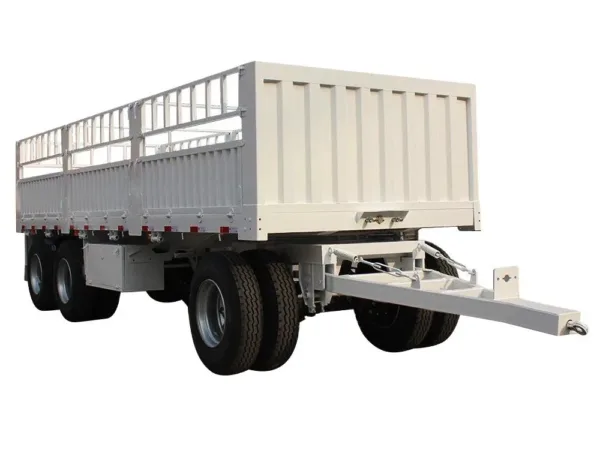
A side wall full trailer is a drawbar-coupled cargo unit built to move grain, sand and construction material behind a dolly or towing vehicle, and it earns its place on mixed farm and site work where a rigid truck runs out of volume. It suits fleet operators, farm businesses and material yards that need one trailer to switch between bulk loads and palletised freight without buying a dedicated tipper. The strongest reason to choose it is the combination of a high load capacity band and a side-wall body that keeps loose cargo contained on the move. Two, three or four axles let the same body style cover different hauling weights.
Table of Contents
Why It Works On Site
Load capacity from 15001-20000 KG. This band sits above light farm tipping gear and below heavy road haulage, which is the working range for grain runs, sand deliveries and construction material drops. It lets a side wall full trailer carry a full body of bulk cargo in one trip instead of splitting the load across two smaller units, cutting trips per job.
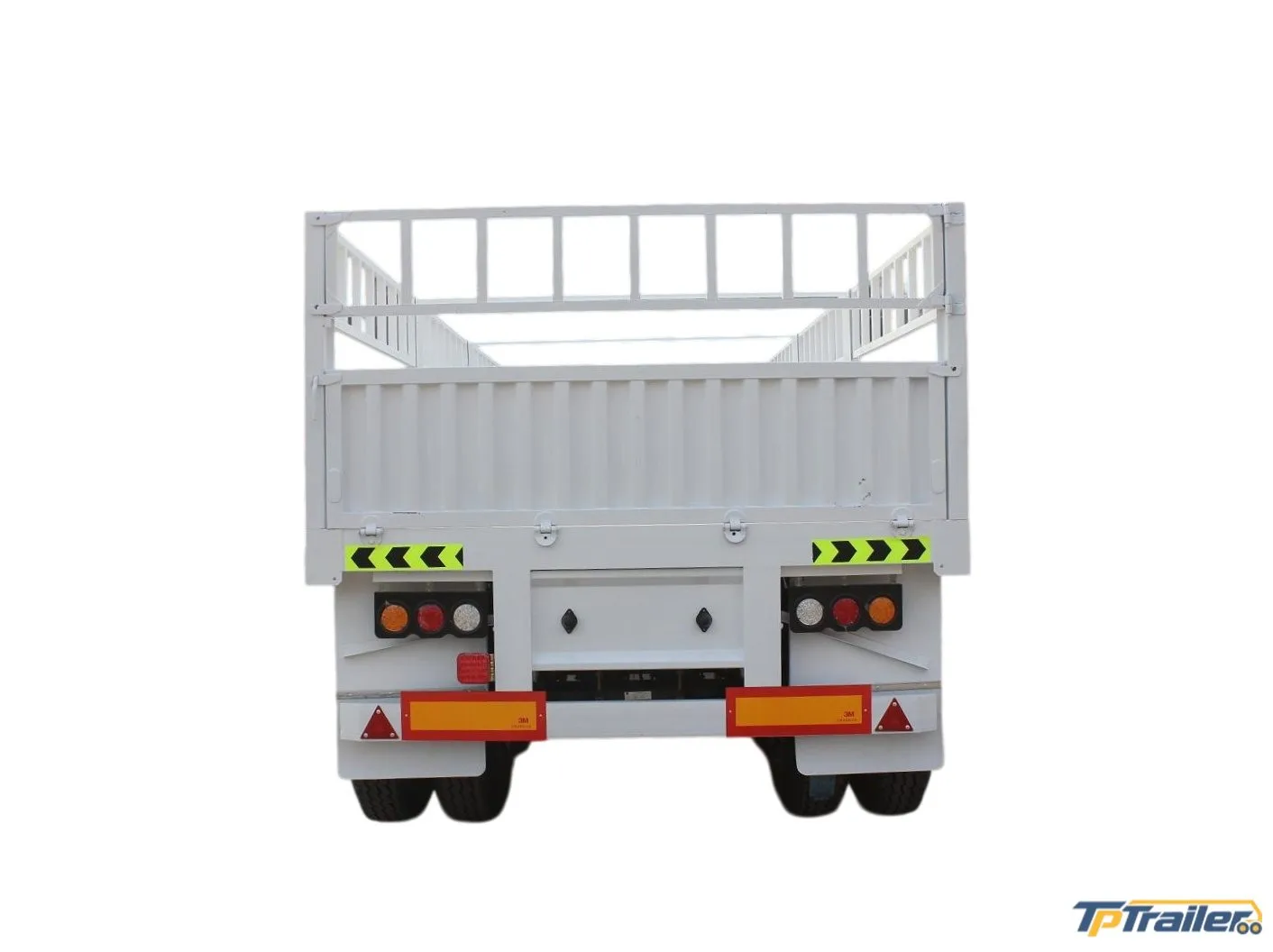
Side wall body design. The raised side walls contain loose grain, sand and aggregate that would spill from a flatbed. That means fewer clean-up stops on site roads and less material lost between the yard and the drop point, which matters when every tonne loaded is a tonne the buyer is paying to move.
Drawbar and dolly towing. A drawbar full trailer with dolly towing can be hitched to a tractor or truck already in the fleet. The operator does not need a dedicated prime mover, so the side wall full trailer earns hours on farm tracks and yard runs where a semi-trailer would be awkward to position.
Axle options of 2, 3 or 4. The axle count changes how the trailer spreads weight and how it behaves on soft ground and hard road. A fleet can match axle configuration to the surfaces it actually runs on rather than accepting one fixed layout across every unit in the yard.
Dump full trailer function. The dump body turns the trailer into a self-unloading unit. Material leaves the body under its own action at the drop point, so the crew is not shovelling grain or sand out by hand and the side wall full trailer returns to loading sooner.
Single body, three cargo types. Grain, sand and construction material all move in the same side wall full trailer. That flexibility keeps a unit working across seasons and jobs, which is the practical argument for a full trailer over a single-purpose body.
Where It Is Used
The most common duty for a side wall full trailer is bulk grain movement on farm and feeder routes. A loaded body takes crop from field edges or store yards to the next handling point, with the side walls holding the load through gateways and uneven tracks. Because the body dumps, the same unit can empty without a separate tipper on site. Operators running several fields or stores value a full trailer that can be hitched to a tractor already on the property, so the side wall full trailer slots into existing harvest logistics rather than demanding new equipment. Between harvests the same body hauls fertiliser, feed or seed, which keeps the unit from standing idle for half the year.
On construction and material supply work, the side wall full trailer carries sand, gravel and mixed aggregate over short and medium yard-to-site routes. The raised walls stop loose material shifting off the bed on corners, and the dump function drops the load where the crew needs it rather than at a stockpile. For yards that supply builders, a full trailer with drawbar towing can be shuttled between depot and site behind a suitable towing vehicle, and the side wall full trailer handles the return leg empty without special handling. Fleets mixing farm and construction work often run one body type across both, and the side wall full trailer is the format that covers that overlap without a second purchase.
Choosing The Right Spec
Match the load band to the cargo. The 15001-20000 KG capacity band suits regular bulk runs of grain, sand and aggregate. If most trips are lighter, a smaller unit may be enough; if loads sit near the top of the band, the side wall full trailer is sized for that duty and the axle choice should follow the weight.
Two axles for lighter, tighter work. A two-axle side wall full trailer keeps the unit shorter and easier to place on farm tracks and confined yards. It suits operators whose typical loads sit at the lower end of the capacity band and whose routes involve tight turns and soft ground rather than long road runs.
Three axles as the middle setting. Three axles spread weight across more contact points, which helps where ground conditions vary between yard, track and road. For a fleet running one side wall full trailer across grain and construction material, this is the configuration that covers both without leaning to either extreme.
Four axles for the heaviest routine loads. Where the working pattern keeps the trailer near the top of its capacity band, four axles distribute that load over the widest footprint. The trade-off is a longer, heavier unit, so it suits operators with open routes and consistent heavy cargo rather than tight farm access.
Customisation Before Delivery
Axle configuration. The side wall full trailer is offered with a two, three or four axle layout. Axle count changes how the load is spread and how the trailer tracks behind the dolly. Buyers moving dense grain or wet sand usually ask for more axles than buyers hauling light construction material. The final axle arrangement is settled at order confirmation, together with the drawbar and dolly matching.
Deck length and side wall height. Deck length and side wall height are chosen to suit the cargo you move most often. A longer deck helps with bulky construction material, while taller walls contain grain and sand during loading and travel. Because the side wall full trailer is built to order, these dimensions are agreed in writing before production starts. No standard size is assumed for your site.
Suspension and tyres. Suspension type and tyre specification are selected against your road conditions and typical payload. Rough farm tracks and unpaved site access ask for a different setup than sealed highway running. The side wall full trailer can be specified with the tyre size and suspension arrangement you already service in your fleet, which keeps spare parts simple. Both choices are locked in at order confirmation.
Colour and finish. Body colour and paint finish are confirmed with the order, so the trailer matches your existing fleet or your customer’s branding. Finish choice also affects how the steel resists weather and how easily the body is cleaned between loads. For a side wall full trailer used on grain and sand, a durable topcoat reduces repainting work. Colour and finish are recorded on the order confirmation, not left to production default.
Dump and towing details. Dump body style, drawbar arrangement and dolly towing interface are agreed alongside the main specification. These details decide how the trailer couples to your tractor unit and how it discharges grain, sand or construction material on site. Every option on the side wall full trailer is confirmed in the quotation and order documents, so there is no ambiguity once production begins.
Fitting And Installation
On arrival, the buyer’s workshop has to match the trailer to the towing vehicle. Check the drawbar and dolly coupling points against the tractor unit, confirm the hitch height and the mounting hole pattern, and verify that the hydraulic and electrical connections line up. Where the side wall full trailer carries a dump body, the hydraulic hose routing and tube size must follow the agreed layout, with no sharp bends or chafing against the chassis. Fastener torque values should come from the documentation supplied with the unit, not from guesswork. If any of this fitment data is not stated in your quotation, ask for a fitment drawing to be confirmed at quotation stage before the build is released.
A mismatch at this stage is expensive in downtime. A drawbar that does not meet the dolly correctly can keep the side wall full trailer parked for days while adapters are fabricated. Wrong hose sizes on a dump body slow the tipping cycle and can damage the pump. Bolt patterns that do not align mean re-drilling, which weakens the mounting area and delays the first load. Because the side wall full trailer is built to your order, the cheapest moment to fix a fitment question is before production, when the drawing is still open. Confirm every interface in writing, keep the signed drawing with the machine, and brief the operator on the coupling procedure before the first trip.
Service Life And Maintenance
Tyres and wheel ends first. Tyres and wheel bearings are usually the first items to show wear on a side wall full trailer working grain and sand routes. Operators should inspect tread depth, sidewall condition and wheel nut tightness at regular checks. Keeping the correct inflation for the load carried extends tyre life. A specified tyre and suspension combination chosen for your road conditions also helps the side wall full trailer hold its interval between replacements.
Drawbar and coupling wear. The drawbar eye, coupling pin and dolly connection take constant load and are the next wear point. Inspect for elongation, cracks and loose pins before every long run. A side wall full trailer that tows a dolly should have its coupling checked for play, because slack accelerates wear on both parts. Regular inspection here protects the tractor unit as well as the trailer.
Side wall panels and paint. Side wall panels are exposed to abrasive grain, sand and stone, so dents and paint damage should be repaired early. Touch up chips before rust starts. The paint finish chosen at order affects how long the panels resist corrosion, and a durable topcoat on the side wall full trailer reduces repainting. Wash down after hauling salt or wet sand to slow corrosion.
Hydraulic system on dump bodies. Where the trailer tips, the hydraulic cylinder, hoses and fittings need scheduled inspection. Look for leaks, chafed hose covers and loose connections. Keep the oil clean and follow the supplier’s guidance for the pump. Correct hose routing agreed at fitting prevents rubbing. A well-kept hydraulic system keeps the side wall full trailer cycling reliably through every load of grain or construction material.
Chassis fasteners and structure. Chassis bolts, cross-member welds and mounting brackets should be checked for tightness and cracking. Vibration from unpaved roads loosens fasteners over time. Operators should walk the frame after heavy loads and record anything unusual. A side wall full trailer kept on a simple inspection routine lasts longer, and catching a loose bracket early is far cheaper than repairing a cracked frame member later.
Packing And Container Loading
Sea freight protection for a side wall full trailer starts with how the unit is broken down before loading. Expect the drawbar and dolly to be separated from the main chassis where the design allows, and the side wall panels braced so they cannot flex against each other in transit. Exposed hydraulic and pneumatic lines are capped, and bright steel surfaces are coated for the crossing. Buyers should ask the supplier to confirm the packing method in writing before the container is booked, because the way a side wall full trailer is split decides how much floor space the shipment actually consumes.
Nesting and stacking depend on the trailer configuration. A side wall full trailer with a removable dolly and a detachable drawbar can be loaded more compactly than a fixed assembly, but the panels and running gear still need their own footprint. Do not assume two units fit where one does; confirm the packed dimensions rather than the assembled ones. On arrival, check the container seal, photograph every panel edge, and verify the axle count and side wall height against the order before signing the delivery receipt. Any transit damage claim depends on that inspection record.
Common Mistakes Buyers Make
Ordering the wrong axle count. A buyer picks a side wall full trailer for grain hauling, then discovers the road regulations or the tractor in the fleet cannot work with that axle configuration. The single check: confirm the axle count against your route limits and towing vehicle before the order is placed, not after the unit is built.
Ignoring the drawbar and dolly interface. The coupling height and dolly geometry must match the towing vehicle. A mismatch turns a working side wall full trailer into a parked asset. The single check: measure the drawbar eye height and dolly connection on your tractor and send those figures with the enquiry.
Understating the load. Buyers compare the loading capacity figure with a typical load and forget the trailer’s own weight and the density of wet sand or grain. The single check: calculate the heaviest realistic payload per trip, including moisture, and confirm it sits inside the stated range.
Skipping the side wall specification. Panel height and thickness decide whether the side wall full trailer suits loose grain or dense construction material. Buyers order by photo instead of by measurement. The single check: state the required side wall height and panel thickness in the purchase order so the factory builds to it.
Assuming container fit. A buyer books a container before confirming how the side wall full trailer is packed. The assembled unit rarely matches the packed footprint. The single check: request the packed dimensions and the loading plan, then match them to the container internal size before booking freight.
Buyer Questions
Can the side wall full trailer be shipped in a standard container?
That depends on how the unit is packed, so ask for the loading plan rather than assuming. Request the packed length, width and height with the drawbar and dolly separated, and compare them with the internal dimensions of the container you intend to book. If the assembled footprint exceeds the opening, confirm whether the supplier splits the unit for shipment. Container type, freight terms and any special packing requirement should be confirmed at quotation, since the input does not state them.
What should I measure on my tractor before ordering?
Measure the drawbar eye height at rest, the dolly coupling point and the clearance around the hitch. Note the towing vehicle’s rated capacity and the road width your routes allow, because a side wall full trailer must track and couple correctly in service. Also record the axle count you need for your load and terrain. Send these figures with your enquiry so the factory can match the drawbar and dolly geometry before production begins.
How do I choose between two, three and four axles?
The axle count should follow your heaviest planned payload and the surfaces you cross, not a photo of a similar unit. Work out the payload per trip for grain, sand or construction material, then compare it with the loading capacity range for the configuration you are considering. More axles spread weight, but they also change the turning envelope. Confirm the final axle count and the matching capacity figure at quotation.
To receive a quotation for a side wall full trailer, send the required overall length, the axle count you need, and the quantity per order. Add your drawbar and dolly coupling measurements, the intended cargo, and the side wall height you require. With those details the factory can confirm the configuration, packing plan and price in one reply.
We use cookies to enhance your browsing experience, serve personalized content, and analyze our traffic. By clicking "Accept All", you consent to our use of cookies. Privacy Policy
Cookie Preferences
Required for the website to function properly. Cannot be disabled.
Help us understand how visitors interact with the website (Google Analytics).
Used to deliver personalized ads and measure ad campaign effectiveness.

















Write a Review