


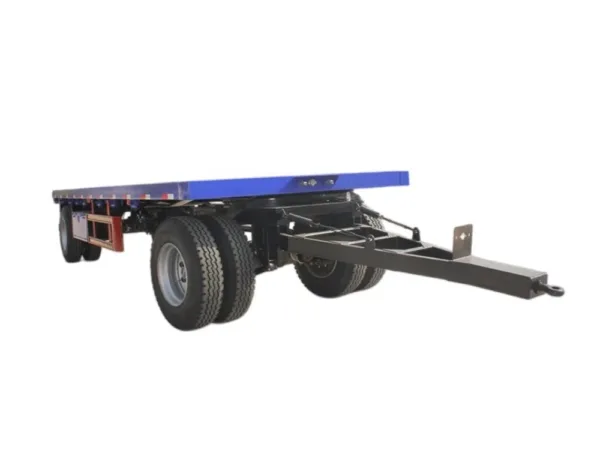
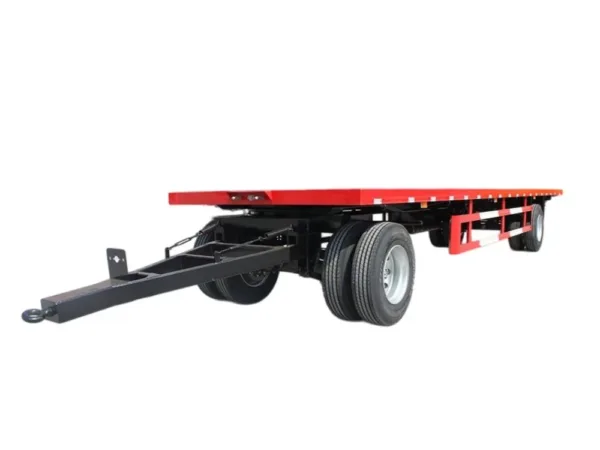
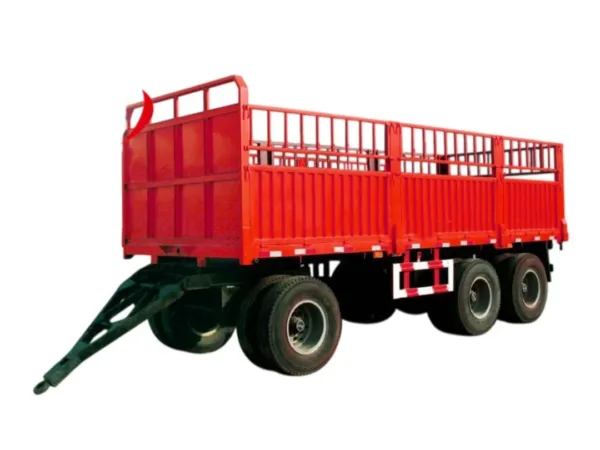
Steel flatbed excavator semi-trailer with 30000 KG load capacity for tractor transport. Heavy duty semi trailer build, quotes available on request.
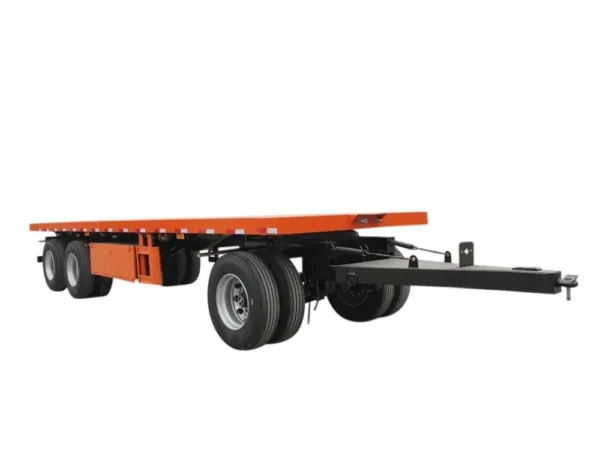


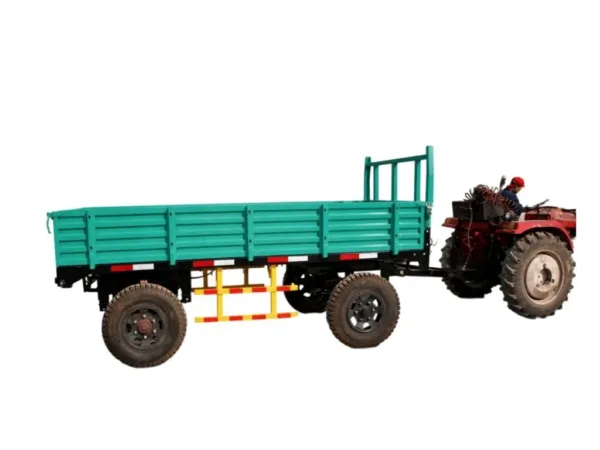


The flatbed excavator semi-trailer is a steel transport platform rated to 30000 KG, built to move tracked and wheeled machines between yards, sites and depots. It suits fleet operators, plant hire firms and contractors who want one trailer to cover regular plant moves rather than matching each machine to a different unit. The flat deck keeps loading simple, and the steel build is aimed at daily work rather than occasional use. With a price range of USD 8800.0 to 9900.0 depending on order quantity, it sits in the band most fleets budget for a dedicated plant carrier.
Fleet operators use the flatbed excavator semi-trailer for the everyday moves that keep plant earning. The most common job is shifting an excavator from one yard to the next as contracts start and finish. A machine finishes a housing plot and moves to a road job across the region; the trailer carries it on the flat deck, and the operator does not need a low-loader with a well for that weight class.
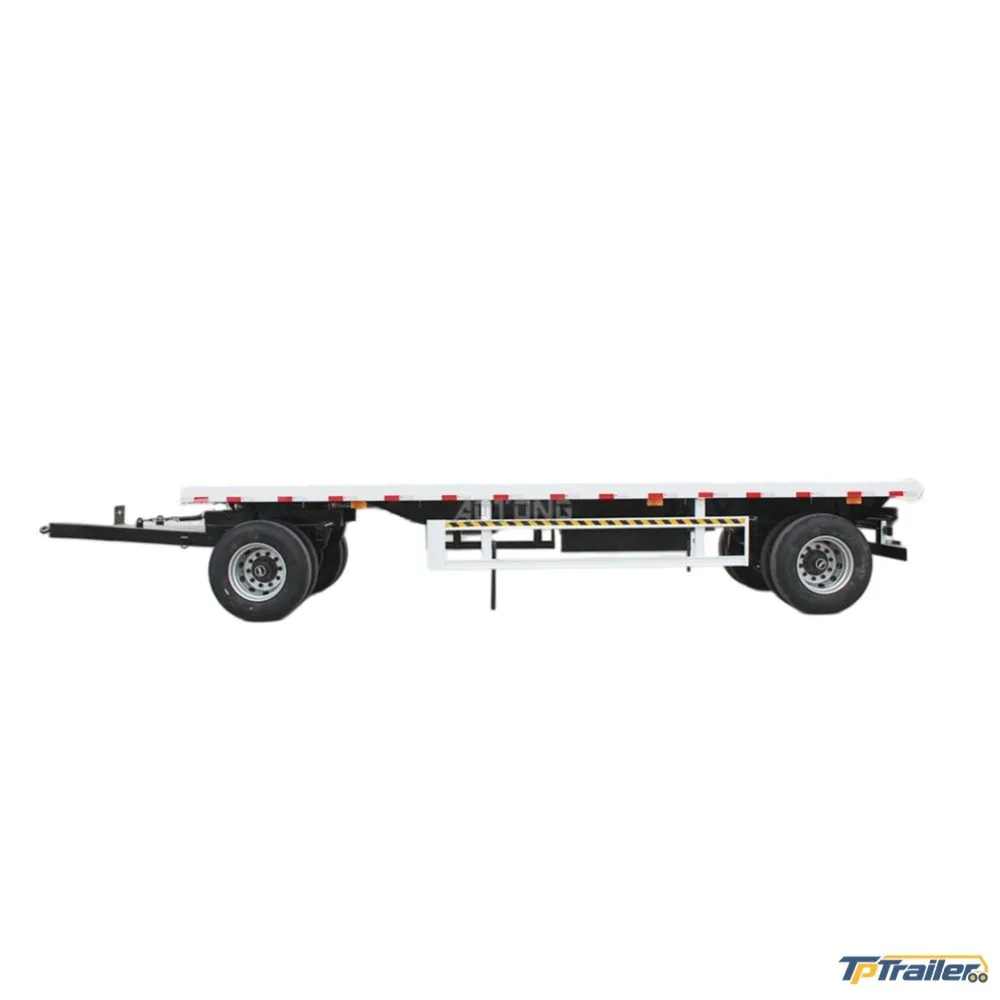
Plant hire firms use it to deliver and collect machines from customer sites, often on tight schedules where the excavator is booked for a fixed start date. The same trailer handles the return leg, so the hire company keeps control of transport instead of booking third-party haulage for every drop.
Beyond hire work, the unit suits contractors moving their own equipment between projects and utility or groundworks crews relocating machines along a route. It also fits dealers and auction yards that shift stock machines short distances and need a trailer rated for the weights involved. Routes are typically regional and national road moves rather than awkward last-mile access, because the flat deck needs room to load from a ramp or bank. Where a site has space for a loading bank, the flatbed excavator semi-trailer can be loaded without a separate ramp, which speeds up the turnaround on multi-drop days.
One pattern worth planning for: fleets that run several excavators of similar size often find one trailer rated at 30000 KG covers the whole list, because the machines cluster in the same weight band. That is where a single flatbed excavator semi-trailer replaces two or three older units and simplifies scheduling — the dispatcher no longer has to check which trailer is free and which machine it can legally carry.
The flatbed excavator semi-trailer is built to a confirmed configuration, so every choice is settled with the factory before production starts. That is the point where changes are cheapest and easiest to make, and where the buyer should bring measurements rather than assumptions.
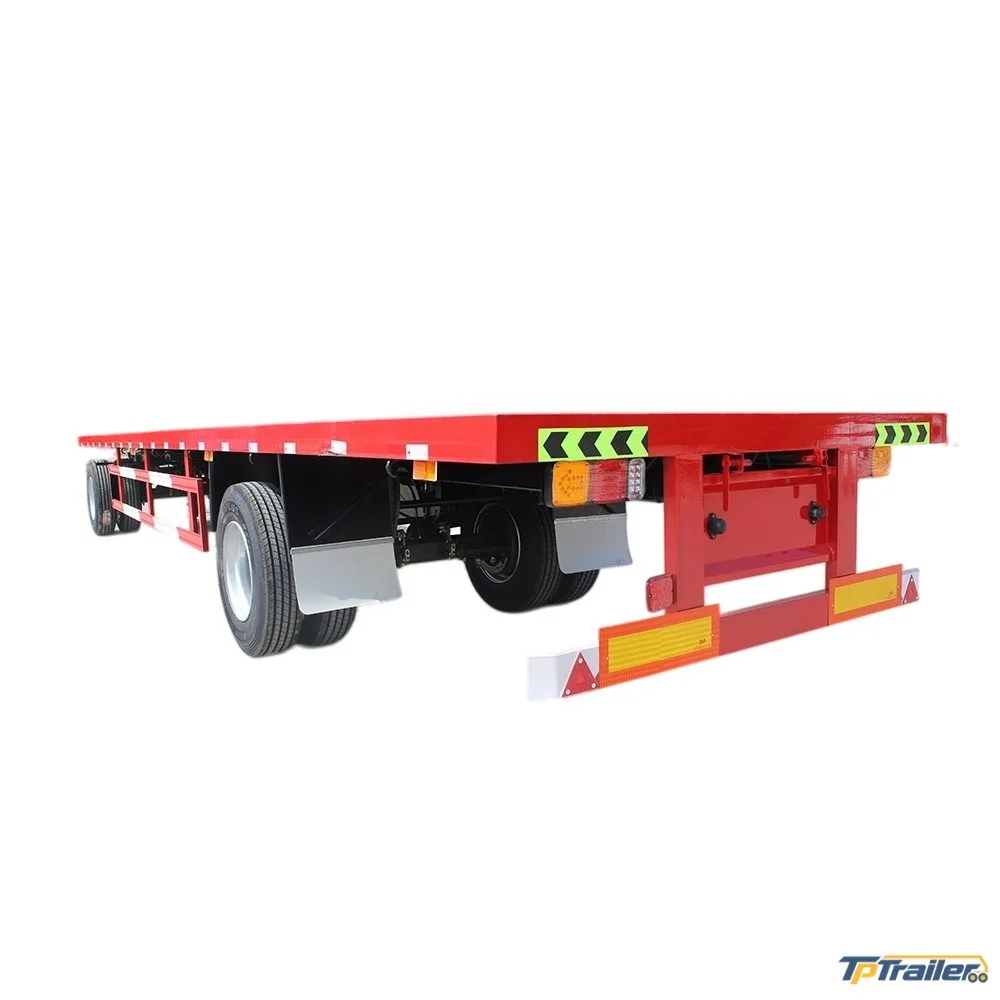
Before the flatbed excavator semi-trailer arrives, the buyer should prepare the tractor unit and the yard. Check the fifth wheel height and the coupling position, because the trailer sits on the tractor and the deck angle depends on that match. Clear a level area for the handover and have the ramps or loading bank ready if you plan to drive the machine on straight away. Confirm the electrical socket type on the tractor so the lighting loom connects without adapters. Have the correct tools on site for the fasteners you will check. The unit is delivered as a complete assembly, so the work on arrival is matching, checking and adjusting rather than assembly.

A wrong size costs downtime. If the coupling height is off, the flatbed excavator semi-trailer will not sit level, and the deck will not line up with your loading bank. If the lighting plug does not match, the trailer cannot go on the road legally until an adapter is found. If the ramps are the wrong width or angle for the machine, loading is delayed and the risk of damage rises. Each mismatch is a day or more lost while parts or adapters are sourced. Because this page states no fitment figures, a fitment drawing is confirmed at quotation instead, so the buyer can check every interface before the flatbed excavator semi-trailer is built.
Do the first hook-up empty. Couple the tractor to the leg, raise the landing gear, and check that the deck sits level along its length before any load goes on. Connect the lighting loom and walk the full circuit — indicators, brake lights, markers — with a second person at the rear. Check the kingpin engagement by eye and by tug test, then set the trailer brake and pull gently against it. This ten-minute routine on an empty flatbed excavator semi-trailer catches the mismatches that would otherwise surface on the morning of a job.
Service life on the flatbed excavator semi-trailer is set by how it is inspected, not by how often it is used. A trailer that works daily but is checked on a fixed schedule will outlast one that runs occasionally and is only looked at when something fails. The checks below are the ones that catch wear before it becomes a roadside stop.
Keep a simple log for each flatbed excavator semi-trailer: date, load carried, and anything found on inspection. Over a season the log shows which components wear fastest on your routes, and that pattern is what turns a general maintenance schedule into one built around your work. It also gives the workshop a record when a part is replaced under normal wear.
The flatbed excavator semi-trailer ships as a disassembled unit. The chassis sections are wrapped in protective film and secured with steel strapping. Small parts such as pins, ramps and fasteners travel in a marked crate fixed to the deck. Buyers should confirm the strapping pattern and film coverage in the packing list before dispatch. Ask the supplier for loading photos. A trailer of this size is a long, heavy item, so each bundle needs blocking against fore-and-aft movement.
Stacking depends on the deck configuration. Flat decks do not nest, so the buyer should confirm the loaded height and the number of units per container with the supplier. The flatbed excavator semi-trailer usually needs a flat rack or break-bulk booking rather than a standard box. On arrival, check the strapping, the film and the crate seals before unloading. Photograph every bundle before cutting straps. Confirm the chassis sections match the packing list. Report any damage to the carrier before the container is released.
The unit ships disassembled, with the chassis sections wrapped in protective film and held by steel strapping. Pins, ramps and fasteners go into a marked crate fixed to the deck. Ask the supplier to include the strapping pattern and film coverage in the packing list. Request loading photos before the container is sealed. On arrival, check the strapping, the film and the crate seals before unloading. Photograph every bundle before cutting straps and note any damage on the delivery note.
Stacking depends on the deck configuration, because flat decks do not nest. Ask the supplier to confirm the loaded height and the number of units per container for your order. The flatbed excavator semi-trailer often needs a flat rack or break-bulk booking rather than a standard box. Send the forwarder the loaded length, width and height before booking. Freight cost per unit and the exact loading plan are confirmed at quotation.
Confirm the deck length against the machine footprint, measured from bucket tip to counterweight. Confirm the axle count against the local permitted axle load. Confirm the load capacity covers the machine, attachments and trailer weight together. Confirm the shipping method and the loaded dimensions with your forwarder. Price tiers and the exact configuration for a flatbed excavator semi-trailer are confirmed at quotation, so send your measurements and quantity first.
Send the machine length, the required axle count and your quantity for a quote. Add the loaded dimensions if you already have a forwarder. The supplier will confirm the flatbed excavator semi-trailer configuration, the price tier and the shipping plan against those figures. At MOQ 1 the unit price is USD 9900.0, and at MOQ 5 it is USD 8800.0, so tell the sales team how many units your fleet plan needs and the quote will follow that tier.
Explore more flatbed excavator semi-trailer in this range.
| Load Capacity | >30000 KG | Type | Semi-Trailer |
|---|---|---|---|
| Max Payload | >30000 kg | Place of Origin | China (Mainland) |
| Province | Guangdong | Use | Truck Trailer |
| Material | Steel | Size | 1280*728(optional) |
| Dimensions | 1250 × 250 × 150 | ||
No reviews yet — click the Review button on the right to share your experience with this product.










Fill in the form below and our team will respond within 24 hours.
Write a Review