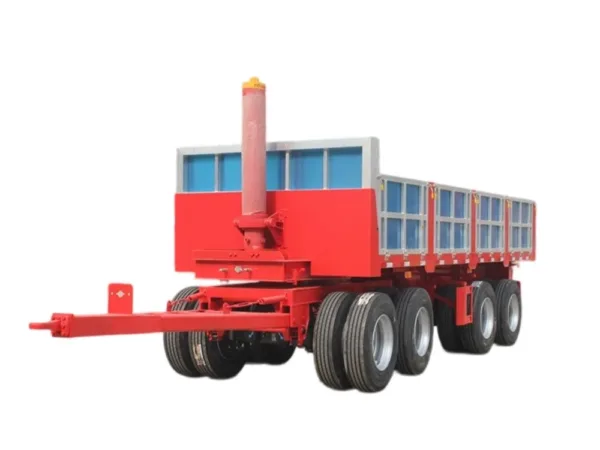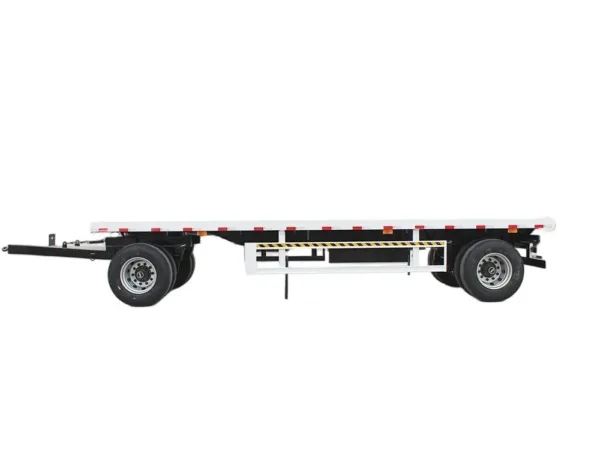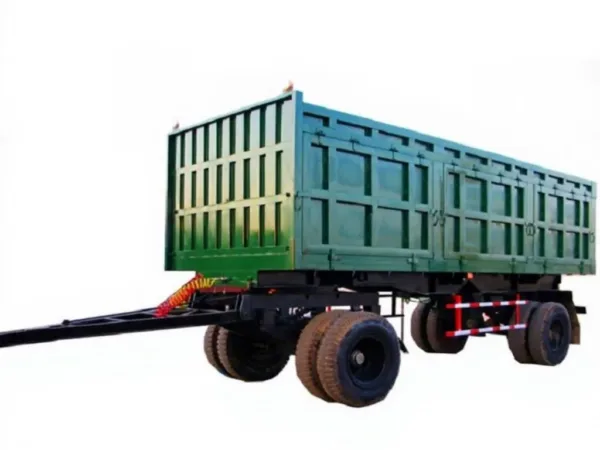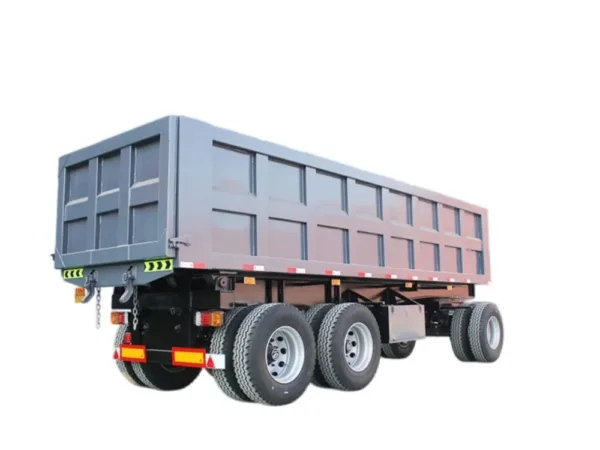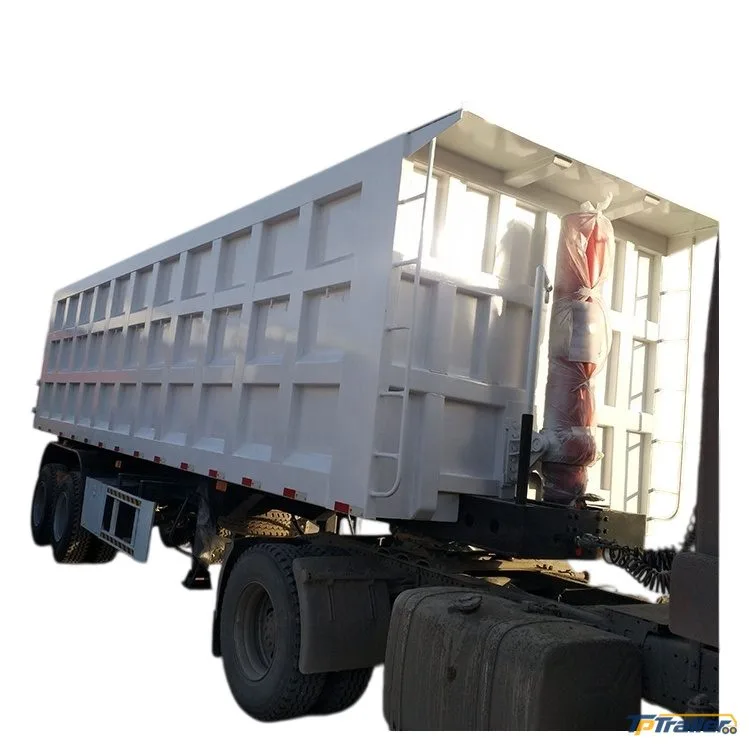
Dump semi trailer with 4 axles and 30-ton load for mining and sand hauling, steel Q235B cross beams and dual line braking. Quotes available on request.

4
FOB Reference PriceUS$7,000-8,000Final price confirmed by inquiry
Certifications
ISO 9001
Key Features
4-axle configuration with 30-ton load capacity for mining and sand hauling
Steel Q235B cross beams and 16# channel steel side beams for a rigid body
Dual line braking system with ABS for controlled stopping under load
Tare weight of 5000 kg keeps payload efficiency high on every trip
Customer-optional color to match fleet livery
Shipped in nude packing or packed to the customer's requirement
This dump semi trailer is a four-axle steel tipper built for hauling mining sand and other heavy bulk loads from pit to stockpile. It suits fleet operators and contractors who need a rugged, high-capacity unit that tips cleanly and keeps working through long shifts. The strongest reason to choose it is the combination of a reinforced steel frame and a proven dual-line braking system, which together support demanding site conditions and safer stopping under load. If your work involves repeated cycles of loading, hauling and dumping on unpaved ground, this trailer is designed to match that rhythm rather than fight it.
Table of Contents
Why It Works On Site
Four-axle running gear with high axle capacity. The axle set is rated for heavy duty, so the trailer carries mining sand and dense aggregates without overloading a single axle group. That balance keeps tyre wear even and lets the unit stay productive across repeated cycles instead of sitting out for repairs.
Mild alloy Q235B cross beams. The cross members are formed from a mild alloy chosen for weldability and toughness. This gives the tipper body a stiff floor that resists denting when rock and wet sand drop in, so the tub keeps its shape and dumps cleanly shift after shift.
Channel steel side beams. The side rails use channel steel to add longitudinal stiffness along the length of the trailer. On rough haul roads this limits flex in the body, which protects the tipping mechanism and keeps the load stable while the unit is moving.
Dual-line braking with ABS. The braking system runs two independent lines with ABS support. On loaded descents and loose surfaces this shortens stopping distance and helps the driver keep control, which matters when the route mixes pit floors with public access roads.
Custom colour and finish options. The colour is chosen by the customer, so a fleet can match existing units and keep a consistent look. That simplifies identification on site and helps maintenance teams spot the right trailer quickly during a busy shift.
Nude packing or customs-specific packing. The trailer ships in nude form or packed to the customer’s requirement. This lets buyers choose a shipping format that suits their port handling and onward transport, reducing the risk of damage between the factory and the yard.
Where It Is Used
This dump semi trailer fits the daily pattern of a mining sand operation. A loader fills the tub at the pit face, the unit runs a short or medium haul to a stockpile or wash plant, and the body tips to discharge. Because the trailer is built around a steel tipper body and a heavy axle set, it handles wet sand, dry sand and mixed aggregate without the body flexing out of shape. Operators use it for stripping overburden, moving screened product and clearing spillage. On a site where the same route repeats many times a day, the value comes from steady cycle times and a body that empties fully rather than holding material in the corners.
The same trailer also suits construction and earthworks fleets that move bulk fill, crushed stone and sand across unpaved haul roads. Here the routes are often short but the surfaces are rough, with ruts, soft patches and grades. A dump semi trailer in this role needs stiff side beams and a floor that resists impact, because material is dropped in from height rather than placed gently. The dual-line braking with ABS helps on loaded descents and when the unit rejoins a public road at the site gate. Buyers running mixed fleets appreciate a tipper that can switch between sand, aggregate and fill without changes, keeping utilisation high across different jobs.
Choosing The Right Spec
Axle brand and capacity choice. The axle set is rated for heavy duty and the brand is optional. Buyers who already run a particular axle brand can standardise spares and service routines across the fleet. Those starting fresh can pick the brand that matches local parts availability, which keeps a dump semi trailer on the road instead of waiting for components.
Colour selection. Colour is customer-optional, so the choice is mostly about fleet identity and visibility. A consistent colour scheme makes units easy to assign to a site or contract, and a high-visibility finish helps spotters and drivers see the trailer in a busy yard or on a dim haul road.
Packing format. The trailer can ship nude or packed to customs requirements. Nude shipping suits buyers with their own port handling and storage, while custom packing helps where the route to site involves multiple transfers. Choosing the right format protects the steel body and running gear in transit.
Braking configuration. The dual-line braking system with ABS is the standard setup and suits most hauling jobs. Operators working long loaded descents or mixed public-road routes benefit most from the ABS support. Buyers should confirm the braking setup matches local road regulations before ordering a dump semi trailer.
Customisation Before Delivery
Axle configuration. The running gear is specified per order, and the axle count and capacity rating are agreed at order confirmation. Buyers hauling abrasive sand on mine roads can match the axle set to the load profile instead of accepting a stock arrangement. Every axle choice is recorded on the order so the build sheet and the delivered dump semi trailer agree.
Axle brand. The axle brand is optional, so a fleet already running one make can keep spares common across the yard. Name the preferred brand when the order is placed. The rest of the running gear stays as specified. This keeps the dump semi trailer consistent with the workshop’s existing stock of bearings and brake parts.
Braking system. The dual line braking system is the standard arrangement, and an ABS option is available for buyers who want it. The choice is settled at order confirmation. Operators working steep pit ramps should discuss the brake layout with the sales team before signing. The braking hardware on the dump semi trailer is then built to that decision.
Colour and finish. The colour is customer optional, so a buyer can match an existing fleet livery or choose a high-visibility shade for site traffic. Confirm the colour reference at order confirmation. Paint choice does not change the steel specification underneath. The finished dump semi trailer leaves the works in the agreed colour.
Packing and delivery format. Units ship in nude packing as standard, or packed to the customer’s requirement. State the preferred format when ordering, especially for sea freight where exposed steel needs protection. The packing decision is fixed at order confirmation. It affects how the dump semi trailer is presented at the destination port.
Fitting And Installation
On arrival, the buyer’s workshop has to match the trailer to the tractor unit that will pull it. Check the fifth wheel height against the kingpin plate, confirm the landing gear clears the drawbar of the hauling truck, and verify that the electrical socket and air line couplings on the tractor match the leads supplied. The dual line braking system needs both service and emergency lines connected and leak-tested before the first loaded run.
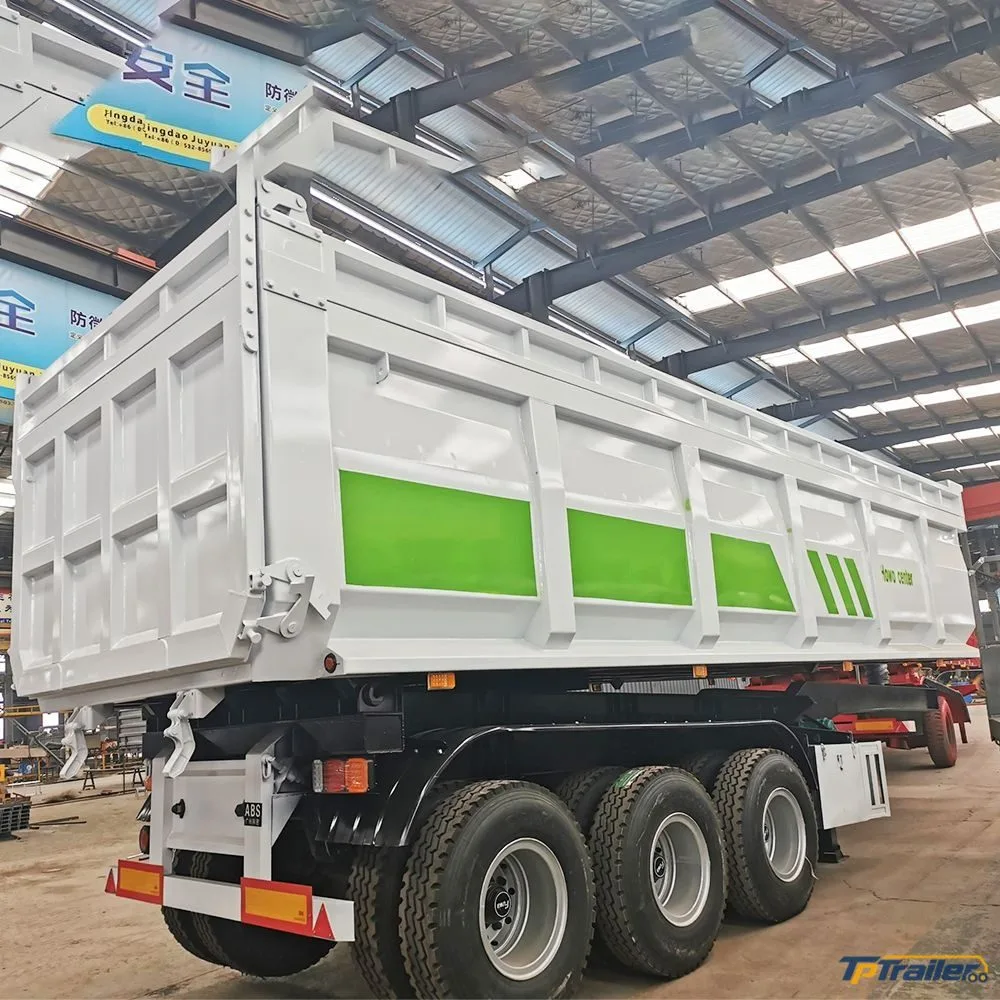
Tyre pressures, wheel nut torque and suspension ride height should be checked against the documentation that ships with the unit. Where the input gives no fitment data, a fitment drawing is confirmed at quotation, so the workshop can prepare the coupling area in advance. Treat that drawing as the reference for hose routing and clearance, and do not guess at dimensions on the day the dump semi trailer arrives.
A mismatch at this stage is expensive in a way that is easy to underestimate. A tractor with the wrong fifth wheel height puts the deck at the wrong angle, and a dump semi trailer that cannot tip cleanly spills its load back onto the ram. Air line couplings that do not match leave the brakes unusable until adapters are sourced, and that can strand a unit for days while the haulage schedule slips.
Wheel nut torque left unchecked after the first loaded trips is a safety issue, not a convenience one. The cheapest protection is preparation: confirm the fitment drawing at quotation, brief the workshop before delivery, and book the coupling inspection into the schedule. A few hours of checks at handover cost far less than a dump semi trailer parked waiting for parts.
Service Life And Maintenance
Tyres and wheel ends. Tyres and wheel bearings carry the highest wear on any dump semi trailer working sand and gravel. Operators should inspect tread depth, sidewall damage and wheel nut torque at every pre-trip check. Loose nuts on a loaded unit escalate quickly. Keeping the specified axle set maintained with correct bearing play extends the interval between wheel-end overhauls.
Brake lines and chambers. The dual line braking system is the part most likely to be neglected between services. Inspect hoses for chafing, check chamber pushrod travel and drain air tanks regularly. A leak in either line shows up as slow pressure build. ABS, where fitted, should be checked with a diagnostic reader at each major service. Clean, dry air keeps a dump semi trailer braking predictably.
Cross beam and deck structure. The cross beams are mild alloy Q235B, a material that resists the fatigue of repeated tipping cycles when protected from standing water. Wash the deck after hauling wet sand and inspect beam-to-side-member welds for cracks. Operators should look for corrosion at the joints first. Prompt touch-up of damaged paint on the dump semi trailer slows section loss.
Side beam and tipping pivot. The side beam is 16# channel steel, and the tipping pivot and hoist mounts deserve a scheduled look. Grease the pivot points, check pin wear and confirm the hoist mounts stay square to the frame. Uneven tipping usually starts as a worn pivot. Catching it early on a dump semi trailer avoids cracking the deck structure under a skewed load.
Paint and corrosion control. The customer-selected colour is more than livery; a sound coating is the first defence for the steel underneath. Inspect the deck, the underside and the tipping area for chips after each season of abrasive sand work. Touch up bare spots before rust spreads. A well-maintained finish keeps the dump semi trailer in service longer between body repairs.
Packing And Container Loading
A dump semi trailer ships as a complete unit, not as a kit. The listing describes nude packing, so expect the assembled chassis to travel bare, with no wooden crate around it. That is normal for this class of equipment. What matters is how the exposed surfaces are handled before the unit goes to the port.
Paint, hydraulic lines, the braking system and the tipping body edges are the parts most likely to be marked in transit. Ask the supplier to confirm which surfaces are wrapped or taped and which stay bare. Confirm too whether the colour you choose is applied before shipment, since the colour is customer optional and the finish is part of what you are buying. Record the arrangement in writing before the dump semi trailer is handed to the carrier.
Stacking is limited by the product itself. A dump semi trailer is a tall, heavy, rigid unit, and the listed tare weight means each one consumes substantial payload. Nested loading is not practical for a tipping body of this type. Plan the container count from the unit dimensions rather than assuming two will fit. Ask the supplier for the shipping dimensions and the recommended loading plan, and confirm whether the unit travels assembled or partly broken down for the voyage. The packing note says the arrangement can follow the customer requirement, so state your preference early. A clear loading plan protects the dump semi trailer and keeps port handling predictable.
Common Mistakes Buyers Make
Ordering on axle count alone. The axle count is fixed in the title, but the capacity per axle and the brand are separate decisions. A buyer who confirms only the number of axles can receive a configuration that does not match the haul. Check the rated capacity per axle and name the brand you want in the purchase order.
Ignoring the tare weight against the load. Buyers focus on payload and forget the empty weight of the dump semi trailer. That figure eats into what the tractor and the road rules will allow. Check the tare weight against your permitted gross combination and confirm the figure in writing before you commit.
Leaving colour to chance. Colour is customer optional, which means it must be stated. A buyer who says nothing may receive a standard finish that does not match a fleet. Check the colour code in the order confirmation and ask for a sample or a reference photo before production begins on the dump semi trailer.
Assuming brakes and ABS are one package. The braking system is listed as dual line with ABS. Buyers sometimes treat ABS as automatic. Check which components are included in the quoted braking system and confirm the ABS arrangement in the specification sheet attached to the order.
Skipping the certification check. The CE certification is listed, but the document must match the unit you receive. Buyers often accept a verbal assurance. Check that the certificate reference appears on the order paperwork and ask for a copy before the dump semi trailer leaves the factory.
Buyer Questions
How is the dump semi trailer protected during sea freight?
The listing specifies nude packing, so the unit travels without a full crate. Protection therefore depends on surface treatment and handling discipline. Before ordering, ask the supplier to describe exactly what is covered, what is taped and what is left exposed. Request photos of a previous shipment packed the same way. On arrival, inspect the paint, the hydraulic lines and the braking system before you sign the delivery note. Photograph any marks immediately. The packing can follow your requirement, so put your protection expectations in the purchase order rather than leaving them to the default arrangement.
Can more than one unit fit in a container to reduce freight cost?
Do not assume a pair will fit. The dump semi trailer is a large, heavy unit, and the tare weight alone limits how many can travel together. Ask the supplier for the shipping dimensions and a recommended loading plan before you book freight. Confirm whether the unit ships fully assembled or partly broken down. Then compare the plan against the container type you intend to use. Freight savings come from an accurate loading plan, not from guessing. Put the agreed plan in writing so the carrier and the factory work from the same document.
What should I check on arrival before accepting delivery?
Check the unit against the order confirmation first: axle count, axle capacity, axle brand, braking system, colour and the certification reference. Then inspect the structure. Look at the side beam and cross beam for bends or cracks, and check the tipping body edges for transit damage. Test the braking system and look for hydraulic leaks. Photograph the unit from several angles before unloading. Report any discrepancy in writing the same day. Keep the packing note and the delivery documents together, because they support any claim on the dump semi trailer.
Send us the body length you need, the axle count and the quantity you plan to order. Tell us the colour and the axle brand you prefer, and note any packing requirement. With those details we can confirm the configuration of your dump semi trailer and prepare a quotation against your volume.
We use cookies to enhance your browsing experience, serve personalized content, and analyze our traffic. By clicking "Accept All", you consent to our use of cookies. Privacy Policy
Cookie Preferences
Required for the website to function properly. Cannot be disabled.
Help us understand how visitors interact with the website (Google Analytics).
Used to deliver personalized ads and measure ad campaign effectiveness.
Write a Review