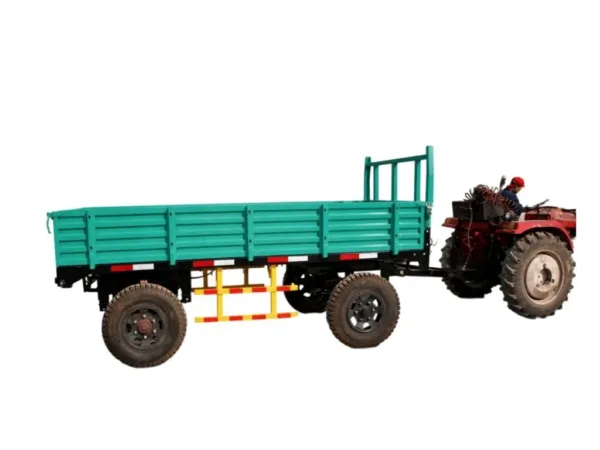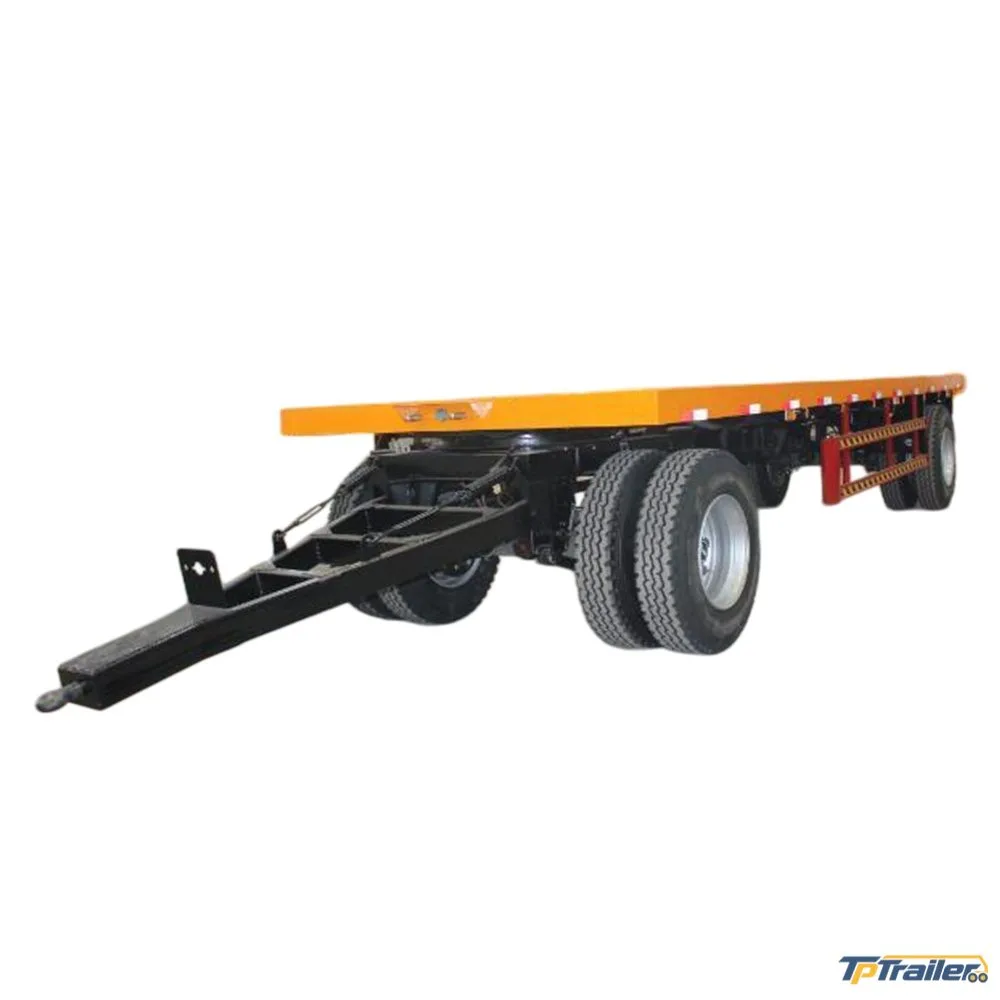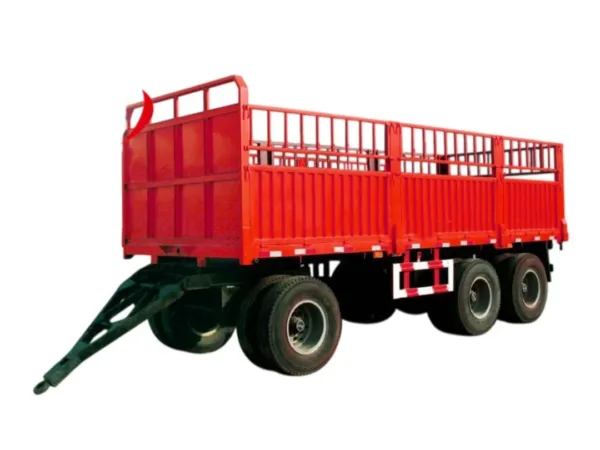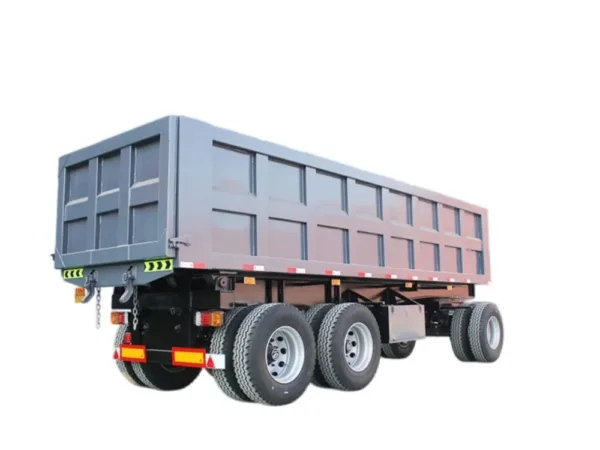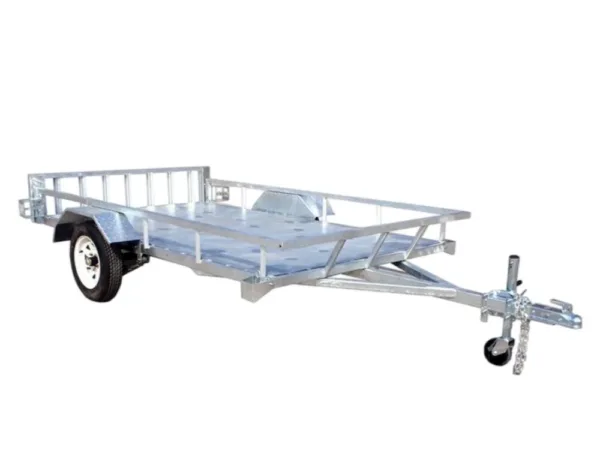
Full Cargo Goose Trailer Flatbed 30000 KG Payload

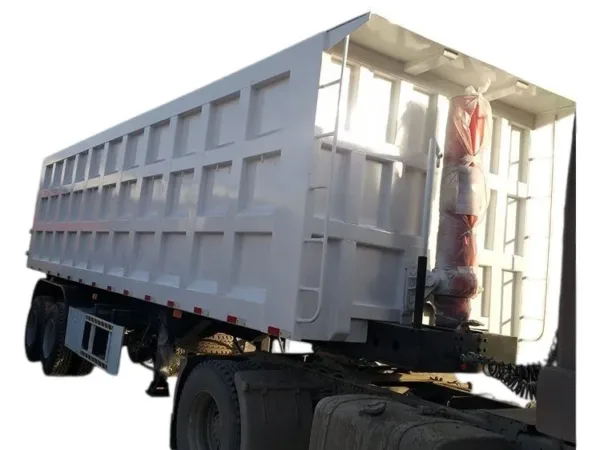
This full cargo goose trailer is a flatbed unit rated for over 30000 KG payload, built for heavy farm and dolly drawbar towing work.
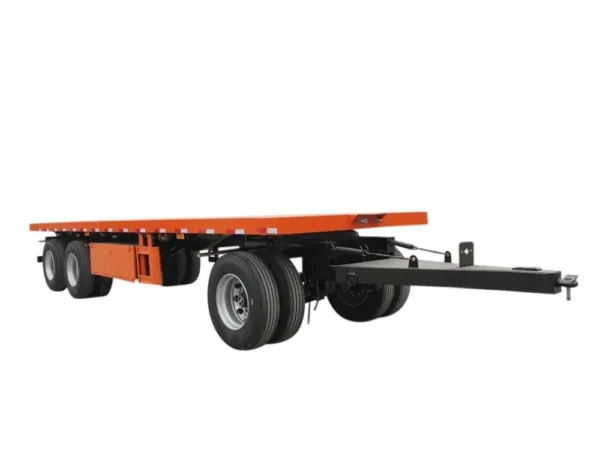
>30000 KG 3
FOB Reference Price US$5,000-7,000 Final price confirmed by inquiry

Certifications

  • ISO 9001

Key Features

  • Flatbed deck for carrying general cargo and farm loads
  • Full dolly drawbar towing setup for hauling behind a truck
  • Rated for loads up to 30000 KG
  • Suits farm and freight transport work
Load Capacity >30000 KG
Type Semi-Trailer
Max Payload >30000 kg

The full cargo goose trailer is a heavy-duty flatbed towing unit built for operators who move bulk agricultural and industrial loads behind a truck. It combines a dolly drawbar, a full flatbed deck and a goose-neck coupling into one towing platform. It suits farm haulage contractors, fleet yards and transport operators running regular bulk runs. The strongest reason to choose it is the payload headroom: a 30000 KG load capacity lets one unit carry what smaller farm trailers split across two trips. That single figure changes trip counts, fuel spend and how fast a harvest or stockpile clears. The deck stays flat and open for awkward shapes, and the drawbar geometry keeps weight transfer predictable under load.

Why The Full Cargo Goose Trailer Works On Site

  • 30000 KG load capacity. The rated load capacity is what makes single-pass hauling realistic for grain, silage, gravel and bagged fertiliser. Instead of splitting a stockpile across several smaller farm trailers, an operator loads once and clears the field or yard in fewer runs. Fewer runs means less fuel burned, fewer driver hours and less queueing at the weighbridge or silo intake.
  • Full flatbed deck. The open deck takes pallets, crates, bales and oversized equipment without side-wall restrictions. Loaders can drop cargo from three sides, and forklifts work faster when they are not lifting over high sides. On a busy site this cuts loading time per trip and lets the same unit switch between cargo types without a rebuild.
  • Dolly drawbar towing. The dolly drawbar spreads towing forces and steers the unit through yard turns and gateways. Operators get predictable tracking when reversing into a barn or lining up under a silo chute. That matters on tight farm tracks where a rigid drawbar would need extra shunting, and it keeps the full cargo goose trailer stable when the deck is unevenly loaded.
  • Goose-neck coupling. The goose-neck geometry places load weight over the towing truck’s rear axle rather than behind it. That improves traction on soft ground and reduces sway at road speed. For a fleet moving between field, yard and depot, the coupling design is what keeps a loaded assembly settled on mixed surfaces.
  • Truck-mounted towing. The unit is built to run behind a towing truck, so it slots into an existing fleet without a dedicated tractor. Operators already running flatbed trucks can add hauling capacity without buying another prime mover. That keeps the full cargo goose trailer working across multiple jobs and spreads its cost over more hauling days.
  • Open deck access. With no enclosed body, inspection and load securing happen at ground level. Drivers can check straps, chains and load balance quickly before a run. On a working farm or depot, that short pre-trip check is what keeps the leg in rotation instead of waiting for a loader or a ramp.

Where It Is Used

The full cargo goose trailer earns its place on bulk agricultural haulage. Grain, silage, hay bales and bagged fertiliser all move on open decks, and the load capacity means a single unit can take a full field’s output in fewer passes. Harvest windows are short, so trip count matters more than anything else. A contractor moving from field to store wants to load once at the edge and drive straight to the silo, without splitting the load across smaller farm trailers.
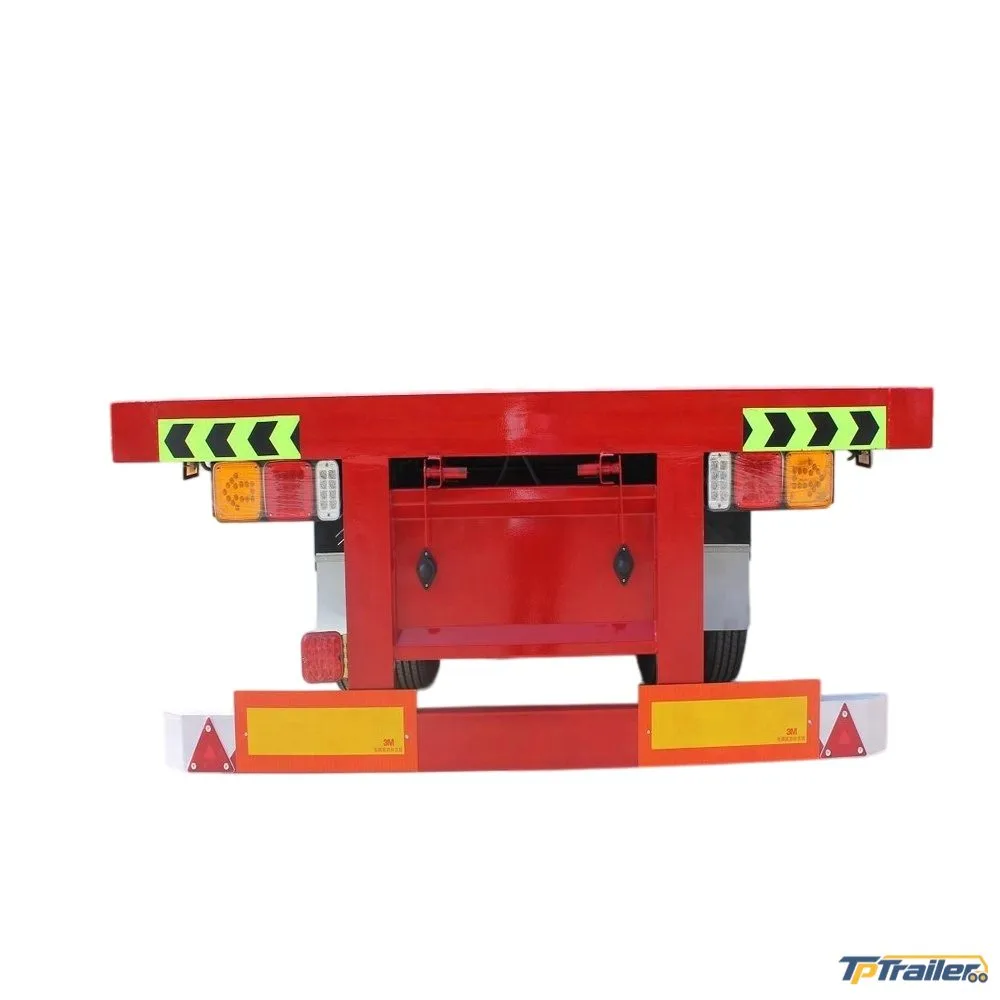
full cargo goose trailer - detail 1

The flatbed deck also takes seed bags, feed sacks and pallets of fencing materials on the return leg, so the trailer is not running empty. On mixed farms the same unit handles lime spreading stock, straw and machinery movements between yards, which keeps it busy outside harvest. The dolly drawbar helps on narrow farm tracks and gateways where turning space is tight.

Construction and yard work are the second core use. Gravel, sand, topsoil, paving blocks and site equipment all load directly onto the flatbed, and the 30000 KG load capacity covers dense aggregate loads that would overload a lighter farm trailer. Site managers recognise the pattern: a towing truck arrives, a loader fills the deck, and the full cargo goose trailer leaves without a second handling step. The open deck also suits oversized items such as timber packs, drainage pipes and small plant, which do not fit inside a tipper body.

Between sites, the goose-neck coupling keeps the loaded unit stable on road transfers. Depots use the same trailer for stockpile clearance, scrap movement and equipment relocation, so it becomes a general-purpose hauling asset rather than a single-job tool. Fleet operators value that flexibility when utilisation is measured per unit.

Livestock and feed operations are a third steady demand. Feed deliveries, bedding and fencing posts all travel on the open deck, and the full cargo goose trailer can be loaded from either side where a feed store has no ramp. Because the deck is flat rather than dished, pallets and feed bags stack square and strap down without gaps. Operators running a mixed yard often find the trailer spends more days on feed and materials than on the harvest run, which is exactly the utilisation pattern that justifies a dedicated unit rather than a borrowed one.

Choosing The Right Spec

  • Match load capacity to your heaviest routine load. The 30000 KG load capacity sets the ceiling for every trip. Compare it against your densest regular cargo, such as wet aggregate or bagged fertiliser, not your lightest. If routine loads sit well below the rating, the full cargo goose trailer still gives margin for return-leg loads and uneven loading, which protects the unit and keeps the truck legal.
  • Deck use decides the trailer type. The full flatbed configuration suits pallets, bales, crates and equipment that load from above. If your cargo is loose grain or soil that needs tipping, check how the load is discharged before committing. The assembly is strongest where a loader or forklift is available at both ends of the run, so confirm handling equipment exists at loading and unloading points.
  • Coupling and drawbar suit your truck. The goose-neck coupling and dolly drawbar are designed for towing-truck operation. Confirm your truck’s hitch arrangement and rear-axle loading before ordering. Operators running mixed fleets should check which trucks can take the coupling, because the full cargo goose trailer only pays back when it can run behind more than one vehicle. Reversing space and yard geometry also affect how easily the dolly drawbar works in practice.
  • Order volume maps to fleet size. The price tiers reward volume: a single unit suits one truck and one regular route, while multi-unit orders fit fleets covering several jobs at once. Match the count to how many towing trucks you can keep busy, since the trailer earns on trips, not on the yard. For seasonal peaks, plan whether extra units cover harvest only or work year-round on aggregate and yard haulage.

Customisation Before Delivery

  • The axle count on a full cargo goose trailer is agreed at order confirmation. Buyers running heavy farm loads often add an axle to spread ground pressure. A lighter configuration suits flatbed hauling on firm ground. State your intended duty cycle when the order is placed.
  • Deck length is selected to match the cargo you carry. A unit hauling hay bales needs a different deck than one moving machinery. Longer decks raise the tare weight and change turn radius. Confirm the deck length against your longest regular load before signing.
  • Suspension choice is settled at order confirmation. Leaf spring sets suit rough farm tracks and steady loads. Other options may be listed in the quotation. The suspension must match the payload you intend to move. Mismatched suspension shortens the life of the spring eyes and shackles.
  • Tyre specification is confirmed with the order. Tyre size and load rating must carry the full cargo goose trailer at its rated capacity. Farm use favours a tread that clears mud. Road use favours a ribbed pattern. Tell us the surfaces the trailer will work on.
  • Colour and finish are chosen at order confirmation from the options offered. A light colour shows cracks and oil leaks sooner. Dark finishes hide road grime. The finish coat protects the steel beneath, so specify it for your climate and wash routine.

Fitting And Installation

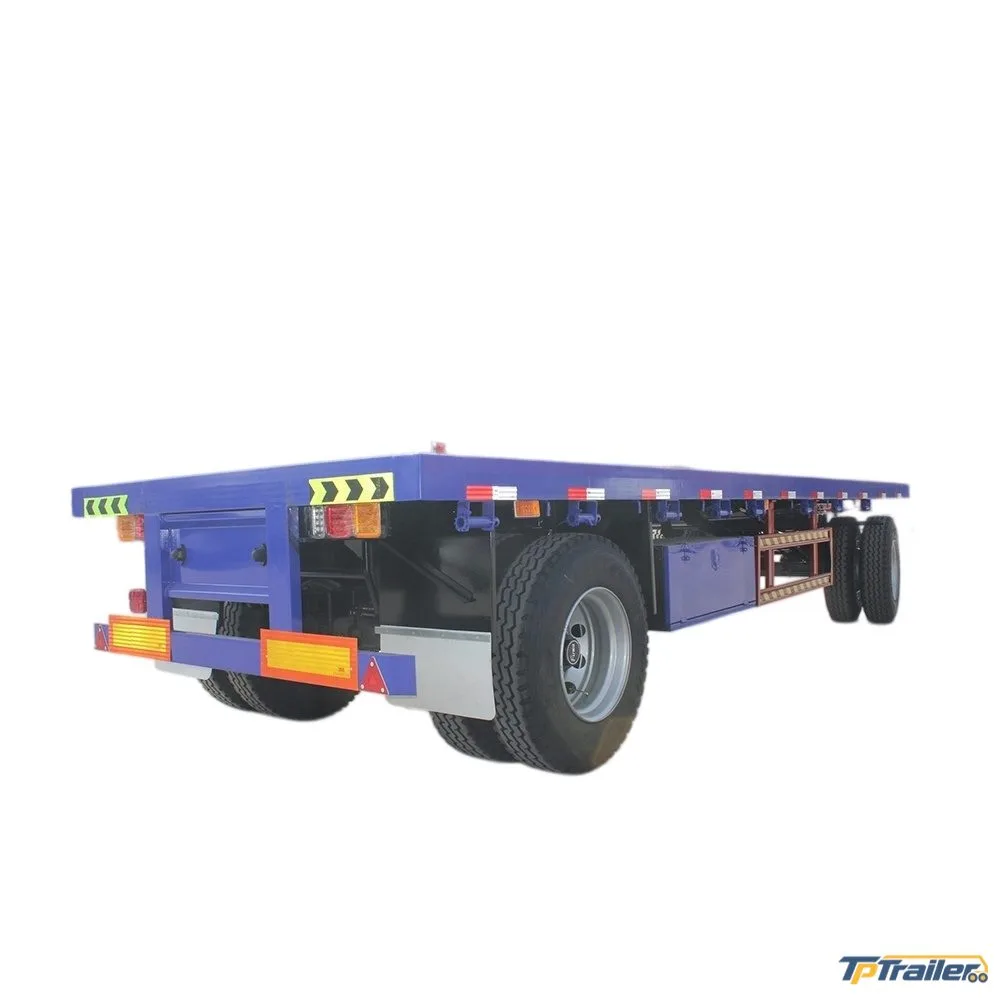
On arrival, the buyer has to match the drawbar to the towing truck. Check the mounting points on the truck frame against the trailer coupling before the first tow. Confirm the drawbar tube size and the pin diameter fit the hitch you own. Route the brake and light hoses so they clear the coupling through full turns. A full cargo goose trailer that fouls its own lines will chafe them on the road. If the input gives no fitment data for your truck, a fitment drawing is confirmed at quotation. Do not drill or weld the drawbar to force a fit.
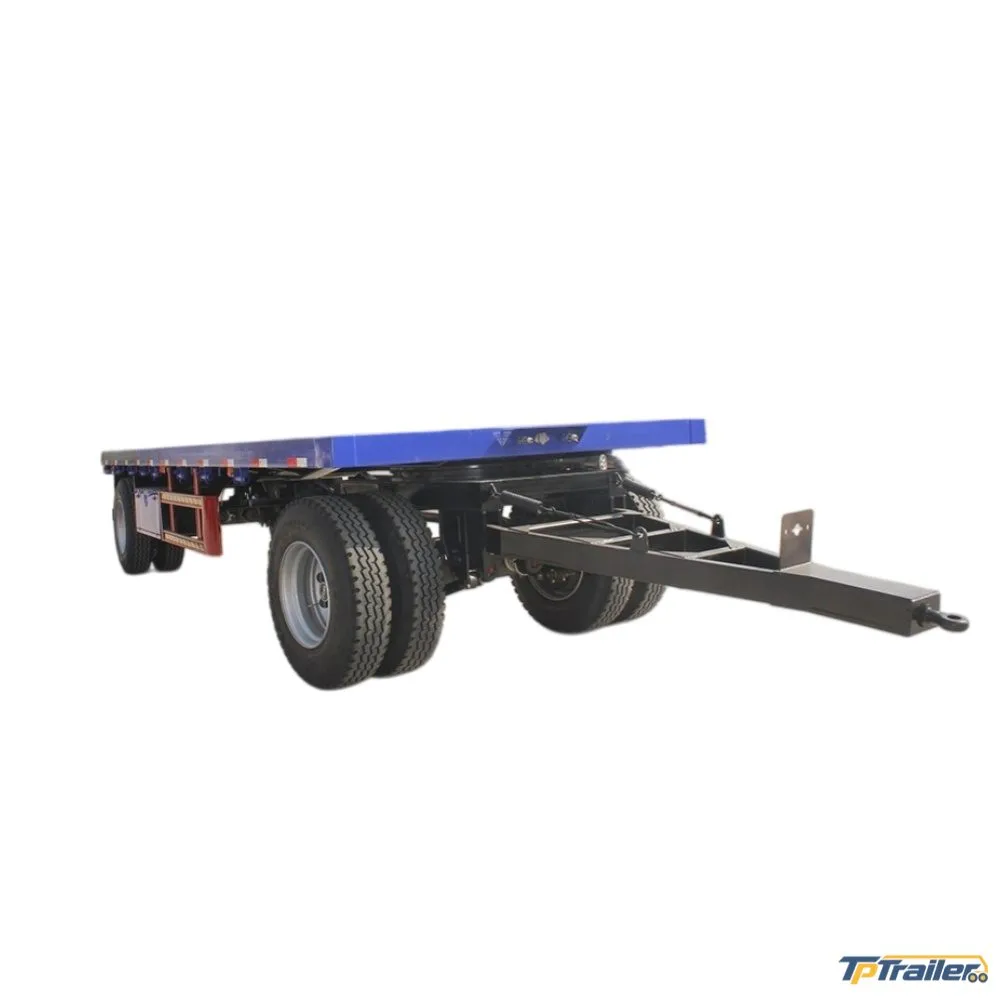
full cargo goose trailer - detail 3
full cargo goose trailer - detail 2

A wrong size costs downtime. A coupling that does not seat fully keeps the full cargo goose trailer off the road until an adapter arrives. A drawbar that sits too low changes the tongue load and unloads the truck’s front axle. Hoses routed too tight split at the fitting and leave you without lights or brakes. Each of these faults is found at the roadside, not at the yard. Measure the truck before delivery, not after. Where the input gives no torque values, the fitment drawing confirmed at quotation carries the correct figures for your hardware.

Plan the first loaded run as a check rather than a full shift. Hitch up empty, walk the coupling and the safety connection, then run a short loop at yard speed before loading to the rating. Listen for the dolly drawbar tracking straight and watch the truck’s rear axle squat under the goose neck. A unit that sits level empty and squats evenly when loaded is set up correctly; one that leans points to a suspension or tyre mismatch that is cheaper to fix before the season starts.

Service Life And Maintenance

  • The tyres and brake linings wear first on any full cargo goose trailer. Inspect tread depth and lining thickness at each pre-trip check. Uneven tyre wear points to axle alignment or a bent spindle. Replace worn linings before they score the drums. A unit kept on hard farm tracks wears its tyres faster than one on tarmac.
  • The drawbar and coupling take the towing loads directly. Check the coupling for play and the drawbar for cracks at the welds. Grease the coupling jaw as part of the routine service. A loose coupling hammers its pin and wears the eye oval. Replace worn pins rather than shimming them.
  • The deck surface wears under loading and weather. Inspect the deck for rot, loose fixings and bent cross members. Re-tighten deck bolts during routine service. A trailer left loaded in the open collects water at the low points. A protective finish coat on the deck extends the interval between repairs.
  • The suspension bushes and spring eyes wear with every mile. Check for cracked leaves and worn shackle pins. A full cargo goose trailer that sits uneven when parked has a tired spring. Replace bushes in sets, not one at a time. The specified suspension type sets how often this inspection pays off.
  • Running gear and wheel bearings need attention on a loaded trailer. Check bearing play and hub temperature after long runs. Repack bearings at the service interval in your manual. Run at its rated capacity, the assembly loads these parts hardest. The specified tyre rating and axle count set the load each bearing carries.

Keep a simple log per unit: date, trip type, load weight band and any fault found at the pre-trip check. Over a season the log shows which components wear first on your routes, and that pattern is what turns a fixed service interval into a realistic one. A fleet running several units can compare logs and move inspection effort to the trailers doing the heaviest work, which is where the full cargo goose trailer pays back the maintenance spend.

Packing And Container Loading

A full cargo goose trailer ships as a heavy flatbed unit, so packing starts with the frame and deck. Deck surfaces are protected against scuffing, and exposed steel is coated for the sea crossing. Loose fittings travel boxed and strapped to the chassis rather than left in the bed. The buyer should confirm the coating system and the tie-down points with the supplier before dispatch, because those choices decide how the unit arrives after weeks of salt air.

Container loading depends on the unit and the container type. A full cargo goose trailer is not a small part that nests inside another; it is loaded as a whole unit or in sections, and the drawbar and running gear set the footprint. Buyers should ask for the loaded dimensions and a loading plan, then check the plan against the container interior before booking. On arrival, inspect the frame, deck, coating and fittings against the packing list, and photograph anything that shifted in transit.

Ask for the lifting and securing points to be marked on the loading plan, not just the dimensions. A flatbed frame lifted or lashed at the wrong point can bend a cross member before it ever reaches your yard, and that damage is hard to prove once the carrier has gone. Confirm who is responsible for lashing at each transfer, and keep the loading plan with the shipping documents so the receiving yard can check the same points on arrival.

Common Mistakes Buyers Make

  • Ordering without confirming the coupling and drawbar configuration. A full cargo goose trailer must match the towing truck’s hitch and the goose neck geometry. The single check: send the supplier the hitch type and the truck’s rear frame layout before the order is placed, and get the drawing approved in writing.
  • Treating the load capacity as the whole story. The rated load capacity says nothing about axle count, tyre size or brake setup. The single check: ask for the axle and brake configuration in writing and confirm it suits the loads and roads the trailer will actually work on.
  • Ignoring the loaded dimensions when booking freight. A full cargo goose trailer has a footprint set by its deck and drawbar, not by its payload. The single check: request the loaded length, width and height before booking, and match them to the container or vessel space you have reserved.
  • Assuming the deck and sides suit every cargo. Flatbed decks, side rails and ramps vary between builds. The single check: describe the cargo the trailer will carry and confirm the deck layout, rail height and ramp arrangement against that description, in writing.
  • Skipping the arrival inspection. Coating damage and shifted fittings are easiest to resolve with the carrier still involved. The single check: inspect against the packing list before signing, photograph the unit from all sides, and log any damage the same day.

Buyer Questions

What should I send to get an accurate quotation?

Send the trailer length you need, the number of axles, and the quantity you intend to order. Add the hitch and drawbar configuration of the towing truck, the cargo you will carry, and the port of destination. With those details the supplier can quote the full cargo goose trailer against your actual use rather than a generic build. Price tiers differ by quantity, so state whether you are buying one unit or a batch.

Can the trailer be shipped in a standard container?

That depends on the loaded dimensions of the build you order. Ask the supplier for the loaded length, width and height, and a loading plan, then compare them with the container interior you intend to book. A full cargo goose trailer is a large flatbed unit, so some builds need flat rack or break bulk instead. Confirm the shipping method and the loading plan at quotation before you commit to freight.

How do I confirm the trailer suits my towing truck?

Confirm the hitch type, the drawbar configuration and the goose neck geometry against your truck before ordering. Send the supplier the truck model, the rear frame layout and the hitch rating, and ask for a drawing of the full cargo goose trailer for approval. Check that the approved drawing matches your truck, then keep it as the reference for the final inspection. Any mismatch found after delivery is expensive to correct.

To receive a quotation, send the trailer length, the axle count and the quantity you plan to order, together with your destination port. Add the hitch and drawbar details of your towing truck so the full cargo goose trailer is specified for your operation from the start. Confirm the loaded dimensions and loading plan at quotation.

Explore more full cargo goose trailer in this range.

Load Capacity >30000 KG Type Semi-Trailer
Max Payload >30000 kg Place of Origin China (Mainland)
Province Guangdong Use Truck Trailer
Material Steel Size 1280*728(optional)
Dimensions 1250 × 250 × 150

Reviews (0)

No reviews yet — click the Review button on the right to share your experience with this product.
Frequently Bought Together

Inquiry about: Full Cargo Goose Trailer Flatbed 30000 KG Payload

Fill in the form below and our team will respond within 24 hours.