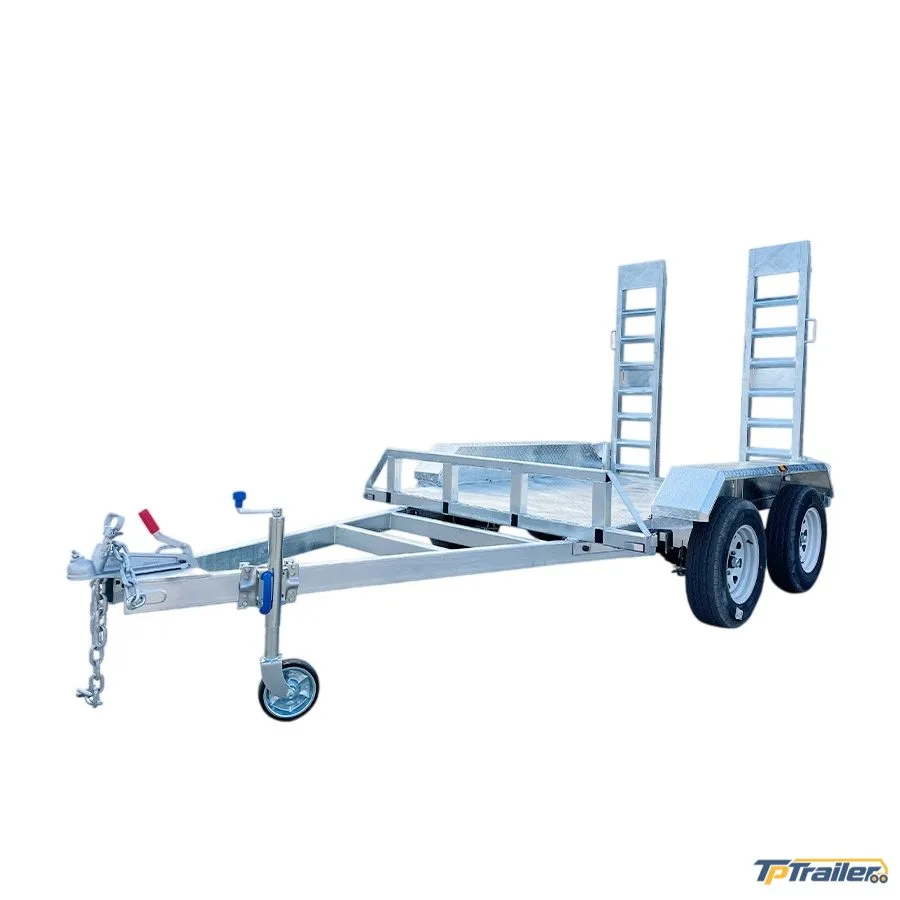
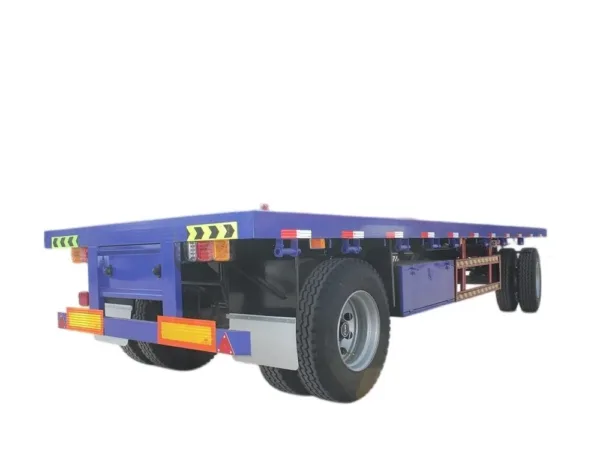
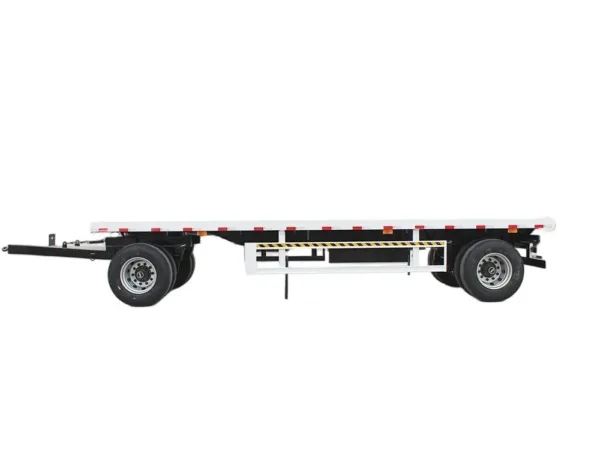
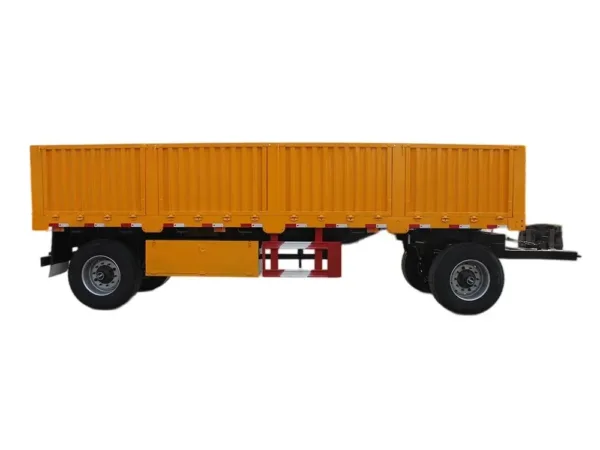
Galvanized Flatbed Excavator Towing Trailer 10001-15000 KG Load
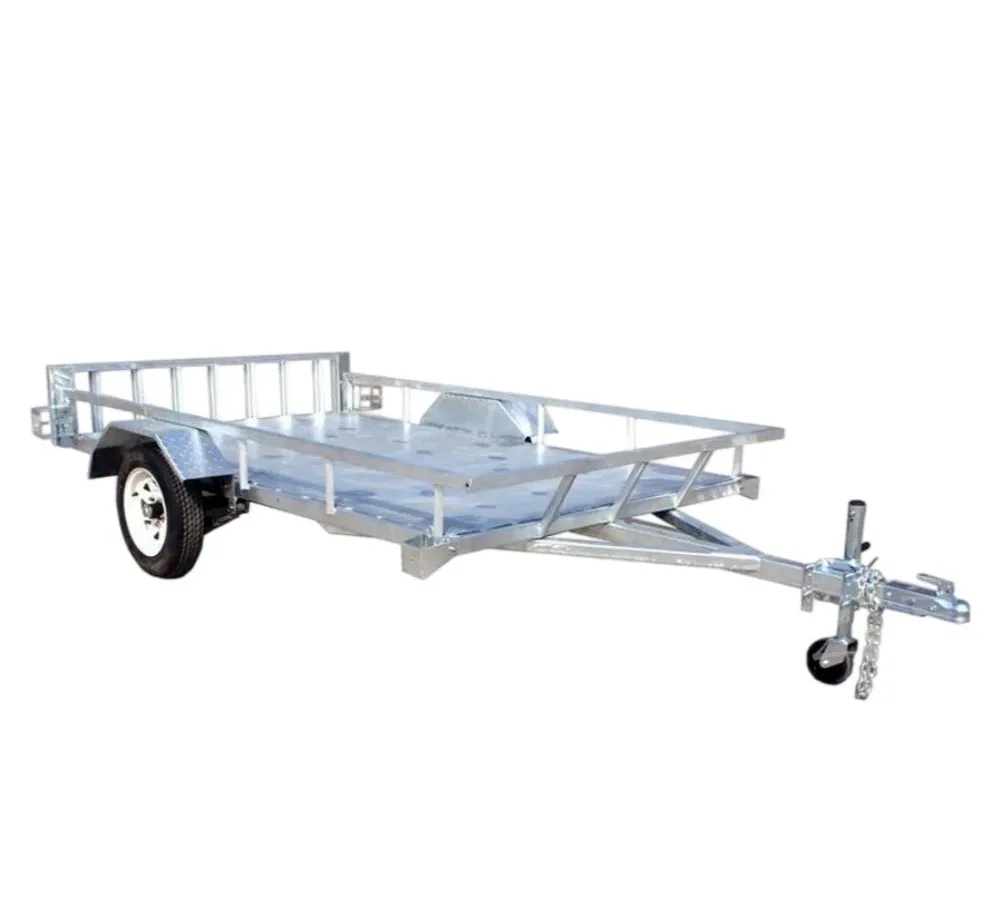
Galvanized flatbed excavator trailer with a 10001-15000 KG load capacity, built for factory material turnover and tractor towing of cargo and equipment.
10001-15000 KG 3
FOB Reference PriceUS$5,000Final price confirmed by inquiry
Certifications
ISO 9001
Key Features
Galvanized flatbed deck for construction material turnover
13ton axle for heavy equipment mechanical transport
Load capacity rated 10001-15000 KG
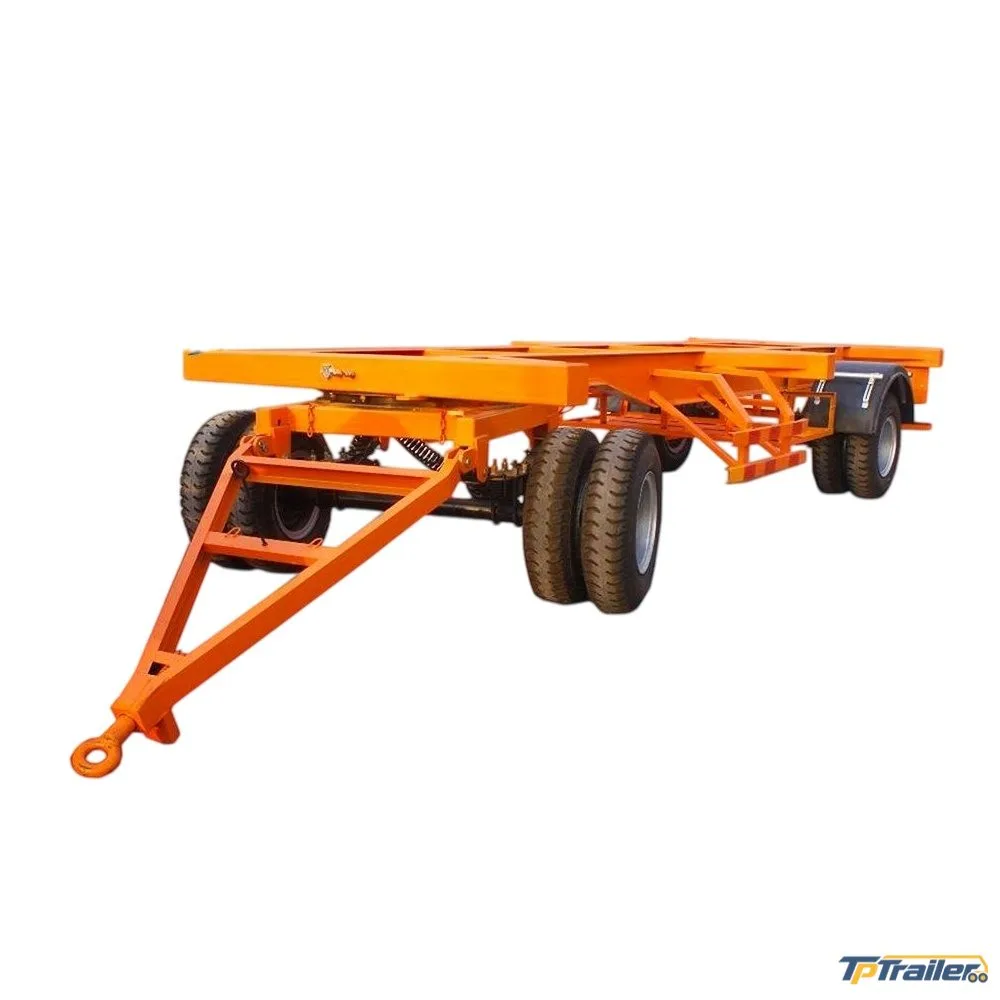
Drawbar towing design for tractor haulage
Suited to factory material turnover and cargo handling
A flatbed excavator trailer is the working platform that moves tracked diggers, attachments and construction loads between yards, sites and storage areas without a low-loader booking every time. This drawbar trailer is built for contractors, plant hire fleets and material yards that need one unit to handle both machine transport and general cargo. It pairs a 13-ton axle with a load capacity in the 10001-15000 KG band, so the deck is sized for real equipment rather than light goods. The strongest reason to choose it is versatility: the same flat deck that carries an excavator also handles pipes, pallets, steel and site materials, which keeps utilisation high and idle time low across the working week.
Table of Contents
Why It Works On Site
Load capacity in the 10001-15000 KG band. This rating puts the flatbed excavator trailer in the class where mini and mid-size tracked machines, buckets, breaker attachments and bundled site materials travel together. The buyer gains one planned movement instead of two, cutting vehicle movements per shift and reducing the number of trips a yard has to schedule around a single machine relocation.
13-ton axle. The axle sets the load path and the rolling stability of the flatbed excavator trailer when weight sits high or off-centre on the deck. For the operator this means tracked plant can be positioned over the axle rather than fought into a narrow window, and the tow behaves predictably on yard surfaces, site roads and short public stretches between depots.
Drawbar trailer format. A drawbar layout keeps the deck low and long, which is what makes ramp loading of tracked equipment practical. The buyer gets a platform that reverses into tight site entrances and storage bays, and that can be parked as a standalone unit when the towing tractor is needed elsewhere on the job.
Flatbed cargo deck. The open deck is the reason the flatbed excavator trailer earns its keep between machine jobs. Pipes, kerbs, pallets, timber, steel sections and general construction material all load by forklift or telehandler from the side, so the unit does not sit idle waiting for the next excavator movement.
Construction material function. The trailer is specified for construction material handling, which shapes how the deck and structure are put together. For the buyer this means the platform is intended for daily loading cycles and abrasive cargo, not occasional light use, so it fits fleets that measure value in shifts worked rather than in miles covered.
Heavy equipment mechanical transport usage. The unit is classed for heavy equipment mechanical transport, which is the duty that matters to plant hire and civil contractors. It lets a fleet move excavators, attachments and support equipment on one trailer type, simplifying driver training, maintenance planning and the spare parts a workshop needs to hold.
Where It Is Used
The most common duty for a flatbed excavator trailer is the short-haul shuffle that keeps a plant fleet productive. A tracked excavator finishes a foundation or drainage job and needs to move to the next plot, a yard or a storage bay a few kilometres away. Rather than call in a low-loader for every relocation, the fleet loads the machine onto the flat deck, secures it and moves it with an existing tractor unit.
The same trip often carries the breaker, the grading bucket and the fuel bowser, because the deck is open and the load does not have to be a single machine. Contractors also use this pattern for weekend repositioning, when machines come off hire and return to a central depot, and for delivering equipment to sites where access is tight and a larger transport vehicle would not fit through the entrance.
Between machine movements, the flatbed excavator trailer works as a general construction material platform. Site managers recognise the pattern: drainage pipes and manhole rings from the merchant, kerbs and paving to a car park job, timber and sheet materials to a fit-out, steel sections and mesh to a frame erection, pallets of block and bagged aggregate to a small build. Because the deck loads from the side by forklift or telehandler, turnaround at a merchant yard is quick and the trailer does not need a ramp for every cargo type.
Yards and depots use it for internal material turnover as well, moving stock between storage areas and loading bays without tying up a rigid truck. That mix of equipment transport and cargo handling is what keeps utilisation high on routes that would otherwise be one-way machine runs with an empty return leg.
Choosing The Right Spec
Match the load band to your heaviest machine. The flatbed excavator trailer is rated for 10001-15000 KG, so the starting question is the operating weight of the largest excavator you intend to move, plus bucket and attachment weight. Buyers who regularly carry at the top of the band should plan tie-down points and load positioning around that machine, while fleets running lighter units gain margin for attachments and cargo carried alongside.
Check the axle against your towing pattern. The 13-ton axle suits fleets that move plant on yard roads, site tracks and short public stretches with an existing tractor unit. If your work is dominated by long trunk routes, the axle and deck combination still applies, but plan the load so weight sits over the axle and the drawbar sees a stable, balanced trailer behind the tractor.
Decide how much cargo duty you need. A flatbed excavator trailer bought purely for machine relocation is specified one way; one that also handles pipes, pallets and steel needs the deck kept clear and the load secured for mixed cargo. Fleets with a steady flow of construction material should treat the cargo function as a primary duty, not a fallback, when comparing this unit against a dedicated machine carrier.
Plan the drawbar format around your tractor fleet. The drawbar trailer format works best where a suitable tractor unit is already available and drivers are used to reversing a drawbar combination. Buyers adding their first drawbar unit should factor in driver familiarisation and yard space for turning, while fleets already running drawbar equipment will find the flatbed excavator trailer slots into existing routines without new procedures.
Customisation Before Delivery
The axle configuration is agreed at order confirmation. Buyers state how many axles the flatbed excavator trailer needs for their heaviest routine load. The running gear is then matched to the stated load capacity band. Tell us the tow vehicle and the ground conditions on site, and the configuration is fixed in writing before production starts.
Deck length and deck surface are open choices on this flatbed excavator trailer. State the longest item you intend to carry and whether the deck needs a plain steel surface or a raised edge. The drawbar layout follows the deck choice. Every dimension is confirmed on the order sheet, so the trailer arrives suited to the cargo rather than adapted afterwards.
Suspension type is selected with the axle package. Leaf spring and other arrangements suit different road and yard conditions. Buyers moving heavy equipment on mixed surfaces should raise this early. The choice is recorded at order confirmation, together with the axle count, so the flatbed excavator trailer leaves the works as one matched assembly.
Tyre specification and colour are settled in the same conversation. Tyre choice should reflect the surface the flatbed excavator trailer works on, from sealed yard roads to rough site tracks. Colour and finish are a factory option confirmed on the order. Nothing is assumed on the buyer’s behalf; each item is ticked off before production is released.
Coupling and hitch detail is confirmed against the tractor or truck that will pull the flatbed excavator trailer. Buyers supply the drawbar height and pin size of the towing machine. The factory then sets the drawbar trailer to suit. This step prevents a mismatch on arrival and is agreed at order confirmation, not after the unit is built.
Fitting And Installation
On arrival, the buyer’s team matches the trailer to the towing machine. Check the drawbar height against the hitch on the tractor or truck, and confirm the pin or coupling size before the first tow. Inspect the mounting points on the deck and the tie-down positions against the equipment to be carried. Route the electrical cable and any brake line clear of the drawbar arc, so nothing chafes when the flatbed excavator trailer turns.
Confirm the axle and suspension assembly sits as described on the order sheet. Where the input gives no fitment figures, a fitment drawing is confirmed at quotation instead of being guessed. Walk the whole flatbed excavator trailer before loading, and record any discrepancy before the unit is put to work.
A wrong size costs downtime, not just a return. A drawbar that sits too high or too low loads the coupling and the towing machine unevenly, and the flatbed excavator trailer cannot be used until it is corrected. A mismatched pin or hitch stops the unit leaving the yard at all.
Tyres or an axle package chosen for the wrong surface wear faster and shorten the working life of the flatbed excavator trailer. Because the configuration is fixed at order confirmation, most of these risks are removed before production. Where a fitment drawing is issued at quotation, the buyer can check the interface points in advance and plan the installation around them, keeping the flatbed excavator trailer in service from the first day.
Service Life And Maintenance
Tyres wear first on any flatbed excavator trailer working construction sites. The operator should inspect tread depth, sidewall condition and pressure before each shift, and remove stones lodged between dual tyres. Matching the tyre choice to the ground at order stage extends the interval between replacements. Keep a simple log of tyre condition so a worn set is spotted before it fails under load.
Brake and coupling components take repeated load on a loaded flatbed excavator trailer. Check the coupling for play, the pin for wear and the brake linkage for free movement. Look for cracks or elongation at the drawbar eye. Any slack in the coupling should be corrected before the next tow. These checks are quick and prevent a small wear item from becoming a roadside stop.
The suspension and axle assembly carries the load, so inspect springs, hangers and U-bolts for looseness or cracks. On the flatbed excavator trailer, check that the axle sits square and that no component has shifted after heavy use. Re-torque fasteners where the manual calls for it. A visual walk-round after each heavy shift catches most problems early and keeps the running gear serviceable.
Deck and frame corrosion is the slow wear on a flatbed excavator trailer used for construction material. The galvanized finish is the first line of defence, so inspect for scratches, chips and exposed steel, and touch up where the coating is broken. Keep the deck clear of standing water and debris. Prompt attention to coating damage is what preserves the structure over years of turnover work.
Lights, wiring and the electrical connection are the most common small failures on a flatbed excavator trailer. Test the lamps before each trip and check the cable for cuts or worn insulation. Confirm the plug seats firmly in the towing machine. A failed lamp is a legal and safety issue on the road. A short pre-trip check keeps the flatbed excavator trailer visible and compliant.
Packing And Container Loading
A flatbed excavator trailer ships as a steel structure, so packing is mostly about protecting surfaces and keeping the frame square in transit. The deck, ramps and drawbar are the exposed faces. Suppliers usually apply a protective coating to machined surfaces and wrap the coupling area. Confirm with the supplier which surfaces are wrapped and whether touch-up paint is included. Loose items such as pins, lights and fittings should be boxed and strapped to the frame, not left loose on the deck. Ask for a packing list that names every loose component, so nothing is discovered missing only after the container is unpacked at your yard.
Container loading depends on the trailer length and how the frame is built. A flatbed excavator trailer with a fixed deck generally ships as a complete unit or in a small number of welded sections. Ask whether the deck or ramps are removable for shipping. If they are, the trailer can sometimes be nested with ramps laid flat, which saves floor space. If the frame is fully welded, plan the container size around the overall length and width. Request loading photos before the doors close. On arrival, check the frame for twist, confirm the axle and drawbar are undamaged, and verify every loose part against the packing list.
Common Mistakes Buyers Make
Ordering without confirming the coupling type. A flatbed excavator trailer is only useful if the drawbar eye or hitch matches your tractor. Buyers who assume a standard coupling often need an adapter or a replacement drawbar. The single check: confirm the hitch type and pin diameter on your towing vehicle, and send that to the supplier before the order is placed.
Ignoring the loaded width and height. The load capacity is generous, but the trailer still has to travel on your roads and pass through gates. Buyers forget to measure the widest point of the equipment they intend to carry. The single check: measure your widest machine and your narrowest route, then compare both against the deck width and overall width.
Skipping the axle and brake confirmation. The axle rating is stated, but brake type and lighting voltage vary by market. A trailer that arrives with the wrong lighting or without brakes for your regulations cannot be registered. The single check: confirm your local lighting voltage and brake requirement in writing, and have the supplier state the configuration on the order.
Not asking how the deck is finished. Buyers assume the deck surface suits their cargo, then find the material slides or the surface rusts. The single check: ask what deck treatment is applied and whether it suits the construction material you plan to move, then confirm the finish in the order documents.
Booking the container before the trailer dimensions are fixed. A flatbed excavator trailer that is a few centimetres too long for the chosen container forces rework or extra shipping cost. The single check: request the final overall length, width and height in writing, then match the container size to those figures before booking freight.
Buyer Questions
Can the trailer be shipped in one container, and how is it secured?
That depends on the overall dimensions of the flatbed excavator trailer you order, so confirm the shipping configuration at quotation. Ask the supplier for the packed length, width and height, then compare those figures with the internal dimensions of the container you intend to book. Inside the container, the frame should be blocked and strapped to the floor, with the drawbar and ramps secured so they cannot shift. Request loading photos before the doors close, and check the strapping points on arrival against those photos.
What should I check on arrival before signing the delivery note?
Unpack in daylight and inspect the frame for twist, dents and coating damage. Check the axle, drawbar and coupling for deformation, and confirm the deck surface is as specified. Count every loose item against the packing list, including pins, lights and fittings. Photograph any damage before signing, and note it on the delivery note. If something is missing or damaged, raise it with the supplier immediately, while the container and packing materials are still available for inspection.
Does the load capacity cover the trailer weight or only the cargo?
The load capacity figure refers to the cargo the flatbed excavator trailer is built to carry, so confirm how the supplier defines it at quotation. Ask whether the figure is the payload or the gross weight, because the difference matters when you match the trailer to your towing vehicle. Also ask for the tare weight, so you can calculate the combined weight of trailer and load. Confirm both figures in writing before you finalise the order.
To receive a quotation for a flatbed excavator trailer, send the overall length you need, the number of axles, and the quantity you plan to order. State your coupling type and the equipment you intend to carry. With those details, the supplier can confirm the configuration and the shipping arrangement.
We use cookies to enhance your browsing experience, serve personalized content, and analyze our traffic. By clicking "Accept All", you consent to our use of cookies. Privacy Policy
Cookie Preferences
Required for the website to function properly. Cannot be disabled.
Help us understand how visitors interact with the website (Google Analytics).
Used to deliver personalized ads and measure ad campaign effectiveness.






















Write a Review