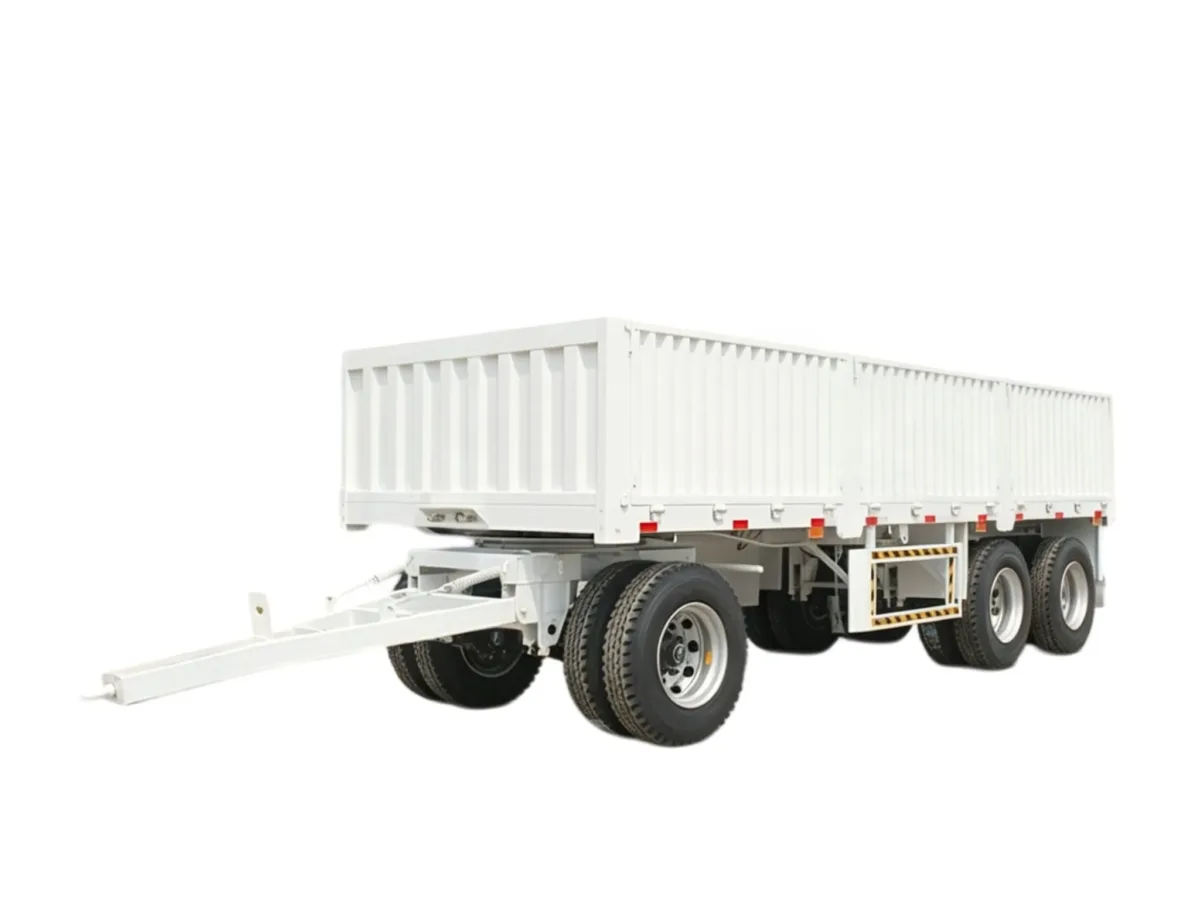
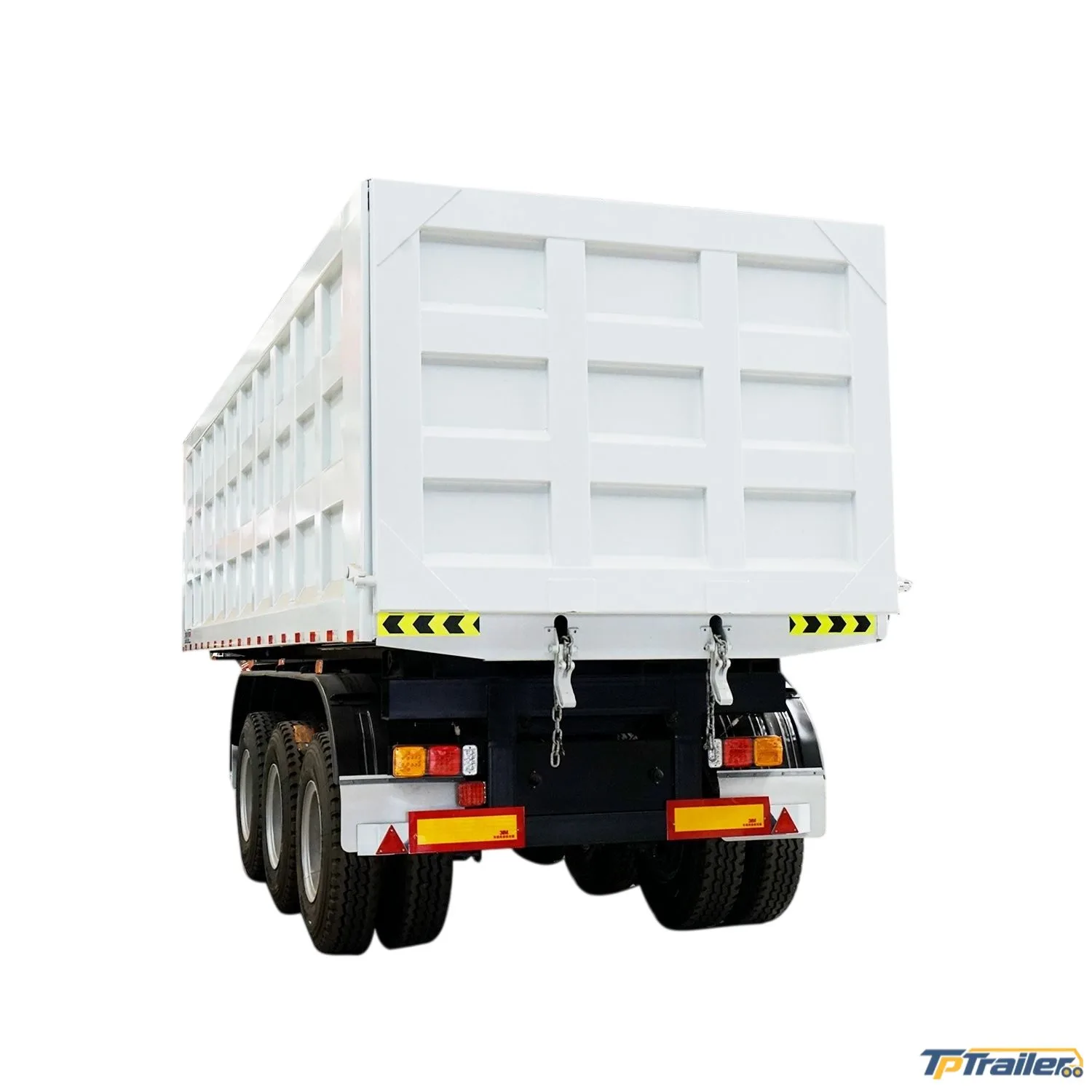
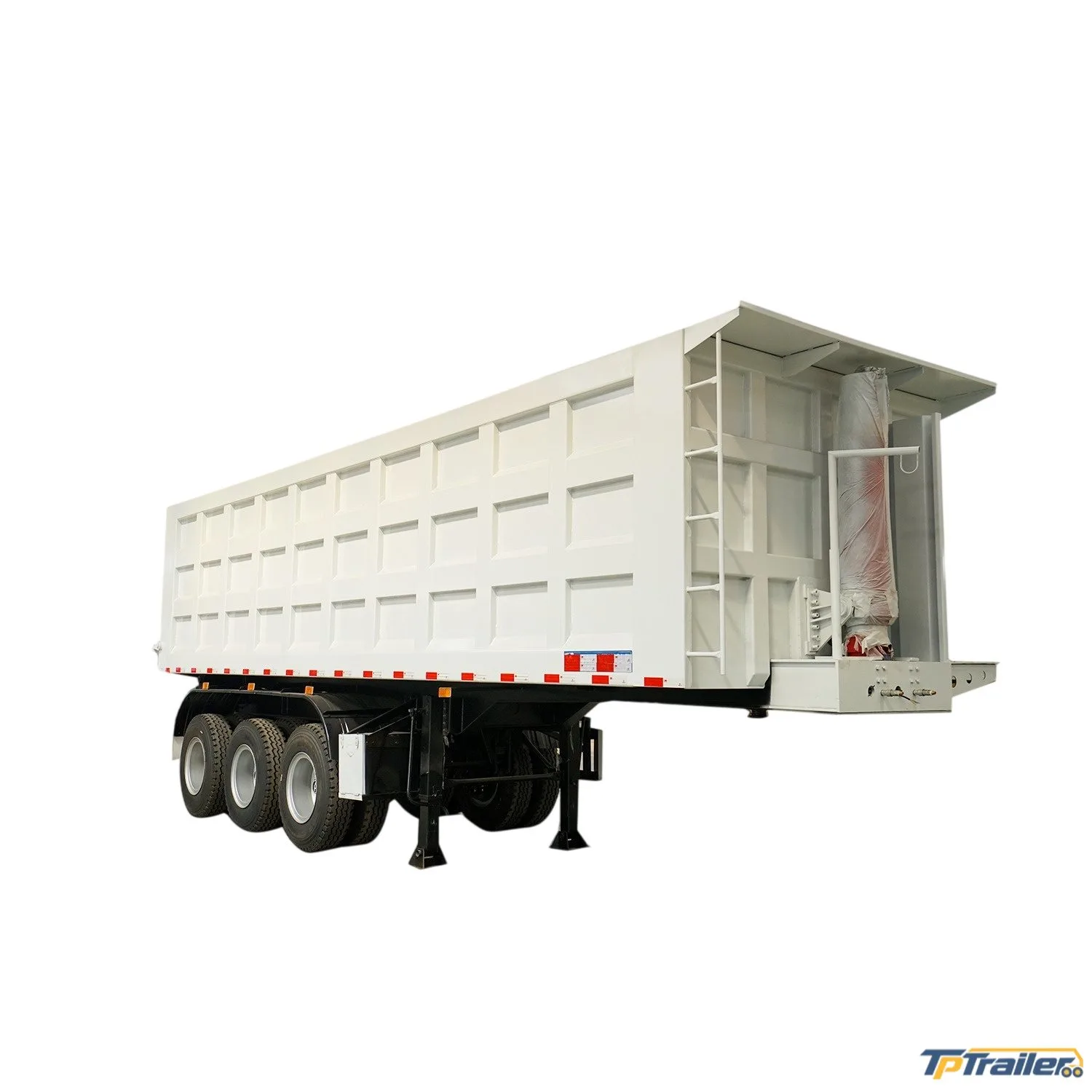
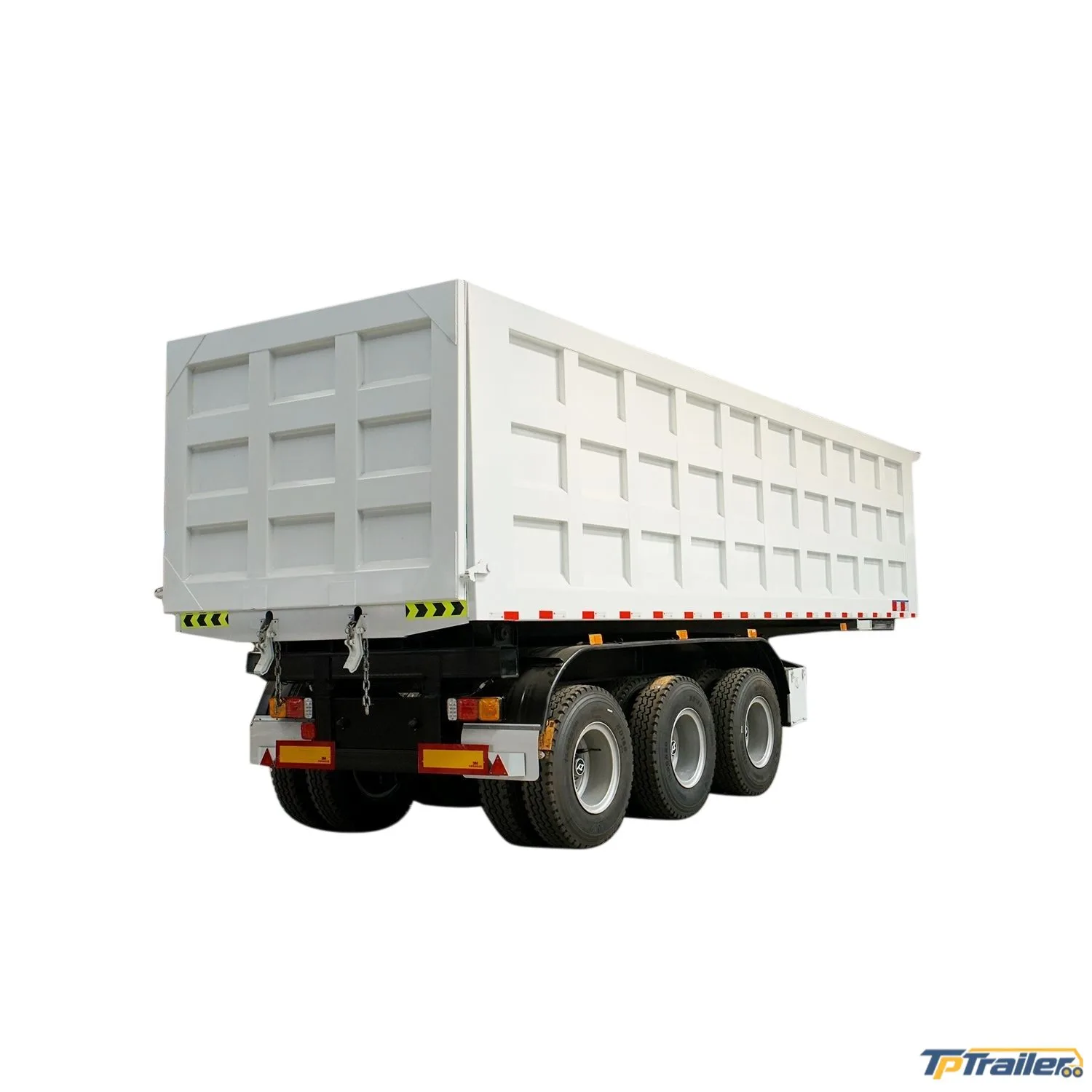
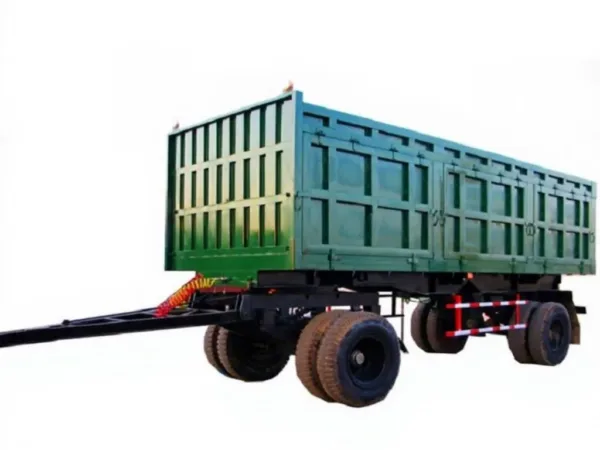
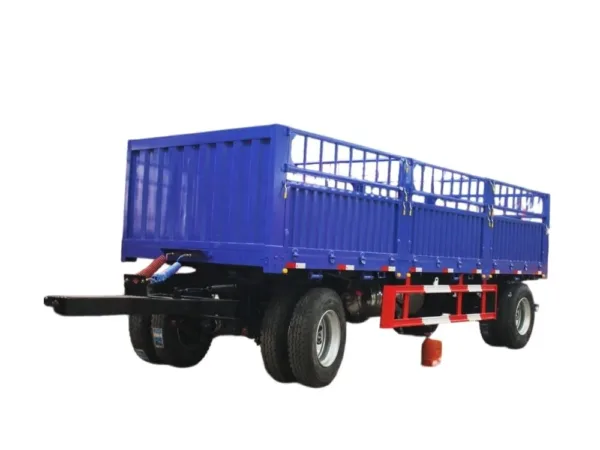
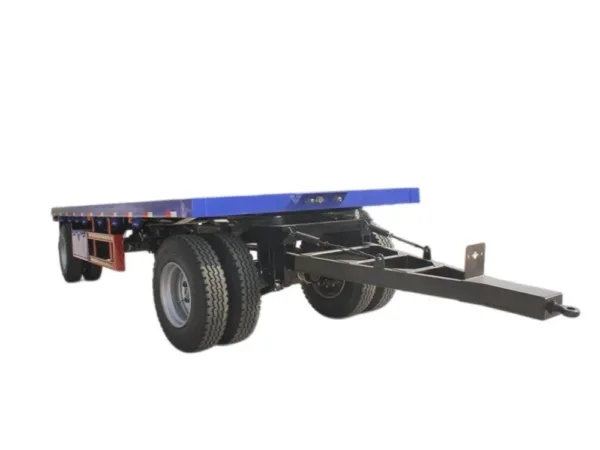
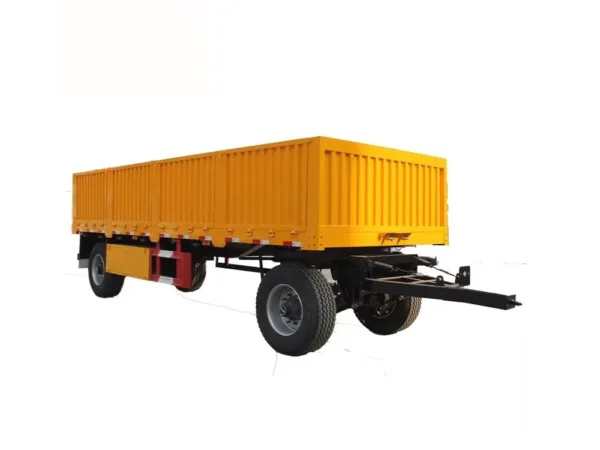
The farm tipping trailer is a new four-wheel agricultural trailer built for hauling grain, feed, fertiliser and field debris, and it is aimed at working farms, livestock units and small agricultural contractors who move loads daily. Its strongest argument is simple: an 8 T load capacity on a twin-axle chassis, so one trip replaces several runs with a lighter cart. The body tips, the dimensions are customised and the colour is finished to the buyer’s need. If your work is moving bulk material from field to yard, this farm tipping trailer is the practical answer.
Table of Contents
Why It Works On Site
8 T load capacity per trip. A single pass carries a full grain or fertiliser load, so the number of shuttle runs between field and store drops sharply. Fewer trips mean less fuel, less driver time and less wear on the tractor. The rating also leaves margin for damp loads and uneven ground, which is where lighter trailers start to struggle.
Twin-axle running gear. Two axles spread the load across four wheels, which keeps ground pressure lower on soft or freshly worked soil. That matters after rain, when a single-axle unit digs in and blocks the headland. The arrangement also tracks more steadily behind the tractor on crowned tracks and yard entrances, so the farm tipping trailer stays predictable under load.
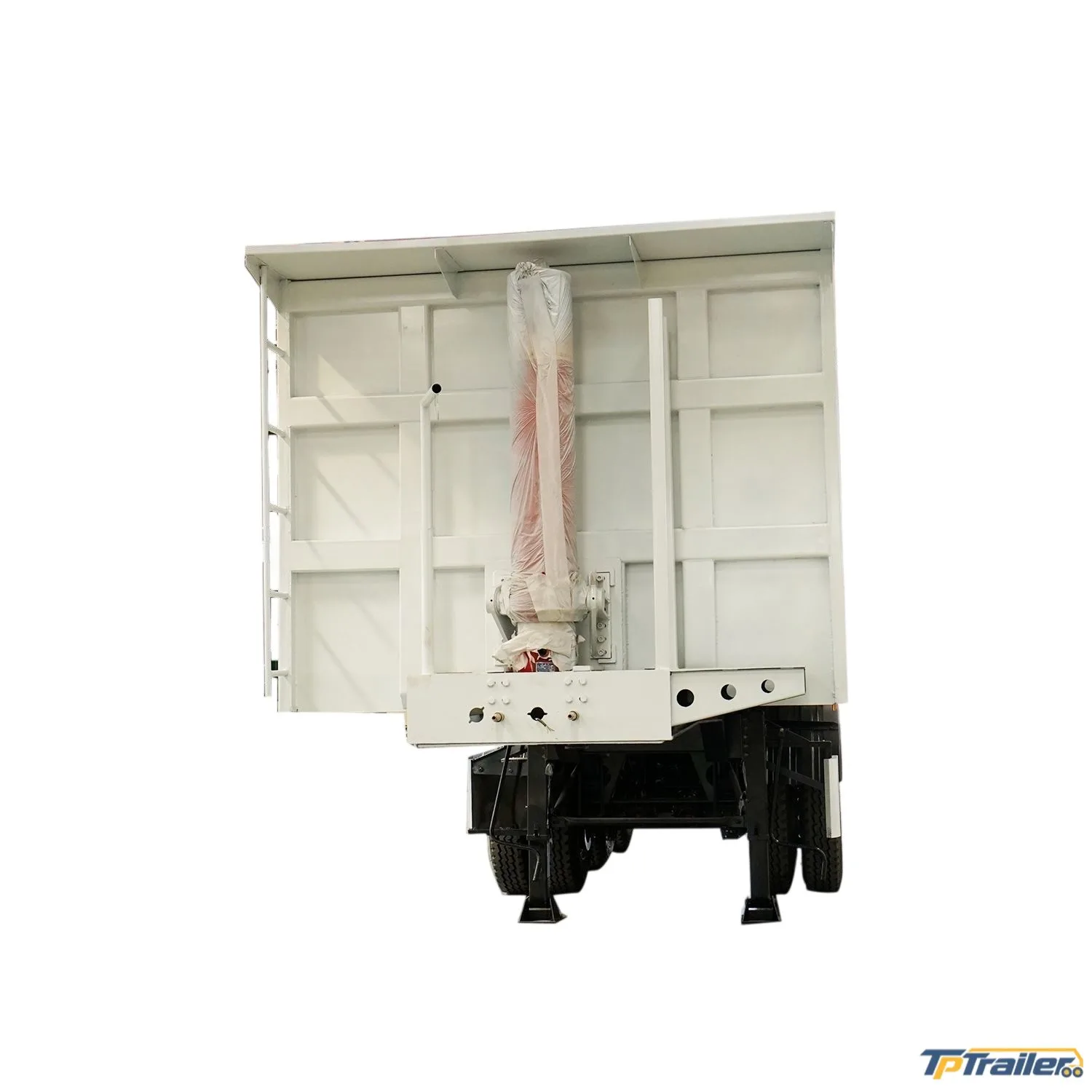
Tipping body. The body raises to discharge its load, so material leaves the trailer where you want it rather than being forked out by hand. That turns unloading into a one-person job and shortens the turnaround between loads. For grain, lime and manure, tipping is the difference between a two-minute drop and a half-hour of manual work.
Customised dimensions. Because the size is built to the buyer’s requirement, the farm tipping trailer can be matched to your tractor’s hitch height, your gate widths and the crop you handle. A body sized to your lanes and store openings loads and unloads without awkward manoeuvring, and it fits the machinery you already run instead of forcing a change.
Colour to customer’s need. Paint finish is chosen by the buyer, which lets a fleet keep one recognisable livery across its units. Matching colour simplifies identification in a shared yard and keeps the farm tipping trailer consistent with the rest of the equipment on site. It is a small point that matters once several trailers work the same farm.
Engineers available overseas. After-sales support includes engineers available to service machinery overseas, so a fault does not leave the unit idle indefinitely. For a buyer running the farm tipping trailer as a working tool, that support route is part of the purchase decision, not an afterthought.
Where It Is Used
The most common job is moving bulk crop from field to store or yard. A farm tipping trailer at 8 T takes a full load of grain, maize or soybeans from the combine headland back to the drying floor, then tips it straight into the pit or onto the heap. Because the load leaves by tipping, the driver does not wait for a separate unloading team. The same routine repeats at harvest for silage, hay bales and straw, where the body carries loose material and drops it at the stack. Livestock units use the same trailer for feed deliveries and for clearing bedding out of sheds, so one unit covers both the inbound and outbound sides of the working week.
Outside harvest, the farm tipping trailer earns its place on maintenance and construction work around the steading. It hauls gravel, sand, topsoil and rubble for track repairs, shed bases and drainage jobs, and tips the load precisely where the digger or the labourers need it. Orchards and vineyards use it for prunings, fallen fruit and harvest bins on narrow rows, where the customised dimensions keep it inside the headlands. Contractors and small holdings also run it for lime spreading support, manure removal and general yard clearance. Any route that ends in a tip point, from field track to yard gate, is where this trailer saves the most time.
Choosing The Right Spec
Match capacity to your heaviest regular load. The farm tipping trailer is rated at 8 T, and the range covers 3 to 8 ton. Buy for the densest material you move, such as wet grain or gravel, rather than the lightest. A unit sized to your worst load avoids overload on the busiest days and keeps the trailer within its rating all season.
Size the body to your lanes and buildings. Dimensions are customised, so the choice should follow the narrowest gate, the tightest turn and the store opening the trailer must pass. A body that fits these limits is loaded and emptied faster than an oversized one that needs reversing practice. Tell the supplier your route constraints before the build is fixed.
Decide the axle and wheel setup around your ground. The two-axle arrangement suits field tracks and yards where stability under load matters. If your work is mostly firm going with tight headlands, discuss the body length and wheel position within the customised build. The aim is a farm tipping trailer that tracks well on the surfaces you actually cross, not the smoothest ones.
Plan colour and payment terms with the build. Colour is finished as the customer needs, so settle it early alongside the dimension choices. Payment is 30% deposit and 70% before shipment, which sets the order timeline. Confirm both points before production starts so the farm tipping trailer arrives in the livery and configuration you ordered.
Customisation Before Delivery
Axle count. The farm tipping trailer is built with two axles as standard, and the axle count is confirmed with your order rather than assumed. Tell us the load pattern you expect and we match the running gear to it. Every configuration is settled at order confirmation, so nothing is left to guesswork once production starts.
Deck length and body size. Dimensions on this farm tipping trailer are customised to your requirement. Share the working length and width you need for your loads, and the body is built to that figure. Because the deck is cut to your order, the dimension is agreed at confirmation, not after the steel is cut.
Suspension setup. The suspension arrangement is chosen alongside the axle count so the farm tipping trailer behaves predictably when loaded and when empty. State the ground and road conditions you work in, and the build is matched to them. The final choice is recorded on the order confirmation.
Tyres and wheels. Tyre specification follows the axle and load decision on this farm tipping trailer. Tell us the surfaces you cross and the loads you carry, and the wheel set is selected to suit. The agreed fitment is written into the order so the trailer arrives ready for its intended work.
Colour and finish. Colour on the farm tipping trailer is supplied as the customer needs it. Give us the shade you want for your fleet or your own preference, and the paint specification is recorded before the build begins. Finish choice is confirmed with the order, so the delivered unit matches what you asked for.
Fitting And Installation
On arrival, the buyer’s first job is to match the trailer to the towing vehicle. Check the drawbar and hitch height against the tractor or truck that will pull the farm tipping trailer, and confirm the coupling type before the first load. Look at the mounting points on the chassis and make sure the tipping ram and its mounts are seated as supplied. Inspect the hydraulic hose routing along the frame, and keep lines clear of moving parts and hot surfaces.
Electrical connections and lighting should be checked against the towing vehicle’s socket. Tyre pressures and wheel nut condition are worth a walk-round before use. This page states no fitment figures, so a fitment drawing is confirmed at quotation instead. That drawing is the reference for the buyer’s own checks.
A mismatch at this stage is the expensive kind. A drawbar that sits at the wrong height loads the coupling unevenly and wears it faster. A hose routed against a sharp edge can fail under tipping, and a failed line stops the farm tipping trailer mid-job. Wrong wheel or tyre fitment can mean the unit sits idle while replacements are sourced. Downtime on a working farm is measured in missed loads, not hours. That is why the fitment drawing is agreed before the order is placed, and why the buyer should compare it with the towing vehicle early. Getting the match right at delivery keeps the farm tipping trailer working from the first day rather than waiting on parts.
Service Life And Maintenance
Tyres and wheels wear first. Tyres take the load and the ground contact, so they show wear before the structure does. The operator should check tread condition, sidewall damage and wheel nut tightness on the farm tipping trailer as part of a regular walk-round. Catching a worn tyre early protects the axle and keeps the unit working. The tyre choice made at order affects how long this interval stretches.
Brake and hub inspection. Braking components and hub bearings are the next items to watch on a loaded farm tipping trailer. The operator should listen for unusual noise and check for heat at the hubs after heavy use. Inspection at each service point keeps small wear from becoming a roadside stop. The axle configuration chosen at order sets how the load is shared across the running gear.
Hydraulic ram and hoses. The tipping ram and its hoses carry the working load every cycle. The operator should inspect hose condition, look for chafing and check connections for weeping on the farm tipping trailer. Routing the lines clear of edges, as set at installation, extends hose life. Replacing a worn hose before it bursts avoids a stalled tip and lost time in the field.
Chassis and paint protection. Steel condition depends on the coating holding up. The operator should wash off mud and check the paint on the farm tipping trailer for chips and scratches, touching them in before rust starts. The colour and finish chosen at order are part of this protection. Keeping the coating intact is the simplest way to extend the working life of the structure.
Fasteners and pivot points. Bolts, pins and pivot points work loose with vibration over time. The operator should check and re-torque fasteners on the farm tipping trailer and lubricate the tipping pivots as part of routine care. Loose hardware is a small fault that becomes a large one under load. Regular checks here keep the tipping action smooth and the body secure.
Packing And Container Loading
The farm tipping trailer ships as a complete unit, so protection focuses on the surfaces and moving parts that sea air and handling can damage. Painted body panels are the first concern. A protective wrap over the tub and chassis keeps salt spray and condensation off the finish during the voyage. Hydraulic tipping components and exposed linkages should be greased and capped before loading. Tyres are normally left on the rims, and the axles stay fitted. Buyers should confirm with the supplier which parts are wrapped, which are greased and which are left bare before the container is sealed.
Container space matters on a unit this size, so ask whether the farm tipping trailer can be partly nested or stacked with others. Some suppliers remove wheels or fold down sides to reduce height. Others load one unit per container and ship the rest as break bulk. The buyer should request a loading plan with photos before dispatch. On arrival, check the paint for scuffs, the tyres for flat spots or pressure loss, and the tipping rams for rust or bent rods. Verify that every loose part listed on the packing note is present.
Common Mistakes Buyers Make
Ordering without confirming the overall length against local road rules. A farm tipping trailer that is too long for the buyer’s lanes or gates becomes a problem on the first job. Measure the tightest gate, track and turning circle on the property, then give the supplier the maximum length the site allows before the order is placed.
Ignoring the axle count when matching the trailer to the towing vehicle. Buyers assume any two-axle unit tows the same, then find the hitch height or drawbar load does not suit their tractor. Check the hitch type and height on the towing vehicle, and confirm the axle configuration in writing on the quotation.
Skipping the colour and finish confirmation. Colour is made to the customer’s need, so a verbal instruction can drift between order and production. Send a reference sample or a colour code and ask for a painted panel photo before shipment. This single check prevents a repaint or a rejected delivery.
Leaving the tipping system unverified. Buyers focus on the tub and forget to ask how the farm tipping trailer is raised and lowered. Confirm the tipping method, the hydraulic fittings and whether a pump is included. Ask the supplier to list every component in the tipping circuit on the quotation.
Not agreeing the payment and inspection sequence. The deposit and balance terms are fixed, but buyers often fail to tie the balance to a pre-shipment inspection. Agree in writing what photos and checks are shared before the balance is released, so the farm tipping trailer is verified while it is still at the factory.
Buyer Questions
Can the trailer be customised in size and colour?
Yes. The dimension is customised and the colour is as the customer needs, so the farm tipping trailer can be built to the buyer’s site. Send the maximum overall length, width and side height your gates and lanes allow, plus a colour reference. Ask the supplier to confirm the final dimensions on the drawing before production starts. Because the build follows your figures, check the drawing against your own measurements rather than assuming a standard size.
What payment terms apply, and when is the balance due?
The terms are a deposit with the balance before shipment. Confirm the exact split and the currency on the quotation. Tie the balance to a pre-shipment photo set of the finished farm tipping trailer, showing the paint, tyres, tipping components and packing. Ask which documents accompany the shipment and who arranges the container booking. Get the payment schedule written into the sales contract so both sides work from the same dates.
Is after-sales support available overseas?
Engineers are available to service machinery overseas, so support can be arranged for the farm tipping trailer after delivery. Ask the supplier to state in the quotation what the service covers, who travels and how costs are handled. Confirm the contact route for spare parts and the response process for a fault. Record the serial or build number of your unit so any service request can be matched to the right machine.
To receive a firm quotation, send the overall length you need, the axle count you require and the quantity you plan to order. Add your colour reference and the site conditions the farm tipping trailer will work in. With those details, the supplier can confirm dimensions, packing and the payment schedule.
We use cookies to enhance your browsing experience, serve personalized content, and analyze our traffic. By clicking "Accept All", you consent to our use of cookies. Privacy Policy
Cookie Preferences
Required for the website to function properly. Cannot be disabled.
Help us understand how visitors interact with the website (Google Analytics).
Used to deliver personalized ads and measure ad campaign effectiveness.
















Write a Review