Galvanized Livestock Trailer 2-20T for Cattle and Horse Transport
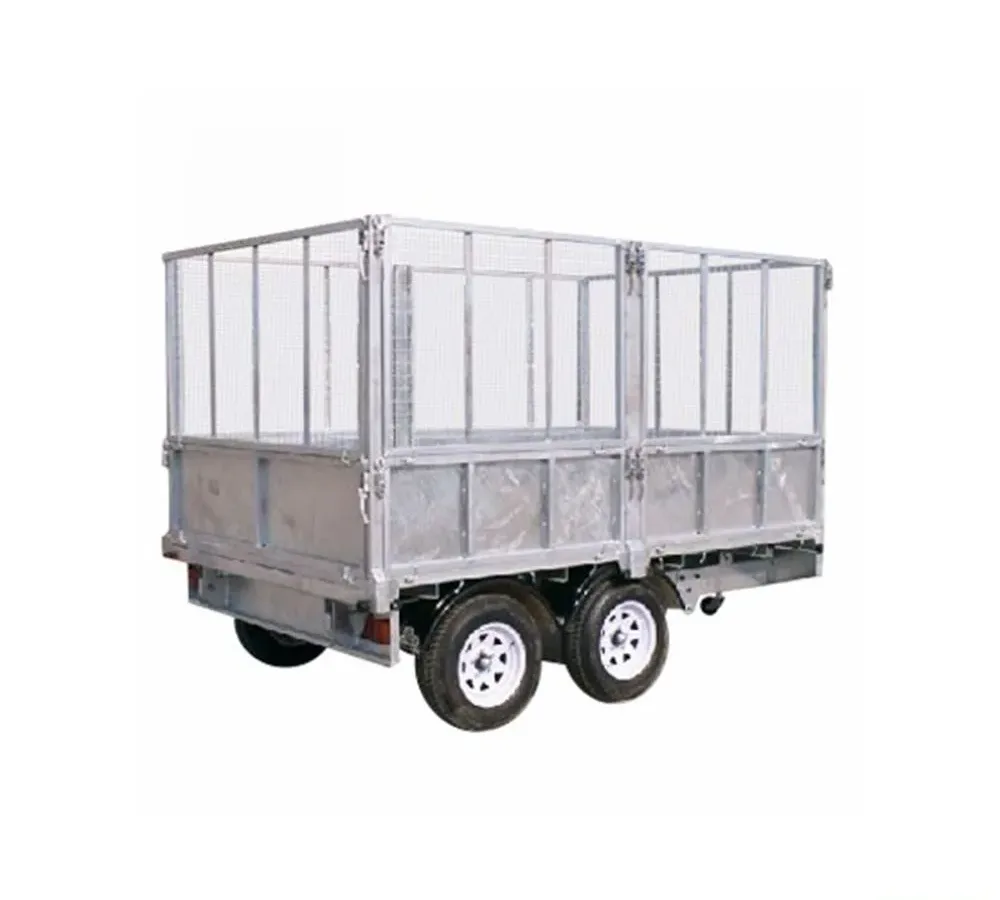
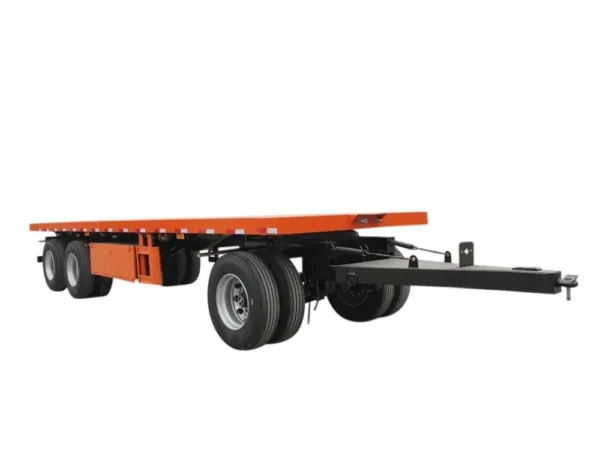
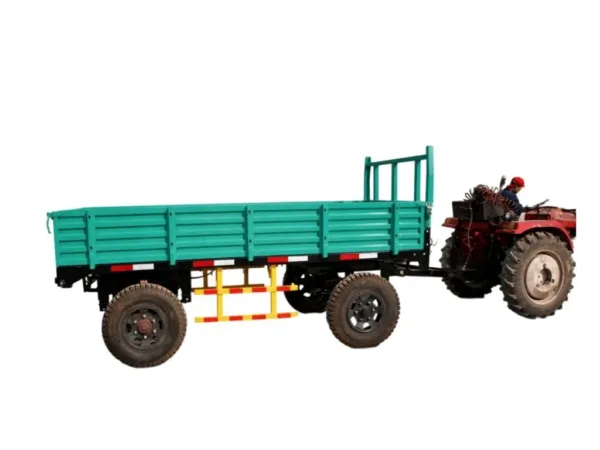
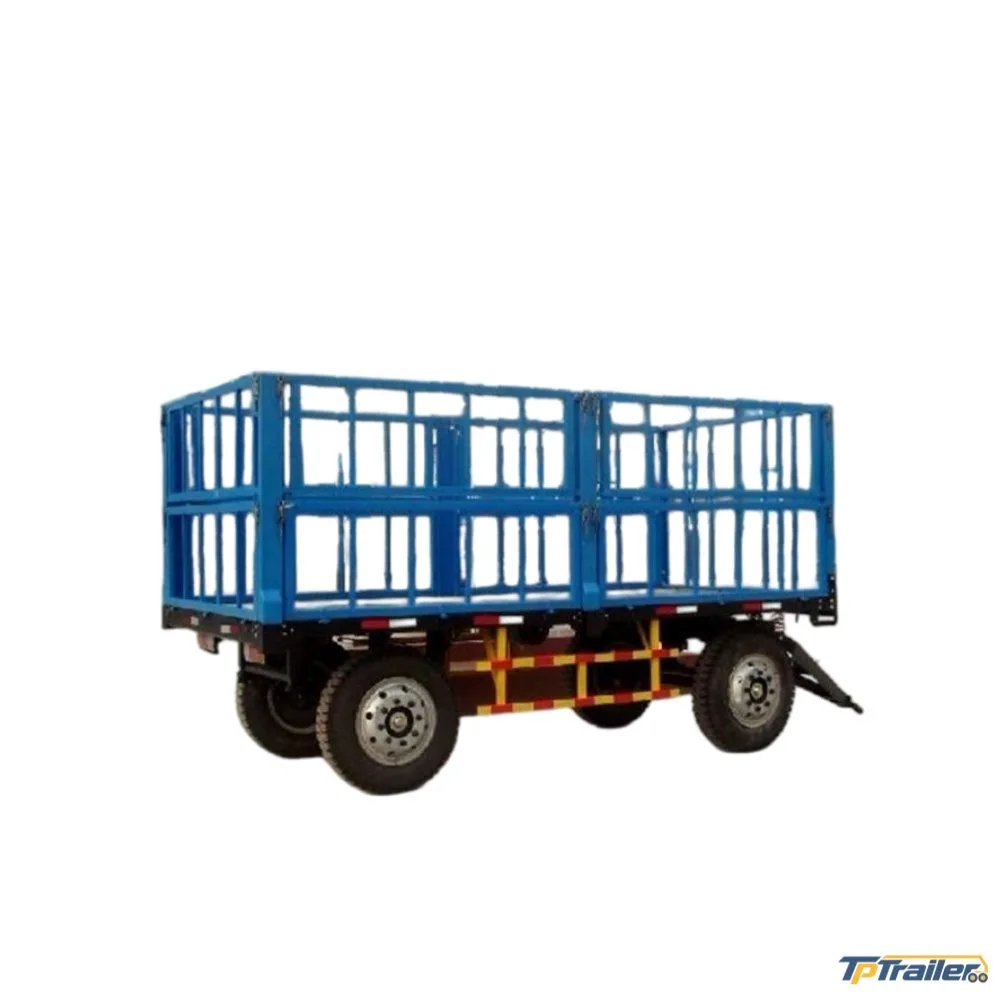
Haul cattle and horses with this livestock trailer, built with a 2-20T load capacity for farm and ranch work. A practical choice for livestock transport.
2-20T 3
FOB Reference PriceUS$3,500Final price confirmed by inquiry
Certifications
ISO 9001
Key Features
Galvanized steel construction for farm and yard use
Load capacity range of 2-20T across the model line
This livestock trailer is a galvanized towing trailer built for moving cattle, horses and farm stock behind a tractor or ATV. It suits mixed farms, breeding operations and haulage contractors who move animals between fields, yards and sale points. The single strongest reason to choose it is the load capacity range of 2-20T, which covers light stock runs and heavier multi-animal loads from one product family. The body is galvanized, so it stands up to wet yards, slurry and road spray without the paint upkeep a mild steel box demands. Size is customized, letting the deck and crate layout follow the animals you actually carry rather than forcing your herd into a fixed shell.
Table of Contents
Why It Works On Site
Load capacity from 2-20T. The rating spans light single-animal moves and full multi-head loads, so one livestock trailer model can serve a smallholding and a contractor fleet. You match the trailer to the heaviest load you routinely haul instead of buying two units for two jobs, and the same towing routine covers both daily field shifts and larger stock movements.
Galvanized construction. A galvanized body resists rust through wet bedding, manure and winter road salt. That means fewer repaint cycles and less downtime between hauls. For a farm running a livestock trailer weekly, the coating is what keeps the crate serviceable season after season without a workshop visit for corrosion repair.
Multi-purpose usage. The trailer is not locked to one cargo type. The same deck that carries stock can move feed, fencing materials or equipment between yards. Operators who need a livestock trailer for animals but also a general farm trailer for supplies get both roles from one registration and one towing setup.
Horse transportation application. The crate layout is aimed at horse movement, where a stable, enclosed box matters more than an open flatbed. Partitions and side walls keep animals contained in transit. For yards moving horses to pasture, farrier visits or events, this livestock trailer gives a dedicated animal transport body rather than an adapted goods trailer.
Customized size. Because the dimensions are set to order, the deck length and crate height follow your tallest animal and your usual head count. That avoids wasted deck space on a livestock trailer that is too long for tight yard lanes, or too short for the groups you actually move.
Tractor and ATV towing. The trailer is built for small towing vehicles, so it fits the tractors and ATVs already on most farms. You do not need a dedicated haulage truck to shift stock short distances, which keeps the livestock trailer working on internal farm routes as well as public roads.
Where It Is Used
The most common job for this livestock trailer is the short field-to-yard run. Cattle and horses move between grazing blocks, the handling race and the shed, often several times a week. These are low-speed routes on farm tracks, gateways and yard concrete, where a tractor-drawn trailer turns tighter than a rigid truck and does not need a second driver. The galvanized body takes the mud and bedding from those runs without corroding, and the enclosed crate keeps animals calm in familiar surroundings. Operators also use the same livestock trailer for moving stock to a neighbouring block when grazing rotates, so the trailer becomes part of the daily routine rather than a seasonal tool.
The second setting is the public-road stock movement: animals going to market, to a vet, to a show or to a new owner. Here the load capacity range matters, because a single-animal run and a full crate load are both covered by the same trailer family. A customized size lets the crate match the species being moved, so a horse box is not carrying empty space meant for cattle. Because the trailer is rated for small towing vehicles, farms that already run a tractor or ATV can handle these trips without buying a truck. The multi-purpose deck also earns its place on return legs, carrying feed, bedding or fencing back to the yard instead of running empty.
Choosing The Right Spec
Match load capacity to your heaviest routine load. The 2-20T range is wide, and the right point on it is set by the animals plus crate weight you move most often, not the occasional one-off. A smallholding moving a few head needs far less than a contractor hauling full loads. Choosing the livestock trailer at the lower end keeps towing demand within a smaller tractor’s capability.
Set the size around species and head count. Customized sizing means deck length and internal height should follow the tallest animal and the largest group you carry together. Horse transport needs standing height and headroom; cattle groups need floor area and partition spacing. Decide the livestock trailer dimensions from the real load, then confirm the towing vehicle can handle the combined weight.
Choose the towing vehicle first. Because the trailer suits tractor and ATV towing, the vehicle you already own sets the practical ceiling on capacity and size. A compact ATV suits light stock runs on internal tracks; a larger tractor opens up bigger loads and road work. Pick the livestock trailer variant that fits the hitch and towing limits you have rather than planning around a vehicle you do not own.
Weigh single-purpose against multi-purpose use. If the trailer will only ever move horses, spec it tightly for that job. If it will also carry feed, fencing or equipment, keep the deck flexible and treat the livestock trailer as a working farm asset. The multi-purpose design already supports both roles, so the decision is about how much of each you expect.
Customisation Before Delivery
Axle count. The livestock trailer can be ordered with the axle configuration that suits your towing vehicle and the loads you plan to carry. State the axle count you need at order confirmation so the chassis and running gear are built to match. The choice is settled at order confirmation, not after production starts.
Deck length and internal layout. Because the crate box is built to a customised size, the deck length and the internal dividing arrangement are agreed before the build begins. Tell us the animals you carry and the towing setup you use. The layout is locked in at order confirmation so fabrication follows one agreed drawing.
Suspension type. Suspension is chosen to suit the load range and the surfaces the livestock trailer will work on. Road work and yard work place different demands on the running gear. Confirm the suspension option you want when the order is placed, and it is fixed for that unit before assembly.
Tyres and wheels. Tyre size and wheel fitment are selected to match the axle set and the towing vehicle. Give the wheel pattern you need when ordering. The livestock trailer is then supplied on the agreed tyres, so spare wheels and towing height are settled from the start.
Finish and colour. The galvanized finish is the base protection, and the colour of the bodywork is chosen by the buyer. Colour and finish are confirmed at order confirmation. This keeps the livestock trailer consistent with the rest of your fleet and with your farm identification.
Fitting And Installation
On arrival, the buyer has to match the trailer to the towing vehicle before any load goes on. Check the coupling height against the drawbar of the tractor or ATV, confirm the hitch type and pin size, and verify that the safety chain or breakaway arrangement suits your setup. Look at the lighting plug and the cable routing, because a plug that does not match the vehicle means the trailer cannot be used legally until it is adapted.
Check the wheel bolt pattern if you ordered a specific fitment, and confirm the ramp or tailgate opening clears your loading bank. Where the input gives no fitment data, a fitment drawing is confirmed at quotation. Settle these points before the livestock trailer is dispatched, not after it lands in the yard.
A wrong size costs downtime, and on a farm that downtime lands in the middle of a movement. If the hitch does not match, the livestock trailer sits idle while an adapter is sourced. If the deck height is wrong for the loading ramp, animals are handled twice and the schedule slips. If the lighting plug does not match, the unit cannot travel on the road until it is rewired.
Each of these is a small mismatch that stops a whole job. The answer is to confirm the fitment drawing at quotation and to compare it against the towing vehicle before the order is released. Buyers who check the coupling, the plug and the loading clearance in advance avoid the most common causes of a trailer standing unused.
Service Life And Maintenance
Galvanized surfaces. The galvanized coating is the first line of protection on this livestock trailer. Walk the body and the chassis at regular intervals and look for scratches, chips or rubbed areas where the coating has been worn through. Touch up bare spots before rust starts. Keeping the coating intact is the cheapest way to extend the working life of the unit.
Wheels, tyres and bearings. Tyres and wheel bearings are among the first parts to show wear on any livestock trailer. Check tyre pressure and tread, look for sidewall damage, and listen for bearing noise when the trailer is moving. Confirm wheel nut torque against the figure supplied with the unit, and inspect bearings as part of routine servicing.
Brakes and coupling. The coupling and the brake linkage carry the highest mechanical load. Inspect the hitch for wear, check the safety chain or breakaway connection, and test the brakes before each loaded trip. A worn coupling lets the livestock trailer move on the hitch and adds shock to the whole frame. Replace worn parts before they affect towing behaviour.
Floor, gates and hinges. The deck floor, the internal gates and the hinges take constant wear from hooves and from loading. Check the floor for soft spots, confirm that gates latch securely, and lubricate hinge points. Loose or stiff gates slow handling and raise the risk of injury. Repair floor damage early so moisture does not reach the frame beneath.
Washing and storage. Manure and urine are aggressive on metal, so wash the livestock trailer after heavy use and let it dry with the gates open. Store it on firm, drained ground rather than wet soil. A clean, dry unit with an intact galvanized coating and a checked running gear will hold its condition far longer than one left dirty between jobs.
Packing And Container Loading
Each livestock trailer leaves the yard as a complete unit, so the packing question is really a transport question. The trailer is protected at the coupling, the lights and the exposed galvanised edges before it is moved to the port. Buyers should ask how the unit is braced inside the container or on the flat rack. A livestock trailer that shifts in transit arrives with bent panels and cracked lamps. Confirm the lashing points used and whether the supplier photographs the loaded unit before the doors close.
Stacking is limited because a livestock trailer is a finished towable, not a nested part. Ask the supplier whether the model can be shipped knocked down or with the crate box removed to save space. For a multi-purpose livestock trailer, partial disassembly may reduce the footprint, but it also means assembly work at destination. Verify on arrival that the galvanised coating is unmarked, the towing frame is straight and every gate and latch opens freely. Photograph any damage before unloading and check the unit against the packing list.
Common Mistakes Buyers Make
Ordering without checking the towing height. A livestock trailer must sit level behind the tractor or ATV. If the coupling height is wrong, the load transfers badly and the frame flexes. Measure the drawbar height of your towing vehicle and send it with the enquiry. One measurement avoids a return.
Ignoring the load capacity band. The stated load capacity is a range, not a single figure. Buyers who assume the top of the range suits their herd overload the axle and tyres. Confirm the exact capacity for your configuration in writing before you pay, and match it to the weight you actually tow.
Treating the size as fixed. The livestock trailer is offered with a customized size, so the dimensions are agreed, not standard. Buyers who order from a photo receive a box that does not fit their animals or their gate. Send the internal length, width and height you need and have them confirmed on the drawing.
Assuming the galvanised finish needs no care. Galvanising protects the steel, but cut edges and drilled holes are where corrosion starts. Buyers forget to ask how openings are treated. Ask the supplier to confirm how the finish is applied around the crate box and the gate frames, then inspect those areas on arrival.
Skipping the hitch and lighting check. A horse transportation livestock trailer is only safe if the coupling, breakaway provision and lights match your vehicle. Buyers discover the mismatch at the first trip. Confirm the coupling type and light plug before shipping, and test them the day the unit lands.
Buyer Questions
Can the livestock trailer be shipped knocked down to reduce freight cost?
This depends on the model and must be confirmed at quotation. A finished livestock trailer is normally shipped as a complete towable unit, which limits how much space can be saved. Ask the supplier whether the crate box or gates can be removed for transport and what assembly is then required at your end. Get the packed dimensions and weight in writing, then compare those figures against the container or flat rack you intend to book. Do not assume nesting is possible.
What should I confirm about the load capacity before ordering?
The specification gives load capacity as a band, so the figure that applies to your unit has to be fixed at quotation. Tell the supplier the weight you will regularly tow, including animals, feed and any equipment, and ask for the capacity of the exact configuration. Confirm the axle and tyre rating that go with it. A livestock trailer working near the top of its band needs the right running gear, and that is a written confirmation, not an assumption.
How is the customized size agreed and checked?
Because the size is customized, the internal dimensions are the first thing to settle. Send the length, width and height you need for the animals you carry, plus the overall length you can tow and park. Ask for a dimensioned drawing and check it against your towing vehicle and your access gate. Confirm the drawing in writing before production. The same drawing is then your reference when the livestock trailer arrives, so keep it with the shipping documents.
To price a livestock trailer for your farm, send the overall and internal length you need, the number of axles you want, and the quantity you plan to order. Add your towing vehicle and the load you carry, and the supplier can confirm the configuration, packing and freight in one quotation.
We use cookies to enhance your browsing experience, serve personalized content, and analyze our traffic. By clicking "Accept All", you consent to our use of cookies. Privacy Policy
Cookie Preferences
Required for the website to function properly. Cannot be disabled.
Help us understand how visitors interact with the website (Google Analytics).
Used to deliver personalized ads and measure ad campaign effectiveness.


















Write a Review