Steel Drawbar Dolly 40T Max Payload for 20ft Flatbed Trailer
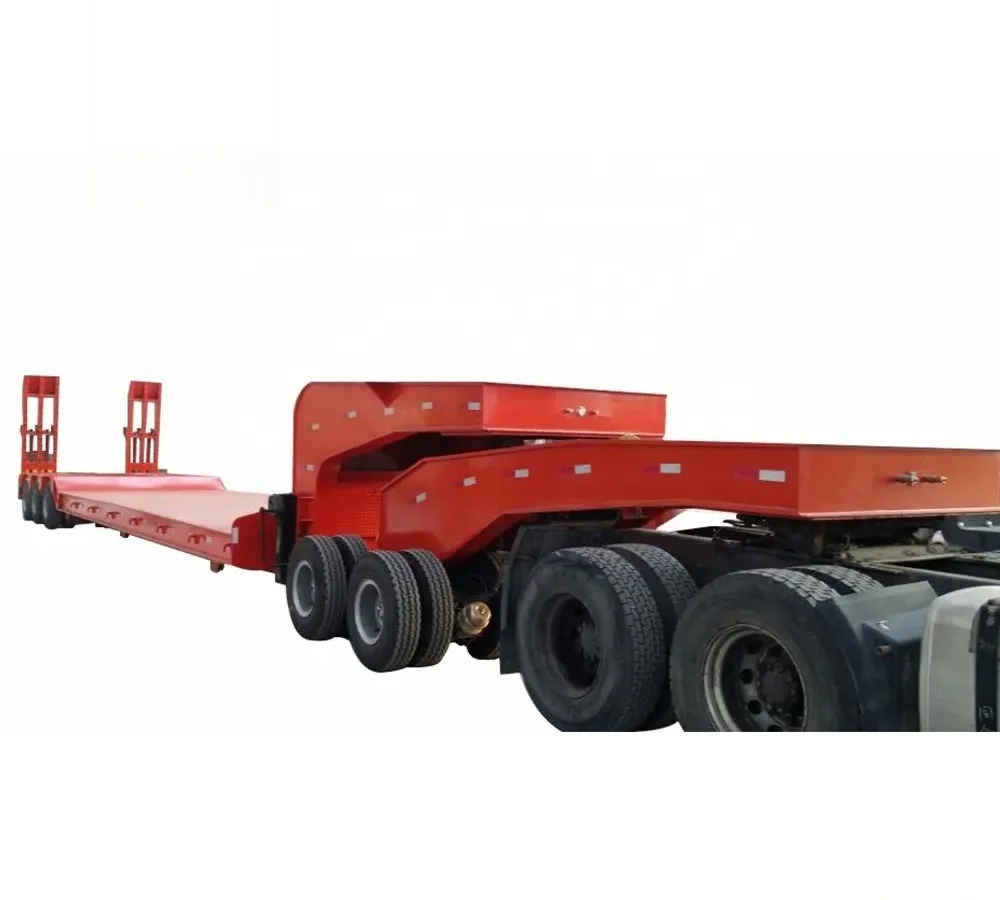
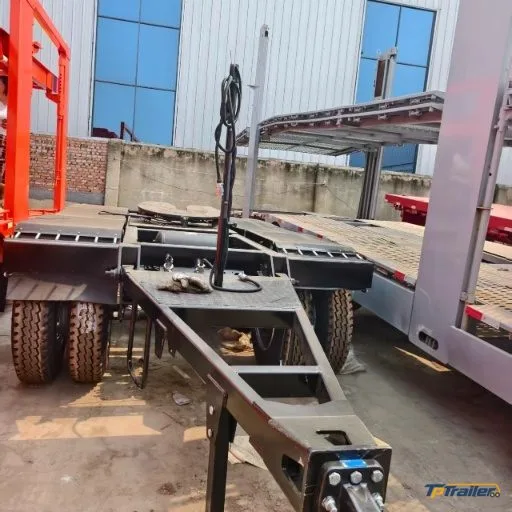
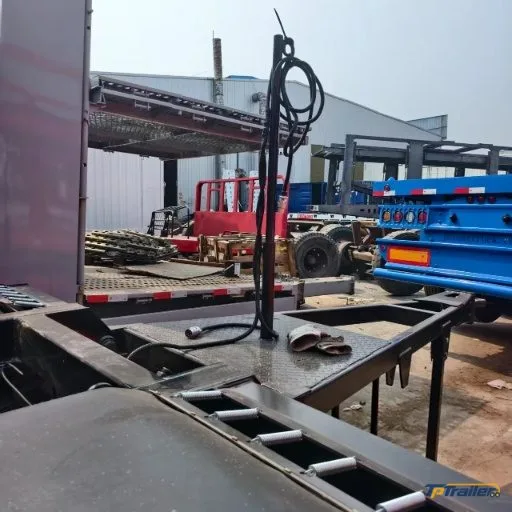
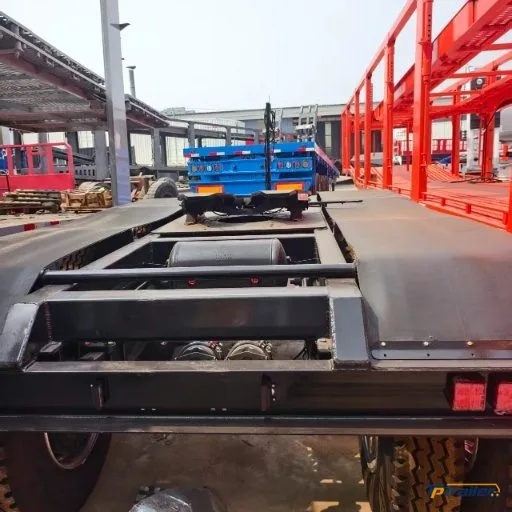
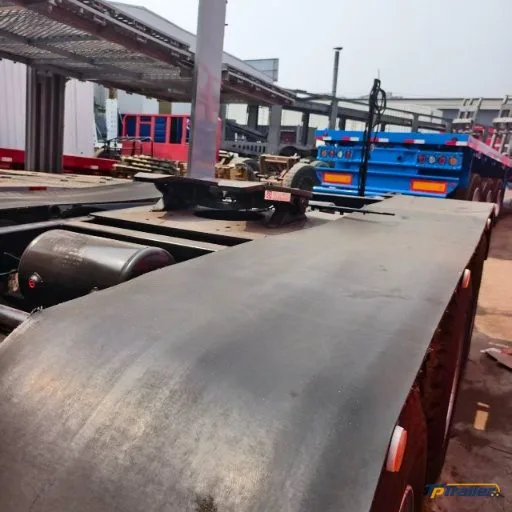
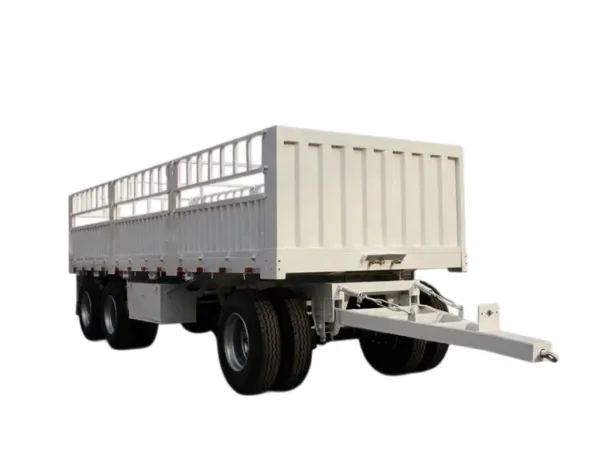
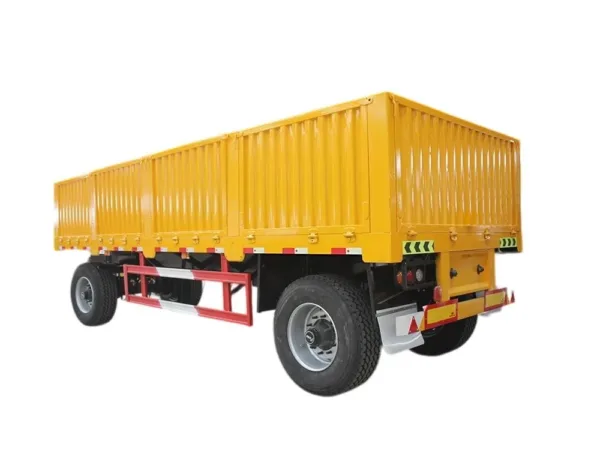
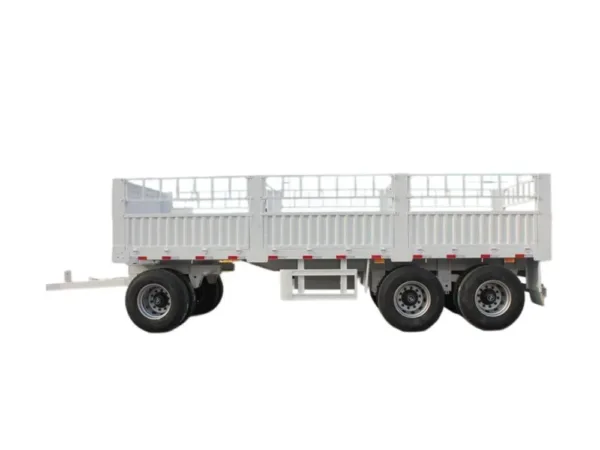
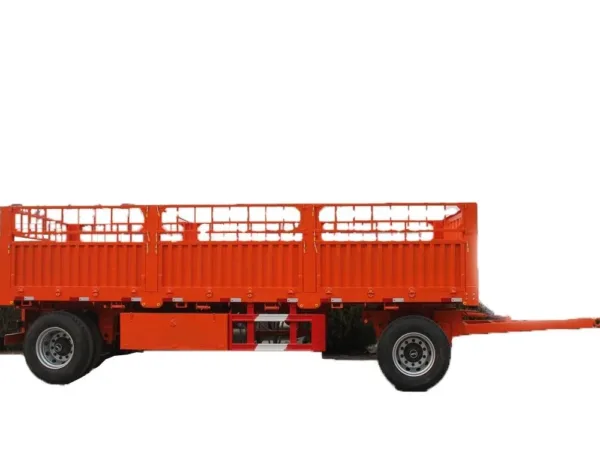
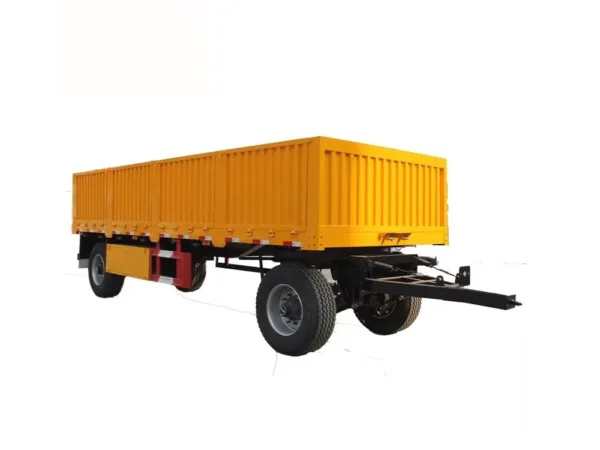
Steel drawbar dolly with 40T max payload for 20ft flatbed side wall full cargo trailers. Two special trailer axles, rear axle brake. Request a quote today.
40T 2
FOB Reference PriceUS$7,600-8,700Final price confirmed by inquiry
Certifications
ISO 9001
Key Features
40T load capacity for heavy cargo towing duty
Steel construction for durable farm and trailer use
Two special trailer axles support stable towing
Rear axle fitted with brake for controlled stopping
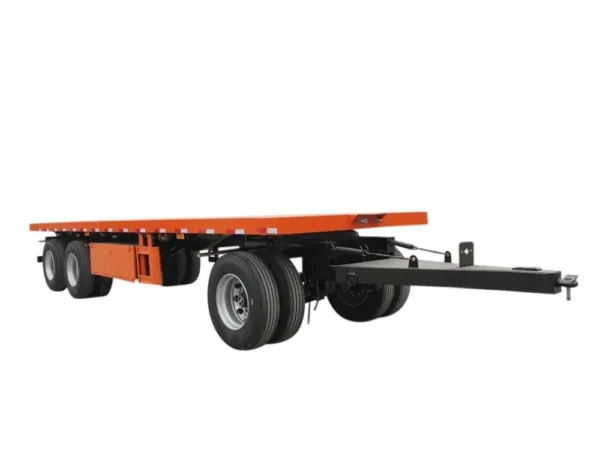
The steel drawbar dolly is the towing link that lets a farm tractor move a fully loaded 20ft flatbed side wall cargo trailer without overloading the tractor’s own hitch. It is a steel-built, two-axle towing frame with a 40T load capacity, made for fleet operators, depots and rental yards that already run tractors as yard horses. The strongest reason to choose it is the load path: the trailer’s tongue weight and running loads pass through two special trailer axles into the ground, so the tractor pulls instead of carrying. Colour and OE references are customised to match your existing fleet.
Table of Contents
Why It Works On Site
40T load capacity. The rating covers the dolly’s working load, so a full side wall trailer can be shunted at the weight it was loaded at. Operators stop splitting loads into two trips just to stay inside a light towing frame, which keeps yard cycles short and cuts the number of tractor movements per shift.
Two special trailer axles. Spreading the load across a twin-axle bogie keeps the steel drawbar dolly tracking straight behind the tractor instead of crabbing. That matters on narrow depot lanes and yard corners, where a single-axle frame would push the trailer nose wide and force a second pass.
Back axle with brake. Braking on the rear axle gives the steel drawbar dolly a way to hold back a rolling trailer on sloped ground and during tight turns. Yard crews get controlled stops at dock doors and ramps rather than relying on the tractor alone to arrest a loaded trailer.
Steel construction. A steel frame takes impact, abrasion and repeated coupling without the flex that softer materials show. For a steel drawbar dolly used daily in loading bays, that means fewer alignment problems at the eye and a frame that keeps its shape through years of hooking and unhooking.
Customised colour. Colour is specified to order, so the steel drawbar dolly can carry your fleet livery. Depots with several tractor types can colour-code dollies by route or by trailer group, which makes allocation at the gate faster and reduces mis-pairing between units.
Customised OE reference. The OE number is set to your requirement, so the steel drawbar dolly can be logged against your own parts system. Stores teams then order, track and replace units under a reference that matches their existing records instead of a supplier-only code.
Where It Is Used
Fleet operators use the steel drawbar dolly wherever a tractor has to move a 20ft flatbed side wall trailer that the tractor cannot safely carry on its own hitch. Typical jobs are yard shunting, dock spotting and moving loaded trailers between storage rows. A side wall trailer loaded with bagged feed, seed, fertiliser or palletised goods is heavy at the nose, and the dolly takes that tongue weight through its own axles.
The tractor then supplies traction and steering only. Routes are short and repetitive: from the loading bay to the weighbridge, from the wash point to the parking line, from one shed to another. The steel drawbar dolly suits that stop-start pattern because the twin-axle bogie keeps the trailer aligned through gates and turns, and the braked back axle helps hold the combination on sloping concrete.
The same steel drawbar dolly fits seasonal and overflow work where a road tractor is not available or not justified. Harvest peaks, livestock feed deliveries and building-material drops often need a loaded trailer repositioned inside a site boundary, across a farm yard or along a private access track. Crews hook the dolly to the tractor, couple the trailer and move the load without waiting for a road unit.
Because colour is customised, sites that share equipment between yards can mark each steel drawbar dolly for its own route group. The 40T load capacity covers the heavy end of that work, so the same unit handles a part-loaded trailer in the morning and a full one at peak. Braking on the back axle also helps when a loaded trailer has to be parked on a slight grade between jobs.
Choosing The Right Spec
Match the load rating to your heaviest trailer. The 40T load capacity is the ceiling for this steel drawbar dolly. Check the gross weight of the fullest 20ft flatbed side wall trailer you expect to move, then confirm the dolly covers it. Operators who routinely run at the top of the range should keep one unit dedicated to those jobs rather than mixing it into light yard work.
Decide by axle and brake layout. The two special trailer axles with a braked back axle suit sites with ramps, slopes and tight dock approaches. If your routes are flat and short, the same steel drawbar dolly still works, but the braked rear axle is what earns its place on graded ground and in stop-start spotting.
Set colour and OE reference at order. Both are customised, so settle them before the build. Colour coding by route or trailer group speeds allocation at the gate. An OE reference that matches your parts system keeps the steel drawbar dolly traceable in stores and simplifies reordering when a fleet adds units.
Size the fleet to your trailer count. Price tiers step down as order quantity rises, so the number of dollies you buy changes the unit cost. Count the trailers that need shunting at peak, then decide how many units stay coupled and how many sit spare. A larger order of the steel drawbar dolly lowers the per-unit figure and covers peak demand without renting.
Customisation Before Delivery
The colour of the steel drawbar dolly is customised to your fleet standard. Tell us the shade you want at order confirmation, together with the paint or finish you expect on the frame, and we build to that choice. Colour is settled before production starts, not after, so the unit arrives ready to blend with the trailers it serves.
Axle configuration is fixed at order confirmation. The standard build uses two special trailer axles, and the braking arrangement on the rear axle is part of that decision. Buyers who run mixed fleets should confirm the axle layout they need before signing, because changing it later means rebuilding the running gear rather than repainting it.
OE numbering is customised, so the steel drawbar dolly can carry your own reference on the plate and paperwork. Supply the number you want stamped or printed when the order is confirmed. This keeps spare-part records, workshop manuals and procurement systems aligned with the rest of your trailer inventory instead of creating a new line item.
Material choice is steel as standard, and the build is confirmed against your stated duty at order confirmation. If your operation calls for a heavier section or a different steel grade, raise it at that point. The steel drawbar dolly is then fabricated to the agreed specification rather than adjusted on the dock.
The certificate package, CCC and ISO9001, is part of the standard build and is declared on the documents that travel with the unit. Confirm at order confirmation which documents your customs broker or fleet auditor needs to see, so the paperwork set is complete when the steel drawbar dolly is ready for dispatch.
Fitting And Installation
Fitting starts with the towing interface. The steel drawbar dolly has to sit at the correct height relative to the tractor hitch and the trailer being moved, so measure the coupling height on both machines before the unit arrives. Check the mounting points on the trailer side wall, the pin or bolt diameters and the spacing between them.
Confirm the tube size and hose routing for the brake line on the rear axle, because a line that runs tight across a pivot will chafe once the combination articulates. If the input gives no fitment drawing, ask for one to be confirmed at quotation, showing the coupling geometry and the mounting pattern, and compare it against your trailer before you commit. A wrong size discovered on arrival costs downtime: the tractor sits idle, the trailer cannot be repositioned, and the workshop has to rework brackets instead of putting the unit to work.
Installation itself is a sequence, not a single lift. Position the steel drawbar dolly on level ground, align the mounting points with the trailer, and check that the frame sits square before tightening anything. Route the brake hose with slack at the articulation point and secure it away from sharp edges and hot surfaces.
Bring fasteners up in stages, working diagonally, and use the torque values stated in the documentation supplied with the unit; if no values are stated, have your workshop foreman confirm them against the fastener grade rather than guessing. Test the brake operation on the rear axle before the first loaded run. A misaligned steel drawbar dolly shows up quickly as uneven tyre wear or a pulling tractor, and correcting alignment after the first job is more expensive than checking it during the fit.
Service Life And Maintenance
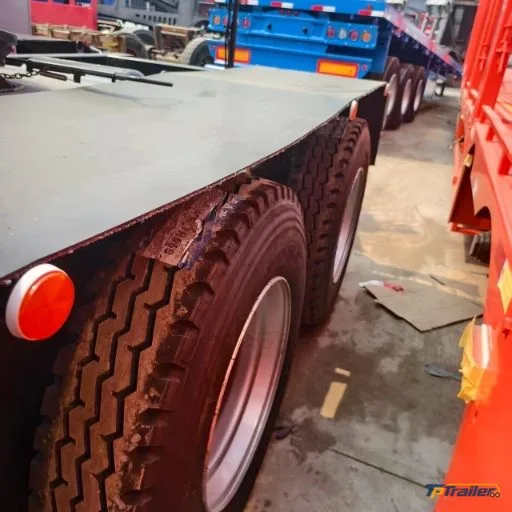
Tyres and wheel bearings are usually the first items to show wear on a steel drawbar dolly, because they carry the load and absorb every turn. Inspect tread depth, sidewall condition and bearing play at each pre-use check. A steel frame outlasts its running gear, so watch the wheels rather than the paint when judging condition.
Check the brake on the rear axle as a routine item. Look at lining thickness, drum condition and the hose routing along the frame. A hose that rubs against steel will fail before the lining does, so secure it and inspect the full run each time the unit is coupled. Brake performance is the property to verify, not just the presence of parts.
The coupling and mounting points take the towing load and the shock of every start and stop. Inspect pins, bolts and brackets for elongation, cracking or loosening. Retorque fasteners to the documented values after the first loaded runs, then at each scheduled service. Loose mounting hardware is the most common cause of premature wear on a steel drawbar dolly.
Steel frames need their coating kept intact. Walk the unit and look for chips, scratches and areas where water sits. Touch up bare steel promptly, and specify the customised colour and finish at order confirmation so the coating suits your climate. A maintained coating extends the interval before corrosion inspection becomes repair work.
Keep the load within the rated capacity and distribute it evenly across the deck. Overloading shortens tyre and bearing life and stresses the frame. Record each inspection so wear trends are visible, and replace worn running-gear parts before they damage the axles. The steel drawbar dolly rewards a simple, regular inspection routine with a long working life.
Packing And Container Loading
Each steel drawbar dolly is cleaned and dried before packing. Steel surfaces that are exposed during sea freight receive a protective coating to limit surface rust from condensation inside the container. The drawbar, axle assemblies and brake components are braced so they cannot shift against the container walls. Buyers who need a particular coating or finish should state it on the order, because the surface treatment is not fixed by the standard build. Loose fasteners are packed separately and labelled. The packing list should match the units and components shipped, so check it against the crate markings before the container is closed.
A steel drawbar dolly is a heavy, welded structure, so nesting and stacking are limited. Units can be placed side by side and, where the frame allows, partly overlapped to reduce unused floor space, but they must not be stacked in a way that loads the drawbar or brake parts. Ask the supplier for a loading plan before booking freight. On arrival, check the container seal, look for shifted or crushed packing, and confirm the quantity and the brake configuration against the order. Photograph any damage before unloading.
Common Mistakes Buyers Make
Ordering without confirming the trailer interface. The coupling point, drawbar height and mounting pattern must match the towing trailer, and a mismatch is the most common reason a steel drawbar dolly is returned. Send the trailer’s coupling dimensions and a photo of the connection area with the enquiry, and ask the supplier to confirm the interface in writing before production starts.
Treating the load capacity as a single figure. The rating applies to the complete unit in its intended use, not to every axle or every towing condition. Check how the load is distributed and what the axles are rated for as a pair. Ask for the load rating stated per axle and confirm it covers your heaviest load, including the trailer’s own weight where it bears on the dolly.
Ignoring the brake arrangement. Only the rear axle carries brakes, so the towing vehicle and the trailer’s own system must suit that layout. Confirm the brake type, the connection method and how the brakes are actuated before ordering. A steel drawbar dolly built for a different braking setup will not pass a road check, and retrofitting brakes after delivery is costly.
Assuming a standard colour and finish. The colour is customised, so the finish is agreed per order, not taken from a photo. Confirm the colour reference and the surface treatment in writing on the order confirmation. If the finish matters for fleet identification or resale, request a sample or a photo of the coated part before the full batch is packed.
Leaving documentation to the last minute. The certificate and OE number references are part of the product data, but the documents you need for import and registration depend on your market. List the certificates and markings your authority requires, and confirm with the supplier which documents ship with the steel drawbar dolly before the order is placed.
Buyer Questions
Can the steel drawbar dolly be shipped with other trailer equipment in one container?
It can share a container with other equipment where the loading plan allows. Because the unit is heavy and welded, it should sit on the container floor with the weight spread and the drawbar braced, not placed on top of lighter cargo. Send the dimensions and weights of everything you plan to ship together, and ask for a loading plan before booking. Confirm the total quantity and the mix of units at quotation.
What should I check when the container arrives?
Check the seal number against the shipping documents, then inspect the packing for crushing or movement. Confirm the quantity of steel drawbar dolly units and that each one carries the agreed colour and brake configuration. Look for surface rust on exposed steel and photograph anything you find before unloading. Compare the delivery against the packing list and the order confirmation, and report discrepancies to the supplier in writing while the container is still open.
How do I confirm the axle and brake setup suits my trailer?
Send the towing trailer’s coupling dimensions, the expected load and the way your trailer’s brakes are actuated. Ask the supplier to confirm the axle arrangement and that the rear axle brake setup matches your system. Request the confirmation in writing on the order. Where the input does not cover your combination, the answer is confirmed at quotation, so state your requirements clearly before the order is placed.
To receive a quotation for the steel drawbar dolly, send the overall length you need, the axle count and the quantity you plan to order. Include your trailer’s coupling dimensions and any colour or documentation requirements. With those details, the supplier can confirm the configuration, the price tier for your volume and the packing plan.
We use cookies to enhance your browsing experience, serve personalized content, and analyze our traffic. By clicking "Accept All", you consent to our use of cookies. Privacy Policy
Cookie Preferences
Required for the website to function properly. Cannot be disabled.
Help us understand how visitors interact with the website (Google Analytics).
Used to deliver personalized ads and measure ad campaign effectiveness.














Write a Review