



Heavy duty steel semi-trailer with 30000 kg load capacity for truck trailer fleets. Built for demanding haulage work; quotes available on request.






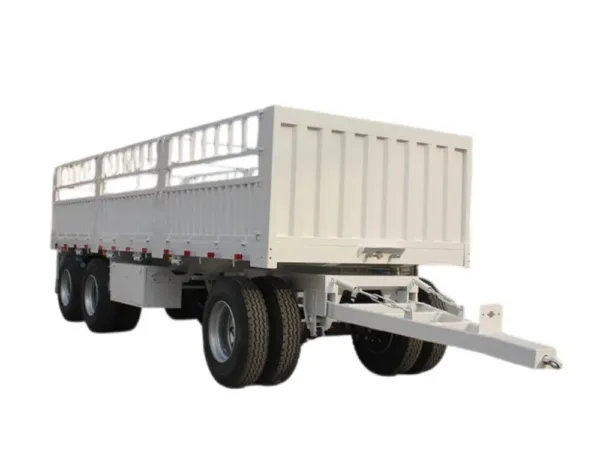
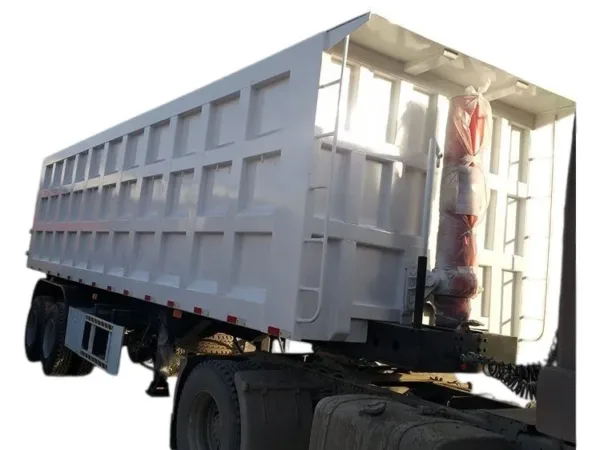
Fleet operators comparing semi-trailer options for heavy haulage need a platform that survives daily loading cycles, and this heavy duty truck trailer is built for exactly that duty. It is a steel semi-trailer with a rated load capacity of 30000 KG, aimed at haulage contractors and agricultural logistics businesses that move bulk cargo on paved routes. The strongest reason to choose it is the payload headroom: the steel structure and running gear carry the rated load without asking the operator to split a consignment across two units.
The most common duty for this semi-trailer is bulk agricultural haulage. Grain, wheat, barley and maize move from field edges and farm stores to mills, feed plants and port silos, often on tight harvest schedules where every hour of daylight counts. The rated load capacity lets an operator take a full combine output in one movement, and the steel body copes with loading by auger, bucket and telehandler. The same trailer handles bagged fertiliser, seed and feed on return legs, so the unit is not idle between harvests. On mixed farms it also moves silage bales, straw and manure, where rough loading and uneven yard surfaces are normal and a steel structure earns its place.
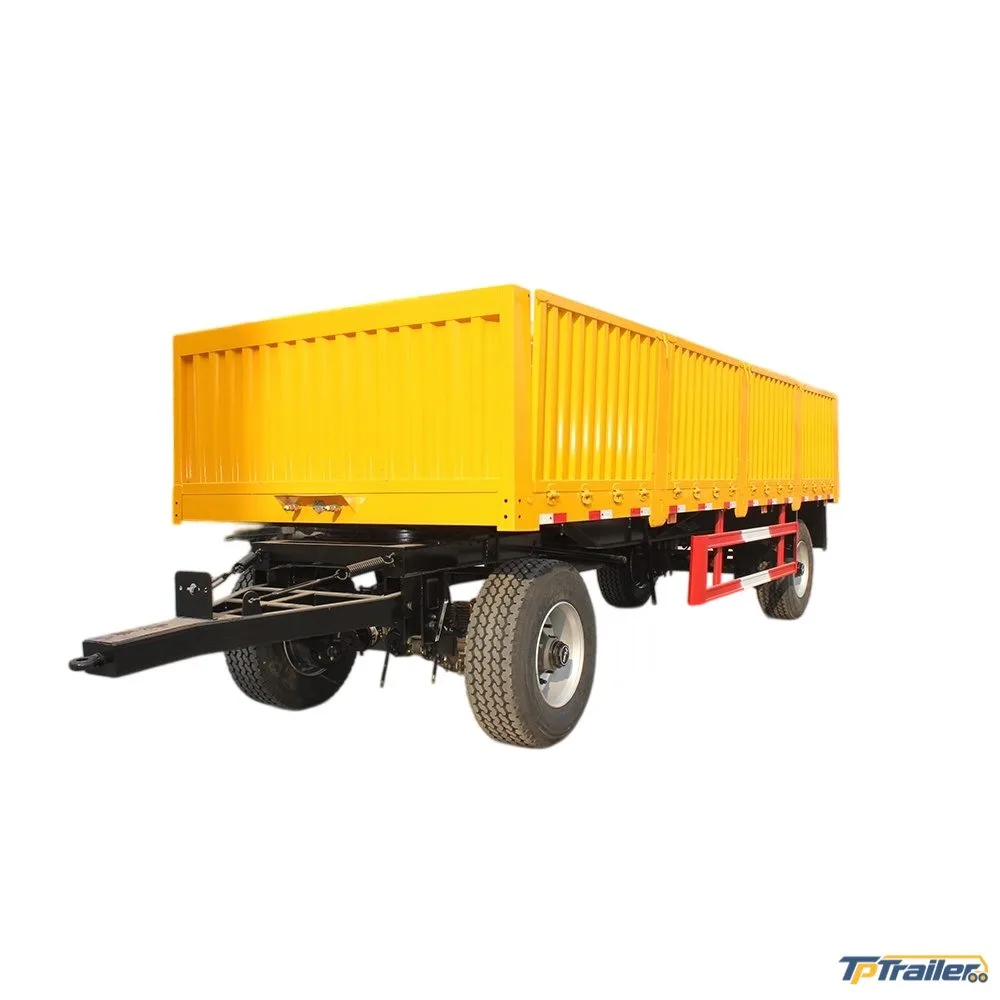
Beyond the farm gate, this heavy duty truck trailer fits construction and general freight work. Aggregate, sand, gravel and soil move from quarries and pits to building sites, and the steel body takes the abrasion of tipped loads without needing a lined interior. Palletised goods, timber, fencing materials and machinery move on flatbed and dropside configurations of the same semi-trailer, which makes it useful to operators who cannot keep a dedicated trailer for every cargo type. On paved regional and highway routes the layout gives stable tracking at speed and predictable braking under load, so a single unit can cover depot-to-site runs, backloads and seasonal contract work without a change of equipment.
Customisation on this semi-trailer is agreed at order confirmation, so the build matches the duty cycle the buyer describes rather than a stock layout. The choices below are the ones that change how the unit performs in daily work, and each one is settled before production starts.
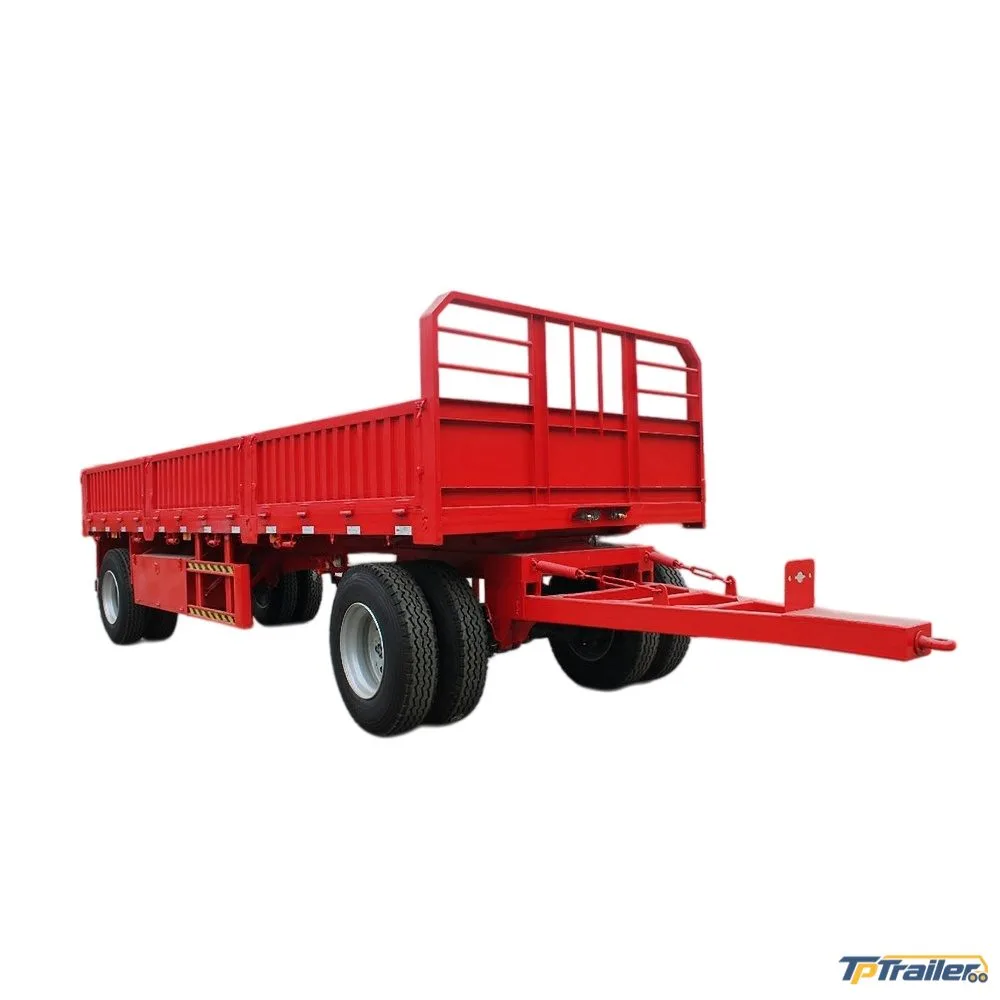
Fitting starts with the tractor. The coupling height, the kingpin position and the clearance around the rear of the cab all have to line up before the semi-trailer is backed under. Measure the fifth wheel height on level ground and compare it with the coupling height you specified. Check that the landing legs clear the ground when raised and that the mudguards sit clear of the tyres through the full suspension travel.

Where the input gives no fitment data, a fitment drawing is confirmed at quotation instead of being assumed. That drawing carries the mounting points, the tube sizes and the hose routing for the air and electrical lines. Work from it rather than from the old trailer, because a unit built to a different drawing will not line up.
A wrong size costs downtime that is easy to avoid. A coupling that sits too high or too low loads the kingpin and the tractor frame unevenly, and the semi-trailer will not tow level. Air lines cut too short pull tight on full articulation, and lines left long can snag on the landing gear. Electrical plugs that do not match the tractor socket leave the lights dead and the unit off the road. Each of these faults is found at the yard, not on the highway, but only if the fitment drawing is checked before the first coupling. Confirm the drawing at quotation, fit to it, and the unit goes into service without a second visit to the workshop.
First coupling is a separate step from the drawing check, and it deserves its own routine. Back under slowly and watch the kingpin enter the fifth wheel jaws before the tractor takes any weight. Listen for the lock to close, then tug test at low speed with the trailer brake applied. Raise the landing gear fully and stow the handle, connect the air lines in the order the tractor maker specifies, and check the ride height settles at the figure on the drawing. A semi-trailer that has been coupled correctly on day one gives the driver a baseline to compare against on every later hook-up, which is how small faults are caught before they become roadside failures.
Each semi-trailer is prepared for sea freight with the chassis cleaned and the exposed steel surfaces coated for transport. Loose items such as ramps, lights and small fittings are boxed and strapped to the deck rather than shipped loose. Hydraulic lines and electrical harnesses are tied back so they cannot rub against the frame during handling. The buyer should confirm with the supplier which protective coating is applied and whether any parts are removed for shipping. Ask for loading photos before the container is sealed, because a semi-trailer is a large unit and the packing method affects both arrival condition and unloading time at destination.
Container loading depends on the trailer configuration and the container size chosen. A unit of this class is not a small part and cannot be nested like a bracket or a bearing; space is saved by shipping knock-down or partly disassembled units where the supplier offers it. Confirm before ordering whether the unit ships whole or in sections, and how many units fit in the selected container. Ask for the loading plan in writing, including the position of the centre of gravity and the lifting points. Verify on arrival that the frame is straight, the coating is intact, and the boxed fittings match the packing list, and photograph any damage before unloading.
Measure the towing vehicle’s coupling height and the drawbar connection point, then measure the space where the trailer will be parked and turned. Check the width of gates and yard entrances against the trailer width. Note the deck length and height you need for your cargo. Send these measurements with your enquiry so the supplier can confirm the configuration. If any measurement is unclear, ask for a drawing to check before production starts, because a semi-trailer built to the wrong dimensions is difficult to correct after delivery.
Whether a semi-trailer fits a single container depends on the unit length and the container size, so this is confirmed at quotation. Ask the supplier for the shipping configuration and the loading plan before you book freight. Confirm who loads the container at origin and who unloads at destination, and whether lifting equipment is needed on arrival. Request loading photos before the container is sealed, and keep the packing list with the shipping documents so the unit can be checked at destination.
The input does not list documents, so the document set is confirmed at quotation. Ask which commercial and transport documents are issued with the shipment and whether a packing list and loading photos are included. Confirm the specification sheet that the unit is built to, and keep it for inspection on arrival. Check the frame, coating, lights, brakes and boxed fittings against that sheet before unloading. Report any shortage or transit damage in writing to the supplier and the carrier before the unit leaves the port.
To receive a quotation, send the overall length you need, the axle count and configuration, and the quantity you plan to order. Add your coupling type, brake and lighting requirements, and the destination port. With those details the supplier can confirm the build, the shipping configuration and the price tier for your order. For a fleet that runs loaded ground every week, this semi-trailer is a straightforward way to add rated payload capacity without adding a second driver.
Explore more Semi-Trailer in this range.
| Load Capacity | >30000 KG | Type | Semi-Trailer |
|---|---|---|---|
| Max Payload | >30000 kg | Place of Origin | China (Mainland) |
| Province | Guangdong | Use | Truck Trailer |
| Material | Steel | Size | 1280*728(optional) |
| Dimensions | 1250 × 250 × 150 | ||


No reviews yet — click the Review button on the right to share your experience with this product.











Fill in the form below and our team will respond within 24 hours.
Write a Review