
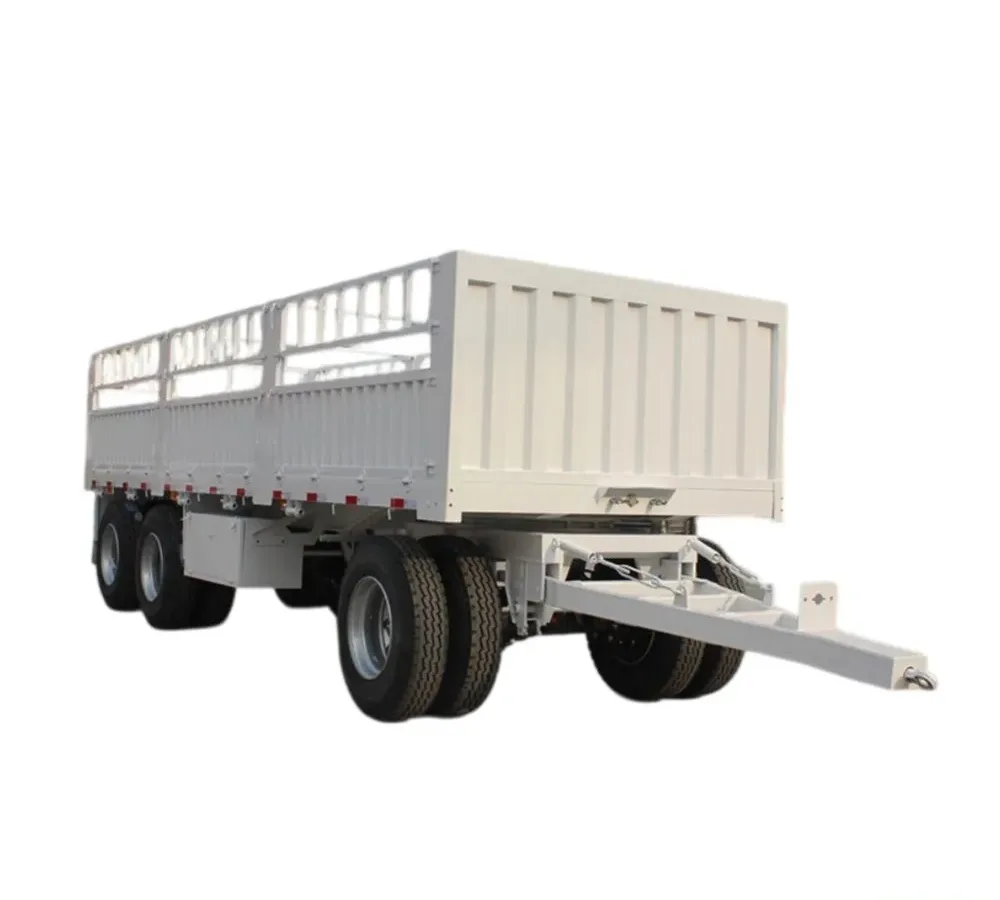

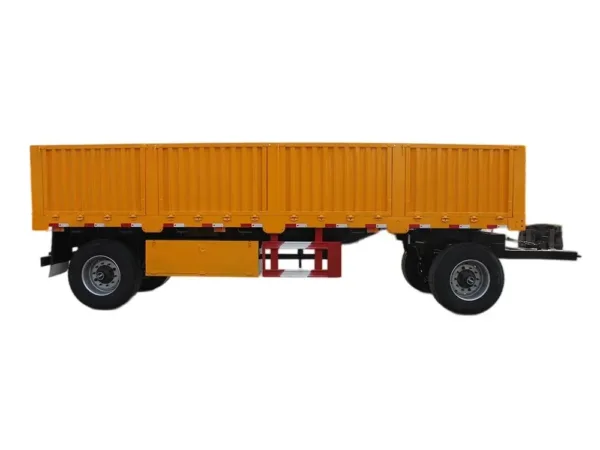
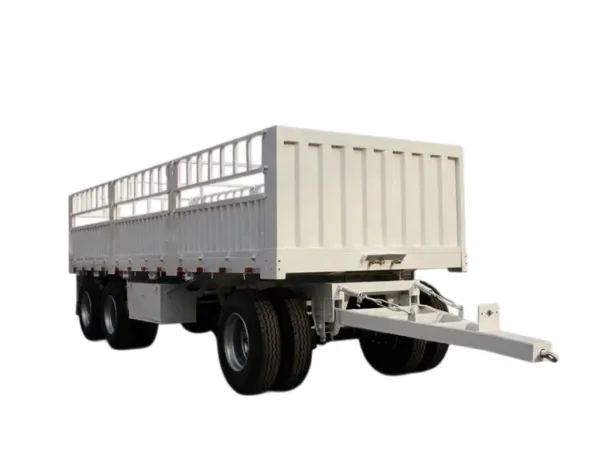
The Mini Full Trailer is a full steel box semi-trailer built for truck haulage, with a load capacity of >30000 KG for heavy-duty freight transport.
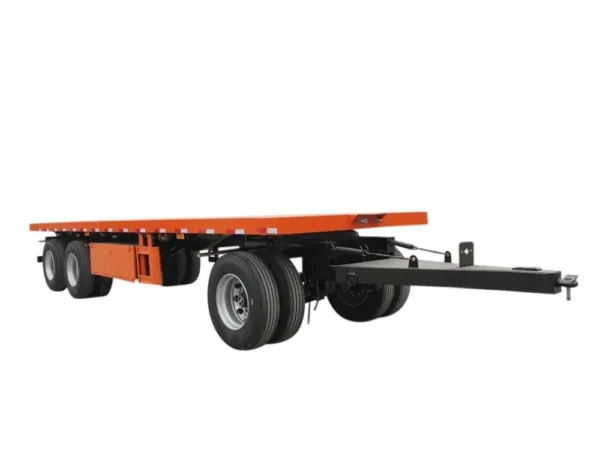


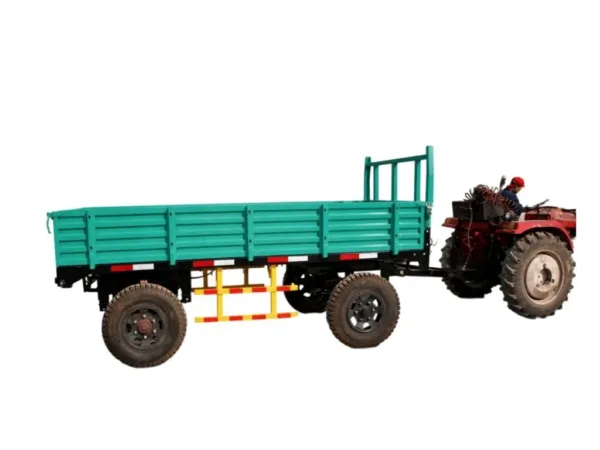


The Mini Full Trailer is a full-steel box semi-trailer built for fleets that move dense, high-volume loads on fixed routes. It pairs a rigid steel box body with a semi-trailer chassis, so one tractor unit can drop a loaded box and pick up an empty one without waiting on a crane. It suits haulage operators, farm contractors and depot managers who need predictable payload rather than a specialised body. The single strongest reason to choose it is the load capacity of 30000 KG, which lets the same trailer handle bulk cargo, palletised goods and equipment without a second unit on standby. The compact footprint keeps it manageable in tighter yards and farm lanes.
Fleet operators use the Mini Full Trailer for bulk and bagged cargo on regular supply routes. Typical jobs include moving feed, seed and fertiliser from a store to farm yards, and hauling sand, gravel or soil between a depot and a work site. Because the load capacity of 30000 KG covers dense material, the same unit can run a full load of bagged goods in the morning and a load of stone in the afternoon.

Depots use it for palletised stock transfers between warehouses, where the enclosed box keeps cartons dry and secure. On construction supply runs, a Mini Full Trailer carries tools, fittings and site equipment alongside bulk material, so one trip serves several drops. The steel box also suits scrap, timber offcuts and other awkward loads that are hard to secure on a flatbed.
On farm and estate work, the Mini Full Trailer fits routes that mix field access with public road running. Contractors use it to move machinery spares, fencing materials and harvested bagged produce between fields, yards and stores. The compact body helps on narrow tracks and tight gateways where a longer box trailer would need extra handling.
For hire and rental fleets, the semi-trailer coupling allows a Mini Full Trailer to be parked loaded and collected later, which suits short-notice jobs. Waste and recycling operators use the enclosed body for collected material that must not blow out on the road. In each case the working pattern is the same: load at one point, run a fixed route, unload, and repeat, with the rated payload setting the plan for the day.
On arrival, the buyer has to match the Mini Full Trailer to the tractor unit that will pull it. Check the coupling height and the mounting points on the drawbar first. Then confirm the hydraulic and electrical connections line up, including tube size on any line you add and the routing of hoses along the chassis. A fitment drawing is confirmed at quotation, so the interface between trailer and tractor is agreed before the build starts rather than corrected in the yard. Walk the coupling, the lights and the brake connections before the first loaded run.


A wrong size at this stage costs downtime, not just a return. If the drawbar height does not match the hitch, the box body sits at the wrong angle and the load shifts forward or back. If a hose route is too tight, the line chafes against the chassis and fails under pressure. Each mismatch means the Mini Full Trailer sits idle while parts are sourced. Because the interface is fixed at quotation, the buyer should measure the tractor and share those figures early. That single step protects the whole installation schedule.
The first loaded run is the real commissioning test, and it deserves a planned route rather than an urgent job. Load the box to a known weight below the rating, run the intended circuit, and stop after the first few kilometres to check hub temperature, coupling play and hose clearance. Repeat the check at the end of the run. A Mini Full Trailer that tracks straight and brakes evenly when loaded is ready for service; one that pulls or drifts needs attention before it joins the duty roster. Log the weights and the findings so the next unit in the fleet can be commissioned against the same baseline.
The Mini Full Trailer is a large steel assembly, so sea freight protection starts with surface care. Exposed steel faces are coated before dispatch to limit rust during transit. Loose items such as pins, lights and fittings are packed separately and labelled. The buyer should confirm the coating type and packing method at quotation. Ask whether the box body is shipped assembled or in sections. That single answer decides how much space the unit takes and how much reassembly work waits at destination.
Space saving matters because a Mini Full Trailer is bulky even when partly dismantled. Stacking and nesting depend on the design and on how the supplier breaks the unit down. Some builds allow the box to sit on the chassis frame with wheels removed; others ship whole. Ask for the loading plan before you book freight. Verify the packed dimensions against the container you intend to use. Confirm lashing points and whether blocking is included. On arrival, check the coating, the frame for bending, and the count of loose parts against the packing list.
Lashing is where transit damage is usually decided. A steel box has flat faces and hard edges, so straps need protection at the corners or they cut themselves on the frame. Ask how the supplier secures the assembly inside the container and whether timber blocking is placed under the chassis to stop it sliding. Photograph the load before the doors close if you can arrange it. A Mini Full Trailer that arrives with a square frame and an intact coating saves a week of rectification that no freight saving can repay.
That depends on the packed dimensions and how far the supplier dismantles the unit. Ask for the packed length, width, height and weight in writing, then compare them with the internal dimensions of the container you plan to book. If the assembled unit is too large, ask whether the box body can ship separately from the chassis. Confirm the loading plan and lashing arrangement at quotation. Do not assume the unit fits a standard container until the supplier confirms the packed figures.
Confirm the axle count, the load rating per axle and the brake type, since these decide whether the Mini Full Trailer suits your routes and local rules. Ask whether the braking system is air or another type, and whether it matches the towing truck. State the tyre size and whether a spare is included. Put every one of these on the purchase order. Where the supplier has not stated a figure, treat it as confirmed at quotation only.
Start from the load capacity and subtract the weight of any added fittings, spare wheel and tools you plan to carry. Then compare the result with the heaviest load you will actually move. Ask the supplier what the load capacity figure covers and whether it is rated for the complete unit as configured. Request the axle and tyre specification that supports it. If your cargo is close to the limit, confirm the rating in writing before you order.
To quote a Mini Full Trailer, send the box length you need, the axle count and brake type, your towing truck coupling details, and the quantity you plan to order. Add your destination port so freight can be estimated. With those details we can confirm the configuration and the price tier that applies.
Explore more Mini Full Trailer in this range.
| Load Capacity | >30000 KG | Type | Semi-Trailer |
|---|---|---|---|
| Max Payload | >30000 kg | Place of Origin | China (Mainland) |
| Province | Guangdong | Use | Truck Trailer |
| Material | Steel | Size | 1280*728(optional) |
| Dimensions | 1250 × 250 × 150 | ||
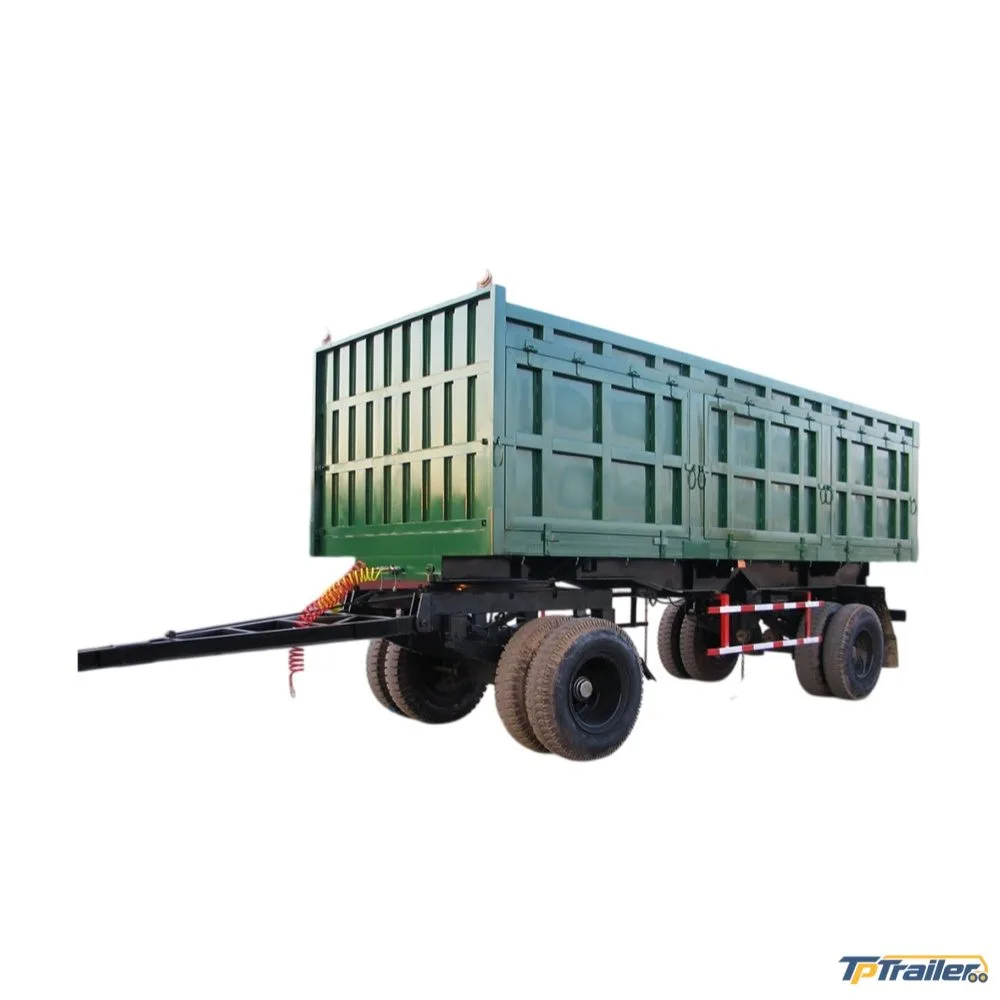
No reviews yet — click the Review button on the right to share your experience with this product.

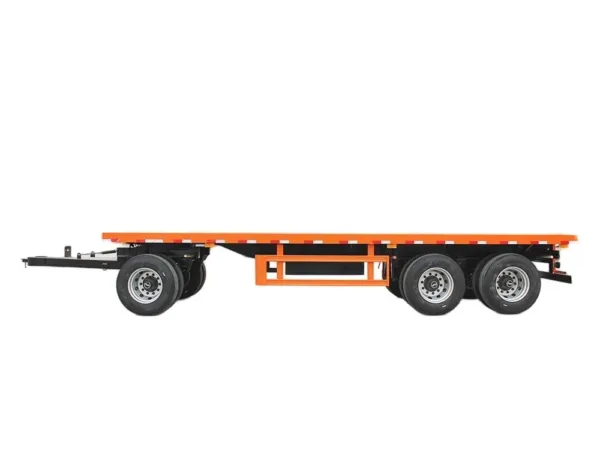











Fill in the form below and our team will respond within 24 hours.
Write a Review