


2 axle flatbed trailer in steel with 3 T to 30 T load capacity for cargo hauling. Mechanical suspension and custom color options; request a quote today.
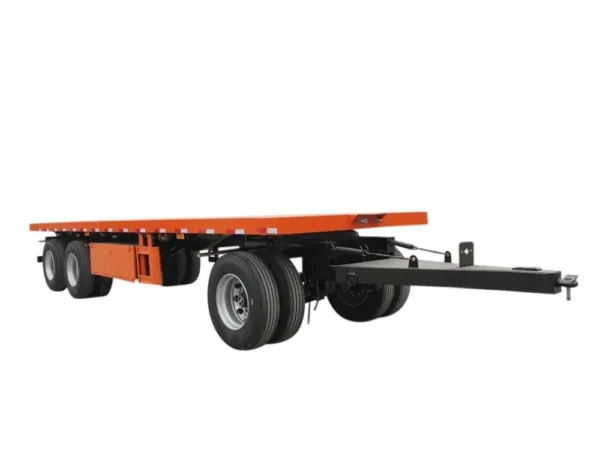


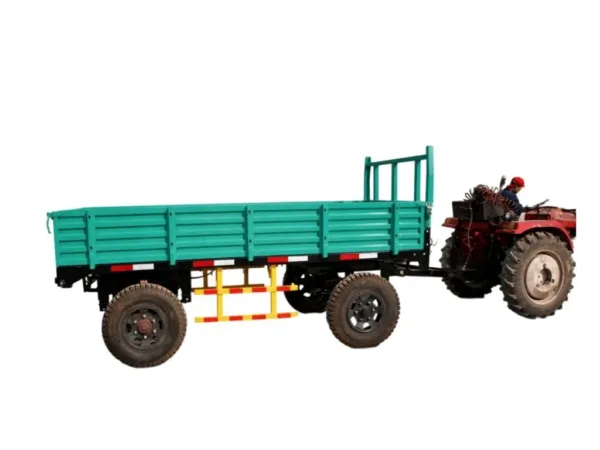


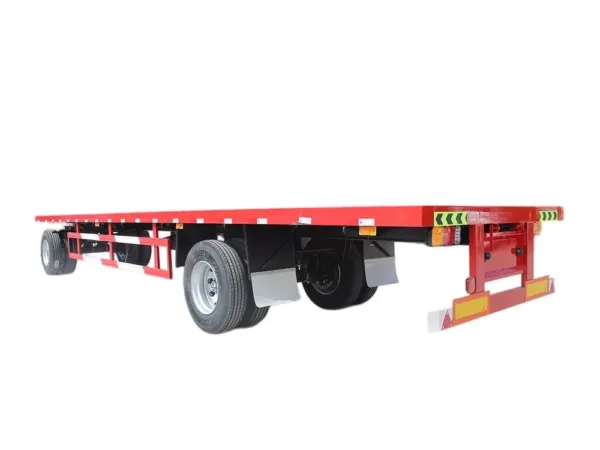
The 2 axle flatbed trailer is a steel cargo platform for fleets that move mixed freight on regular routes, and it earns its place by covering light farm runs and heavier loads on one deck. Farm operators, building suppliers and small logistics yards use it to carry bagged goods, pallets and machinery behind a light truck or tractor. The draw bar hitch and twin-axle layout keep it stable on tight yard turns, while the open steel bed lets a forklift load from either side.
Colour and logo are set to your order, so the unit arrives ready to work as part of your own fleet. Its real advantage is range: a buyer sizes the platform to the heaviest regular cargo and still has a trailer light enough to tow every day.
Farm work is the most common duty for the 2 axle flatbed trailer. Operators use it to move bagged fertiliser, seed sacks and feed from the store to the field headland, then bring harvested crates back to the yard. The open deck takes pallets set down by a telehandler, and the draw bar lets the trailer follow a tractor or light truck along narrow farm tracks.

Because the deck is steel, spilled grain and damp soil sweep off without soaking into a floor. The same platform also carries fencing posts, water tanks and small implements between fields, which keeps the main truck free for road haulage. The mechanical suspension copes with rutted gateways and gravel without the maintenance an air system would need, so the trailer stays in service through the busy season rather than sitting out the harvest.
Building and yard supply is the second regular job. Suppliers load bricks, timber, cement bags and roofing sheets onto the flat bed, then deliver to housing sites and renovation jobs. Forklifts load from the side, which suits tight streets where a rear-only access point would block traffic.
The same 2 axle flatbed trailer moves scaffolding poles, generators and site cabins between jobs, so the fleet does not need a separate low loader for every small move. On longer runs between a depot and a customer, the draw bar keeps the combination stable and the steel deck holds heavy point loads from stacked blocks. Colour and logo can be set to the fleet’s own scheme, which helps site managers identify the unit on arrival and keeps paperwork matched to the right vehicle.
Small logistics yards use the platform as a spare leg of capacity when a rigid truck is already committed. A 2 axle flatbed trailer can take the overflow of palletised goods on a scheduled run, then be unhitched and left at the yard while the truck does a tighter delivery. That pattern suits depots that cannot justify a second truck but regularly face a load that will not fit. Because the unit is steel throughout, it tolerates being loaded by a hired forklift and left outside between jobs without the care a timber deck would need.
When the 2 axle flatbed trailer arrives, the buyer has to match the draw bar and coupling to the towing vehicle. Check the mounting points on the tractor against the trailer draw bar before the first hook-up. Confirm the tube size and hose routing for any air or hydraulic lines you connect, and route hoses so they clear the deck edges and the draw bar through full turns. If the input gives no fitment data for your tractor, a fitment drawing is confirmed at quotation instead of a guess.

Walk the frame, the deck and the axle mounts before loading. A wrong coupling size costs downtime: the trailer sits idle while adapters are sourced, and the haulage schedule slips. Checking the match at quotation protects the delivery date.
Torque values and fastener schedules are not stated here, so follow the values confirmed with your order documents. On the unit, work through the axle mounts, suspension links and deck fixings in one pass. Confirm the deck length and bed layout against the cargo you plan to carry, because a deck that is short for your freight forces rework or a second unit. Check the mechanical suspension sits correctly and that the wheels clear the frame through travel. If a hose or line is routed wrong, it rubs and fails early. A wrong size on the 2 axle flatbed trailer means downtime you pay for twice: once in lost trips and once in the fix. Match everything up front.
Before the first loaded run, do a short unladen tow on the surface the trailer will work on most. Listen for contact between the draw bar and the truck frame on full lock, and watch the deck for any flex that suggests a fixing is loose. Confirm the leg of the route into your tightest gateway before you commit a loaded trip. A 2 axle flatbed trailer that tracks cleanly empty will track cleanly loaded, so the check is quick and it catches most fitment problems while the yard is still open.
Each 2 axle flatbed trailer is prepared for sea freight as a steel structure with exposed surfaces. Buyers should confirm at quotation how the chassis, draw bar and deck are protected against moisture and movement during the voyage. Because the unit is steel, the main risks are surface corrosion and shifting inside the container, not fragile breakage. Ask the supplier which surfaces receive protection and how the draw bar is braced. State the delivery port so loading can be planned around the route.

Space planning matters because the deck length and draw bar set the footprint. Some models can be partly disassembled or nested to reduce volume, but this depends on the build and must be confirmed at quotation. Do not assume stacking is possible. Ask for the packed dimensions and the container type proposed, then compare them against your forwarder’s internal figures. On arrival, verify the frame is straight, the deck is undamaged and the draw bar is true before signing the delivery receipt, and photograph anything that does not match the order.
Container fit depends on the deck length, the draw bar and how the unit is packed, so confirm the packed dimensions at quotation rather than estimating. Ask the supplier which container type is proposed and whether any disassembly is needed, then compare that against your freight forwarder’s internal dimensions. Book space only after the packed figures are in writing. If the 2 axle flatbed trailer is shipped partly assembled, ask how the loose parts are labelled so nothing is lost in transit.
The axle count is customised, and load capacity covers a broad band, so the order must state both. Start from the heaviest load you plan to carry and the tractor you will use, then write both into the request. Ask the supplier to confirm the 2 axle flatbed trailer configuration against those figures in the quotation. Do not rely on the title alone. Keep the confirmed configuration with the purchase order so production and inspection use the same reference.
Inspect the 2 axle flatbed trailer before signing the delivery receipt. Check the frame for bends, the deck for damage and the draw bar for trueness. Confirm the colour and any logo printing match what you approved, and compare the delivered axle count and stated load capacity against the order. Photograph any discrepancy before unloading. If something is wrong, note it on the receipt and contact the supplier the same day, because claims are easier to support with evidence collected at the point of arrival.
To receive a quotation, send the required deck length, the axle count you need, the load you plan to carry and the quantity you intend to order. State your delivery port as well. With those details, the 2 axle flatbed trailer can be configured and priced against your requirement, and the unit ships with the specification you approved rather than a guess.
Explore more 2 axle flatbed trailer in this range.
| Load Capacity | 3 T---30 T | Max Payload | 3 Ton---30 ton |
|---|---|---|---|
| Place of Origin | China (Mainland) | Province | Guangdong |
| Use | Car Trailer | No. of Axles | Customized |
| Dimensions | 650 × 250 × 100 | ||
No reviews yet — click the Review button on the right to share your experience with this product.











Fill in the form below and our team will respond within 24 hours.
Write a Review