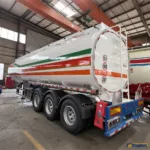
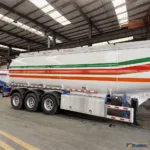
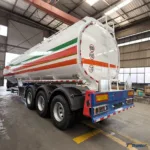
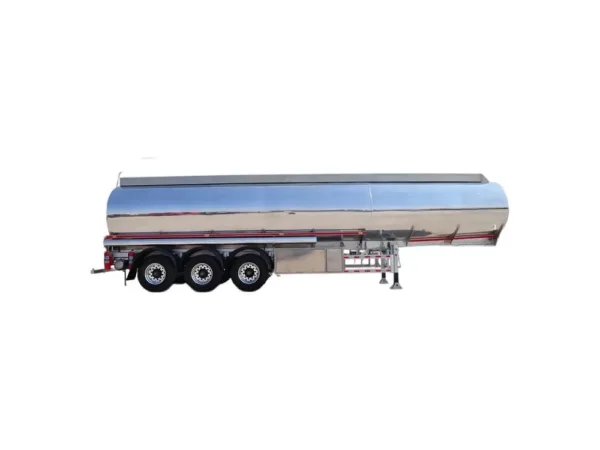
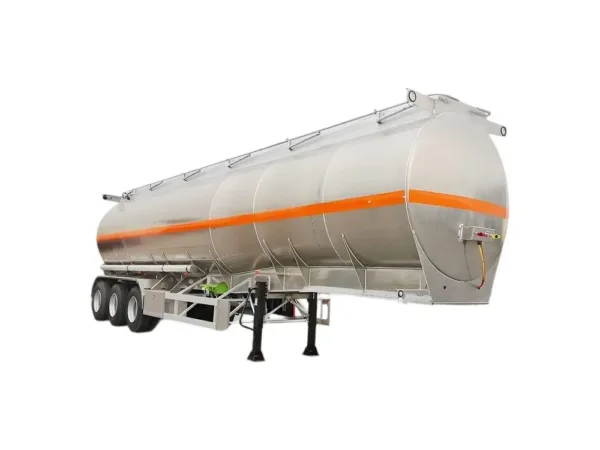
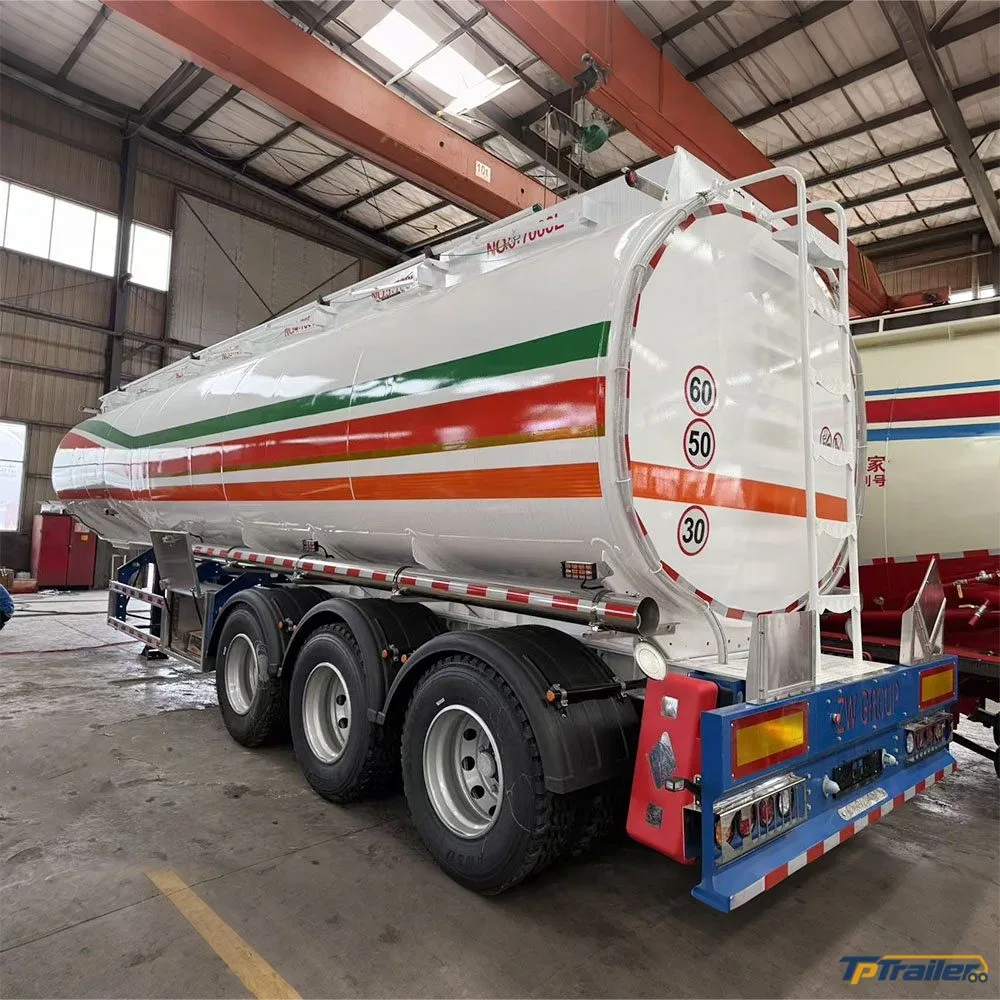
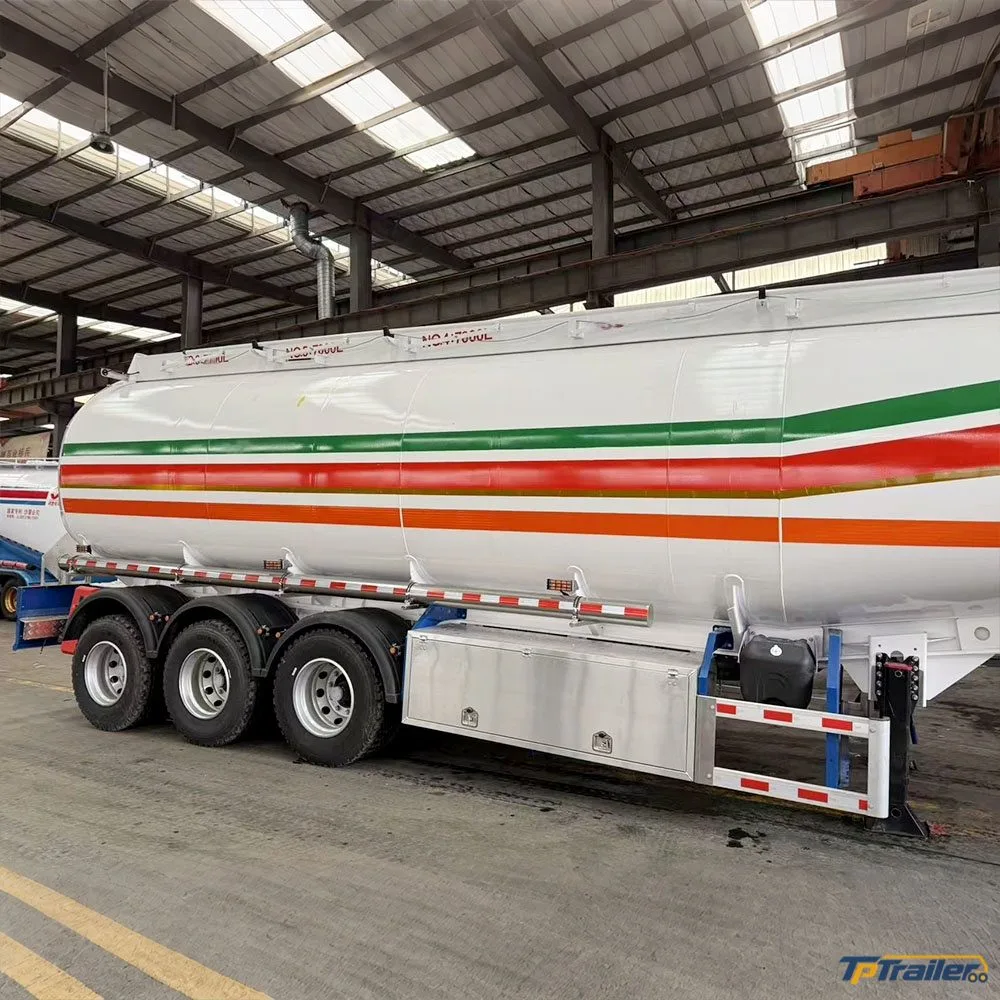
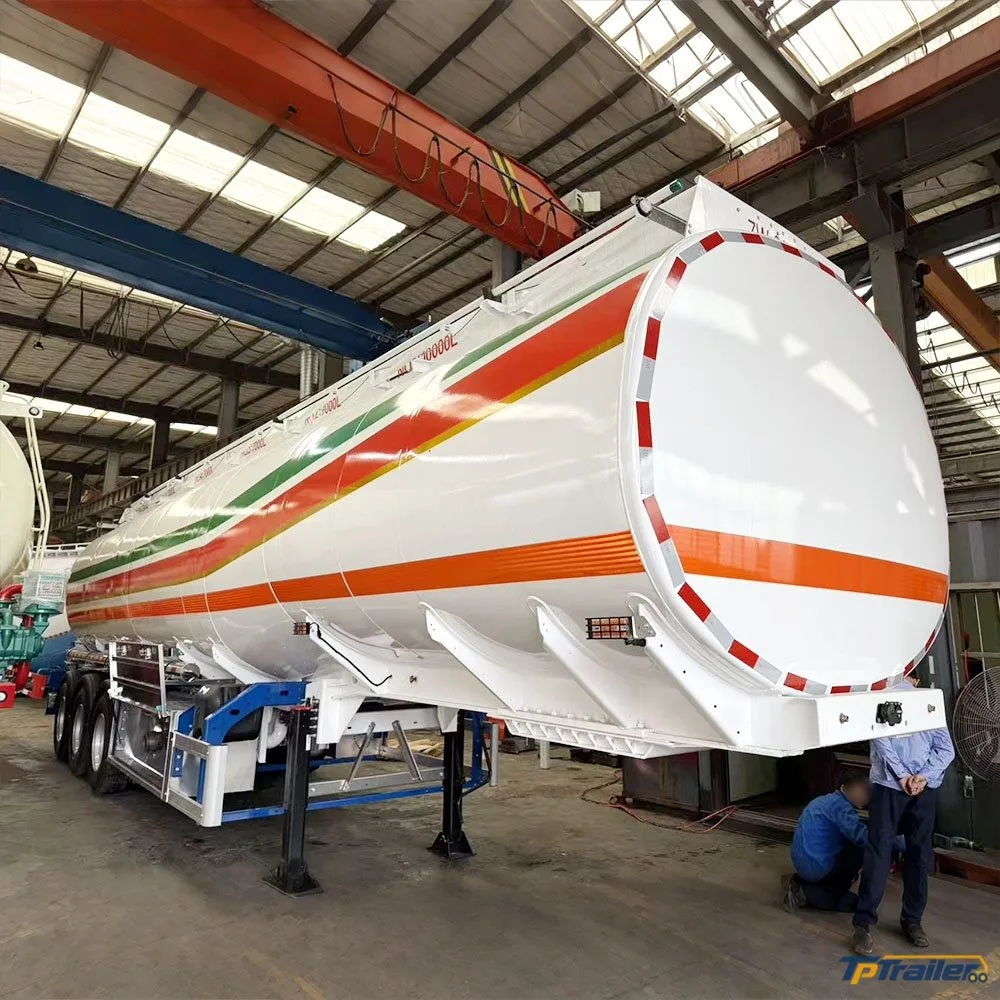
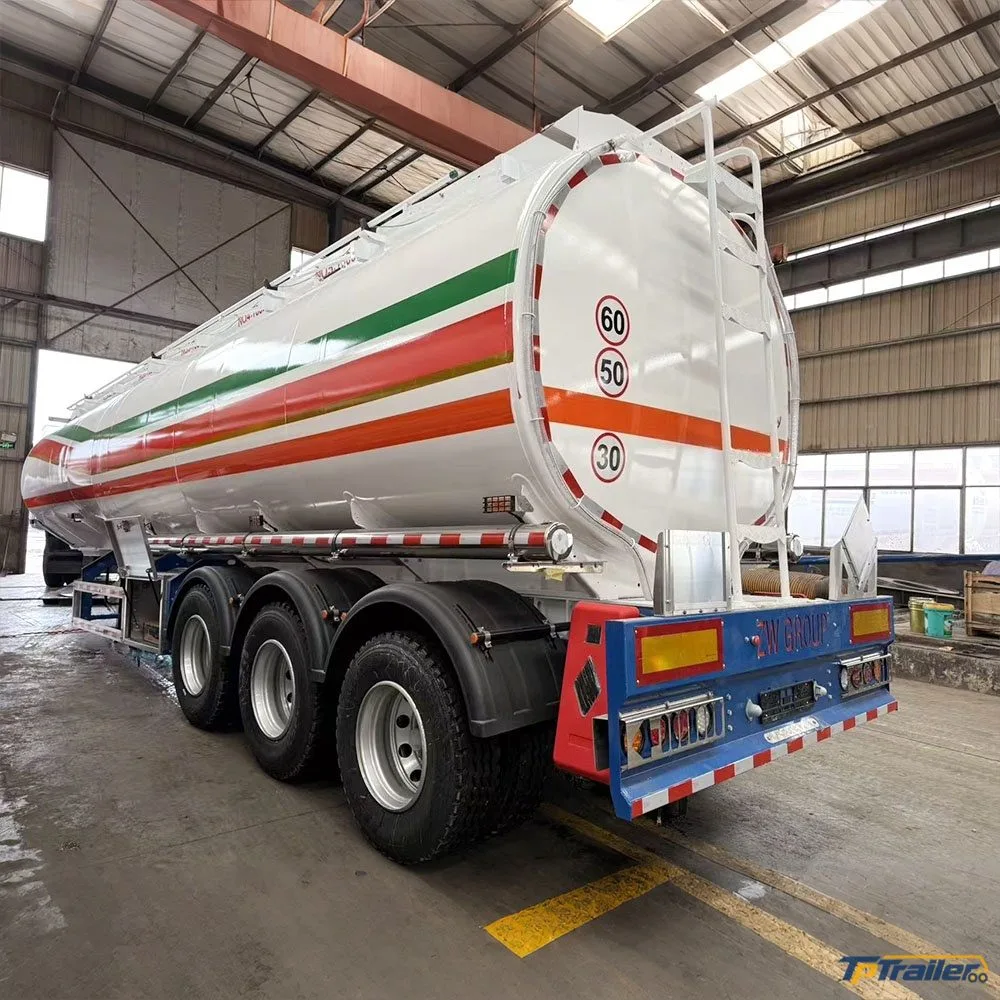
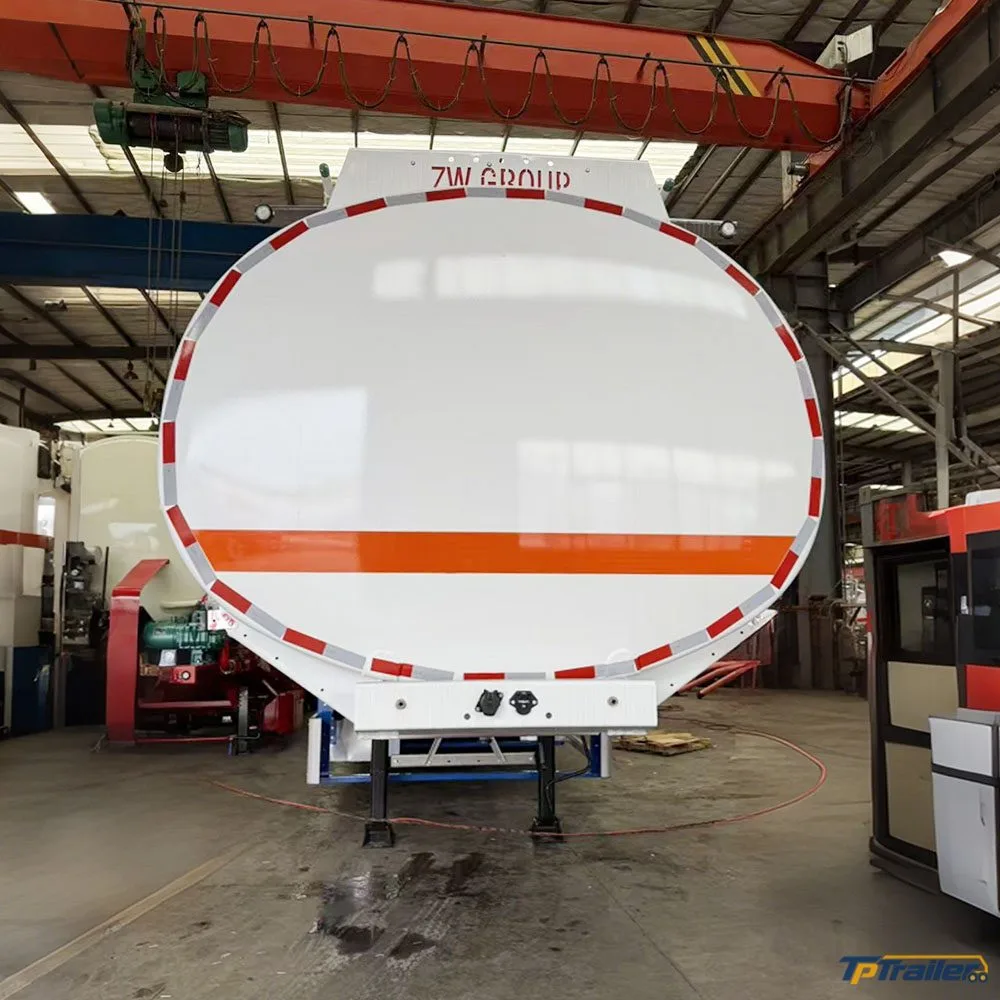
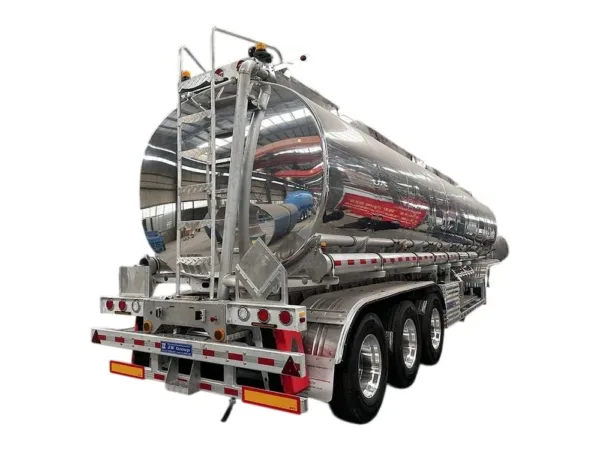
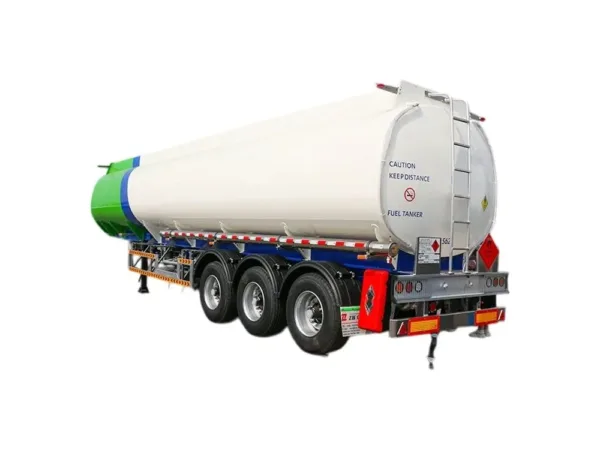
Lightweight aluminum fuel tanker trailer transport starts with the right question: what does your fleet actually haul, and how far? This unit is a 45000L three-axle semi trailer built for diesel, gasoline and crude oil runs over long distances. It suits fuel distributors, depot operators and haulage contractors who move bulk liquid on fixed corridors. The strongest reason to choose it is the payload-to-weight balance: an aluminum barrel keeps the tare down while the rated load capacity carries the volume that pays the freight bill. Fewer kilos of trailer mean more litres of product per trip, and that is the number that decides whether a long haul earns.
Table of Contents
Why It Works On Site
Aluminum barrel construction. Aluminum cuts tare weight against a steel barrel of the same volume, so each trip carries more product before the axle limits are reached. For operators running long-distance lightweight aluminum fuel tanker trailer transport, that difference repeats on every load, every day, across the life of the asset.
Three-axle running gear. Spreading the load over three axles keeps the gross weight inside road limits while the barrel stays at full capacity. It gives the driver a stable platform on highway curves and makes the unit easier to match to tractor units already in the yard.
45000L barrel volume. A large single-barrel volume means fewer trips for the same delivered litres. On a fixed depot-to-depot corridor, that reduces driver hours, fuel burn and toll exposure per litre moved, which is where lightweight aluminum fuel tanker trailer transport earns its keep on the balance sheet.
Rated load capacity. The load capacity figure tells you what the structure is built to carry, so you can match fill levels to the route instead of guessing. It lets a planner set safe loads for diesel, gasoline or crude oil without exceeding the design envelope on long runs.
Multi-product service. The barrel is specified for diesel, gasoline and crude oil, so one trailer type covers several contracts. A fleet can switch between clean product delivery and crude movement without buying a second asset class, which simplifies spares, training and maintenance planning.
Long-distance duty. The trailer is built around highway transport rather than short shuttles. That focus matters for lightweight aluminum fuel tanker trailer transport on intercity corridors, where steady road speed, predictable handling and low tare weight all feed into the cost per litre delivered.
Where It Is Used
The most common job is depot-to-depot fuel delivery. A distributor loads diesel or gasoline at a terminal and runs it to retail stations, industrial yards or mining supply points along a fixed corridor. The large barrel volume means one trailer covers a full day of drops without returning to the terminal, and the three-axle layout keeps the unit legal at capacity on public highways. Operators planning lightweight aluminum fuel tanker trailer transport around a terminal network use this configuration to hold schedule discipline: the same trailer, the same route, the same delivered volume each day, which makes forecasting and driver rostering far simpler than mixing trailer types across the fleet.
A second job is crude oil movement on longer intercity runs, where the trailer spends most of its time at steady road speed. Here the aluminum barrel and the rated load capacity work together: the trailer is light enough to leave headroom for product, and strong enough to carry the design load over repeated trips.
Fuel hauliers also use this class for bulk transfers between storage farms, for airport and port supply runs, and for contractor fleets that deliver to remote sites. In each case the buyer is solving the same problem through lightweight aluminum fuel tanker trailer transport: moving the most litres per trip while staying inside axle and road limits on routes that are measured in hours, not kilometres.
Choosing The Right Spec
Match barrel volume to route length. The 45000L barrel suits corridors where a full day of drops is realistic. If your routes are shorter and return to base often, the same trailer still works, but the volume advantage shows up best where the truck stays out and the terminal is visited once per shift.
Check the load capacity against your product. The rated load capacity is the figure to compare with the density of what you haul. Diesel, gasoline and crude oil do not weigh the same per litre, so confirm the fill level your route allows before committing the trailer to a product mix.
Plan around three axles. Three axles spread weight and suit highway corridors with standard gross-weight rules. If your operation includes tight urban delivery or restricted roads, check the axle configuration against local limits first; the trailer is built for long-distance duty, and the route profile should match.
Weigh tare against payload. The aluminum build is the reason lightweight aluminum fuel tanker trailer transport pays on long runs. Compare the tare of this unit with the payload you need per trip, then set the order quantity: single units for a trial route, larger batches when the corridor is proven and the fleet is scaling.
Customisation Before Delivery
The axle count is fixed at order confirmation, so the trailer matches the load you actually carry. Buyers planning lightweight aluminum fuel tanker trailer transport on varied routes can settle the configuration before production begins. State your route profile and payload target when you confirm the order.
Deck length and tank arrangement are chosen against your hauling plan. The capacity you select should suit the trips you run, not a generic figure. Lightweight aluminum fuel tanker trailer transport works best when the tank build matches the delivery distance and road conditions you describe at order stage.
Suspension type is selected to suit road quality and load pattern. Buyers running lightweight aluminum fuel tanker trailer transport across mixed surfaces should confirm the suspension option that fits their terrain. The choice is locked at order confirmation, so raise it before production is scheduled.
Tyre specification and colour are agreed before build. Tyre choice should reflect the surfaces and distances in your operation. Colour is a finish decision settled at order confirmation. Both are recorded on the order so the trailer arrives as specified for your lightweight aluminum fuel tanker trailer transport fleet.
Every option is confirmed in writing at order confirmation. No change is assumed after that point. Buyers planning lightweight aluminum fuel tanker trailer transport should list all requirements in one go. This keeps the build aligned with your fleet plan from the start.
Fitting And Installation
On arrival, the buyer has to match the trailer to the tractor unit. Check the mounting points, the coupling height and the air and electrical connections against the unit that will pull it. Confirm the tube size and hose routing before the first loaded run. Where the input gives no fitment data, a fitment drawing is confirmed at quotation instead. That drawing is the reference for the workshop. Do not guess dimensions at the yard. A mismatch found after delivery costs downtime, and downtime is the real cost in lightweight aluminum fuel tanker trailer transport. Line up the tractor and trailer on flat ground first, then work through each connection in order.
A wrong size is expensive in ways that are easy to underestimate. A coupling that does not sit at the right height puts stress on the frame and the landing gear. Hose routing that fouls moving parts wears through lines and creates a leak risk on a fuel load. Every hour spent correcting fitment is an hour the trailer is not earning. Buyers running lightweight aluminum fuel tanker trailer transport on tight schedules should confirm the fitment drawing early and brief the workshop before the trailer lands. That way the first inspection is a check, not a discovery. Keep the drawing with the trailer records for later reference.
Service Life And Maintenance
Inspect the tank shell and welds first, since seams and joints take the most stress on a loaded run. Check for cracks, corrosion and loose fittings at each service. A clean aluminum surface makes faults easier to spot. Operators running lightweight aluminum fuel tanker trailer transport should record every inspection so wear trends are visible over time.
Check the valves, seals and gaskets regularly. These wear faster than the tank body and are the usual source of small leaks. Replace worn seals before they fail under load. On lightweight aluminum fuel tanker trailer transport duty, a valve check before each long trip is a practical habit that protects the cargo and the road.
Watch the suspension and axle components for wear. Bushes, shackles and brake parts take constant load on rough roads. Inspect them at set intervals and replace worn parts early. Buyers using lightweight aluminum fuel tanker trailer transport on poor surfaces should shorten the visual check between services and note any change in ride behaviour.
Keep the aluminum surface clean and free of road salt and chemical residue. The material resists corrosion, but a clean surface lasts longer and shows damage sooner. Wash after runs on treated roads. For lightweight aluminum fuel tanker trailer transport fleets, a simple wash routine is the cheapest way to extend the body life.
Check tyres, lights and the electrical connection before each trip. Tyre pressure and tread affect stability and fuel use. A loose connection can fail at night on a long haul. Operators in lightweight aluminum fuel tanker trailer transport should treat the pre-trip walk-around as a fixed step, not an optional one.
Packing And Container Loading
Each unit leaves the works with the tank shell, barrel and end caps protected against road spray and salt air. Protective film or wrap covers the aluminum surfaces, and the three axles stay on their own wheels rather than being removed for shipment. Because a unit of this size is a complete trailer, it is not nested or stacked, and lightweight aluminum fuel tanker trailer transport planning starts with the shipping method rather than with crate design. Confirm with the supplier whether the unit moves as break bulk, roll-on/roll-off or in a flat rack, and book the vessel space before production ends.
Container loading is the point where lightweight aluminum fuel tanker trailer transport costs are won or lost. A finished trailer will not fit a standard box container, so ask for the loaded dimensions and the lifting points in writing. Straps should pass over the frame, not over the tank barrel. The buyer should verify the wrap is intact, the axles and rims are unmarked, and the landing legs and rear bumper are straight on arrival. Photograph the unit before unloading. Any transit damage claim depends on those photos, the packing list and the carrier’s delivery note being matched on the same day.
Common Mistakes Buyers Make
Ordering the wrong tank capacity. The load capacity is fixed by the barrel design, so a buyer who plans around a different volume gets a trailer that cannot legally carry the planned load. Check the rated capacity against your heaviest permitted payload before signing, and confirm the compartment count matches the products you actually move.
Ignoring the axle and suspension match. Axle count, suspension type and tyre size must suit the roads and the gross weight you run. A mismatch shows up as poor tracking and premature tyre wear. Ask for the axle configuration in writing and compare it with the routes the trailer will serve, including any weight limits on those routes.
Skipping the discharge equipment list. Pumps, valves, manholes and grounding reels are often optional. A buyer who assumes they are included receives a bare tank. List every item you need, mark each as included or excluded, and attach that list to the order so lightweight aluminum fuel tanker trailer transport arrives ready to work.
Overlooking brake and lighting standards. Brake chambers, ABS and lamp voltage must match the destination market and the towing tractor. Confirm the brake system type and the electrical voltage before production, then check that the coupling height suits your prime mover. This single check avoids a trailer that cannot be registered or legally towed.
Leaving the paint and lining unspecified. Surface finish and internal lining affect service life with different cargoes. State the finish you expect and whether the interior needs a lining, then confirm both in the quotation. This one check prevents a unit that looks right but is unsuitable for the product you haul.
Buyer Questions
How is the trailer prepared for a long sea voyage?
Ask the supplier to confirm the protective wrap, the wheel and axle protection, and the lifting points in the packing list. Request photos of the unit strapped and ready to load. For lightweight aluminum fuel tanker trailer transport, the critical detail is that straps bear on the frame rather than the tank barrel. On arrival, check the wrap, the rims, the landing legs and the rear bumper before you sign the delivery note, and photograph everything.
Can several units ship together to reduce freight cost?
Multiple units are usually shipped as separate rolling units or on flat racks, not nested inside each other. Ask for the loaded dimensions of one unit and the shipping method proposed for your quantity. Freight per unit drops with volume, but the exact arrangement and cost are confirmed at quotation. For lightweight aluminum fuel tanker trailer transport, book vessel space early, because the loaded footprint limits how many units share a deck.
What should I confirm before the order is released?
Confirm the tank capacity, compartment count, axle configuration, brake system, electrical voltage and the full discharge equipment list. Ask for the coupling height and the loaded dimensions. State your destination market so the lighting and braking setup matches its rules. Every one of these points is confirmed at quotation. Get the confirmation in writing, because lightweight aluminum fuel tanker trailer transport depends on the unit matching your tractor and your routes.
Send the overall length you need, the number of axles, and the quantity you plan to order. Add your destination market and the discharge equipment you expect. With those three details we can quote the build and the shipping method together, and confirm every remaining specification before production begins.
We use cookies to enhance your browsing experience, serve personalized content, and analyze our traffic. By clicking "Accept All", you consent to our use of cookies. Privacy Policy
Cookie Preferences
Required for the website to function properly. Cannot be disabled.
Help us understand how visitors interact with the website (Google Analytics).
Used to deliver personalized ads and measure ad campaign effectiveness.



















Write a Review