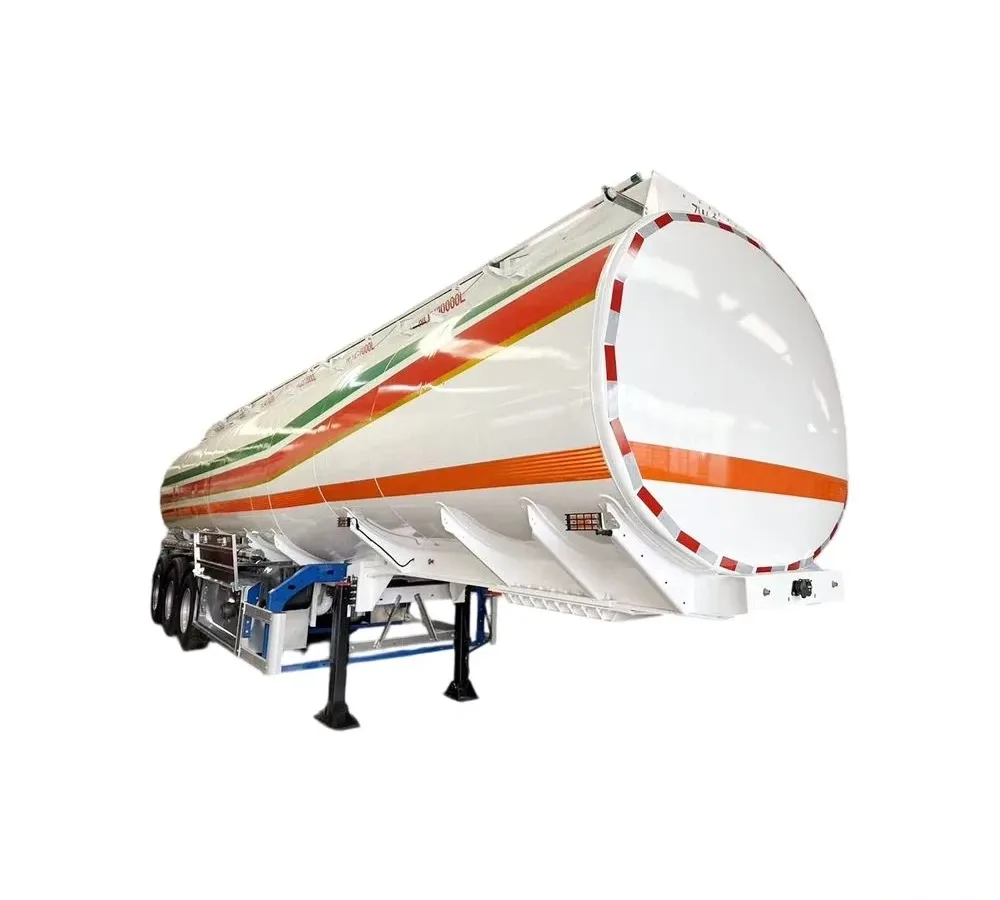
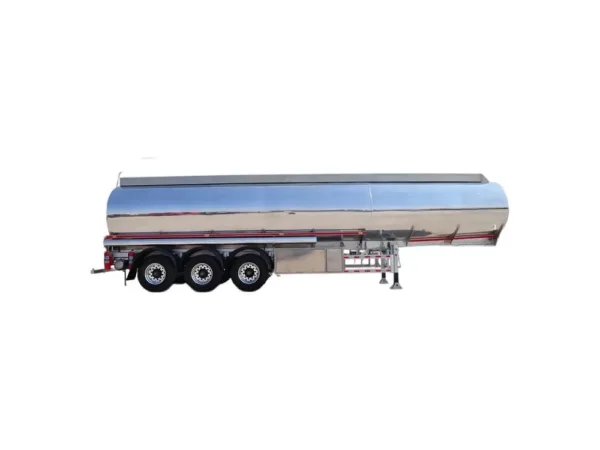
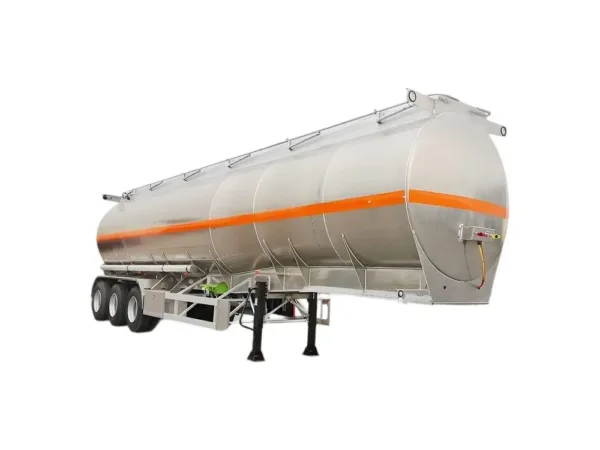
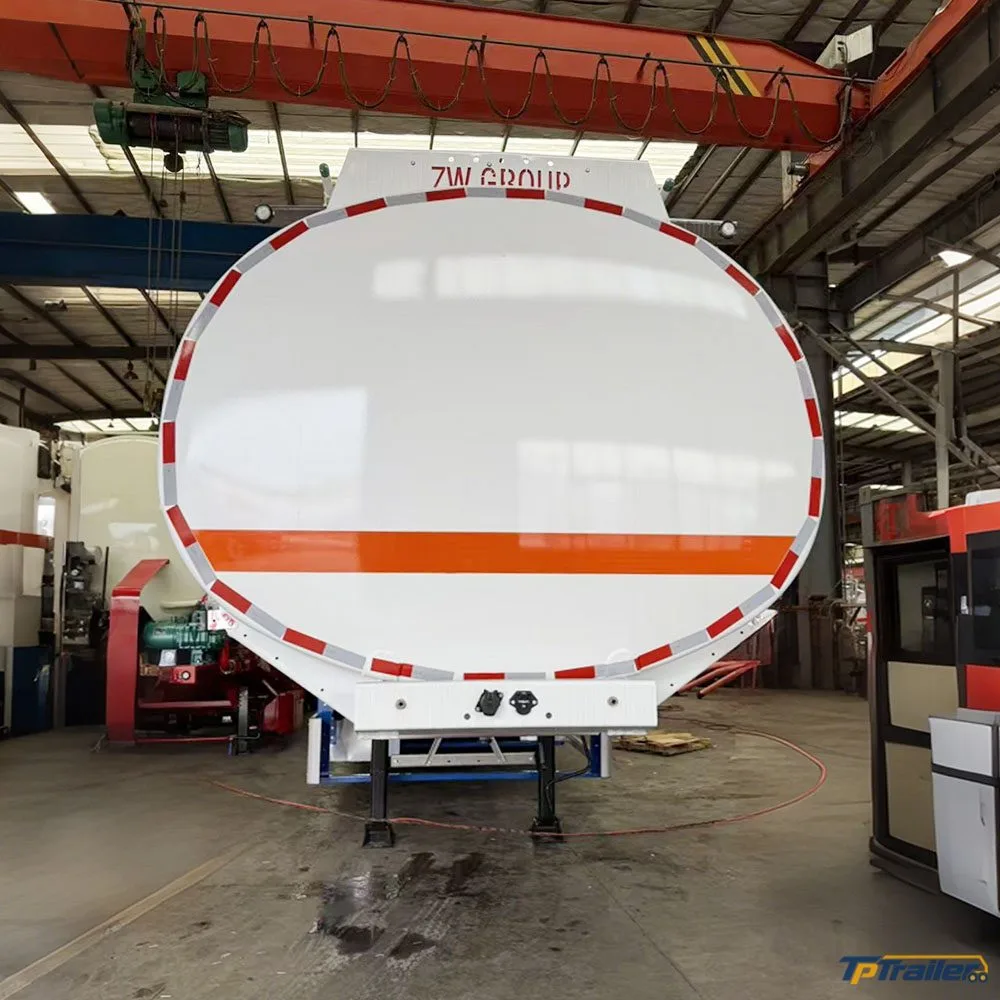
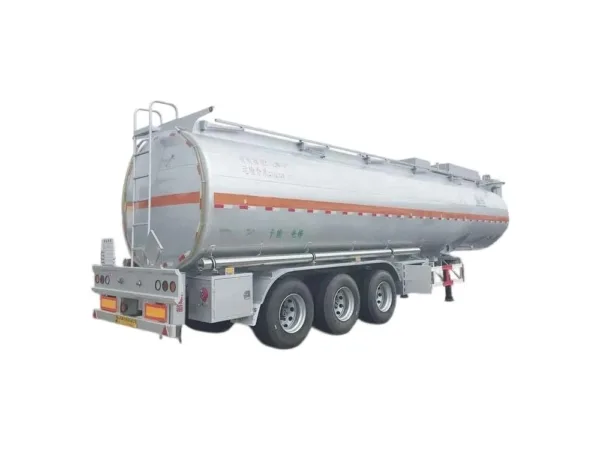
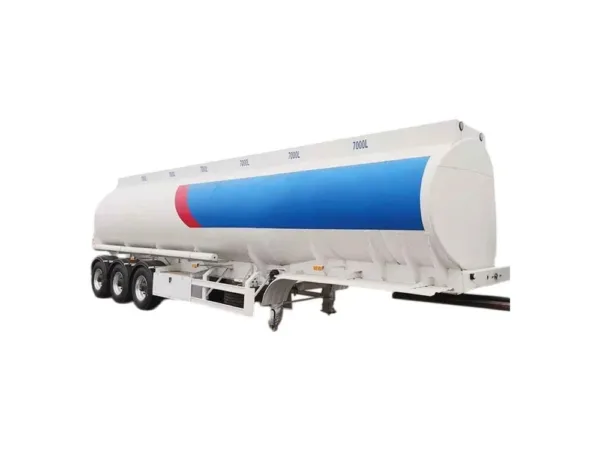
Lightweight aluminum fuel tanker trailer transport starts with the tank body itself, and this unit is built for fleets that move refined fuel, diesel and crude oil over long road runs. It is a three-axle semi trailer with a 45000L aluminum barrel and a 30000kg payload rating, aimed at fuel distributors, depot operators and haulage contractors who pull with standard tractors.
Table of Contents
The strongest reason to choose it is the weight saved by the aluminum construction: more of the rated payload goes to product instead of to the trailer, so each trip earns more without touching the tractor or the route. Buyers comparing steel against aluminum for a lightweight aluminum fuel tanker trailer transport fleet usually settle on this format once they count the fuel saved per kilometre.
Why It Works On Site
Aluminum barrel construction. The tank is built in aluminum rather than mild steel, which cuts the trailer’s own weight and leaves more of the rated load for cargo. For a lightweight aluminum fuel tanker trailer transport operation, that means the same tractor pulls more litres per trip, and the driver handles a lighter unit on loading gantries and depot ramps where every kilogram shows up in the fuel bill.
30000kg payload rating. The stated load capacity of 30000 sits in the working range of a three-axle semi trailer, so the unit matches common tractor and road-axle limits instead of forcing an oversized prime mover. Planners running a lightweight aluminum fuel tanker trailer trailer transport schedule can load to the plate and stay inside the axle group limits they already work with.
45000L tank volume. The large barrel size means fewer trips for the same delivered volume, which matters on depot-to-station runs where turnaround time costs more than distance. A lightweight aluminum fuel tanker trailer transport route that once needed two smaller units can be covered by one, cutting driver hours and gate queues at the loading bay.
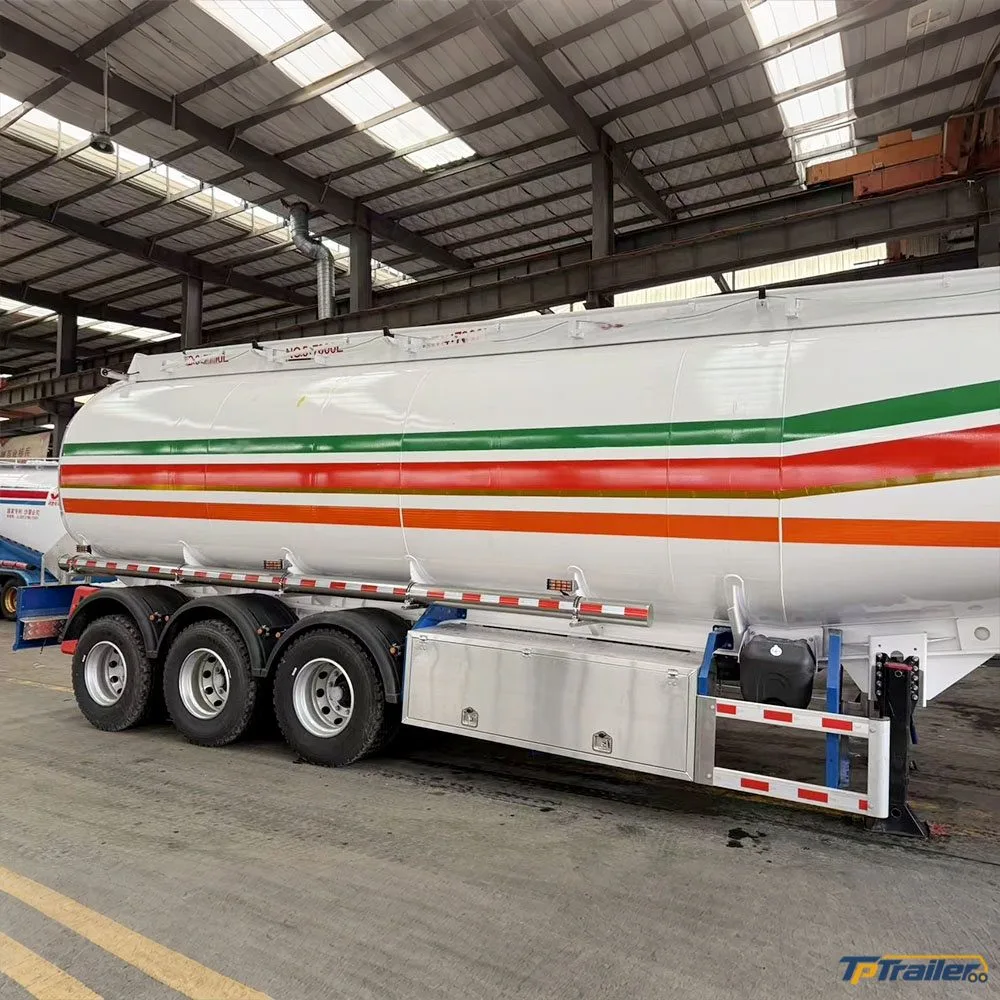
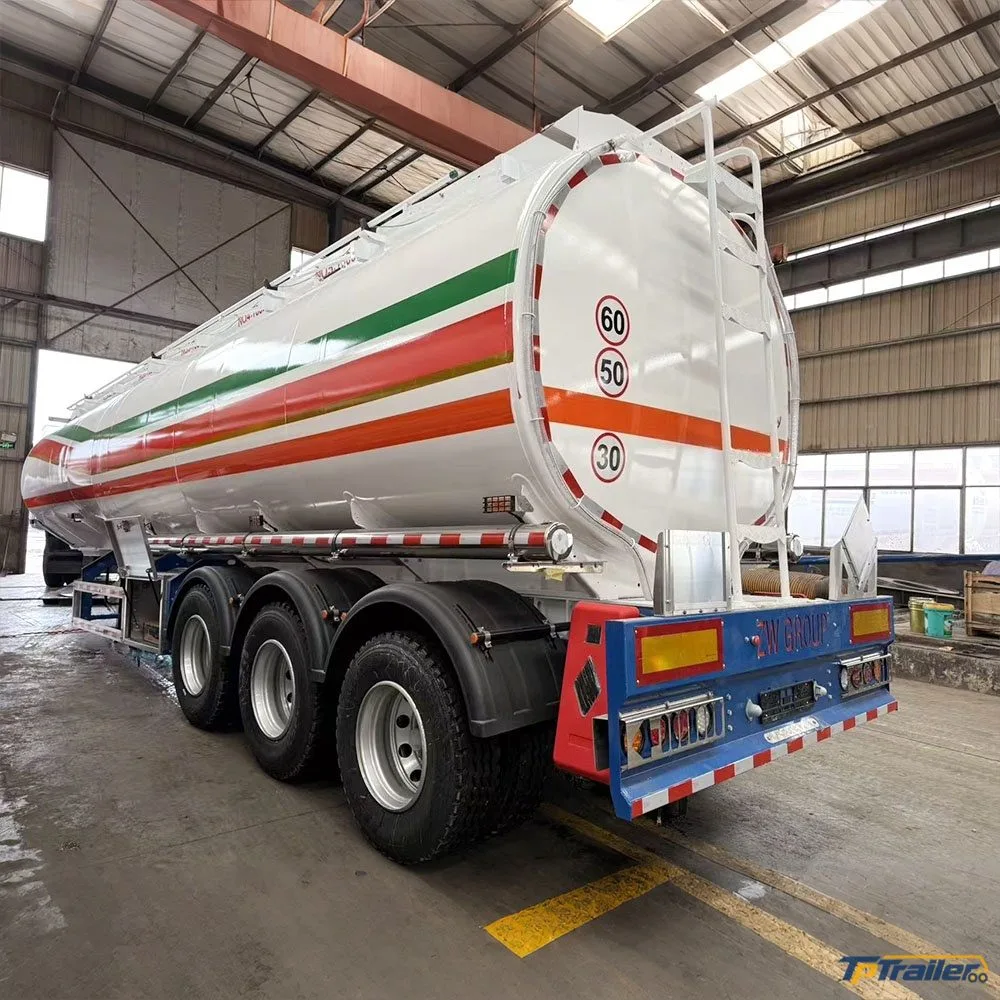
Three-axle running gear. Spreading the load across three axles keeps the weight per axle lower, which suits long-haul corridors and mixed road surfaces. Operators using this lightweight aluminum fuel tanker trailer transport format on intercity fuel delivery get steadier tracking and less scrub on tight depot turns than a shorter two-axle layout allows.
Custom build options. Because the unit is made to order, compartments, baffles and fittings can be set to the cargo mix the buyer actually hauls. That flexibility is what makes lightweight aluminum fuel tanker trailer transport practical for a fleet carrying several fuel grades, since one trailer can be configured around the discharge and loading points already installed at the depot.
Corrosion-resistant shell. Aluminum does not rust the way steel does, so the outer shell and barrel hold their appearance and wall integrity through wet, coastal or humid working conditions. For a lightweight aluminum fuel tanker trailer transport fleet kept outdoors between jobs, that reduces the repainting and patch work that eats into maintenance budgets.
Where It Is Used
The most common job is depot-to-station fuel delivery. A tanker loads at a terminal or bulk depot, runs a fixed circuit of filling stations, and returns empty for the next load. With a 45000L barrel, one unit covers a full day of drops on a regional circuit without a second trip back to the gantry.
Fleets running lightweight aluminum fuel tanker trailer transport on these circuits value the fast turnaround at the loading arm and the ability to discharge into underground storage at each stop. Diesel for construction sites and quarries is another steady route: the trailer parks at the site boundary and feeds plant machinery through a pump set, so the same unit that serves retail stations during the week can supply a earthworks project on a weekend schedule.
Longer trunk routes between terminals and inland depots suit the three-axle layout, where the trailer spends hours at highway speed and the driver needs predictable handling with a full barrel. Crude oil and heavier petroleum fractions move on similar runs in producing regions, where the trailer collects from a gathering point and delivers to a processing or storage facility.
Lightweight aluminum fuel tanker trailer transport also appears in aviation and marine fuel supply chains, where a road tanker bridges the gap between a bulk terminal and an airfield or harbour bunkering point. In each case the cargo is liquid petroleum, the route is road, and the trailer is the link between a fixed supply point and a moving demand point that cannot store large volumes on site.
Choosing The Right Spec
Match the payload rating to your tractor and permits. The 30000kg load capacity should be checked against the gross combination weight your tractor is rated for and the axle limits on the roads you run. A buyer planning lightweight aluminum fuel tanker trailer transport on routes with strict axle-load enforcement needs the payload, the barrel volume and the axle group to agree before the order is placed, not after the first weighbridge stop.
Size the barrel to the delivery circuit. The 45000L volume suits operators who cover several drops per shift or run long gaps between depots. If the job is short urban delivery with frequent returns to base, a smaller barrel would carry less dead weight. Buyers comparing quotes for lightweight aluminum fuel tanker trailer transport should map the tank size to the longest normal run, not the shortest.
Choose the compartment layout around the cargo mix. A single-grade hauler needs fewer compartments than a distributor supplying several fuel types from one load. Because the build is custom, the compartment split, baffle arrangement and discharge points can follow the actual product list. That is the practical advantage of custom lightweight aluminum fuel tanker trailer transport: the trailer is shaped by the cargo schedule rather than the schedule bent to fit a stock trailer.
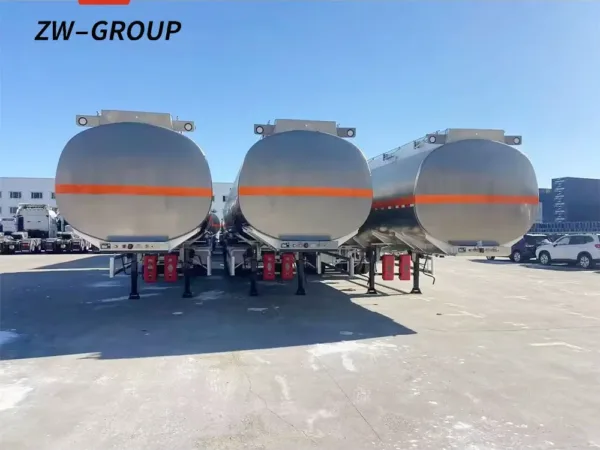
Weigh the order quantity against the routes you serve. Single units suit a dedicated circuit or a trial deployment, while larger orders fit fleets replacing several trailers across a region. Buyers scaling lightweight aluminum fuel tanker trailer transport across multiple depots should confirm each route’s volume and axle limits first, then order the number of units those routes can actually keep loaded.
Customisation Before Delivery
The axle count on your lightweight aluminum fuel tanker trailer transport unit is fixed at order confirmation. Buyers running long hauls often choose more axles to spread load, while regional delivery fleets keep the set-up compact. Every choice is written into the signed order so the build matches your route profile and local road rules.
Tank capacity and barrel layout are agreed before production starts. The lightweight aluminum fuel tanker trailer transport design can be set for a single large compartment or split into sections for different fuel grades. Tell us the grades you carry and the discharge pattern you need, and the internal layout follows that plan.
Suspension type is selected at order confirmation. Mechanical and air options change ride quality and how the body sits on rough roads. Fleets moving over mixed surfaces often pick the softer option, while steady highway work favours the simpler set-up. The choice is recorded with the order, not changed later.
Tyre size and brand tier are settled when you confirm. The lightweight aluminum fuel tanker trailer transport unit can be supplied on road tyres or heavier-duty casings for unpaved routes. Load rating and tread pattern are matched to your typical surface, and spare wheel provision is listed on the same confirmation sheet.
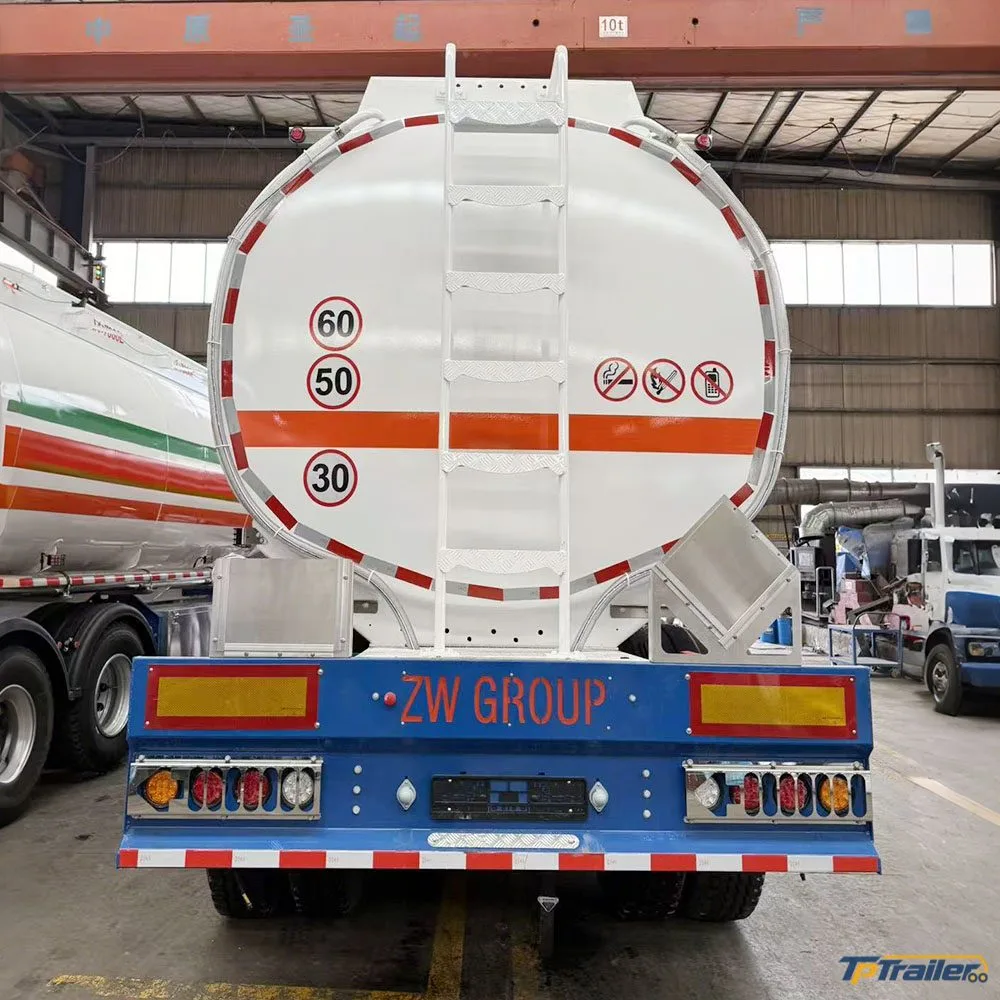
Paint colour, decals and reflective marking layout are chosen before delivery. Operators often match fleet colours or add high-visibility striping for night runs. The lightweight aluminum fuel tanker trailer transport finish is agreed in writing, so the unit arrives ready for registration and branding without a repaint stop.
Fitting And Installation
On arrival, the buyer has to match the tractor to the trailer. Check the fifth wheel height against the kingpin position, confirm the coupling plate sits flat, and verify the landing gear clears the ground when raised. Air and electrical connections must line up with the tractor’s coupling points, and the brake line routing should follow the frame without sharp bends.
If your tractor runs a different coupling height or line layout, raise it at quotation so the fitment drawing is confirmed before the build. A mismatch found at the yard costs days of downtime while brackets are reworked, and the lightweight aluminum fuel tanker trailer transport unit sits idle instead of earning. Walk the coupling, the lines and the lamp wiring before you sign the delivery sheet.
Hose and piping connections are the second checkpoint. Confirm the discharge hose diameter matches your receiving equipment, check that valve handles clear the frame, and make sure the vapour recovery line, where fitted, reaches the tractor connection without strain. Torque values and fitting sizes are not fixed in this listing; a fitment drawing is confirmed at quotation instead, so your workshop knows the tube size and routing before the unit lands. Getting this wrong means re-piping at your own cost and lost delivery days. The lightweight aluminum fuel tanker trailer transport design leaves room for the standard routing, but the final connection detail follows your confirmation. Photograph each joint after fitting and keep the record with the unit file.
Service Life And Maintenance
Valves, seals and gaskets wear first on any fuel tanker. Inspect the discharge valve seats, the manhole covers and the vapour line joints at each scheduled check. A weeping seal is cheap to replace early and expensive once it reaches the ground. Keeping spares on the shelf shortens the stop for a lightweight aluminum fuel tanker trailer transport unit in daily service.
The aluminum shell resists corrosion, but the frame, brackets and mounting bolts still need attention. Check bolt torque and look for cracks around the mounting feet. Wash road salt and chemical residue off the body, because a clean shell lasts longer than a neglected one. Operators running a lightweight aluminum fuel tanker trailer transport fleet should log every inspection so wear patterns show up early.
Tyres and suspension bushes are the next wear points. Check tread depth, sidewall condition and uneven wear that points to alignment drift. Look at the bushings and shock mounts for play. Rotating tyres on schedule and replacing worn bushes keeps the lightweight aluminum fuel tanker trailer transport unit stable under load and protects the tank from vibration stress.
Brake chambers, air lines and the emergency valve deserve a place on the checklist. Test the parking brake, listen for air leaks and inspect the lines for chafing. A slow leak drains pressure and lengthens stopping distance. For any lightweight aluminum fuel tanker trailer transport run, a brake check before each long trip is the cheapest safety step you can take.
Choose a coated or painted finish where the body sees harsh sun or coastal air, and that choice extends the interval between cosmetic repairs. Keep the interior clean and drain the low points to limit residue build-up. A written maintenance log for the lightweight aluminum fuel tanker trailer transport unit turns small fixes into planned work instead of roadside emergencies.
Packing And Container Loading
Sea freight protection for a lightweight aluminum fuel tanker trailer transport begins with the tank shell itself. The barrel is cleaned and dried before dispatch, and all openings are capped so moisture and dust cannot enter the compartments. Exposed fittings are wrapped, and the chassis is braced so the frame does not flex against the deck. Buyers should ask the supplier to confirm the packing list against the order before the unit leaves the yard. This is standard practice for any lightweight aluminum fuel tanker trailer transport shipment.
Nesting and stacking are limited for a finished tanker. The unit rolls onto a flat rack or into a break-bulk hold, and the axles and landing gear carry the weight. Buyers planning a lightweight aluminum fuel tanker trailer transport order should confirm the loading method in writing, because stacking two complete trailers is not normal practice. Ask whether the tank is drained, whether loose parts are crated, and which lifting points the stevedores will use. Confirm the port of discharge and the receiving address early.
Common Mistakes Buyers Make
Ordering the wrong tank volume. A buyer picks a barrel size from a brochure without checking the compartments their cargo needs. The trailer arrives with a capacity that does not match the route or the loading terminal. The single check is to confirm the required volume and compartment count in writing before the deposit, and to compare it with the specification sheet line by line.
Ignoring the payload limit. The load capacity is fixed by the chassis and axle design, yet buyers plan loads from the tank volume alone. Overloading damages the suspension and voids the build. The check is to compare the planned cargo weight with the rated payload on the quotation and confirm the axle count supports it.
Assuming a fixed axle configuration. Some buyers order a three-axle unit for routes that need a different setup. The check is to state the axle count and the road conditions on the enquiry, and to have the supplier confirm the configuration in the signed drawing before production starts.
Skipping the drawing approval. Production begins without a signed general arrangement drawing. Dimensions, hatch positions and outlet locations then drift from expectations. The check is to request the drawing, review the tank, chassis and fitting layout, and return a written approval before any material is cut.
Under-planning the shipping method. Buyers book a container before confirming the trailer fits, or assume the unit can be stacked. The check is to confirm the loading method, the port and the receiving address with the supplier before booking freight, so the lightweight aluminum fuel tanker trailer transport plan matches the actual unit.
Buyer Questions
Can the trailer be shipped in a standard container?
A complete tanker semi trailer is normally too large for a standard container, so it ships on a flat rack or by break-bulk vessel. The buyer should confirm the overall length and width with the supplier, then compare those figures with the carrier’s flat rack limits. Ask for the loading method in writing and share the port of discharge and the receiving address. For a lightweight aluminum fuel tanker trailer transport order, confirm the shipping plan before the unit is built, not after.
What should we inspect when the unit arrives?
Inspect the tank shell for dents, the welds for cracks, and the chassis for bending before signing the delivery note. Check that caps, fittings and loose parts match the packing list, and photograph any damage immediately. Confirm the unit is drained and dry inside. For any lightweight aluminum fuel tanker trailer transport delivery, record the condition at the port and send the photos to the supplier the same day so a claim can be raised.
Can we combine several trailers in one shipment?
Yes, volume orders can ship together, but the loading plan depends on the vessel and the flat rack space available. The buyer should confirm the quantity, the axle count and the overall dimensions, then ask the supplier to propose a loading arrangement. Freight cost per unit usually falls as quantity rises. Payment terms and the delivery schedule for a lightweight aluminum fuel tanker trailer transport batch are confirmed at quotation.
To receive a quotation, send the tank volume you need, the overall length, the axle count and the quantity for your first order. Add the port of discharge and the receiving address so the loading plan can be confirmed. Our team will reply with a specification sheet and a price for the batch size you request.
We use cookies to enhance your browsing experience, serve personalized content, and analyze our traffic. By clicking "Accept All", you consent to our use of cookies. Privacy Policy
Cookie Preferences
Required for the website to function properly. Cannot be disabled.
Help us understand how visitors interact with the website (Google Analytics).
Used to deliver personalized ads and measure ad campaign effectiveness.


















Write a Review