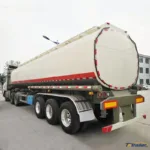
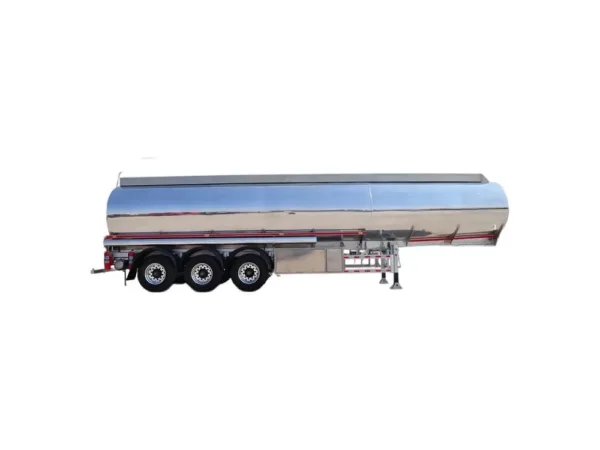
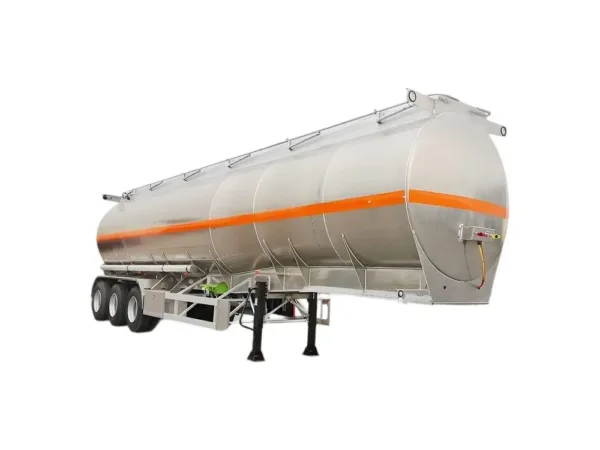
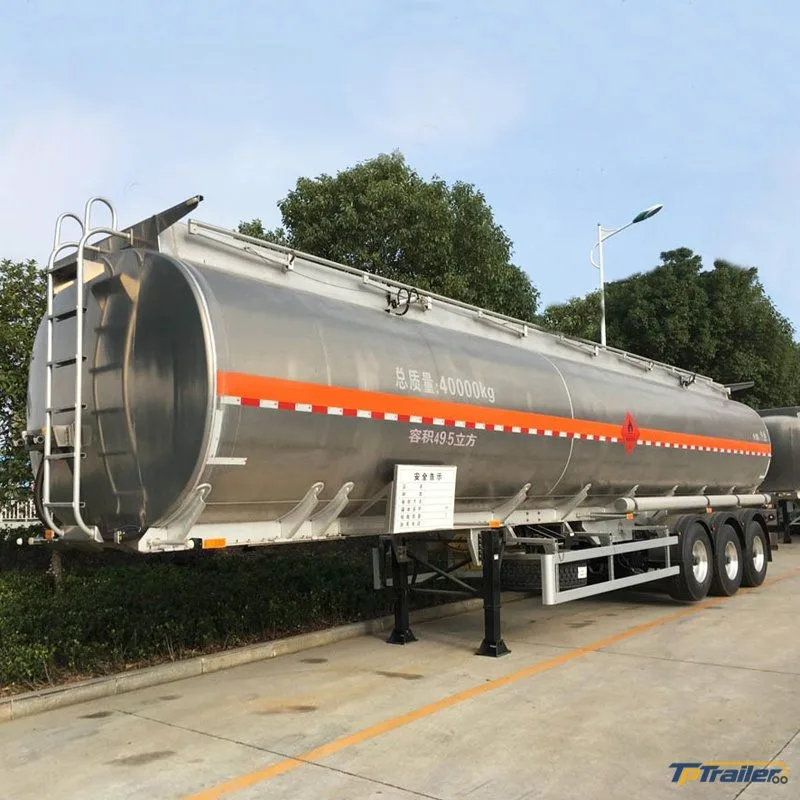
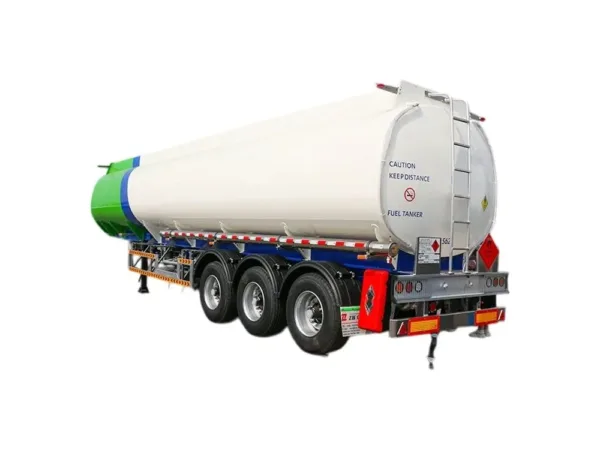
As a carbon steel oil tanker trailer alternative engineered in aluminium alloy, this three-axle fuel tanker semi trailer is built for fleets that move liquid fuel over long highway runs and into depot yards. It suits fuel distributors, transport contractors and tanker fleet operators who want a lighter tank body without giving up structural strength.
Table of Contents
The strongest reason to choose it is the combination of a large tank volume and a high payload rating on a proven three-axle running gear, so one unit covers both bulk volume work and heavy-load assignments. The 24V electrical system and vacuum tyre fitment keep it practical for hot, dusty operating regions, and the optional painting and brake brand let each buyer match the unit to an existing fleet standard.
Why It Works On Site
Aluminium alloy tank body. The alloy construction keeps the tare weight down compared with a carbon steel oil tanker trailer of similar size, so more of the permitted gross weight goes to cargo. That matters on routes where every kilogramme counts against axle limits, and it reduces fuel burn on long return journeys where the tank often runs empty.
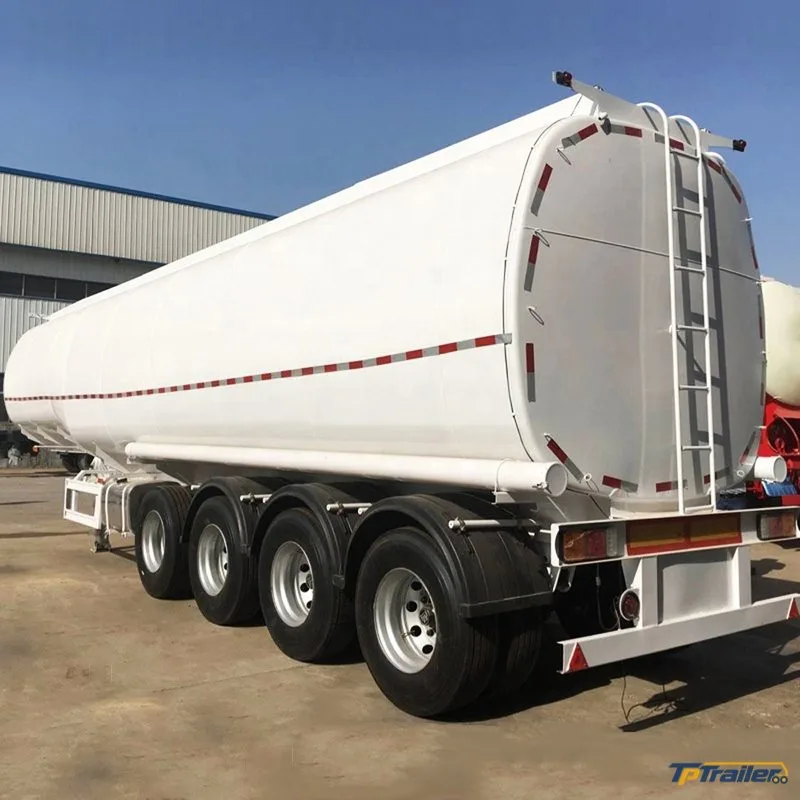
Three-axle running gear. Spreading the load across three axles gives stable tracking under a full tank and keeps individual axle loads within legal limits on highway work. Drivers get predictable braking and cornering behaviour when the liquid shifts, which is the main handling concern with any carbon steel oil tanker trailer in stop-start depot traffic.
Large tank capacity. The generous tank volume lets one unit serve as a bulk delivery vehicle for terminals and depots, cutting the number of trips per shift. Operators moving high-volume fuel contracts can plan fewer journeys and fewer driver hours, which is where a carbon steel oil tanker trailer with a smaller barrel often falls short.
24V electrical system. The higher-voltage electrical architecture supports lighting, sensors and auxiliary equipment reliably on long-haul routes. It gives the buyer headroom to fit work lights, monitoring devices and trailer signalling without overloading the circuit, which keeps the unit serviceable in regions where electrical spares are harder to source.
Vacuum tyre specification. The specified vacuum tyres suit sustained highway speeds and mixed road surfaces, holding pressure and wearing evenly under a loaded tank. Fleets running a carbon steel oil tanker trailer alongside this unit can standardise on one tyre size, simplifying stock, roadside replacement and maintenance scheduling across the whole fleet.
Optional painting and brake brand. Buyers choose the finish and brake hardware to match existing fleet livery and service arrangements. That flexibility means the trailer enters service without repainting or parts re-specification, and a carbon steel oil tanker trailer already in the yard can share brake components where the same brand is selected.
Where It Is Used
This unit fits terminal-to-station fuel delivery, where a tanker runs from a bulk depot to filling stations and back on a fixed daily loop. The large tank volume means fewer reloads per shift, and the three-axle layout handles the mix of highway running and tight forecourt approaches. Operators hauling diesel, petrol and light fuel oils recognise the pattern: load at the rack, run the highway, discharge at each station, return empty.
The aluminium alloy body keeps the empty return economical, while the vacuum tyres and 24V electrical system cope with the repeated stop-start duty. Fleets already running a carbon steel oil tanker trailer on the same loop can add this unit for volume peaks without changing driver routines or depot procedures.
The trailer also suits regional distribution and construction-site fuel supply, where a tanker delivers to remote yards, plant depots and equipment compounds. Here the job is less about forecourt access and more about rough approach roads, long gravel sections and unloading into site storage tanks. The three-axle suspension and vacuum tyres absorb that surface without stressing the tank body, and the high payload rating means one delivery can refill several site tanks in a single run.
Operators who previously relied on a carbon steel oil tanker trailer for these routes gain a lighter unit that still carries the load. The 24V system supports work lighting for early-morning or night deliveries, and the optional brake brand lets the unit match the rest of a mixed fleet.
Choosing The Right Spec
Match tank capacity to delivery pattern. A buyer running long terminal-to-station loops gets the most from the large tank volume, because fewer reloads per shift translate directly into lower operating cost. Where routes are short and discharge points are frequent, the same capacity still works, but the value shifts to reduced trip count. Compare against any carbon steel oil tanker trailer already in service to see which unit should carry the bulk contracts.
Match axle count to load and route. The three-axle arrangement suits high payload work on highways and mixed roads, spreading weight and stabilising the tank under load. Fleets that run lighter loads on short urban routes may find a carbon steel oil tanker trailer with fewer axles adequate, but for heavy highway duty the tri-axle layout is the safer match against axle limits and handling demands.
Choose painting and brake brand to fit the fleet. The optional painting lets the buyer align the trailer with existing livery, while the optional brake brand lets hardware match service stock. Fleets standardising a carbon steel oil tanker trailer alongside this unit should select the same brake brand where possible, so mechanics work from one parts inventory and one set of procedures.
Confirm electrical and tyre fitment for the operating region. The 24V electrical system and vacuum tyre specification suit hot, dusty regions with long highway runs. Buyers should confirm these match local service capability before ordering, because spares availability drives uptime. Where a fleet already runs a carbon steel oil tanker trailer on the same tyres, keeping the same fitment simplifies stock and roadside replacement across the whole operation.
Customisation Before Delivery
The axle count is fixed when the order is confirmed. A three-axle layout is standard for this tanker, but the configuration is agreed in writing before production starts. Buyers should state the road conditions and load pattern they expect, so the final choice matches the duty cycle rather than a catalogue default.
Suspension type is selected at order confirmation. The mechanical suspension shown in the base specification suits general haulage, while other arrangements can be discussed for rougher routes. A buyer comparing this unit with a carbon steel oil tanker trailer should note that suspension choice affects ride harshness and how the tank shell is stressed.
Tyres are specified before delivery. The listed vacuum tyre size is the reference point, and the final set is recorded on the order. Tyre choice changes ground pressure and fuel use on long runs, so it should be settled together with the axle count instead of being left to the last minute.
Painting is optional and agreed at order confirmation. Colour and finish are recorded so the trailer matches an existing fleet or a customer’s branding. The finish also affects how the shell is protected, which matters on any tanker, whether it is a carbon steel oil tanker trailer or an aluminium unit.
The kingpin size and brake brand are confirmed with the order. Both must suit the tractor unit that will pull the trailer. Getting these details right at the start avoids rework later, and it keeps the electrical and braking systems compatible from the first trip.
Fitting And Installation
Fitting starts with the tractor unit, not the trailer. The buyer has to match the fifth wheel to the kingpin size recorded on the order, and check that the coupling height suits the landing gear and the frame. The electrical connection must match the 24V system, so the socket, cable routing and light functions should be checked before the first loaded run.
Air lines and brake connections need to reach the trailer couplings without strain, and the hose route should clear the frame through the full range of articulation. Where the input gives no fitment drawing, a fitment drawing is confirmed at quotation instead of being assumed. That drawing is the reference for mounting points and clearances, and it should be reviewed by the workshop that will receive the unit.
A mismatch at this stage is expensive in downtime. A kingpin that does not suit the fifth wheel keeps the trailer parked. A lighting fault on a 24V system can fail a roadside inspection and pull the tractor out of service as well.
Hose routing that rubs or stretches leads to air leaks and brake problems, and each of those faults costs workshop hours that were never planned. Buyers moving from a carbon steel oil tanker trailer to an aluminium unit should also check that the workshop has the right lifting and support equipment for the lighter shell. Confirming the fitment drawing before production is the cheapest way to avoid these delays, because changes made after delivery always cost more than changes made on paper.
Service Life And Maintenance
Tyres and wheel ends usually wear first on any tanker, including a carbon steel oil tanker trailer. Operators should inspect tread depth, sidewall condition and wheel nut torque at each scheduled check. The vacuum tyre specification sets the reference for replacement, and keeping pressures correct protects both the tyres and the trailer frame.
Brake components are the next wear item. Linings, drums and air lines should be checked for wear, leaks and correct adjustment. Because the brake brand is optional and settled at order confirmation, the operator should record the fitted brand and keep spares that match it, so a roadside repair does not wait on parts.
The tank shell and its welds deserve a regular visual inspection. On an aluminium alloy tanker, the shell resists corrosion well, but mounts and fittings still need checking for cracks or looseness. A buyer used to a carbon steel oil tanker trailer should note that aluminium repairs need different techniques and should be planned with a qualified workshop.
Suspension and landing gear carry the load when the trailer is parked. Operators should check the mechanical suspension for worn bushes and loose U-bolts, and confirm the landing gear operates smoothly under load. The support legs are rated for the static load stated in the specification, and they should not be used to lift a loaded trailer.
The electrical system and lighting should be tested before every long trip. A 24V system with clean connections and intact cable routing lasts longer and avoids the breakdowns that come from corroded terminals. Painting, where specified, protects the frame and fittings, and touching up chips early extends the interval between cosmetic repairs.
Packing And Container Loading
The trailer ships as a complete unit, so protection is mostly about what touches steel and alloy during handling. A carbon steel oil tanker trailer buyer should expect the tank shell wiped and free of workshop dust before dispatch. Exposed machined faces on the kingpin and the landing gear threads are greased. The electrical harness is tied back and its connectors capped. Wheels are chocked and the suspension is strapped so nothing shifts when the crane lifts. Ask for photos of the unit on the quay before loading, because that is the last point where a scratch or a missing mudguard can be fixed without a claim.
This unit does not nest. A carbon steel oil tanker trailer is a long rigid body, and the tank barrel is welded to the frame, so there is nothing to collapse for freight. It loads as one piece, usually on a flat rack or a roll-on vessel, secured by chains through the frame and over the axles.
Stacking another trailer on top is not something to plan for. A carbon steel oil tanker trailer shipped this way should arrive with the barrel true and the frame square. On arrival, check the tank for dents along the barrel, look for paint rubbed through at the strap points, confirm the axles sit straight, and test the lights and the electrical circuit before you sign the delivery note.
Common Mistakes Buyers Make
Ordering the wrong tank volume. A carbon steel oil tanker trailer is quoted by capacity, and buyers sometimes pick a size from a photo rather than from their own route and cargo plan. The single check: calculate the litres you actually move per trip, then match that to the barrel size before you confirm the order.
Ignoring the kingpin match. The tractor in the fleet may not take the kingpin the trailer is built with, and a carbon steel oil tanker trailer that will not couple is a stranded asset. The single check: read the fifth wheel plate on your prime mover and confirm the kingpin size in writing.
Assuming a paint finish is included. Finish on a carbon steel oil tanker trailer is a selectable item, so an unpainted unit can arrive looking rougher than expected. The single check: state the finish you want in the purchase order and ask for it listed on the quotation line by line.
Skipping the tyre and brake review. Tyre size and brake brand are both orderable items, and a mismatch with the rest of the fleet complicates spares. The single check: list your existing tyre size and preferred brake brand, then have the supplier confirm each one against the build sheet.
Overlooking the electrical system. A carbon steel oil tanker trailer runs a low-voltage circuit, and mismatched plugs or lamp units cause failures at handover. The single check: confirm the socket type and lamp voltage your tractor provides, and compare them with the trailer wiring before shipment.
Buyer Questions
Can the trailer be shipped in a standard container?
No. A carbon steel oil tanker trailer is a full-length road unit, so it moves as break bulk, on a flat rack or by roll-on vessel rather than inside a box. What you should confirm is the shipping method quoted, the port of discharge and who handles the securing gear. Ask for the loading photos before the vessel sails. If you are comparing suppliers, make sure each quote covers the same freight basis so the numbers are comparable.
What should I check on the trailer when it arrives?
Walk the barrel first and look for dents, then inspect the paint at the strap and chain contact points. A carbon steel oil tanker trailer should arrive with the frame square, so check the axle alignment and the landing gear operation. Test the lights and the electrical circuit with your own tractor. Confirm the spare wheel, the kingpin and the tyre specification against the order. Record anything wrong in photos before you sign the delivery note.
How do I know which capacity and axle count to order?
Start from your cargo, not the catalogue. A carbon steel oil tanker trailer should be sized to the volume you move per trip and the roads it runs on, so give the supplier your route, your load and your tractor type. Then confirm the axle count against your permitted payload. Ask for the build sheet in writing. The price for each quantity band is confirmed at quotation, so state your fleet size early.
To get a quotation, send three things: the tank length you need, the axle count you want, and the quantity you plan to order. Add your tractor type and the finish you prefer. With those details, the supplier can confirm the build and the price band for your volume.
We use cookies to enhance your browsing experience, serve personalized content, and analyze our traffic. By clicking "Accept All", you consent to our use of cookies. Privacy Policy
Cookie Preferences
Required for the website to function properly. Cannot be disabled.
Help us understand how visitors interact with the website (Google Analytics).
Used to deliver personalized ads and measure ad campaign effectiveness.


















Write a Review