


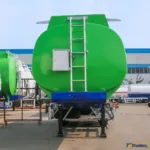
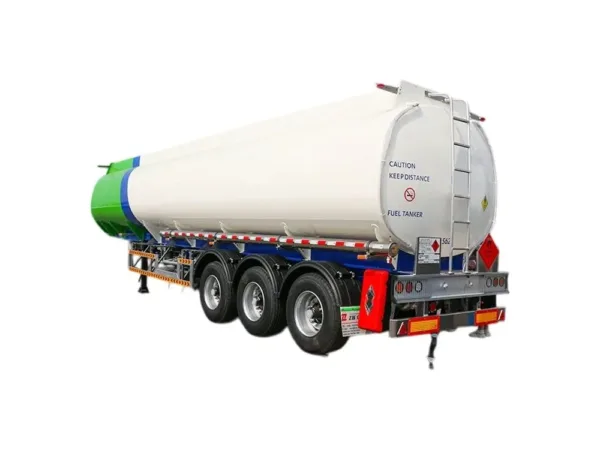
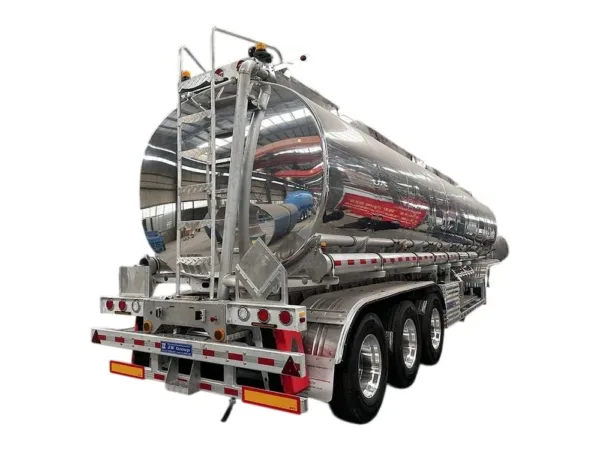
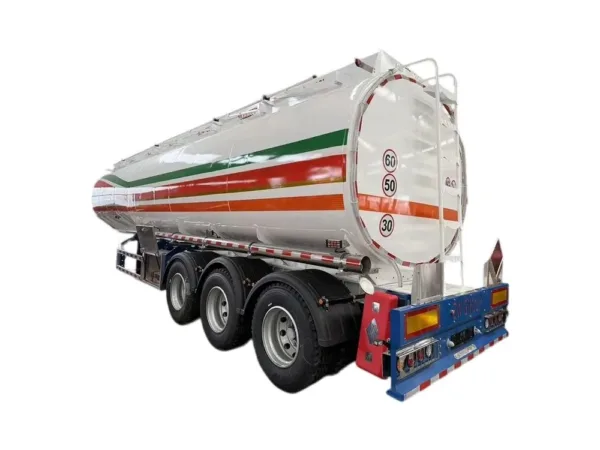
This aluminum fuel tanker trailer carries 45000 liters on 3 axles for long distance transportation of diesel and gasoline fuel, with a 30000 load capacity.
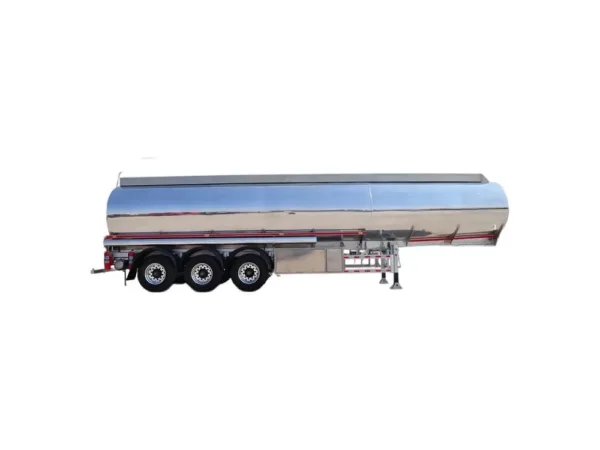

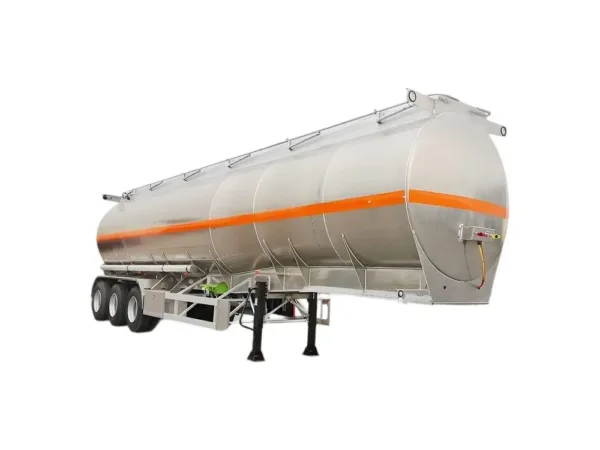


An aluminum fuel tanker trailer is the lightweight answer for fleets moving diesel and gasoline over long distances, and this 45000 Liters Aluminum Semi-Trailer with three axles is built for that duty: a high-capacity tank on a lightweight aluminum frame, sized for bulk fuel delivery runs where every kilogram of payload matters. It suits fuel distributors, transport contractors and depot operators who need consistent volume per trip without dragging a heavy steel tank behind the tractor. The strongest reason to choose it is the combination of a 30000 kilogram load capacity and aluminum construction, which lets a single aluminum fuel tanker trailer carry more usable fuel per journey while keeping the towed weight manageable for the tractor unit.
The most common duty for this aluminum fuel tanker trailer is bulk fuel distribution from a terminal or depot out to retail filling stations. A dispatcher loads the tank at the rack, the driver runs the highway leg, and the load is discharged into station storage tanks. Because the tank body is large, a single run can supply a station or a cluster of stations before the trailer returns for refilling. Fleet operators recognise this pattern well: fixed routes, scheduled drops, and a need for the trailer to be back at the rack on time. The three-axle layout and the rated load capacity support that rhythm, keeping the unit within its working limits on repeated daily cycles.
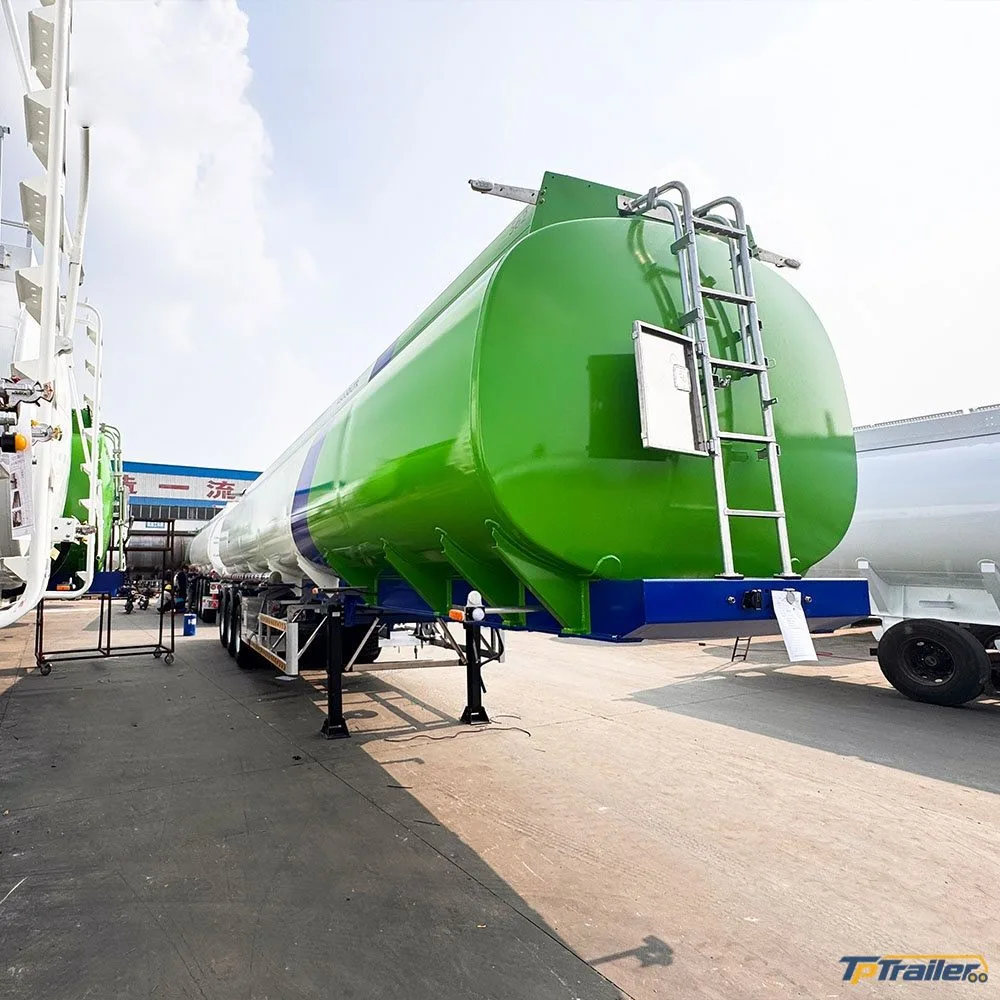
The second major use is mobile and site-based fuelling, where fuel has to reach equipment rather than equipment reaching a station. Construction fleets, quarry operations, agricultural estates and remote work camps all need diesel delivered to where the machines are working. Here the aluminum fuel tanker trailer acts as a bulk carrier between the supply point and the site, with the trailer parked or staged as a buffer while equipment is refuelled. Gasoline delivery follows the same logic for smaller retail and commercial accounts. Operators value the aluminum construction in this role because the lighter trailer is easier to move over long access roads and tracks, and the assembly can be repositioned between sites without tying up heavy haulage assets.
A third pattern appears in fuel wholesalers that serve their own network of depots. Instead of running a fixed station route, the operator moves stock between storage points as demand shifts, which means the trailer spends more time loaded and less time idle. For that work the aluminum fuel tanker trailer earns its keep through turnaround speed: quick loading at the rack, a stable highway leg, and a discharge that does not hold up the next scheduled run. The leg also suits contractors who win short-term supply contracts and need a unit that can be reassigned to a new corridor without a rebuild.
Each option above is fixed at order confirmation, not during production. That keeps the aluminum fuel tanker trailer build aligned with your fleet from the first weld. Write the agreed configuration onto a single specification sheet and keep it with the purchase order, because that sheet is what the receiving team checks against on arrival.
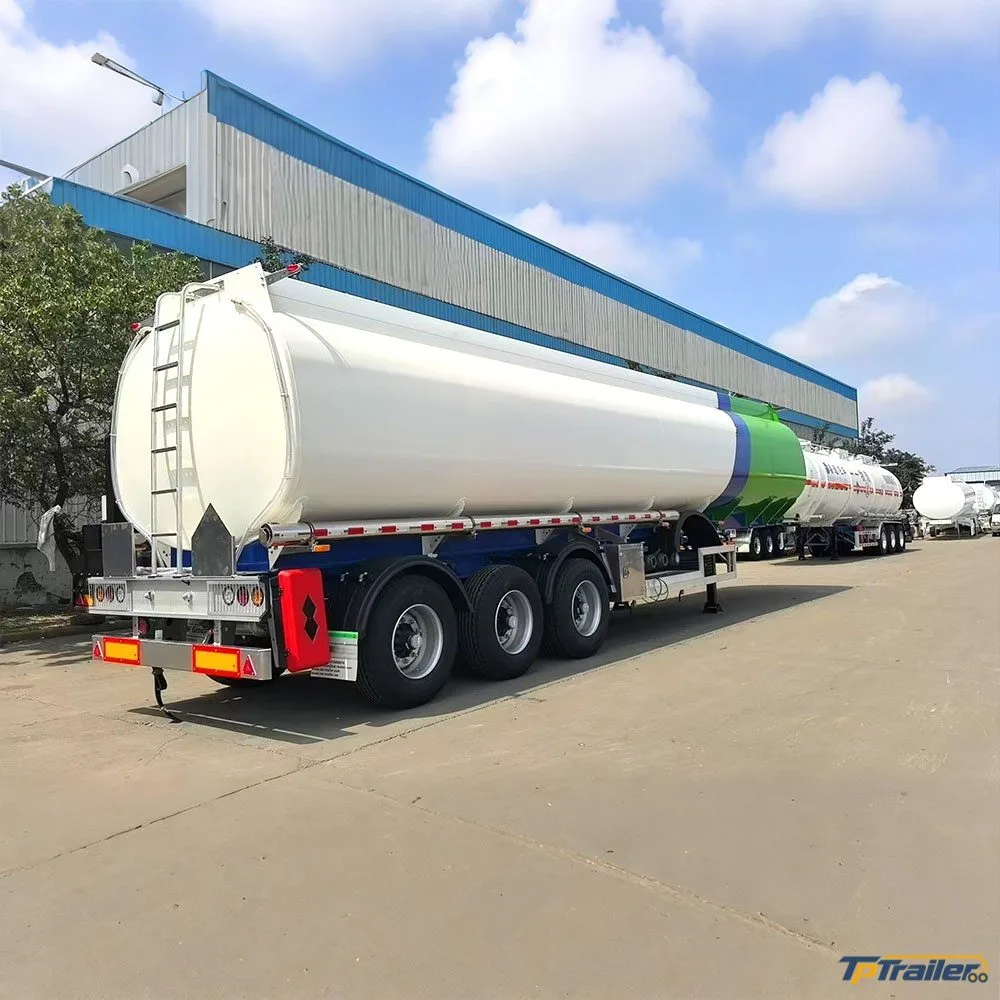
On arrival, the buyer matches the trailer to the tractor before any load is carried. Check the mounting points and the fifth wheel position first, because a mismatch here affects how the aluminum fuel tanker trailer sits and tracks. Confirm the tube size and hose routing for the fuel transfer lines against the drawing agreed at quotation. Where fitment data is not fixed in advance, a fitment drawing is confirmed at quotation rather than assumed. Torque values should follow the drawing or the component supplier’s instructions, as none are stated here. Walk the length of the assembly and confirm clearance around the tank shell, the landing legs and the axles.
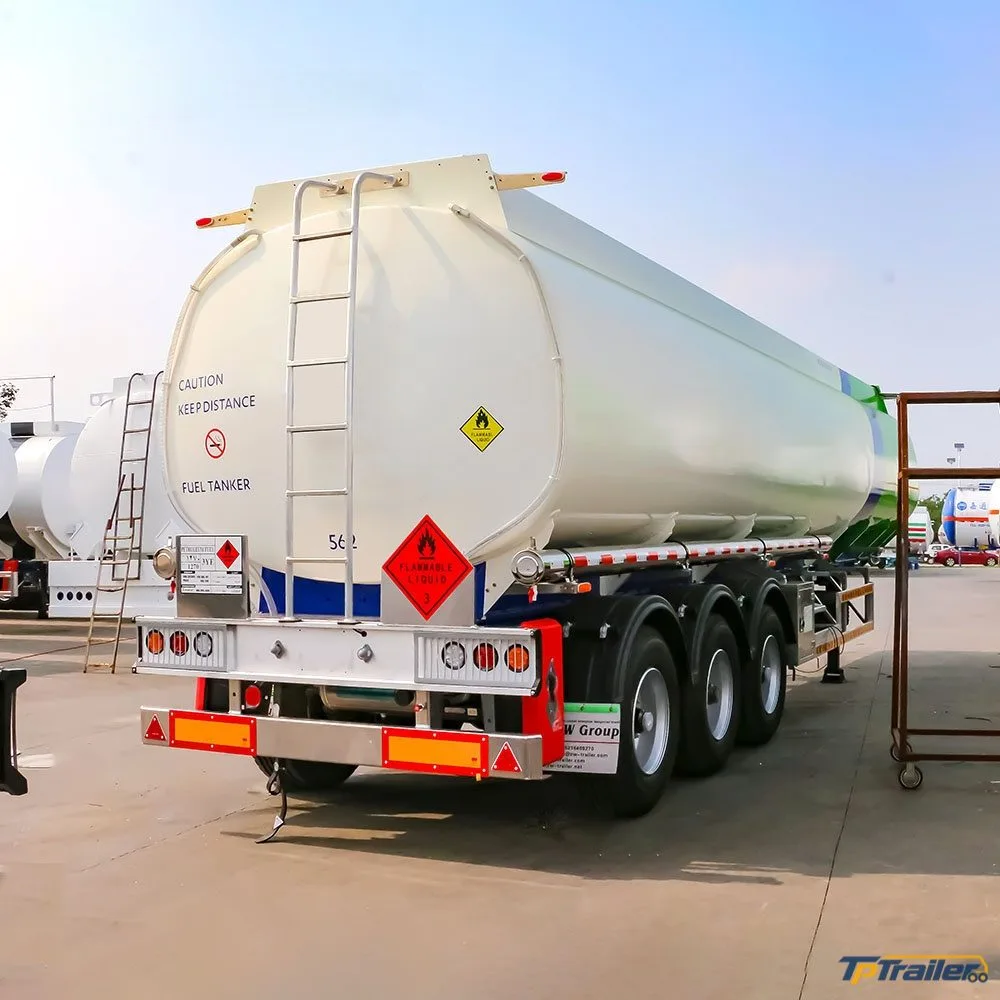
A wrong size at this stage costs downtime, not just money. If the hose routing does not match, the trailer cannot be loaded until lines are reworked, and the vehicle sits idle. A tube size that does not meet your pump or meter forces adapters, and every joint added is a place to check. Mounting points that do not line up mean the unit cannot be coupled safely, so the delivery run is wasted. Confirm the fitment drawing before shipment, and the aluminum fuel tanker trailer enters service on the first attempt rather than after a workshop visit.
Once coupled, run a short unladen check before the first fuel load. Confirm the leg sits level on the tractor, that the landing legs retract fully and that the brake lines connect without strain. Then carry a partial load on a familiar route and re-check the fittings and hose runs at the end of the trip. This short commissioning step catches a loose clamp or a chafing line while the tank is still nearly empty, which is far cheaper than finding it with a full load on a highway shoulder.
Maintenance on an aluminum fuel tanker trailer is mostly inspection, done often and recorded. The operator who checks tyres, brakes and lines before each trip catches wear while it is still small. No fixed service interval is stated here, so build the schedule around your routes and load pattern, and keep a simple log per unit so the next inspection starts from a known baseline.
An aluminum fuel tanker trailer ships as a complete unit, so packing is about surface protection rather than crating. The tank shell and barrel are cleaned and dried before dispatch. Exposed aluminum surfaces are wrapped or filmed to limit salt spray and road grime during the sea leg. Walkways, ladders and fittings are secured so they cannot vibrate loose. The chassis is braced against movement inside the container or on deck. Axles and running gear stay assembled. Buyers should expect a unit that arrives ready for inspection, not a kit of loose parts.
Container loading depends on how the trailer is configured. A complete aluminum fuel tanker trailer is normally shipped on a flat rack or in a break-bulk arrangement, because a finished unit does not fit inside a standard box. Nested or stacked loading is not possible for a finished tanker. Space is saved by choosing the shortest overall length and the required axle count, not by dismantling. Ask the supplier for the loading plan before booking freight. Confirm the lifting points and the tie-down scheme used for the voyage.
Exposed aluminum surfaces are wrapped or filmed, and the tank interior is cleaned and dried before dispatch. Fittings such as ladders and walkways are secured against vibration. The unit is braced against movement, and the tie-down scheme is agreed before loading. On arrival, inspect the wrap for breaks and look for white corrosion on bare aluminum. Photograph any damage before removing the protection. Ask the supplier for the packing method in writing so the receiving team knows what to expect.
A finished aluminum fuel tanker trailer cannot be nested or stacked, so each unit needs its own space on a flat rack or in break-bulk loading. The number of units per shipment depends on the overall length and the vessel’s loading plan. Give the supplier the order quantity early, and ask for a loading plan showing how the units are arranged and secured. Confirm the shipping method and the loading arrangement at quotation, since both affect freight cost.
Check the tank shell, the fittings and the running gear against the agreed specification sheet. Confirm the overall length, the axle count, the load capacity and the compartment layout match the order. Inspect the wrap and the aluminum surfaces for transit damage, and photograph anything you find before signing. Confirm the lifting points and tie-downs were used as planned. Report any discrepancy to the supplier in writing with photos attached.
To receive a quotation for an aluminum fuel tanker trailer, send the required overall length, the axle count and the order quantity. Add the intended duty and the compartment layout if known. With those details, the supplier can confirm the configuration, the packing method and the loading plan for your shipment, and the aluminum fuel tanker trailer can be specified to your routes from the first order.
Explore more lightweight aluminum fuel tanker trailer transport in this range.
| Load Capacity | 30000 | Type | Semi-Trailer |
|---|---|---|---|
| Place of Origin | China (Mainland) | Province | Guangdong |
| Use | Truck Trailer | Material | Aluminum / Alloy |
| Size | 11700x × 2500 × 3800mm | Dimensions | * * |
No reviews yet — click the Review button on the right to share your experience with this product.











Fill in the form below and our team will respond within 24 hours.
Write a Review