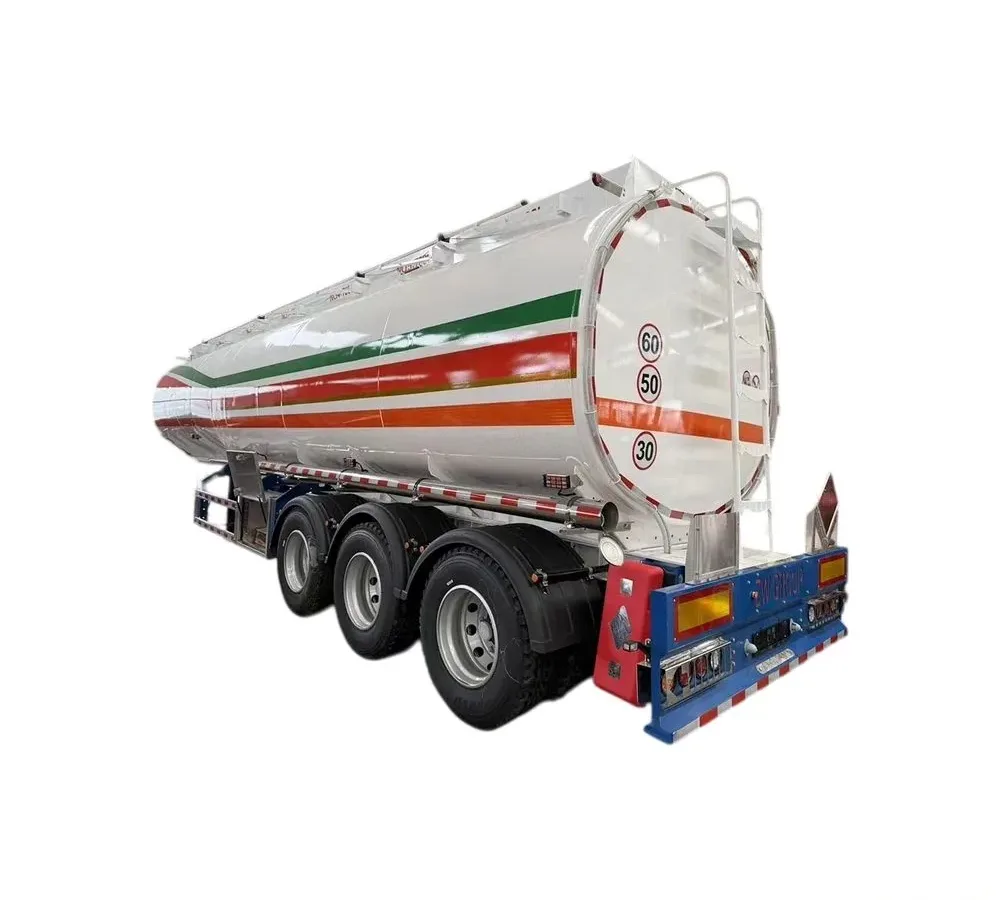
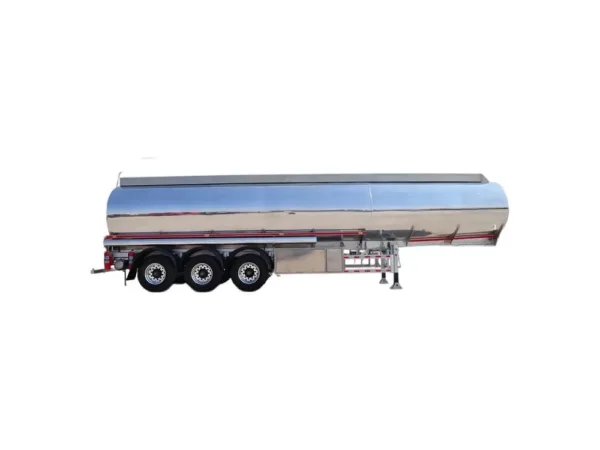
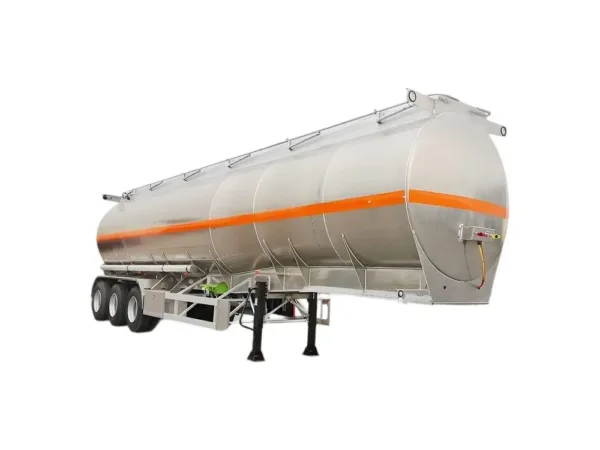
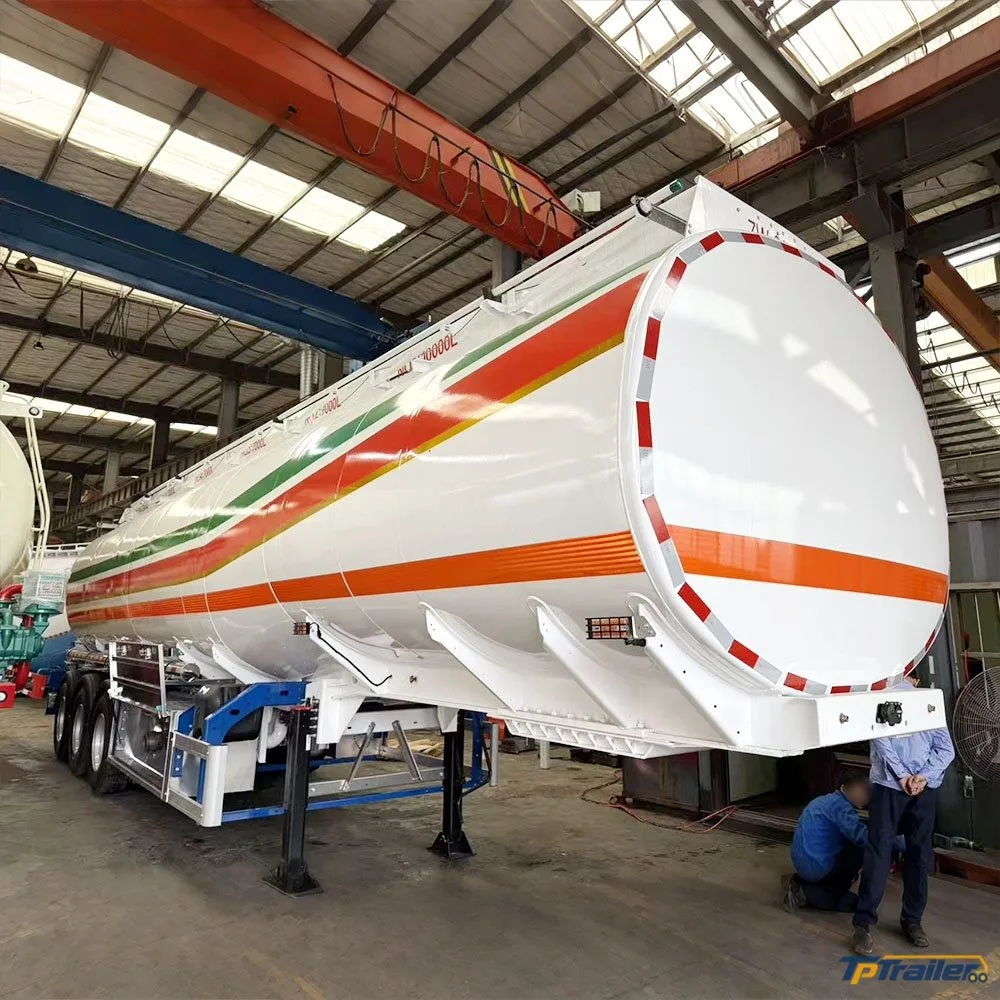
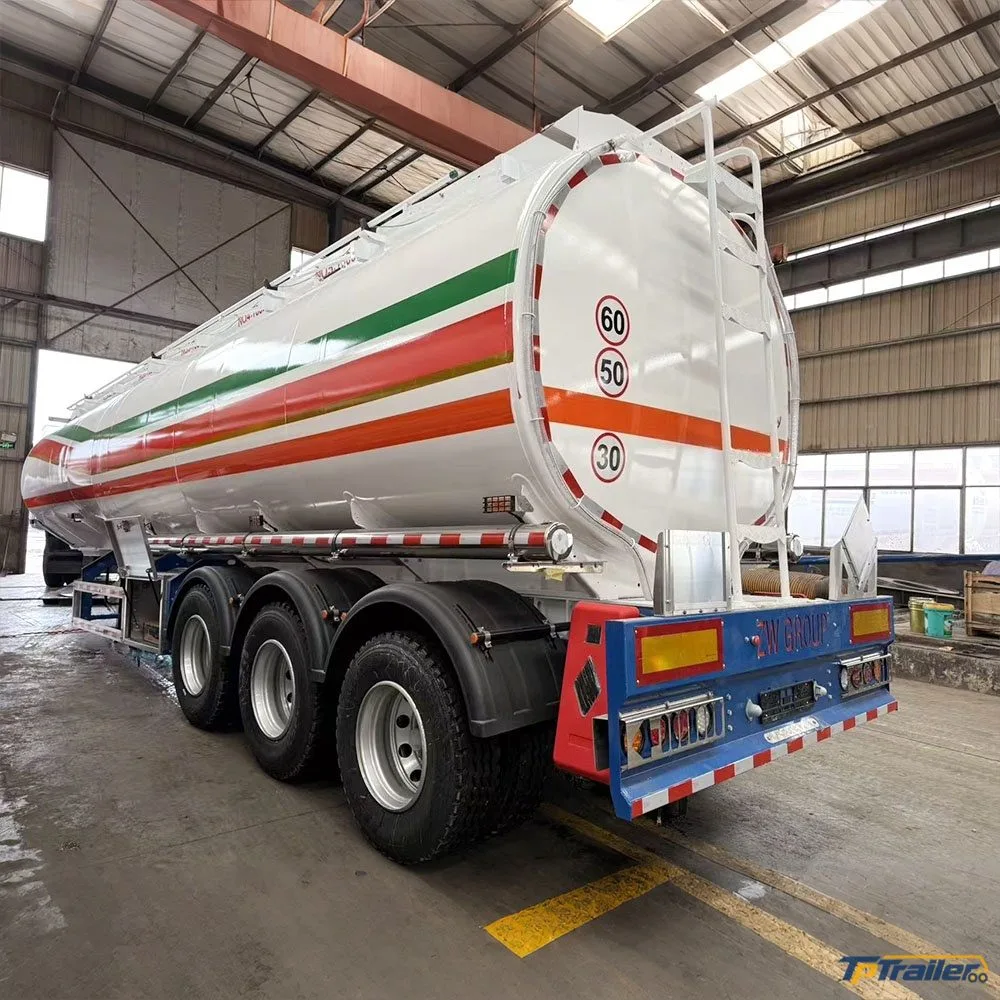
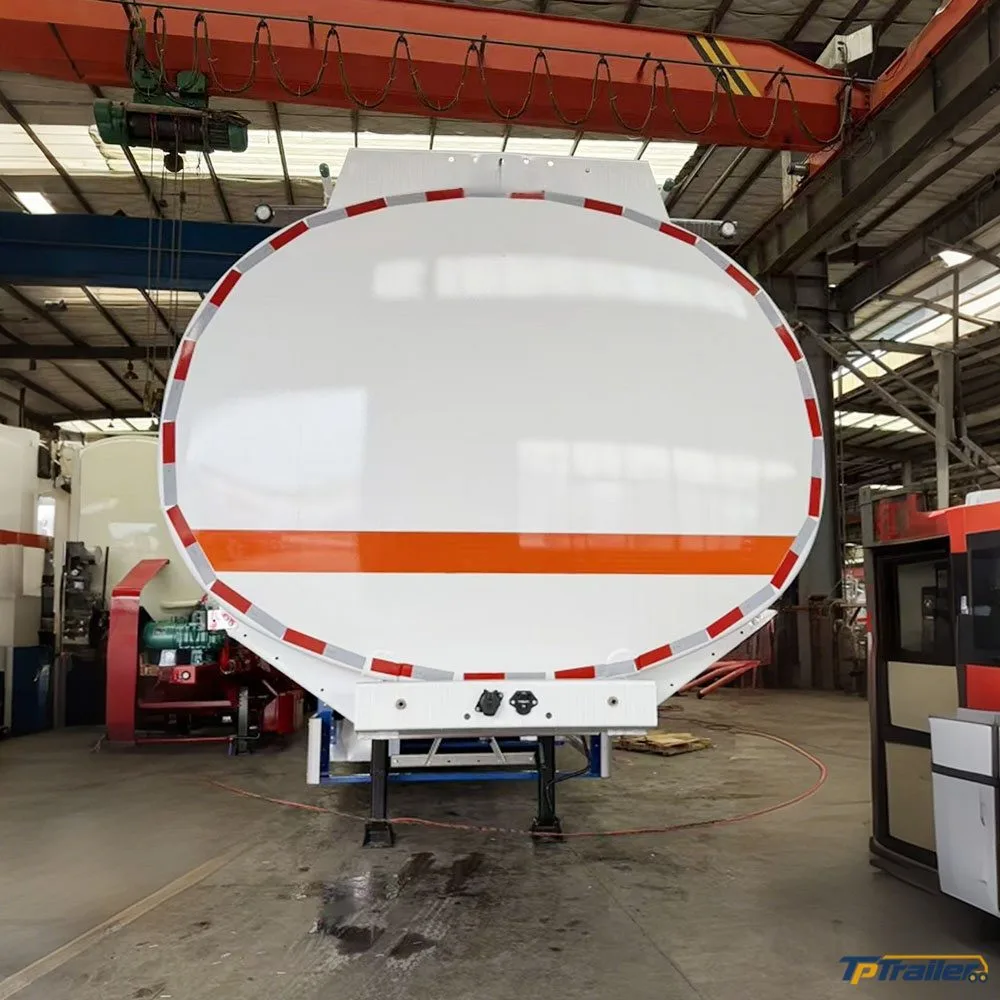
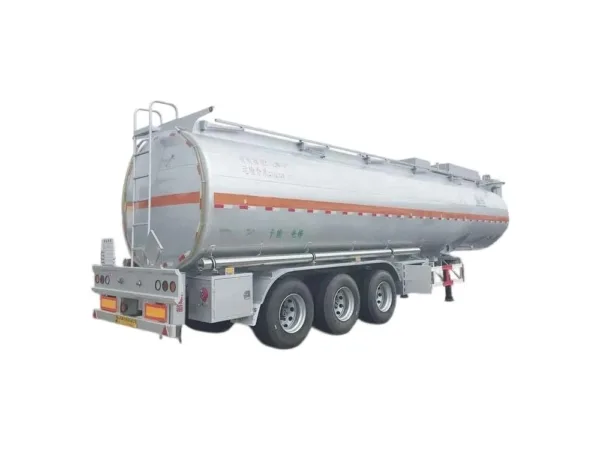
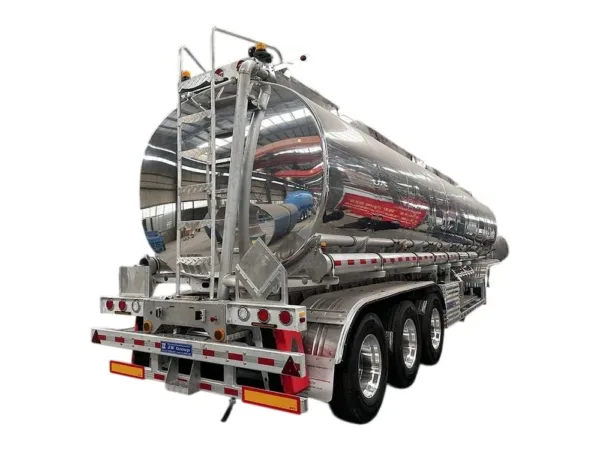
Lightweight aluminum fuel tanker trailer transport starts with the right build, and this 3 axle 45000L aluminum fuel tanker semi trailer is that build. It is a tanker semi trailer for oil, diesel and petrol hauling, aimed at fleet operators and fuel distributors who move liquid loads daily. The shell is aluminum, so the trailer keeps its payload advantage over steel, while the three-axle layout carries the volume across long routes. Its single strongest reason to choose it is the balance it strikes: high capacity, low tare weight and a load capacity of 30000, all in one unit. Buyers who compare running costs across a fleet will see where that matters.
Table of Contents
Why It Works On Site
The aluminum shell cuts tare weight against a steel tank of the same size, so every trip carries more fuel before the axle limits are reached. For a fleet running fixed routes, that translates into fewer trips for the same delivered volume and lower fuel burn per litre moved. It is the core reason lightweight aluminum fuel tanker trailer transport pays back on high-mileage work.
The 45000L tank body gives dispatch planners room to combine compartment loads in one run, so a depot can serve several stops without sending a second unit. That suits operators who deliver to scattered stations and want one vehicle to cover a full day of drops instead of splitting the route across two trailers.
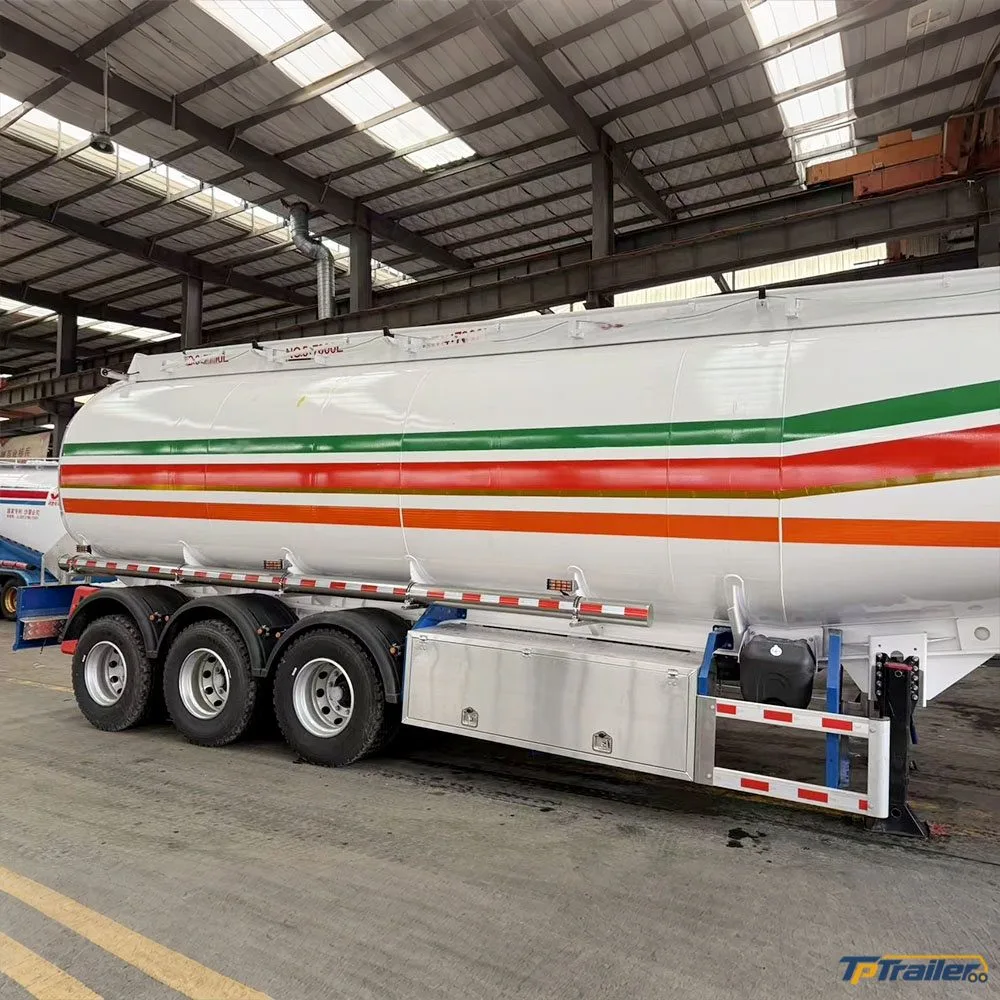
Three axles spread the loaded mass across more contact points, which keeps the trailer stable under a full tank and reduces the load each tyre and hub carries. On long highway legs and uneven secondary roads, that stability shows up as steadier tracking and less stress on the running gear over repeated trips.
The load capacity of 30000 sets a clear ceiling for route planning. Dispatch teams can match cargo weight to the trailer before loading, which avoids overloaded runs and keeps the vehicle inside the limits its axles and tyres are built around. That makes lightweight aluminum fuel tanker trailer transport predictable for schedulers.
Aluminum resists corrosion better than plain steel in wet and coastal conditions, which matters for fuel haulage where condensation and weather exposure are constant. A shell that holds up to moisture keeps the tank serviceable over more years and protects the cargo from contamination through the tank wall.
The semi trailer format couples to a standard tractor unit, so a fleet can add capacity without buying a new power unit. That keeps capital spend on the trailer alone and lets existing drivers and workshops handle the equipment with familiar procedures.
Where It Is Used
The most common job for this trailer is depot-to-station fuel delivery. A tanker like this loads diesel or petrol at a terminal and runs a fixed loop of filling stations, dropping compartment by compartment. Because the tank body carries a large volume, one trailer can cover a route that would otherwise need two smaller units. Operators running lightweight aluminum fuel tanker trailer transport on these loops value the combination of capacity and low tare, since the truck spends its day loaded and the weight saved is weight that can go into product. The three-axle layout keeps the unit settled through repeated stop-start delivery work and the turns into forecourts.
A second familiar use is bulk oil and diesel movement between storage sites, construction fuel points and industrial yards. Here the trailer works as a shuttle, carrying product from a main depot to satellite tanks where machinery and generators refuel. Routes often mix highway running with access roads, so the trailer needs to track well loaded and stay stable when part-full. Fleets that plan lightweight aluminum fuel tanker trailer transport around these shuttle runs use the volume to cut the number of journeys per week. The aluminum shell also suits yards where the trailer sits outdoors between jobs, since it handles weather exposure better than bare steel.
Choosing The Right Spec
Start with the load capacity of 30000 and match it to the densest product you haul. Diesel and petrol sit at different weights per litre, so the same tank volume gives different payloads. Buyers planning lightweight aluminum fuel tanker trailer transport should confirm the cargo weight their routes produce stays within that ceiling before fixing the order.
Use the 45000L tank volume to decide how many drops one run should cover. A depot serving many small stations gains from the larger body, while a single-destination shuttle may not need the full volume. Match the tank size to the route pattern so the trailer is not carrying empty space on every trip.
Consider the three-axle configuration against the roads you actually run. More axles spread load and steady the trailer when full, which suits long highway legs and mixed surfaces. Operators weighing lightweight aluminum fuel tanker trailer transport options should match axle count to route length and surface quality rather than to price alone.
Compare the price tiers against fleet size. The per-unit price steps down as order quantity rises, so a buyer adding several trailers at once sees a different cost per unit than a single-unit order. Plan lightweight aluminum fuel tanker trailer transport purchases around how many units the fleet will absorb, then size the order to that number.
Customisation Before Delivery
The axle count is chosen at order confirmation. Three axles suit heavy diesel and petrol loads on long hauls. Fewer axles cut tare weight for lighter duty work. Each setup changes how the lightweight aluminum fuel tanker trailer transport behaves on the road, so state your route profile when you order.
Tank capacity and compartment layout are agreed before build. The barrel can be split into separate compartments for different fuel grades. Compartment size affects discharge speed and load balance. Buyers planning multi-product delivery should confirm the split early, since the lightweight aluminum fuel tanker trailer transport layout is fixed once fabrication starts.
Suspension type is a selectable option. Mechanical and air suspension behave differently on rough roads and under partial loads. Air suspension protects the shell on long highway runs. State your road conditions at order confirmation so the lightweight aluminum fuel tanker trailer transport is matched to the ground it will cross.
Tyre size and brand are settled with the order. Tyre choice affects ground clearance, load spread and replacement cost. Operators working unpaved routes should confirm a tread pattern suited to loose surfaces. The lightweight aluminum fuel tanker trailer transport is only as good as the rubber under it.
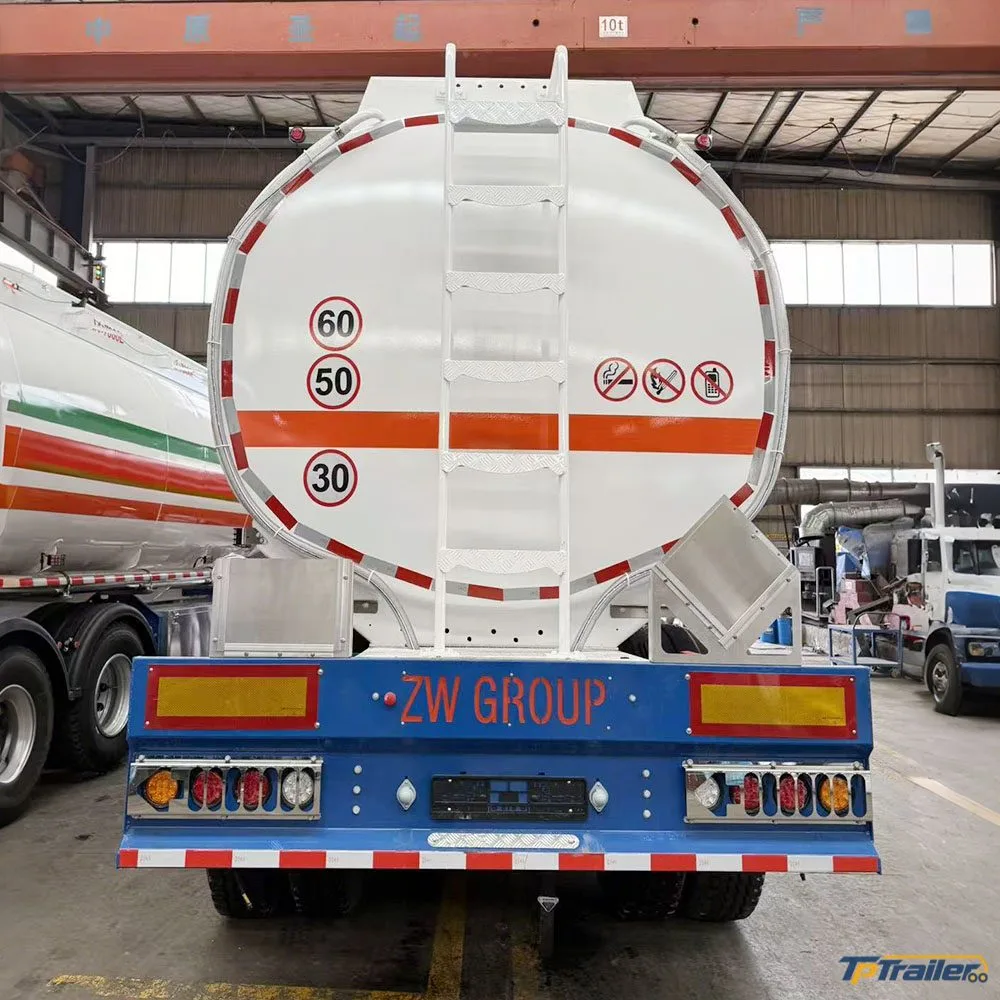
Colour, tank finish and accessory fitment are confirmed at order confirmation. Options include side guards, ladder placement, hose carrier position and reflective marking. These choices do not alter the core shell. They do change how the lightweight aluminum fuel tanker trailer transport works day to day for your drivers.
Fitting And Installation
On arrival, the buyer has to match the trailer to the tractor unit and to the loading point. Check the fifth wheel coupling height and the kingpin position first. Confirm the landing gear travel clears your yard surface. Look at the electrical socket type and the air line couplings on the towing vehicle. The brake system and light wiring must connect without adapters.
Then check the discharge pipework: hose diameter, valve thread and outlet height must suit your pump or gravity feed. If the input gives no fitment data for a given item, a fitment drawing is confirmed at quotation rather than assumed. That drawing covers mounting points, tube size and hose routing for your exact configuration. Treat it as the reference document during installation, because the lightweight aluminum fuel tanker trailer transport is built to that drawing and not to a generic template.
A mismatch found at delivery costs downtime, and downtime costs money. A wrong coupling height means the trailer cannot be towed until the tractor or the trailer is adjusted. An incorrect hose thread stops discharge at the depot gate. Wrong light wiring fails inspection and keeps the unit parked. Each of these faults is small in itself but blocks the whole vehicle from earning.
That is why the fitment drawing is settled at quotation and checked against your tractor before the unit ships. Buyers running a fleet should confirm that every tractor in the pool matches the same fitment. If the pool is mixed, say so early. The lightweight aluminum fuel tanker trailer transport then arrives ready to couple, and the first working day is a working day rather than a repair session.
Service Life And Maintenance
The tank shell and its welds are the first thing to watch. Inspect seams, baffle mounts and the barrel-to-frame connection for cracks or seepage. Aluminum resists corrosion well, but vibration still works on joints. A routine walk-around with a torch catches most issues early. The lightweight aluminum fuel tanker trailer transport rewards regular visual checks more than any other habit.
Valves, gaskets and seals wear before metal does. Check the bottom loading valve, the discharge valve and every gasket for hardening or leaks. Replace seals at the first sign of weeping. Keep spare gaskets on hand so a small fault does not idle the unit. This is the cheapest maintenance on the lightweight aluminum fuel tanker trailer transport and the one most often skipped.
Brake and air system components age with use. Inspect brake chambers, slack adjusters and air lines for wear and chafing. Air suspension bellows, where fitted, should be checked for cracks and leaks. A slow air leak drains the compressor and strains the system. Operators of the lightweight aluminum fuel tanker trailer transport should treat air system checks as a fixed part of the pre-trip routine.
Tyres and wheel ends carry the load and take the wear. Check tread depth, sidewall condition and wheel nut torque at regular intervals. Watch for uneven wear, which points to alignment or suspension faults. Catching a worn tyre early protects the rim and the shell above it. On the lightweight aluminum fuel tanker trailer transport, tyre care is also load safety.
Surface finish protects the shell over the long term. Wash off road salt, chemical residue and abrasive dust before they settle into seams. Touch up coating damage on the frame and fittings as soon as it appears. The aluminum body holds up well on its own, but the coating choice and prompt repair of chips extend the interval between refurbishments on any lightweight aluminum fuel tanker trailer transport.
Packing And Container Loading
Each unit leaves the yard as a complete trailer, so packing is about surface protection and load security rather than crating. Exposed aluminum is wrapped or coated to limit salt-air exposure on the voyage. Lamps, valves and loose fittings are protected or boxed separately. The buyer should confirm the protection method and the loading plan at quotation. Lightweight aluminum fuel tanker trailer transport moves a long, wide unit, so the shipping line’s dimensions matter as much as the product itself.
Nesting and stacking are not realistic for a finished tanker. The tank shell, running gear and landing legs are fixed, so units ship one per platform or in open-top or flat-rack frames. Space is saved by careful positioning and by keeping accessories off the deck. Ask the supplier for the loading sketch and the number of units per shipment before booking. Lightweight aluminum fuel tanker trailer transport by container is limited by frame dimensions, not by the tank volume. On arrival, check the shell for dents, the frame for distortion and the seals for tampering. Photograph before unloading and compare against the packing list. Report damage to the carrier before the unit leaves the port area.
Common Mistakes Buyers Make
Ordering the wrong tank volume. Buyers match the shell to the tractor or the route instead of the legal payload. The single check is to confirm the load capacity against the permitted gross weight and the product density you carry. Confirm the figure at quotation and get it in writing on the order, so the lightweight aluminum fuel tanker trailer transport plan matches the tank you receive.
Ignoring axle and suspension setup. The axle count and suspension type must suit the roads and the load. Buyers often copy a neighbour’s spec without checking bridge or road limits. The single check is to confirm the axle configuration and suspension type against your route survey before ordering. Ask for the running gear layout in the quotation for lightweight aluminum fuel tanker trailer transport.
Skipping compartment and baffle detail. Compartment count and baffle arrangement decide how the trailer handles and how you deliver. Buyers assume a single compartment when they need several. The single check is to write the compartment layout and baffle requirement into the order. Confirm both at quotation, because they change the internal build of the lightweight aluminum fuel tanker trailer transport unit.
Leaving discharge equipment undefined. Pumps, valves and hose connections are easy to assume and hard to retrofit. Buyers order a bare tank and then discover the fittings do not match their terminal. The single check is to list every fitting, valve and connection point you need. Confirm the discharge configuration in writing as part of your lightweight aluminum fuel tanker trailer transport order.
Overlooking registration and marking needs. Plates, reflective markings and documentation vary by market, and buyers forget to state them. The single check is to confirm the marking and paperwork set required at destination. Put that list in the quotation request for lightweight aluminum fuel tanker trailer transport, so nothing has to be added after the unit is built.
Buyer Questions
Can the trailer be shipped in a standard container?
A finished three-axle tanker is too long and too wide for a standard container, so plan on open-top, flat-rack or platform loading. Ask the supplier for the overall length, width and height and compare them with the frame limits of the service you intend to use. Confirm the loading method, the number of units per shipment and the lashing plan at quotation. For lightweight aluminum fuel tanker trailer transport, book the frame before production finishes, because frame availability drives the shipping date more than the build does.
What should I confirm about the tank before I sign?
Confirm the load capacity, the compartment layout, the baffle arrangement and the discharge fittings in writing. Check the axle count, suspension type and tyre specification against your route and legal limits. Ask which surfaces are protected for sea freight and what accessories ship separately. Confirm marking and documentation requirements for your market at quotation. A written specification sheet for the lightweight aluminum fuel tanker trailer transport order prevents the mismatch that sends a unit back to the supplier.
How do I inspect the unit when it arrives?
Inspect before unloading where possible. Check the tank shell for dents and the frame for distortion. Look at the running gear, landing legs and fittings for movement in transit. Confirm the accessories listed on the packing list are present and undamaged. Photograph any issue and notify the carrier before the unit leaves the port. Then compare the delivered specification with your order for lightweight aluminum fuel tanker trailer transport, and confirm any open points with the supplier at quotation.
To receive a quotation, send the overall length you need, the axle count and suspension type, the compartment layout, and the quantity you plan to order. State your discharge fittings and marking requirements. Confirm the load capacity against your route limits. With those details, the supplier can price the lightweight aluminum fuel tanker trailer transport unit and confirm the shipping plan.
We use cookies to enhance your browsing experience, serve personalized content, and analyze our traffic. By clicking "Accept All", you consent to our use of cookies. Privacy Policy
Cookie Preferences
Required for the website to function properly. Cannot be disabled.
Help us understand how visitors interact with the website (Google Analytics).
Used to deliver personalized ads and measure ad campaign effectiveness.
















Write a Review