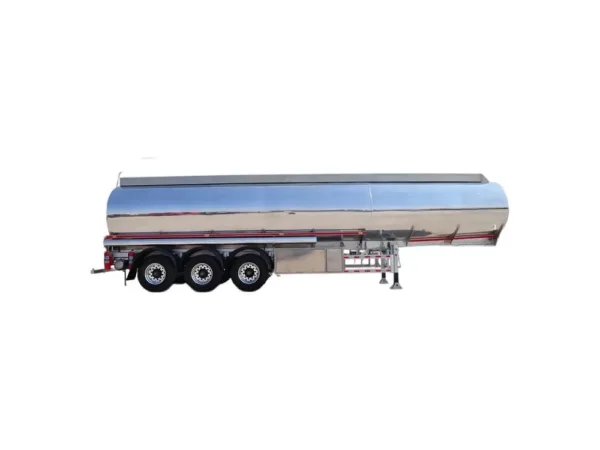
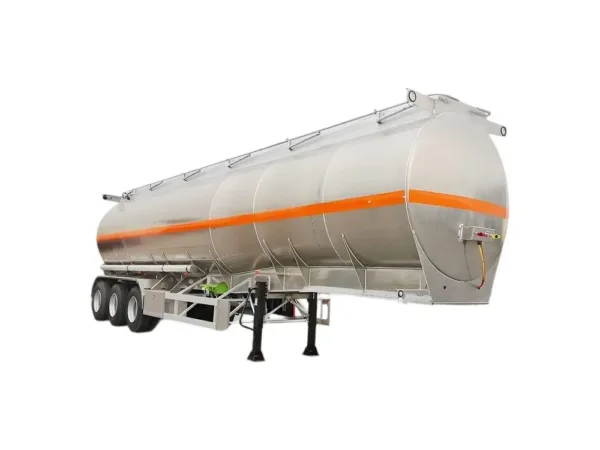
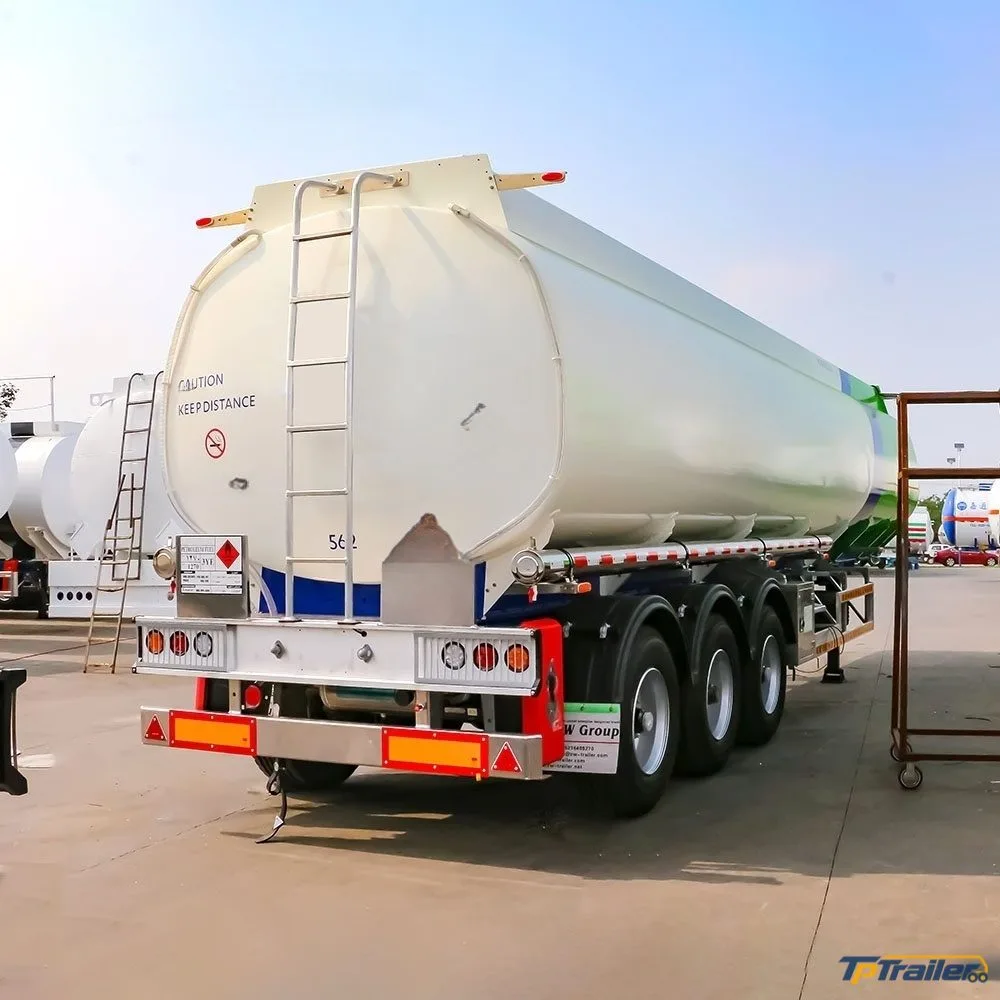
3 Axle Aluminum Fuel Tanker Semi Trailer 45000L Diesel Transport
lightweight aluminum fuel tanker trailer transport with 45000L capacity on a 3 axle chassis for diesel and gasoline delivery. Quotes available on request.
30000 3
FOB Reference PriceUS$6,000-10,000Final price confirmed by inquiry
Certifications
ISO 9001
Key Features
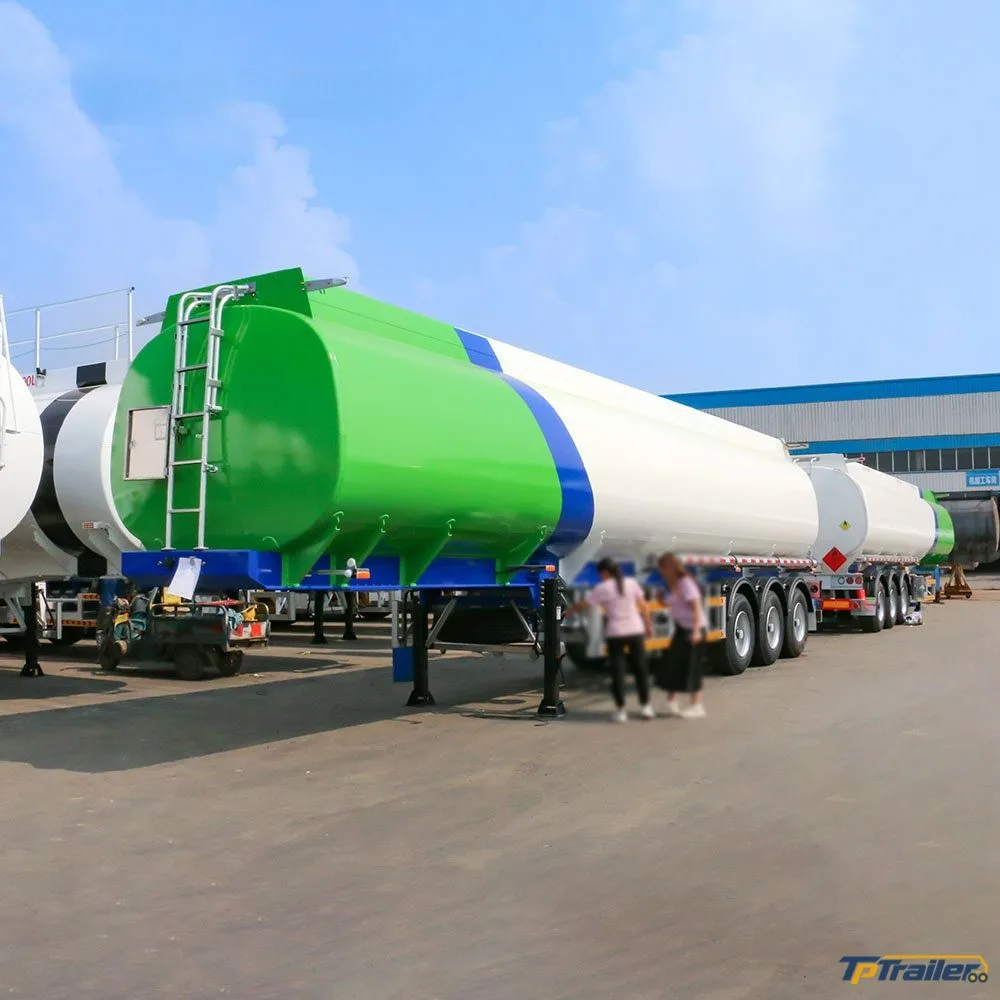
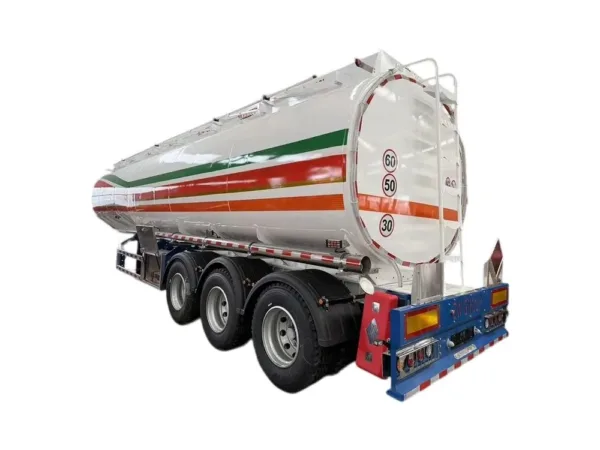
3 axle configuration for stable road holding under full tanker load
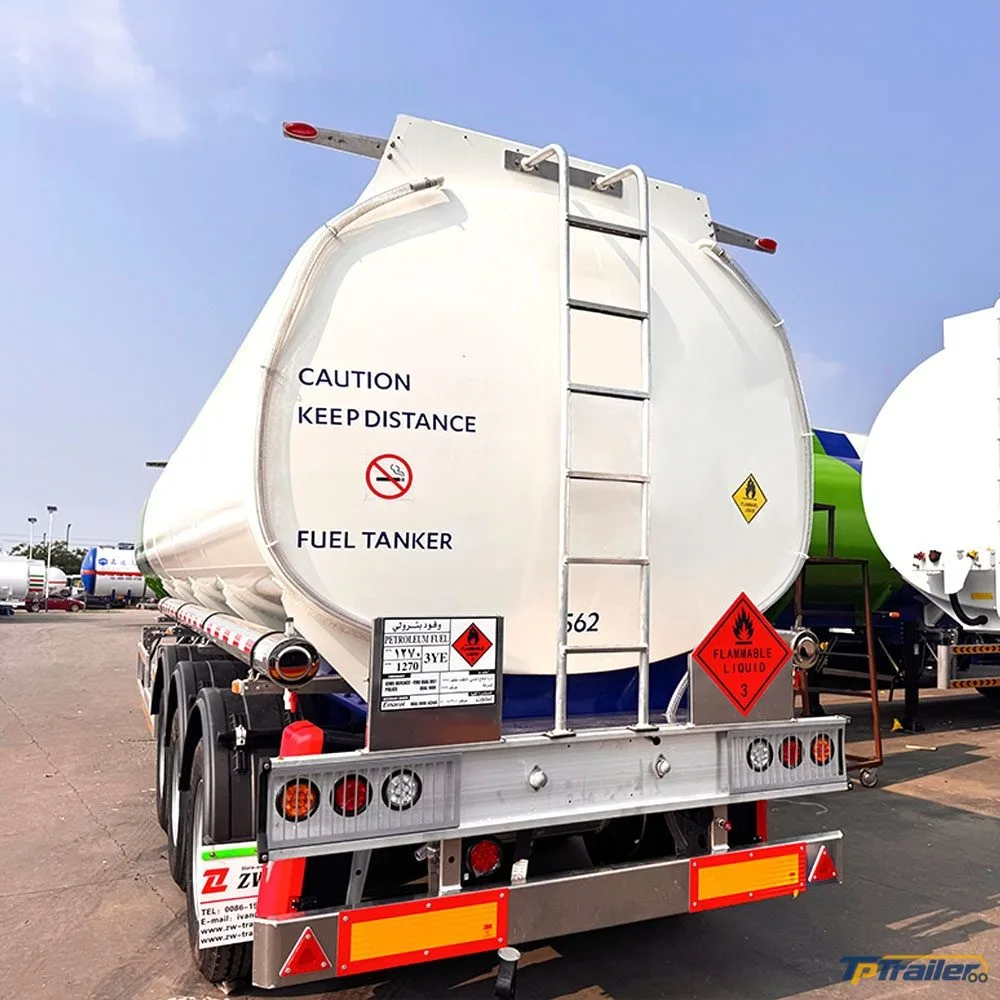
45000L tank volume for high capacity diesel and gasoline transport
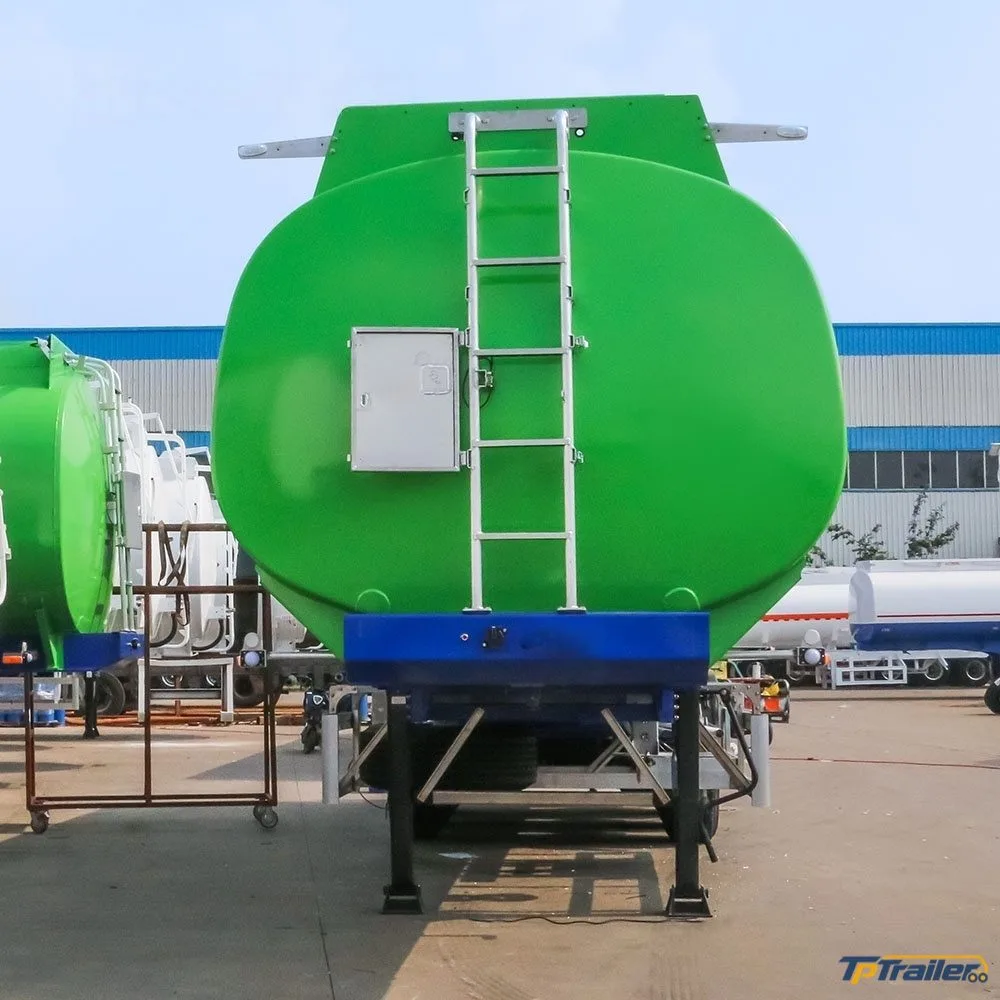
Aluminum tank construction for reduced tare weight
Rated 30000 load capacity for heavy duty haulage work
Built for fuel tanker semi trailer delivery and oil transport duty
Lightweight aluminum fuel tanker trailer transport starts with the tank shell itself: a three-axle aluminum semi trailer built to move diesel and gasoline in bulk. It suits fuel distributors, depot operators and fleet owners who need a high-capacity tanker that keeps its own weight down so every trip carries more payload. The aluminum construction is the single strongest reason to choose it. Less dead weight on the axles means more of the rated load goes to product, and the shell resists corrosion from the fuels it carries. For operators running repeated delivery cycles, that combination of payload and durability is what makes lightweight aluminum fuel tanker trailer transport pay off over the life of the unit.
Table of Contents
Why Lightweight Aluminum Fuel Tanker Trailer Transport Works On Site
Aluminum tank shell: The shell is built from aluminum rather than steel, which cuts the trailer’s own weight before a single litre is loaded. That saved weight goes straight into payload, so each run delivers more fuel with the same tractor and the same driver. For high-capacity fuel trailer aluminum diesel tanker delivery, that margin is what turns a marginal route into a profitable one.
30000 load capacity: The rated load capacity sets the working ceiling for every trip. Dispatch can plan loads against a known figure instead of guessing, and the tank is matched to that rating rather than overbuilt. This is the core of lightweight aluminum fuel tanker trailer transport: a stated capacity the fleet can schedule around, load after load.
Three-axle running gear: Three axles spread the loaded weight across more contact points than a two-axle layout. That gives steadier tracking on crowned roads and better braking stability when the tank is full. Drivers notice it most on long highway runs and on the uneven surfaces common to depot yards, where a loaded tanker has to turn and reverse.
45000L tank volume: The large tank volume means fewer trips for the same delivered quantity. One load covers more drops, which cuts the number of times a driver returns to the depot. For durable aluminum fuel tanker trailer oil transport across a region, that trip reduction is the difference between a tight schedule and a workable one.
Diesel and gasoline service: The tank is set up for both diesel and gasoline, so one unit can serve mixed product demand without a dedicated vehicle for each fuel. Operators running lightweight aluminum fuel tanker trailer transport across several depots can switch product between runs and keep utilisation high instead of parking a single-fuel trailer.
Corrosion resistance: Aluminum does not rust the way steel does, which matters when the tank spends its life wet with fuel and exposed to weather. A shell that holds up to that environment keeps the trailer in service longer. That is the durability argument behind lightweight aluminum fuel tanker trailer transport for fleets that measure cost per year, not cost per trip.
Where It Is Used
Lightweight aluminum fuel tanker trailer transport covers the most common job first: depot-to-station fuel delivery. A tanker fills at a bulk depot, runs a fixed route of filling stations, and returns for the next load. The large tank volume suits this pattern because one fill covers several drops before the driver heads back.
Operators on these routes plan the day around a single load rather than repeated short trips. The same pattern works for construction sites, mining camps and remote generator installations that need diesel brought in on a schedule. Each stop draws a known quantity, and the rated load capacity lets dispatch build the route so the trailer arrives back near empty instead of carrying product it did not need to move.
A second use is bulk transfer between storage points. Fuel has to move from a port terminal or rail head to inland depots, and that leg rewards a trailer that carries more per trip. Long highway runs on this pattern are where lightweight aluminum fuel tanker trailer transport earns its keep, because the weight saved on the shell is weight available for product on every kilometre. Gasoline and diesel can share the same unit across different runs, which helps when a depot handles both.
Fleets also use this trailer for oil transport where the cargo is a comparable liquid. The three-axle layout keeps the loaded unit stable on these longer runs, and the aluminum shell stands up to constant fuel contact. For an operator covering a wide service area, one trailer type that handles delivery, transfer and oil transport simplifies the fleet.
There is a third pattern worth planning for: seasonal or contract peaks, where a distributor takes on a fixed-volume supply job for a set number of months. Hiring capacity for a short campaign is expensive, and a steel tanker bought for the peak stays heavy for the rest of the year. A lightweight aluminum fuel tanker trailer transport unit earns its place here because the same trailer can run the peak schedule and then drop back into routine depot work without a change of tractor. The rated load capacity stays constant across both jobs, so the dispatch plan does not have to be rebuilt when the campaign ends.
Choosing The Right Spec
Match the load capacity to your routes: The rated load capacity is the figure your dispatch plan should be built around. If your routes are long with few drops, plan loads close to the rating and let the tank do the work. If routes are short and frequent, the same capacity still applies, but you gain from fewer depot returns. Either way, lightweight aluminum fuel tanker trailer transport works best when the load plan respects the stated rating rather than pushing past it.
Consider tank volume against drop count: A large tank volume pays off when a single run covers several drops or a long transfer leg. If your operation is short-haul with one destination per trip, the volume is still useful but the benefit shows up in fewer trips overall. Buyers comparing options should weigh how many stops a typical run covers before settling on lightweight aluminum fuel tanker trailer transport as the core of the fleet.
Weigh the three-axle layout against your roads: Three axles suit operators who run loaded on highways and need stable tracking at speed. They also help where depot yards are tight and the trailer must turn under load. If your work is mostly short and flat, the layout still performs, but the advantage is clearest on longer runs. That is where lightweight aluminum fuel tanker trailer transport shows its handling benefit most clearly.
Decide on single-fuel or mixed service: If your depot handles only diesel, the dual diesel and gasoline setup is simply headroom. If it handles both, one unit covers the demand without a second trailer. Buyers planning lightweight aluminum fuel tanker trailer transport across mixed product lines should confirm the tank suits both fuels before ordering, so the unit is not underused on one product.
Customisation Before Delivery
The axle count is the first decision to settle. A three-axle layout suits buyers who want steady road manners under a full tank, while fewer axles trim tare weight. Every choice is confirmed at order confirmation, so the build sheet matches the routes you actually run and the loads you plan to carry on lightweight aluminum fuel tanker trailer transport.
Deck length and tank capacity are agreed together. A longer deck and larger tank raise payload per trip, but the combination has to suit your tractor unit and the turning space at your depot. Buyers weighing lightweight aluminum fuel tanker trailer transport against trip count should fix this at order confirmation, not after the steel is cut.
Suspension type changes how the trailer rides and how the tank shell is stressed. Mechanical and air options each have a place, and the choice is locked at order confirmation. Operators planning long-distance lightweight aluminum fuel tanker trailer transport often match suspension to the road surface and the load they carry most often.
Tyre size and brand are selected at order confirmation. The right set depends on axle load, road condition and how easily replacements can be sourced locally. Buyers who intend regular lightweight aluminum fuel tanker trailer transport across mixed surfaces should state the tyre preference early so the running gear is built to match.
Colour and finish are settled at order confirmation, together with any marking you need. Paint choice affects how visible the trailer is on the road and how the shell weathers under sun and dust. A finish agreed up front keeps lightweight aluminum fuel tanker trailer transport looking consistent across a fleet.
Fitting And Installation
Fitting starts with the tractor unit, not the trailer. The buyer has to match the fifth wheel height, the kingpin position and the landing gear footprint to the trailer as built. Coupling height and the air and electrical connection points must line up before the unit is moved. Where the input gives no fitment data, a fitment drawing is confirmed at quotation instead of being guessed. That drawing shows mounting points, tube size and hose routing so the workshop knows what it is working with. Confirm the coupling arrangement and the tank outlet positions against your own tractor before delivery, because a mismatch found on arrival is downtime, not a quick fix.
A wrong size costs the operator in lost days. If the hose routing or tube size does not suit the pump set, the trailer sits idle while parts are sourced. If the mounting points do not meet the chassis, the workshop has to adapt steel that was never meant to be adapted. For lightweight aluminum fuel tanker trailer transport, every idle day is revenue the fleet cannot recover. The practical answer is to send the tractor specification and the delivery point layout with the order, then check the fitment drawing against both. Torque values are applied only where the documentation states them. Anything not covered is agreed in writing before the unit leaves the works.
Service Life And Maintenance
Tyres and wheel ends wear first on any tanker. Operators should check tread depth, inflation and wheel nut condition on a regular walk-round. The choice of tyre made at order confirmation sets the replacement cycle, and steady lightweight aluminum fuel tanker trailer transport depends on catching uneven wear before it reaches the casing.
Brake adjustment and air line condition come next. A loaded tanker puts heat into the brakes on long descents, so the operator should inspect lining thickness and listen for air leaks. Keeping the air system tight protects the lightweight aluminum fuel tanker trailer transport duty cycle and avoids a roadside stop with a full load.
The tank shell and its welds deserve a scheduled look. Inspect seams, baffle mounts and the outlet area for cracks or seepage. Aluminum resists corrosion well, which is why it suits fuel service, but vibration still works on joints. A routine visual check supports lightweight aluminum fuel tanker trailer transport over years of use.
Hose, valve and coupling condition decides how cleanly the trailer loads and discharges. Operators should inspect for hardening, chafing and leaks at every connection. Replacing a worn hose early is cheaper than a spill. This is the part of lightweight aluminum fuel tanker trailer transport that rewards attention more than any other.
The finish and the fasteners hold the rest together. Check paint or coating for chips, and inspect mounting bolts and the landing gear for looseness. A good coating choice made at order confirmation extends the interval between touch-ups. That keeps lightweight aluminum fuel tanker trailer transport presentable and protects the shell underneath.
Packing And Container Loading
The tanker ships as a complete unit, so protection starts at the shell and runs to every fitting. Export packing for a lightweight aluminum fuel tanker trailer transport order should cover the tank surface, the walkway, the ladder, the discharge pipework and the landing legs. Buyers should ask which surfaces are wrapped and which are left bare. Aluminum shows handling marks easily, so a written packing list agreed before dispatch is worth more than a photo taken at the port.
Stacking is the question that decides freight cost. A finished tanker is not a nesting part, so the unit is loaded as deck cargo or rolled into a flat rack rather than stacked in a standard box. Confirm the loading plan before booking. On arrival, check the shell for dents, the frame for paint damage and the fittings against the packing list. A short inspection at the yard protects the lightweight aluminum fuel tanker trailer transport budget far better than a claim raised weeks later.
Common Mistakes Buyers Make
Ordering a tank volume the chassis cannot carry. The load capacity in the specification is the figure that matters, not the shell size alone. Check the rated load against your planned payload before signing, and ask for the axle and suspension layout that supports it.
Ignoring discharge layout. A tanker built for one unloading position may not suit your depot. Measure the hose reach and the position of the valves you need, then confirm the pipework arrangement at quotation so the lightweight aluminum fuel tanker trailer transport plan matches your site.
Skipping the compartment question. Fuel and gasoline deliveries often need separated compartments. State how many you need and their sizes in the enquiry. The single check is a simple line drawing of the internal divisions approved before production starts.
Assuming standard fittings fit local fuel equipment. Valve threads and coupling types differ between markets. Send the thread and coupling details you use, and confirm the tanker fittings against them. This one check avoids adapters, leaks and a lightweight aluminum fuel tanker trailer transport unit that sits idle.
Forgetting the towing tractor. Fifth wheel height and kingpin position decide how the trailer sits and how it loads. Measure your tractor’s fifth wheel height and confirm the kingpin setting, then check the landing legs clear your yard ramps.
Buyer Questions
How is the tanker protected during sea freight?
Ask the supplier for the packing list before dispatch and compare it with the loading photos. For a lightweight aluminum fuel tanker trailer transport shipment, the points to agree are surface wrapping, protection of the walkway and ladder, and how the fittings are secured. Confirm which parts are removed or boxed for transit. On arrival, inspect the shell, frame and pipework against that list before you sign the delivery note.
Can several tankers share one container or flat rack?
A completed tanker is not a nesting item, so the loading plan depends on the unit and the vessel. Ask for the proposed loading arrangement, the number of units per shipment and whether flat racks or deck space are used. Confirm the lifting points and the securing method in writing. The cost per unit for lightweight aluminum fuel tanker trailer transport falls with volume, so agree the plan at quotation.
What should I confirm before the order is released?
Confirm the load capacity against your planned payload, the compartment layout, the discharge positions and the valve and coupling threads you use. Confirm the kingpin setting against your tractor’s fifth wheel height. Ask for the packing list and loading plan. Once those points are agreed in writing, the lightweight aluminum fuel tanker trailer transport order can go into production without late changes.
Send your required tank length, the number of axles and the quantity you plan to order. Add your compartment layout and the fuel fittings you use, so the quotation matches your operation. With those details, pricing for your lightweight aluminum fuel tanker trailer transport requirement can be confirmed against the volume you intend to buy.
We use cookies to enhance your browsing experience, serve personalized content, and analyze our traffic. By clicking "Accept All", you consent to our use of cookies. Privacy Policy
Cookie Preferences
Required for the website to function properly. Cannot be disabled.
Help us understand how visitors interact with the website (Google Analytics).
Used to deliver personalized ads and measure ad campaign effectiveness.

















Write a Review