60 Ton 3 Axle Lowboy Semi Trailer Steel Lowbed for Heavy Transport
lowboy semi trailer with 60 ton capacity and 3 axles in steel lowbed design for heavy transport. Load capacity 25001-30000 KG. Quotes available on request.
25001-30000 KG 3
FOB Reference PriceUS$4,000-8,000Final price confirmed by inquiry
Certifications
ISO 9001
Key Features
60 ton rated capacity for excavator and heavy equipment hauling
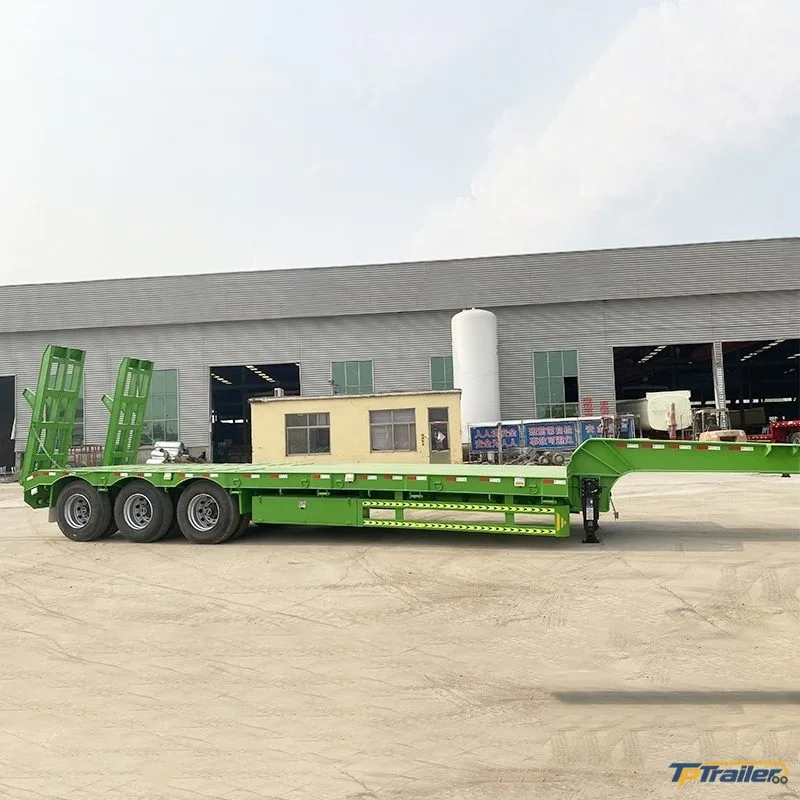
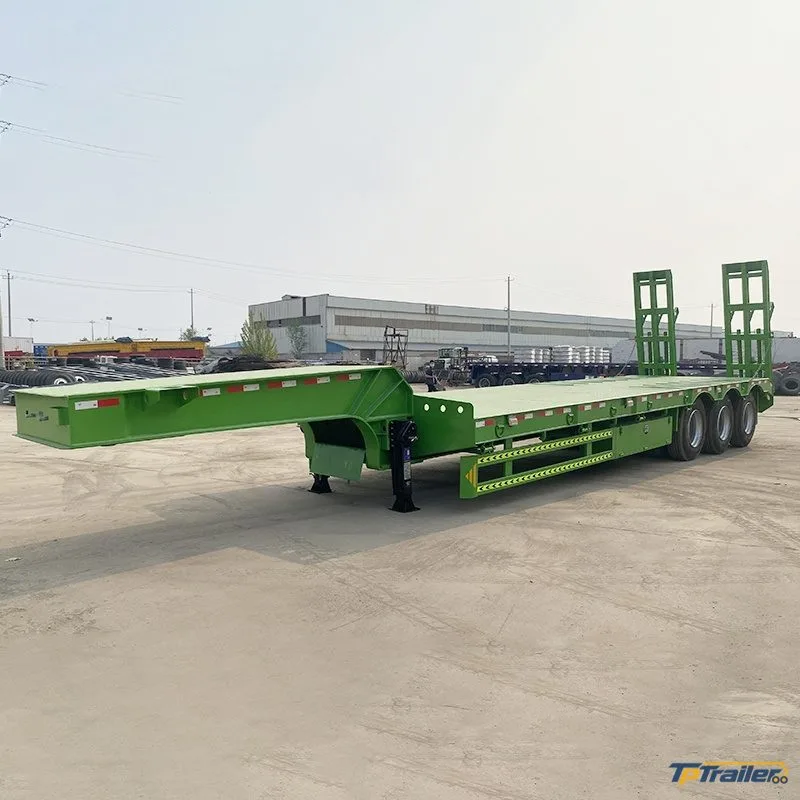
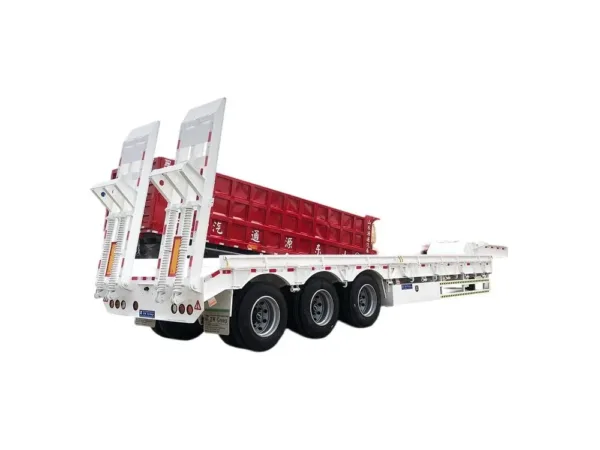
3 axle steel lowbed platform for stable heavy transport
Mechanical suspension in Germany or America type
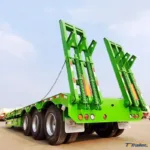
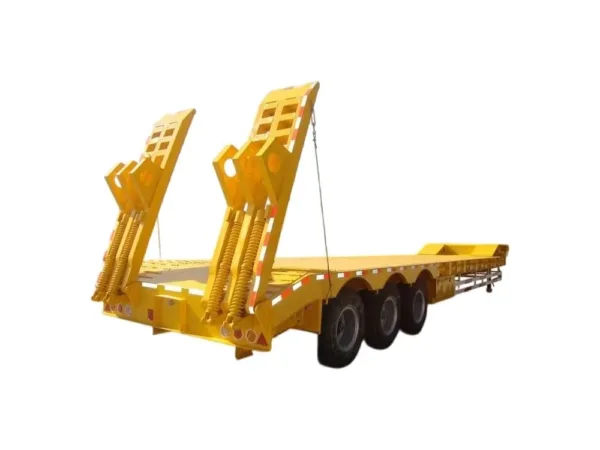
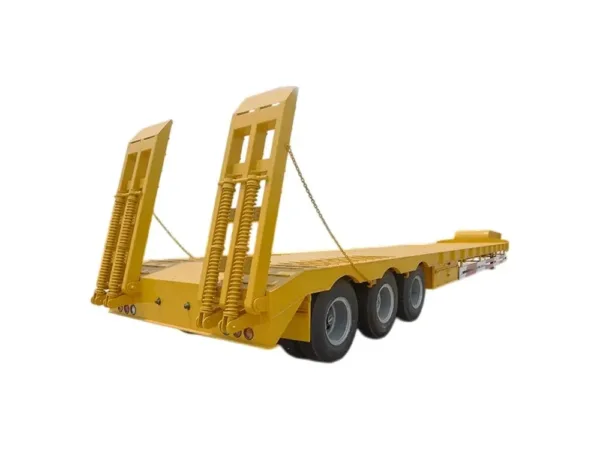
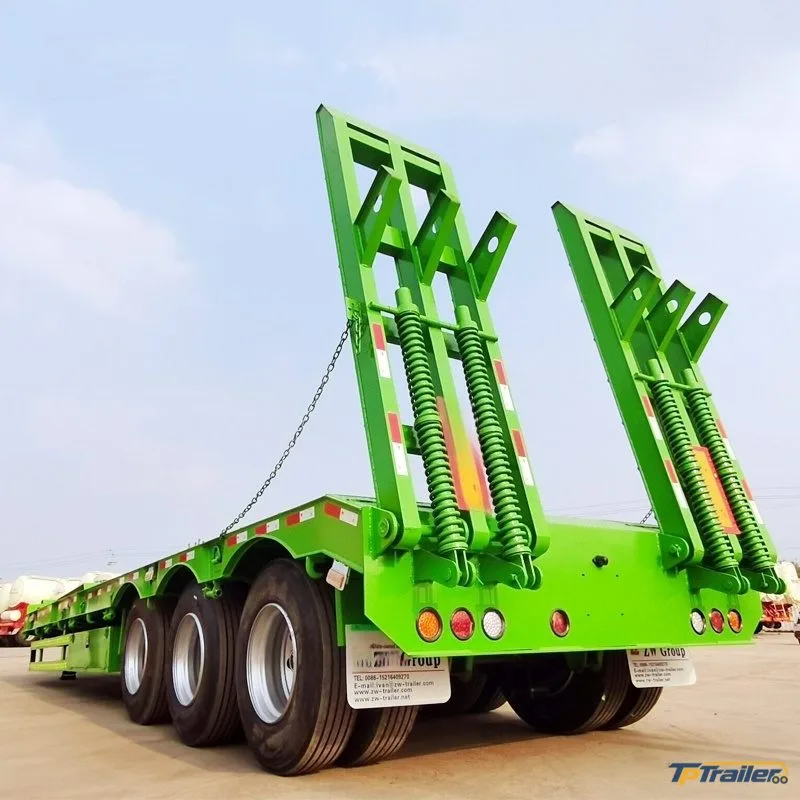
Manual or hydraulic ladder for loading machinery
Tare weight about 8.5-13T for balanced payload planning
King pin in 2.0 or 3.5 inch bolt or welding type
Support leg rated D200T or China brand 28Tons double speed
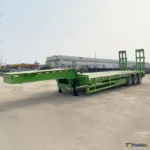
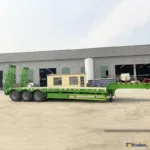
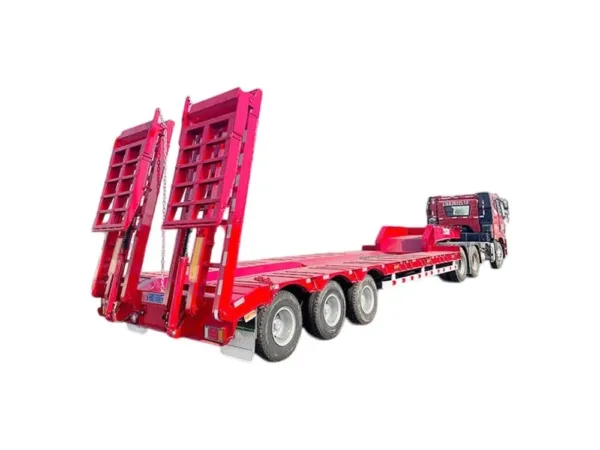
The low loader truck semi trailer lowbed lowboy flatbed semi trailer is a heavy-haul platform built to move excavators, dozers and other tracked plant between yards and job sites. It suits fleet operators and contractors who need one trailer that handles oversize cargo without a specialist crew on every load. The steel lowbed deck keeps the cargo low, so tall machines clear bridges and overhead lines. A 3-axle running gear and a load capacity of 25001-30000 KG put it in the working range of most mid-size plant moves. Buyers choose it because the deck, ramps and king pin are configured at order, matching the trailer to the machines already in the yard.
Table of Contents
Why It Works On Site
Deck height and load capacity. A load capacity of 25001-30000 KG lets the trailer carry tracked excavators and small dozers at the weight most site moves actually run. The low deck keeps the centre of gravity down on bends and ramps, so the driver is not fighting a top-heavy load on the last mile into a site. That combination is what makes this low loader truck semi trailer lowbed lowboy flatbed semi trailer a practical daily unit rather than an occasional special.
Axle and suspension choice. The 13 T/16T brand axles sit under mechanical suspension in either Germany or America type. Fleet managers pick the pattern their workshops already service, so brake and bush parts stay on the shelf. On uneven site roads the suspension absorbs the shock before it reaches the deck frame, which protects both the cargo and the trailer structure. This low loader truck semi trailer lowbed lowboy flatbed semi trailer is specified around the maintenance routine the buyer already runs.
Ramps for tracked plant. The ladder is manual or hydraulic, and that choice decides how fast a machine loads. Hydraulic ramps let one operator raise and lower without extra hands, which matters when a lowbed is cycling between sites. Manual ramps suit yards where a loader or second machine is always on hand. Either way the ramp is matched to the trailer, so the approach angle fits the tracks on this low loader truck semi trailer lowbed lowboy flatbed semi trailer.
King pin and support legs. The king pin comes in brand 2.0 or 3.5 inch bolts type or welding type, and the support legs are brand D200T or China brand 28 tons double speed. That lets the buyer match the trailer to the tractor already in the fleet instead of changing trucks. Double-speed legs cut the time spent cranking a loaded trailer up before the tractor backs under. Coupling and uncoupling stop being a two-person job on this low loader truck semi trailer lowbed lowboy flatbed semi trailer.
Brake hardware. The RE 6 relay valve on the brake chamber gives a predictable air signal across the axle set. On a long descent with a machine on board, consistent brake timing is what keeps the combination stable. Workshops recognise the valve, so a replacement is a stock item rather than a wait. That is the kind of detail that keeps a low loader truck semi trailer lowbed lowboy flatbed semi trailer earning instead of sitting.
Tare weight and payload headroom. Tare weight runs about 8.5-13 T depending on how the trailer is specified. A lighter build leaves more of the legal gross combination weight for the cargo, which matters when the machine is near the top of the deck rating. The buyer trades tare against deck strength at order. On this low loader truck semi trailer lowbed lowboy flatbed semi trailer that trade is made once, at specification, not on the road.
Where It Is Used
Plant hire yards use this trailer to move excavators between depots and customer sites. A 20-tonne tracked machine rolls up the ramps, sits over the axles and travels on the low deck with the boom folded. The same unit backhauls a dozer or a wheel loader on the return leg, so the trip is not paid for one way.
Contractors on road and utility work use it to shift compact plant daily, loading in the morning and recovering at night. Because the deck is open, an operator can load from the side with a ramp or from the rear with the ladder. The low loader truck semi trailer lowbed lowboy flatbed semi trailer fits this shuttle pattern, where the trailer is loaded and unloaded several times a week and the crew needs a repeatable routine rather than a one-off heavy lift.
Heavier work appears when the cargo is awkward rather than simply heavy. Agricultural and construction dealers move combines, telehandlers and boom lifts that sit high on a standard flatbed but clear overhead obstructions on a low deck. Recovery and rental fleets use the trailer for machines that will not fit a fixed bed, including wide or long items that need the deck clear of side rails.
On longer trunk routes between regions, the 3-axle layout spreads the load and the mechanical suspension copes with mixed road surfaces. Operators running this low loader truck semi trailer lowbed lowboy flatbed semi trailer usually pair it with a tractor already rated for the gross combination, so the trailer slots into an existing schedule instead of forcing a new one.
Choosing The Right Spec
Match capacity to the heaviest machine. Start with the load capacity of 25001-30000 KG and compare it to the tracked plant the fleet actually owns. A trailer rated above the daily cargo leaves margin for attachments and bucket weights that are easy to forget. Buying below the heaviest machine means a second trailer later. The low loader truck semi trailer lowbed lowboy flatbed semi trailer should be sized to the fleet, not to a single job.
Pick axle and suspension to suit the workshop. The 13 T/16T axle brands and the Germany or America type suspension are service decisions as much as engineering ones. Choose the pattern your mechanics already know so parts and torque settings are familiar. Fleets running mixed brands should standardise on one pattern across trailers. That keeps this low loader truck semi trailer lowbed lowboy flatbed semi trailer consistent with the rest of the yard.
Decide ramp type by crew size. Manual ramps suit operations with a loader always available and a driver who prefers simple hardware. Hydraulic ramps suit single-operator runs where the driver loads alone and time on site is tight. Consider how often the trailer loads per week before choosing. On this low loader truck semi trailer lowbed lowboy flatbed semi trailer the ramp choice is fixed at build, so it is worth getting right first time.
Match coupling and legs to the tractor. The king pin in 2.0 or 3.5 inch, bolts or welding type, and the D200T or China brand 28 tons double-speed legs should mirror the tractor fleet. Confirm the fifth wheel size before ordering. Double-speed legs pay back wherever trailers are dropped and picked up often. Specifying this low loader truck semi trailer lowbed lowboy flatbed semi trailer around the existing tractors avoids adapters and downtime.
Customisation Before Delivery
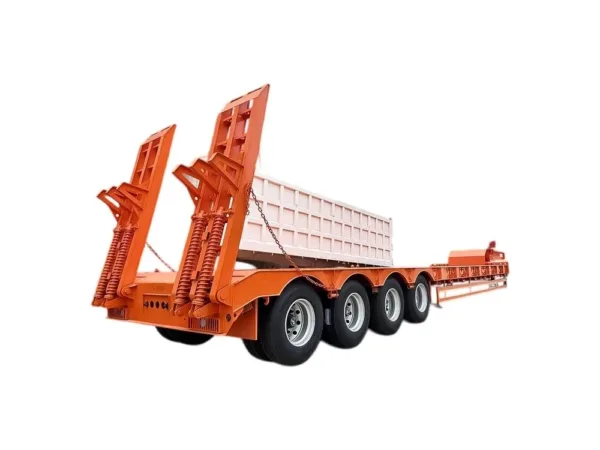
The axle count is chosen at order confirmation. A two axle build suits lighter loads, while the three axle and four axle layouts spread mass better. Tell the sales team which configuration you need for your typical cargo, and the low loader truck semi trailer lowbed lowboy flatbed semi trailer is built to that choice.
Suspension type is a fixed decision, not a field change. The mechanical suspension is offered in Germany Type or America Type, and each suits different road and load patterns. State the preference when the order is placed, because the low loader truck semi trailer lowbed lowboy flatbed semi trailer frame is drilled and welded for one layout only.
Deck length and deck height are settled with the order, since they follow the cargo you haul. Longer decks help with excavator booms, while a shorter deck keeps the tare weight down. Confirm these dimensions early so the low loader truck semi trailer lowbed lowboy flatbed semi trailer leaves the works matched to your fleet.
The king pin is offered as a brand 2.0 or 3.5 inch bolt type or a welding type. The support leg is a brand D200T unit or a China brand double speed leg. Both choices are locked in at order confirmation, and the low loader truck semi trailer lowbed lowboy flatbed semi trailer is assembled around them.
Finishing touches are agreed before build. The ladder can be manual or hydraulic, the logo is applied according to your request, and the paint colour follows your specification. These are confirmed on the order, so the low loader truck semi trailer lowbed lowboy flatbed semi trailer arrives carrying your identity rather than a generic finish.
Fitting And Installation
On arrival, the buyer has to match the tractor to the trailer at the fifth wheel. Check that the king pin type you ordered, whether the brand bolt type or the welding type, sits correctly in the coupling, and confirm the support leg mounting faces are clean before the unit is lowered. The brake system needs attention too: the RE 6 relay valve and the brake chambers must be connected with the hose routing agreed in the build sheet, and every line should be checked for chafing before the first loaded run.
Because this part carries no fitment drawing values of its own, a fitment drawing is confirmed at quotation. That drawing sets the coupling height, the hose paths and the mounting points, so the low loader truck semi trailer lowbed lowboy flatbed semi trailer lines up with your tractor instead of being forced into place.
A wrong size at this stage costs real downtime. If the king pin height or the support leg footprint does not match the tractor, the unit cannot be coupled safely and the first job slips while parts are reordered. If the brake hose routing is guessed rather than followed, lines rub through and the trailer is pulled from service for repair.
Buyers who settle the fitment drawing at quotation avoid these costs, because the low loader truck semi trailer lowbed lowboy flatbed semi trailer is checked against their tractor before it is built. Keep the drawing with the unit, inspect the coupling and the brake lines after the first run, and record any adjustment. A careful installation protects the low loader truck semi trailer lowbed lowboy flatbed semi trailer and keeps the fleet earning.
Service Life And Maintenance
The brake chamber and the RE 6 relay valve are among the first parts to show wear, because they work on every stop. Inspect the chambers for diaphragm leaks and check the relay valve for correct response. A clean, dry air supply protects the low loader truck semi trailer lowbed lowboy flatbed semi trailer brake circuit and extends the working life of these parts.
The suspension is a high-wear area. On the mechanical suspension, whether Germany Type or America Type, check the bushes, shackles and U-bolts for looseness and cracking. Look for uneven tyre wear, which points to a suspension fault. Regular checks keep the low loader truck semi trailer lowbed lowboy flatbed semi trailer tracking straight under load.
The king pin and the fifth wheel contact area wear with every coupling. Inspect the pin for slack and the plate for scoring, and keep the surface lightly greased. A worn pin lets the trailer rock against the tractor. Catching this early on the low loader truck semi trailer lowbed lowboy flatbed semi trailer prevents damage to the coupling and the deck frame.
The support legs take the load during unhitching. Check the double speed leg mechanism for smooth travel and the mounting bolts for tightness. Store the legs fully raised and free of dirt. Operators who inspect them at each drop protect the low loader truck semi trailer lowbed lowboy flatbed semi trailer from a leg failure at the worst moment.
The steel deck and the paint coating are the first line of defence against corrosion. Wash off road salt and grit, and touch up chips on the deck and frame before rust spreads. The ladder, manual or hydraulic, also needs its pivots checked. This routine keeps the low loader truck semi trailer lowbed lowboy flatbed semi trailer structure sound over a long service life.
Packing And Container Loading
Each low loader truck semi trailer lowbed lowboy flatbed semi trailer leaves the yard with its steel structure protected against sea air. Painted surfaces are cleaned before dispatch and the deck and ramps are wrapped where handling contact is likely. Loose items such as the king pin bolts, support leg fittings and brake chamber relay valve are boxed and tied to the frame, never left loose on the deck.
The buyer should confirm the packing list, the number of boxes and the condition of the paint film before the unit is loaded. A low loader truck semi trailer lowbed lowboy flatbed semi trailer is a large steel asset, so the first check is that every boxed part is present and matches the order.
Loading depends on the configuration. A low loader truck semi trailer lowbed lowboy flatbed semi trailer is shipped as a complete unit or in sections, and the gooseneck and ramps can be detached to shorten the shipped length. Whether units can be nested or stacked depends on the deck height, the axle count and the suspension type, so the loading plan is confirmed at quotation. The buyer should ask for the shipping dimensions and the lashing points before booking freight. On arrival, inspect the deck, ramps and paint for transit damage, and check that the axles, suspension and brake chamber parts are the ones ordered.
Common Mistakes Buyers Make
Ordering the wrong axle count for the load. A low loader truck semi trailer lowbed lowboy flatbed semi trailer is offered in several axle layouts, and a buyer who picks the axle count from habit rather than from the load profile ends up with a trailer that does not match the cargo. The check is to state the cargo weight and the axle count you need on the enquiry, then confirm the layout at quotation.
Ignoring the king pin type. The king pin is supplied in bolted or welded form and in different sizes, and a mismatch with the tractor unit stops the trailer working. The check is to confirm the king pin type and size against the fifth wheel of the tractor before ordering, and to ask for it in writing on the order.
Choosing the wrong suspension. Mechanical suspension is offered in Germany type or America type, and the two are not interchangeable in mounting. The check is to confirm the suspension type and the axle brand together, because the two are matched at build and a late change is costly.
Overlooking the support leg rating. The support leg is rated for a stated load and comes in brand or China brand versions, and a buyer who assumes the higher rating without ordering it gets the standard leg. The check is to confirm the support leg rating and brand in the quotation before the order is placed.
Forgetting the ladder type. The ladder is manual or hydraulic, and a buyer who needs the hydraulic type but orders by default receives the manual one. The check is to write the ladder type into the order and to confirm it on the packing list, so the low loader truck semi trailer lowbed lowboy flatbed semi trailer arrives as specified.
Buyer Questions
Can the trailer be shipped in one container?
That depends on the shipped length, the deck height and the axle count, so the loading plan is confirmed at quotation. Ask the supplier for the shipping dimensions of the unit as packed and for the number of lashing points. Compare those figures with the internal dimensions of the container you intend to book. If the unit does not fit as a whole, ask which sections can be detached for shipment and how they are rejoined on arrival.
What should I check on arrival?
Inspect the paint film, the deck surface and the ramps for transit damage, and count the boxes against the packing list. Confirm that the axle brand, suspension type, king pin type, support leg rating, ladder type and brake chamber relay valve match the order. Check that the boxed fittings are complete and that the lashing points are undamaged. Photograph any damage before unloading, and raise it with the supplier before the low loader truck semi trailer lowbed lowboy flatbed semi trailer is put into service.
Can I specify the logo and the ladder type?
Yes. The logo is applied according to your request, and the ladder is available in manual or hydraulic type. Send the artwork for the logo with the order, and state the ladder type in writing so it is not left to default. Confirm both on the quotation and again on the packing list. The same applies to the king pin type, the suspension type and the support leg version, which should all be listed on the order document.
To receive a quote for a low loader truck semi trailer lowbed lowboy flatbed semi trailer, send the required length, the axle count and the quantity you intend to order. Add the king pin type, suspension type, ladder type and logo requirement so the quotation matches your tractor unit and cargo.
We use cookies to enhance your browsing experience, serve personalized content, and analyze our traffic. By clicking "Accept All", you consent to our use of cookies. Privacy Policy
Cookie Preferences
Required for the website to function properly. Cannot be disabled.
Help us understand how visitors interact with the website (Google Analytics).
Used to deliver personalized ads and measure ad campaign effectiveness.


















Write a Review