80 Ton Heavy Duty Lowboy Semi Trailer 4 Axle Steel for Machinery Hauling
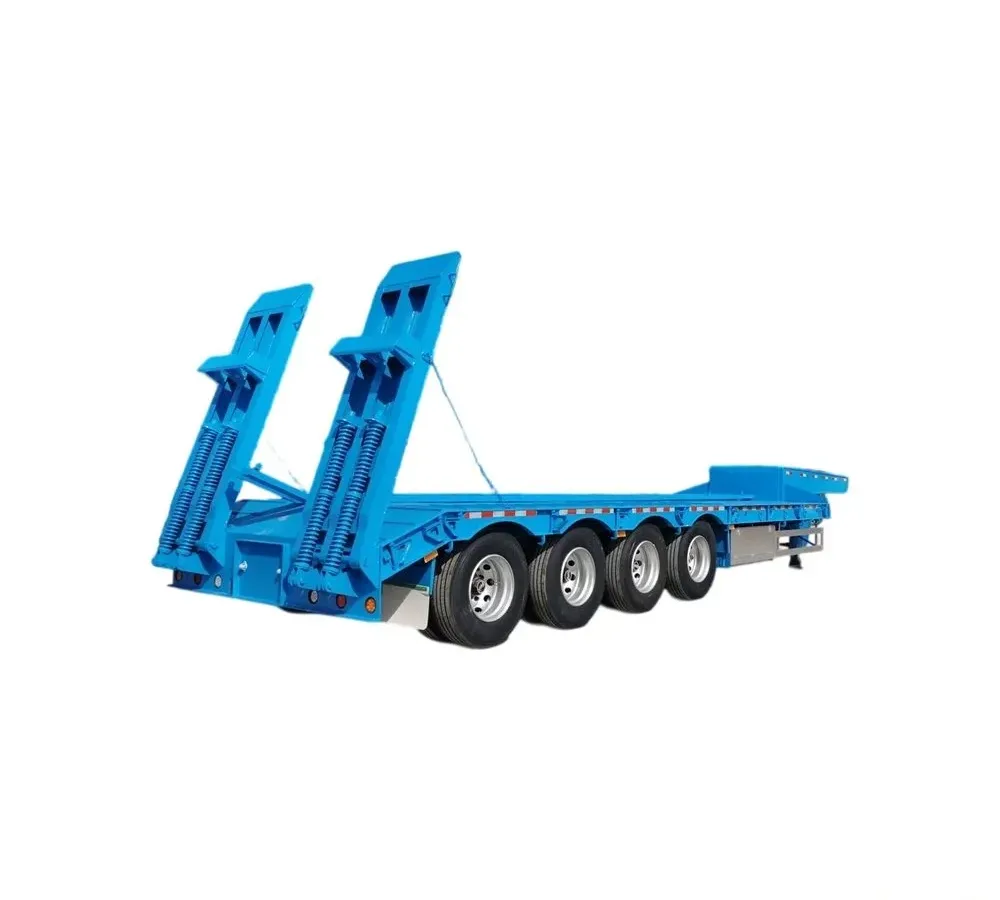
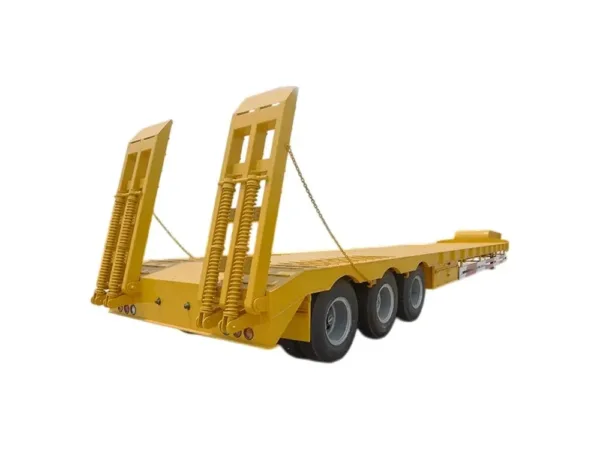
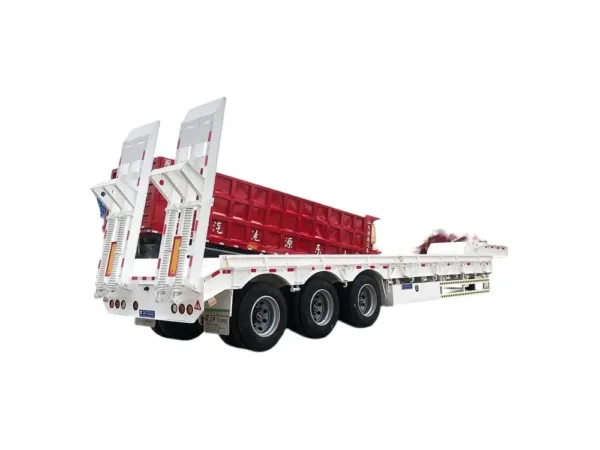
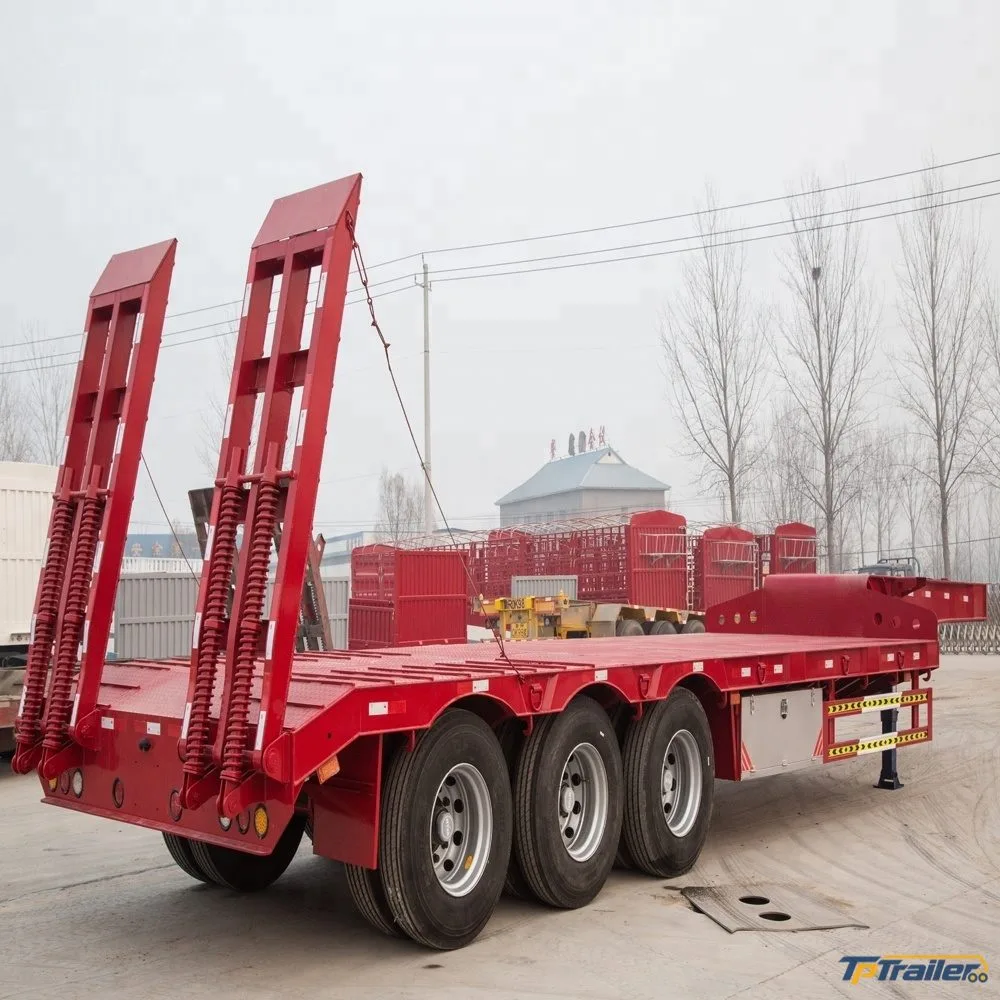
This 40 ton low bed semi trailer is a 4 axle steel lowboy built for heavy machinery hauling, with a 60T load capacity for demanding B2B transport work.
60T 4
FOB Reference PriceUS$4,000-6,500Final price confirmed by inquiry
Certifications
ISO 9001
Key Features
Q345B steel main structure for heavy machinery hauling
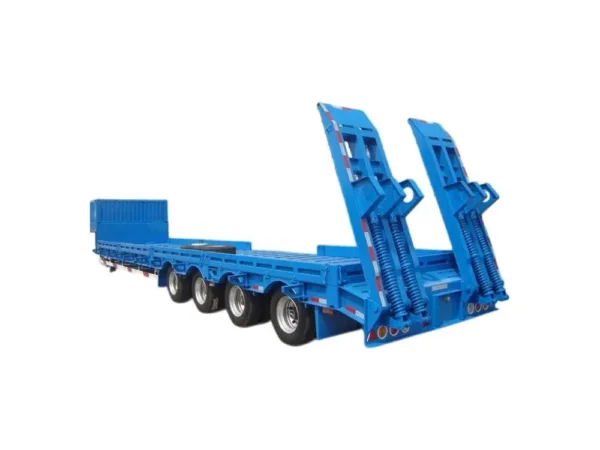
4 axle lowboy configuration with 60T load capacity
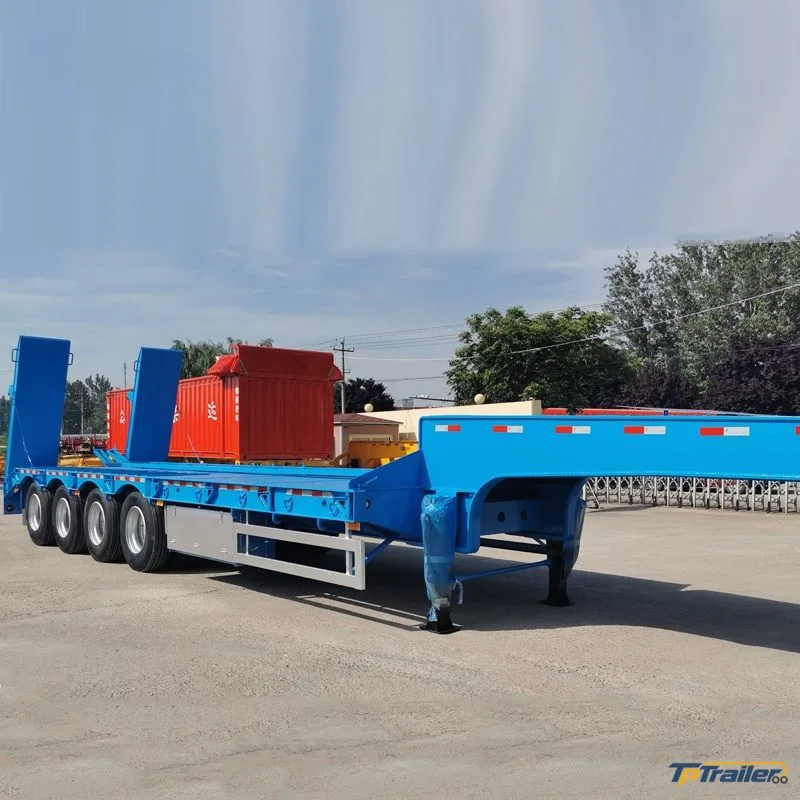
28T bearing capacity landing gear for stable parking under load
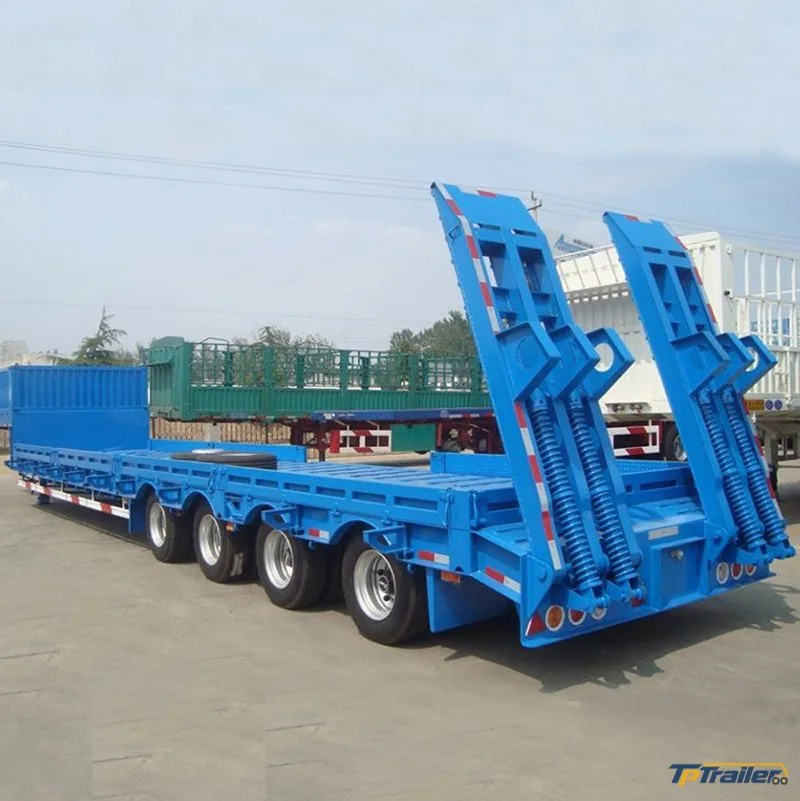
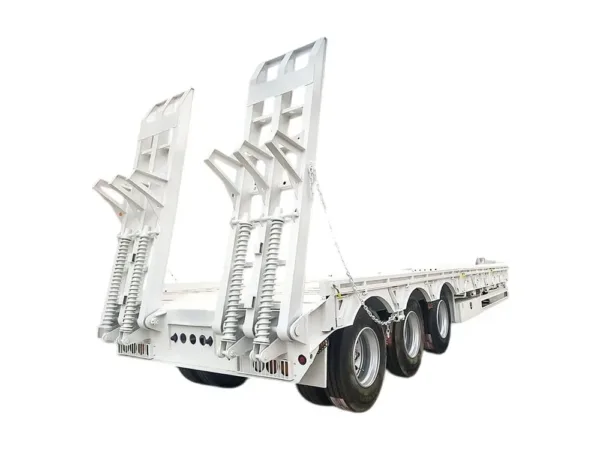
60T heavy duty mechanical ladder for loading tracked equipment
12R22.5 tires on 9.0-22.5 steel wheel rims
Mechanical suspension or your chosen suspension setup
Two standard tool boxes for straps and daily service tools
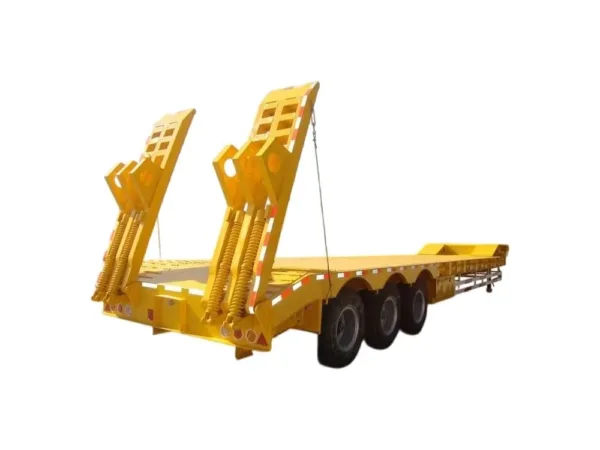
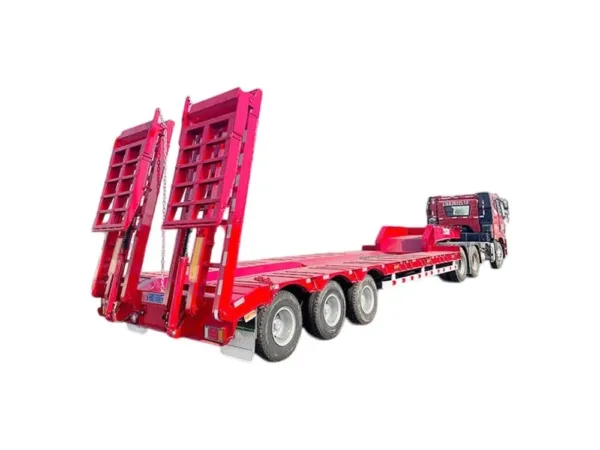
A 40 ton low bed semi trailer is a heavy-duty lowbed platform built to carry machinery that standard flatbeds cannot handle. This ZW Group unit pairs a Q345B steel frame with a four-axle running gear, a heavy mechanical cat ladder and twin tool boxes. It suits fleet operators, equipment dealers and rental yards that move excavators, loaders and dozers between sites. The strongest reason to choose it is the deck height: the low platform drops the load centre and keeps tall machinery stable on the road. Buyers comparing a 40 ton low bed semi trailer for sale will find the specification set up for repeatable, everyday hauling rather than occasional use.
Table of Contents
Why It Works On Site
Deck height and load centre: the low platform lets tall cargo sit closer to the road, which lowers the centre of gravity on every run. Operators loading an excavator or dozer see the benefit immediately on curves and ramps. A 40 ton low bed semi trailer built around this geometry stays predictable when the load is awkward and top-heavy.
Q345B steel main frame: the frame material is chosen for strength and weldability under repeated loading. That matters when the same 40 ton low bed semi trailer is loaded and unloaded several times a day. The structure resists the flexing that comes from uneven ramps and hard braking with a machine on board.
Four-axle running gear: spreading the load across four axles keeps axle weights lower than a shorter configuration. Fleet managers running a 40 ton low bed semi trailer on mixed routes get more margin at weigh stations. The extra axle set also steadies the trailer when a heavy machine sits over the rear deck.
Mechanical or chosen suspension: the standard mechanical setup is simple to inspect and repair in the yard. Operators who prefer another arrangement can specify it at order. Either way, a 40 ton low bed semi trailer stays serviceable without specialist suspension tools on site.
60T mechanical cat ladder: the heavy-duty ladder is rated for the machines this trailer is built to carry. Loading a tracked excavator is faster when the ramp is built for that weight class. On a 40 ton low bed semi trailer, the ladder is the part that takes the most abuse, so it is specified accordingly.
28T landing gear and twin tool boxes: the landing gear holds the trailer steady during unhitching and loading. Two standard tool boxes keep chains, binders and ramps with the trailer. A 40 ton low bed semi trailer that carries its own rigging saves a trip back to the yard.
Where It Is Used
Construction and earthmoving fleets are the most common home for this trailer. A 40 ton low bed semi trailer moves excavators, wheel loaders, bulldozers and compactors between job sites, quarries and staging yards. The low deck means a tracked machine can be driven up the cat ladder and secured without the height problems of a flatbed.
Route planners use it for yard-to-site transfers, plant relocations and equipment returns at the end of a contract. Because the platform sits low, the same 40 ton low bed semi trailer also handles attachments, buckets and boom sections that would otherwise need a separate flat run. Operators value the ability to load from the rear with the ladder down and secure the machine over the axles.
Equipment dealers, rental yards and auction houses use the same trailer for a different rhythm of work. A 40 ton low bed semi trailer is well suited to moving inventory between branches, delivering a sold machine to a buyer or collecting trade-ins. The twin tool boxes keep binders and chains on board, so a driver can secure a load without hunting for rigging.
Agricultural and forestry contractors also use it for tractors, harvesters and forwarders where the deck length and low height suit the machine. Rental fleets like the four-axle layout because it covers a wide range of cargo on one registration. For a dealer, a 40 ton low bed semi trailer is a flexible asset rather than a single-purpose unit.
Choosing The Right Spec
Match the deck to the machine: measure the longest and tallest unit you plan to move before ordering. A 40 ton low bed semi trailer works best when the deck length and height clear the machine with margin. Buyers who regularly haul one machine class should size to that class rather than to the occasional oversized job.
Load capacity of 60T: the stated capacity is the ceiling for the trailer, not a target for every trip. A 40 ton low bed semi trailer used near its limit needs the right tyre and axle setup underneath. Operators moving lighter cargo most of the time still gain margin from the higher rating.
Axle count and route rules: the four-axle layout spreads weight and suits operators who face axle-weight checks. If your routes are short and your cargo light, the same 40 ton low bed semi trailer still works, but the extra axles are there for heavier jobs. Compare your permit limits against the axle configuration before you commit.
Suspension, tyres and finish: choose mechanical suspension for simple servicing or specify your preferred option at order. The 12R22.5 tyres and steel rims are a common, replaceable size on the road. Colour is built to your requirement, so a 40 ton low bed semi trailer can match an existing fleet livery.
Customisation Before Delivery
Axle configuration. The 40 ton low bed semi trailer is offered with a four-axle running gear in the base build, and the axle count is one of the first choices a buyer settles. Fewer axles shift the load per axle, so the buyer states the intended machinery weight and the axle layout is confirmed at order confirmation. No guesswork is left to the workshop floor.
Deck length and load deck. Buyers hauling long tracked machines often ask for a longer deck than the standard build. Deck length, ramp style and the position of the gooseneck are agreed together, because a longer deck changes the approach angle. The 40 ton low bed semi trailer is measured against the machine footprint before the order is released.
Suspension type. The 40 ton low bed semi trailer ships with mechanical suspension as standard, and a buyer may specify an alternative at the point of order. The choice affects ride height and how the trailer sits under load, so it is matched to the road conditions on the buyer’s regular route rather than picked at random.
Tyres and wheel rims. Tyre size and rim specification are listed in the build sheet, and buyers who already run a mixed fleet sometimes ask for a different combination. The 40 ton low bed semi trailer is then supplied to that request, keeping spare wheels common across the fleet and cutting the number of part numbers the workshop stores.
Colour and finish. Paint colour is supplied to the customer’s requirement, which matters to fleets that want a uniform livery across their trailers. Colour, marking layout and any stencil text are confirmed with the order, so the finish is applied once and does not need repainting after delivery.
Fitting And Installation
A 40 ton low bed semi trailer arrives as a complete unit, so fitting work centres on the tractor unit rather than on assembling the trailer. The buyer has to match the fifth wheel height and the kingpin position, because a mismatch changes the deck height and the ramp angle at both ends. Air and electrical lines must reach the trailer couplings without strain, and the hose routing should follow the tractor’s own path so nothing rubs on the frame. Coupling height, ramp approach and the landing gear position are checked against the tractor before the first load is taken on. Where the input carries no fitment data, a fitment drawing is confirmed at quotation instead of being assumed.
A wrong size at this stage is expensive in downtime. If the fifth wheel sits too high or too low, the 40 ton low bed semi trailer will not sit level, and a loaded machine then climbs a ramp at an angle it was not planned for. Hoses that are too short pull tight on every turn, and hoses that are too long chafe against the frame until they fail. Neither fault shows up in the yard; both show up on the road. Confirming the coupling and ramp geometry before dispatch, and checking the hose routing on the first hook-up, keeps the trailer working instead of waiting for a repair slot.
Service Life And Maintenance
Tyres and wheel rims. Tyres wear first on any 40 ton low bed semi trailer, and uneven wear points to axle alignment or inflation practice rather than to the tyre itself. The operator should check tread depth and sidewall condition at each pre-trip walk-around, and check rim condition at the same time. Keeping the specified tyre and rim combination in service protects the wear pattern.
Brake and air system. Brake chambers, slack adjusters and air lines are the next items to watch on a 40 ton low bed semi trailer. The operator should listen for air leaks at shut-down and look for chafed hose where it passes the frame. A leak found in the yard is a repair; a leak found on a grade is an incident.
Suspension and axle area. Mechanical suspension components carry the load, so spring leaves, hangers and U-bolts deserve a regular look. The operator should check for cracked leaves and loose fasteners after heavy machinery haulage. A buyer who specifies an alternative suspension should follow the maintenance guidance for that type, since the inspection points differ.
Deck, ramps and cat ladder. The deck surface, ramp hinges and the heavy duty mechanical ladder take direct wear from tracked and wheeled machines. The operator should check hinge pins and deck plating for cracks before loading, and clear mud and debris from the ramp edges. A clean deck lets the machine sit flat and spreads the load as intended.
Steel structure and finish. The Q345B steel structure and the painted finish decide how long the 40 ton low bed semi trailer stays free of corrosion. The operator should wash road salt and slurry off the frame and touch up chips before rust spreads. Repainting a small chip early is far cheaper than repairing a corroded cross-member later.
Packing And Container Loading
Each 40 ton low bed semi trailer leaves the yard as a protected unit, not a bare chassis. Steel contact faces are cleaned and coated before dispatch. The mechanical ladder, tool boxes and landing gear are wrapped or boxed so they cannot chafe against painted surfaces during handling. Loose items are bundled and labelled against the packing list. Tires and steel wheel rims travel fitted to the axles, which keeps the running gear together and simplifies unloading. Buyers ordering a 40 ton low bed semi trailer should ask for the packing list before the container is sealed and check that every boxed accessory is listed.
Space is saved by nesting, not by stacking heavy steel. Lowbed decks are open at the rear, so a shorter unit can sometimes be loaded over the deck of a longer one, and detached ramps or ladders are stowed inside the frame. Whether a 40 ton low bed semi trailer can be nested depends on deck height and axle spacing, so confirm the loading plan at quotation. On arrival, check frame straightness, paint damage, tire condition, rim condition, ladder operation and tool box contents. Photograph any damage before unloading and compare the delivered axle count and deck length with the order.
Common Mistakes Buyers Make
Ordering the wrong deck length. A deck that is too short for the machine forces overhang and uneven axle loading. Measure the machine’s full footprint, including attachment points, and match it to the deck length offered for the 40 ton low bed semi trailer before the order is placed.
Ignoring the load capacity margin. Buyers compare the machine weight with the headline figure and stop there. Add the weight of attachments, ballast and any load-transfer equipment, then confirm the combined figure sits inside the stated load capacity. State the machine weight on the enquiry.
Skipping the suspension choice. Mechanical suspension is standard, and options exist on request. The check is simple: confirm in writing which suspension the quotation covers, because a later change affects axle placement and the loading plan for the 40 ton low bed semi trailer.
Assuming a standard tire and rim fit. Tires and steel wheel rims are supplied as fitted. Buyers who plan to swap to a local size should confirm the rim specification and tire size on the quotation, and check local road rules before committing to a 40 ton low bed semi trailer.
Leaving the colour and accessories vague. Colour is built to the customer’s requirement, and tool boxes and ladder are part of the build. Put the colour reference and accessory list in the purchase order, then verify them against the packing list and the delivered 40 ton low bed semi trailer.
Buyer Questions
Can the trailer be shipped in a standard container, and what should I prepare for loading?
Container loading depends on deck length and axle count, so the loading plan is confirmed at quotation. Ask for the shipping dimensions and the number of containers proposed for your configuration. Before dispatch, confirm the port of loading, the delivery address and who handles unloading at destination. A 40 ton low bed semi trailer is a long steel unit, so plan crane or ramp access at the receiving site and check that the access road can take the delivery vehicle.
What information do you need to confirm the suspension and axle configuration?
Send the machine weight, the machine footprint and the routes the trailer will run on. Suspension is mechanical or upon your choice, so state the preference in the enquiry and confirm it appears on the quotation. Axle count and deck length should be written into the order, not agreed verbally. For a 40 ton low bed semi trailer, also confirm the tire size and wheel rim specification so the running gear matches what your workshop can service.
How do I verify the delivered unit against the order?
Compare the packing list with the purchase order line by line. Check the deck length, axle count, suspension type, tire size, wheel rim specification, colour and accessory count. Operate the mechanical ladder and landing gear, and inspect the tool boxes. Photograph the frame and paint before unloading. Any mismatch on a 40 ton low bed semi trailer should be raised with the supplier before the unit is put into service, with photos and the packing list attached.
To receive a quotation, send the required deck length, the axle count you need and the quantity you plan to order. Add the machine weight and the colour requirement so the 40 ton low bed semi trailer is quoted against your actual hauling task. Pricing tiers apply at higher quantities, confirmed at quotation.
We use cookies to enhance your browsing experience, serve personalized content, and analyze our traffic. By clicking "Accept All", you consent to our use of cookies. Privacy Policy
Cookie Preferences
Required for the website to function properly. Cannot be disabled.
Help us understand how visitors interact with the website (Google Analytics).
Used to deliver personalized ads and measure ad campaign effectiveness.



















Write a Review