


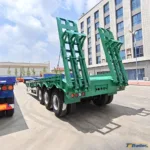
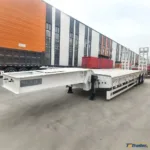
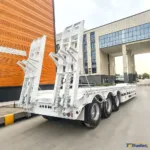
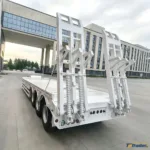
60 ton semi trailer with 3 axles and 30000 KG load capacity, built for mining and construction equipment hauling. Request a quote for 1-10 units today.

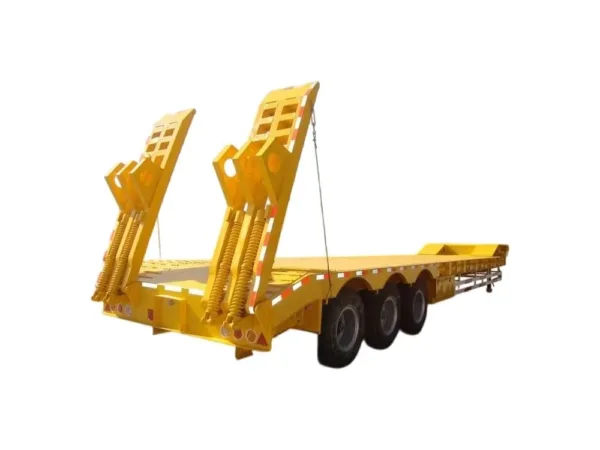


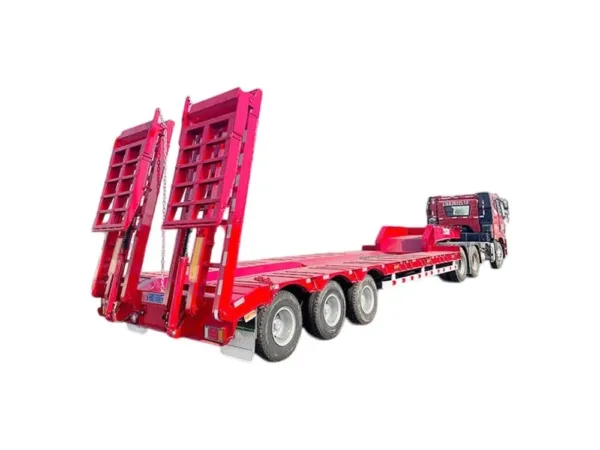
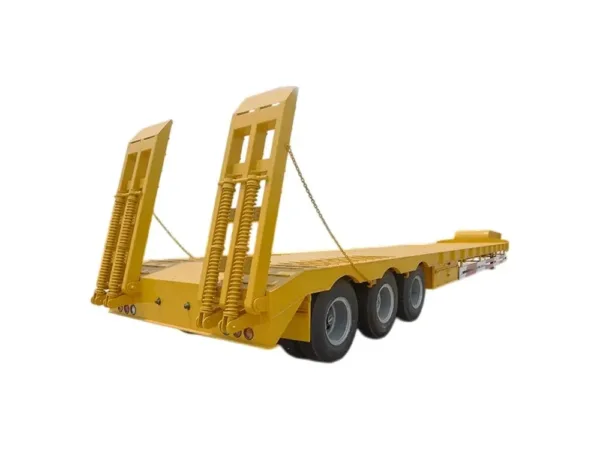

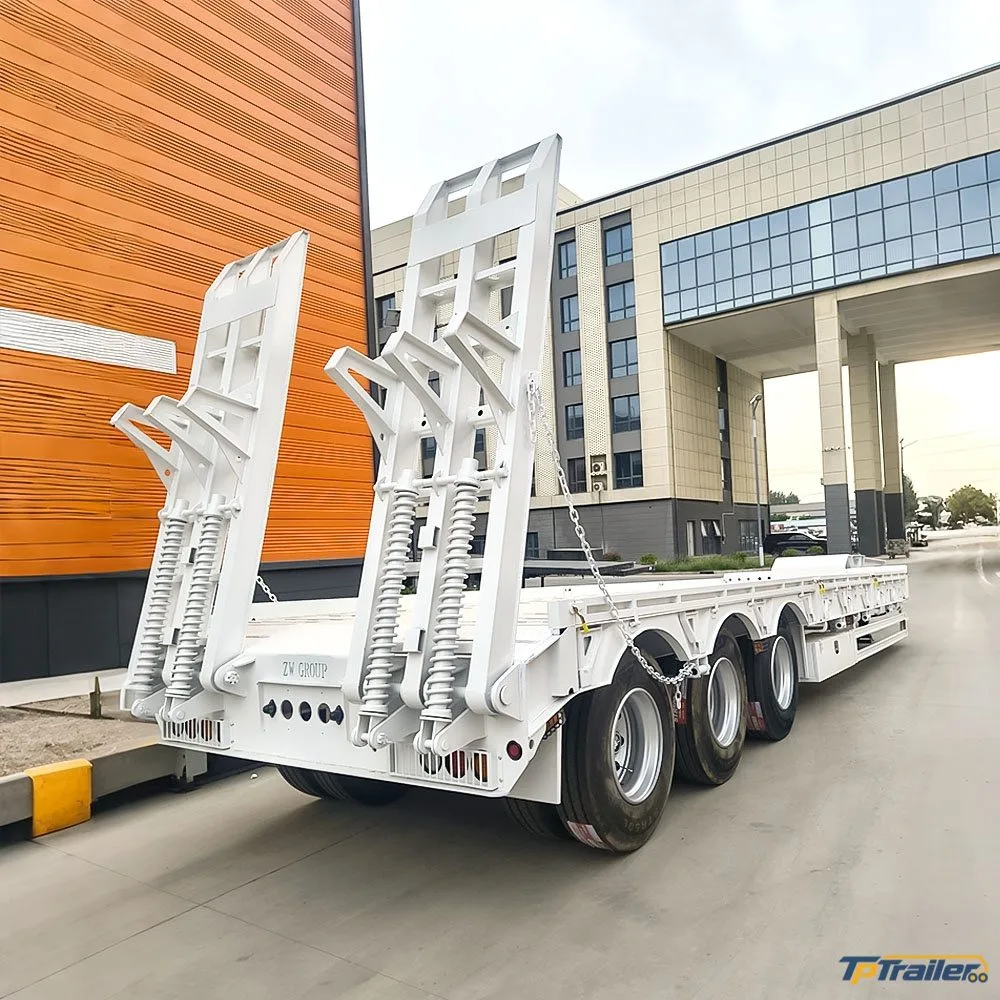
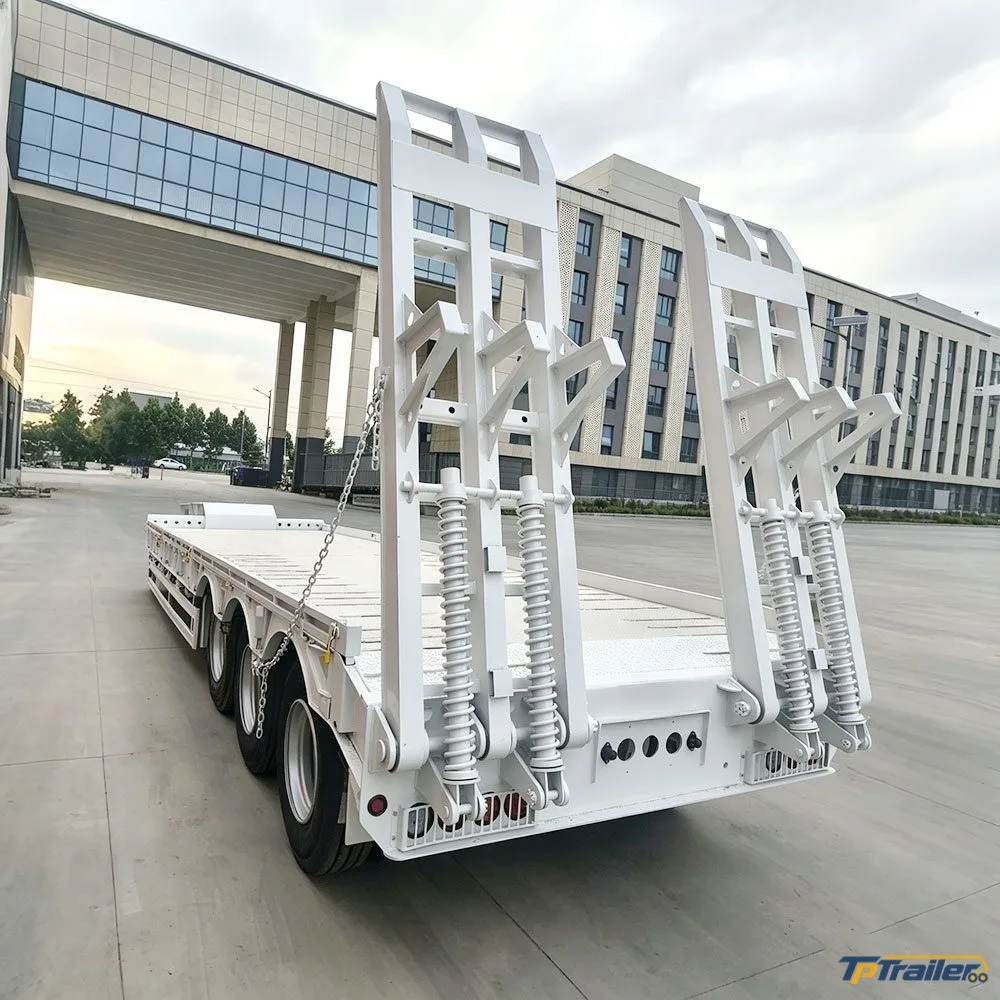
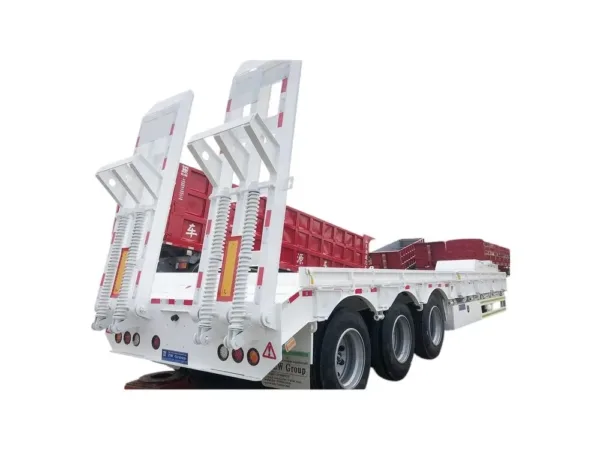
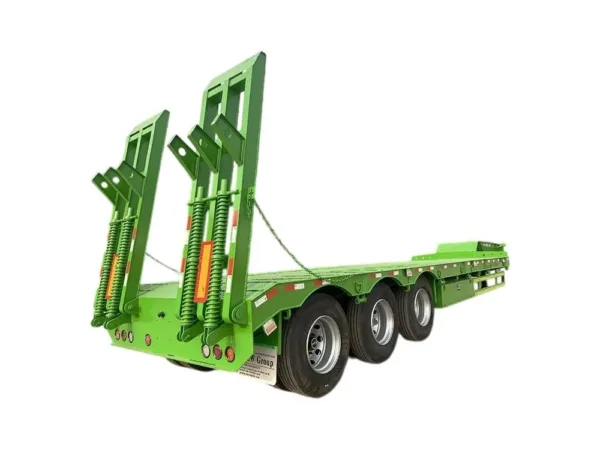
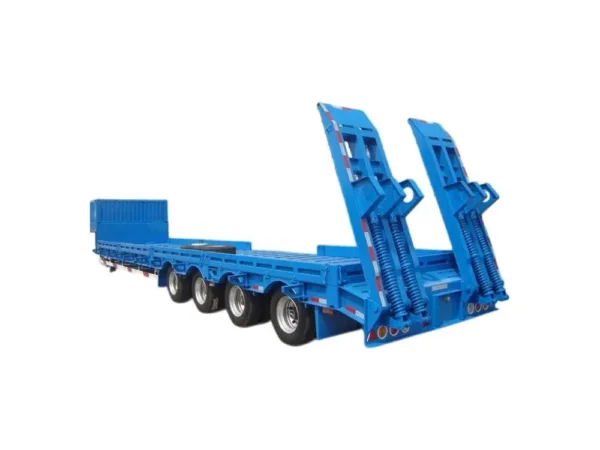
The 60 ton semi trailer is a heavy-duty lowbed platform built to move mining and construction equipment that cannot travel on its own wheels. It suits fleet operators who haul excavators, dozers and rigs over mixed road and site terrain. The strongest reason to choose this unit is its stated load capacity of 30000 KG carried on a three-axle lowbed frame, which gives a stable, low centre of gravity for tall, awkward cargo. It is aimed at contractors and transport businesses that need a dependable equipment mover rather than a general freight trailer. The low deck height makes loading easier and keeps overall travel height manageable on public roads.
Fleet operators use the 60 ton semi trailer mainly to relocate heavy equipment between job sites, yards and storage areas. A typical job is moving an excavator from a completed site to a new excavation, loading it over the rear ramp and securing it on the lowbed for the road leg. Construction contractors also use it to shift dozers, loaders and compactors as a project advances through phases, which means the same 60 ton semi trailer may run several short hauls a week.
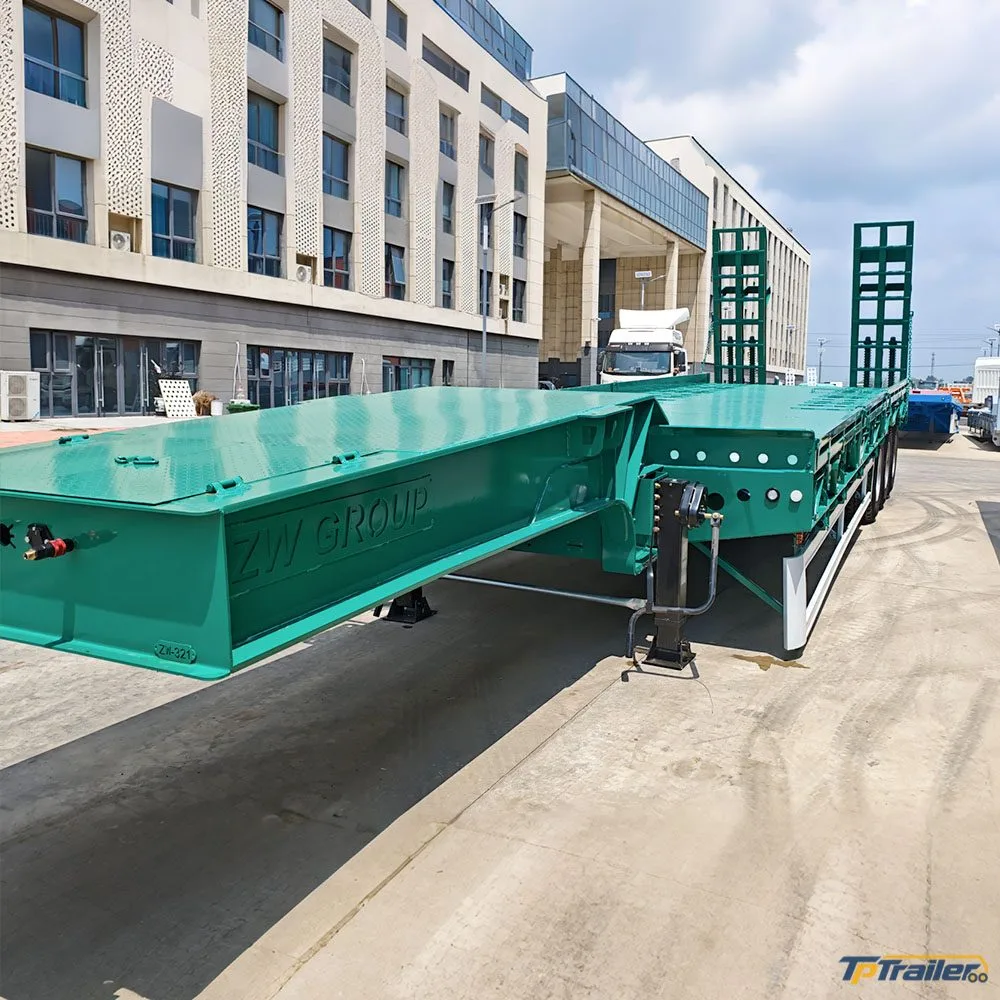
Mining operations rely on it for moving support equipment around a site and for transfers between the pit area and maintenance yards. Because the deck sits low, machines with high profiles load with less ramp angle, which is a practical advantage when the cargo is tall or the loading area is tight. The trailer also suits rental fleets that need one unit capable of handling varied machine sizes within its rated capacity.
On the route side, the 60 ton semi trailer fits work that mixes public highway running with off-road access. A transport planner can use it for the highway leg of an equipment move and then continue over graded site roads to the unloading point, avoiding a second handling step. Contractors moving between urban demolition sites and rural construction pads value that continuity, because the same trailer covers both ends of the journey.
In quarry and aggregate work, it carries crushers, screens and support plant between pits and workshops. For businesses that relocate machinery seasonally, such as road-building crews, the 60 ton semi trailer provides a repeatable loading pattern that drivers and riggers learn quickly. The lowbed format also helps where overhead clearance on the route is a concern, since the cargo rides closer to the ground throughout the trip.
When the 60 ton semi trailer arrives, the buyer has to match the trailer to the tractor unit before any load moves. Check the fifth wheel height and the kingpin engagement first. Then confirm the landing gear position and the mudguard clearance against the tractor. Air and electrical lines must reach the trailer couplers without strain, and the hose routing should clear the deck and suspension through full articulation.
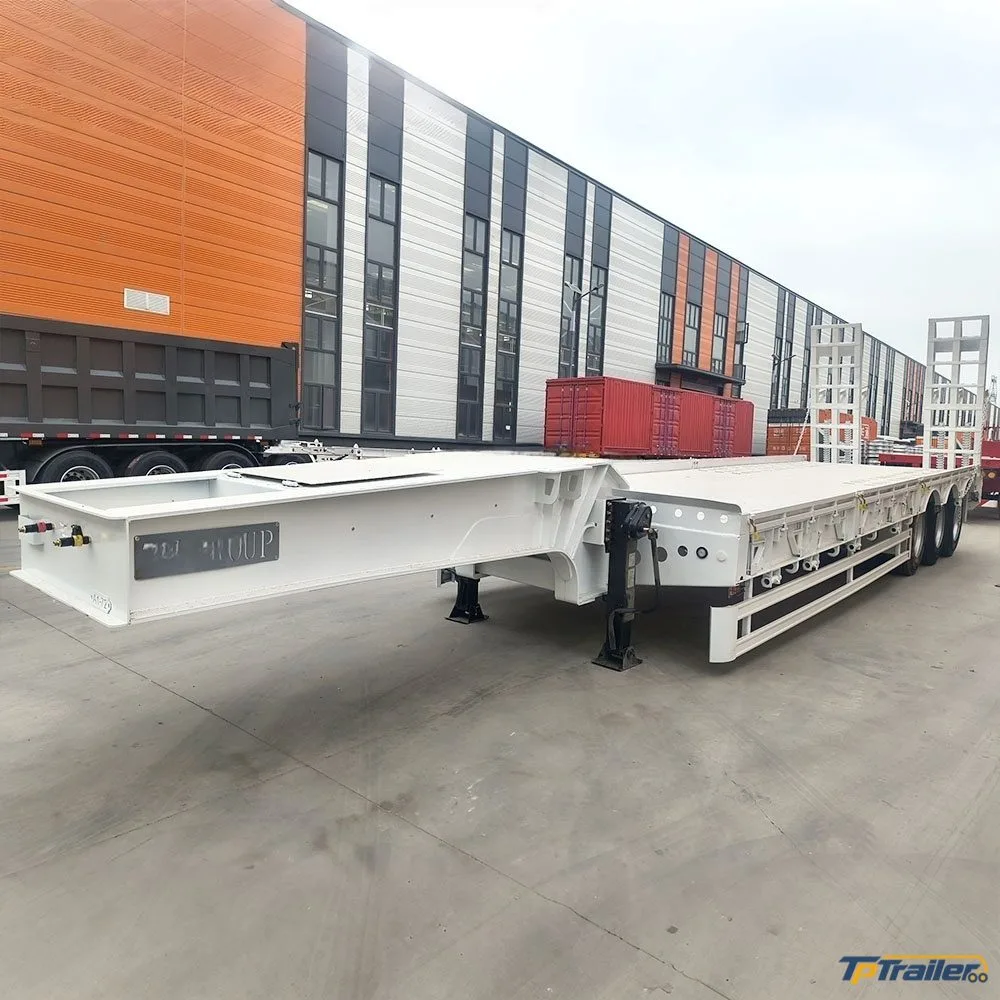
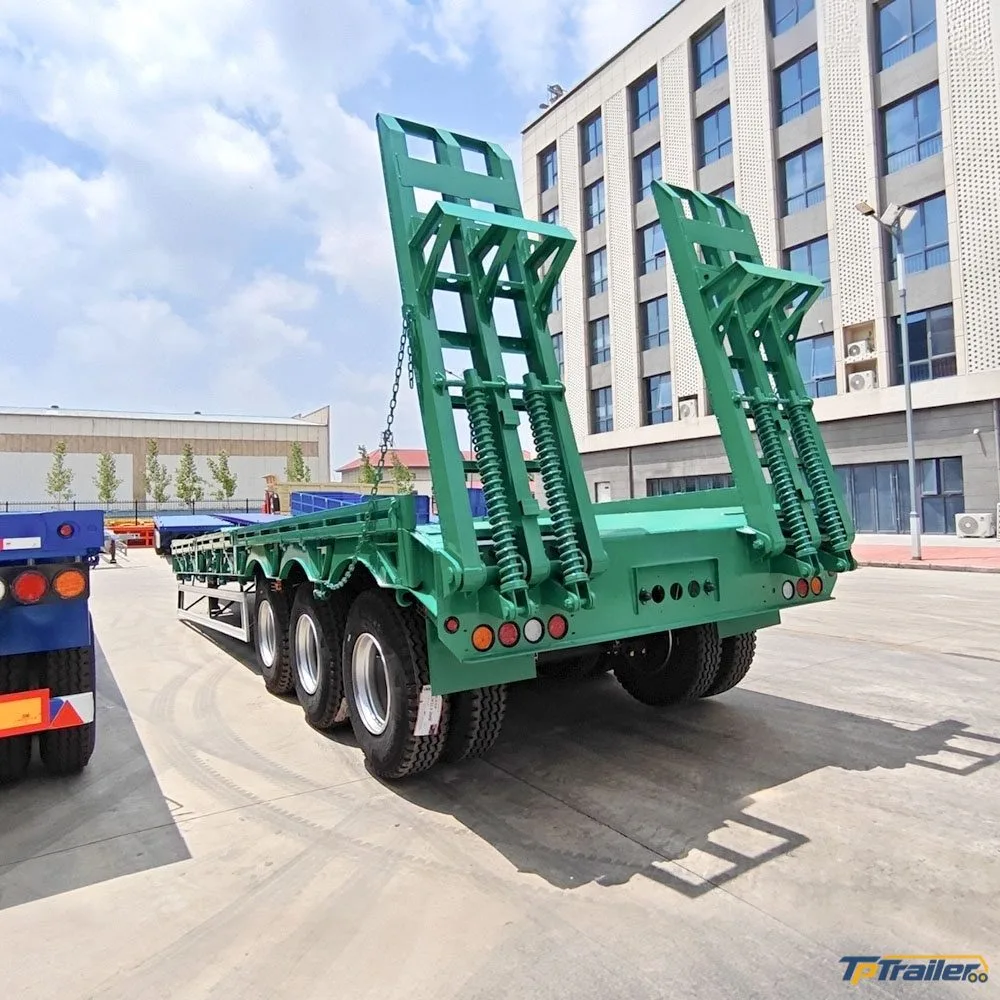
If the input gives no fitment data, a fitment drawing is confirmed at quotation instead of being assumed. Confirm the ramp or loading approach angle against the equipment you will carry. A 60 ton semi trailer that does not sit level with its tractor puts uneven load on the tyres and the coupling.
A wrong size at this stage costs real downtime. If the kingpin or coupling height does not match, the 60 ton semi trailer cannot be coupled safely, and the unit sits idle while parts are sourced. Hose and line mismatches stop the brakes and lights working, so the trailer cannot pass a road check. Deck height errors change the ramp angle and make loading equipment slow or unsafe. Each mismatch turns a ready trailer into a parked asset. To avoid this, send the tractor model and coupling details with the order so the fitment drawing matches your fleet before the 60 ton semi trailer is built.
A 60 ton semi trailer is a long, heavy structure, so packing starts with how the units are braced inside the container, not with how they are wrapped. Each trailer is prepared for sea freight with its exposed steel surfaces protected against moisture and salt air, and loose items such as ramps and fittings are secured so they cannot shift in transit. Lashing points are used to tie the frame to the container floor. Buyers should confirm the lashing plan and protection method for their order, because the exact packing arrangement is confirmed at quotation.
Space is the main cost driver on a 60 ton semi trailer shipment. Lowbed trailers are not designed to nest inside each other, so the buyer should ask how many units fit per container and whether partial disassembly is offered to reduce volume. The load capacity rating, deck length and axle count all affect the packed footprint. Buyers should verify the container type, the number of units per container, and the loading photos before the goods leave the factory.
The number depends on the deck length, axle count and whether the ramps are removed for shipping. Buyers should give the supplier the exact deck length and axle count they need, then ask for the packed dimensions and the units-per-container figure in writing. The loading plan should be confirmed at quotation, together with the container type. Buyers should also request loading photos before dispatch so they can check the bracing and protection themselves.
Check the container seal against the shipping documents before opening. Then inspect the frame for bending or weld damage, confirm the paint and protective coating are intact, and check the tyres, rims and lashings. Verify the deck length and axle count against the order. Photograph everything and note any damage on the delivery receipt before signing. Any shortage or transit damage should be reported to the supplier and the carrier immediately, with photos attached.
Axle-load limits, bridge formulas and overall dimensions differ by market, so buyers should send the routes and the local limits with the enquiry. The supplier can then confirm the axle count and deck length that suit those rules. Buyers should confirm the coupling standard and the tractor model as well. Whether a specific configuration meets local rules is confirmed at quotation, and the buyer should verify the final specification against the regulations before ordering.
Send the deck length you need, the axle count and the quantity you plan to order. With those three details the supplier can confirm the configuration, the packed dimensions and the price tier for your volume. Ask for the loading plan and the protection method in the same message so the quotation covers the full shipment.
Explore more 60 ton semi trailer in this range.
| Load Capacity | >30000 KG | Type | Semi-Trailer |
|---|---|---|---|
| Max Payload | >30000 kg | Place of Origin | China |
| Use | Truck Trailer | Material | Steel |
| Size | Custom | ||
No reviews yet — click the Review button on the right to share your experience with this product.











Fill in the form below and our team will respond within 24 hours.
Write a Review