3 Axle 60 Ton Lowbed Semi Trailer for Mining Equipment
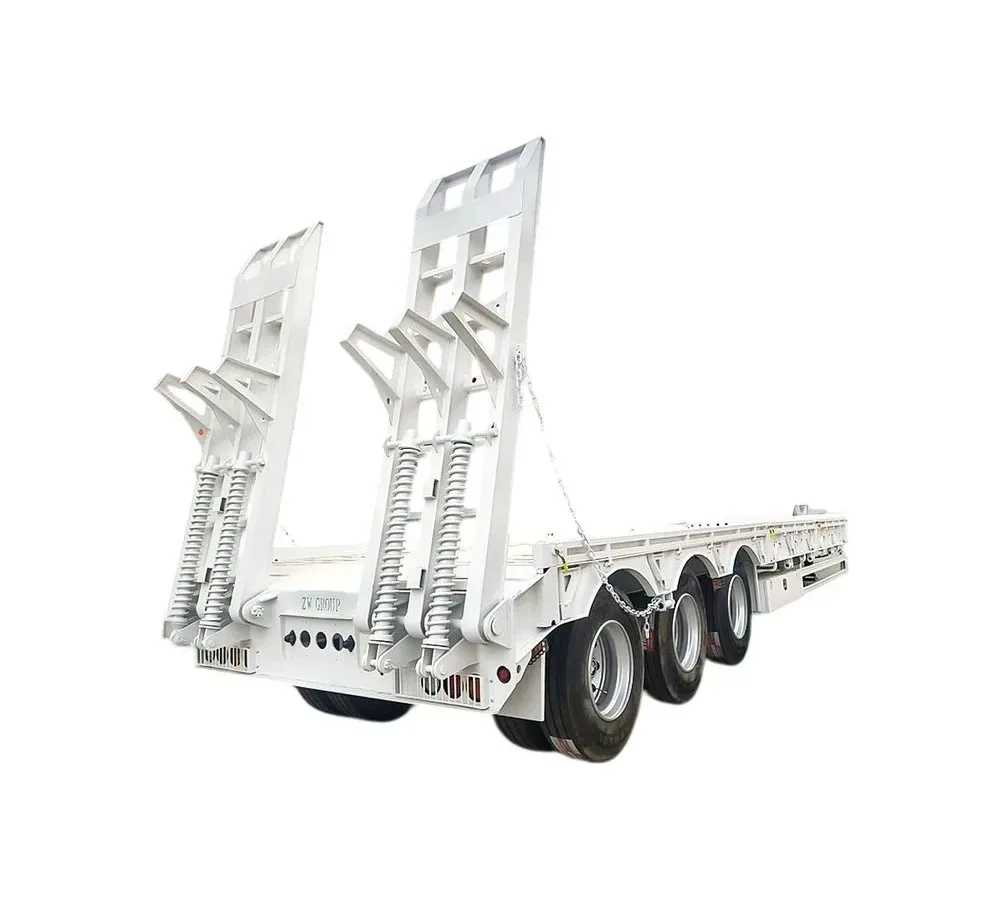
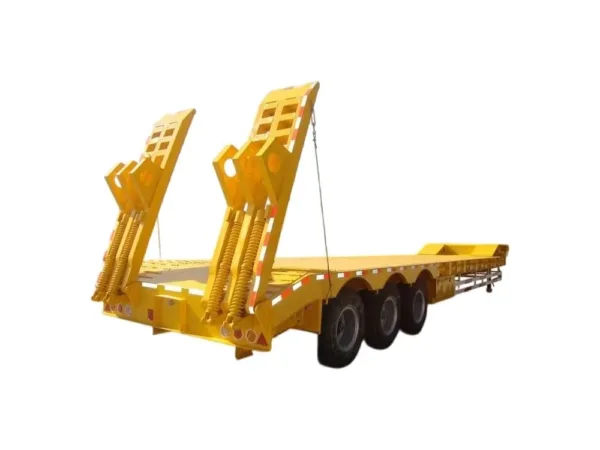
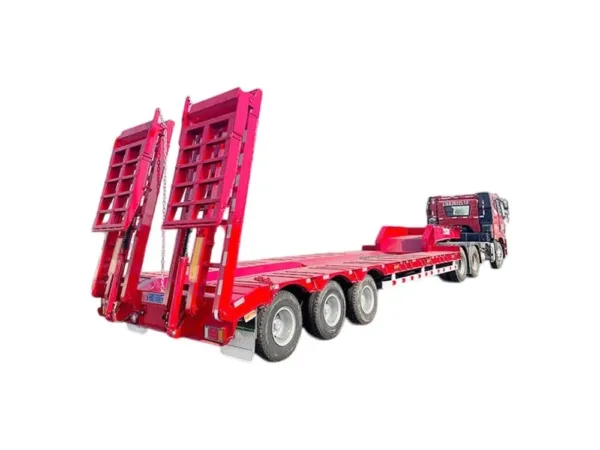
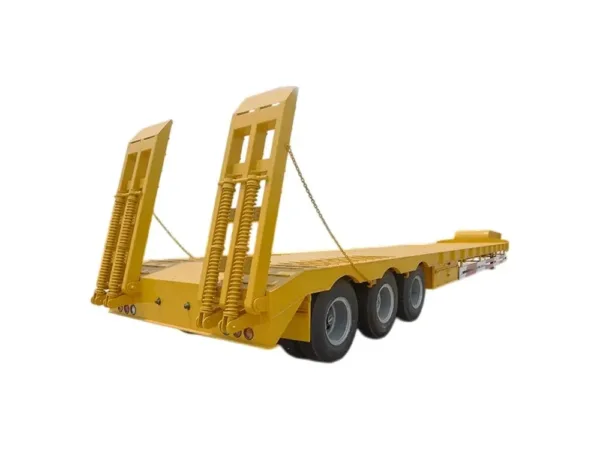
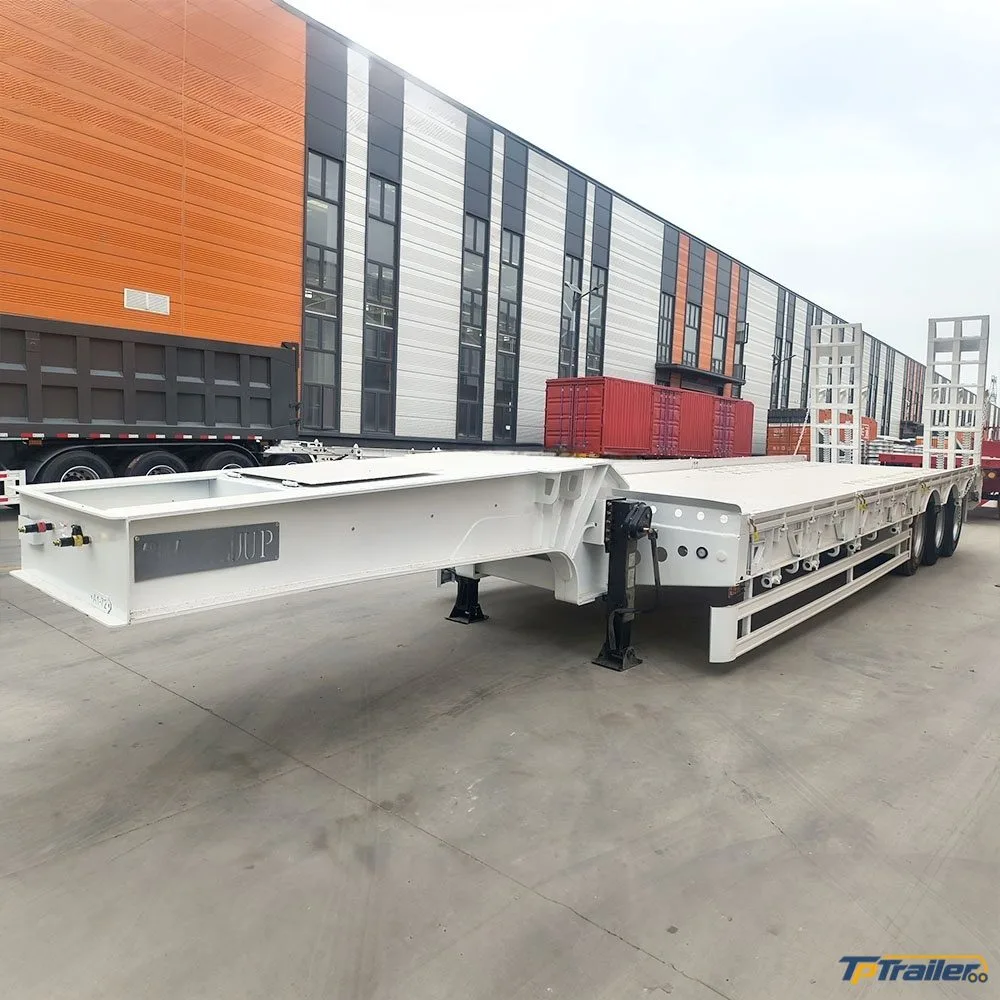
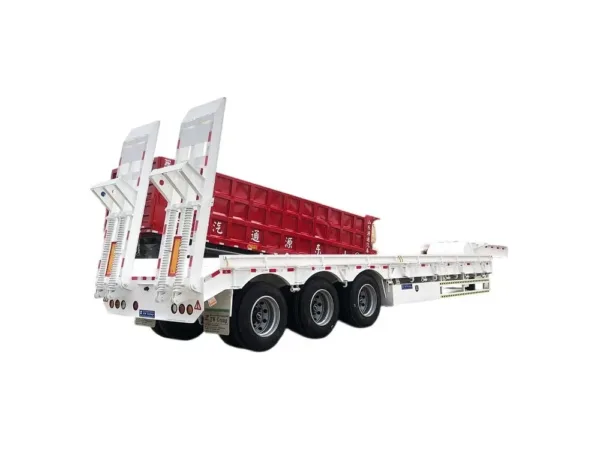
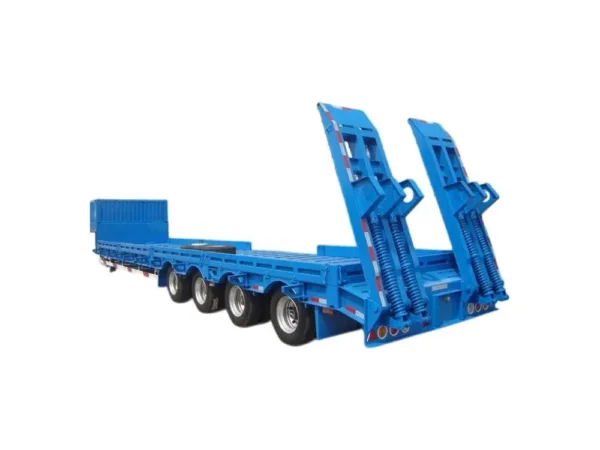
60 ton lowbed semi trailer with 3 axles and 30000 KG load capacity, built for mining equipment and construction machinery. Quotes available on request.
>30000 KG 3
FOB Reference PriceUS$4,000-5,000Final price confirmed by inquiry
Certifications
ISO 9001
Key Features
3 axle lowbed configuration for heavy mining and construction loads
30000 KG load capacity for oversized machinery transport
Lowbed deck design for loading tall equipment
Built for export markets and international fleet operators
Suited to mining equipment and construction machinery haulage
The 60 ton lowbed semi trailer is a three-axle platform trailer built to move mining equipment and construction machinery between yards, sites and depots. It suits fleet operators, plant hire firms and equipment dealers who need a dependable step-deck trailer for heavy, awkward loads. Its strongest advantage is a low, long deck that keeps tall machines stable and within height limits on the road. The trailer carries a stated load capacity of 30000 KG, so buyers should match it to the machines they actually haul. This page covers how it performs on site, the jobs it handles and how to pick the right configuration.
Table of Contents
Why It Works On Site
Low deck height. The lowbed design drops the cargo platform close to the ground, which lowers the centre of gravity on tall loads. Excavators and dozers sit more stable in transit, and the whole outfit clears bridges and overhead lines more easily. That matters on rural routes and site access roads where clearance is tight and margins are thin.
Stated load capacity of 30000 KG. The rated load capacity tells you the working envelope before you load. Fleet managers can check each machine against it and assign the trailer to jobs it is suited to. That keeps axle and deck loads sensible and avoids overloading, which protects the trailer and keeps the outfit within legal weight limits.
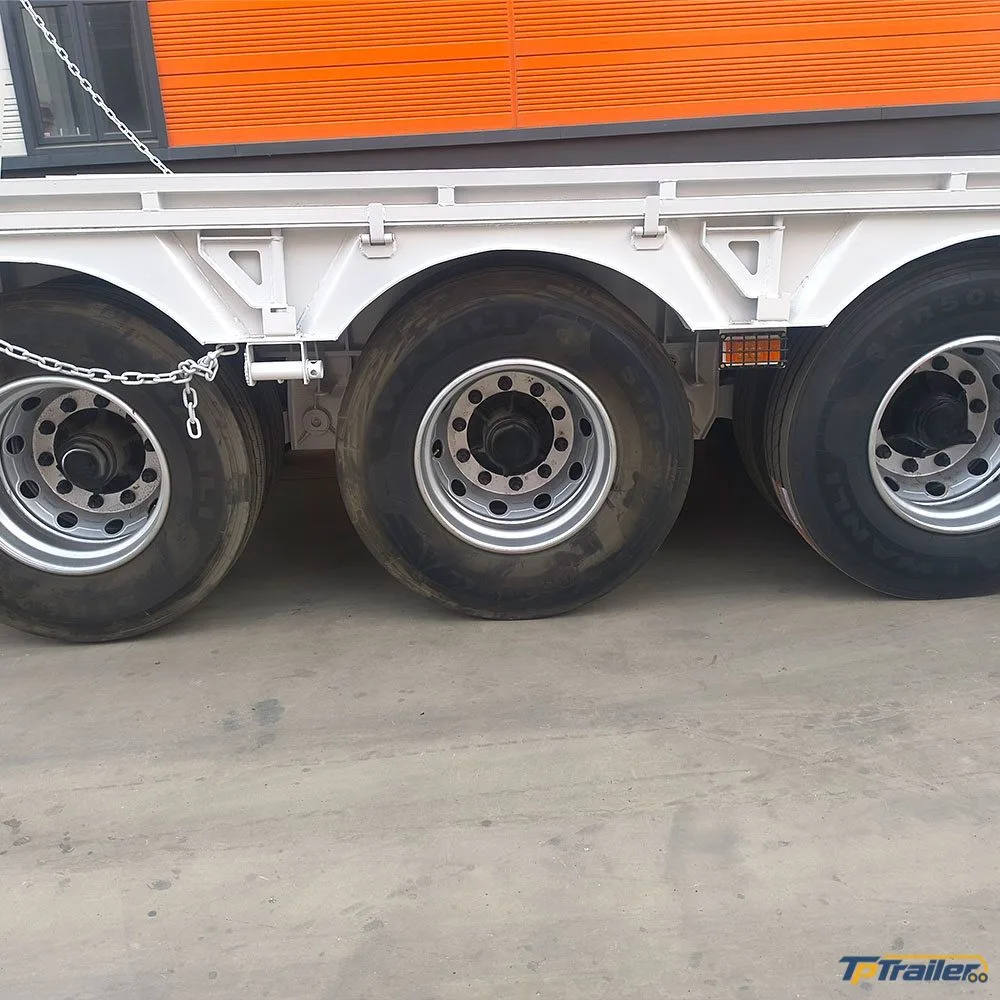
Three-axle running gear. Spreading the load across three axles improves weight distribution and traction on soft ground. On gravel haul roads and compacted site tracks, the trailer tracks more steadily and resists sinking. It also gives the operator more flexibility when positioning heavy cargo along the deck.
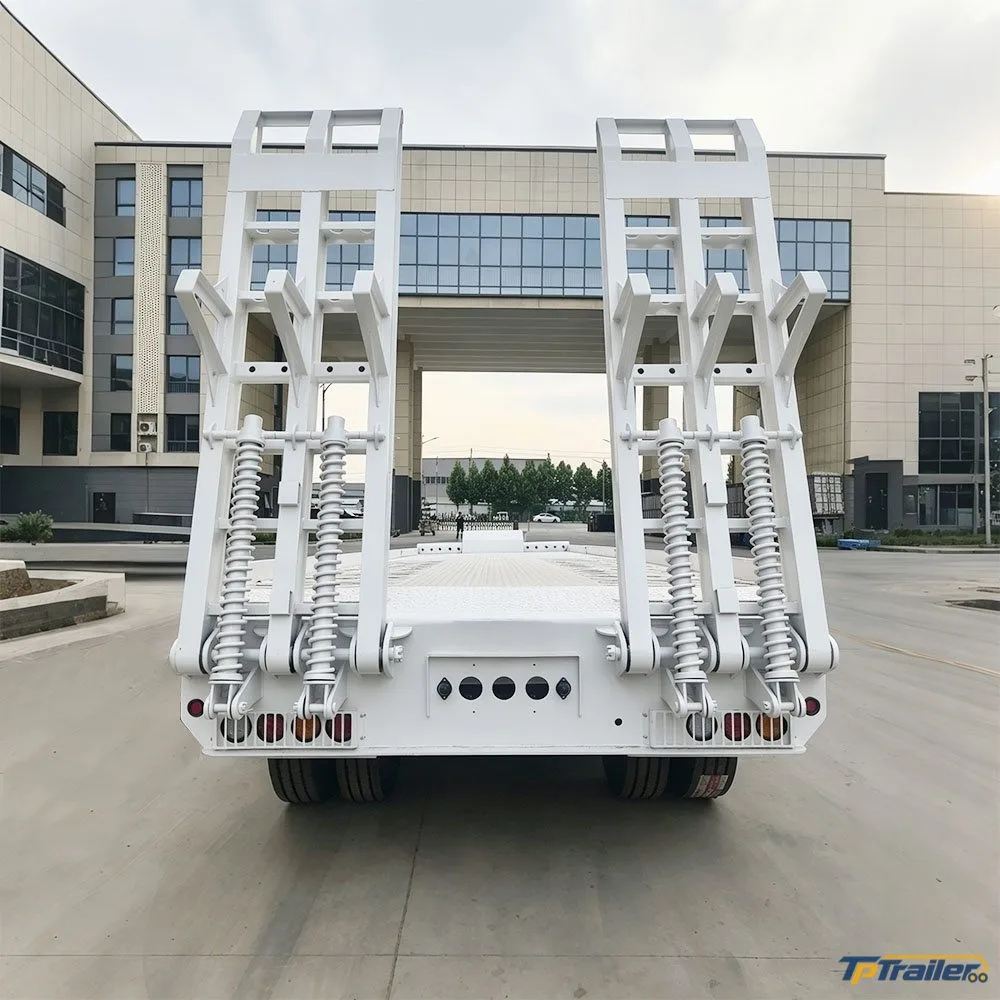
Long, open deck. The extended platform accepts tracked and wheeled machines with wide footprints. Ramps or a beavertail let equipment drive or winch on without a crane. That saves lifting costs and shortens loading time, so the 60 ton lowbed semi trailer spends more of each shift moving and less of it waiting.
Step-deck geometry. The raised front section lets the deck sit lower behind the gooseneck. Tall machines gain headroom, and long cargo can overhang the rear without fouling the tractor unit. Drivers get a shorter, more predictable load profile, which eases turning and reversing on confined sites.
Heavy-duty build for export. The frame and deck are engineered for repeated loading of plant machinery. That suits rental fleets and contractors who cycle equipment daily. A robust structure reduces downtime between jobs, and the trailer is configured for shipping to overseas markets, so buyers can plan delivery alongside their equipment orders.
Where It Is Used
Fleet operators use the 60 ton lowbed semi trailer to move excavators, wheel loaders, bulldozers and backhoes between job sites, quarries and equipment yards. A typical run is a day hire: collect a machine from a depot, deliver it to a construction site, and bring it back when the work is done. The low deck and open platform make it quick to load tracked plant by ramp, so crews spend less time on handling and more on the job.
Mining operations use the same trailer to shift drills, crushers and support equipment along haul roads and between pits. Because the deck sits low, tall machines travel with a safer centre of gravity, which matters on uneven ground and long gravel routes.
The trailer also suits equipment dealers, auction houses and rental companies that move stock between yards and customer sites. Loads include compactors, telehandlers, small cranes and attachments, all checked against the stated load capacity before dispatch. On public roads, the low profile helps keep overall height within limits, which reduces route planning work for drivers. On site, the three-axle layout spreads weight so the outfit stays stable on compacted tracks and temporary access roads. Operators value a trailer that handles both the highway leg and the final approach to a working site. The 60 ton lowbed semi trailer fits fleets that need one flexible platform for mixed machinery rather than several specialised units.
Choosing The Right Spec
Match the load capacity to your heaviest machine. The stated load capacity of 30000 KG sets the working limit. List the machines you haul most often and confirm each one fits within it, including attachments and fuel. If your regular loads sit well under the limit, this trailer gives a comfortable margin; if they approach it, plan routes and loading carefully so the 60 ton lowbed semi trailer is not pushed beyond its rating.
Compare the price tiers by fleet size. Pricing is structured by order quantity, with a lower unit price at higher volumes. A single-unit buyer pays the entry tier, while fleets ordering several units move to better rates. Work out how many trailers your hauling schedule actually needs before ordering. Buying to the tier that matches your fleet size keeps the 60 ton lowbed semi trailer cost aligned with real utilisation.
Think about deck length and ramp type. Deck length and ramp or beavertail configuration determine what loads easily. Tracked excavators need a ramp long enough for a safe climb angle, while wheeled machines may load under their own power. Confirm the deck length covers your longest machine with room for tie-down points. Buyers running mixed fleets should choose a setup that handles both tracked and wheeled equipment without extra handling gear.
Check axle and coupling compatibility. Three-axle running gear must suit your tractor unit and local road rules. Confirm the fifth-wheel coupling, brake system and lighting match your fleet standard before ordering. Operators running several tractor units should keep the 60 ton lowbed semi trailer configuration consistent so any unit can pull it. That consistency simplifies driver training, maintenance planning and spare parts stocking across the fleet.
Customisation Before Delivery
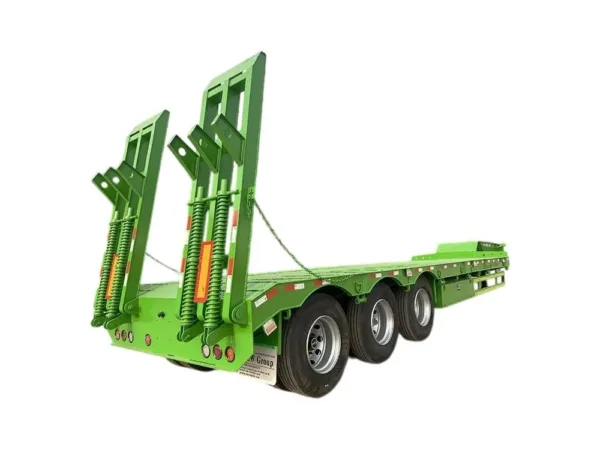
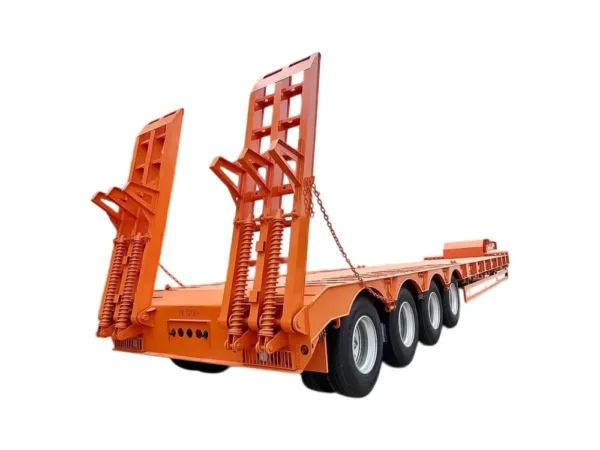
Axle count is the first decision on any 60 ton lowbed semi trailer. A three-axle layout suits buyers who spread load across a long deck. Fewer or more axles change how the trailer tracks and how weight reaches the ground. Confirm the count at order confirmation so the running gear and frame are built as one set.
Deck length and deck width are settled with the load in mind. A 60 ton lowbed semi trailer carries mining equipment and construction machinery, so the deck must match the footprint of the largest machine in your fleet. Give us the machine dimensions and we build the deck around them. This choice is fixed at order confirmation.
Suspension type is chosen at order confirmation. Mechanical and air options behave differently on rough haul roads, and the right one depends on your site. For a 60 ton lowbed semi trailer working unsealed ground, the suspension choice affects ride, tyre wear and how the frame absorbs shock. State your ground conditions when you order.
Tyre size and tyre count follow the axle layout and the roads you run. A 60 ton lowbed semi trailer on long highway moves wants one tyre setup, while site work wants another. Tell us the surface and the typical trip length. Both are locked in at order confirmation.
Colour and finish are agreed before production. A 60 ton lowbed semi trailer is often branded for the fleet that runs it, so paint and marking are part of the order. Choose the finish that suits your climate and your workshop. This detail is settled at order confirmation along with the rest of the build.
Fitting And Installation
A 60 ton lowbed semi trailer arrives as a finished unit, so the fitting work on arrival is about the tractor side of the coupling. The buyer has to match the fifth wheel height, the kingpin position and the air and electrical connections to the tractor that will pull the trailer. Check the ramp and deck height against the dock or loading bank you use. A 60 ton lowbed semi trailer sits at a working height that must line up with your loading equipment.
Measure before the trailer lands, not after. Where the input gives no fitment data, a fitment drawing is confirmed at quotation. That drawing shows the coupling points and the connection layout. Read it against your tractor before you commit.
A wrong size at the coupling costs downtime that no schedule absorbs. If the fifth wheel height does not suit the 60 ton lowbed semi trailer, the deck sits at the wrong angle and loading becomes slow and unsafe. If the air line fittings and hose routing do not match the tractor, the brakes will not release cleanly and the trailer stays parked. A 60 ton lowbed semi trailer that cannot be coupled is a trailer that cannot earn.
Torque values for the coupling fasteners are not stated here; the fitment drawing confirmed at quotation is the reference. Line up the tractor, the drawing and the site before delivery. That is how a 60 ton lowbed semi trailer starts working on day one.
Service Life And Maintenance
Tyres wear first on any 60 ton lowbed semi trailer. The operator should check tread depth, sidewall condition and inflation across the axle set at each walk-around. Uneven wear points to alignment or suspension trouble. Catching it early keeps a 60 ton lowbed semi trailer on the road and off the jack.
Brake chambers, linings and air lines are the next wear point. On a 60 ton lowbed semi trailer, air leaks show up as slow release or weak braking. The operator should listen for leaks and watch the gauge on every trip. A 60 ton lowbed semi trailer used on site roads needs this check more often than a highway unit.
Suspension bushes and shackles take constant load. Inspect them for play, cracks and loose fasteners on the 60 ton lowbed semi trailer. Worn bushes let the axle shift and speed up tyre damage. Keep the suspension tight and the 60 ton lowbed semi trailer holds its deck height and tracks straight.
The deck surface and ramps wear with every machine loaded. Walk the deck of the 60 ton lowbed semi trailer for cracks, bent edges and worn hinge points. A clean, painted deck resists corrosion and shows damage sooner. The coating choice made at order extends the time between deck repairs.
Frame paint and welds protect the structure. Inspect the 60 ton lowbed semi trailer for chips, rust spots and weld cracks, and touch up the coating where it fails. A protected frame lasts longer, and the finish chosen at order sets how often that touch-up is needed.
Packing And Container Loading
A 60 ton lowbed semi trailer ships as a partly knocked-down unit. The main deck, gooseneck, ramps and axle assemblies are separated where the design allows. Steel surfaces receive a protective coating before dispatch. Small fittings, pins and fasteners go into labelled crates strapped to the frame. Buyers should confirm at quotation which components arrive pre-assembled and which are shipped loose, so the receiving team plans lifting equipment before the container or flat rack is opened.
Loading depends on the shipping method. A 60 ton lowbed semi trailer is a long, heavy unit, so break-bulk or flat-rack shipping is common for single orders, while smaller components may fit into standard containers. Nested loading is limited by the deck and axle geometry. Buyers should verify the loading plan, lifting points and securing arrangement before shipment. On arrival, check the protective coating, count the crates against the packing list, and inspect the axle and suspension parts for transit damage before signing.
Common Mistakes Buyers Make
Ordering without checking the load capacity against the real payload. A 60 ton lowbed semi trailer is often bought for mining and construction machinery that may exceed the rated load once attachments and ballast are counted. Weigh the heaviest machine fully equipped and compare it with the stated load capacity before ordering. The single check is a written payload figure from your own equipment list, not an estimate from the machine brochure.
Ignoring the axle count and its effect on road rules. Buyers sometimes assume the axle configuration suits every market. Axle count affects permitted axle loads and turning behaviour on site roads. Confirm the axle count you need and the local axle-load rules in writing. The single check is a short written confirmation of the required axle count and the regulations it must satisfy, agreed before the order is placed.
Mismatching the fifth wheel and kingpin. A 60 ton lowbed semi trailer must couple to the tractor that will actually pull it. Kingpin size and fifth wheel height vary between tractor models. Measure the tractor fifth wheel height and confirm the kingpin specification with the supplier. The single check is a measurement taken on your own tractor, not a figure copied from a similar fleet unit.
Overlooking ramp and deck length for the machine. Ramp length and deck dimensions decide whether a machine can be loaded safely. Buyers order by trailer class and discover the ramps are short for a long-tracked excavator. Measure the machine length, track or wheelbase, and ground clearance, then confirm the ramp and deck dimensions. The single check is a dimensioned loading sketch agreed before production.
Skipping the pre-shipment loading plan. Many delays come from discovering the shipping method and lifting points too late. A 60 ton lowbed semi trailer needs a loading plan that matches the vessel or flat rack. Ask for the packing list, lifting points and securing method at quotation. The single check is a written loading plan approved before the unit leaves the factory.
Buyer Questions
How is the 60 ton lowbed semi trailer protected for sea freight?
Steel surfaces are coated before dispatch, and loose fittings are crated and labelled. The exact coating system and crate arrangement should be confirmed at quotation, because they depend on the shipping route and the time in transit. Ask the supplier to list every loose item on the packing list and to mark lifting points on the frame. Before booking freight, confirm whether the unit ships whole or partly knocked down, since that changes the protection and securing work required.
Can the trailer be shipped in a standard container?
A 60 ton lowbed semi trailer is a long, heavy unit, and the shipping method depends on the deck and axle geometry. Standard containers suit smaller components, while the main structure often needs break-bulk or flat-rack shipping. Ask for a dimensioned loading plan at quotation and compare it with the internal dimensions of the container or flat rack you intend to book. Confirm lifting points and securing arrangements at the same time, so the receiving team is ready.
What should I check when the trailer arrives?
Inspect the protective coating on the deck and frame, and look for transit damage around the axles and suspension. Count every crate and loose item against the packing list before signing the delivery receipt. Photograph any damage before unloading. Then confirm the axle count, the load capacity marking and the coupling parts against your order. If anything is missing or damaged, record it on the delivery documents and notify the supplier the same day, with photos attached.
To receive a quotation for a 60 ton lowbed semi trailer, send the required deck length, the axle count you need, and the quantity you plan to order. Add the machines you will carry and your preferred shipping method. With those details, the supplier can confirm the configuration, packing plan and price tier for your order.
We use cookies to enhance your browsing experience, serve personalized content, and analyze our traffic. By clicking "Accept All", you consent to our use of cookies. Privacy Policy
Cookie Preferences
Required for the website to function properly. Cannot be disabled.
Help us understand how visitors interact with the website (Google Analytics).
Used to deliver personalized ads and measure ad campaign effectiveness.



















Write a Review