Fence Semi Trailer 4 Axle 80 Tons High Capacity Cargo
High capacity cargo fence trailer for bulk goods transport, 4 axle 80 ton steel side wall semi trailer with 30000 KG load capacity. Request a quote today.
>30000 KG 4
FOB Reference PriceUS$6,000-10,000Final price confirmed by inquiry
Certifications
ISO 9001
Key Features
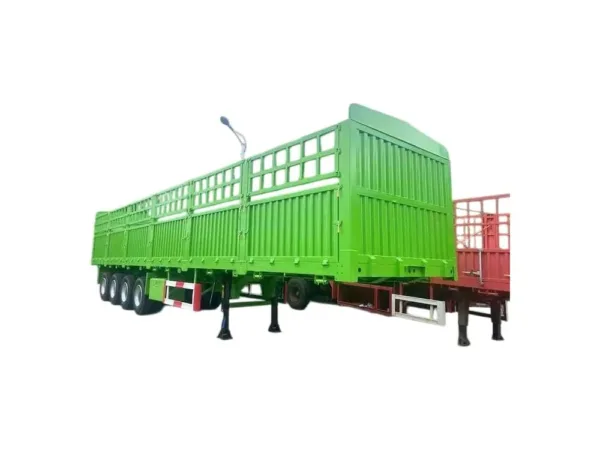
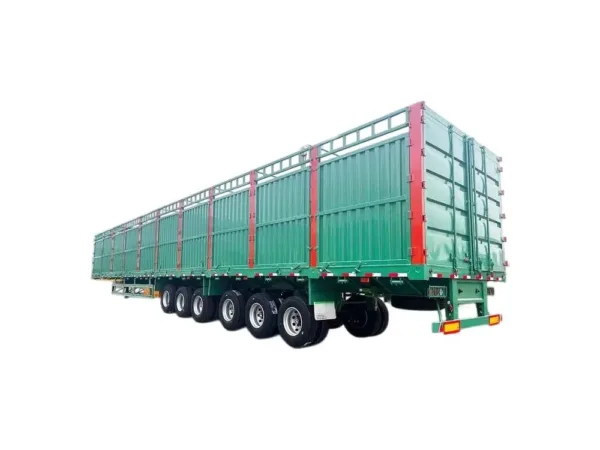
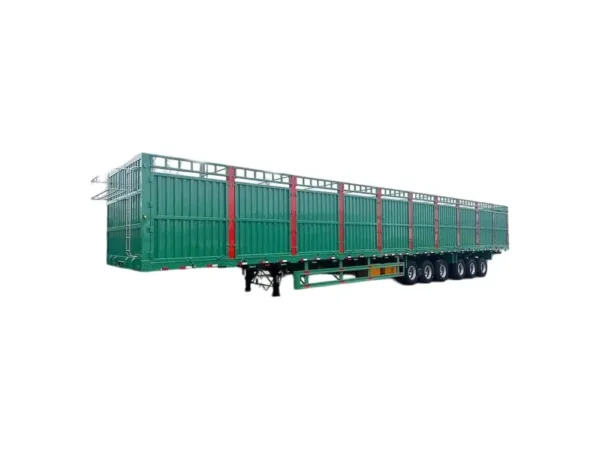
4 axle fence trailer built for high capacity cargo logistics
80 ton rating for heavy bulk goods and freight hauling
Steel side wall design keeps loose cargo contained in transit
Suited to bulk goods, farming and livestock transport duties
Multi purpose fence trailer platform for mixed freight loads
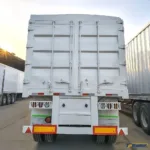
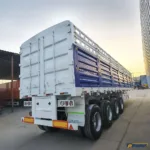
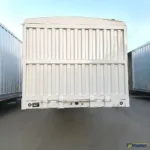
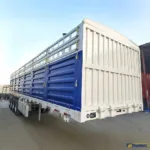
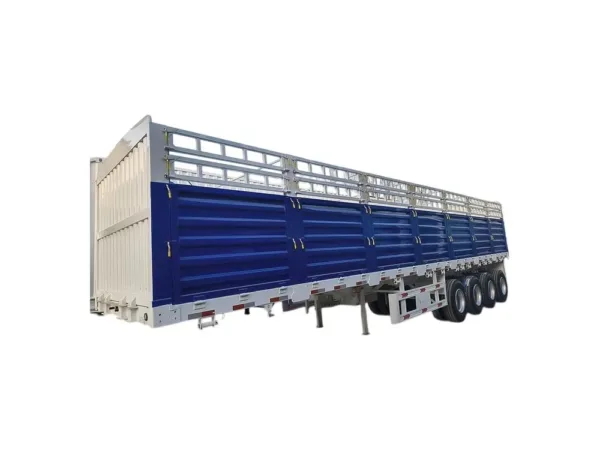
High Capacity Cargo Fence Trailer bulk goods transport is the job this four-axle dropside fence semi trailer was built for. It is a steel side wall trailer with a fence-type body, sized for fleet operators moving loose, palletised and stacked freight on fixed trunk routes. builds it for cargo logistics companies, farm and livestock hauliers, and bulk goods distributors who need one platform to cover several loads a week. The strongest reason to choose it is the combination of the rated load capacity and the four-axle running gear, which keeps a heavy payload stable on long highway runs. The dropside walls open for side loading, so forklifts and manual crews work faster at both ends of the trip.
Table of Contents
Why It Works On Site
Rated load capacity. The trailer carries a rated load capacity of 30000 KG, which is what lets a haulier plan full loads of bagged goods, pallets or machinery without splitting the consignment across two vehicles. That single figure drives route planning, axle-load checks and the number of trips a fleet books per week. For High Capacity Cargo Fence Trailer bulk goods transport, it is the number that decides whether a job is profitable or not.
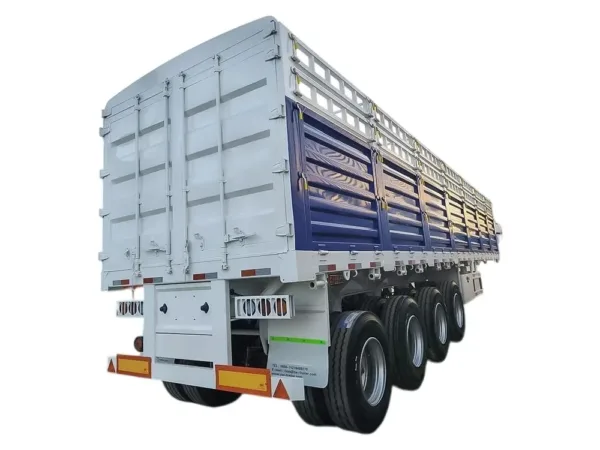
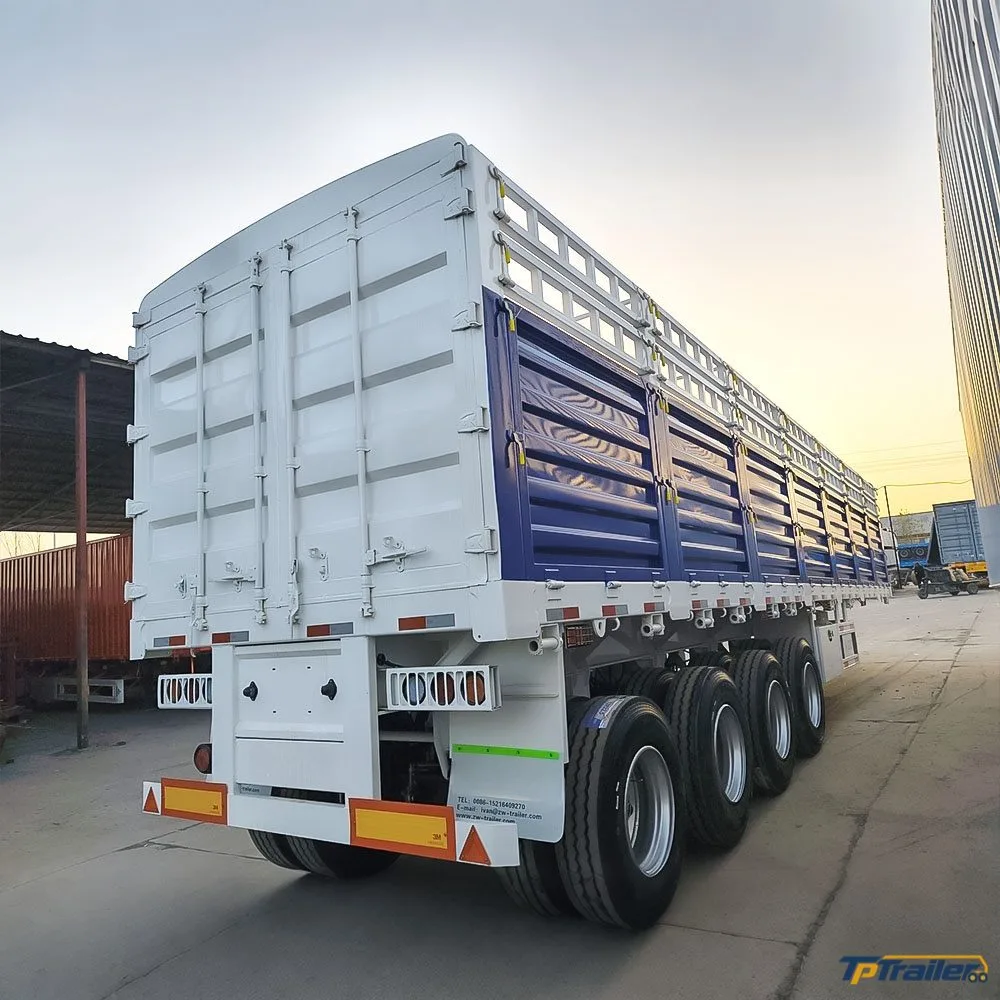
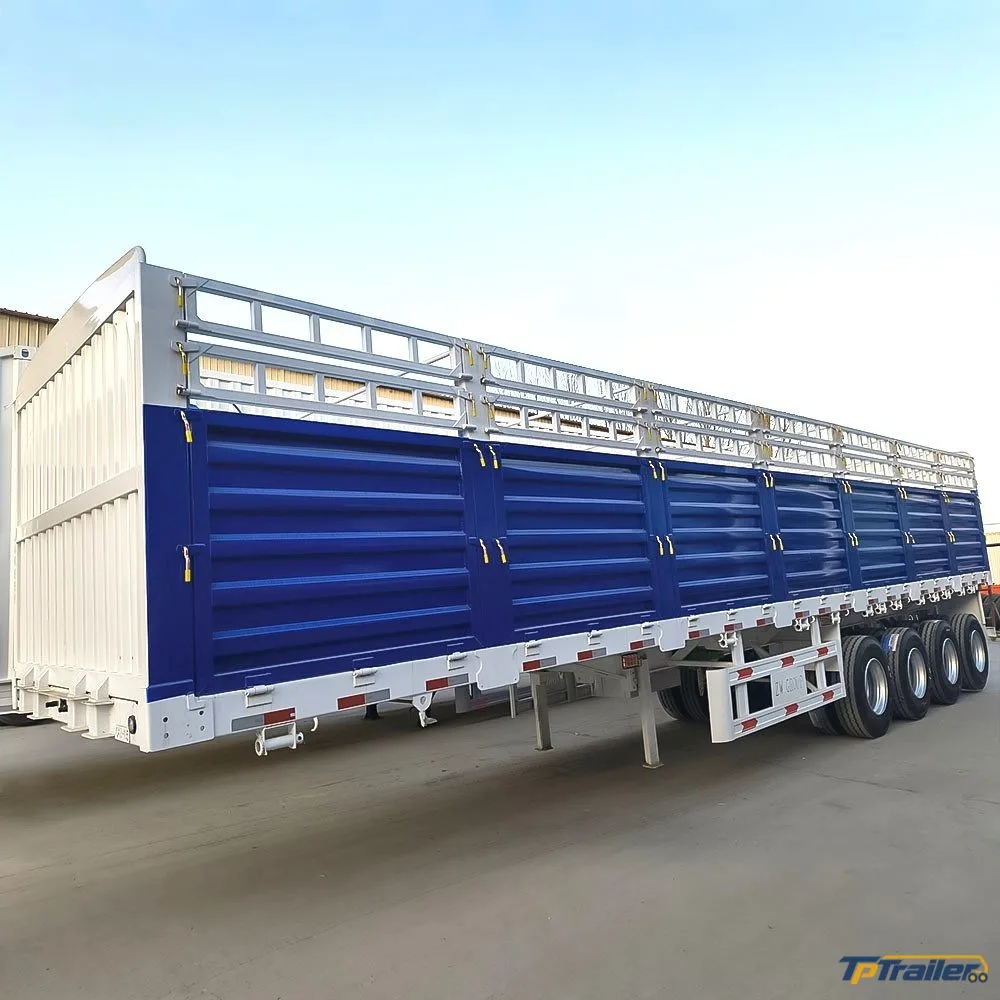
Four-axle running gear. Spreading the load across four axles keeps the trailer settled under heavy freight and reduces the stress each wheel set takes on long highway runs. Drivers report less wander in crosswinds and steadier braking with a full deck. That matters on High Capacity Cargo Fence Trailer bulk goods transport work where the trailer runs loaded most of the week rather than part of it.
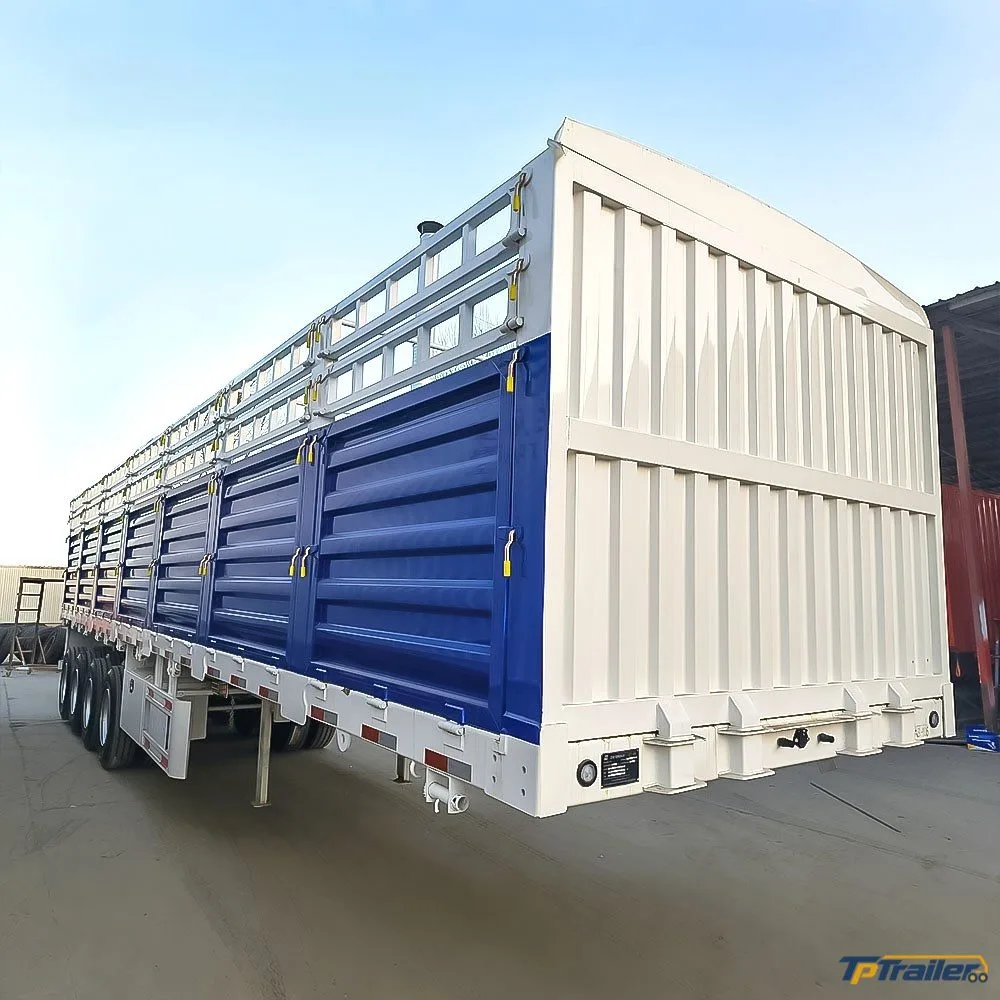
Dropside steel side walls. The side walls drop down so a forklift or a manual crew can load and unload from the side instead of working only over the rear. On mixed consignments, that cuts handling time at every stop and lets one trailer serve several delivery points in a day. It is a practical gain for High Capacity Cargo Fence Trailer bulk goods transport routes with multiple drops.
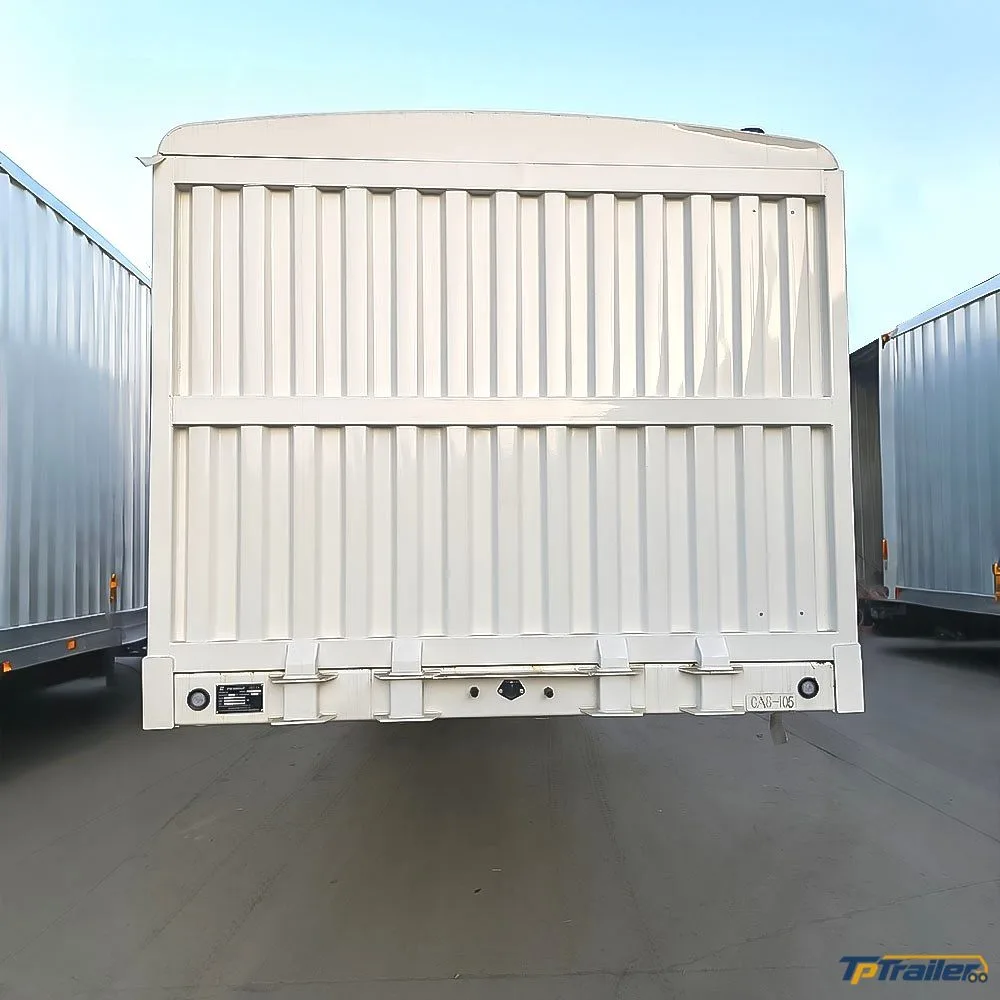
Fence-type body. The fence structure holds stacked and irregular cargo in place without needing a fully enclosed box. Bagged goods, crates, pallets and farm supplies all sit against the side wall and stay put in transit. Hauliers use the open top for crane loading when the cargo is too awkward for a forklift, which widens the range of High Capacity Cargo Fence Trailer bulk goods transport jobs one unit can accept.
Steel construction. Steel side walls and a steel chassis take the knocks of daily loading without the panel damage that softer bodies collect. Repair work stays simple and local, which keeps the trailer earning instead of waiting for parts. For operators running High Capacity Cargo Fence Trailer bulk goods transport on rough yard surfaces, that durability is the difference between a working asset and a workshop fixture.
High-capacity deck. A high-capacity deck means fewer trips for the same tonnage, so fuel and driver hours go further across a week. Fleet managers can plan High Capacity Cargo Fence Trailer bulk goods transport schedules around full loads rather than part loads, and the trailer earns its keep on every leg of the route.
Where It Is Used
This trailer suits hauliers moving bulk and stacked freight between warehouses, depots and distribution centres. Typical loads include bagged fertiliser and grain, palletised building materials, crates of produce, and wrapped goods that need side access rather than a rear-only door. Because the side walls drop, a forklift can work along the full length of the deck, which speeds up loading at a yard with limited space to turn.
On High Capacity Cargo Fence Trailer bulk goods transport routes with several collection points, the open fence body lets a crew load mixed consignments in sequence and unload them in the same order. The steel walls also take the abrasion of sand, gravel and scrap without the panel wear that lighter bodies show after a few seasons.
Farm and livestock operators use the same platform for feed, bedding, fencing materials and equipment, where the fence body holds awkward shapes that a flatbed would not contain. The four-axle layout keeps the trailer stable when the load is heavy and the route includes long highway stretches followed by uneven farm tracks. For High Capacity Cargo Fence Trailer bulk goods transport work that mixes agricultural loads with general freight, one trailer covers both without a second unit sitting idle.
Logistics fleets also run it on scheduled trunk routes where the same trailer must handle a different cargo each day, and the dropside walls make that switch quick. Where a consignment needs crane loading, the open top allows it, so the trailer stays useful on jobs that would otherwise need a different body type.
Choosing The Right Spec
Match the load to the rated capacity. The trailer is rated at 30000 KG, so the first step is to total the weight of the heaviest regular consignment, including packaging and pallets, and check it sits inside that figure. Hauliers running lighter loads still gain from the four-axle stability, while those near the limit should plan routes around axle-load rules. Getting this right first keeps High Capacity Cargo Fence Trailer bulk goods transport work inside legal limits.
Decide on the loading method. If most loading is by forklift from the side, the dropside walls are the feature that saves time. If cargo arrives by crane, the open fence top is the deciding point. Buyers who handle both should confirm the wall operation suits their crew before ordering, because the loading pattern shapes how the trailer is used day to day on High Capacity Cargo Fence Trailer bulk goods transport routes.
Consider the cargo mix. A fleet that moves only bagged goods needs less containment than one carrying crates, scrap and farm supplies in the same week. The fence body covers the mixed case, while a single-commodity operation may find the dropside access more valuable than the open top. Mapping the actual cargo mix before ordering keeps the High Capacity Cargo Fence Trailer bulk goods transport purchase matched to real work.
Plan around volume, not just weight. Two buyers can both stay inside the rated capacity and still need different deck space, depending on how bulky their freight is. Stacked pallets and loose bulk fill a deck differently, so the trailer should be matched to the cube the fleet actually moves. Volume planning alongside weight is what makes High Capacity Cargo Fence Trailer bulk goods transport economics work over a full season.
Customisation Before Delivery
The axle count is set at order confirmation. A High Capacity Cargo Fence Trailer bulk goods transport build for dense loads may call for a different axle arrangement than a general freight unit. Buyers should state the intended gross weight and route profile so the running gear is matched to the duty rather than guessed.
Deck length and side wall height are open choices in this build. Longer decks suit bulky farm and livestock loads, while shorter decks keep manoeuvring tight yards easier. The High Capacity Cargo Fence Trailer bulk goods transport specification is agreed in writing before production begins.
Suspension type is confirmed with the order. Mechanical and other suspension options change ride quality and axle loading behaviour. For a High Capacity Cargo Fence Trailer bulk goods transport unit running mixed surfaces, the suspension choice should reflect the road quality on the regular route, not only the payload figure.
Tyre size and brand are selected at confirmation. Tyre choice affects ground pressure, rolling resistance and replacement cost over the trailer’s working life. Fleets standardising a High Capacity Cargo Fence Trailer bulk goods transport across several units often align tyres with their existing stock.
Paint colour and finish are agreed before production. Colour is a practical choice for fleet identity and for visibility in low light. The High Capacity Cargo Fence Trailer bulk goods transport order sheet records the final colour so the delivered unit matches the fleet it joins.
Fitting And Installation
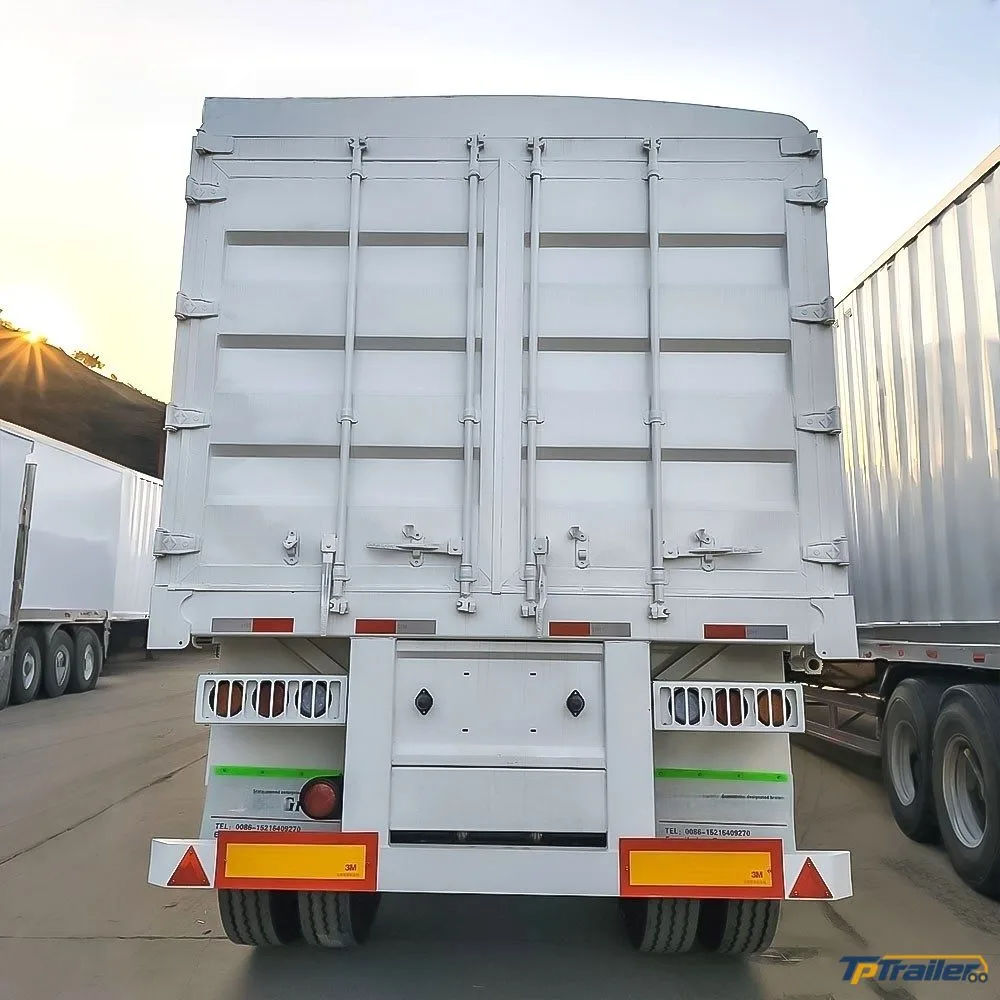
On arrival, the buyer should match the trailer’s mounting points to the tractor unit before the first loaded run. Coupling height, kingpin position and the fence post sockets need checking against the towing vehicle. Where the input gives no fitment data, a fitment drawing is confirmed at quotation instead of being assumed. That drawing shows the interface points the workshop must verify.
A High Capacity Cargo Fence Trailer bulk goods transport unit used across several tractors should be checked against each one, because small differences in coupling height change how the trailer sits when loaded. Hose routing for the brake and electrical lines also needs a clear path with no chafing against the fence panels or the deck edge. Torque values for structural fasteners should come from the supplied documentation, not from habit. Getting the mounting points wrong costs a day in the yard and can delay a High Capacity Cargo Fence Trailer bulk goods transport schedule that customers are already waiting on.
A wrong size at the interface is the most expensive kind of error, because it is found only when the unit is already on site. If the fence post spacing does not accept the buyer’s own gates, or the deck height does not line up with a loading ramp, the High Capacity Cargo Fence Trailer bulk goods transport asset sits idle while parts are reworked. Downtime on a bulk goods run is rarely just one lost trip; it pulls drivers and loading crews off their rota.
Buyers should therefore compare the fitment drawing with their yard before delivery, not after. Where the trailer is ordered for a High Capacity Cargo Fence Trailer bulk goods transport fleet with mixed tractors, a trial coupling on the first unit is worth the hour it takes. Confirm the interface details at quotation, record them on the order, and the installation becomes a routine check rather than a repair job.
Service Life And Maintenance
The fence panels and their posts wear first on this trailer type. Repeated loading of bulk goods and livestock leans on the side structure, and post sockets loosen over time. Operators should inspect welds and socket fit at each service. Choosing the steel side wall option in the High Capacity Cargo Fence Trailer bulk goods transport build gives a stiffer barrier against that wear.
Deck surface and floor plating take the next share of wear. Abrasive loads and loading equipment scuff the deck, and trapped moisture is what turns a scuff into corrosion. Operators should sweep the deck after each bulk run and check for standing water. The High Capacity Cargo Fence Trailer bulk goods transport unit lasts longer when the deck is kept dry and clear.
Running gear needs routine attention. Tyre pressure, tread wear and wheel nut condition should be checked on a set schedule. Uneven tyre wear points to suspension or alignment issues that are cheaper to fix early. On a High Capacity Cargo Fence Trailer bulk goods transport trailer, tyre checks belong on the daily walk-around, not only at major services.
Brake and air lines are the parts most likely to fail without warning. Operators should inspect hoses for cracks, chafing and correct routing at every inspection. A protective coating or sleeving on exposed lines extends the interval between replacements. The High Capacity Cargo Fence Trailer bulk goods transport route should be checked for sharp edges near the hose path.
Paint and coating protect the steel structure and should be inspected for chips and scratches. Touching up bare metal early stops rust spreading under the finish. Buyers who chose a durable finish at order get a longer interval before repainting is needed. Keeping the High Capacity Cargo Fence Trailer bulk goods transport unit washed after farm or livestock work further protects the coating.
Packing And Container Loading
The High Capacity Cargo Fence Trailer bulk goods transport unit is prepared for sea freight as a complete assembled trailer. Steel fence panels, side walls and the chassis frame receive a protective coating before dispatch to limit surface rust during the voyage. Loose fittings, pins and small hardware are packed separately and labelled against the packing list. The buyer should confirm the coating system and hardware packing at quotation, because the input does not fix these details. Ask the supplier to photograph the trailer before loading, so the condition at handover is documented.
Stacking is limited by the trailer structure. A complete unit is not nested like a small component, so container planning depends on overall length and axle count rather than on compression. The buyer should ask the supplier to confirm the shipping method and the loading plan in writing. Verify that the fence panels and side walls are secured against movement inside the container or on deck. On arrival, check the frame for transit damage, confirm the hardware count against the packing list, and record any discrepancy with photographs before unloading.
Common Mistakes Buyers Make
Ordering the wrong overall length. A trailer that is too long for the route or yard cannot be repositioned easily. Confirm the length you need against your dock and turning space before ordering, not after the unit is built.
Mismatching the axle count to the load. The axle count must suit the cargo you actually carry, not the best case. Check your heaviest planned load against the load capacity and settle the axle count at quotation.
Ignoring the load capacity. Overloading shortens service life and creates risk on the road. Compare your typical and peak cargo weights with the rated load capacity and confirm the margin with the supplier.
Skipping the fence and side wall check. Panel height and wall configuration affect how bulk goods stay contained. Specify the side wall setup you need and confirm the fence panel arrangement before production starts.
Leaving packing and shipping undefined. Unclear loading plans cause disputes at the port. Agree the shipping method, protection and loading plan in writing, then verify the hardware count on arrival.
Buyer Questions
What should I confirm before ordering a High Capacity Cargo Fence Trailer bulk goods transport unit?
Confirm the overall length, the axle count and the side wall configuration against your route and cargo. State your typical and peak cargo weight so the load capacity can be checked against your operation. Ask the supplier to put the fence panel arrangement and hardware list in the quotation. Because the input does not fix coating or packing details, request those in writing too. A written confirmation before production prevents most fitment disputes later.
How is the trailer protected and loaded for sea freight?
The trailer ships as a complete assembled unit with protective coating on steel surfaces and hardware packed separately. The exact coating system, shipping method and loading plan are confirmed at quotation. Ask for the loading plan in writing and request photographs before dispatch. Confirm how the fence panels and side walls are secured for transit. On arrival, inspect the frame and count the hardware against the packing list before unloading.
Can I combine quantities to improve the unit price?
Pricing is tiered by order quantity, so a larger order moves to a lower unit price. The published range runs from the single-unit price down to the volume price, and the tiers are set by quantity. Ask the supplier to quote your exact quantity so the correct tier applies. Confirm whether mixed configurations can be combined in one order. All prices are confirmed at quotation.
To receive a quote for a High Capacity Cargo Fence Trailer bulk goods transport unit, send the overall length you need, the axle count, the side wall configuration and your order quantity. State your typical cargo weight so the load capacity can be checked. The supplier will confirm price, packing and loading plan in writing.
We use cookies to enhance your browsing experience, serve personalized content, and analyze our traffic. By clicking "Accept All", you consent to our use of cookies. Privacy Policy
Cookie Preferences
Required for the website to function properly. Cannot be disabled.
Help us understand how visitors interact with the website (Google Analytics).
Used to deliver personalized ads and measure ad campaign effectiveness.
















Write a Review