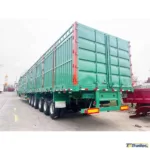
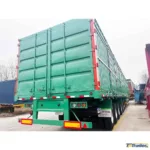
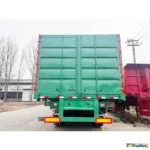
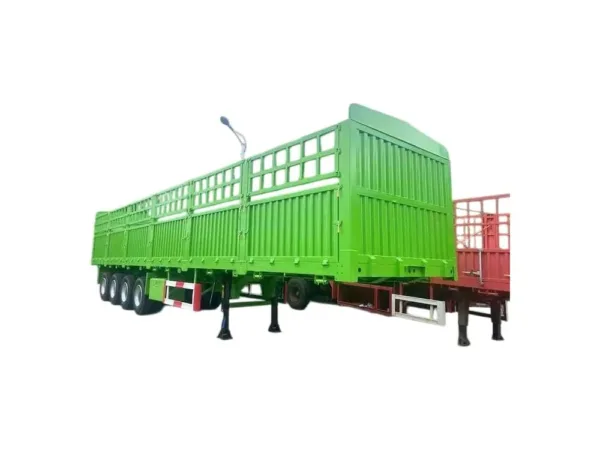
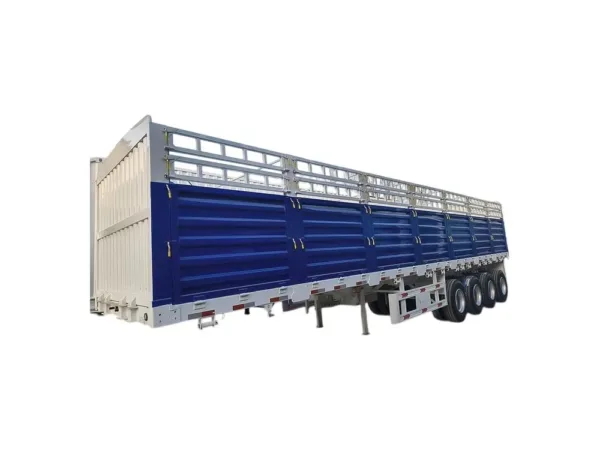
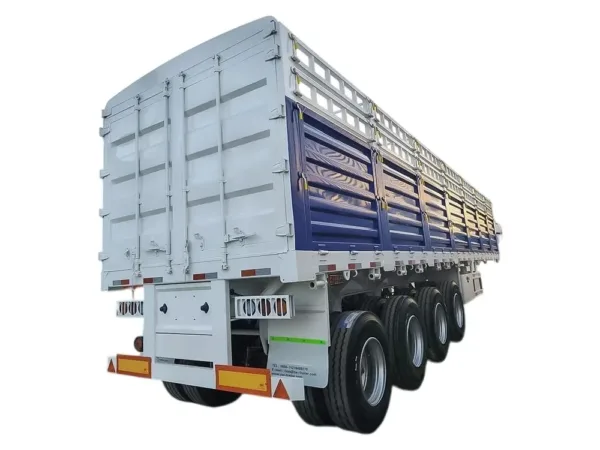
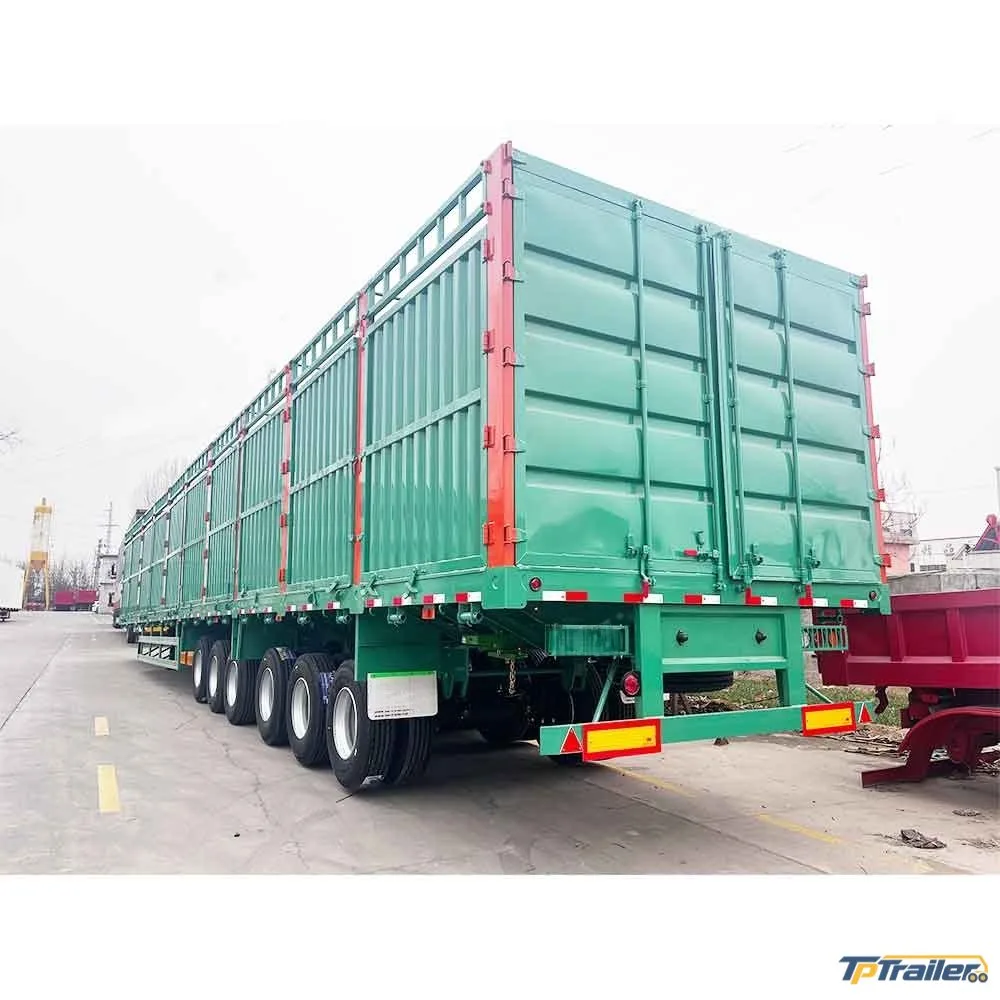
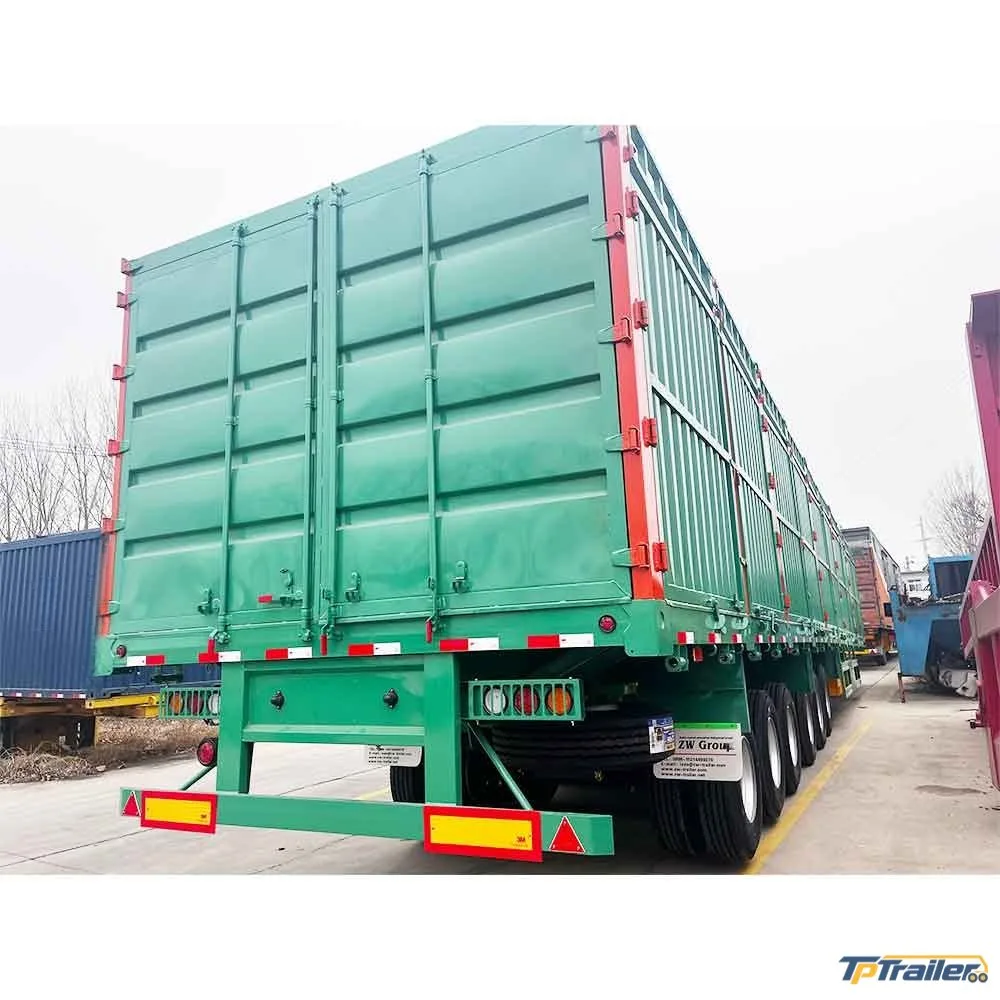
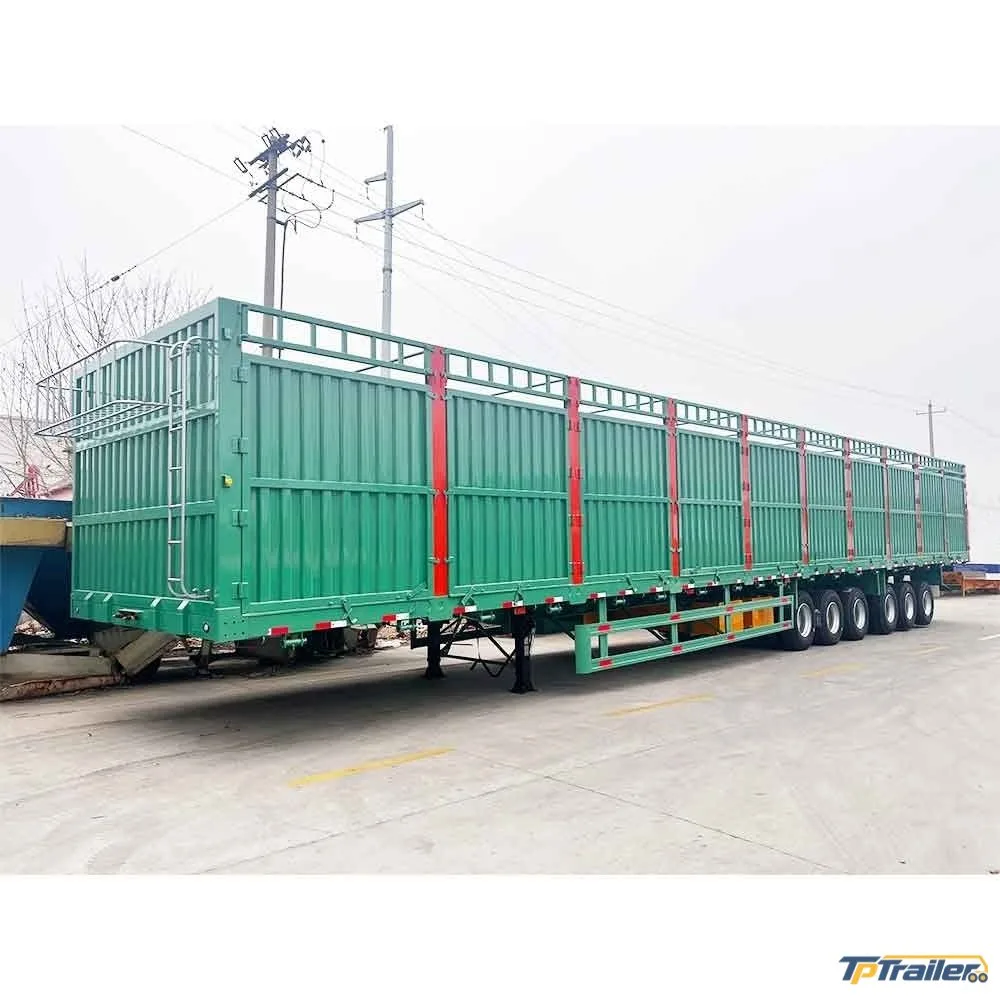
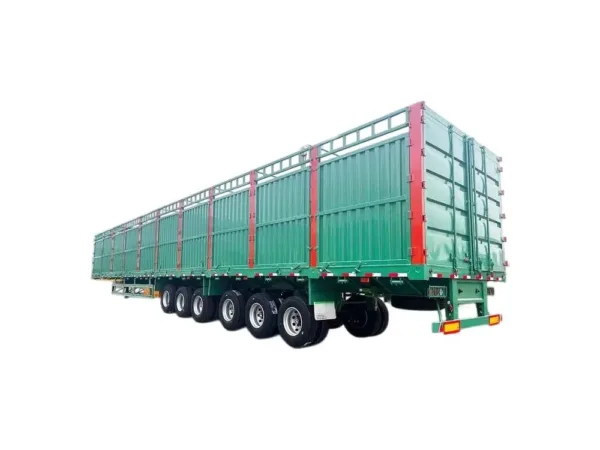
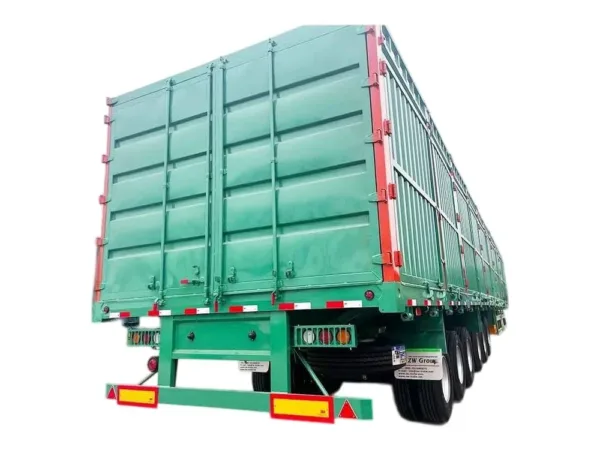
Fence cargo semi trailer with 80T load capacity and 6 axles, steel side wall fence body for flexible cargo handling. Request a quote for fleet pricing.
80T 6
FOB Reference PriceUS$6,000-10,000Final price confirmed by inquiry
Certifications
ISO 9001
Key Features
80T load capacity for heavy bulk and fence cargo hauling
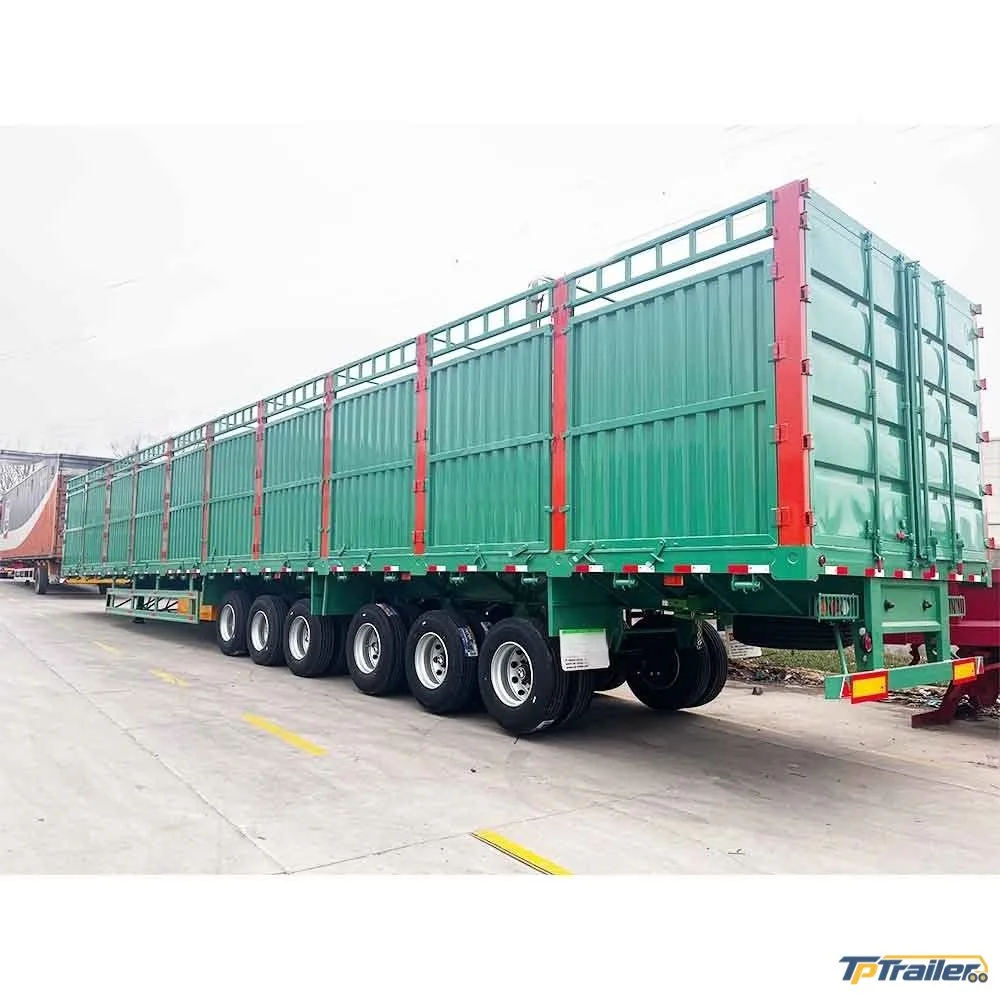
6 axle configuration spreads weight for stable road handling
Steel side wall fence body for flexible cargo handling
Mechanical suspension for simple, low-maintenance service
12R22.5 tires, 12 pieces fitted across the axle set
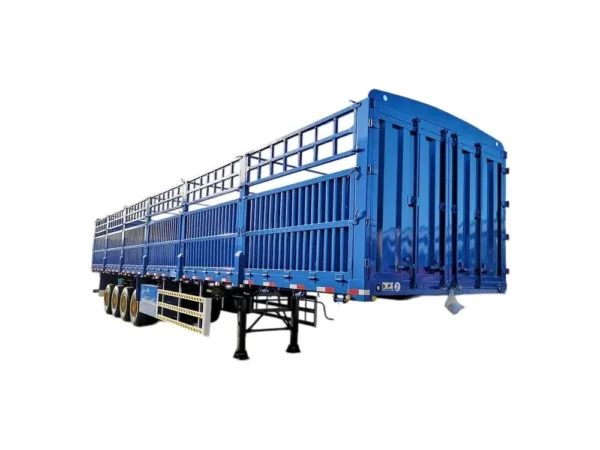
The fence cargo semi trailer is a six-axle steel side wall transport unit built for flexible cargo handling, and it is the flatbed answer for operators who move livestock, stake loads and general freight on the same chassis. It is aimed at fleet owners, transporters and agricultural contractors who need one trailer to switch between animal transport and palletised or bagged cargo without a second purchase. Its strongest argument is the removable fence and stake side wall system: drop the panels and it becomes a flat deck, raise them and it holds cattle, loose goods or tall loads in place. The 80T load capacity rating keeps that flexibility inside a heavy-duty frame.
Table of Contents
Why It Works On Site
Load capacity rated at 80T. The frame and deck are built around a heavy rating, so the trailer stays inside its design envelope when it carries dense loads such as bagged grain, steel coils or stacked timber. This matters because a lighter deck forces operators to split a single dense consignment across two runs, which adds trips and fuel. The rating is the headline of this fence cargo semi trailer and the reason it can be loaded to the limit without concern about deck flex.
Steel side wall and fence panels. The fence and stake arrangement is the working heart of the unit. Panels slot into stake pockets to create a containment wall for livestock, loose cargo and awkward shapes. When a load needs side access for a forklift or crane, the panels come out and the deck is clear. One fence cargo semi trailer therefore covers two job types that would otherwise need two trailers in the yard.
Six-axle running gear. Spreading the load across six axles lowers the weight carried per axle group. That helps the trailer sit within road weight rules on long highway legs while still carrying a full payload. It also spreads braking and suspension forces, which reduces wear on tyres and bearings over repeated cycles. For a fence cargo semi trailer working mixed routes, that spread is what keeps the unit legal and serviceable.
Mechanical suspension. Mechanical suspension is simple, repairable and proven on rough ground. There are no air bags to puncture on gravel yards or livestock ramps. A workshop can service leaf springs and shackles with basic tools, which matters when the trailer works far from a main depot. This fence cargo semi trailer is built for that kind of duty, where uptime depends on parts that can be fixed on site.
13-ton axles with brand components. The axle set is rated for heavy duty and comes from a named brand, so replacement parts are identifiable. That shortens downtime when a bearing or brake component needs swapping. It also gives the buyer a clear reference point when comparing quotes, because the running gear is a known quantity rather than an unbranded assembly. On a fence cargo semi trailer, axle quality decides how the unit ages.
12R22.5 tyres on twelve rims. Twelve tyres across the axle groups put more rubber on the road, which improves grip under load and spreads heat. The 12R22.5 size is common, so replacements are easy to source on the road. For a fence cargo semi trailer running livestock and freight routes, that tyre count and common size keep running costs predictable.
Where It Is Used
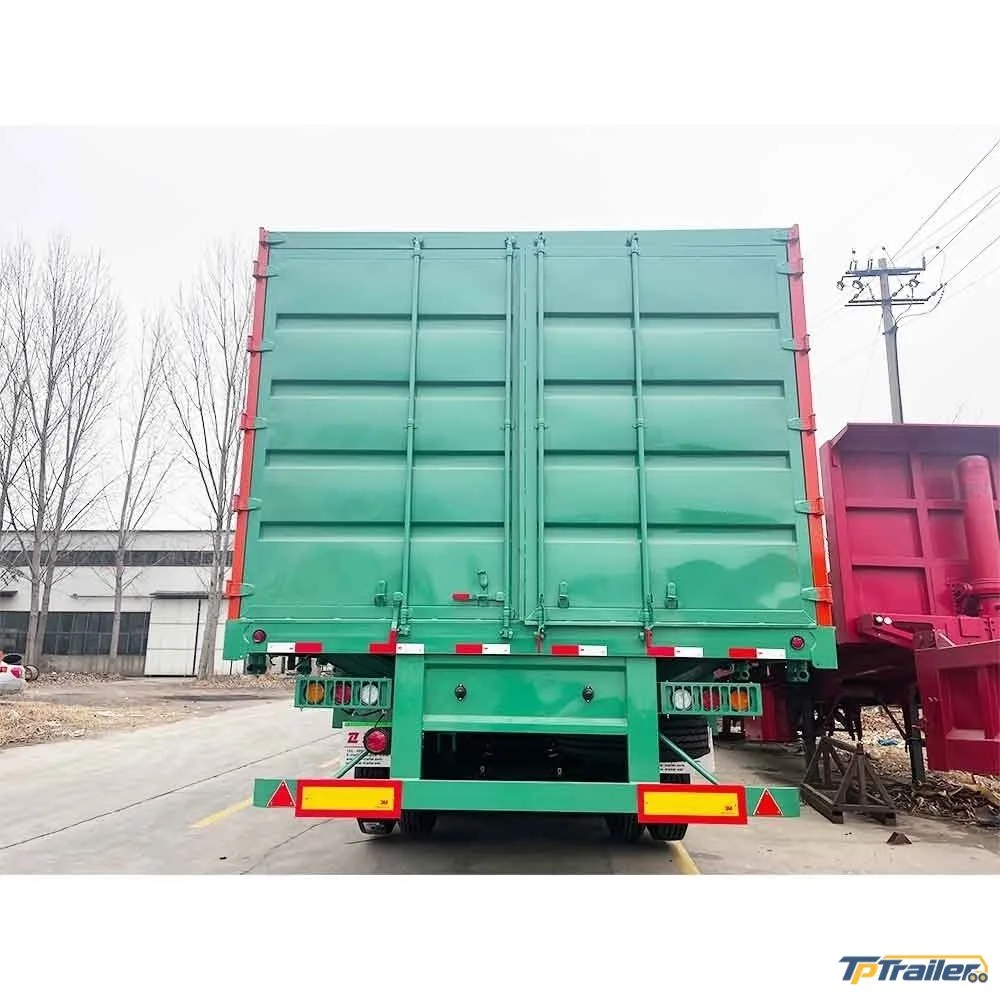
The most common duty for this unit is livestock hauling. With the fence panels and stake sides in place, the trailer forms a containment wall that holds cattle, goats or other animals during transit. Operators load from a ramp at the rear, close the gate and run the animals to market, to a feedlot or to a holding yard.
The steel side wall gives a solid lower barrier, while the fence section above it keeps taller animals from leaning over the side. Because the panels are removable, the same fence cargo semi trailer can be stripped after the run and used the next day for a completely different cargo. That matters on farms and in cooperatives where one trailer serves several jobs and a dedicated livestock unit would sit idle between seasons.
On the freight side, the trailer works as a stake and fence flatbed for bagged goods, pallets, timber, steel sections and construction materials. The stake pockets take vertical posts so loads can be braced, and the fence panels act as a side wall for loose or stacked items. Fleets use it for depot-to-depot runs, building site deliveries and agricultural input distribution.
A fence cargo semi trailer in this role often runs mixed routes: highway legs between towns and shorter gravel or dirt access roads at each end. The six-axle layout and mechanical suspension suit that mix, because the unit carries a full load on the highway and still copes with unsealed surfaces at the delivery point. Operators also use the flat deck position for oversized items that need side loading.
Choosing The Right Spec
Match the load rating to your densest cargo. The 80T load capacity is the ceiling, not a target. Buyers hauling bagged grain, steel or wet timber should confirm their heaviest single consignment sits inside that rating with margin. Operators moving bulky but light cargo such as hay, empty containers or livestock have more headroom and can prioritise deck length and panel configuration instead. The rating on this fence cargo semi trailer is what separates it from lighter flatbeds in the same class.
Decide how often the panels come off. If the trailer will switch between livestock and flatbed freight weekly, prioritise a panel and stake system that is quick to remove and refit. If it will stay configured for animals most of the season, the fence layout can be treated as fixed and the buying decision shifts to gate and ramp access. A fence cargo semi trailer used mostly for freight may only need the stake sides for bracing, not full fencing.
Weigh tare weight against payload. The tare weight of the unit eats into what the tractor and road rules allow. Buyers running long highway legs with tight weight limits should check the tare figure against their permitted gross combination weight before committing. Those running shorter regional routes have more flexibility. On any fence cargo semi trailer, the gap between tare and load capacity is the real working payload, so compare that figure across quotes rather than the headline rating alone.
Check tyre and axle spec against your routes. The 12R22.5 tyre set and 13-ton brand axles suit mixed highway and gravel work. Buyers running mostly sealed roads with steady loads will find this combination straightforward to maintain. Those working rough access roads should confirm suspension and tyre choice match the surface. The mechanical suspension on this fence cargo semi trailer is the simpler option for remote work, because it can be repaired without specialist air system parts.
Customisation Before Delivery
The axle count is confirmed at order confirmation, so the fence cargo semi trailer can be specified for your route and payload pattern. More axles spread the load across the road surface and change how the trailer tracks on soft ground. State the configuration you need when the order is placed, and the build sheet is fixed from that point.
Deck length and side wall height are settled with the order, because both affect how the fence cargo semi trailer carries livestock and general cargo. A longer deck suits bulky loads; a taller wall holds animals more securely. Give your intended cargo profile before the order is confirmed so the dimensions match the job.
Suspension type is chosen at order confirmation. The mechanical suspension shown in the specification suits heavy, steady loads on mixed road conditions. If your operation calls for a different arrangement, raise it during quotation so the fence cargo semi trailer is built to the right running gear.
Tyre size and the number of rims and tyres fitted are agreed before production. The tyre fitted affects ground pressure and replacement cost over the life of the fence cargo semi trailer. Confirm your preferred size at order confirmation so the wheels and rims arrive matched to your fleet spares.
Finish and colour are selected at order confirmation, which helps fleet identification and inspection routines. Paint choice also affects how visible the fence cargo semi trailer is on site and how easily surface damage is spotted. State the finish you want when the order is placed, not after the build begins.
Fitting And Installation
On arrival, the buyer has to match the trailer to the towing tractor before the fence cargo semi trailer goes into service. Check the coupling height against the kingpin or drawbar arrangement, the mounting points on the chassis, and the electrical and air line connections. Confirm the tube size and routing for any lines that run along the frame.
If the input gives no fitment data for your tractor, a fitment drawing is confirmed at quotation instead of being assumed. Walk the fence cargo semi trailer around the yard at low speed after coupling, check that the fence panels and side walls sit square, and confirm the tyres clear the frame through a full turn. Record what you checked, because a mismatch found in the yard is cheaper than one found on the road.
A wrong size at the coupling or mounting point costs downtime. The fence cargo semi trailer cannot work until the mismatch is corrected, and correction may mean adapter parts, re-drilled plates or a return to a workshop. That time is lost from the haulage schedule, and the tractor sits idle alongside it.
Hose and line routing errors are worse, because a chafed line fails later, often with a load on board. The fence cargo semi trailer is built to a confirmed configuration, so the safest route is to send your tractor and coupling details at quotation and check the delivery against the fitment drawing before signing. Where the input states no torque values, have your workshop apply its own documented settings and record them against the unit.
Service Life And Maintenance
The tyres and rims wear first on any fence cargo semi trailer, because they take the road contact and the load transfer. Inspect tread depth, sidewall condition and rim tightness on a regular walk-round. Keep pressures matched to the load you carry, and rotate or replace tyres as a set where wear is uneven. A spare set of the fitted size keeps the fence cargo semi trailer working instead of waiting for a delivery.
The mechanical suspension and its bushes are the next wear point. Check shackle pins, bush play and the condition of the spring leaves during scheduled inspections. Loose or worn suspension changes how the fence cargo semi trailer tracks and adds stress to the axle mounts. Replace worn bushes early, since a small part failure can damage the hanger brackets around it.
Fence panels, stakes and side walls take impact from livestock and cargo. Inspect welds, hinges and latch points for cracks or bending, and check that panels still close squarely. The steel side wall construction resists daily knocks, but a bent stake should be straightened or replaced before it loads the neighbouring panel. Keep latches free of grit so the fence cargo semi trailer stays quick to load and unload.
Brake and air system components wear with every stop. Check brake adjustment, chamber condition and line routing at each service, and look for chafing where hoses pass the frame. A slow air leak on the fence cargo semi trailer shows up as poor brake release and longer stopping distances. Fix leaks at the first sign rather than at the next scheduled inspection.
Paint and surface coating decide how long the steel lasts in wet or dusty conditions. Wash off mud and manure, and touch up chips on the fence cargo semi trailer before rust spreads under the coating. Check the chassis and lower panels, where spray collects. A maintained coating extends the interval between repairs and keeps the structure sound for inspection.
Packing And Container Loading
The fence cargo semi trailer leaves the works with its fence panels, stake pockets and side wall sections protected against salt air and road grit. Steel contact faces are coated for the voyage, and loose fence hardware is boxed rather than left in the cargo bed. Buyers should ask how the fence posts and panels are bundled, because a trailer shipped with unsecured loose steel can shift inside the container and mark the paint before the unit ever reaches the port. The packing method suits a fence cargo semi trailer that will be assembled and put to work on delivery.
Space is the deciding cost in sea freight, so ask the supplier whether fence panels and stakes are nested or stacked flat for the voyage. Flat stacking of removable fence sections lets more units share a container, while fixed side walls take floor space as they stand. Confirm the loading plan before booking, and check on arrival that the fence posts, pins and fasteners match the packing list. Walk the trailer for coating damage and confirm the axle and suspension fixings are untouched before signing the delivery note for a fence cargo semi trailer.
Common Mistakes Buyers Make
Ordering a load capacity that does not match the duty cycle. The trailer is rated for heavy bulk cargo, and a buyer who plans lighter runs may be paying for steel that is never used. Check the rated load capacity against the actual loads you will carry, and confirm the payload figure with the supplier before the order is placed.
Ignoring the tare weight when planning haulage. The trailer’s own weight counts against the gross combination weight on every trip. Confirm the tare weight in writing and compare it with the tractor unit and the permits on your routes, so the fence cargo semi trailer is not overloaded before the cargo is loaded.
Assuming the fence will suit livestock without checking. Not every fence configuration suits animal transport. Confirm the fence height, post spacing and gap size with the supplier, and state the species and loading method you plan to use, so the fence cargo semi trailer is built for the job you intend.
Mismatching the suspension to the road. Mechanical suspension is durable but firm, and buyers sometimes order it without checking the surfaces they run on. Confirm the suspension type against your route profile and load, and ask whether the specification can be adjusted before the fence cargo semi trailer is built.
Overlooking tyre and rim supply. A trailer needs its full set of tyres and rims to roll, and buyers sometimes assume they are included without confirming. Check the tyre size, the number of wheels and the rim specification on the quotation, and confirm the spare policy so the fence cargo semi trailer is not held at the port.
Buyer Questions
Can the fence panels be removed for flatbed work?
Removable fence sections are what make this a flexible cargo platform rather than a fixed-wall trailer. Ask the supplier to confirm how the fence panels and stakes are fixed, whether the posts lift out of pockets, and what tools are needed to strip the trailer. If you plan to switch between fence and flatbed duty, say so at quotation, because the fixing method affects the specification. Confirm the stowed footprint of the panels so you know how much deck space they take when removed from a fence cargo semi trailer.
What should I check on the trailer when it arrives?
Inspect the fence panels and stakes for transit damage first, then check that the pins and fasteners match the packing list. Confirm the axle count and suspension type against the order, and verify the tyre size and the number of tyres fitted. Record any shortage or coating damage on the delivery note before signing. Ask the supplier for the loading plan in advance, so you can compare what was loaded with what arrived, and photograph the fence cargo semi trailer before unloading begins.
How do I confirm the trailer suits my tractor unit?
Give the supplier your tractor unit’s coupling height, the fifth wheel specification and the operating gross weight you plan to run. Confirm the trailer’s tare weight and rated load capacity against that figure, so the combination stays within legal limits. Ask how the landing gear and electrical connections are arranged. These details are usually confirmed at quotation, and stating them early avoids a fence cargo semi trailer that couples badly or runs over weight on your routes.
To receive a quotation, send the deck length you need, the number of axles you require and the quantity you plan to order. State the cargo you will carry and the routes you run, so the fence cargo semi trailer is specified for your operation. Confirm fence configuration and suspension preference in the same message and the supplier can price the unit against your requirement.
We use cookies to enhance your browsing experience, serve personalized content, and analyze our traffic. By clicking "Accept All", you consent to our use of cookies. Privacy Policy
Cookie Preferences
Required for the website to function properly. Cannot be disabled.
Help us understand how visitors interact with the website (Google Analytics).
Used to deliver personalized ads and measure ad campaign effectiveness.


















Write a Review