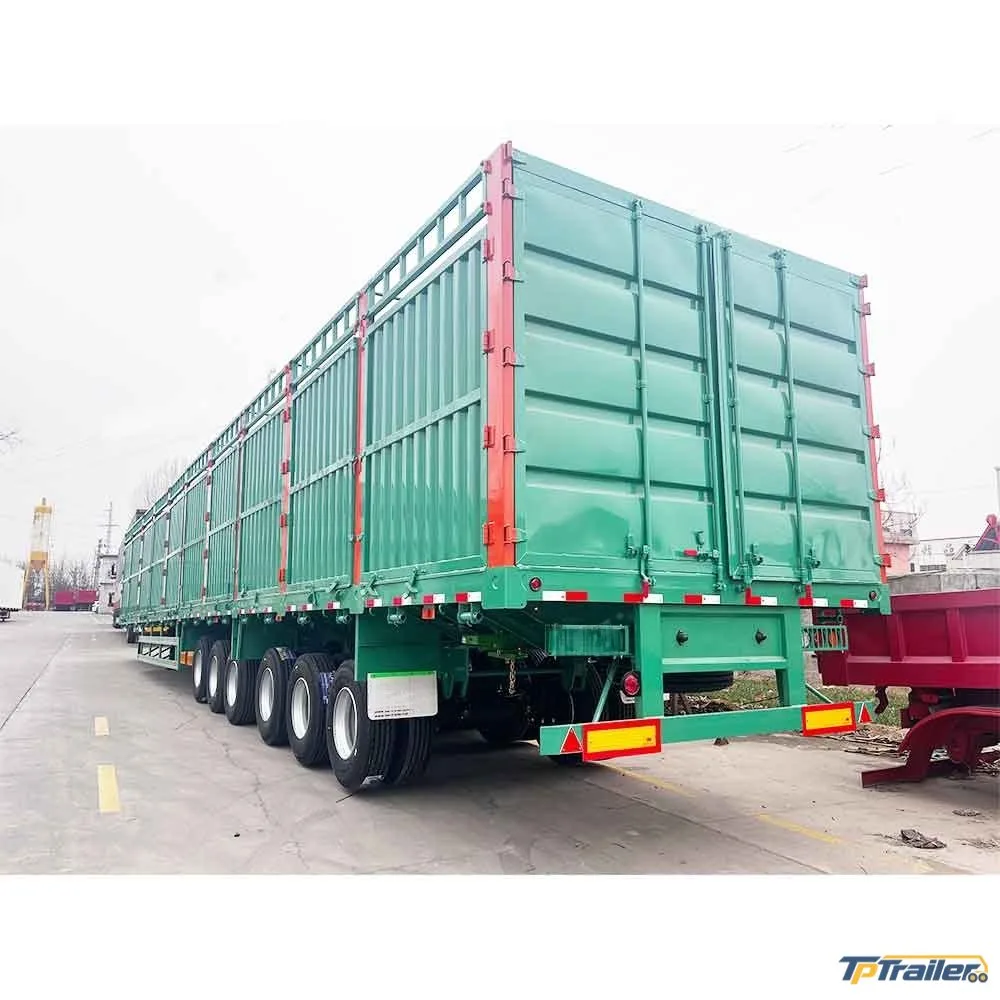
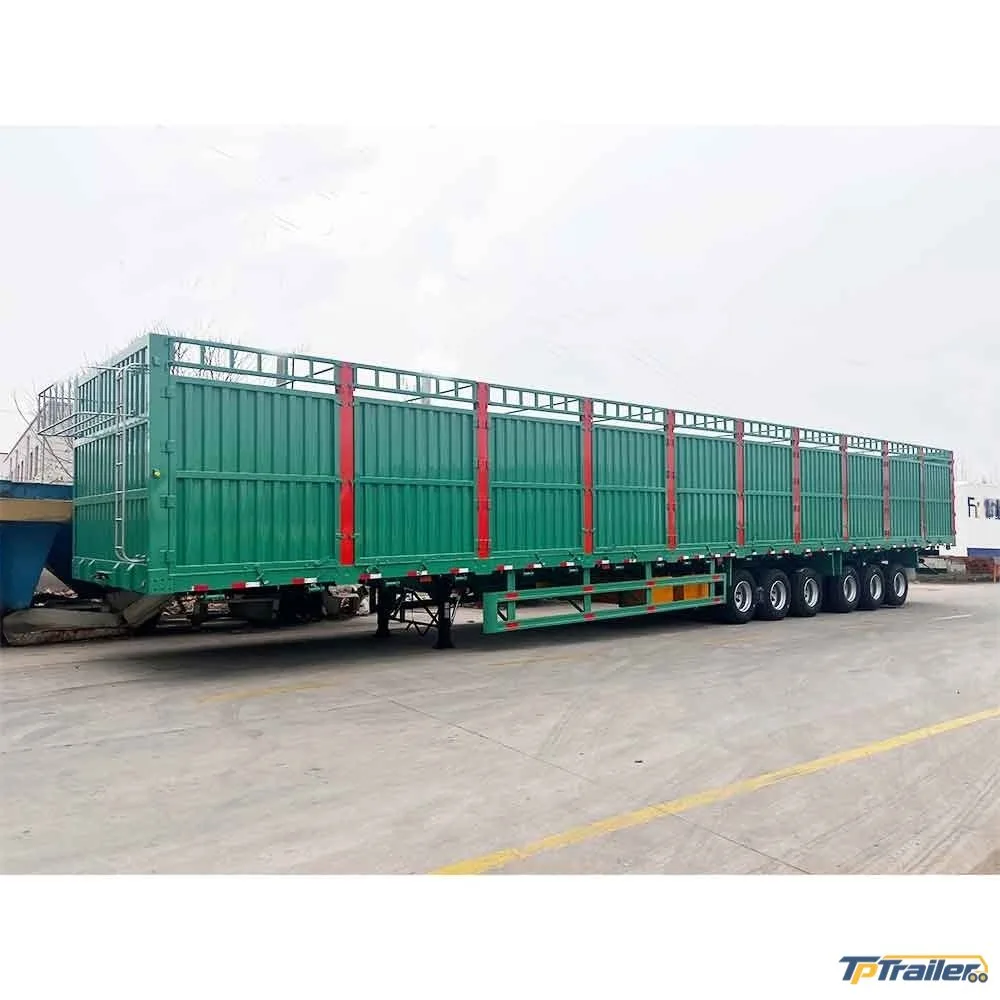
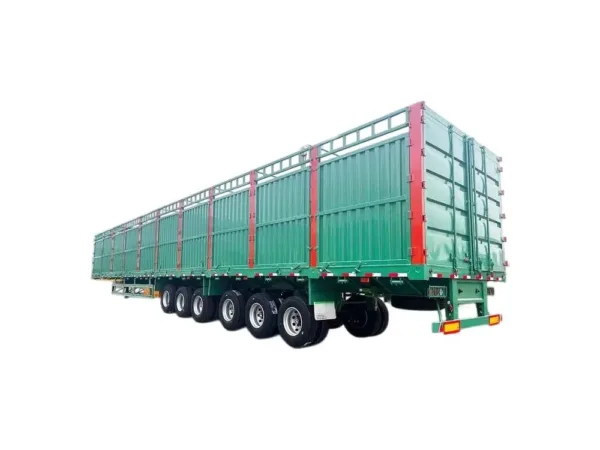
6 Axle 80T Heavy Duty Steel Side Wall Cargo Semi Trailer
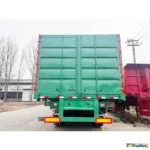
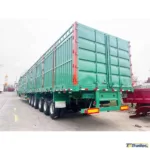
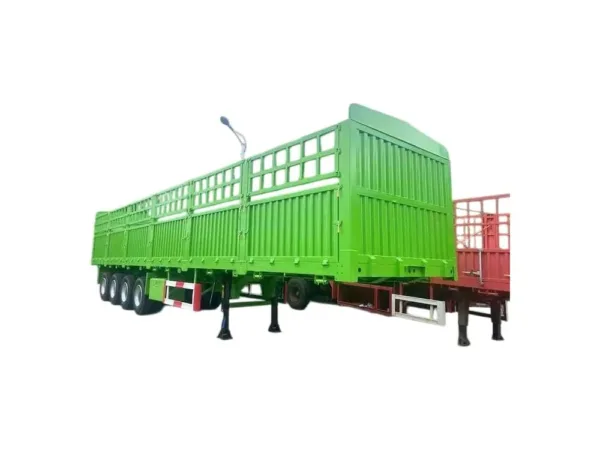
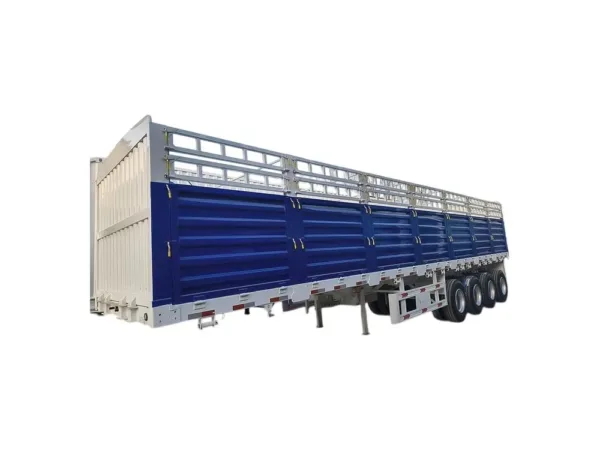
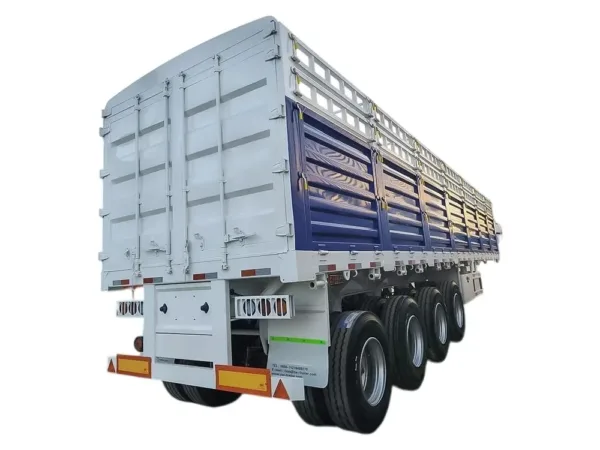
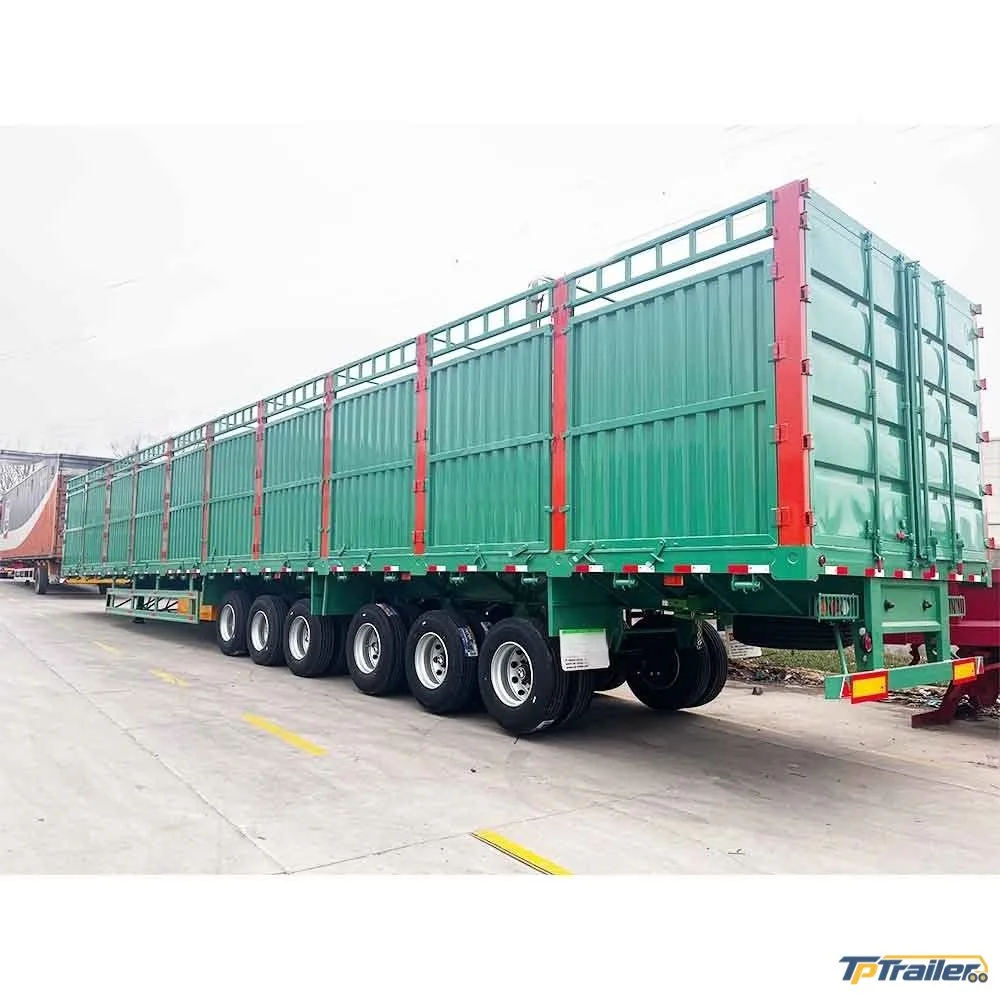
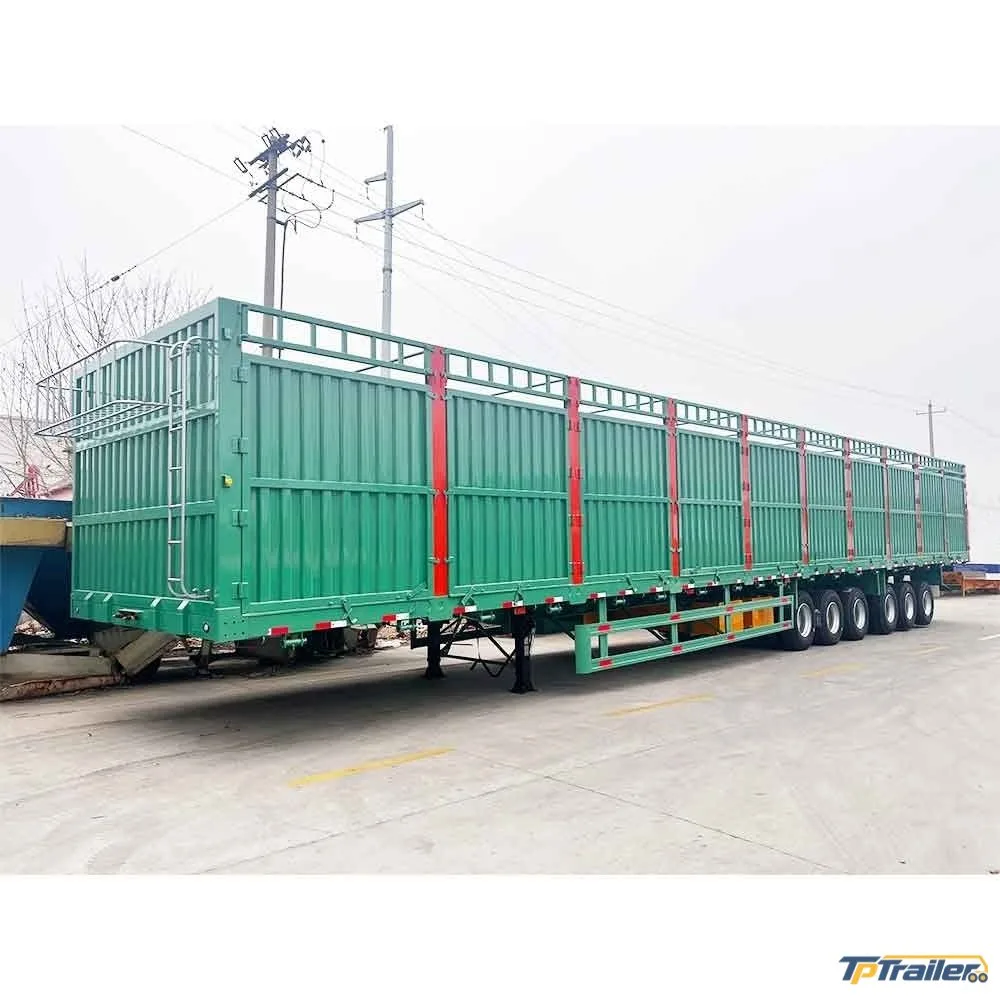
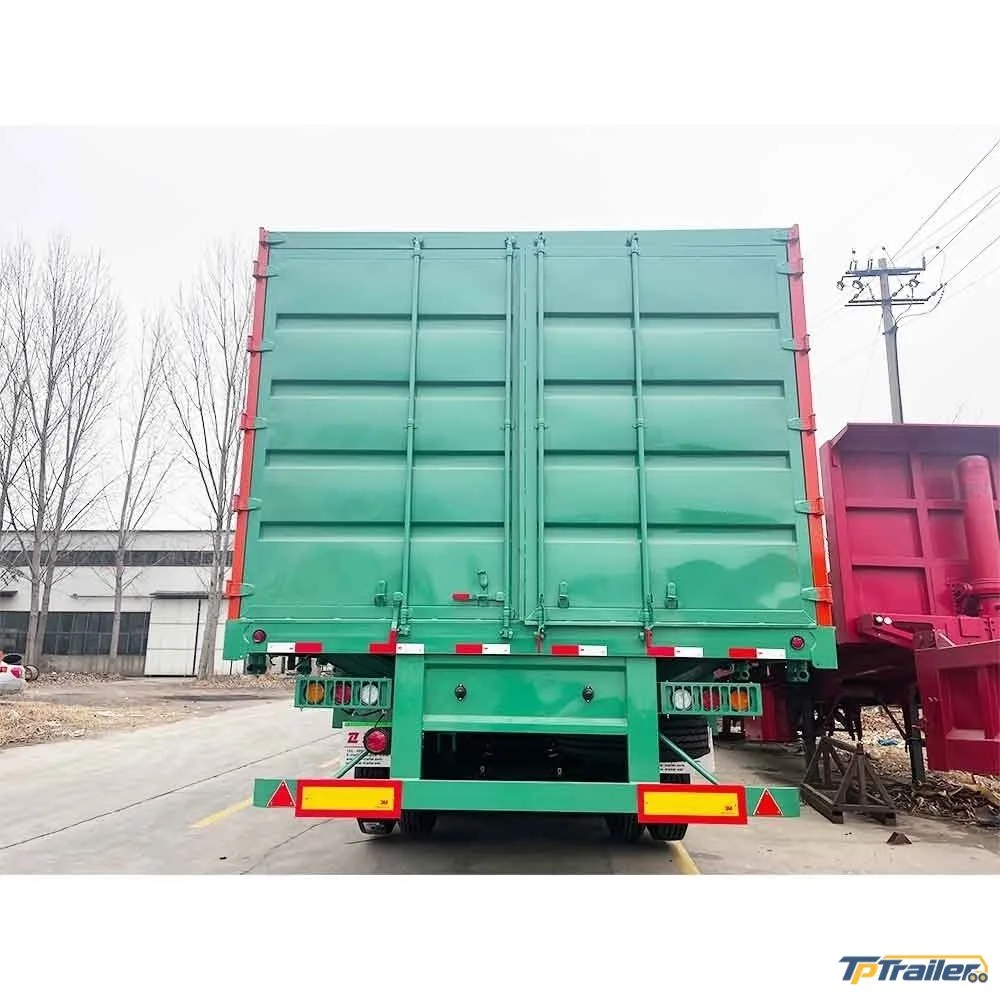
fence cargo semi trailer with 80T load capacity and 6 axles for bulk cargo hauling. Steel side wall build for heavy duty routes. Request a quote today.
80T 6
FOB Reference PriceUS$6,000-10,000Final price confirmed by inquiry
Certifications
ISO 9001
Key Features
6 axle configuration distributes heavy loads across the trailer
80T load capacity for bulk cargo transport work
Steel side wall body for cargo containment on long hauls
Mechanical suspension for stable running on rough routes
13Ton axles matched to the heavy duty load rating
12 pieces of 12R22.5 tires for ground contact and traction
7000 kg tare weight keeps the payload budget workable
The fence cargo semi trailer is the working answer for operators who move bulk loads and livestock with one asset. It is a heavy-duty semi trailer built with steel side walls and a fence-style stake body, rated for high load capacity and sized for long-haul bulk transport. Fleet owners, transport contractors and dealers supplying East African haulage fleets buy it because the same platform carries bagged cargo, palletised goods and standing animals without a second trailer purchase. The strongest reason to choose it is dual duty: one chassis covers general freight and livestock runs, so capital sits in a single unit instead of two. The steel walls protect cargo, and the fence panels keep animals contained on open routes.
Table of Contents
Why It Works On Site
Load capacity matched to bulk hauling. The rated load capacity of 80T gives the trailer headroom for dense cargo such as bagged cement, grain, fertiliser and mineral loads. That headroom matters when a fence cargo semi trailer is loaded by volume and weight together, because the chassis and running gear absorb the heavy runs instead of forcing partial loads and extra trips.
Steel side walls that protect the load. The steel side wall body contains loose and bagged cargo during cornering and braking. On a fence cargo semi trailer used for mixed freight, the walls stop sacks and cartons from shifting across the deck, which reduces damage claims and makes unloading at the yard faster and safer for the crew.
Fence panels for livestock runs. The fence-style stake body turns the same trailer into an animal transport unit. Cattle, goats and sheep stay contained behind the panels, and the open structure keeps airflow moving through the load. That airflow supports animal welfare on long routes and lets the fence cargo semi trailer switch back to dry freight after a wash-down.
Mechanical suspension for rough roads. Mechanical suspension is a simple, serviceable layout that suits unpaved and broken tarmac. For a fence cargo semi trailer working feeder roads, fewer suspension components means fewer failure points, and local workshops can repair it without specialist tooling. That keeps the asset earning instead of waiting for parts.
Axle and tyre package built for distance. The 13-ton axle and twelve 12R22.5 tyres spread load across the road and give the fence cargo semi trailer stable tracking at highway speed. Twelve tyres also mean a single puncture does not stop the trip, which matters on routes where tyre bays are far apart and downtime is expensive.
Tare weight that leaves payload room. A tare weight of 7000 kg keeps the trailer’s own mass controlled, so more of the rated capacity goes to revenue cargo. For a fence cargo semi trailer doing repeated weighbridge crossings, that margin is what keeps each trip legal and profitable rather than marginal.
Where It Is Used
Bulk freight corridors are the first home for this trailer. Operators run a fence cargo semi trailer on intercity routes carrying bagged cement, fertiliser, grain, sugar and salt, where the steel side walls hold stacked sacks in place over long distances. The trailer also suits palletised goods and construction materials that need side containment rather than a flat deck.
On weighbridge-controlled routes, the load capacity and controlled tare weight let a fence cargo semi trailer take a full commercial load per trip. Depot-to-depot runs, port-to-warehouse shuttles and regional distribution legs all fit the same pattern: load heavy, secure the walls, run the corridor, unload fast. Fleets that pair this trailer with a standard tractor unit get predictable turnaround because the body is designed around forklift and manual loading.
Livestock movement is the second working pattern. A fence cargo semi trailer with the fence panels in place carries cattle, goats and sheep on farm-to-market runs, feeder-road collection routes and transfers between grazing areas and holding grounds. The open fence structure keeps air moving through the load on hot days, which is the main welfare concern on long animal journeys.
Operators who run both patterns use the same chassis for freight on the return leg, so the trailer is not parked after a livestock delivery. Market-day cycles, abattoir supply runs and seasonal herd movements all suit a fence cargo semi trailer because the body converts between cargo and animal duty without a workshop visit. That flexibility is what makes it a fleet workhorse rather than a single-purpose unit.
Choosing The Right Spec
Match the load rating to the densest cargo you carry. The 80T load capacity suits operators moving heavy bulk freight such as cement, aggregates and grain. If your typical loads are lighter and bulkier, the same fence cargo semi trailer still works, but the rating tells you the ceiling. Compare your heaviest legal load against it before ordering.
Decide how much livestock work you will do. If animal transport is regular, the fence panels are the deciding feature and the fence cargo semi trailer should be specified around containment and airflow. If livestock is occasional, the steel side wall body for freight stays primary and the fence layout covers seasonal peaks.
Check the tare weight against your payload plan. The 7000 kg tare weight sets how much of the rated capacity becomes revenue cargo. Operators on weighbridge routes should compare tare against their target payload per trip. A fence cargo semi trailer that carries more legal payload per run pays back faster than one that is always part-loaded.
Review the axle and tyre package for your routes. The 13-ton axle and twelve 12R22.5 tyres suit highway and feeder-road work. If your routes include long stretches without tyre service, the twelve-tyre layout gives redundancy. Confirm the mechanical suspension matches your road conditions before you commit to a fence cargo semi trailer for unpaved corridors.
Customisation Before Delivery
Axle configuration. The axle count and axle brand fitted to your fence cargo semi trailer are agreed at order confirmation. Buyers moving dense bulk loads usually keep the full set, while operators running lighter cycles sometimes trim the count. Tell us the duty cycle and the route profile, and the build sheet is locked before production begins.
Suspension choice. Mechanical suspension is the standard fitment on this fence cargo semi trailer. If your routes mix rough gravel with highway running, discuss the alternative with the sales team at quotation. The choice is settled at order confirmation, so the suspension matches the roads the trailer will actually work.
Tyre size and count. The rim and tyre package is confirmed against the axle set you order. Buyers replacing a mixed fleet often ask for a tyre size that matches their existing stock, which keeps spare holding simple. Confirm the size and the number of pieces at order confirmation so the trailer arrives road-ready.
Colour and finish. Paint colour is chosen at order confirmation. Fleet operators normally match existing units so the fence cargo semi trailer sits inside a uniform livery. Specify the shade and any marking layout you want before production, because finish work is fixed once the steel leaves the line.
Body and side wall detail. Side wall height, stake layout and the fence arrangement are set at order confirmation. Livestock buyers ask for different panel spacing than bulk cargo buyers. Describe the load, and the body is configured to hold it without extra fabrication work on arrival.
Fitting And Installation
A fence cargo semi trailer arrives as a complete unit, so fitting work centres on the tractor side. The buyer must match the fifth wheel height, the kingpin position and the air and electrical coupling points to the tractor that will pull it. Check the landing gear travel against your yard ramps. Confirm the mudguard and lamp positions clear your existing coupling height. Where the input gives no fitment data, a fitment drawing is confirmed at quotation, so the coupling geometry is agreed before the trailer is built rather than corrected afterwards.
A mismatch on a fence cargo semi trailer is expensive in a different way than a worn part. A kingpin height that sits wrong loads the tractor frame unevenly and scrubs tyres on every turn. Air line routing that fouls the landing gear turns a routine coupling into a two-person job. Electrical plugs that do not match the tractor leave lamps dead at inspection. Each of these faults keeps a loaded trailer parked. Confirm the coupling details and the fitment drawing at quotation, and the trailer rolls into service on the first attempt.
Service Life And Maintenance
Tyres and rims first. Tyres carry the whole load and wear fastest on any fence cargo semi trailer. Operators should check tread depth, sidewall condition and rim torque at each pre-trip walk-around. Matching the tyre size to your existing fleet stock, agreed at order confirmation, keeps replacement simple and avoids mixing sizes across the axle set.
Axle and hub inspection. Hub seals and bearings are the next wear point. Look for oil weeping at the hub face and listen for rumble under load. A fence cargo semi trailer run on dusty haul roads needs the hub area cleaned and checked more often. Record findings per axle so a developing fault is caught before it reaches the bearing.
Suspension and bushings. Mechanical suspension bushings and shackle pins take constant shock on rough ground. Inspect for cracked rubber, loose U-bolts and shifted leaves after heavy cycles. Keeping loads within the stated payload protects the spring pack. A fence cargo semi trailer that runs overloaded shortens every suspension component at once.
Side wall and fence panels. The steel side walls and fence stakes take impact during loading. Check for bent stakes, cracked welds and loose hinges after each bulk cycle. Touch up chips in the coating before rust starts. A fence cargo semi trailer used for livestock also needs gate latches checked, since a loose latch is a load risk.
Brake and air system checks. Brake chambers, slack adjusters and air lines decide stopping distance on a loaded fence cargo semi trailer. Test the air system for leaks before each trip and check pushrod travel. Keep the lines clipped clear of moving parts. Log every adjustment so the brake balance across the axle set stays even.
Packing And Container Loading
A fence cargo semi trailer ships as a part-built unit. The chassis, side wall panels and fence stakes are protected against salt air and road spray before loading. Exposed steel surfaces receive a protective coating, and loose components are bundled and strapped so they cannot shift during the voyage. The buyer should confirm the coating type and the bundling method at quotation, because these details decide how much surface preparation is needed on arrival. Ask the supplier to photograph the unit before it is loaded.
Container loading depends on the configuration. A complete fence cargo semi trailer usually travels as a knocked-down or partly assembled unit, and the main frame can be nested to reduce wasted volume. Whether nesting is possible, and how much space it saves, depends on the deck length and the axle count. The buyer should request the loading plan and the packed dimensions before booking freight. Verify the container count and the lashing points on arrival, and inspect the frame and fence stakes for transit damage before accepting delivery.
Common Mistakes Buyers Make
Ordering the wrong deck length. A fence cargo semi trailer is built around a fixed deck length, and a unit that is too long or too short cannot be corrected on site. Measure the loading area and the turning space at the yard, then confirm the deck length in writing before the order is released.
Ignoring the load capacity against the tare weight. Buyers compare the rated load capacity with the cargo weight but forget the tare weight of the trailer itself. Check both figures together, and confirm the payload figure at quotation so the tractor and the route permits are matched to the real operating weight.
Mismatching the axle and suspension setup. The axle rating and the suspension type must suit the road conditions and the load profile. Confirm the axle count and the suspension type in the quotation, and ask how the combination is rated for the routes the trailer will run.
Overlooking tyre and rim specification. Tyre size and the number of tyres fitted affect ground pressure and spares planning. Confirm the tyre size and the quantity fitted per unit, and check that the rims match the tyre specification before the fence cargo semi trailer is shipped.
Skipping the pre-shipment inspection. Buyers accept photos of a similar unit instead of the actual trailer. Request images of the finished fence cargo semi trailer, including the fence stakes and the side wall panels, and confirm the inspection record before the unit leaves the factory.
Buyer Questions
Can the trailer be shipped in a standard container?
It depends on the configuration and the deck length. A partly assembled fence cargo semi trailer can often be nested or broken down to fit standard container dimensions, but the packed size must be confirmed for the exact unit ordered. Ask the supplier for the loading plan, the packed dimensions and the number of containers required. Compare that plan with your freight forwarder’s rates before you commit, and confirm the lashing arrangement so the frame and fence stakes are secured for the voyage.
How do I confirm the load capacity suits my cargo?
Match three figures: the rated load capacity, the tare weight and the payload. The rated load capacity and the tare weight together determine the real operating weight, so confirm both at quotation rather than relying on the model name. Then compare that operating weight with the cargo you carry and with the tractor rating. If your cargo is dense bulk material, ask how the deck and the side wall panels are rated for that load profile before ordering the fence cargo semi trailer.
What should I check when the trailer arrives?
Inspect the frame, the side wall panels and the fence stakes for transit damage before signing the delivery note. Check the tyre size and the number of tyres fitted against the order, and confirm the axle count and the suspension type. Verify the protective coating on exposed steel and photograph any damage immediately. Keep the loading plan and the packing list on hand, and report discrepancies to the supplier before the fence cargo semi trailer is put into service.
To receive a quotation, send the required deck length, the axle count and the quantity you plan to order. Add your route conditions and the cargo type so the fence cargo semi trailer configuration can be matched to your operation. The supplier will confirm the specification, the packing plan and the commercial terms in the quotation.
We use cookies to enhance your browsing experience, serve personalized content, and analyze our traffic. By clicking "Accept All", you consent to our use of cookies. Privacy Policy
Cookie Preferences
Required for the website to function properly. Cannot be disabled.
Help us understand how visitors interact with the website (Google Analytics).
Used to deliver personalized ads and measure ad campaign effectiveness.


















Write a Review