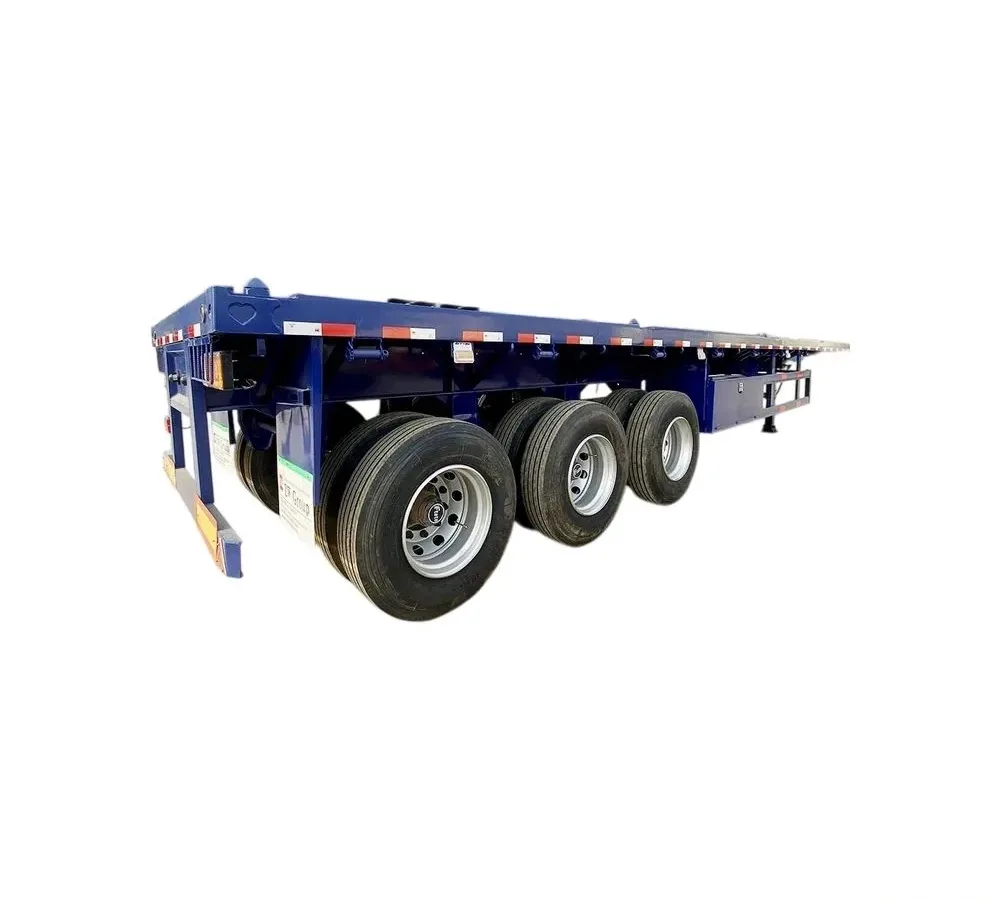
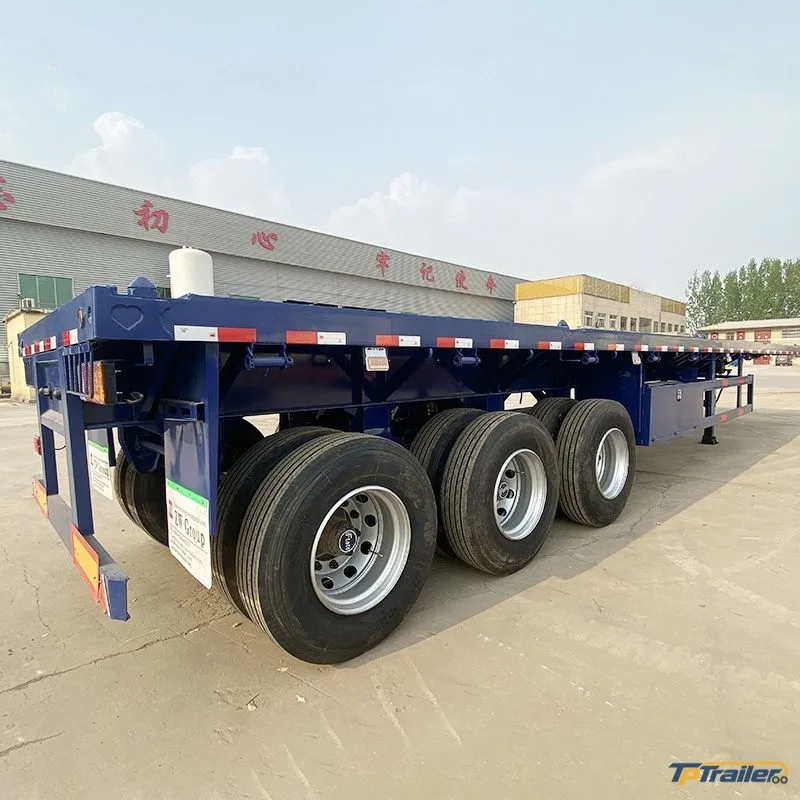
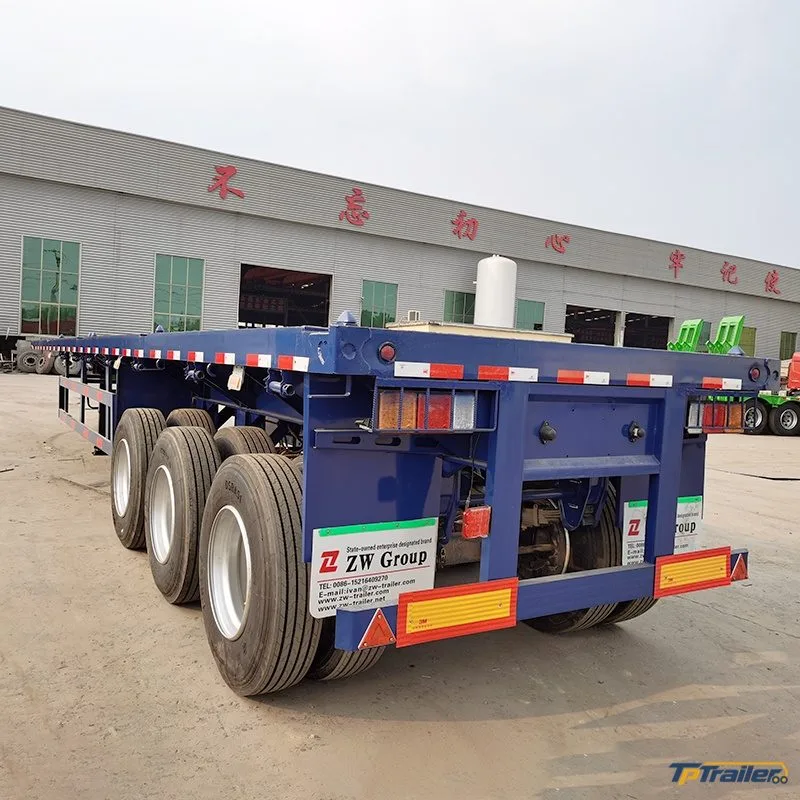
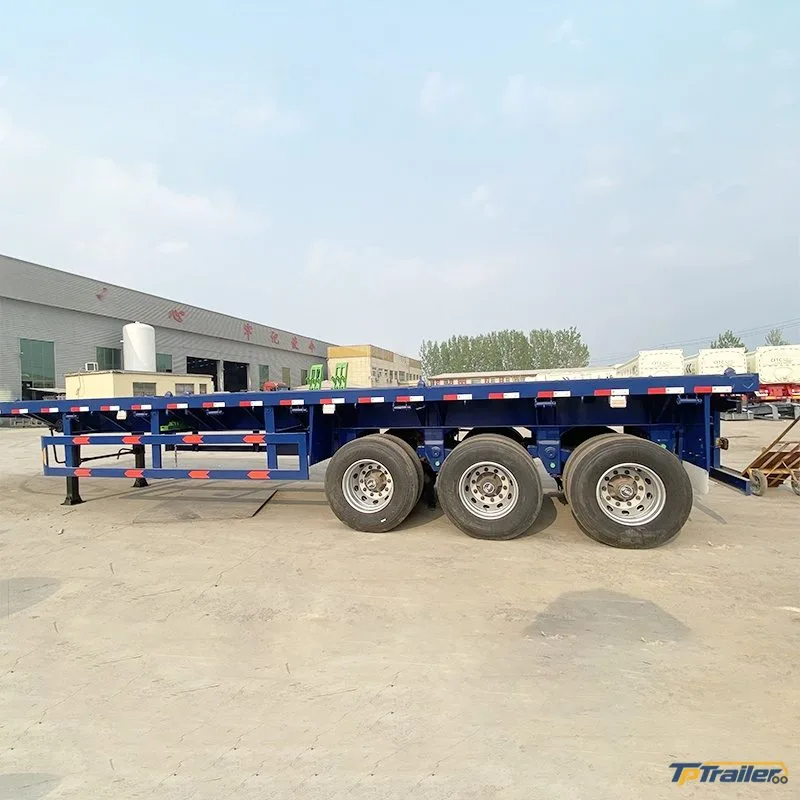
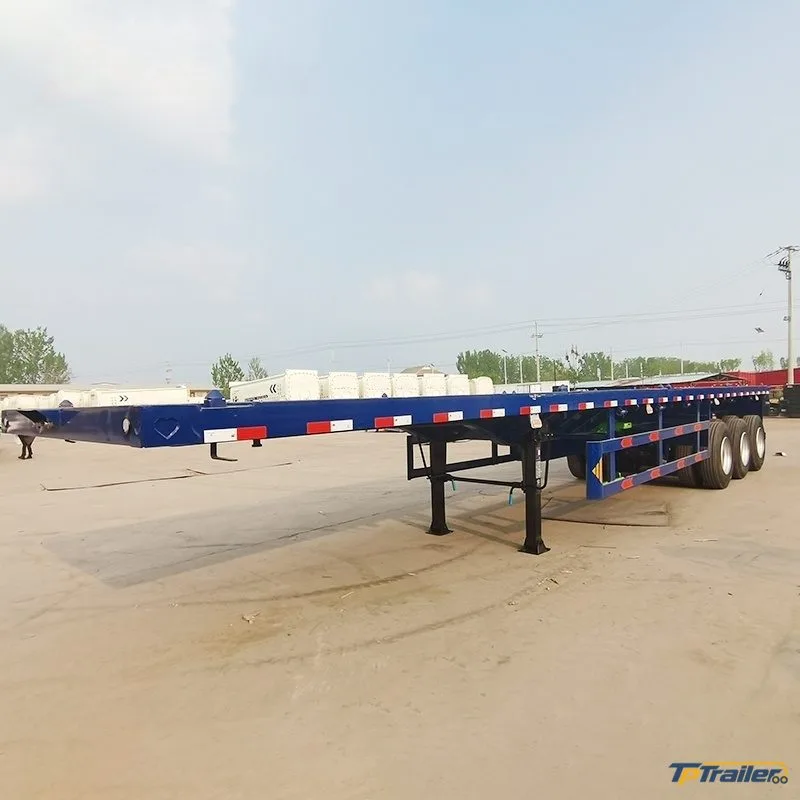
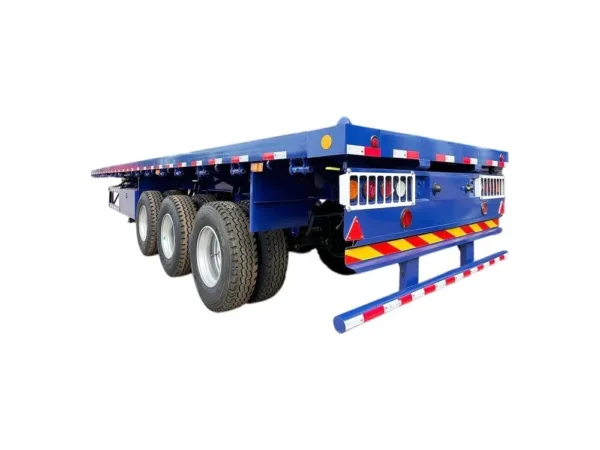
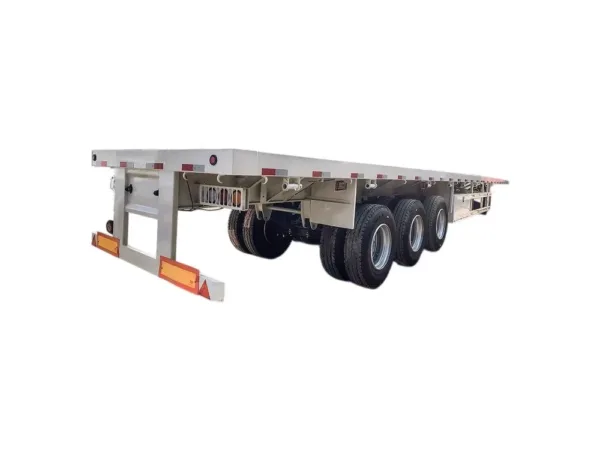
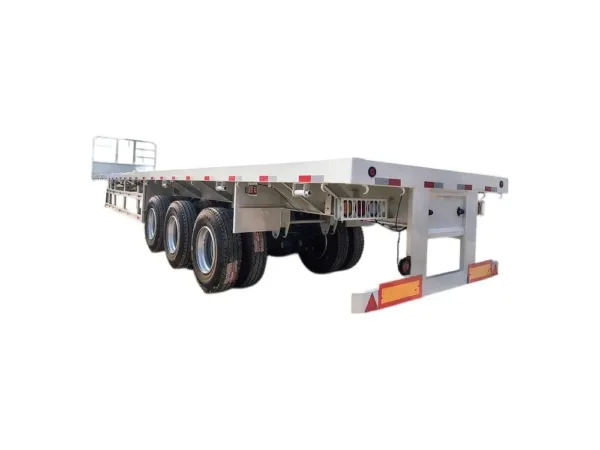
The flatbed trailer 3 axle semi-trailer is a heavy-duty platform unit built to move containers and general cargo over long and regional routes. ZW Group supplies it in three- and four-axle layouts and in several deck lengths, so a fleet can standardise on one platform type. It suits haulage contractors, container depots and freight forwarders that need a dependable workhorse rather than a specialist vehicle. The strongest reason to choose it is the combination of a high load rating and simple mechanical suspension: fewer parts to fail, easier service in the field, and predictable behaviour when a flatbed trailer 3 axle semi-trailer is loaded to its limit on mixed road surfaces.
Table of Contents
Why It Works On Site
Axle count matched to the load. The flatbed trailer 3 axle semi-trailer spreads weight across three axles, while the four-axle build adds a further load-bearing point for heavier container work. That gives the operator room to stay within axle limits on weighbridges without lightening the payload, and it keeps tyre wear more even across a long working day.
Rated capacity for dense cargo. A high rated capacity means the flatbed trailer 3 axle semi-trailer can carry packed containers, steel, bagged goods and palletised freight without the operator second-guessing the manifest. The deck and running gear are matched to that rating, so the unit behaves the same on the return leg as it did loaded outbound.
Kingpin options for mixed tractor fleets. The choice of kingpin sizes lets one flatbed trailer 3 axle semi-trailer couple to different fifth-wheel setups in the same yard. Fleets running a mixed tractor pool avoid keeping dedicated trailers per tractor, which simplifies dispatch and reduces idle assets sitting at the depot waiting for a matching truck.
Mechanical suspension for serviceability. Common mechanical suspension keeps the flatbed trailer 3 axle semi-trailer simple to inspect and repair. There are no air circuits or height sensors to diagnose when something feels wrong on the road. A workshop can trace a fault quickly, and replacement parts are straightforward to source, which shortens downtime on a busy corridor.
Durable tyre and wheel packages. Vacuum tyre and alternative tyre specifications let the buyer match the flatbed trailer 3 axle semi-trailer to local road conditions and replacement supply. That matters on routes where a puncture can cost a full day. Standard wheel bases keep tyre availability and workshop tooling consistent across the fleet.
Electrical system built for the job. A 24-volt electrical system runs lighting and trailer signalling for the flatbed trailer 3 axle semi-trailer through long night hauls and dusty daylight runs. Consistent voltage keeps lamps and connectors stable, so the unit stays visible and road-legal without frequent bulb changes or connector repairs between trips.
Where It Is Used
Container hauling is the most common duty for a flatbed trailer 3 axle semi-trailer. Operators move loaded and empty boxes between ports, inland container depots and dry ports, then reposition the same unit for the next booking. Because the deck is open, a crane or reach stacker can load from above without a van body in the way.
The flatbed trailer 3 axle semi-trailer also handles loose containerised cargo that is stripped at the yard and moved onward as pallets or crated goods. Route planners value it on corridors with weighbridge checks, where spreading load across the axles keeps each trip compliant. The same unit covers the return leg with backhaul freight instead of running empty, which is where a versatile platform earns its keep in a mixed fleet.
Beyond containers, the flatbed trailer 3 axle semi-trailer carries construction materials, steel sections, roofing sheets, bagged cement and timber. Building supply yards use it to deliver to sites where a curtain-side or box trailer would be awkward to unload. Machinery movers load compact equipment and attachments onto the deck, securing them with chains and straps. Agricultural traders use the flatbed trailer 3 axle semi-trailer for fertiliser, feed and produce moving from collection points to distribution centres. On regional routes with long gradients and mixed surfaces, the mechanical suspension and robust running gear keep the unit stable when the load is unevenly distributed. A single platform therefore covers container shuttles, project deliveries and seasonal bulk work without a change of asset.
Choosing The Right Spec
Three axles or four. The flatbed trailer 3 axle semi-trailer suits routine container and general freight where the load rating is comfortably met. The four-axle version adds load-bearing capacity for denser cargo or routes with stricter axle-weight enforcement. Choose by the heaviest regular payload, not by the occasional peak load, so the unit is not over-specified for daily work.
Deck length for the cargo mix. The flatbed trailer 3 axle semi-trailer is offered across several deck lengths to match the boxes and freight a fleet actually moves. Longer decks take the largest containers and long steel or timber. Shorter decks are easier to manoeuvre in tight yards and depots. Match the length to the dominant load, then confirm the tractor can handle the combination on your routes.
Kingpin and wheel base pairing. Kingpin choice must match the fifth wheel on the tractors that will pull the flatbed trailer 3 axle semi-trailer. Wheel base options affect how the combination tracks and turns, so a fleet running tight urban deliveries may prefer a different setting from one on open highway corridors. Confirm the pairing with the tractor specification before ordering.
Tyre specification and finish. Tyre options let the buyer align the flatbed trailer 3 axle semi-trailer with local supply and road conditions, while painting is optional for fleets that want a consistent livery or corrosion protection. Decide these at order stage, because both are harder to change once the flatbed trailer 3 axle semi-trailer is in service.
Customisation Before Delivery
Axle count. The flatbed trailer 3 axle semi-trailer can be ordered with a fourth axle for heavier duty work. Axle count is agreed at order confirmation, so the running gear matches the loads you plan to carry. Buyers who expect occasional extra weight should settle this point before production begins.
Deck length. The platform is offered in several container lengths, so the deck can be matched to the boxes you haul. Deck length is fixed at order confirmation. Choose the size that fits your most common container rather than the largest one available, because a longer deck adds weight to every trip.
Suspension and kingpin. Mechanical suspension is the standard fitment on this flatbed trailer 3 axle semi-trailer. The kingpin can be specified to suit your tractor coupling. Both choices are confirmed when the order is placed, and both affect how the trailer sits and tracks behind the tractor unit.
Tyres. Two tyre specifications are offered, and the choice is made at order confirmation. Match the tyre to the road surface and the distances you run. A tyre suited to paved highways behaves differently from one chosen for rougher routes, so state your typical route clearly.
Painting. Paint finish is optional. The colour and coating scheme are settled at order confirmation, which lets you align the flatbed trailer 3 axle semi-trailer with your existing fleet or with a customer’s branding. State the finish you want early, because painting is one of the last steps before dispatch.
Fitting And Installation
On arrival, the buyer has to match the trailer to the tractor unit. Check that the kingpin engages the fifth wheel cleanly and that the coupling height suits your tractor. Confirm the electrical system matches the tractor socket, since the trailer runs a 24v circuit. Inspect the mounting points on the suspension and axle assemblies before the first loaded run.
Route the air lines and electrical cables so they clear the landing legs and do not rub on the deck edge. Tyre size and wheel base should be checked against the order confirmation. The flatbed trailer 3 axle semi-trailer is a standard platform design, but the tractor side of the pairing is yours to verify. If any measurement is uncertain, raise it before the trailer is loaded, not after.
A mismatch costs downtime. A kingpin that does not seat correctly keeps the trailer off the road until it is corrected. Wrong electrical pinouts leave lights and markers dead, which stops night running and can fail a roadside check. Poorly routed lines chafe through on the first long trip, turning a small fitting job into a repair.
Because the flatbed trailer 3 axle semi-trailer carries containers up to the rated capacity, an axle or suspension mounting point left unchecked is a safety matter, not a convenience one. Walk the trailer with the delivery paperwork in hand, compare each item against what was ordered, and photograph the coupling and running gear before the first load. That record protects both sides if a question arises later.
Service Life And Maintenance
Tyres wear first. On any flatbed trailer 3 axle semi-trailer, tyres and brake linings are the earliest wear items. Check tread depth and sidewall condition regularly, and watch for uneven wear that points to alignment or inflation problems. Rotating tyres where the pattern allows spreads the wear and delays replacement.
Brake and air system. Inspect brake chambers, slack adjusters and air lines for leaks and chafe. The 24v electrical circuit deserves the same attention, because lamp failures and corroded connectors are common on trailers that work in dusty or wet conditions. A quick walk-round before each trip catches most of these faults.
Suspension and axle check. The mechanical suspension carries the load, so inspect springs, hangers and U-bolts for looseness or cracking. Check axle weight load components for wear at the bearing ends. A flatbed trailer 3 axle semi-trailer that runs overloaded will show suspension wear sooner, so keep loads within the rated capacity.
Paint and corrosion. The optional paint finish is the main defence against corrosion. Where paint is specified, inspect the deck and chassis for chips and touch them up promptly. A sound coating extends the interval between cosmetic repairs and keeps the flatbed trailer 3 axle semi-trailer presentable for customers who judge a fleet by appearance.
Deck and fittings. Check the platform surface, twist locks and container guides for bending or wear. Loose or damaged fittings make container seating unreliable. Keep the deck clean of grit that traps moisture. Regular inspection of these small parts protects the structure and keeps the flatbed trailer 3 axle semi-trailer working through its full service life.
Packing And Container Loading
Each flatbed trailer 3 axle semi-trailer leaves the yard as a complete unit, not as a loose kit. The frame is cleaned and the optional painting is cured before dispatch, so the finish travels intact. Loose items such as the kingpin area, electrical harness ends and tyre valves are wrapped or capped. The unit is secured on the loading bed with chocks and strapping so the chassis cannot shift during the sea voyage. Buyers should ask for photos of the packed unit before it is loaded. That record makes any arrival dispute easier to settle.
Loading density decides the freight cost per unit. A flatbed trailer 3 axle semi-trailer is long and flat, so nesting is limited. Ask the supplier how many units fit in the chosen container size and whether the gooseneck or landing gear can be lowered to reduce height. Confirm the wheel base and overall length against the container interior before booking. On arrival, check the frame for bends, the paint for scuffs and the tyres for pressure loss. Verify the kingpin and axle count match the order. Report any damage with photos before unloading.
Common Mistakes Buyers Make
Ordering the wrong axle count. A buyer plans for a flatbed trailer 3 axle semi-trailer but later needs extra load spread on soft road surfaces. The axle quantity is fixed at order, and changing it after loading is not practical. The single check: confirm the axle quantity against the planned gross load and the routes the unit will run before you sign the order.
Ignoring the kingpin size. The kingpin must match the tractor fifth wheel, and a mismatch stops the unit from coupling. Buyers often assume one standard fits all fleets. The single check: measure the fifth wheel jaw and confirm the required kingpin size in writing on the order, because the input lists more than one option.
Skipping the wheel base check. The wheel base affects how the flatbed trailer 3 axle semi-trailer sits on the tractor and how it turns. A buyer who never measures the tractor and route can end up with poor weight distribution. The single check: compare the quoted wheel base figure with your tractor and turning routes before confirming.
Choosing tyres by habit. Tyre specification changes cost and road behaviour, and buyers often copy an old order without checking local supply. The single check: confirm the tyre specification and that replacement tyres are available locally before the flatbed trailer 3 axle semi-trailer is built, so the fleet is not stranded later.
Leaving painting and suspension vague. Optional painting and the suspension type are easy to leave open, and the finished flatbed trailer 3 axle semi-trailer then arrives in a finish or ride setup the buyer did not intend. The single check: state the painting choice and suspension type in writing on the order before production starts.
Buyer Questions
How is the flatbed trailer 3 axle semi-trailer protected during sea freight?
The unit is secured on the loading bed with chocks and strapping, and the optional painting is cured before dispatch. Loose electrical ends and tyre valves are wrapped or capped. Ask the supplier for loading photos and a packing list before the container is sealed. On arrival, inspect the frame for bends, the paint for scuffs and the tyres for pressure loss. Record any damage with photos before unloading, and compare the delivered unit against the order sheet.
Can several units share one container to cut freight cost?
Nesting is limited because the platform is long and flat, so the number of units per container depends on the chosen length and container size. Ask the supplier how many units fit and whether the landing gear or gooseneck can be lowered to reduce height. Confirm the wheel base and overall length against the container interior before booking. Freight cost per unit and any loading plan are confirmed at quotation.
What should I confirm in writing before the order is placed?
Confirm the overall length, the axle quantity, the kingpin size, the tyre specification, the suspension type and the painting choice. State the wheel base figure you need and the capacity you plan to carry. Ask for the electrical system voltage to match your tractor. Anything not stated on the order sheet is open to interpretation. Price tiers by quantity and any delivery terms are confirmed at quotation, not assumed from the listing.
To receive a quote for the flatbed trailer 3 axle semi-trailer, send three details: the overall length you need, the axle count you plan to run, and the quantity you intend to order. Add your kingpin and tyre preferences if they are already fixed. The supplier can then confirm the configuration and price tier.
We use cookies to enhance your browsing experience, serve personalized content, and analyze our traffic. By clicking "Accept All", you consent to our use of cookies. Privacy Policy
Cookie Preferences
Required for the website to function properly. Cannot be disabled.
Help us understand how visitors interact with the website (Google Analytics).
Used to deliver personalized ads and measure ad campaign effectiveness.














Write a Review