
Flatbed semi trailers for sale: 40ft 3-axle steel flatbed semi trailer with 60 T load capacity, container locks and 12R22.5 tires. Request a quote today.
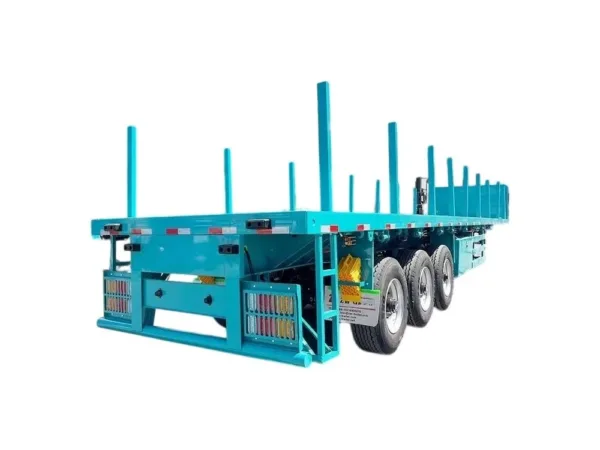


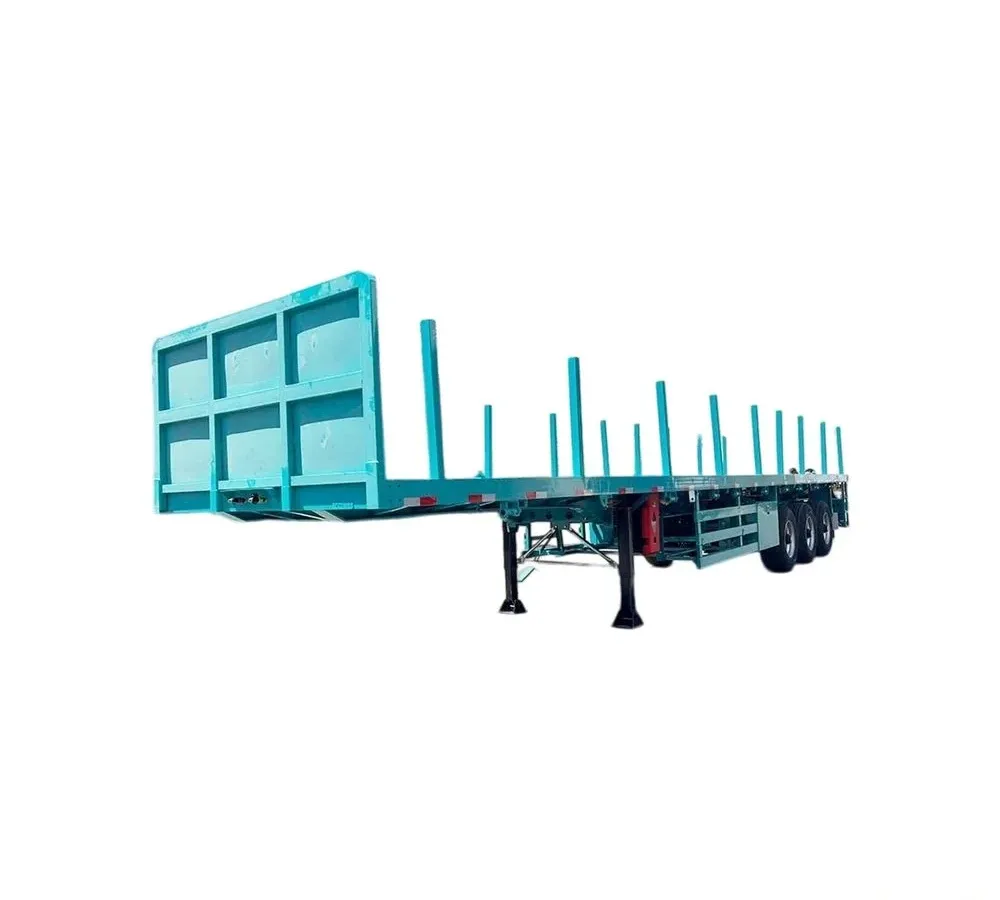
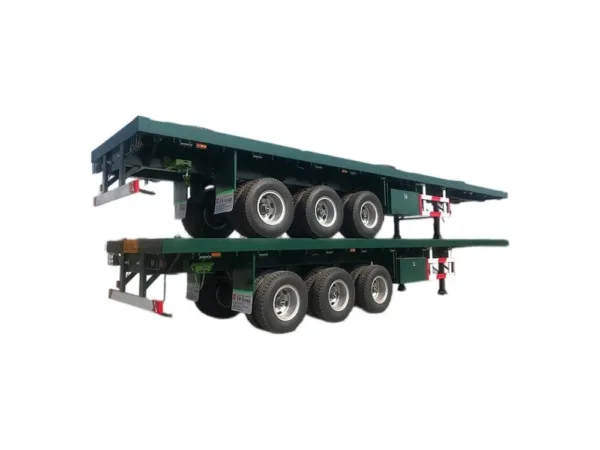
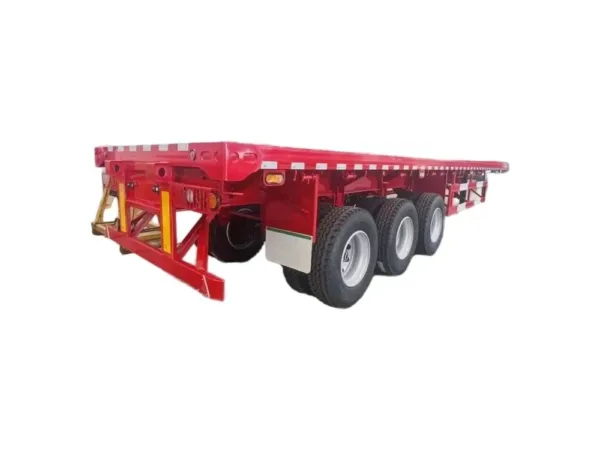
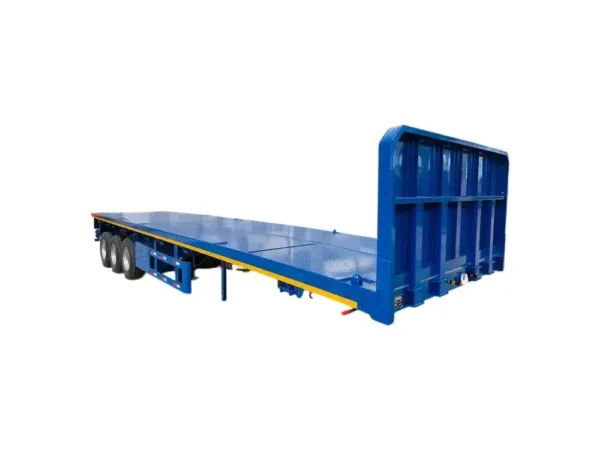
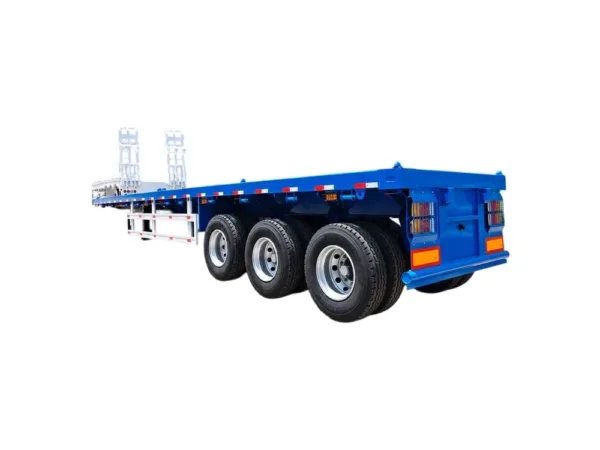
Flatbed semi trailers for sale from ZW Group give fleet operators a direct way to move containers and dense cargo on one platform, and this 40ft flatbed trailer is the three-axle commercial unit built around a steel frame, steel side bars and a container lock set. It carries 20ft and 40ft boxes as readily as stick pipe, structural sections and general freight, so a haulier, freight forwarder or construction logistics team can cover container shuttles and open-deck work without buying two trailers. The 60 T load capacity is the headline figure: it covers dense steel, bundled pipe and a fully packed container on a single deck.
Container hauling is the most common duty for flatbed semi trailers for sale, and the container lock set is what makes it practical. Operators move 20ft and 40ft boxes between depots, ports, rail terminals and warehouses, often on short shuttle runs where loading and unloading happen several times a day. Because the locks sit on an open deck, the same trailer can carry a container in the morning and return with steel plate or machinery in the afternoon. For fleets weighing this unit against dedicated skeletal trailers, that dual role cuts the number of trailers needed to cover both container and open-deck work.
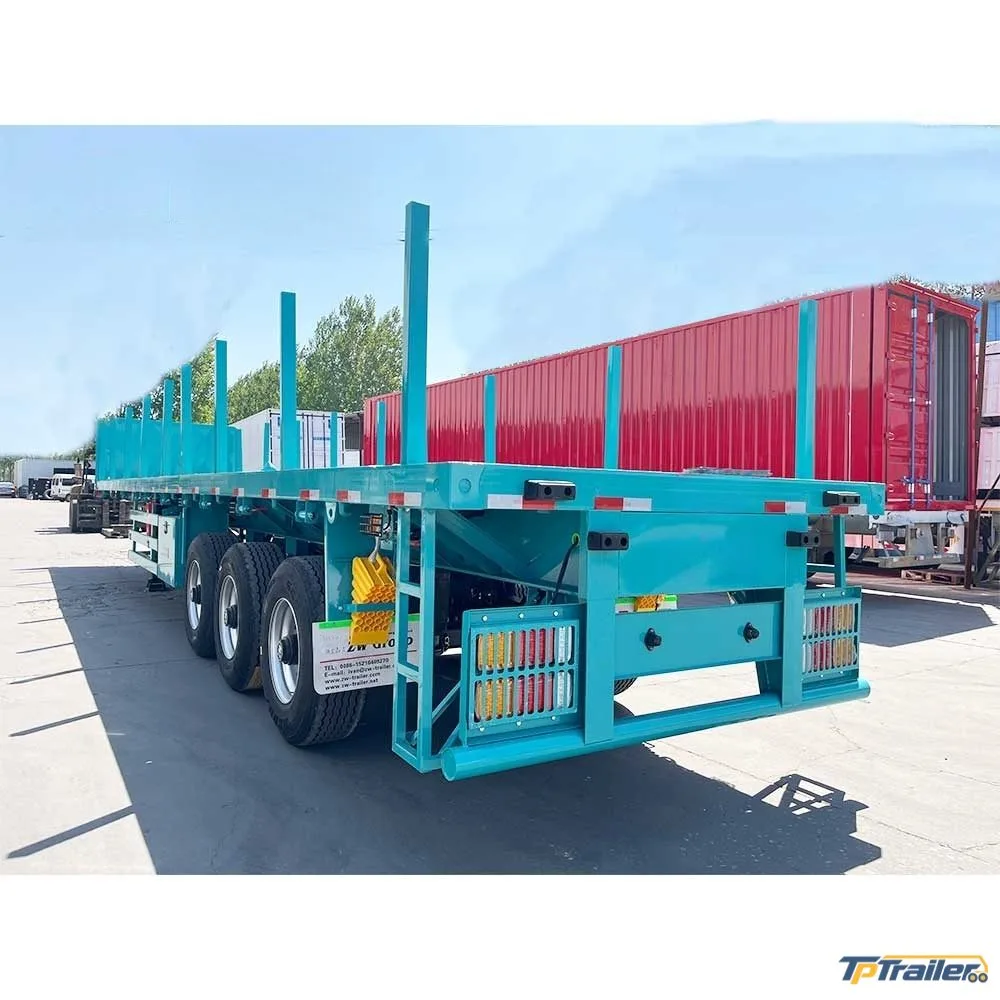
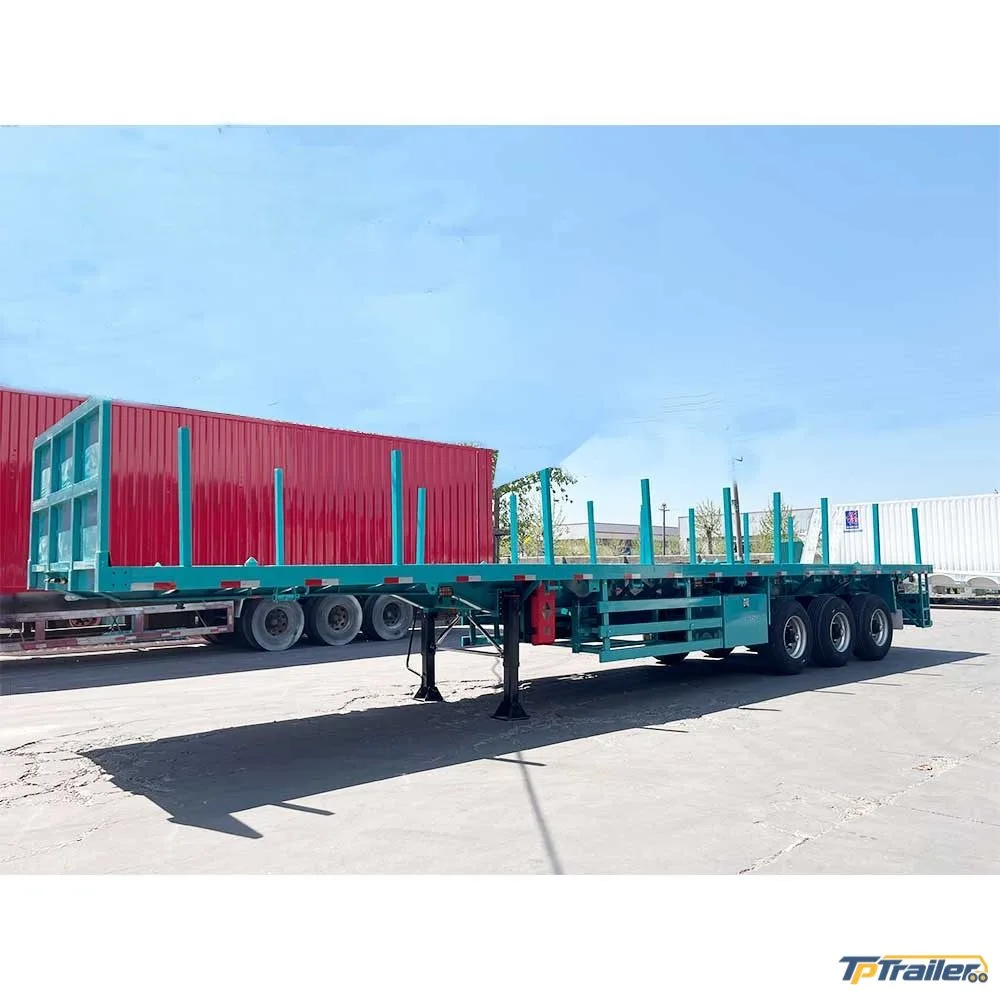
Open-deck cargo is the second main duty. Steel pipe, structural sections, rebar bundles, timber, pallets and building materials all load directly onto the deck and sit against the steel side bars. Construction supply runs benefit most, because loads change daily and the trailer does not need reconfiguration between them. Long-haul operators also shortlist flatbed semi trailers for sale for this kind of freight when the route mixes motorway running with site access, where a flat platform loads from the side or overhead by crane. The 60 T load capacity matters here, since dense steel and pipe reach high weights in short lengths.
A third duty is the mixed week, where a fleet cannot predict the split between boxes and loose freight. One day the unit runs a container to a railhead, the next it carries stick pipe to a fabrication yard, and the deck does not change. Buyers who run flatbed semi trailers for sale on this pattern should check that the container locks sit flush enough not to interfere with flat cargo laid across them, and that the side bars can be dropped or removed when a crane needs a clear edge.
Fitting begins with the tractor unit, not the trailer. The kingpin size recorded on the order must match the fifth wheel on the tractor, and the coupling height must suit the deck. Check that the mounting points on the chassis line up with the suspension brackets and that the axle set sits square under the frame. Confirm the electrical system voltage matches the tractor socket, and route the harness along the frame with enough slack for articulation.
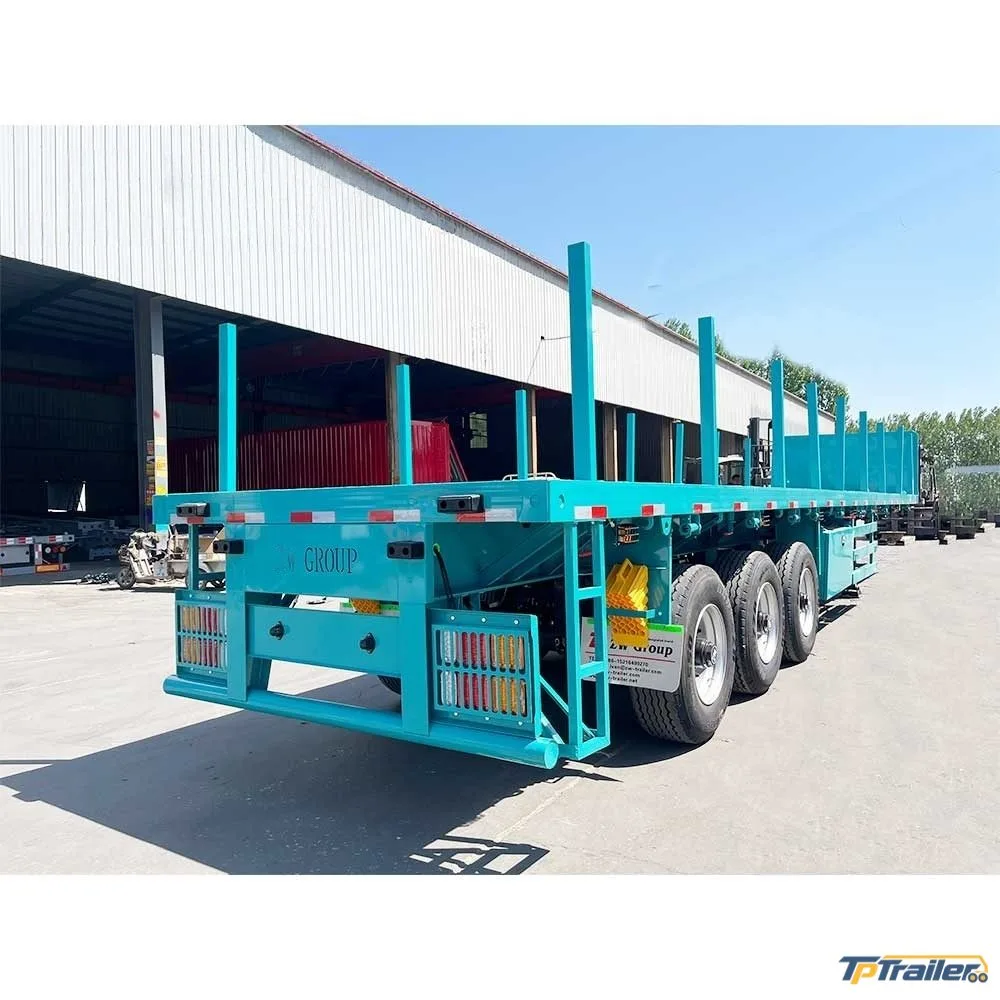
Air lines must follow a clean path clear of the suspension travel and the landing legs. Where the input gives no fitment data, a fitment drawing is confirmed at quotation instead of being assumed. Buyers reviewing flatbed semi trailers for sale should treat this drawing as the reference for every connection on the unit.
A mismatch at this stage is expensive in downtime. A kingpin of the wrong size stops the trailer coupling to the tractor at all, and correcting it takes the unit out of service. Wrong tube sizing or poor hose routing leads to chafing, air leaks and brake faults that appear only after the trailer is loaded and working. Electrical voltage differences can damage lighting and harness components on the first trip. Operators who buy flatbed semi trailers for sale should book the coupling check before the first load and keep the confirmed drawing with the unit records, so any later repair uses the same reference points rather than guesswork.
The first loaded run is the real test of the fitment. Load the trailer to its normal working weight, not a token load, and check the deck line against the tractor, the air line clearance at full articulation and the side bar fixings after the load settles. Re-torque the wheel nuts to the schedule supplied with the unit and record the figures. A fleet that runs flatbed semi trailers for sale on multi-drop work should repeat this check after the first week, because fittings that move under load are easier to catch early than after a roadside defect notice.
Set the inspection intervals by duty, not by calendar alone. A container shuttle that does four loads a day puts more cycles on the coupling and brakes than a long-haul unit covering the same distance in one trip. Keep a simple log of tyre pressures, brake adjustment and side bar condition against the load carried, and the pattern of wear becomes visible before it becomes a breakdown. That record is also the evidence a procurement team needs when comparing flatbed semi trailers for sale on whole-life cost rather than purchase price.
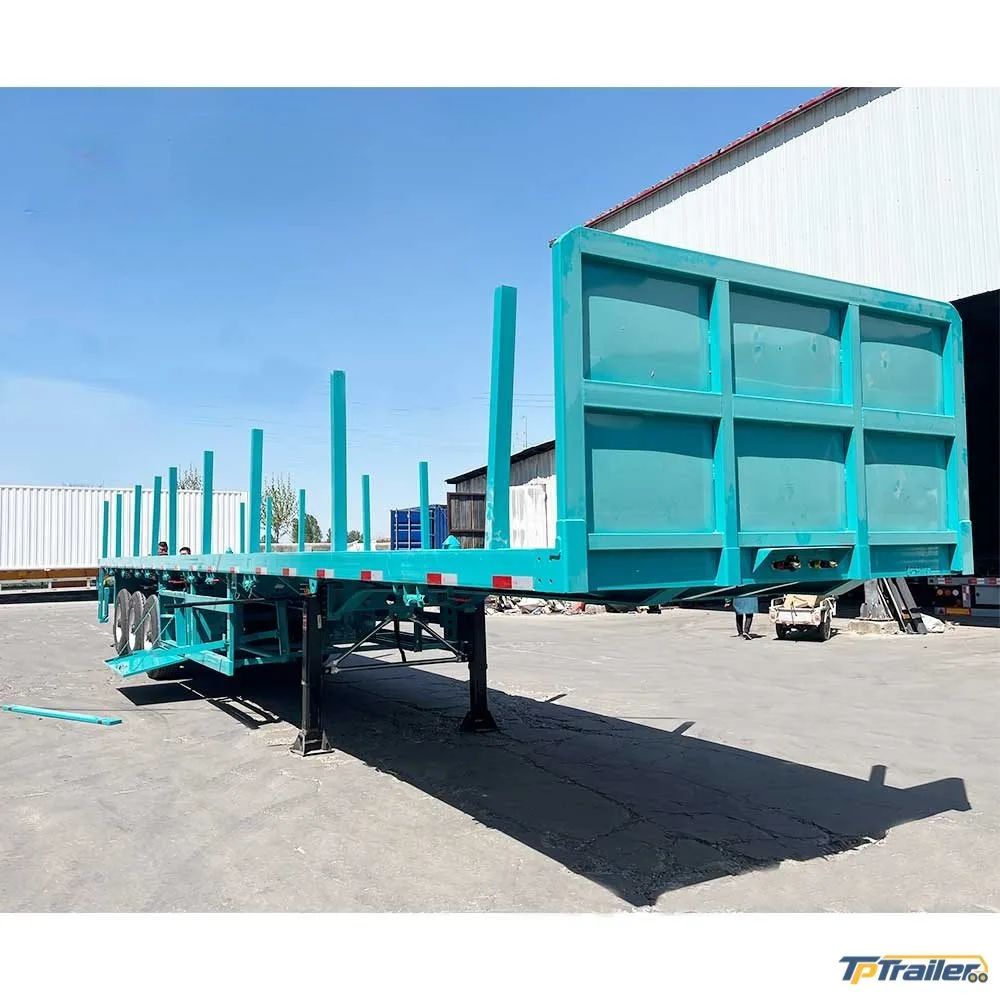
Each 40ft flatbed trailer leaves the yard as a bare steel platform. The side bars, stick pipes and container locks are the parts most exposed to handling damage. Ask how they are braced before the trailer is rolled into the container. Loose steel fittings should travel in a crate or strapped bundle, never free on the deck. Buyers comparing flatbed semi trailers for sale should treat the packing sheet as part of the offer, because a trailer that arrives with bent side bars costs more to fix than the freight saved.
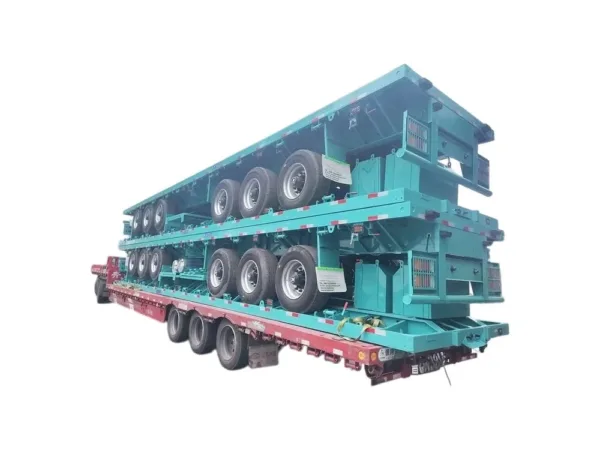
A 40ft flatbed trailer fills a 40ft container lengthwise with little room left over. Nested units are not practical for this model, so confirm how many decks the carrier will accept per box. Some suppliers ship one trailer per container, others stack two with timber dunnage between frames. Ask which method applies to flatbed semi trailers for sale in your order size. On arrival, check the frame for twist, the side bars for straightness and the container locks for free movement before you sign the delivery note.
Unloading deserves the same attention as loading. A bare platform has no body to protect it, so lifting points must be agreed before the container is opened and the crane or forklift is booked. Photograph the frame rails and the side bar fixings as the unit comes out, and keep the images with the delivery paperwork. Fleets that buy flatbed semi trailers for sale in volume should nominate one person to sign off each unit against the order sheet, because a missing lock or a wrong tyre size is far cheaper to resolve at the port than at the workshop.
Yes. The side bar and stick pipe fittings are part of the deck arrangement, so ask the supplier to confirm how they mount and whether they are removable on the unit you order. Tell them which cargo you plan to carry, container or loose steel, and ask for the deck layout in writing. Buyers shopping flatbed semi trailers for sale should have this confirmed at quotation, because a fixed side bar set limits what the deck can load later.
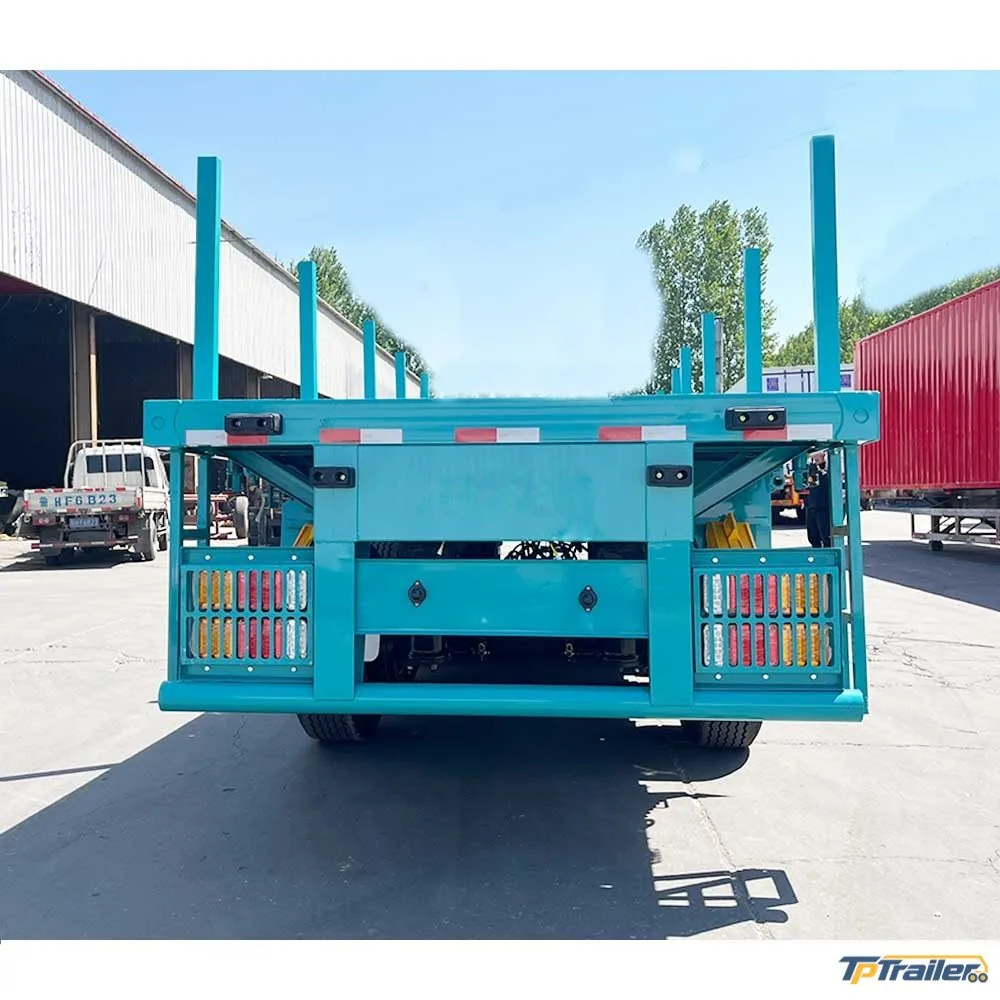
Walk the deck first and look for twist along the frame rails. Then check the side bars for straightness and the container locks for free movement. Confirm the tire specification and axle count against your order sheet, and test the electrical system with a tractor if one is available. Photograph anything that looks bent before you sign. This routine protects buyers of flatbed semi trailers for sale from carrying repair costs themselves.
Send the supplier your tractor model and the fifth wheel coupling you use, then ask them to confirm the kingpin option in writing. State the load capacity you need and the axle count you want, since the axle quantity is a range on this model. Ask for the suspension type and electrical system details on the same sheet. Serious flatbed semi trailers for sale enquiries include these four points at the first message.
To get a quote, send three things: the deck length you need, the axle count you want, and the quantity you plan to order. Add your tractor coupling and cargo type if you have them. The supplier can then confirm the configuration, packing method and price tier for your volume. With a 60 T load capacity, a three-axle layout and a container lock set on an open steel deck, flatbed semi trailers for sale in this range cover container shuttles, pipe and steel haulage without a second trailer, and the order sheet is where that fit is either made or lost.
Explore more flatbed semi trailers for sale in this range.
| Load Capacity | 60 T | Type | Semi-Trailer |
|---|---|---|---|
| Max Payload | 60 ton | Place of Origin | China (Mainland) |
| Use | Truck Trailer | Material | Steel |
| Size | 12400X2500X1550mm | Dimensions | * * |
No reviews yet — click the Review button on the right to share your experience with this product.










Fill in the form below and our team will respond within 24 hours.
Write a Review