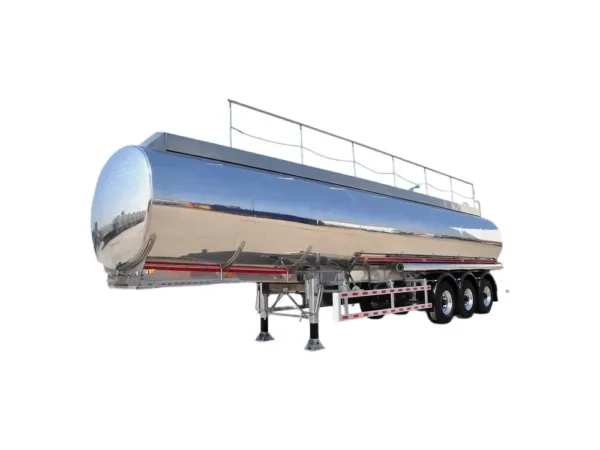
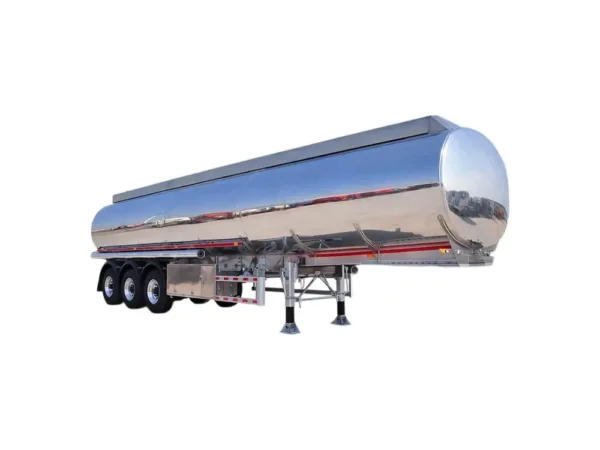
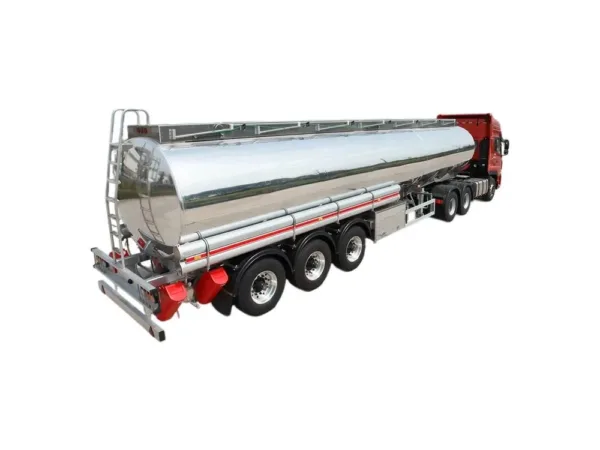
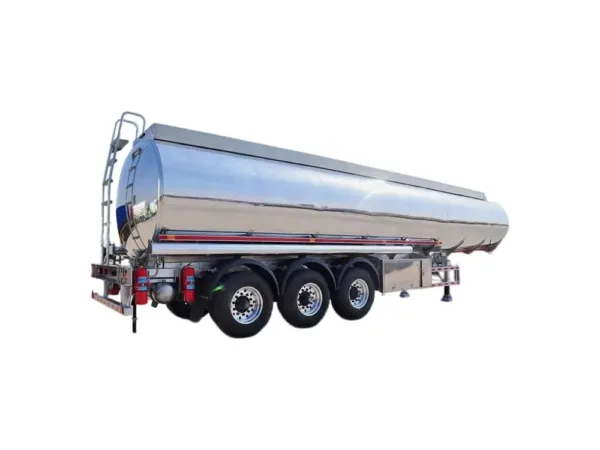
45000L Insulated Food Grade Milk Tank Semi Trailer 3 Axle
heavy duty stainless steel milk tanker trailer with 45000L insulated food grade tank on 3 axles. Haul liquid milk and edible liquids; quotes available.
30000 3
FOB Reference PriceUS$6,000-10,000Final price confirmed by inquiry
Certifications
ISO 9001
Key Features
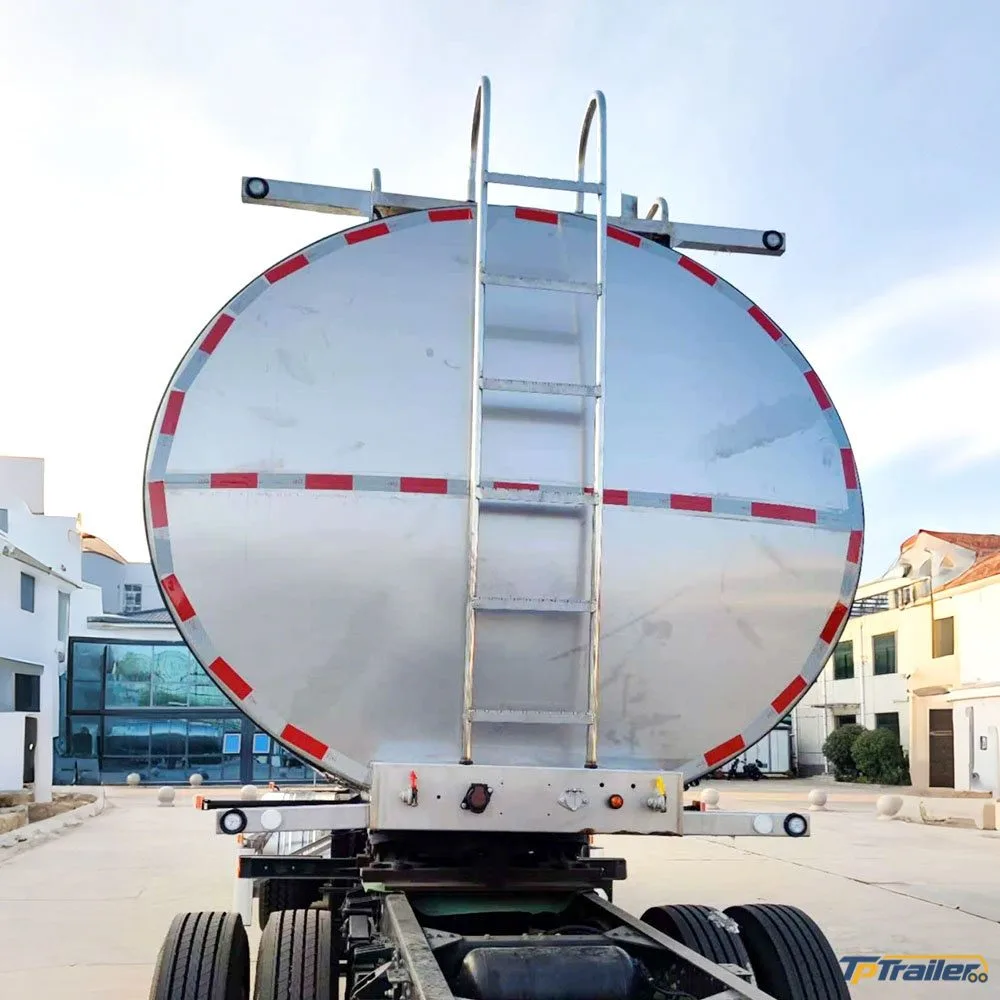
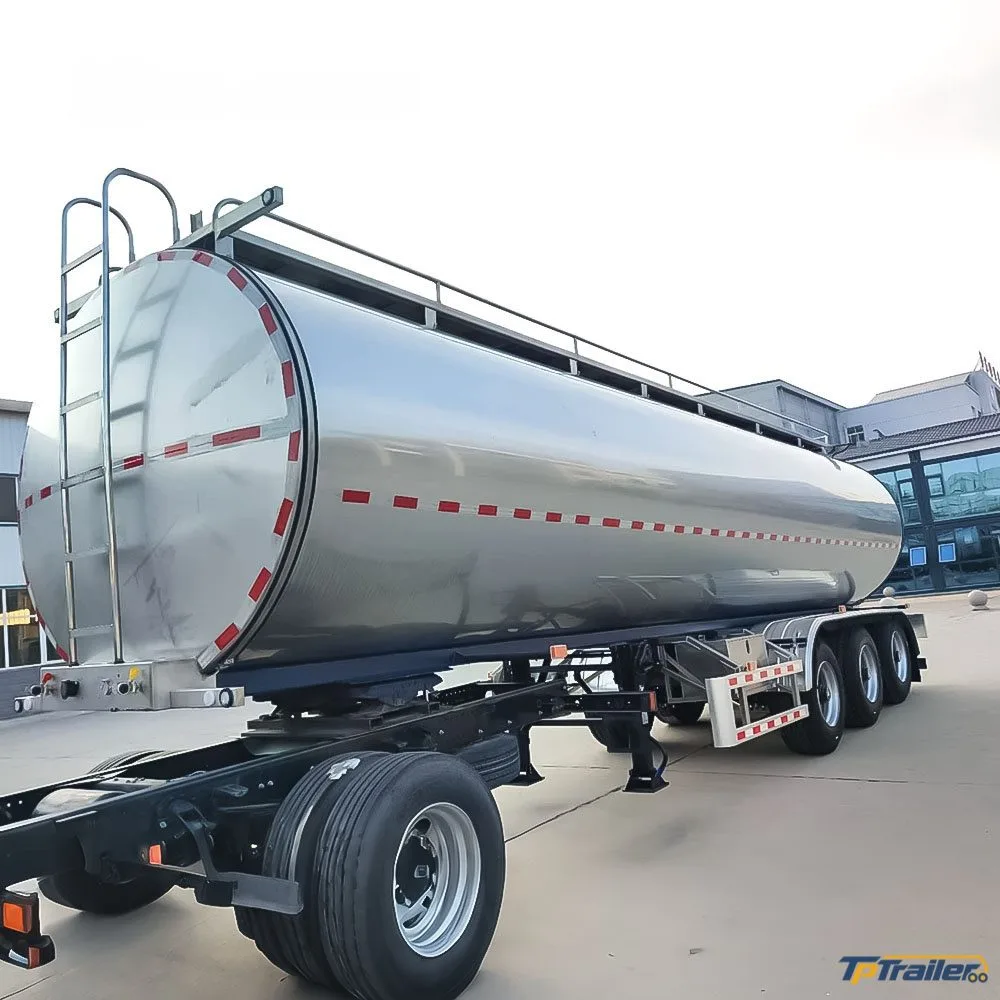
Insulated food grade tank for liquid milk and edible liquids
45000L tank volume for bulk liquid hauling
3 axle semi trailer configuration for heavy duty loads
Stainless steel tank construction for food grade service
Suited to dairy farm logistics and long distance delivery
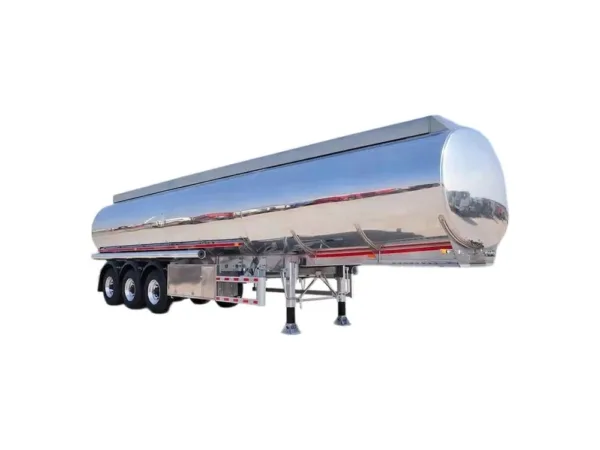
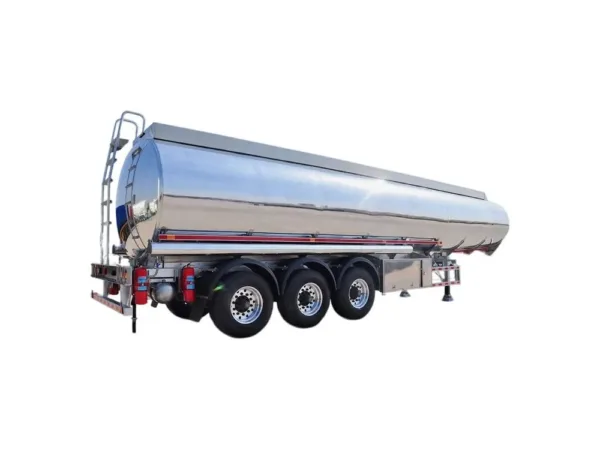
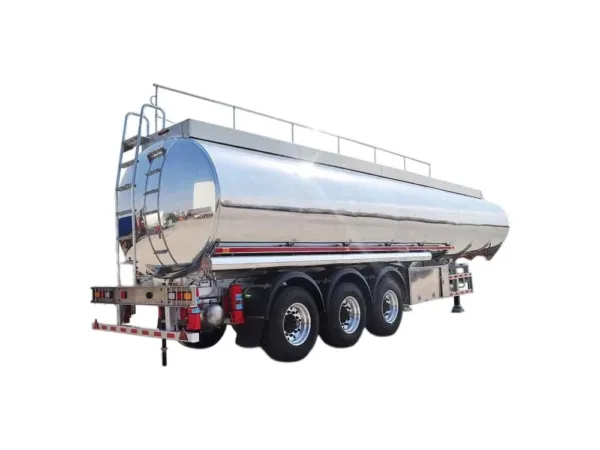
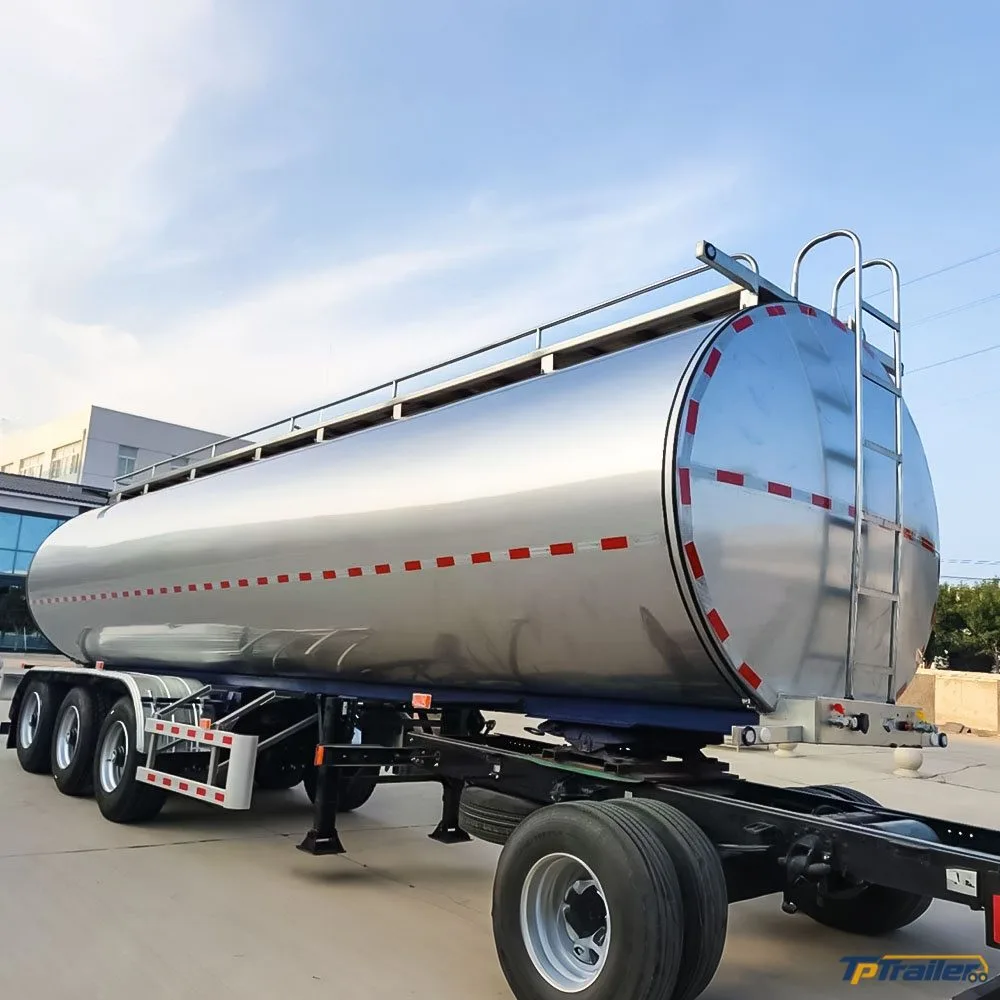
The heavy duty stainless steel milk tanker trailer is a food-grade bulk liquid semitrailer built to move raw milk and other edible liquids over long distances without spoiling the load. It suits dairy logistics fleets, milk collection operators and food processors who need hygienic transport at volume. Its insulated stainless barrel is the single strongest reason to choose it: it holds product temperature on the road and keeps the interior cleanable between runs, so one unit serves collection routes and line-haul delivery alike. The three-axle running gear carries the load steadily on mixed roads, and the tank body is sized for serious daily throughput rather than occasional top-up work.
Table of Contents
Why It Works On Site
Food-grade stainless construction. The barrel is built from stainless steel with a smooth, non-porous interior, so milk contacts a cleanable surface rather than a coated or painted one. That makes wash-down between loads faster and lets the heavy duty stainless steel milk tanker trailer switch between raw milk, cream and other edible liquids without carrying flavour or residue forward.
Insulated tank body. Insulation slows heat transfer through the barrel wall during transit. For a fleet operator this means the heavy duty stainless steel milk tanker trailer holds product temperature across a long run and through waiting time at the dairy, reducing the load rejected at intake because it warmed or cooled beyond the receiving limit.
Three-axle running gear. Spreading the load over three axles keeps axle loading within road limits and steadies the trailer at highway speed. The heavy duty stainless steel milk tanker trailer therefore tracks predictably when full, which matters on collection routes that mix highway stretches with farm access roads and tight yard turns.
High load capacity. The rated load capacity of 30000 lets one tractor unit move a full collection round in a single trip instead of splitting it. That cuts driver hours and fuel per litre delivered, and it lets the heavy duty stainless steel milk tanker trailer serve as the backbone unit of a dairy haulage schedule.
Bulk liquid discharge. A tanker of this size is plumbed for bulk transfer rather than manual handling, so unloading at the processing plant is a pump-and-hose job. The heavy duty stainless steel milk tanker trailer fits into an existing receiving bay and discharge routine, keeping turnaround short enough to run multiple drops per day.
Semitrailer mounting. The semitrailer format couples to a standard truck tractor and carries its load over the drive axles, which is the layout most fleets already operate. Adding the heavy duty stainless steel milk tanker trailer to a fleet needs no new tractor type, so it slots into existing schedules and driver pools.
Where It Is Used
The most common job is farm-to-plant milk collection. A tanker runs a fixed round, drawing raw milk from bulk farm tanks and carrying it to a dairy for pasteurisation and packing. Because the barrel is insulated and food-grade, the heavy duty stainless steel milk tanker trailer can hold the load across a long collection loop without the milk warming past the intake limit.
Operators plan the round around the tank volume and the rated load capacity, so the same unit can clear a full set of farm pickups before returning to the plant. This is daytime, high-frequency work where fast wash-down between rounds and steady road behaviour matter more than outright speed, and where the trailer is expected to run the same route every day.
The second job is long-distance edible liquid delivery. Processors move milk, cream, whey and other food-grade liquids between plants, depots and packing sites, often over highway distances where the load sits in the barrel for hours. Here the insulated body and stainless interior do the work: the heavy duty stainless steel milk tanker trailer keeps the product in condition and arrives ready for bulk discharge into a receiving tank.
Fleets also use the same trailer for seasonal volume peaks, when extra capacity has to be added to a route quickly. Because it couples to a standard tractor, the heavy duty stainless steel milk tanker trailer can be moved onto whichever lane is busiest that week, and the rated load capacity of 30000 means fewer trips per tonne shifted.
Choosing The Right Spec
Match load capacity to your round. The rated load capacity of 30000 is the figure that sets how much product one trip can carry. A fleet running a dense collection round with many farm stops should size the round so the tank fills without waiting, while a line-haul operator moving full loads between plants uses the same figure to work out trips per day and tractor utilisation.
Three axles for mixed routes. The three-axle layout suits operators whose routes combine highway running with farm access roads and yard manoeuvring. If your lanes are mostly long highway runs, the same configuration still applies; the point is that the heavy duty stainless steel milk tanker trailer is built for routes where road quality varies across a single shift.
Insulation against your run length. The insulated barrel is the spec that decides how far the heavy duty stainless steel milk tanker trailer can carry a temperature-sensitive load. Short urban rounds and multi-hour inter-plant runs place different demands on the body, so weigh your longest typical leg against the insulation before fixing the order configuration.
Food-grade service versus other liquids. The stainless food-grade interior is what allows edible liquid service and fast cleaning between loads. Operators who plan to switch cargoes should confirm the wash-down routine and fittings match each product, so the heavy duty stainless steel milk tanker trailer keeps the same hygienic standard across every load it carries.
Customisation Before Delivery
Axle count and suspension. A heavy duty stainless steel milk tanker trailer is ordered with the axle configuration and suspension type that match your routes and load rules. Air or mechanical suspension changes ride quality and road manners. Every selection is written into the order confirmation, so the build sheet and the contract match before production starts.
Tyre and wheel choice. Tyre size and wheel type are settled at order confirmation for this heavy duty stainless steel milk tanker trailer. The choice affects ground clearance, axle loading and spare-part stocking on your fleet. Buyers running mixed fleets often standardise on one size. State your preference early so the running gear is specified with the rest of the unit.
Tank finish and insulation options. The food grade liquid tank semi trailer can be specified with the surface finish and insulation build suited to your cargo and climate. Finish choice affects cleaning effort and appearance over years of service. Insulation choice affects how well temperature holds on long runs. Both are confirmed in writing at order stage.
Colour and markings. Body colour, decals and fleet livery are agreed at order confirmation for the stainless milk tank trailer. Consistent livery helps depot staff and customers identify your units at a glance. Send artwork or colour references with the order so the paint stage is not delayed. Final appearance follows the approved sample.
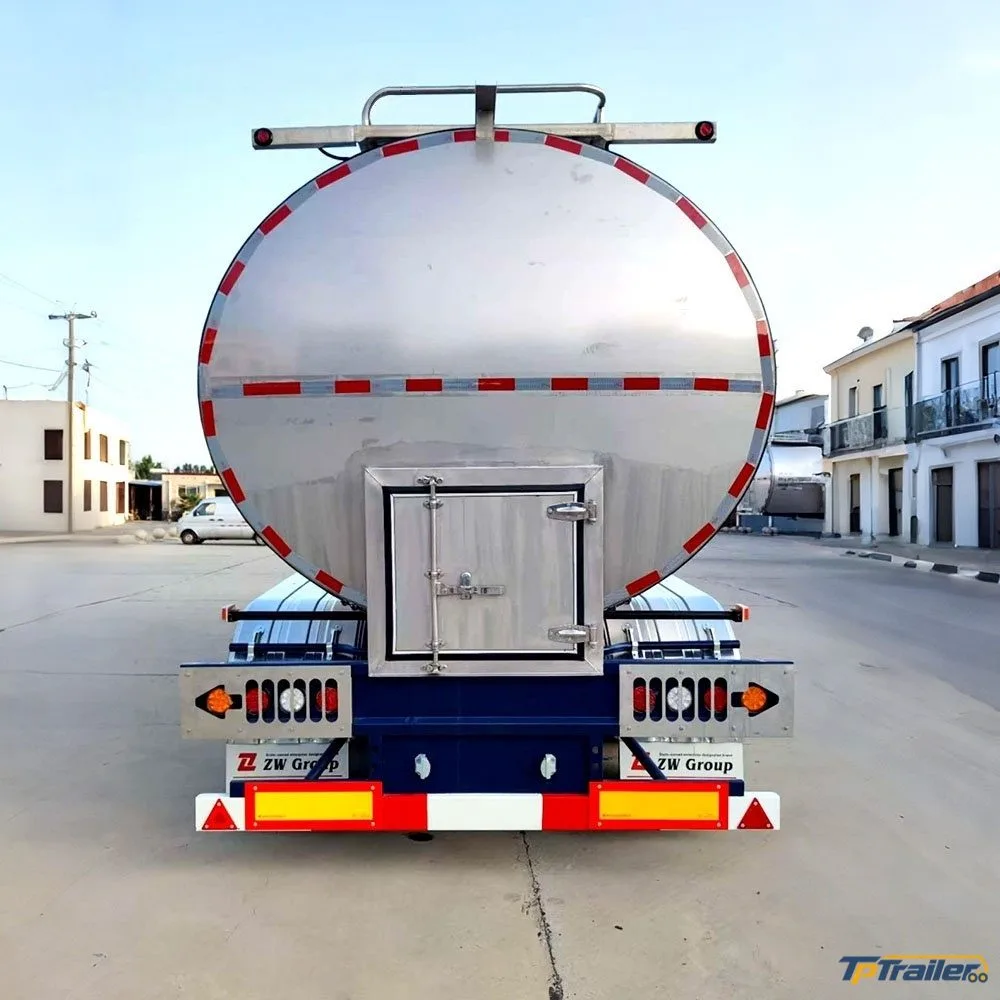
Ancillary fittings and access. Manholes, ladders, walkways and discharge arrangements are chosen when the order is placed. The heavy duty stainless steel milk tanker trailer can be laid out around your filling and unloading points. List the connections your dairy farm logistics site uses. The agreed layout is recorded on the order confirmation.
Fitting And Installation
On arrival, the tractor unit and the heavy duty stainless steel milk tanker trailer have to match up before the first load. Check the fifth wheel height and the kingpin engagement against the drawing you approved. Confirm the landing gear travel clears your yard ramps. Look at the mounting points for the tank cradle and make sure the saddles sit flat on the frame with no gaps. Verify the electrical socket, air lines and brake connections line up with the tractor. If the input gives no fitment data, a fitment drawing is confirmed at quotation instead of being assumed. Walk the whole unit before signing, and record anything that does not match the approved layout.
A wrong size costs downtime that a dairy collection schedule cannot absorb. A mismatched coupling or a hose route that fouls the frame can keep the heavy duty stainless steel milk tanker trailer off the road while a replacement part is sourced. That delay ripples through collection rounds and delivery windows. Buyers should confirm discharge hose size, valve threads and pump connections against their own transfer equipment before the unit ships. Where the input states no fitment values, ask for the fitment drawing at quotation and check it against your site. Catching a mismatch on paper is far cheaper than catching it at the loading bay.
Service Life And Maintenance
Inspect welds and seams first. On a heavy duty stainless steel milk tanker trailer, weld seams and the tank shell are where fatigue and cleaning wear show first. Operators should look for staining, pitting or hairline cracks after each wash cycle. Food grade stainless resists corrosion well, but standing residue left in place works against it. Regular visual checks keep small issues from becoming repairs.
Check insulation and cladding. Insulation performance fades if the outer cladding is dented or the seals are damaged. Water ingress into the insulation layer is the usual cause. Inspect panel joints and sealant lines on the heavy duty stainless steel milk tanker trailer during routine yard checks. Repair cladding promptly, because a small breach lets moisture travel and reduces temperature hold on long runs.
Service valves, seals and gaskets. Discharge valves, manhole gaskets and product seals wear with every cycle. Operators should inspect them for cuts, hardening and leakage, and replace them before they fail mid-route. Keeping a small spares kit on site shortens stops. The food grade liquid tank semi trailer stays productive when these low-cost parts are changed on condition rather than on failure.
Watch running gear and brakes. Tyres, brake chambers, slack adjusters and wheel bearings carry the load on the heavy duty stainless steel milk tanker trailer. Check tyre pressure and tread at each yard visit, and listen for bearing noise on the road. Brake adjustment should follow the schedule in the manual. Suspension bushes and U-bolts deserve a look, since loose hardware affects tank stress.
Clean to protect the finish. Wash the tank interior and exterior with products suited to food grade stainless. Avoid chloride-based cleaners, which attack the passive layer. Rinse and dry the heavy duty stainless steel milk tanker trailer after cleaning so residue does not sit on the surface. A consistent wash routine, matched to the finish you chose at order, extends the service interval between deep cleans.
Packing And Container Loading
Each heavy duty stainless steel milk tanker trailer is prepared for sea freight with the tank shell, barrel and cabinet surfaces protected against transit abrasion. Buyers should confirm at quotation which protection method the supplier applies, since the input does not specify wrapping, coating or cradle type. Ask whether the stainless surfaces are masked, whether the frame receives edge protection, and how the tank is secured to the trailer deck before shipment. The heavy duty stainless steel milk tanker trailer leaves the works as a complete unit, so packing discussion should cover surface protection and tie-down points rather than disassembly.
A heavy duty stainless steel milk tanker trailer is not designed to be nested or stacked inside a container. The unit ships as a finished semi-trailer and is loaded on a flat rack, in break bulk or by roll-on roll-off service, depending on the route. Ask the supplier to state the loading method, the lifting points and the securing plan in the quotation. On arrival, verify the tank shell, insulation cladding, cabinet, axles and landing gear against the order. Record any dents, coating damage or loose fittings before releasing the carrier, and photograph the unit as unloaded. Confirm the heavy duty stainless steel milk tanker trailer matches the agreed drawings before acceptance.
Common Mistakes Buyers Make
Ordering without confirming the load capacity. The specification lists a load capacity figure, and buyers sometimes assume the tank volume alone defines the payload. Check the stated load capacity against your intended cargo density and the trailer’s axle configuration before signing. The single check: compare the quoted load capacity with your planned load per trip and confirm it in writing on the order.
Ignoring the axle count in the transport plan. A three-axle configuration affects route permits, bridge limits and turning requirements. Buyers who fix the axle count late discover the unit does not suit their operating region. The single check: confirm the axle count against local road regulations and your tractor’s coupling height before ordering the heavy duty stainless steel milk tanker trailer.
Skipping the food grade material confirmation. The product is described as food grade, but buyers often fail to ask which stainless grade and finish contact the cargo. The single check: request the material and surface finish of all product-contact surfaces in writing at quotation, and keep that document with the purchase order for the heavy duty stainless steel milk tanker trailer.
Overlooking insulation performance details. The trailer is insulated, yet buyers rarely ask how the insulation is specified for their climate and delivery distance. The single check: state your ambient temperature range and delivery duration, then ask the supplier to confirm the insulation build suits that duty for the heavy duty stainless steel milk tanker trailer.
Not agreeing inspection and documentation before dispatch. Buyers assume paperwork and pre-shipment inspection are standard, then face delays at the port. The single check: list every document and inspection step you require in the quotation request, and confirm each item is included before production starts on the heavy duty stainless steel milk tanker trailer.
Buyer Questions
Can the trailer be shipped in a standard container?
A finished semi-trailer of this size is not normally loaded inside a standard container. Ask the supplier to confirm the loading method for your route, whether flat rack, break bulk or roll-on roll-off, and request the securing and lifting plan with the quotation. Also confirm the port of loading and whether the unit travels assembled. Buyers should verify the discharge port’s handling equipment before booking, because the heavy duty stainless steel milk tanker trailer needs suitable lifting capacity on arrival.
What should I confirm about the tank interior before ordering?
Ask for the material and finish of every product-contact surface, the internal compartment arrangement and the cleaning access points. Request drawings showing manholes, outlets and any baffle positions, then check they match your loading and discharge routine. Confirm whether the interior is accessible for inspection and washing at your depot. Put all of this in the quotation for the heavy duty stainless steel milk tanker trailer, because the input does not state these details and they must be agreed in writing.
How do I verify the trailer on arrival?
Inspect the tank shell, insulation cladding, cabinet, axles, tyres and landing gear against the order drawings and the packing list. Photograph any dents, coating damage or loose fittings before signing the carrier’s delivery receipt. Check that documentation matches the unit and that identification plates agree with the purchase order. Report discrepancies to the supplier immediately. For the heavy duty stainless steel milk tanker trailer, also confirm the load capacity and axle count on the plate match what you ordered.
To receive a quotation, send the overall length you require, the axle count and the quantity you plan to order. State your cargo type and operating region so the configuration can be confirmed. The supplier will then return pricing against your quantity and the agreed specification for the heavy duty stainless steel milk tanker trailer.
We use cookies to enhance your browsing experience, serve personalized content, and analyze our traffic. By clicking "Accept All", you consent to our use of cookies. Privacy Policy
Cookie Preferences
Required for the website to function properly. Cannot be disabled.
Help us understand how visitors interact with the website (Google Analytics).
Used to deliver personalized ads and measure ad campaign effectiveness.















Write a Review