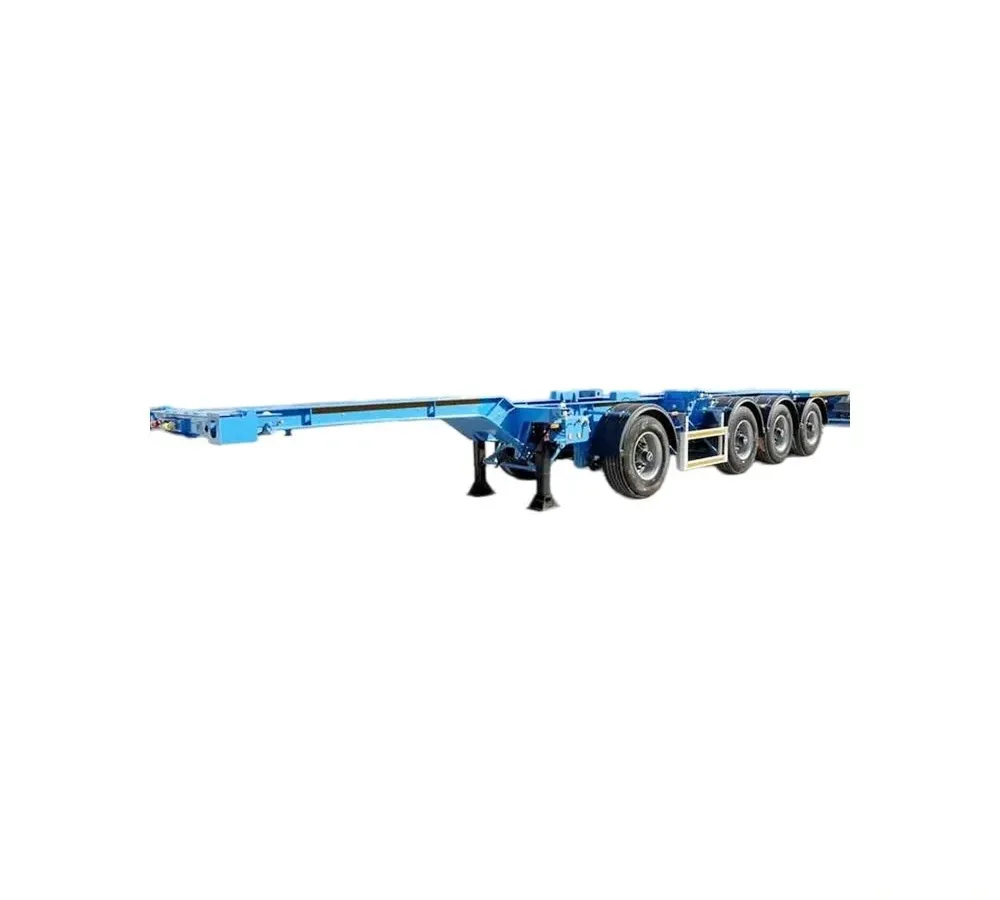
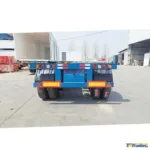
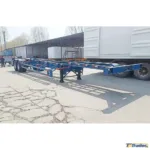
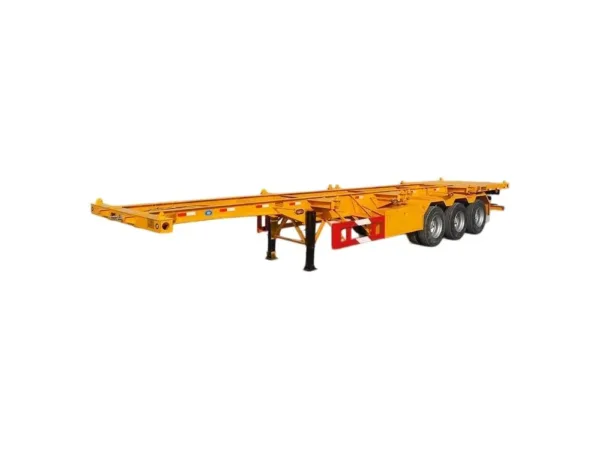
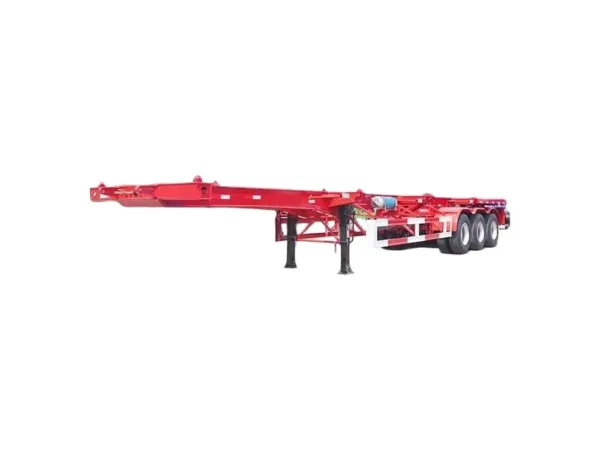
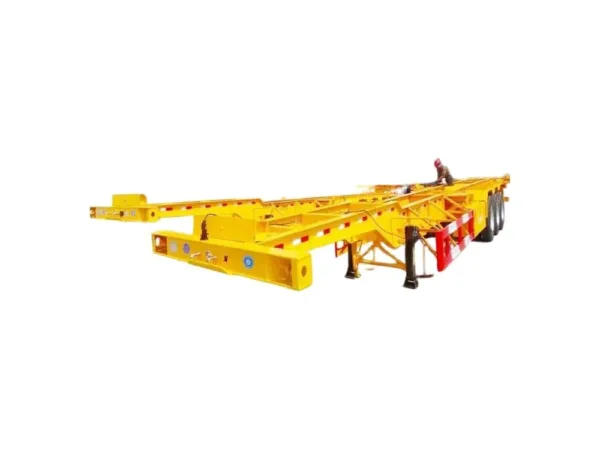
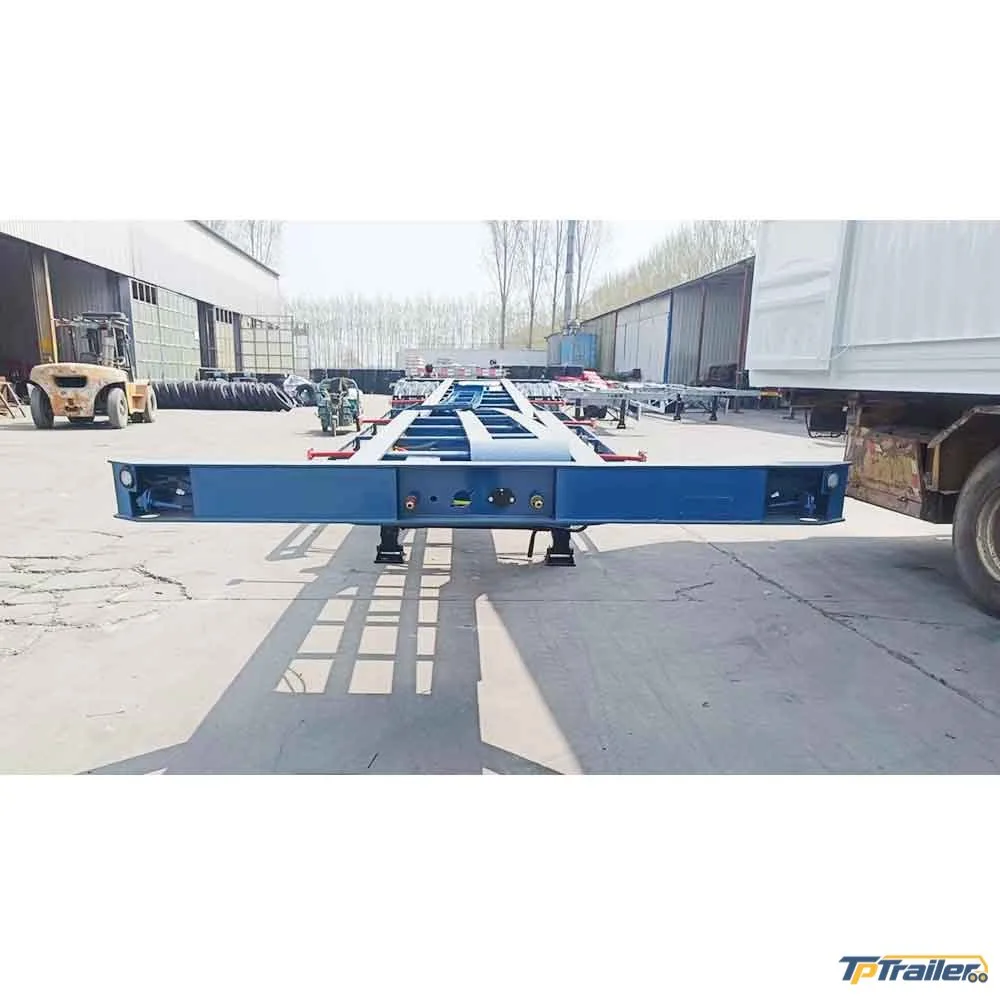
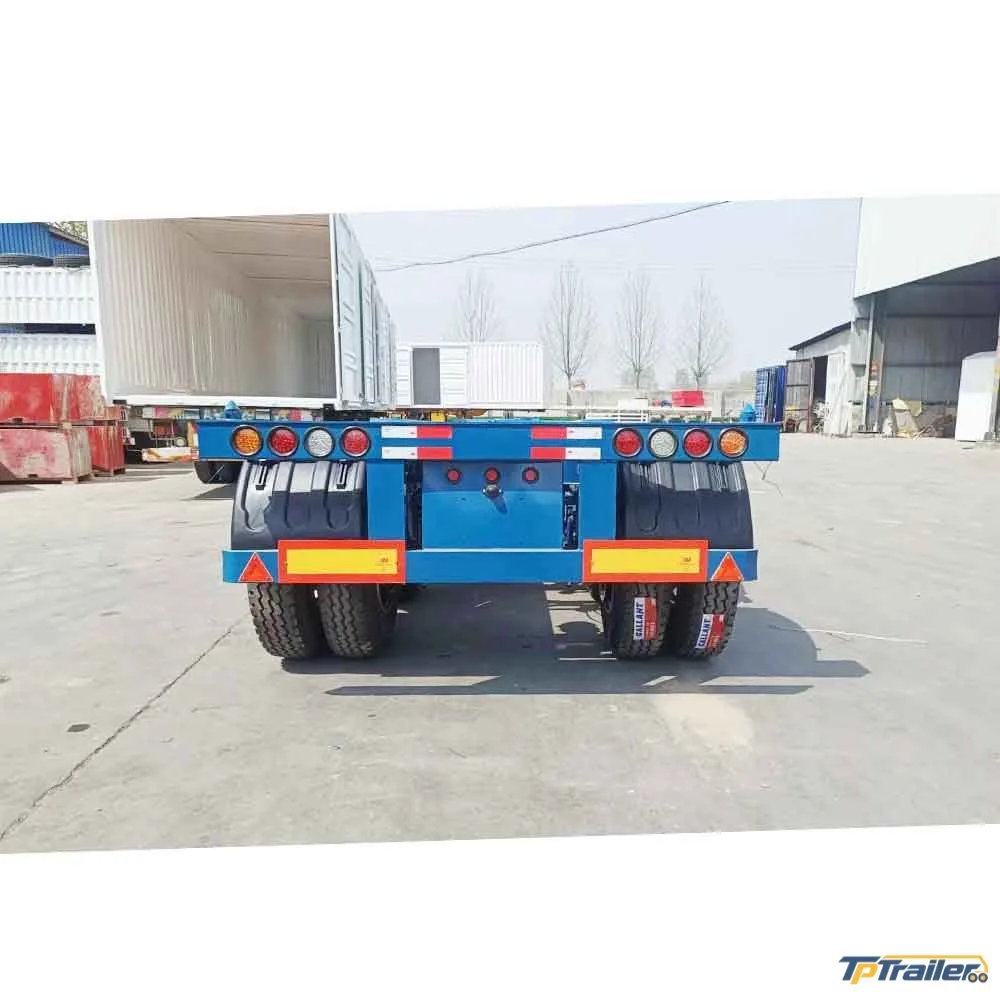
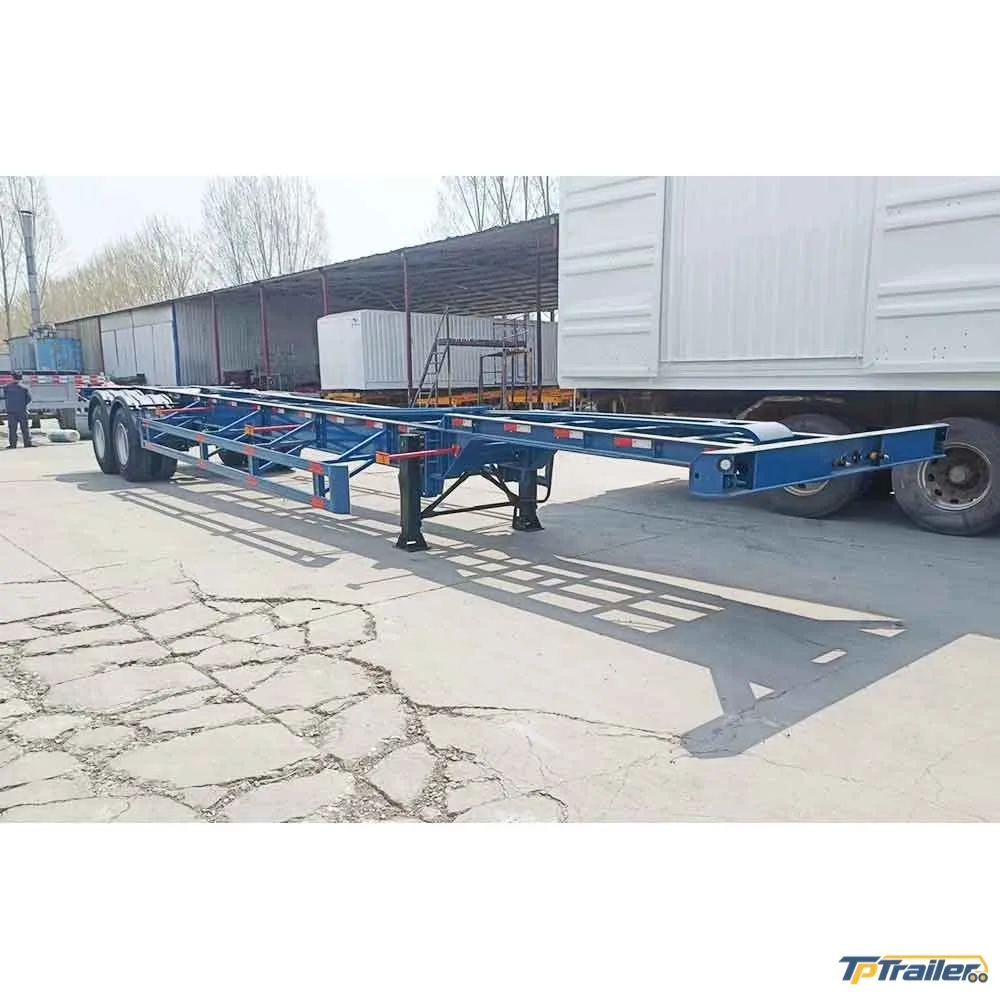
A skeletal truck trailer is a bare-frame container chassis built to carry ISO containers, and this ZW Group 40ft steel skeleton semi trailer is aimed at fleet operators, container hauliers and freight forwarders who move boxed cargo on fixed corridors. Its strongest argument is the frame itself: steel construction, a 60 T load capacity and a tare weight of 10 Ton, so the platform carries the box and the payload rather than adding dead weight of its own. Axle count runs from two to four, letting one platform family cover light shuttle work and heavy port runs. If your work is moving containers rather than general freight, this is the trailer type built for it.
Table of Contents
Why It Works On Site
Steel frame and 60 T load capacity. The rated load capacity of 60 T means the chassis is sized for dense, heavy container loads, not just light boxes. On site that translates into fewer load-limit checks before dispatch and more confidence when a shipper declares a heavy cargo. A skeletal truck trailer built to this rating can be scheduled on the same routes as your heaviest boxes without a second platform type in the fleet.
Two to four axles. The axle quantity range lets a buyer match the platform to the route rather than the other way round. Two axles suit short shuttle legs and lighter boxes; four axles spread the load across more tyres for long-haul and heavy corridors. One container skel trailer family then covers several jobs, which simplifies driver familiarisation and spare-parts planning across a mixed fleet.
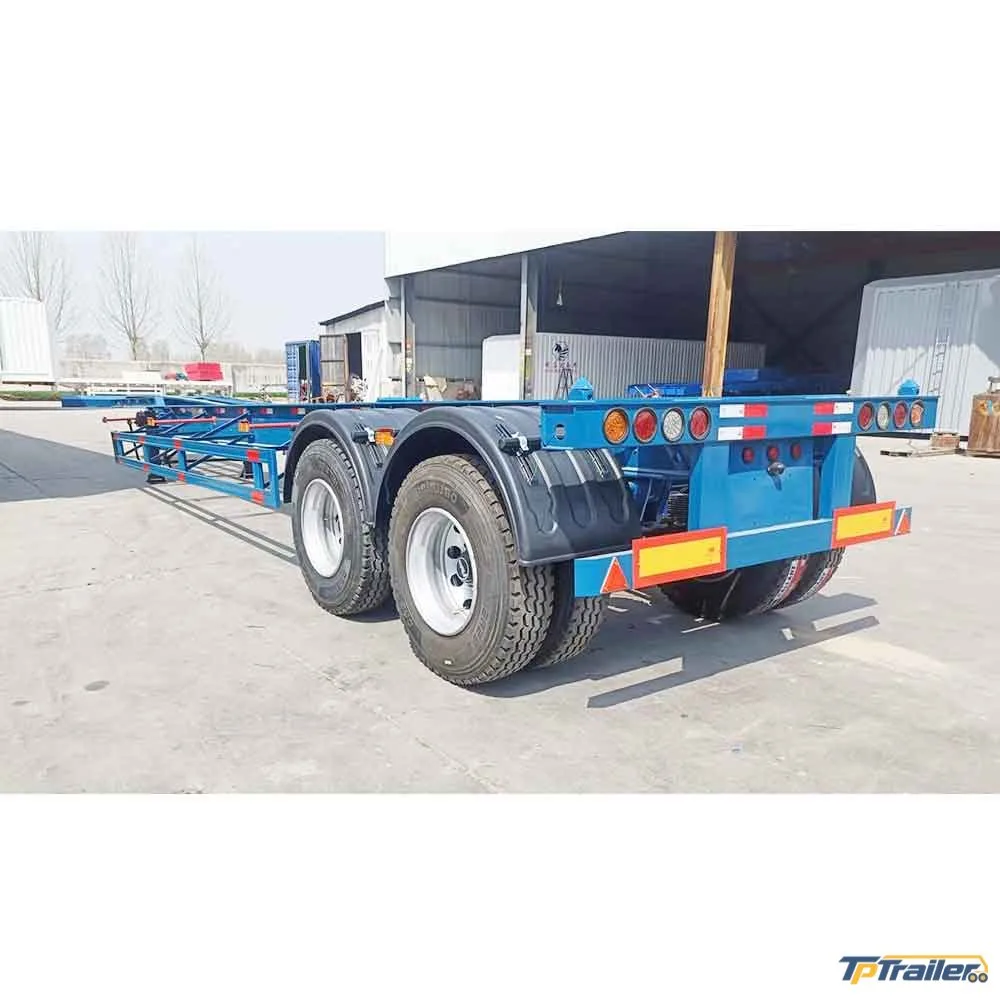
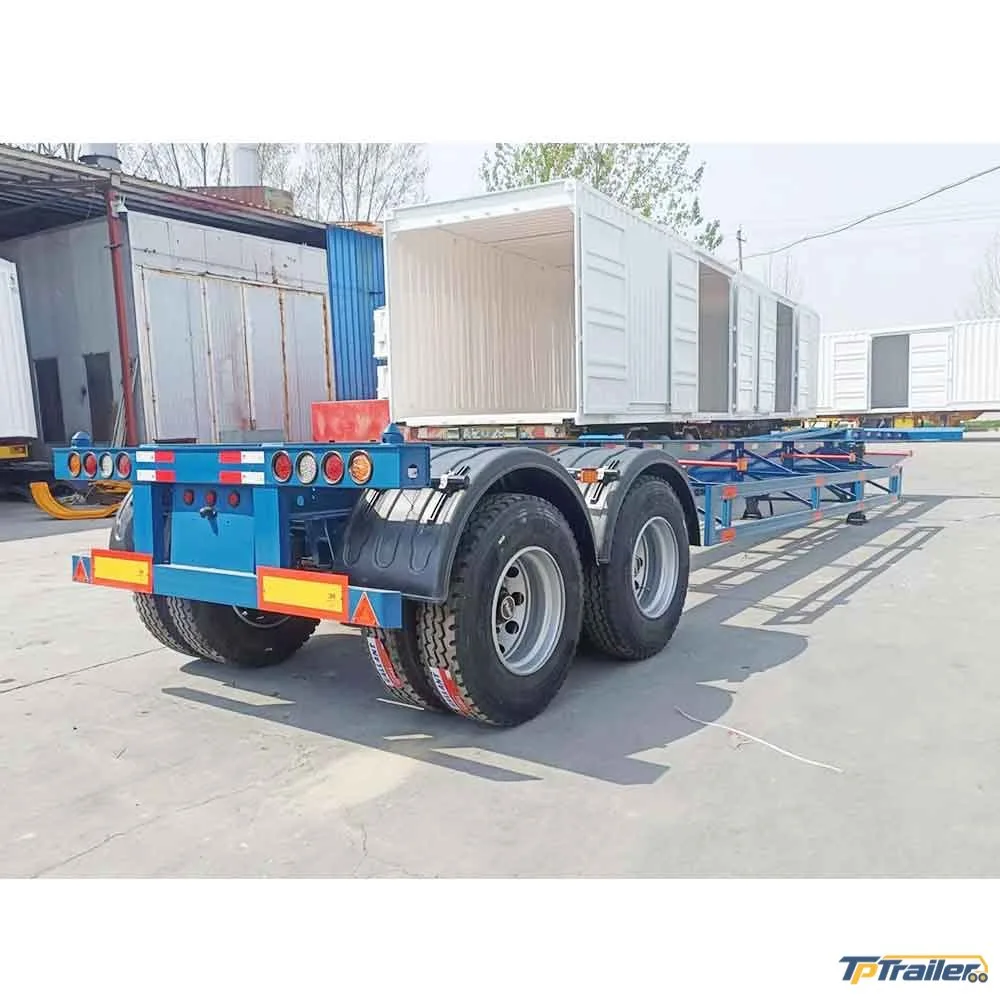
12R22.5 vacuum or 11.00R20 tyres. Two tyre specifications are offered, so the trailer can be ordered to match the rubber already stocked in your workshop. That matters on site: one tyre size across the fleet means fewer part numbers, simpler roadside replacement and less downtime when a wheel is damaged. A container chassis trailer ordered to your existing tyre standard slots into the maintenance routine instead of creating a new one.
Automatic air brakes with a 24 V electrical system. Automatic air brakes give consistent stopping behaviour when the trailer is loaded, and the 24 V electrical system matches the voltage used on heavy commercial tractors. For the operator, that means the skeletal truck trailer connects to the tractor unit without adapters and the braking response stays predictable across repeated stop-start port and yard work.
Common mechanical suspension. Mechanical suspension is a simple, serviceable layout with few components to wear. On site it means inspections are quick, replacement parts are easy to source and the trailer tolerates rough yard surfaces and kerb strikes without complex repair. For a container skel trailer working hard standing and terminal roads, that simplicity is a maintenance cost argument as much as an engineering one.
50# or 90# kingpin options. The kingpin is offered in two sizes, so the skeletal truck trailer can be specified to match the fifth wheel already fitted to your tractor units. Buying to the coupling you run avoids adapters and mismatched wear on the plate. It is a small line on the order sheet that decides whether the trailer goes to work on arrival or waits in the yard.
Where It Is Used
The most common job for a skeletal truck trailer is the port-to-warehouse run. A 40ft box is lifted onto the chassis at the terminal, secured, and driven to a distribution centre where it is unloaded or dropped. Because the platform is a bare frame, there is no deck to load around and no side wall to open: the container is the cargo body, and the trailer is the running gear beneath it.
That suits operators moving the same box types day after day on fixed corridors, where drivers know the route and the terminal appointment times. A container chassis trailer in this role spends its life in short, repeated cycles, which is why simple mechanical suspension and easy tyre matching matter more than complex features. Fleets running both 20ft and 40ft boxes can use the same skeletal truck trailer for either, since the frame takes the standard container footprint and the twist locks do the locating.
A second setting is the freight yard and depot, where containers are shuttled between stacks, repair bays and loading doors. Here the container skel trailer rarely reaches highway speed, but it starts and stops constantly, so the automatic air brakes and the 24 V electrical system earn their place in daily use. Yards also value the tare weight of 10 Ton, because lighter running gear leaves more of the rated capacity for the box itself.
Beyond the yard, the same trailer handles regional distribution legs, railhead transfers and cross-dock moves where a container arrives full and leaves empty. Operators who move sealed boxes between sites, rather than palletised freight, find a skeletal truck trailer removes the handling step entirely: the box is loaded once at origin and opened only at destination. That is the pattern most fleets recognise, and it is the pattern this platform is shaped for.
Choosing The Right Spec
Two axles for light, short-cycle work. If the job is shuttling empty or lightly loaded boxes between a yard and a nearby depot, a two-axle skeletal truck trailer keeps the platform simple and the tare weight low. Fewer axles mean fewer tyres to buy and inspect, which suits operations where the trailer rarely leaves hard standing and the boxes are not declared heavy.
Three axles for mixed duty. A three-axle container chassis trailer sits between the light shuttle and the heavy hauler. It spreads load across more tyres than a two-axle unit while staying lighter than a four-axle build. For operators whose work alternates between full export boxes and empty repositioning, this is the middle setting that covers both without committing to either extreme.
Four axles for heavy, long-haul corridors. When the route is long and the boxes are declared heavy, four axles distribute the load further and support the rated load capacity in demanding duty. A four-axle skeletal truck trailer is the choice for operators who cannot control what a shipper loads and want margin in the running gear rather than a load check at the gate.
Tyres, kingpin and paint to match your fleet. Choose 12R22.5 vacuum or 11.00R20 tyres to align with what your workshop stocks, and pick the 50# or 90# kingpin to match your tractors. Painting is optional, so livery can follow your fleet standard or stay plain. Specifying these at order is what makes the skeletal truck trailer fit your operation on day one.
Customisation Before Delivery
Axle count and brand. A skeletal truck trailer can be ordered with two to four axles, and the axle brand is selected alongside the count. The number of axles changes how the load is spread and how the chassis is braced underneath. Buyers state the axle configuration at order confirmation, and the factory builds the frame to match that choice rather than retrofitting it later.
Deck length and kingpin. Deck length is fixed when the order is confirmed, so the skeletal truck trailer matches the containers and tractor it will actually work with. The kingpin is offered in the 50# or 90# size and by brand. Both choices affect coupling height and how the trailer sits behind the tractor, so they are agreed together rather than separately.
Suspension type. The common mechanical suspension is the standard arrangement on this skeletal truck trailer. Buyers confirm the suspension at order confirmation so the mounting points on the frame are prepared for that layout. Choosing the suspension early keeps the running gear, axle spacing and chassis brackets consistent with each other on the finished unit.
Tyres and electrical voltage. Tyre specification is chosen between the vacuum tyre sizes offered, and the electrical system runs on the stated voltage. A buyer specifying a skeletal truck trailer for a mixed fleet confirms both at order confirmation, because tyre size and electrical voltage affect spare-part stocking and how the tractor connects to the trailer.
Painting and finish. Painting is optional on this skeletal truck trailer, so the buyer decides whether to take the standard finish or a specified colour scheme. The choice is recorded at order confirmation and applied before dispatch. Finish selection is worth settling early, since it is applied to the assembled chassis rather than added afterwards.
Fitting And Installation
A skeletal truck trailer arrives as a complete unit, so fitting work on delivery is mostly about matching it to the tractor and to the containers it will carry. The operator checks that the kingpin size and brand suit the fifth wheel, that the twist locks line up with the container corner castings, and that the landing gear sits at a workable height. The electrical connection must match the tractor socket and the stated voltage, and the air lines must reach the coupling head without strain.
Before the first loaded run, the buyer confirms that the brake system responds correctly from the cab and that the lights work through the tractor harness. Any mismatch found at this stage is corrected before the skeletal truck trailer enters service, which is far cheaper than fixing it after a loaded trip.
Where a buyer needs fitment data in advance, a fitment drawing is confirmed at quotation rather than assumed from a catalogue. That drawing shows the mounting points, the coupling position and the routing of the air and electrical lines, so the workshop can prepare before the skeletal truck trailer lands. A wrong size costs downtime in a very direct way. A kingpin that does not match the fifth wheel keeps the trailer parked.
A twist lock that misses the casting stops the container from being secured. Air lines that are too short or routed badly chafe and fail. Each of these faults grounds a skeletal truck trailer until parts arrive, and the lost running days are rarely recoverable on a tight container schedule.
Service Life And Maintenance
Brake system checks. The automatic air brakes are the first system to inspect on any skeletal truck trailer. The operator listens for air leaks, checks that the chambers release fully and confirms that the slack adjusters move as they should. Brake faults show up early as uneven stopping or a slow release, and catching them at that point keeps the trailer out of unscheduled workshop time.
Tyres and axle ends. Tyres on a skeletal truck trailer wear fastest at the shoulders when alignment drifts, so the operator watches tread depth and uneven patterns across each axle. Wheel nut torque and axle-end play are checked at the same time. A tyre specification chosen for the routes actually run will hold its shape better than one picked for price alone.
Suspension and hangers. The common mechanical suspension carries the load, so its hangers, bushes and U-bolts are inspected for looseness and cracking. On a skeletal truck trailer these parts take repeated shock from loading and from rough terminal surfaces. Loose U-bolts allow axle movement, which then shows up as tyre scrub and poor tracking, so they are checked before they work free.
Frame, kingpin and twist locks. The operator inspects the frame for cracks near the kingpin plate and around the twist lock mounts on every skeletal truck trailer. Twist locks are checked for free movement and positive locking, and the kingpin area is checked for wear. These are the points that carry the container load, so they are inspected before they are trusted.
Paint and corrosion control. The optional painting choice is the main defence against corrosion on a skeletal truck trailer working near ports and in wet conditions. The operator inspects the coating on the frame, the underside and the areas around welds, and touches up chips before rust starts. A maintained coating extends the interval between major frame inspections and keeps the structure sound.
Packing And Container Loading
Each skeletal truck trailer leaves the yard with its steel frame protected against salt air and road spray. Exposed surfaces and the kingpin area are coated before dispatch, and the brake system is kept closed so moisture cannot enter the lines. Buyers should ask how the unit is braced inside the container, because a long steel chassis can shift if it is only chocked at one end. Confirm the lashing plan in writing and check that the suspension and axle ends are not used as tie-down points.
A skeletal truck trailer is a long, narrow frame, so loading is about bracing, not stacking. Nested shipment is not practical for a complete unit, and stacking loaded frames risks bending the main beams. If several units travel together, ask the supplier to confirm the arrangement in the loading plan and to photograph the braced frame before the doors close. On arrival, check the frame for twist, look for paint damage at the corners, and confirm the axles and tyres match the order.
Common Mistakes Buyers Make
Ordering the wrong kingpin size. The kingpin is offered in two sizes, and a mismatch with the tractor means the skeletal truck trailer cannot be coupled. The single check is to confirm the kingpin size against the fifth wheel of the tractor fleet before ordering. Ask for the kingpin brand and size in writing on the order, not just in a chat message.
Choosing the axle count by habit. The quantity of axle is a range, and the right number depends on the load and the routes. The single check is to match the axle count to the payload you actually plan to carry. State the axle count in the enquiry and confirm it on the drawing before production starts.
Ignoring the tare weight. The tare weight affects how much cargo the skeletal truck trailer can legally carry. The single check is to compare the tare weight with the gross weight limit on your routes. Ask for the tare weight on the quotation and check it against the permit rules you operate under.
Assuming the painting is included. Painting is optional, so the finish may differ from the photo unless it is specified. The single check is to confirm the paint specification and colour on the order. Ask how the frame is prepared before painting and what is covered by the option.
Overlooking the electrical system. The electrical system runs on a fixed voltage, and a mismatch with the tractor causes lighting faults. The single check is to confirm the voltage against the tractor fleet before dispatch. Ask for the lighting layout in the order confirmation so the plug and wiring are verified.
Buyer Questions
Can several skeletal truck trailer units share one container?
Complete units are long, so space is limited. Ask the supplier to confirm the loading arrangement for your quantity before you book freight. If you order more than one skeletal truck trailer, request a loading plan that shows how each frame is braced and whether any parts are shipped loose. Confirm the container type and internal length against the trailer length, and check the plan before the deposit is paid.
What should I check on arrival?
Inspect the frame for twist and bending, and check the paint at the corners and the kingpin area. Confirm the axle count, the tyre specification and the suspension type against the order. Test the brake system and the electrical system before the trailer enters service. Photograph any damage before unloading and report it to the supplier with the loading photos, so the claim is tied to the shipment.
Can the trailer be supplied with a different tyre specification?
The order lists two tyre options, so state which one you need in the enquiry. Ask the supplier to confirm the tyre specification on the quotation and on the final drawing. Check that the tyre size suits your routes and the load you carry. If you need a different brand or size, ask whether it is available and confirm it in writing before production starts.
To receive a quotation for a skeletal truck trailer, send the overall length you need, the number of axles, and the quantity you plan to order. Add the kingpin size, tyre specification and painting requirement so the offer matches your fleet. Confirm the loading plan and the documents before you approve production.
We use cookies to enhance your browsing experience, serve personalized content, and analyze our traffic. By clicking "Accept All", you consent to our use of cookies. Privacy Policy
Cookie Preferences
Required for the website to function properly. Cannot be disabled.
Help us understand how visitors interact with the website (Google Analytics).
Used to deliver personalized ads and measure ad campaign effectiveness.











Write a Review