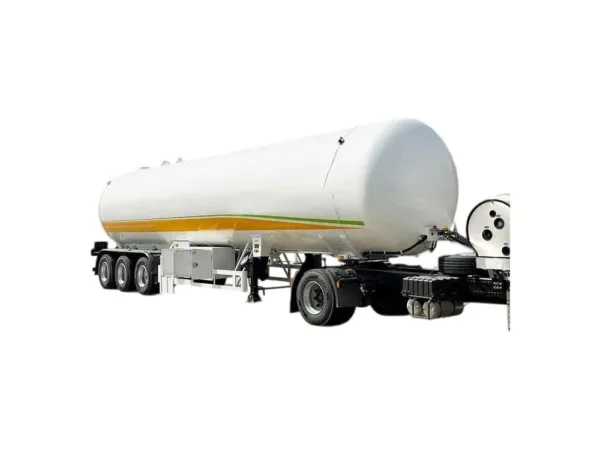
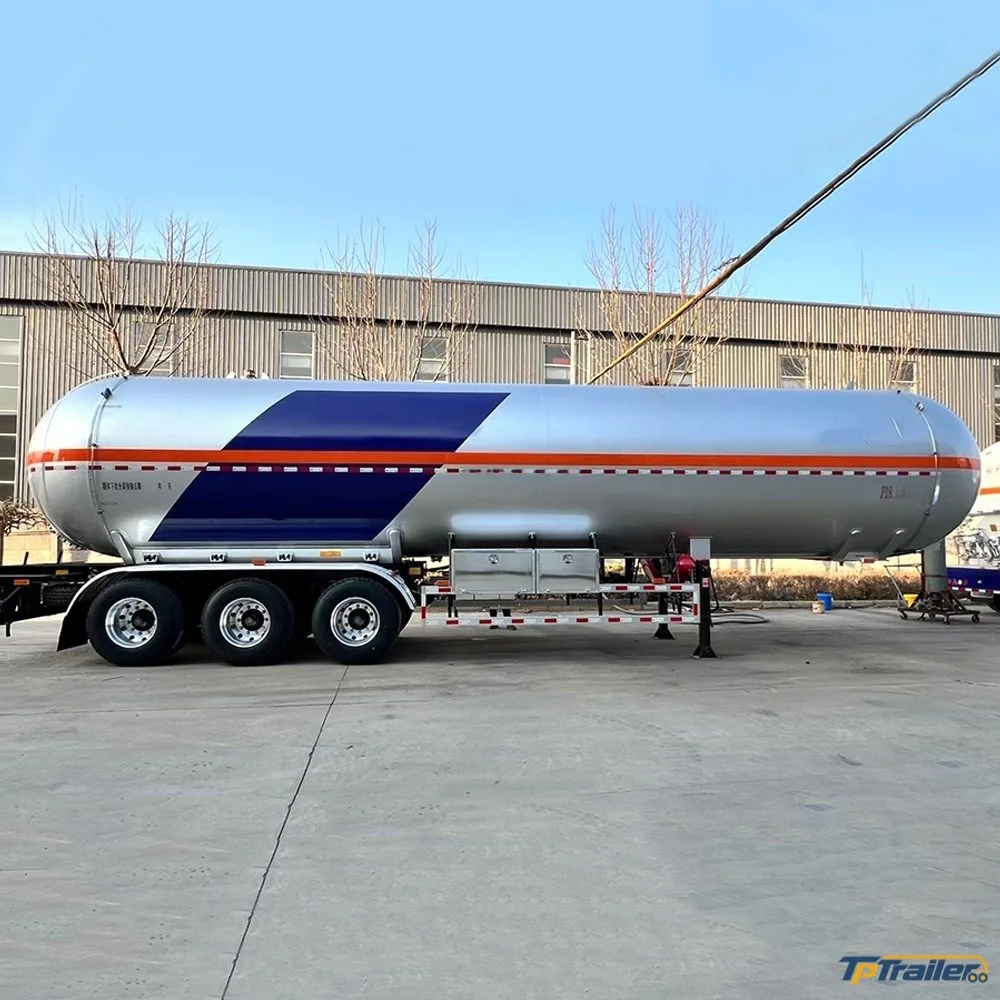
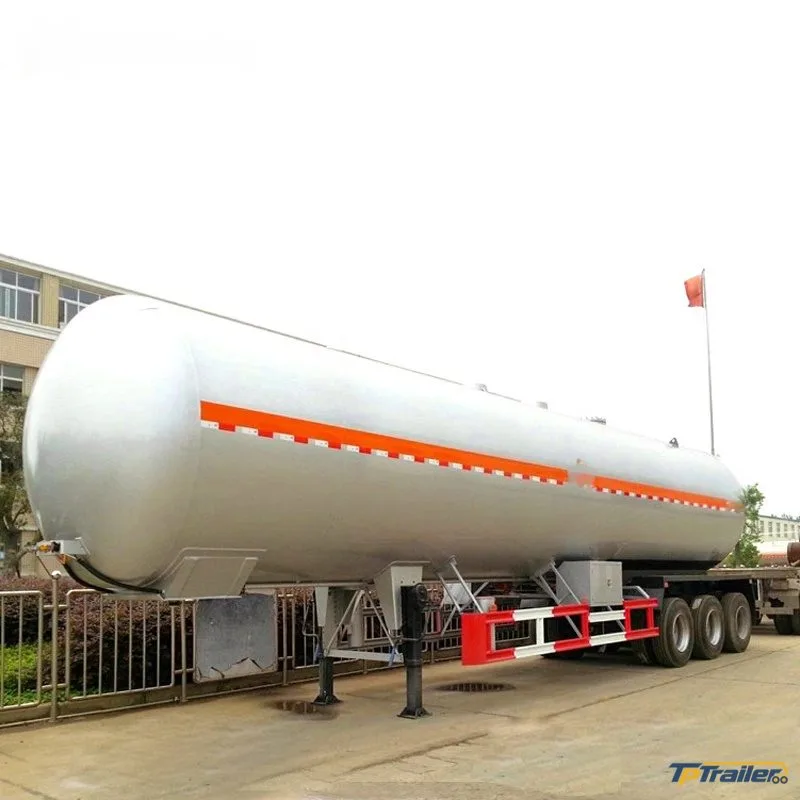
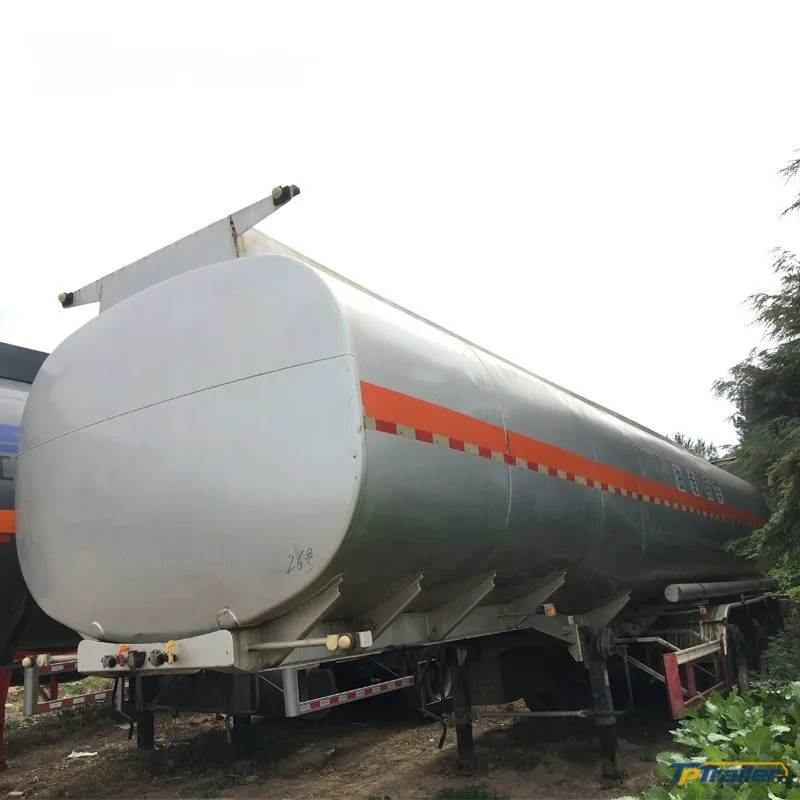
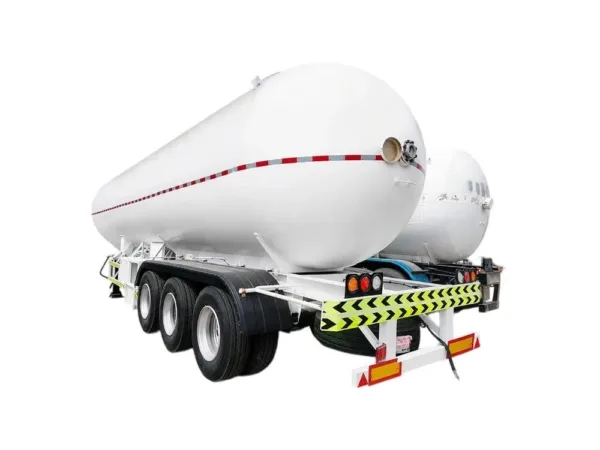
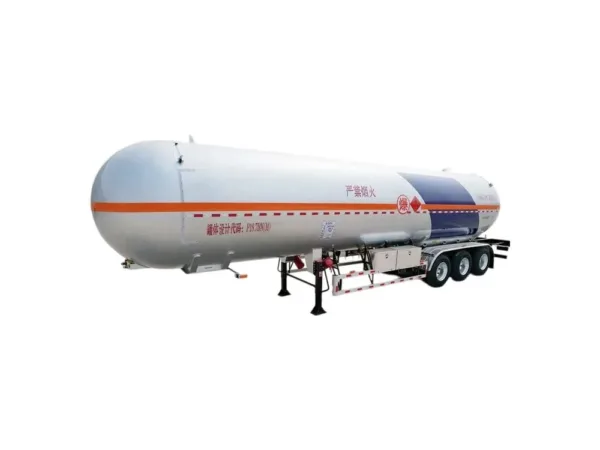
3 Axle 42000-45000 Liters LPG Tank Semi Trailer Steel Body
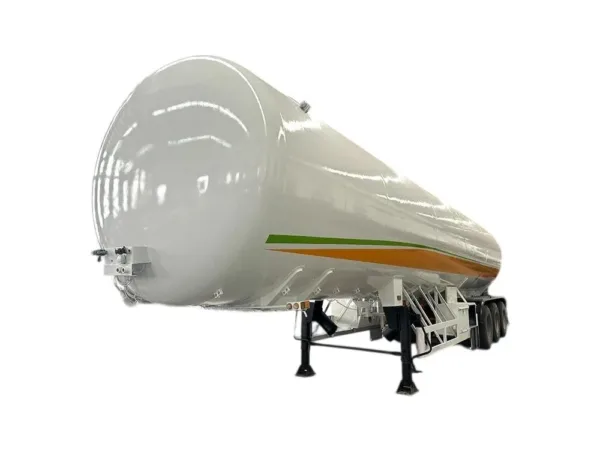
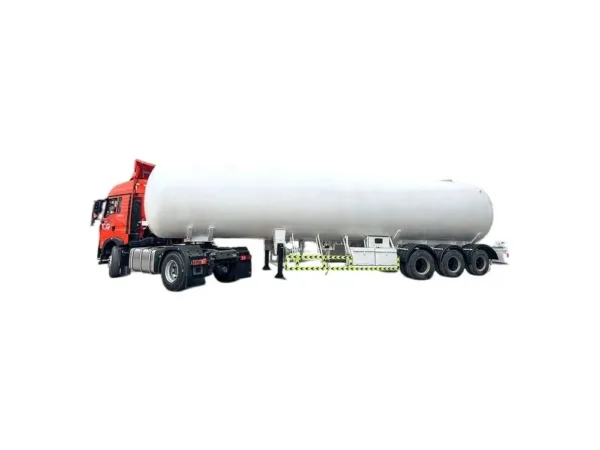
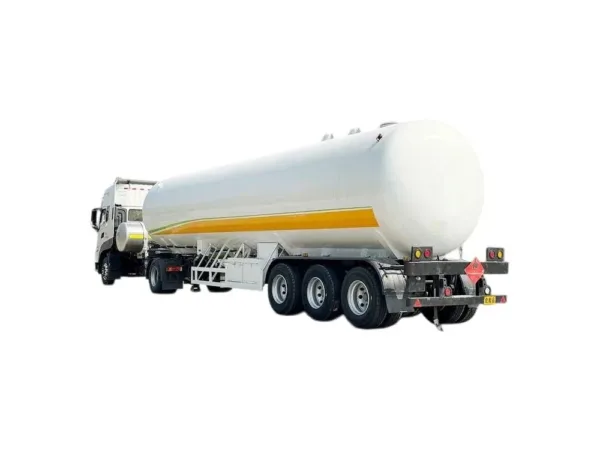
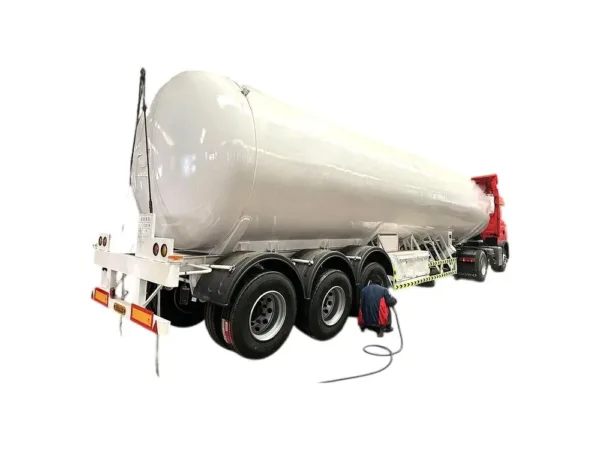
LPG tank semi trailer with 3 axles and 42000-45000 liters capacity, built in steel for fuel transport duty in Zambia. Request specifications and details.
3
FOB Reference PriceUS$6,800-10,000Final price confirmed by inquiry
Certifications
ISO 9001
Key Features
3 axle configuration with mechanical suspension for stable road handling
42000-45000 liters capacity steel tank body for bulk LPG transport
Tire options of 12R22.5 or 11.00R20 for fleet standardization
Wheelbase of 6800+1310+1310 mm for balanced load distribution
50# or 90# kingpin options to match tractor coupling
24v electrical system for standard trailer lighting
Painting in red, blue or yellow to suit fleet identification
An LPG tank semi trailer from ZW Group is built to move liquefied petroleum gas over long-haul routes where downtime costs more than the equipment itself. This three-axle steel unit is aimed at fuel distributors, gas bottling plants and fleet operators who need a dependable tanker that holds its shape under repeated loading cycles. The steel barrel construction gives the trailer a robust shell that resists the knocks of yard work and rough access roads.
Table of Contents
Buyers get a purpose-built gas carrier rather than a converted diesel tanker, which means the vessel, fittings and chassis are matched from the start. The strongest reason to choose it is straightforward: it pairs a proven three-axle running gear with a steel tank body that keeps maintenance predictable across a working season.
Why It Works On Site
Three-axle running gear with optional axle brand. A three-axle layout spreads the loaded weight across more tyres and bearings than a tandem setup, which cuts per-axle load and lets the LPG tank semi trailer stay stable on crowned or patched tarmac. Operators can pick the axle brand that matches the spares already stocked in their workshop, so a bearing or brake chamber swap does not wait on a special order.
Steel tank body on a heavy-duty frame. Steel holds its form through pressure cycling and yard knocks, so the LPG tank semi trailer keeps a predictable shell over years of fill-and-discharge work. Where a fleet runs on unpaved plant roads or tight depot corners, this material choice reduces the risk of dents that would otherwise force a tank out of service for inspection.
Mechanical suspension for rough access routes. The mechanical suspension setup is simple, serviceable and forgiving on broken surfaces, which suits gas plants and depots reached by farm tracks or industrial back roads. Fewer electronic parts mean fewer fault codes, so an LPG tank semi trailer keeps rolling when a fleet has no diagnostic technician on the night shift.
Choice of tyre specification. Two tyre options let a buyer match the LPG tank semi trailer to the surfaces it will actually meet, whether that is long highway runs or mixed tarmac and gravel. Matching rubber to route protects the tank from vibration fatigue and keeps tyre costs inside the maintenance budget instead of blowing it in one season.
Kingpin options for tractor compatibility. The two kingpin sizes let the LPG tank semi trailer couple to the tractors a fleet already owns rather than forcing a new prime mover purchase. That keeps capital focused on the tank asset, and it lets a mixed tractor pool share one trailer without adapter plates or workshop modification.
Diamond plate floor and 24V electrics. A diamond plate floor gives sure footing during hose connection and inspection, which matters on a wet or oily loading bay. The 24V electrical system matches the standard commercial vehicle architecture, so lighting and wiring faults are traced with ordinary tools and standard bulbs.
Where It Is Used
The most common duty for this LPG tank semi trailer is bulk gas transfer between a storage terminal and a bottling plant or a large industrial user. A distributor fills at the terminal, runs a highway leg, then discharges into plant storage or a cylinder filling line. The three-axle layout and mechanical suspension suit routes that mix motorway running with a final stretch of depot road or industrial estate tarmac.
Because the tank is steel, the unit tolerates the repeated coupling and uncoupling that comes with shuttle work, where a trailer may swap tractors several times a week. Fleet operators also use it for seasonal peaks, moving additional gas capacity when demand rises and the fixed storage at a site cannot keep up.
Beyond terminal-to-plant shuttling, the LPG tank semi trailer fits regional distribution work where a single trailer serves several drop points in a day. That pattern rewards predictable maintenance and easy parts access more than outright speed, which is where the optional axle brand and standard electrical system earn their keep. Operators running mixed fleets also value the kingpin choice, since one trailer can slot behind whichever tractor is free that morning. In heavy industry, the unit can serve as a buffer vessel on wheels, holding product between a refinery gate and a downstream user. In each case, the job is the same: move gas safely, keep the trailer in service, and avoid unplanned workshop time.
Choosing The Right Spec
Capacity band for the duty cycle. The trailer is offered across a range of tank sizes, so the first decision is how much gas a single run must carry against how often the route repeats. A larger tank suits long-haul terminal runs with few drops, while a smaller one keeps the LPG tank semi trailer agile for multi-drop city and regional work where full loads are rare.
Axle quantity against payload. The build allows a range of axle counts, and each step changes how the loaded weight is shared. More axles help where regulations or road conditions demand lower per-axle loading, while fewer axles trim tare weight. Match the LPG tank semi trailer axle count to the payload band and the roads it will use.
Suspension and tyre pairing. Mechanical suspension pairs naturally with the tyre options, and the right combination depends on whether the LPG tank semi trailer spends most of its life on sealed highway or on mixed surfaces. Buyers running long highway legs can lean toward the specification that favours ride and tyre life, while depot-heavy routes favour rugged, easily replaced components.
Paint, kingpin and axle brand. Colour choice helps a fleet keep the LPG tank semi trailer identifiable in a shared yard, and the kingpin option should match the tractors already in service. Axle brand selection should follow the spares a workshop already stocks, so routine service stays quick and the trailer returns to hauling without a parts delay.
Customisation Before Delivery
The number of axles on your LPG tank semi trailer is settled at order confirmation. The build supports a range from two to four axles, so you can match the trailer to your tractor unit and your usual payload. More axles spread the load across the road; fewer axles keep the tare weight down. Tell us the axle count you need when you place the order.
Suspension type is chosen at order confirmation. The standard build uses mechanical suspension. This suits steady highway running and keeps the setup simple to service. If your route mixes in rough surfaces, say so when you order, and the suspension choice is fixed in the same conversation. No change is made after the build starts.
Tyre specification is an option you confirm with the order. The trailer can be fitted with either of the tyre sizes listed for this model. Your choice should follow what your workshop already stocks, so spares stay interchangeable across your fleet. Tyre size is locked at order confirmation along with the axle count.
Paint colour is optional and confirmed at order confirmation. Red, blue and yellow are the listed choices. A consistent colour across the fleet makes the LPG tank semi trailer easy to identify in a yard and simple to route to the right driver. Colour does not change the steel shell or the tank itself.
The kingpin size is matched to your tractor at order confirmation. Both common kingpin sizes are offered for this LPG tank semi trailer. Getting this right up front avoids an adapter or a workshop visit on arrival. State your tractor’s coupling size with the order, and the build is set to suit it.
Fitting And Installation
On arrival, the buyer has to match the trailer to the tractor and to the site. Check the kingpin size against the fifth wheel before the first coupling. Confirm the wheelbase against the turning space at your loading bay. Look at the suspension type against the ground you will cross. The electrical system runs on the stated voltage, so check the tractor’s socket and the light plug match. Walk the hose and pipe routing before filling. The LPG tank semi trailer is a pressure vessel on wheels, so every connection point deserves a slow, deliberate check rather than a quick hook-up.
This page does not publish a fitment drawing, torque values or tube sizes. Those are confirmed at quotation, when the axle count, suspension and kingpin are fixed. A wrong size costs downtime. A kingpin that does not match the tractor keeps the LPG tank semi trailer parked. A tyre size your workshop does not stock means a wait for a spare. A mismatched electrical plug means no lights and no legal night running. Settle the fitment data before the build, and the arrival check becomes a short routine instead of a repair job.
Service Life And Maintenance
The tyres wear first on any LPG tank semi trailer. Inspect tread depth and sidewall condition on a fixed schedule, and check pressures when the trailer is cold. Uneven wear points to axle alignment or suspension trouble. Keeping the tyre specification consistent across the fleet makes replacement simple and keeps spare stock useful. Replace tyres in axle pairs where wear is uneven.
Brake and wheel-end parts are the next wear point. Inspect drums, linings and wheel bearings at each service. Listen for drag or rumble on the road. The mechanical suspension on this LPG tank semi trailer has few moving parts, which keeps inspection quick. Check spring leaves and hangers for cracks at the same time. Catching wear early keeps the trailer off the roadside.
The steel shell and the diamond plate floor carry the daily load. Wash the LPG tank semi trailer after hauling corrosive or salty cargo. Inspect the floor plate for dents, cracks and loose fixings. The paint colour you chose at order confirmation is also your first defence against rust, so touch up chips before they spread. A clean, painted surface lasts longer than a bare one.
Check the kingpin, the landing gear and the coupling area at every service. Look for play, cracks and loose bolts. Grease the kingpin on the schedule your workshop sets. A worn kingpin on an LPG tank semi trailer is a safety item, not a comfort item. Report any movement to your workshop before the next loaded run. Small checks here prevent large repairs later.
Inspect the electrical system and the lights before each trip. The stated voltage must match the tractor feed. Check the plug, the cable run and every lamp. Water in a connector is a common fault on any LPG tank semi trailer. Dry and seal connections when you find corrosion. A working light set keeps the trailer legal and visible on night runs.
Packing And Container Loading
Each LPG tank semi trailer leaves the works with the barrel, walkway and cabinet surfaces wrapped in protective film. Steel and aluminum panels are wiped and coated before wrapping, so road spray and salt air during the sea leg cannot mark the finish. The kingpin, landing gear legs and suspension pivots are greased and capped. Lamps and electrical connectors are bagged and tied back against the frame. Small parts such as mudguards, toolbox lids and spare wheel carriers travel in a marked crate strapped inside the chassis. The buyer should confirm the wrapping grade in writing, because film that is too thin will not survive a long voyage on deck.
Loading depends on the unit and the vessel. A complete LPG tank semi trailer is a long, wide, heavy item; it is normally rolled or lifted into a flat rack or a break-bulk hold rather than a standard box. Axles, suspension and landing gear stay fitted, so nesting and stacking are not possible for finished units. Where buyers order several trailers, the supplier can quote knocked-down shipping with the barrel separate from the running gear. That saves volume but adds assembly work at destination. Ask for the loading plan, the lifting points and the lashing scheme before booking freight.
Common Mistakes Buyers Make
Ordering the wrong tank volume. A buyer picks a capacity from a headline figure without checking the compartment layout, then finds the discharge sequence does not match the site. The single check is a written volume and compartment schedule signed off before the deposit. Confirm it against the LPG tank semi trailer drawing, not against a website title.
Ignoring the kingpin and fifth wheel match. The tractor’s fifth wheel size must agree with the kingpin fitted to the trailer. A mismatch means the unit cannot be coupled at all. Check the tractor plate and the quoted kingpin size together, and put both on the purchase order. This is the fastest way to send an LPG tank semi trailer back to the supplier.
Assuming the axle count fits the load. Buyers pick an axle quantity by habit rather than by the rated capacity they need. The check is to state the gross weight and the intended route, then confirm the axle quantity and suspension type in writing. Ask for the axle rating on the LPG tank semi trailer quotation, and compare it with the tyre specification offered.
Skipping the paint and surface specification. Colour is easy to agree; surface preparation is not. Buyers accept a colour name and later dispute finish quality. The check is to request the coating system in writing, including the primer and topcoat stages, and to inspect the first unit before the balance is paid. Do this for every LPG tank semi trailer in the batch.
Overlooking the electrical and lighting standard. A trailer wired for one market may not meet the lighting rules of another. The check is to send the destination market and the required electrical voltage to the supplier before production, and to ask for the wiring diagram. Confirm plug type and lamp layout on the LPG tank semi trailer order, then test every circuit on arrival.
Buyer Questions
Can the trailer be shipped in a standard container?
A complete unit is too long and too wide for a standard box, so it moves on a flat rack, in a break-bulk hold or by roll-on roll-off vessel. Ask the supplier for the overall length, width and height, then give those figures to your freight forwarder before you book. If you order several units, ask whether a knocked-down arrangement is possible. That option changes the packing, the loading plan and the work needed at destination, so confirm it at quotation.
What should I inspect when the unit arrives?
Check the wrapping and coating for transit damage first, then the kingpin, landing gear and suspension for secure lashing marks. Test every lamp circuit and the connector. Confirm the tank fittings, cabinet locks and walkway are as ordered. Compare the delivered LPG tank semi trailer against the approved drawing, not against the sales title. Photograph anything that differs before you move the unit, and report it to the supplier with the shipping documents while the cargo is still under the carrier’s responsibility.
Which documents should come with the shipment?
Expect a packing list, a commercial invoice, the bill of lading and any certificate the destination market requires for the LPG tank semi trailer. The exact certificate set depends on the importing country and is confirmed at quotation. Ask the supplier early, because some documents must be issued before the vessel sails. Keep the chassis and tank identification numbers on file, and check them against the paperwork on arrival. Missing or mismatched documents can delay registration long after the trailer is unloaded.
Send us the overall length you need, the axle count and the quantity you plan to order. Tell us the destination market and the intended duty. With those three points we can confirm the configuration, the packing method and the loading plan for your LPG tank semi trailer, and return a written quotation against your specification.
We use cookies to enhance your browsing experience, serve personalized content, and analyze our traffic. By clicking "Accept All", you consent to our use of cookies. Privacy Policy
Cookie Preferences
Required for the website to function properly. Cannot be disabled.
Help us understand how visitors interact with the website (Google Analytics).
Used to deliver personalized ads and measure ad campaign effectiveness.
















Write a Review