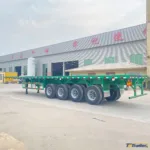
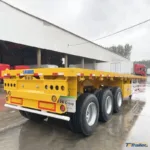
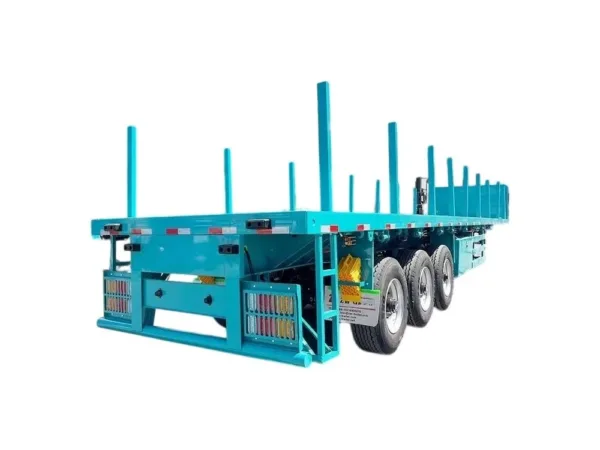
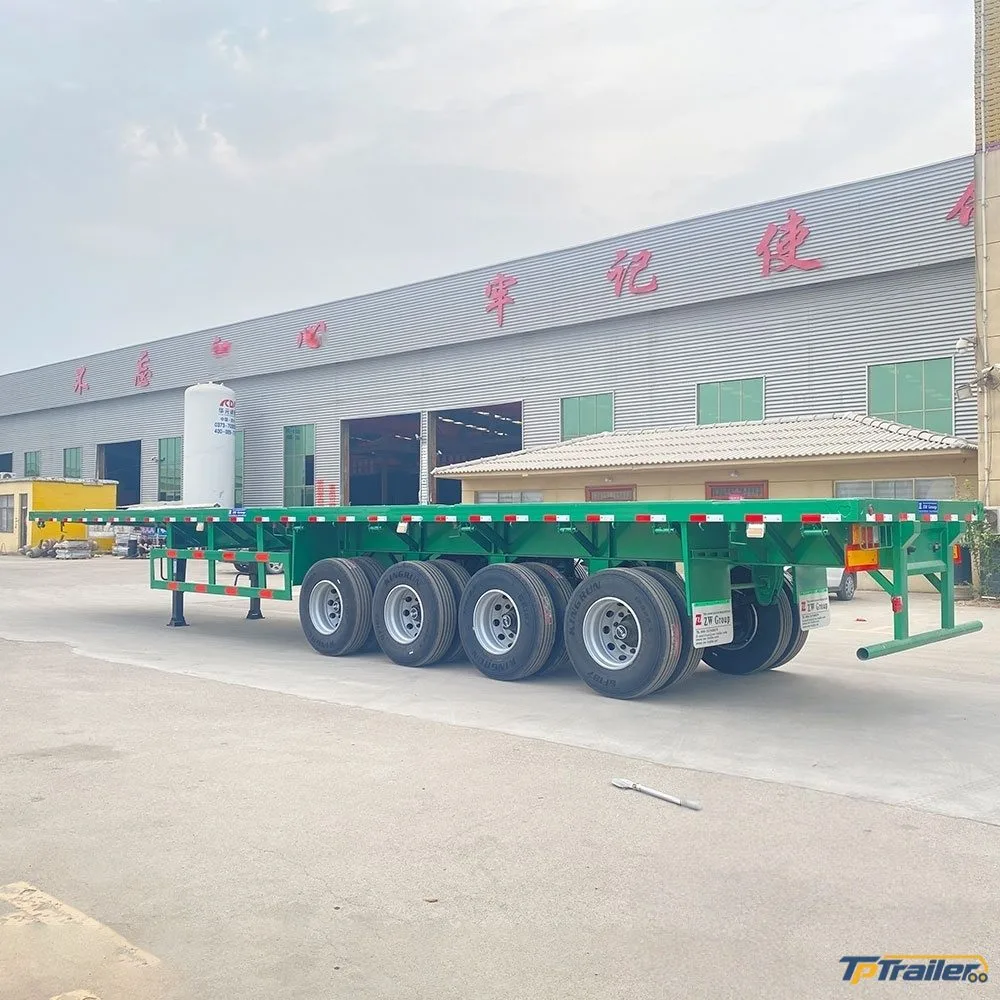
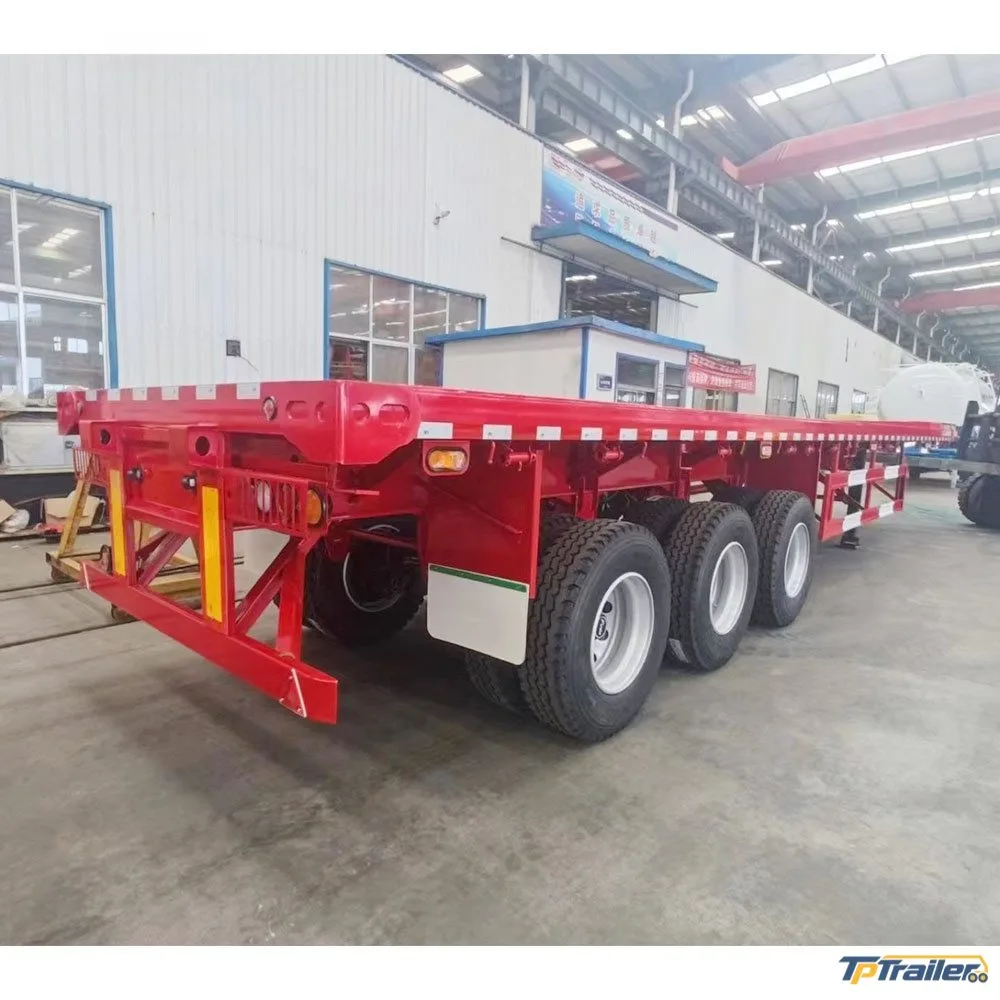
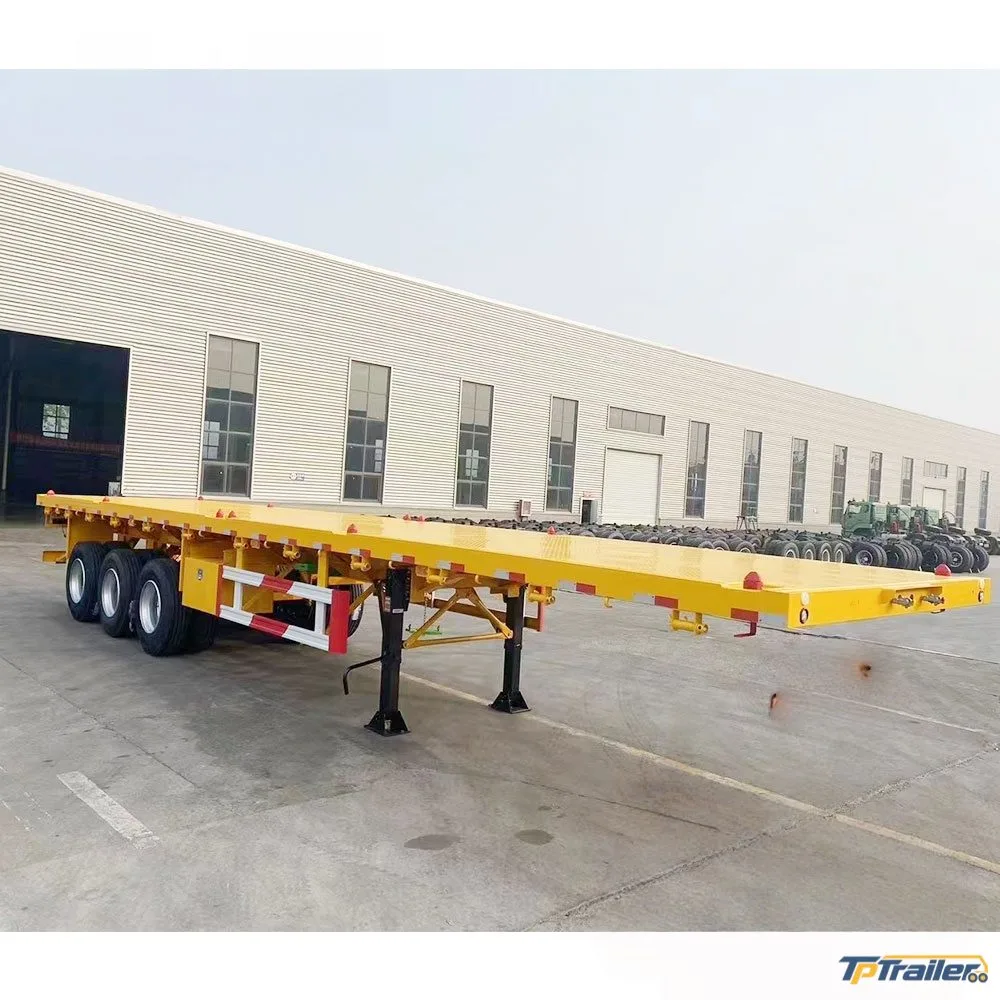
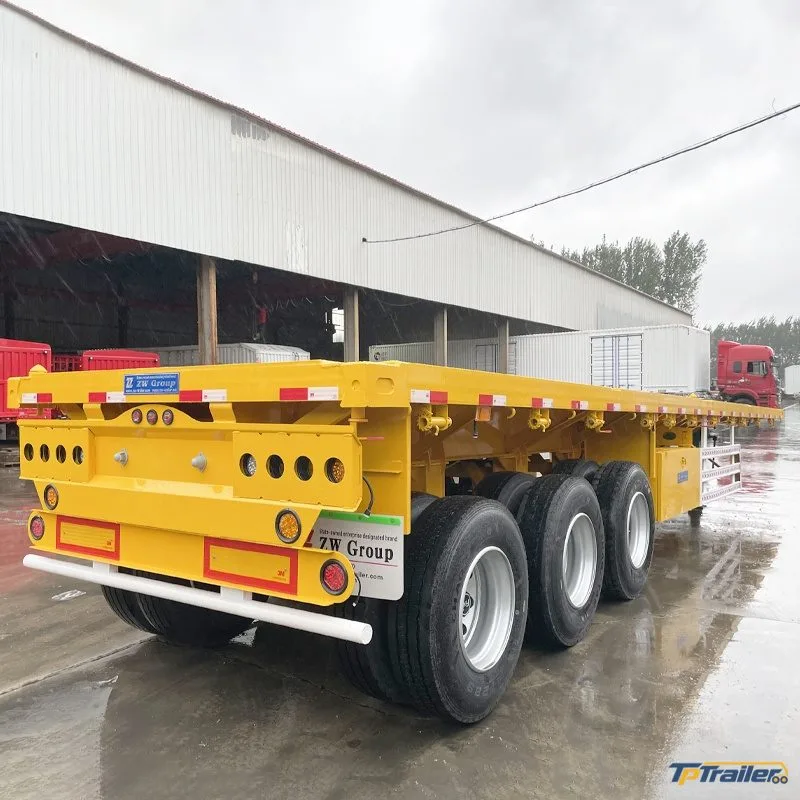
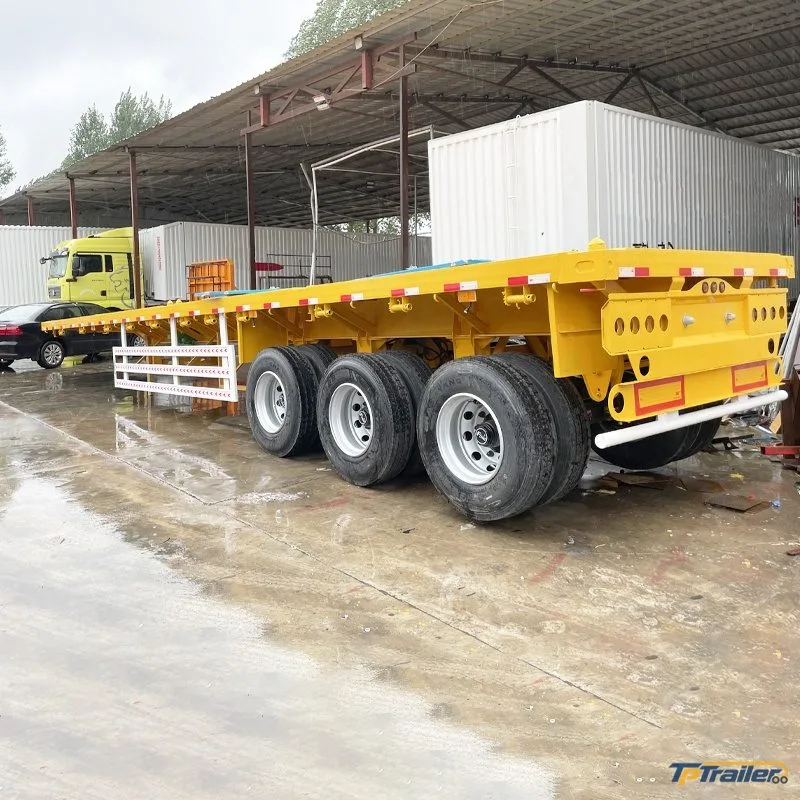
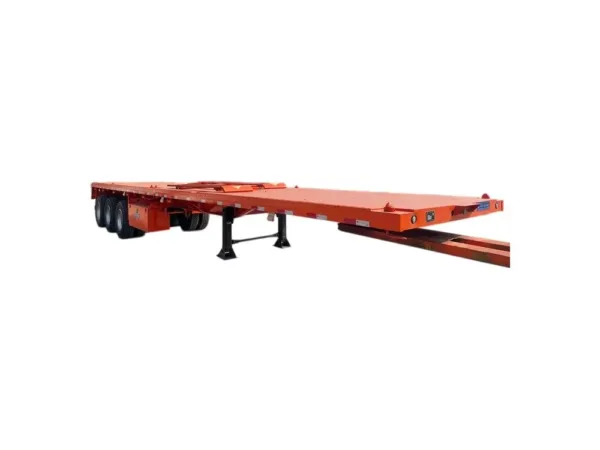
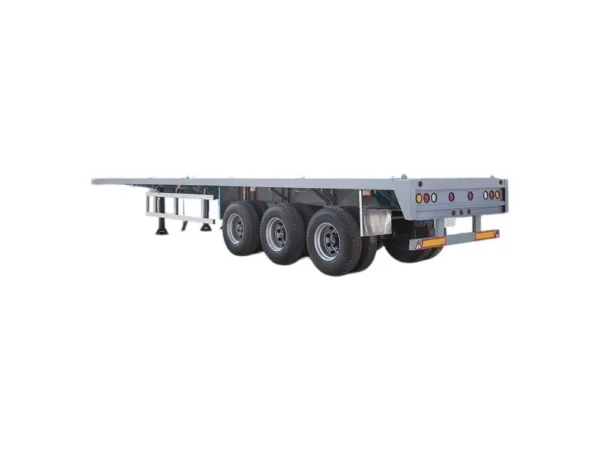
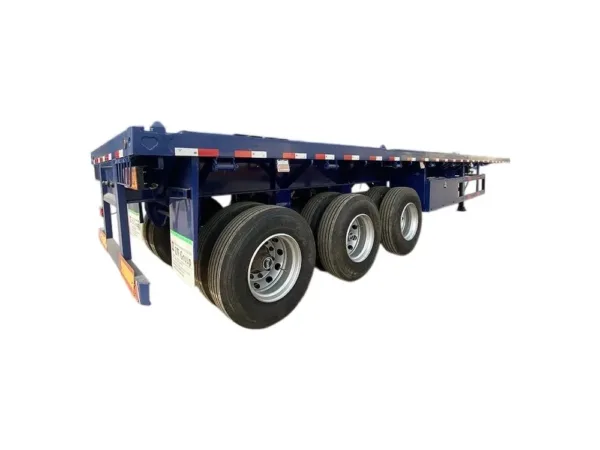
A flatbed semi trailer is the open-deck workhorse that carries what a box trailer cannot: steel coils, timber, containers, machinery and oversized loads that need loading from the side or above. ZW Group builds this three-axle unit for fleet operators and freight contractors who move mixed cargo and cannot afford a deck that limits what they accept. Its strongest argument is the load rating: a 60T capacity on a flat, unobstructed platform means heavy industrial freight and general cargo run on the same trailer. The open deck keeps loading flexible, and the mechanical specification stays simple to service in any workshop.
Table of Contents
Why It Works On Site
The load capacity sets the ceiling for every job. A 60T rating means the deck is built for dense freight such as steel plate, coil and stone, not just palletised goods. Operators can quote heavy hauls without checking whether the trailer is rated for them, which widens the work a single flatbed semi trailer can accept across a fleet.
The 3mm floor balances weight and wear. A floor at this thickness carries concentrated point loads from machinery feet and steel edges without adding dead weight the tractor has to pull. It resists abrasion from dragged cargo and keeps the deck flat enough for forklift travel, so loading cycles stay quick on busy yards.
12R22.5 vacuum tires handle mixed road surfaces. This tire size is common and easy to source, so a puncture on a regional route does not sideline the trailer for days. Vacuum construction gives stable sidewall behaviour under load, which matters when a loaded flatbed semi trailer runs long highway legs and rough site access roads in the same trip.
The 9.0-22.5 rim matches the tire and axle duty. Rims sized to the tire and the three-axle load spread keep heat and flex predictable on long hauls. Fleet managers get a wheel package that is straightforward to inspect and rotate, which reduces unplanned downtime and keeps the flatbed semi trailer earning on scheduled routes.
Common mechanical suspension keeps maintenance simple. Mechanical suspension has fewer components than air systems and can be serviced by most workshops without specialist diagnostics. For operators running mixed fleets, that means the flatbed semi trailer stays repairable locally, and drivers already familiar with leaf-and-shackle behaviour need no retraining.
2\” or 3.5\” kingpin and 1840mm wheel base suit standard tractors. The kingpin choice lets the trailer match the fifth wheel already in the yard, while the wheel base keeps tracking stable when the flatbed semi trailer is fully loaded. Buyers avoid adapter hardware and keep coupling checks simple during pre-trip inspection.
Where It Is Used
Construction and steel supply chains are the most common home for a flatbed semi trailer. Rebar bundles, steel coils, plate, pipe and structural sections load from the side or overhead by crane, which a box trailer cannot accommodate. On depot-to-site runs, the open deck lets a forklift place bundles directly where the driver wants them, and the 60T load capacity covers dense steel without splitting the consignment across two vehicles.
Sites receiving prefabricated frames, scaffolding or concrete elements also rely on the flat deck because awkward shapes overhang or sit flat rather than needing a custom cradle. The mechanical suspension and standard tire size suit the mix of highway and unsealed access roads typical of construction logistics, where a flatbed semi trailer often finishes the last leg on gravel or packed earth.
Container and general freight operators use the same trailer for a different pattern of work. A flatbed semi trailer carries 20ft and 40ft containers secured to the deck, and between container jobs it hauls timber, bagged goods, machinery and palletised freight that shippers want loaded by crane or from the side. That flexibility matters on backhaul routes, where a dedicated container chassis would return empty. Regional distribution yards also use the open deck for oversized items that exceed box trailer dimensions, such as tanks, generators and agricultural equipment. Because the deck is flat and unobstructed, loading crews can spread weight along the length and secure it with chains or straps at multiple points, which keeps turnaround short on high-frequency routes.
Choosing The Right Spec
Match the load rating to your densest cargo. The 60T capacity covers heavy steel, stone and machinery, but operators hauling mostly light palletised goods may find a lower-rated trailer adequate. Choose based on the heaviest regular load, not the average, because the flatbed semi trailer must handle the worst case in your book of work.
Pick the kingpin to match your tractors. The 2\” and 3.5\” options correspond to different fifth wheel setups in a fleet. Confirm what your tractor units already run before ordering, so a new flatbed semi trailer couples without adapters and every driver in the pool can hook up without special instruction.
Decide the floor and deck use together. The 3mm floor suits general cargo and steel, but operators who regularly drag abrasive loads should weigh how much deck wear they expect. Consider how you secure loads and whether forklifts will run on the deck, since that shapes how long the floor lasts between inspections on a working flatbed semi trailer.
Weigh tire and rim choice against your routes. The 12R22.5 vacuum tire and 9.0-22.5 rim are a matched package suited to highway and mixed-surface work. Operators running mostly smooth trunk routes and those facing rough site access should confirm this combination fits their duty cycle before specifying the flatbed semi trailer for their fleet.
Customisation Before Delivery
Axle count and load rating. The three-axle layout is the starting point for this flatbed semi trailer, and the running gear is matched to the load rating you declare. Buyers hauling lighter, high-volume cargo sometimes ask for a different axle arrangement. Every change is written into the order confirmation, so the build sheet and the trailer leaving the line agree.
Deck length and floor. Deck length is set against the cargo you carry most often. The floor plate thickness shown in the specification is the standard build, and the surface is laid to suit the load. If your freight concentrates weight in one zone, say so at order confirmation. The flatbed semi trailer deck is then planned around that pattern rather than a generic layout.
Suspension type. The common mechanical suspension is the default on this flatbed semi trailer. It suits steady highway work and mixed routes where simple, serviceable running gear is preferred. Buyers who want a different suspension character raise it during quotation. The choice is fixed at order confirmation, together with the axle and tyre package it has to work with.
Tyres and rims. The vacuum tyre and rim sizes listed in the specification form the standard set. Tyre and rim choices are settled as one package, because the two must match. Tell us the road surfaces and typical load per axle at order confirmation, and the flatbed semi trailer is specified around that duty rather than a default set.
Colour and kingpin. Paint colour follows your request, so fleet livery can be matched without a repaint later. The kingpin is offered in the two traction pin sizes shown in the specification. Confirm the size your tractor runs at order confirmation. Both the colour and the kingpin choice are locked in before production on the flatbed semi trailer begins.
Fitting And Installation
Fitting starts with the tractor, not the trailer. Before the flatbed semi trailer is coupled, check the fifth wheel height, the kingpin size you ordered and the clearance around the deck. The kingpin must seat fully in the jaws with the locking handle closed. Confirm the landing gear clears the ground when raised and that the mudguards sit clear of the tyres through full suspension travel. If any of these do not line up, stop and check the order confirmation before coupling. A mismatch found at this stage costs an hour. A mismatch found on the road costs a recovery truck and a lost load.
This page gives no fitment drawing, torque value or hose routing data, so none is invented here. A fitment drawing is confirmed at quotation instead, showing mounting points, tube size and hose routing for your tractor and equipment. Work from that drawing when the flatbed semi trailer arrives. Route air lines and electrical cables with slack for articulation, and keep them clear of sharp edges and hot surfaces. Check wheel nut torque against the figure in your workshop manual, not a guessed number. A wrong tube size or a misrouted hose means downtime, a failed brake check and a trailer that cannot leave the yard.
Service Life And Maintenance
Tyres wear first. On any flatbed semi trailer the tyres are the fastest-wearing item, and uneven wear points to alignment or pressure trouble. Inspect tread depth and sidewalls at each pre-trip check. Keep pressures matched across an axle pair. The vacuum tyre set specified for this trailer is chosen for highway duty, so rotation and pressure discipline are what stretch the interval between replacements.
Brake and air lines. Air lines, couplings and brake chambers take constant flexing, so they age before the steel does. Look for chafing, cracks and loose fittings at every service. A slow leak shows up as poor brake release. Route and clip lines as shown on the fitment drawing, and replace damaged hose rather than patching it on the flatbed semi trailer.
Deck floor and coating. The steel floor takes loading impact and abrasion. Walk the deck looking for dents, lifted plate edges and worn paint. The colour finish you request is also the first barrier against corrosion, so touch up chips before rust starts. A clean, coated deck on the flatbed semi trailer lasts longer and keeps cargo sliding predictably during loading.
Suspension and bushes. The common mechanical suspension is simple, and that is its strength. Inspect leaf springs, shackles and bushes for cracks, wear steps and loose clamps. Grease the points your manual lists. Worn bushes let the axle move out of line, which then shows up as tyre scrub. Catching them early on the flatbed semi trailer protects both the tyres and the spring packs.
Kingpin and coupling area. The kingpin and fifth wheel plate carry the highest point load on the flatbed semi trailer. Clean and inspect the pin for wear grooves, and check the plate for cracks around the jaws. Grease the pin and plate as part of routine service. A worn kingpin is a coupling risk, so replace it rather than running it to the limit.
Packing And Container Loading
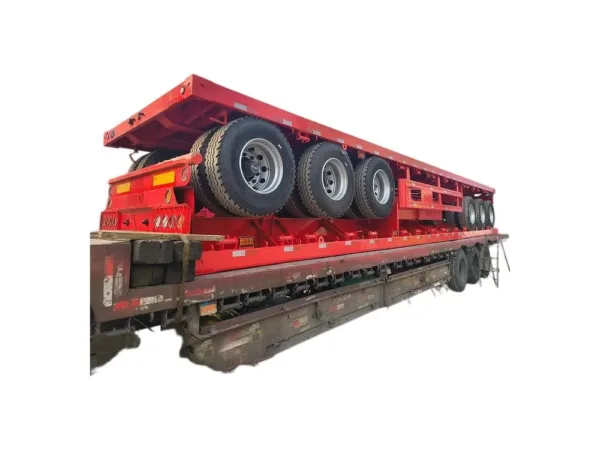
A flatbed semi trailer ships as a rolling unit or in knocked-down form. For sea freight, the chassis frame is cleaned and coated at contact points, and exposed surfaces are wrapped where handling is likely. The deck floor is protected against scuffing during loading. Loose items such as the traction pin, spare tire carrier parts and small fittings are crated and labelled. Every flatbed semi trailer is secured to the container floor or vessel deck with lashings at the frame, not at the axles alone. Buyers should ask for loading photos before departure, because a flatbed semi trailer that shifts in transit can bend suspension brackets and damage the kingpin area.
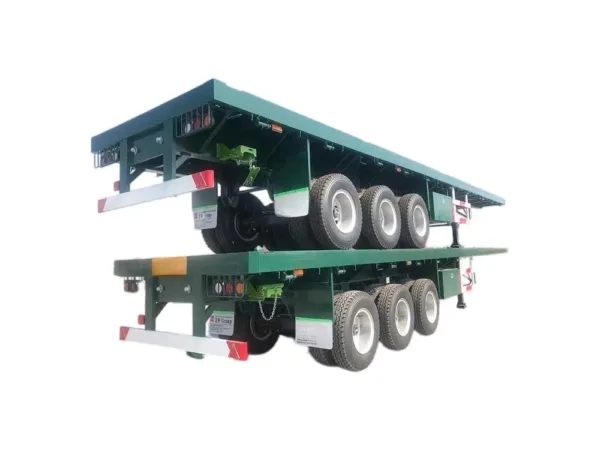
Space saving depends on configuration. A complete flatbed semi trailer is normally shipped on its own wheels, so it occupies the full deck footprint and cannot be nested with another unit. Knocked-down shipments allow frames to be stacked in pairs where the design permits, with timber dunnage between decks, which lowers freight cost per unit for larger orders. The buyer should confirm the shipping method at quotation, then verify on arrival that the frame is straight, the deck floor is unmarked, the traction pin and rim set match the order, and the suspension is undamaged. Photograph the flatbed semi trailer before unloading and record any damage on the delivery note.
Common Mistakes Buyers Make
Ordering the wrong kingpin. The traction pin size must match the tractor fifth wheel in the buyer’s fleet. A mismatch means the flatbed semi trailer cannot couple safely and the part is returned. The single check: confirm the fifth wheel size on the tractor before ordering, and state the required kingpin option on the purchase order.
Ignoring the wheel base. The wheel base affects axle spacing, load distribution and turning behaviour on local roads. Buyers who skip this check find the flatbed semi trailer does not suit their routes or bridge rules. The single check: compare the quoted wheel base against the routes and axle limits the trailer will actually run.
Assuming tires and rims are interchangeable. The vacuum tire and rim sizes are matched to the axle and load rating. Fitting a different rim size later changes track width and clearance. The single check: confirm the rim and tire specification on the order and keep it on file for future replacements of the flatbed semi trailer.
Choosing suspension by habit. Common mechanical suspension suits many haulage jobs, but buyers sometimes order it without checking road conditions and load profile. The single check: describe the typical route and payload to the supplier and confirm the suspension type in writing before the flatbed semi trailer is built.
Skipping the arrival inspection. Some buyers sign the delivery note before checking the deck floor, paint and fittings. Damage found later is hard to claim. The single check: inspect the flatbed semi trailer against the packing list and photograph every panel before signing.
Buyer Questions
Can the flatbed semi trailer be shipped in one container?
It depends on the shipping form. A complete unit is normally shipped on its own wheels and needs a suitable vessel or flat rack rather than a standard container. Knocked-down frames can be packed more compactly, but the exact loading plan depends on the configuration ordered. Ask the supplier to confirm the shipping method and loading plan at quotation, and state your destination port so the packing can be planned around the flatbed semi trailer you order.
What should I confirm about the deck floor and load capacity before ordering?
Confirm the floor thickness and the load capacity together, because they work as a pair. Tell the supplier what cargo you carry, how it is distributed and whether concentrated point loads occur. Ask how the flatbed semi trailer deck is supported underneath. If your loads are heavier or more concentrated than the standard rating, raise it before production, since changing the deck after build is costly.
How do I confirm color and fittings match my order?
Color is applied according to your request, so put the color reference in writing on the purchase order and ask for a paint sample or photo before the flatbed semi trailer is finished. List every fitting in the order: kingpin option, rim and tire specification, suspension type and any add-ons. Compare the packing list against the delivered unit on arrival, and photograph the flatbed semi trailer before unloading.
To receive a quotation for a flatbed semi trailer, send the required length, the axle count and the quantity you plan to order. Add your destination port, the kingpin option and any color requirement. With those details, the supplier can confirm the configuration and the shipping method.
We use cookies to enhance your browsing experience, serve personalized content, and analyze our traffic. By clicking "Accept All", you consent to our use of cookies. Privacy Policy
Cookie Preferences
Required for the website to function properly. Cannot be disabled.
Help us understand how visitors interact with the website (Google Analytics).
Used to deliver personalized ads and measure ad campaign effectiveness.


















Write a Review