

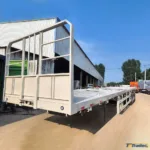
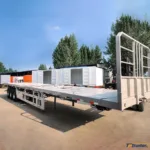
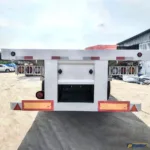
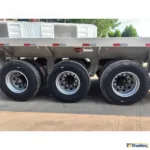
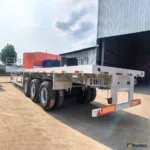
extendable 3 axle semi trailer for container transport with 60 T load capacity and 12R22.5/11.00R20 tires. Quotes available for bulk orders.
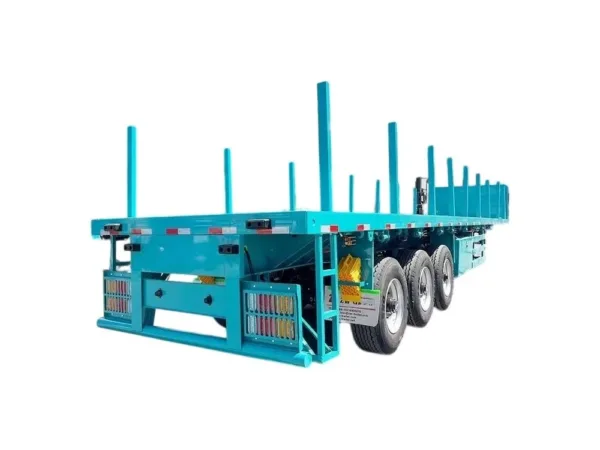


The extendable 3 axle semi trailer for container transport is a flatbed platform built to stretch and lock at different lengths, so one unit handles 20ft and 40ft boxes plus long steel pipe and bulk construction material. It suits fleet operators, steel traders and port logistics contractors who move mixed cargo and cannot justify a separate trailer for every load size. Its strongest argument is range: the same deck that carries a container today can be extended for over-length pipe tomorrow, cutting the number of units a yard needs to keep on standby.
Port and rail terminal logistics is the most common duty. An extendable 3 axle semi trailer for container transport shuttles 20ft and 40ft boxes between quay, yard and inland depots, and the adjustable deck lets the same unit take a box on the return leg instead of running empty. Dispatch teams value that flexibility because container sizes change through the week, and a fixed-length platform would sit idle when the box mix shifts. On these routes the trailer works short, repeated cycles, so simple mechanical suspension and standard tyre sizes keep turnaround predictable.

Construction material and steel distribution is the second core job. Long rebar bundles, steel pipe, structural sections and palletised bulk cargo often exceed a standard platform, and the extendable 3 axle semi trailer for container transport can be stretched to support the overhang safely within its rated load. Steel traders use it to move mill lengths to fabrication yards, while builders rely on it for bulk deliveries to site compounds. On mixed contracts, the same trailer that hauls pipe in the morning can carry a container in the afternoon, which is why operators on large cargo port logistics work keep this configuration in the fleet.
A third duty is the one that quietly decides fleet size: the backhaul. A yard that sends containers outbound and brings nothing back needs a reason to pull the empty deck home, and an adjustable length semi trailer for large cargo port logistics gives dispatch that reason, because the return leg can be quoted on whatever cargo is available rather than on the box schedule alone. Treat the trailer as a revenue platform on both legs and the per-trip economics change without any change in the tractor fleet.
Two further points belong on the same confirmation sheet. First, the load capacity range on this model family runs from 30 T to 90 T, so state the figure you need for your heaviest routine load rather than accepting a default; the 60 T rating is the reference point, and the build is then set against your cargo. Second, ask for the retracted and extended deck positions to be shown as dimensions on the order, not described in words. A written dimension is what a workshop can check on arrival, and it is the only version a dispute can be settled against.
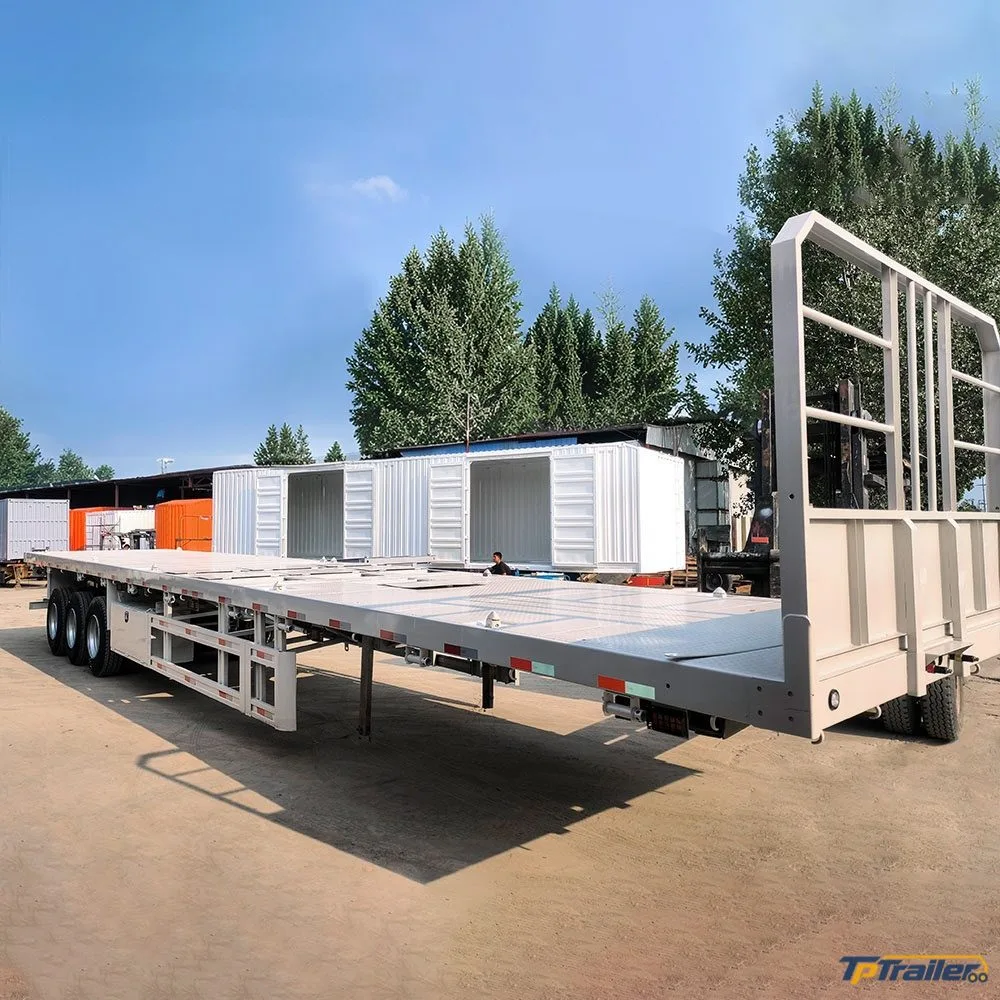
Fitting begins with the tractor, not the trailer. Before the extendable 3 axle semi trailer for container transport is coupled, check the fifth wheel height and the kingpin standard against the unit you ordered. Confirm the electrical socket matches the trailer circuit and that the air line couplings are the right type for your tractor. Walk the deck and check the container twist locks sit cleanly in their pockets. Route the air and electrical lines with slack for articulation and no chafing points. Because no fitment drawing is included in this listing, a fitment drawing is confirmed at quotation instead, so the mounting points and line routing match your tractor before the unit is built.
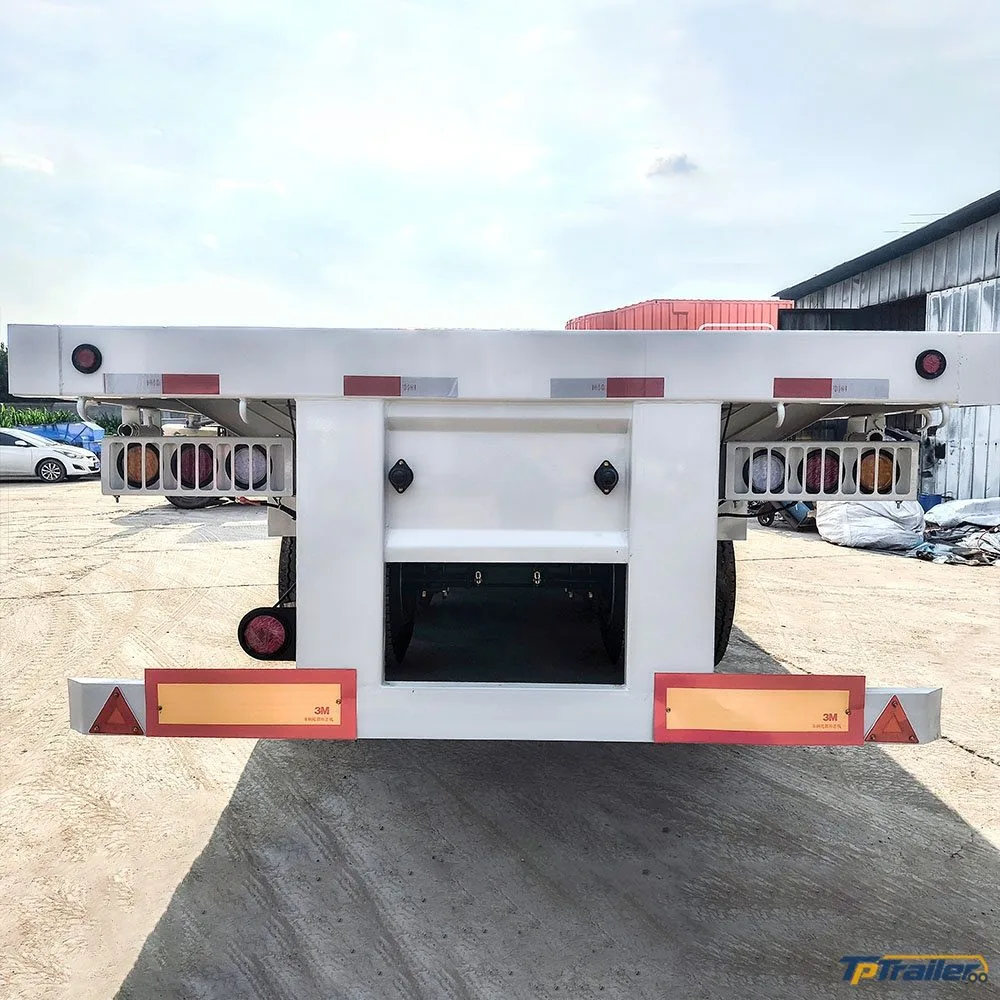
A mismatch at this stage is expensive in downtime. A kingpin of the wrong size stops coupling entirely, and a lighting circuit that does not match the tractor means the extendable 3 axle semi trailer for container transport cannot legally move at night. Air line fittings of the wrong type leak or fail to seal, and a trailer that cannot hold pressure cannot brake safely. Hose routing that rubs against the frame wears through on the road.
Each of these faults is small in itself and large in consequence, because the trailer sits idle while parts are sourced. Confirming the fitment drawing at quotation removes that risk. The adjustable length semi trailer for large cargo port logistics is then delivered ready to couple, with the connection points already matched to the tractor it will work behind.
Commissioning is the second half of fitting, and it is where a new unit earns or loses its first month. Couple the tractor, raise the landing gear clear, and test every lamp function from the cab before the trailer carries a load. Run the deck through a full extension and retraction cycle empty, listening for binding and confirming the locking pins seat in both positions. Then load a known weight and re-check coupling height and tyre pressures cold. A unit that passes these checks in the yard will not surprise a driver on the first loaded run, and the record of the checks gives the workshop a baseline for every inspection that follows.
Set the inspection intervals by duty, not by calendar. A trailer on short port cycles covers few kilometres but cycles its deck far more often than a line-haul unit, so the sliding sections and locking pins deserve the frequent look while tyres and brakes can follow distance. Record every adjustment against the unit number; a fleet running several of these trailers can then compare wear patterns and spot the route or driver that is costing the most. That record is also the evidence base for the next order, because it shows which options actually held up in your operation.
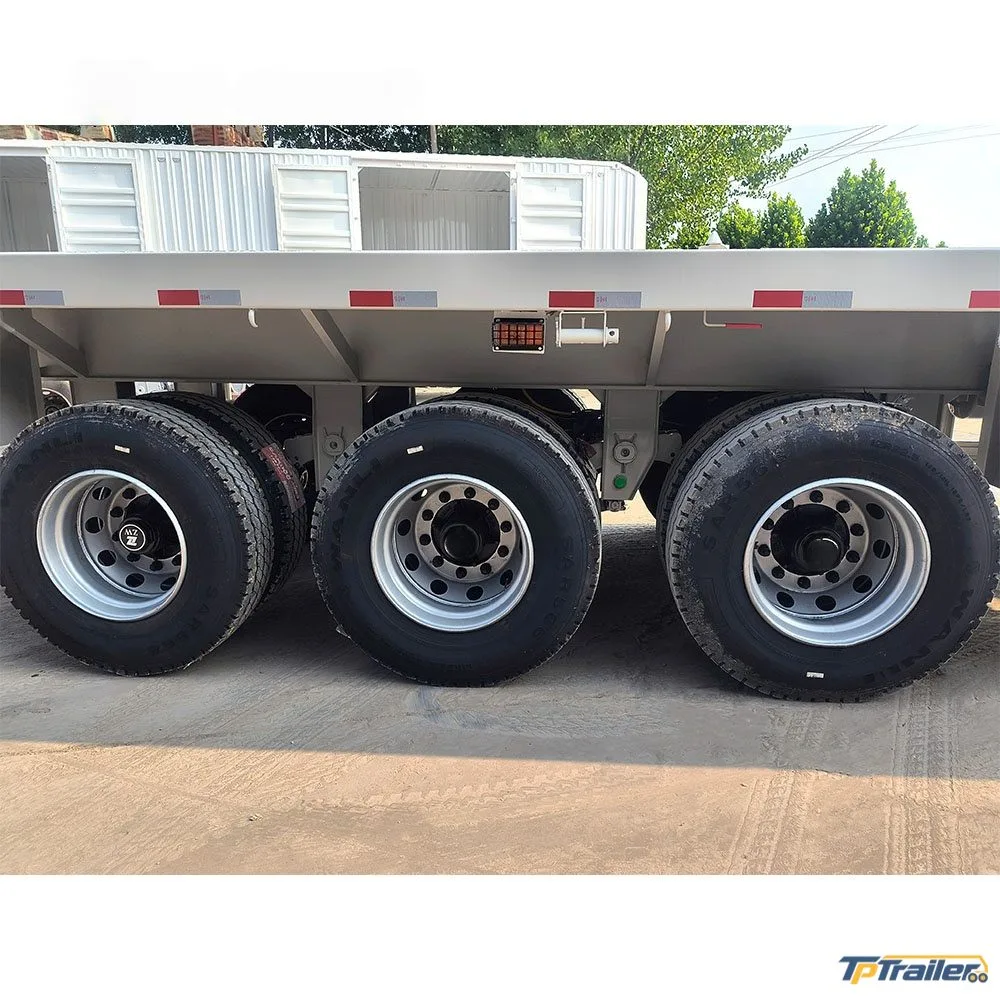
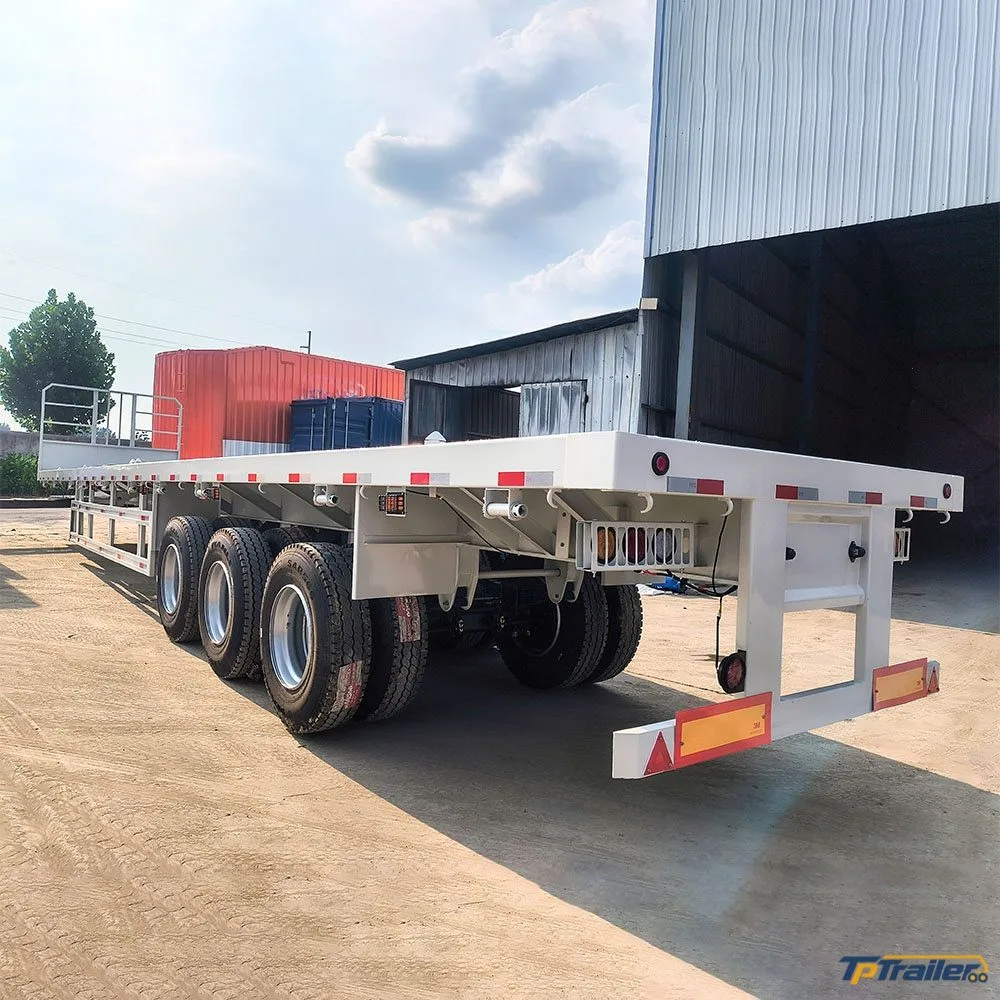
Each extendable 3 axle semi trailer for container transport is prepared for sea freight as a road-going unit, not as a crate. The chassis frame, cross members and extension beams are cleaned and coated for the voyage. Loose items such as the kingpin area fittings, suspension components and electrical harness ends are secured or wrapped so they cannot chafe against paint or wiring. An extendable 3 axle semi trailer for container transport ships with its running gear fitted, which means the wheels, axles and suspension are the parts most exposed to salt air and handling. Buyers should confirm at quotation how the deck surface and electrical system are protected for the crossing.
Nesting and stacking are not realistic for this product. The extendable 3 axle semi trailer for container transport keeps its axles, suspension and deck assembled for delivery, so each unit occupies its own footprint. Space is saved by loading units in line and by choosing a vessel or container plan that suits the overall length. An extendable 3 axle semi trailer for container transport can be shipped in a container where dimensions allow, or on deck, and the loading method is confirmed at quotation. On arrival, check frame straightness, coating condition, tyre sidewalls, electrical connectors and that all loose fittings listed on the packing note are present before signing.
Yes. The product is described as a platform for container transport and for bulk cargo such as construction material. Confirm the deck fittings and twist locks you need for the container sizes you handle, and state the load profile for bulk cargo. Ask the supplier to confirm that the deck surface and fittings suit both duties. The load capacity, axle quantity and tyre specification should be agreed together, because a platform used for mixed cargo needs a specification that covers the heavier duty.
Measure the longest cargo you intend to carry and the shortest, then give both figures to the supplier. State the axle count you want within the available range and the tyre specification you prefer. Ask for a drawing showing the retracted and extended positions. Check that the kingpin option matches your tractor and that the electrical system voltage matches your fleet. Any figure not stated in the published specification should be confirmed at quotation and written into the order.
Check the frame and extension beams for straightness and coating damage. Verify the tyre specification and tyre brand against the order, and count the axles. Test the electrical system and lighting with a tractor connected. Confirm the kingpin matches the ordered option. Compare the delivered unit against the packing note for loose fittings. Photograph any discrepancy before unloading and raise it with the supplier immediately, because claims are easier to settle before the unit enters service.
To receive a quotation, send the extended and retracted length you need, the axle count you require and the quantity you plan to order. Add your preferred tyre specification, kingpin option and electrical system voltage. With those details, the supplier can confirm the specification of your extendable 3 axle semi trailer for container transport and the price tier that applies.
Explore more extendable 3 axle semi trailer for container transport in this range.
| Load Capacity | 60 T | Type | Semi-Trailer |
|---|---|---|---|
| Max Payload | 60 ton | Place of Origin | China (Mainland) |
| Province | Guangdong | Use | Truck Trailer |
| Material | Steel | Size | 12400X2500X1550mm |
| Dimensions | * * | ||
No reviews yet — click the Review button on the right to share your experience with this product.












Fill in the form below and our team will respond within 24 hours.
Write a Review