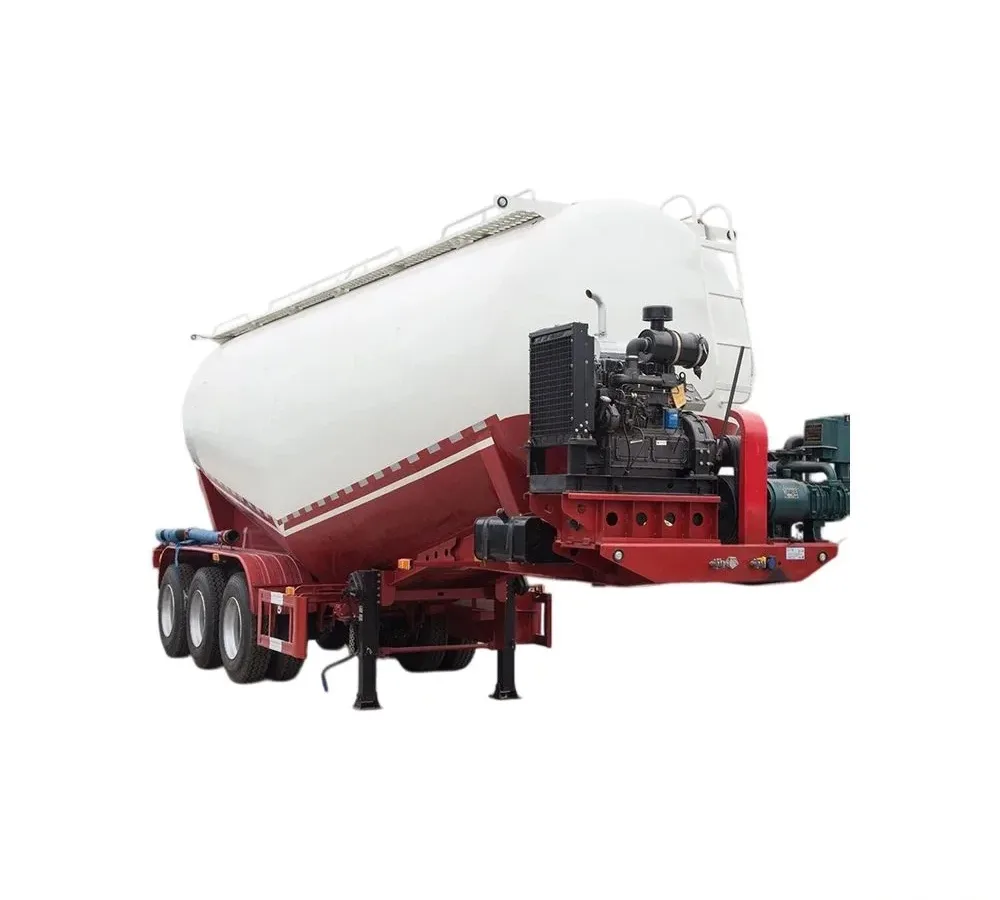
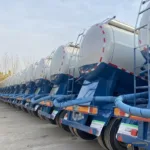
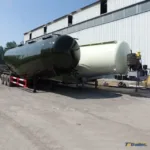
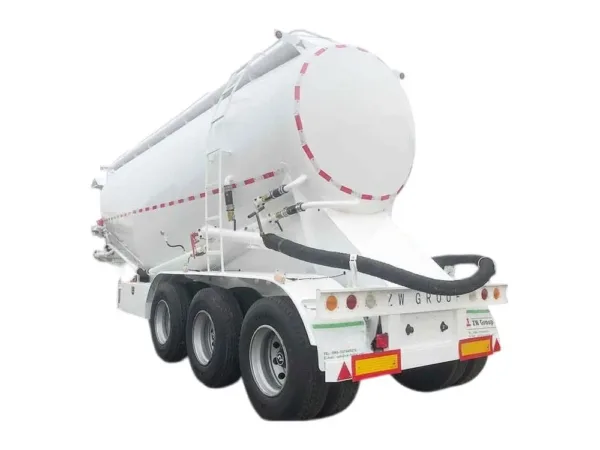
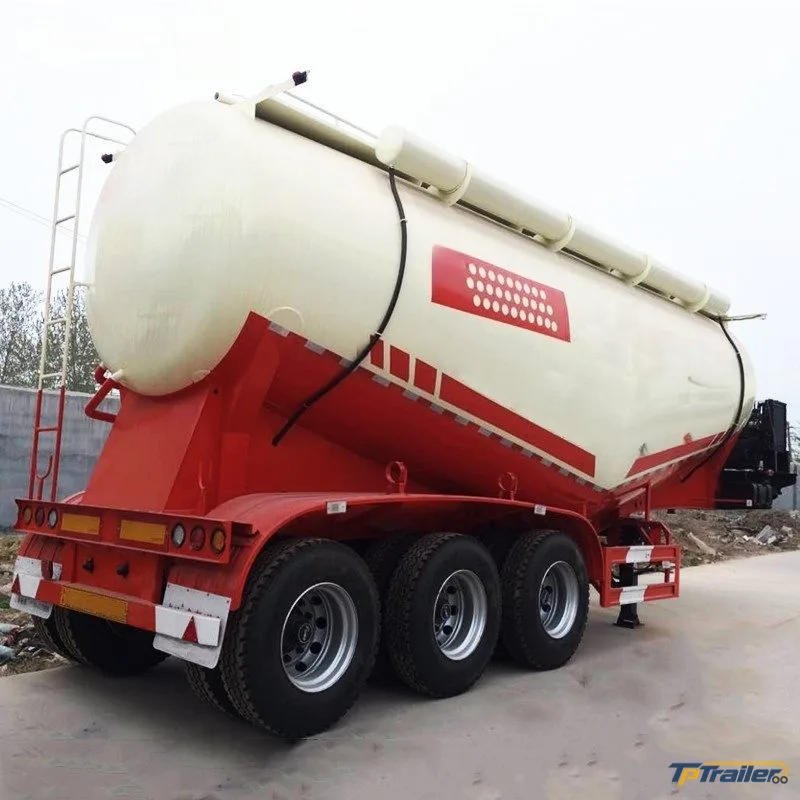
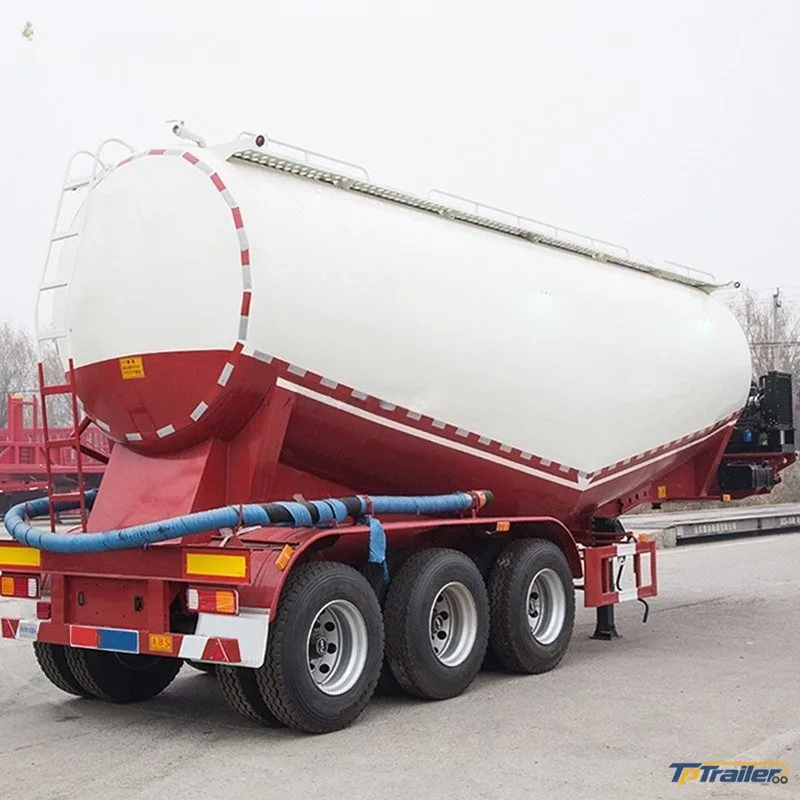
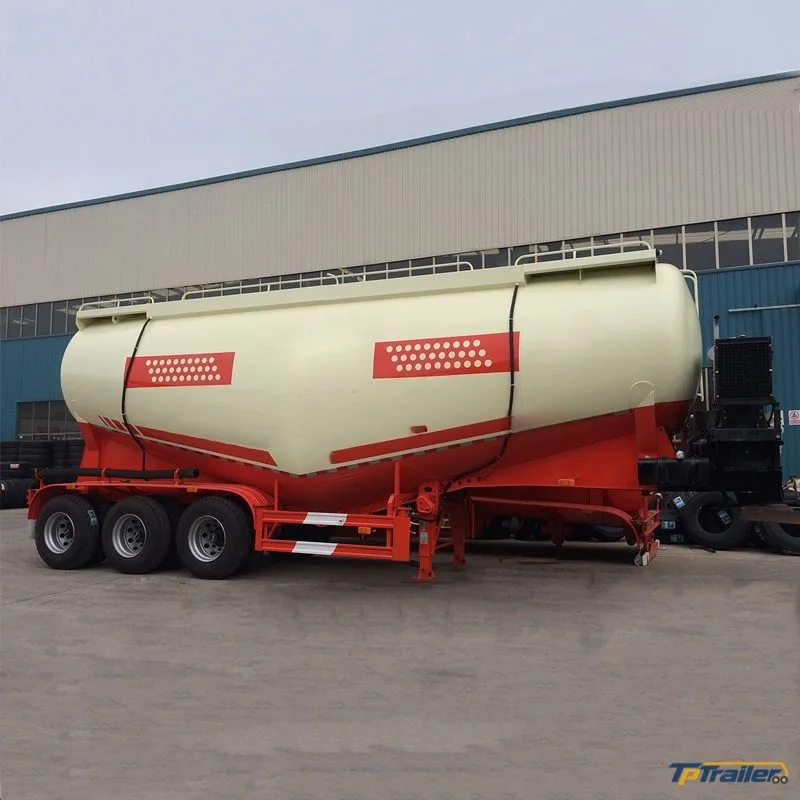
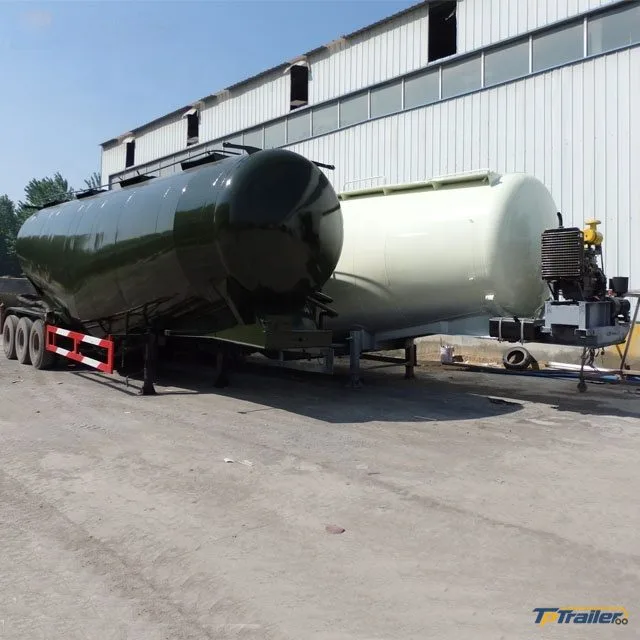
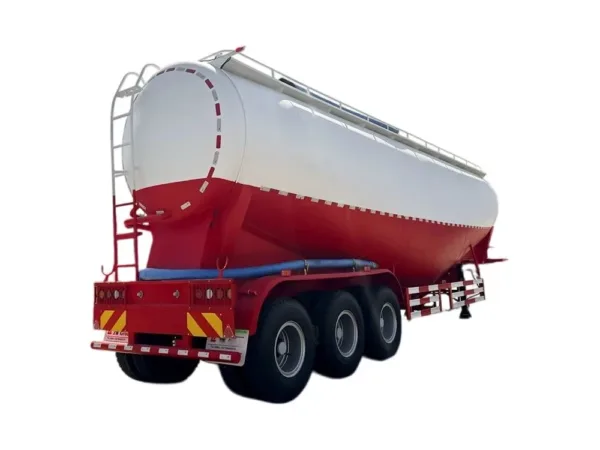
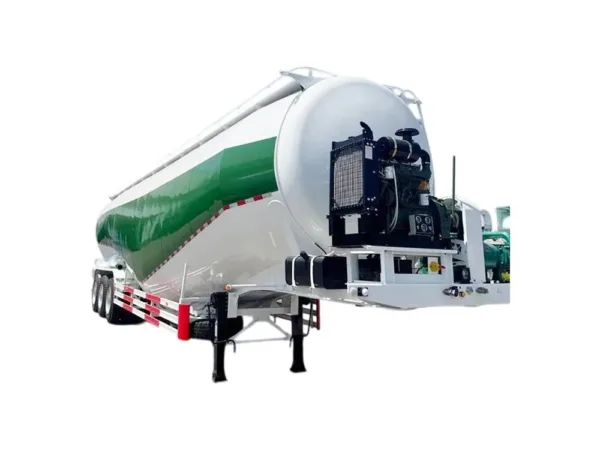
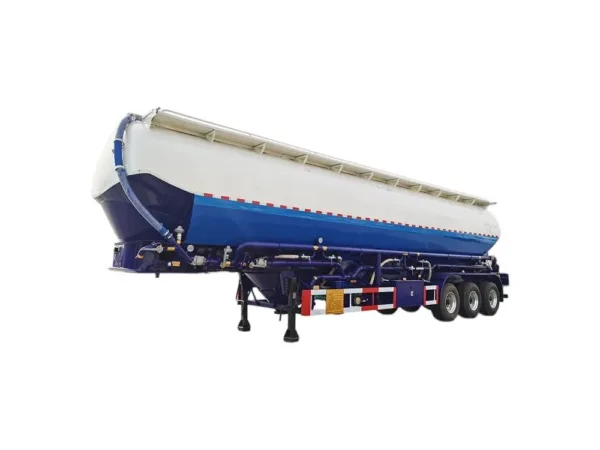
3 axles cement semi trailer with 70M3 Q235A steel tank body and 60T load capacity. 4 inch disc discharge valve and 500mm manhole covers. Quotes available.
60T 3
FOB Reference PriceUS$6,000-10,000Final price confirmed by inquiry
Certifications
ISO 9001
Key Features
70M3 tank volume for high-volume bulk cement haulage
60T load capacity on a 3 axle configuration
Q235A 5mm steel sheet tank body for durability
4 inch disc discharge valve and 4 inch seamless steel tube discharge pipe
Two 500mm manhole covers for top loading access
RE6 relay valve with T30/30 spring brake chambers and 40L air tanks
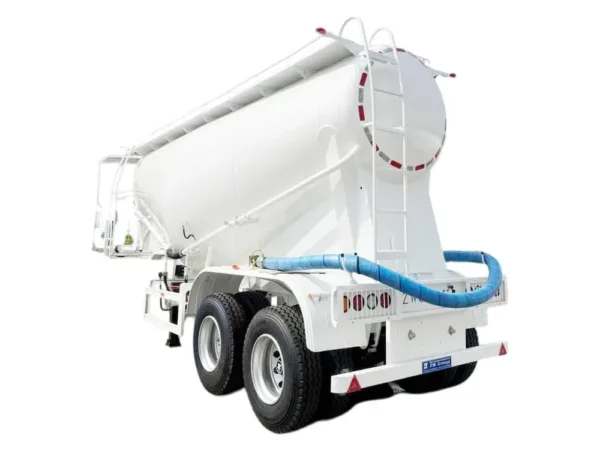
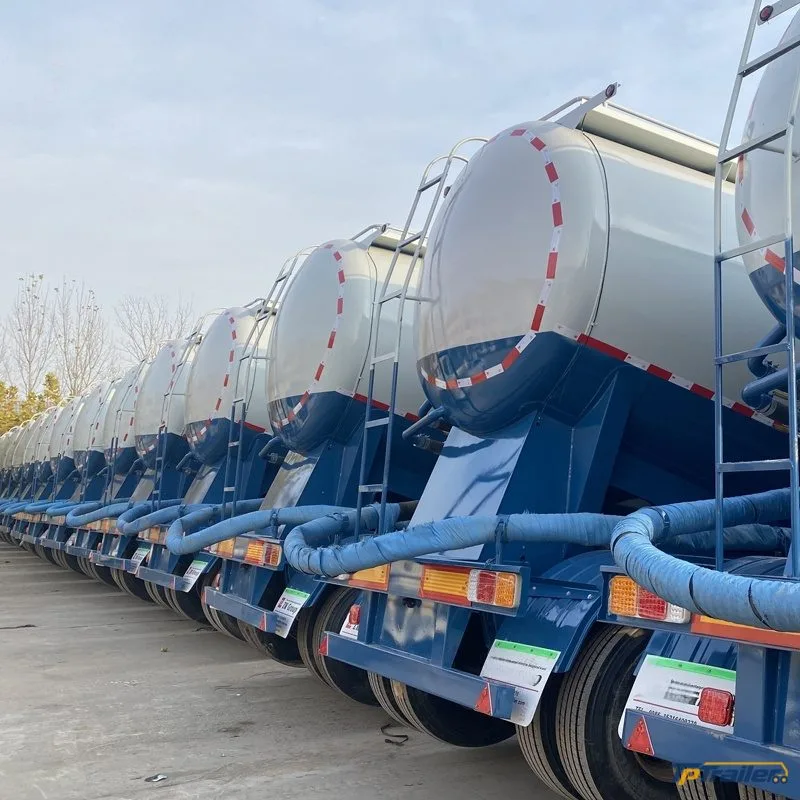
A 3 axles cement semi trailer is a bulk powder tanker built to move cement, flour and dry bulk cargo without bagging it first. ZW Group builds this unit around a 70M3 tank body in Q235A steel sheet, carried on three axles with mechanical suspension. It suits fleet operators, materials traders and construction logistics companies that need dependable discharge at the silo or site. The strongest reason to choose it: a large single-load volume with a simple mechanical running gear that crews can service in the yard. Every 3 axles cement semi trailer here is specified for one job — getting dry powder out of the plant and into the receiving hopper cleanly.
Table of Contents
Why It Works On Site
Volume that matches a full silo draw. The 70M3 tank body lets a 3 axles cement semi trailer take a large single load of powder per trip. That cuts the number of journeys a dispatch plan needs for the same tonnage. Fewer trips mean less loading time at the plant, fewer weighbridge passes and a shorter queue behind each trailer.
Tank steel chosen for abrasive powder. The tank body is Q235A steel sheet at 5mm thickness. Cement and flour both wear a tank from the inside out, so a plain carbon steel shell gives the operator a known, weldable material. Repair shops can patch it without special filler metals or exotic procedures, and the 3 axles cement semi trailer stays in service.
Discharge hardware sized for fast emptying. A 4″ disc valve controls flow out of the tank, feeding a 4″ seamless steel tube discharge line. Seamless tube resists the pressure and abrasion of an air-assisted powder push. For the 3 axles cement semi trailer, that means the unloading hose run to the silo inlet is short, straight and predictable on site.
Two manhole covers for loading and inspection. Two 500mm manhole covers give the plant loader access at the top of the tank. One cover can stay closed while the other is opened for sampling or a quick internal check. A crew does not have to climb over a single hatch to inspect a 3 axles cement semi trailer between loads.
Braking hardware that is easy to stock. The braking system uses an RE6 relay valve, T30/30 spring brake chambers and 40L air tanks. These are common service parts, so a workshop can keep spares on the shelf. A 3 axles cement semi trailer with familiar brake components spends less time waiting for a part and more time loaded.
Coupling that fits standard tractors. A 2″ bolt-in king pin connects the trailer to the tractor unit. Bolt-in design means the pin can be replaced as a wear item rather than cutting and welding the plate. Any 3 axles cement semi trailer in the fleet can then be matched to the tractor available that day.
Where It Is Used
The most common duty for a 3 axles cement semi trailer is the plant-to-site run. A ready-mix or batching plant loads the tank from its own silo, and the trailer delivers to a construction site with limited bagged storage. Because the cargo arrives as loose powder, the receiving end needs only a hopper or a pneumatic inlet, not a warehouse.
On these routes the 3 axles cement semi trailer works short, repeatable cycles: load, weigh, drive, discharge, return. Hauliers running this pattern value the 60T load capacity because it sets how much powder moves per cycle, and they value the mechanical suspension because site access roads are rarely smooth. The same pattern covers cement terminals feeding regional depots, where the trailer acts as the link between bulk storage and the point of use.
A second duty is dry bulk distribution beyond cement. Flour mills, starch plants and mineral powder producers all ship in the same way, and a 3 axles cement semi trailer handles those cargoes when the tank is clean and dedicated. Operators often keep a trailer on one powder type to avoid cross-contamination between loads.
Routes here tend to be longer trunk runs between a production plant and a distributor or port-adjacent store, so the trailer spends more time at road speed and less time queuing. The 4″ discharge line and disc valve matter on these runs because unloading happens at an unfamiliar receiving point. A 3 axles cement semi trailer that empties quickly releases the tractor for the next leg, which is what keeps a trunk schedule honest.
Choosing The Right Spec
Match volume to your silo and your permit. The 70M3 tank body is the fixed size offered here. Before ordering a 3 axles cement semi trailer, check the fill volume your loading silo can deliver in one pass and the axle load your route allows. If your plant loads in smaller batches, a larger tank is wasted capacity. If your receiving hopper is small, plan the discharge in stages.
Decide what the load capacity figure means for you. This trailer is rated at 60T load capacity. That number should be read against your cargo density and your local weight rules, not treated as a target. A 3 axles cement semi trailer hauling dense powder reaches the weight limit before the tank is full. Lighter powders fill the volume first. Know which limit binds your route.
Confirm your tractor suits the kingpin and brakes. The 2″ bolt-in king pin and the RE6 relay valve, T30/30 spring brake chambers and 40L air tanks are the interface between tractor and trailer. Check that your tractor’s fifth wheel and air supply match before the 3 axles cement semi trailer enters service. Standardising on China brand axles also keeps wheel-end spares consistent across a mixed fleet.
Plan discharge around the 4″ hardware. The 4″ disc valve and 4″ seamless steel tube set the unloading rate and the hose connection at the receiving end. If your customers use a specific inlet size, confirm it matches before committing. A 3 axles cement semi trailer is only as fast as the point it discharges into, so walk the receiving site once and check the connection, the air supply and the approach for a loaded rig.
Customisation Before Delivery
The 3 axles cement semi trailer can be ordered with a different axle count if your hauling routes or load rules call for it. Changing the axle count affects the suspension layout and the braking system, so the choice is settled at order confirmation. State the axle count you need when you request the quotation, and the factory builds the running gear to that figure.
Suspension type is another option on the 3 axles cement semi trailer. The standard build uses mechanical suspension, which suits predictable road conditions and simple servicing. If your routes mix rough site access with highway running, discuss the alternative at order confirmation. The suspension choice is fixed before the tank body is mounted on the frame.
Axle brand can be specified for the 3 axles cement semi trailer. The standard build uses China brand axles, and a different brand can be agreed at order confirmation if your fleet standardises on one make. Matching the axle brand to the rest of your fleet keeps spare parts common and simplifies workshop planning.
Paint and finish are agreed before the 3 axles cement semi trailer leaves the line. Colour choice is settled at order confirmation, and the steel tank body is prepared before coating. A finish matched to your fleet livery helps with identification on site. Confirm the colour reference in writing so the delivered unit matches your expectation.
Discharge fittings can be reviewed against your unloading equipment. The 3 axles cement semi trailer is built with a 4 inch disc valve and a 4 inch seamless steel discharge tube as standard. If your receiving silo connection differs, raise it at order confirmation so the fittings are agreed before production starts.
Fitting And Installation
When the 3 axles cement semi trailer arrives, the first job is matching the tractor unit to the trailer. The kingpin is a 2 inch bolt-in type, so check the fifth wheel jaw and the coupling height before you back under the trailer. Confirm the air line couplings and the electrical socket match your tractor. The braking system uses an RE6 relay valve, T30/30 spring brake chambers and air tanks, so the air connections must be clean and correctly seated. If any fitment detail is unclear, a fitment drawing is confirmed at quotation instead of leaving the workshop to guess.
A wrong match costs downtime. A fifth wheel that does not lock onto the kingpin keeps the 3 axles cement semi trailer standing while you chase the right coupling. Air line mismatches delay the brake check and can hold up the first load. Discharge hose connections that do not meet the 4 inch disc valve and 4 inch seamless steel tube mean the bulker cannot unload at the silo. Walk the coupling, air and discharge points before the first trip. Report any mismatch to the supplier before the trailer is put into service, so the fix is agreed rather than improvised.
Service Life And Maintenance
Inspect the tank body first. The 3 axles cement semi trailer uses a Q235A steel sheet tank body, and that steel is what carries the load. Check for dents, cracks and corrosion at seams and supports. Keep the exterior coating intact, because a sound coating slows corrosion and extends the interval between body repairs.
Check the manhole covers and seals. The 3 axles cement semi trailer has two 500 mm manhole covers, and their seals wear with every fill. A worn seal lets moisture into the load. Inspect the gasket and the locking ring regularly, and replace the seal when it hardens or tears.
Look at the discharge valve and pipe. The 3 axles cement semi trailer uses a 4 inch disc valve and a 4 inch seamless steel discharge tube. The disc valve seat and the pipe joints are wear points. Inspect for leaks, looseness and abrasion, and keep the valve operating freely so unloading is not interrupted.
Service the braking system. The 3 axles cement semi trailer carries an RE6 relay valve, T30/30 spring brake chambers and air tanks. Drain the air tanks of moisture and check the chambers and relay valve for leaks. Brake components wear with use, so inspect them at each scheduled service and replace parts that show damage.
Check the running gear and suspension. The 3 axles cement semi trailer runs on China brand axles with mechanical suspension. Inspect the leaf springs, shackles and axle mounts for cracks or looseness, and check hub and bearing condition. Mechanical suspension is simple to inspect, and catching wear early keeps the trailer on the road.
Packing And Container Loading
The 3 axles cement semi trailer ships as a complete unit, so packing focuses on protecting fixed components rather than boxing loose parts. The tank body is a welded steel shell, and the manhole covers stay fitted and sealed during transit. Discharge valves and the discharge pipe are capped so sea air and dust cannot enter the interior. The mechanical suspension, spring brake chambers and air tanks are the exposed parts most likely to suffer handling damage, so they are wrapped and braced. The kingpin area is protected against impact from loading equipment. Confirm the packing list against the delivered unit before you sign.
A 3 axles cement semi trailer is not designed to be nested or stacked. The tank body is a rigid pressure shell, and stacking units would load the shell in a direction it was never built to carry. Loading is normally one unit per flat rack or deck space, secured by the chassis frame and axles. Buyers sometimes ask whether two units fit in one container; that depends on the declared overall dimensions and the carrier, so it is confirmed at quotation. On arrival, check the tank shell for dents, verify the manhole covers and discharge valve are intact, and inspect the axle and suspension mountings before accepting the 3 axles cement semi trailer.
Common Mistakes Buyers Make
Ignoring the load capacity against the intended cargo. The trailer is rated for a stated load capacity, and buyers who plan to run denser material or overload the shell risk structural stress. The single check is to compare your planned payload against the load capacity on the specification sheet before ordering, and to confirm the volume suits the product density you actually haul.
Assuming the discharge valve suits every receiving system. The discharge valve and discharge pipe are fixed sizes, and a mismatch with the receiving hose or silo inlet slows unloading. The single check is to measure the connection on your receiving equipment and confirm it matches the discharge valve and pipe sizes stated in the specification before you place the order.
Overlooking the kingpin and fifth wheel match. The kingpin is a bolt-in type of a stated size, and a tractor with a different fifth wheel setup will not couple safely. The single check is to confirm your tractor fifth wheel accepts the specified kingpin type and size, and to ask the supplier to confirm the bolt-in arrangement at quotation.
Treating the axle brand as a minor line item. The axle brand and axle quantity affect braking, spare parts and service in your market. The single check is to confirm the axle brand, the axle quantity and the braking system components in writing on the quotation, so the delivered 3 axles cement semi trailer matches what your workshop can service.
Skipping the manhole cover count. Buyers assume a single manhole cover when the specification calls for a set number, which affects loading speed and inspection access. The single check is to read the manhole cover line on the specification and confirm the quantity and diameter, then verify both are present when the 3 axles cement semi trailer arrives.
Buyer Questions
Can the tank body be customised, and what should I confirm first?
Customisation is not stated in the available product data, so it is confirmed at quotation. Before asking, write down the material you will haul, its density, and the volume you need, because the tank body steel sheet grade and thickness are fixed in the current specification. Ask the supplier whether the tank body, manhole cover count or discharge valve can be changed, and request the revised specification in writing. Do not assume a change is possible until the quotation confirms it, and check that any change still suits your tractor and receiving equipment.
What braking and suspension specification will I receive?
The specification lists a mechanical suspension, a relay valve, spring brake chambers and air tanks, so confirm those exact components appear on your order. Ask the supplier to state the braking system parts and the suspension type in the quotation, and check that your workshop can service them. Because the axle brand is a China brand, ask which brand is fitted and whether spare brake chambers are available locally. Confirm the air tank capacity and the relay valve model in writing before you approve production of the 3 axles cement semi trailer.
How do I confirm the trailer suits my tractor and unloading point?
Measure three things before ordering: your tractor fifth wheel against the bolt-in kingpin, the height and reach of your silo inlet against the discharge pipe, and the hose connection against the discharge valve. Give the supplier your tractor model and receiving equipment details, and ask them to confirm compatibility at quotation. Also confirm the overall length and axle count you need, since the 3 axles cement semi trailer configuration is fixed in the current specification. Keep the written confirmation with your purchase order.
To receive a quotation for the 3 axles cement semi trailer, send your required overall length, the axle count you need, and the quantity you plan to order. State your intended cargo and receiving equipment so the supplier can confirm the tank volume, discharge valve and kingpin match before pricing.
We use cookies to enhance your browsing experience, serve personalized content, and analyze our traffic. By clicking "Accept All", you consent to our use of cookies. Privacy Policy
Cookie Preferences
Required for the website to function properly. Cannot be disabled.
Help us understand how visitors interact with the website (Google Analytics).
Used to deliver personalized ads and measure ad campaign effectiveness.










Write a Review