


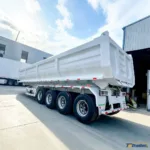
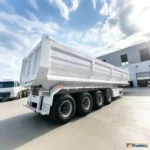
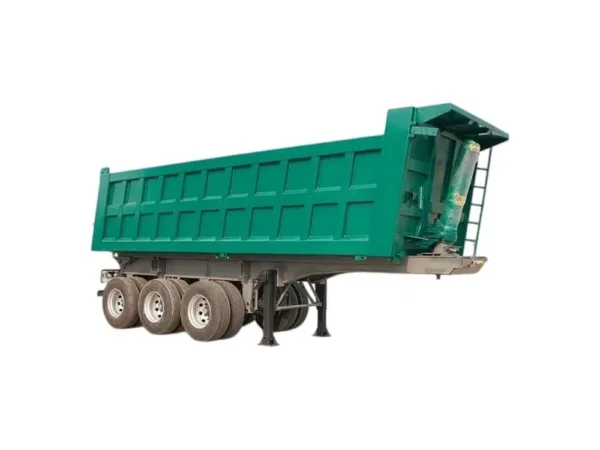
40CBM hydraulic dump semi trailer with 4 axles and 60T load capacity for coal, sand and aggregate haulage. Request a quote for your fleet today.


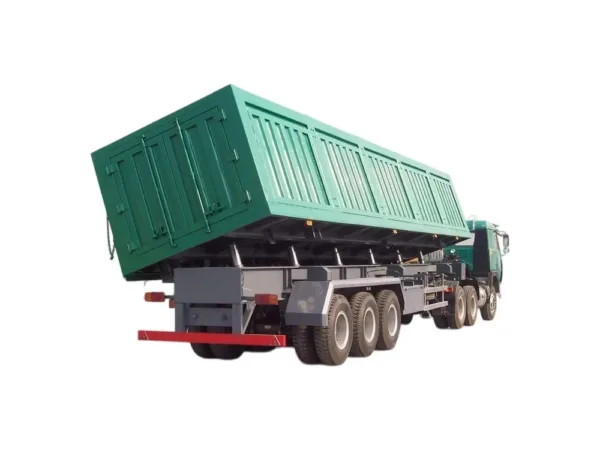


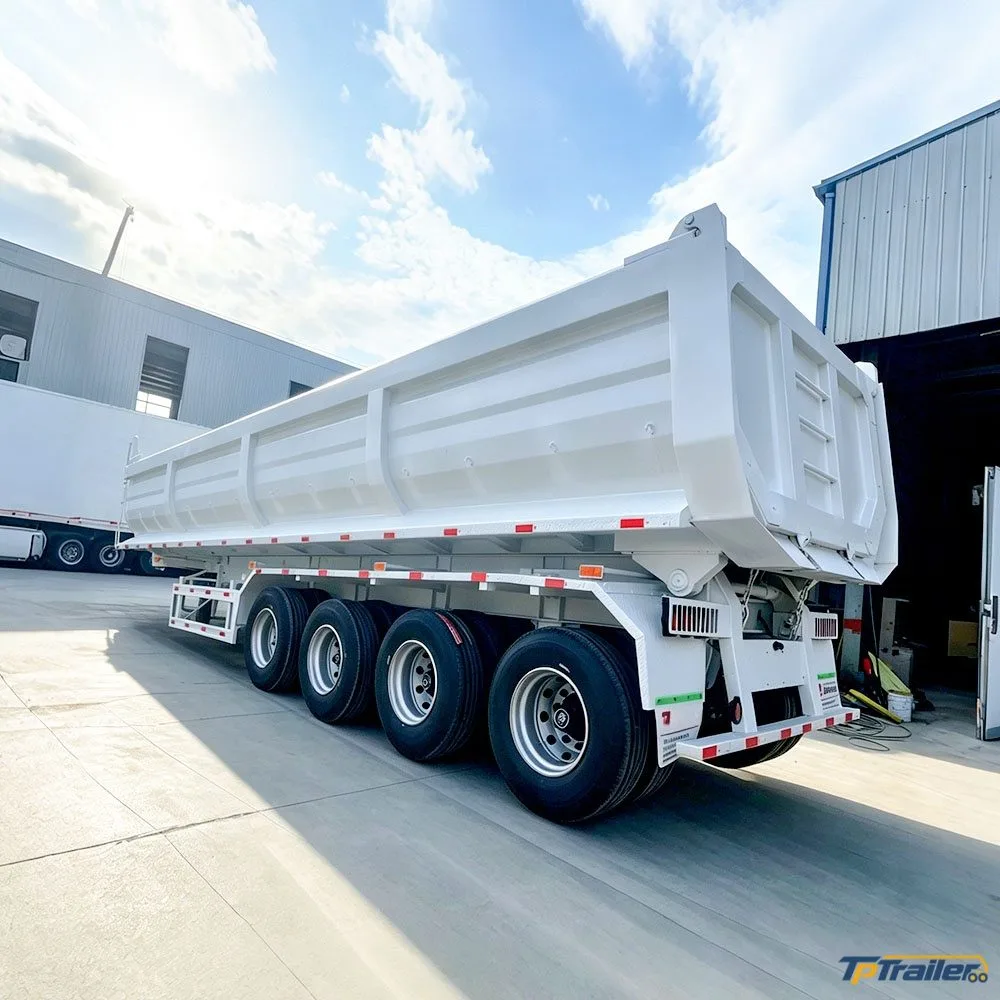
The hydraulic dump semi trailer is a four-axle tipper built around a 40 cubic metre body for moving coal, sand and aggregate in bulk. It is aimed at fleet operators and contractors who tip loads on site rather than shovel them out. The strongest reason to choose it is the 60T load capacity carried on a four-axle platform, which lets one unit take heavy bulk loads on routes where a lighter tipper would need a second trip. The body, tipping gear and running gear are matched as one package, so the trailer works as a hauling tool rather than a converted flatbed.
Bulk haulage is the core job. A hydraulic dump semi trailer of this size suits coal yards, sand pits and aggregate depots where a loader fills the body and the driver tips it at the receiving end. On a coal run, the 40CBM body takes a full bucket load without spilling over the sides, and the tipping ram empties it into a stockpile or hopper in one lift.
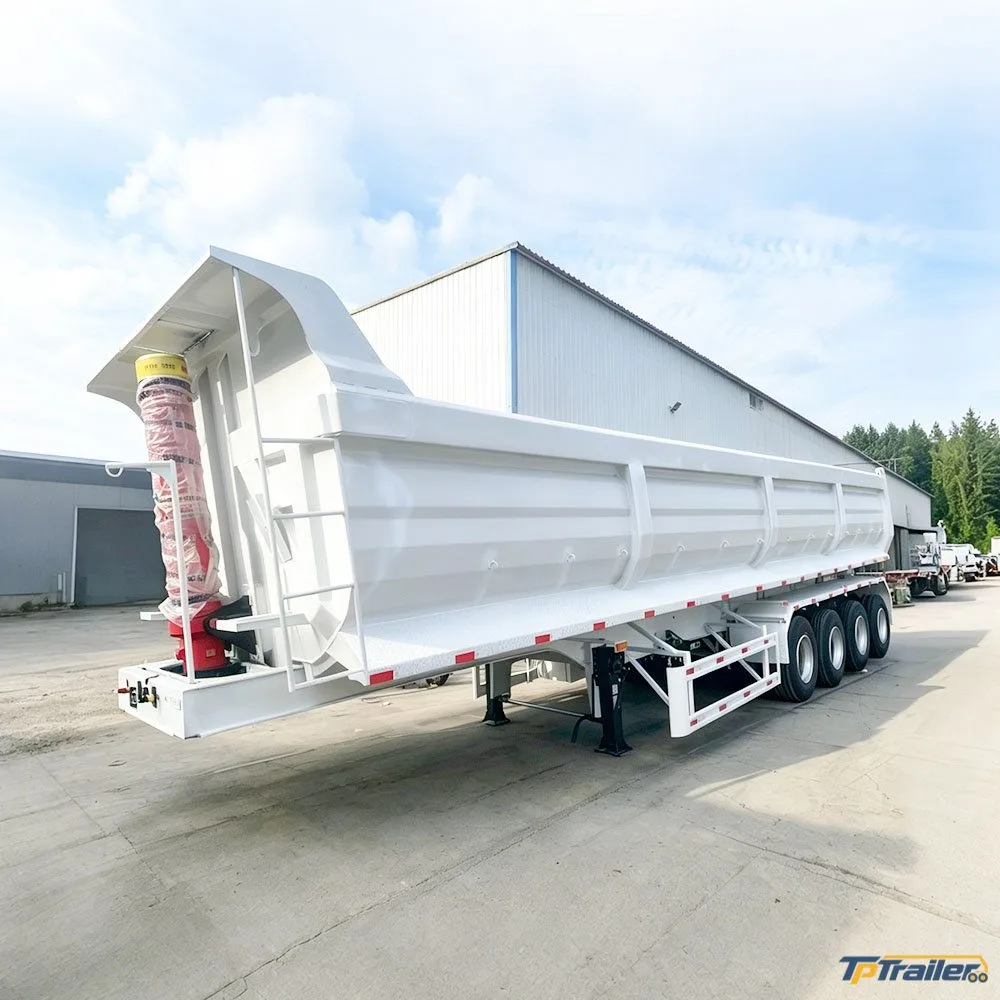
Sand and gravel operators use the same body for pit-to-yard runs, where the cargo is dense and the trip is short, so the 60T load capacity pays back on every cycle. The 8mm floor handles the drop of stone from a loader, and the 6mm side walls keep the body light enough to leave payload headroom. In these jobs the trailer rarely leaves a defined route, so the common mechanical suspension and the tire options can be chosen to suit the surface rather than the highway.
Construction and site work is the second setting. A hydraulic dump semi trailer moves crushed rock, spoil and road-base material to and from earthworks, where the tipper has to discharge into a spreader, a trench or a stockpile that a fixed-body trailer cannot reach. The four-axle layout and the 1310mm wheel base keep the unit steady on compacted site roads, and the main frame members carry the load when the body is raised on ground that is not perfectly level.
Short haul routes between a quarry and a batching plant also suit this trailer, because the tipping cycle is fast and the body empties cleanly. Where a fleet already runs tippers, the color and kingpin options let the new hydraulic dump semi trailer fit the existing tractor units and livery without a separate specification round.
On arrival, the first task is to match the trailer to the tractor unit. The kingpin must seat correctly in the fifth wheel, and the deck height must clear the coupling plate through the full turn. Check that the hydraulic tank and valve bank sit clear of the tractor frame and exhaust.
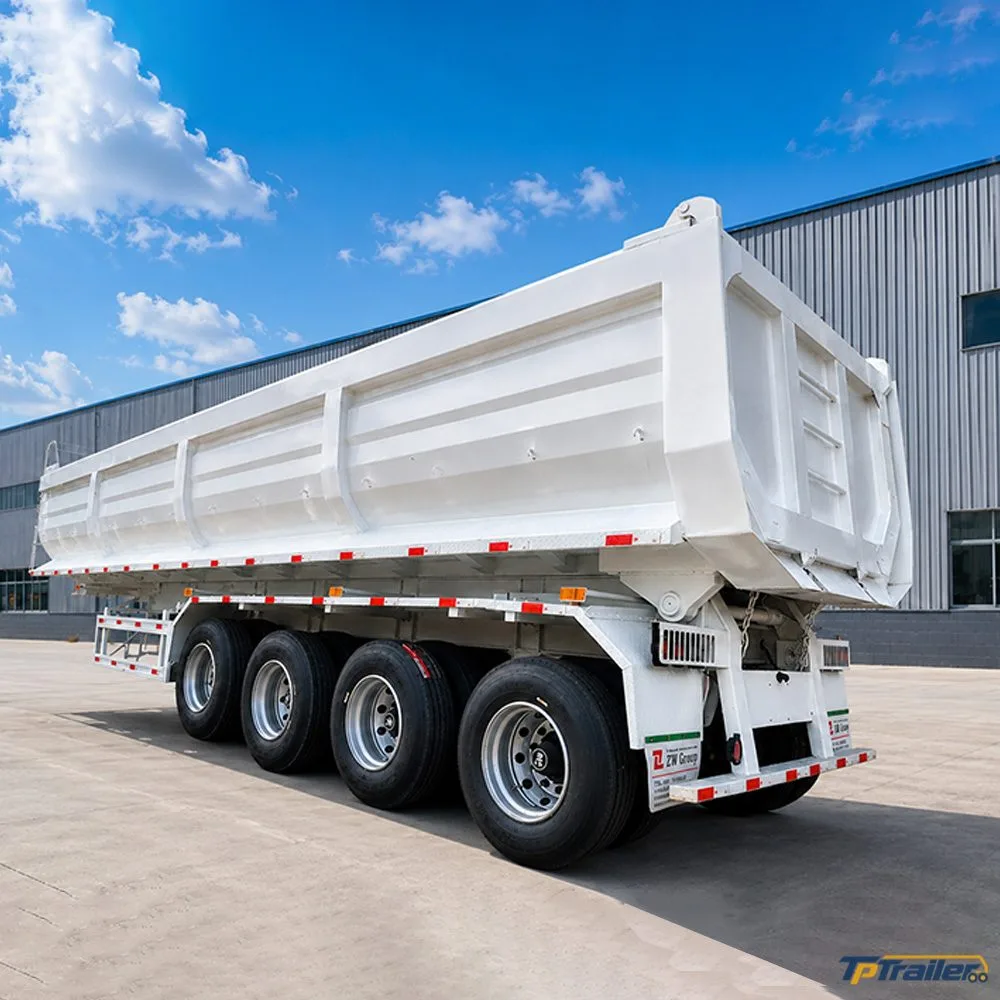

The tipping cylinder, hose runs and PTO supply are connected on site, so the installer should confirm the pump output matches the cylinder before the first lift. Because no fitment drawing is issued with the base document, a fitment drawing is confirmed at quotation for each hydraulic dump semi trailer. That drawing fixes the mounting points, tube size and hose routing so the workshop can prepare before the unit lands.
A wrong size at this stage is expensive. A kingpin that does not match the fifth wheel stops the unit at the yard until a replacement is fitted. Undersized hydraulic hose restricts flow and slows every tip, while a hose routed against a hot surface fails early and spills oil on the road. Mounting holes that do not line up with the tractor or the auxiliary equipment mean drilling on a painted frame, which opens bare steel to corrosion. Every hour of that work is an hour the hydraulic dump semi trailer is not earning. Confirm the coupling, hose bore and routing against the agreed drawing before the first load, and keep the drawing with the service file.
Each hydraulic dump semi trailer leaves the yard with its hydraulic system sealed against salt air and road spray. Cylinder rods are wrapped, hoses are capped, and the tipping body is locked down for the voyage. Paint on the tub and chassis is protected at contact points where slings and chains touch the steel. Buyers should confirm the sealing method in writing before dispatch, because an open hydraulic port is the fastest route to water ingress. Ask the supplier to photograph the sealed cylinder and capped hoses before the unit is moved to the port.
A hydraulic dump semi trailer cannot be nested like a flatbed, so container loading is planned around the complete unit. The tipper body is shipped assembled, and the axles, suspension and landing gear stay fitted. Stacking is not possible without risking frame distortion. What saves space is careful positioning inside the container or on a flat rack, with the kingpin and landing gear clear of the doors. Confirm the loading plan, the lifting points and the lashing layout before the hydraulic dump semi trailer is handed to the carrier, and ask for photographs at each stage.
On arrival, the buyer should verify the seal on the hydraulic cylinder and the hose caps are unbroken. Check the tipping body for dents at the sling points and the floor for distortion. Confirm the axle alignment and suspension mounts match the order. Inspect the kingpin and landing gear for impact damage. A hydraulic dump semi trailer that travelled well shows clean paint, intact seals and straight frame rails. Record any damage with photographs before signing the delivery note, and send the images to the supplier the same day.
That depends on the unit’s overall dimensions, which are confirmed at quotation. A hydraulic dump semi trailer ships assembled, so the loading method is agreed with the supplier before dispatch. Ask for the overall length, width and height in writing, then compare them with the internal dimensions of the container you plan to use. If the unit does not fit, the supplier can quote a flat rack or break bulk option. Confirm the lifting points and lashing plan at the same time.
Inspect the cylinder rod wrapping and the hose caps first. Confirm no seal is broken and no hydraulic oil has leaked into the packing area. Ask the supplier for the pre-shipment photographs and compare them with what you see. Then operate the tipping function under no load before the trailer enters service. If any seal is damaged, photograph it and notify the supplier before signing. The hydraulic dump semi trailer should tip smoothly with no hesitation.
Compare the delivery documents against your purchase order line by line. Check the kingpin size, tyre and rim pairing, suspension type, floor and side wall thicknesses, main frame dimensions and wheel base. Confirm the colour against the approved sample. Ask the supplier to include a specification sheet with the shipping documents. Any difference should be raised before the hydraulic dump semi trailer is put to work, because corrections after commissioning are harder to resolve.
To receive a quotation, send the trailer length you need, the number of axles, and the quantity you plan to order. Add your preferred tyre and rim combination, kingpin size and colour. Our team will confirm the specification, the container loading plan and the price tier for your volume. Send these details today and we will prepare the offer for your hydraulic dump semi trailer.
Explore more hydraulic dump semi trailer in this range.
| Load Capacity | 60T | Type | Semi-Trailer |
|---|---|---|---|
| Place of Origin | China (Mainland) | Province | Guangdong |
| Use | Truck Trailer | Material | Steel |
| Size | 10000 x 2500 x 3600mm, As The Buyer's Request | ||

No reviews yet — click the Review button on the right to share your experience with this product.










Fill in the form below and our team will respond within 24 hours.
Write a Review