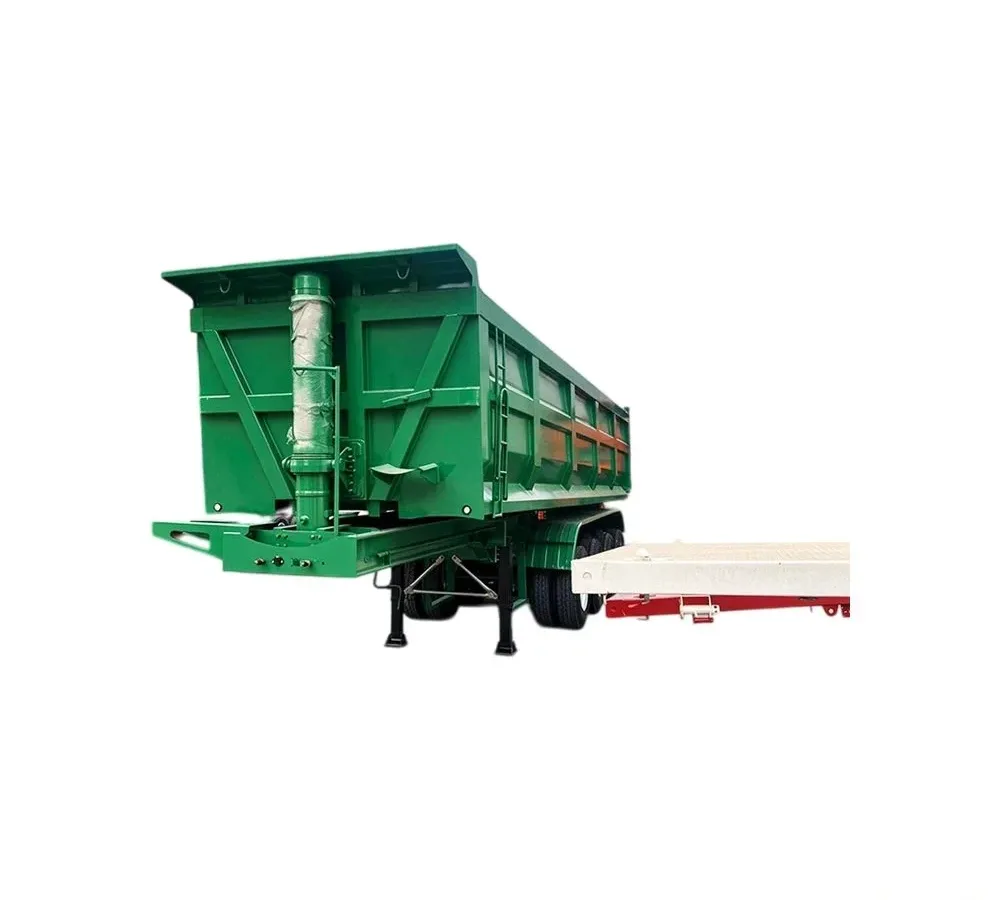
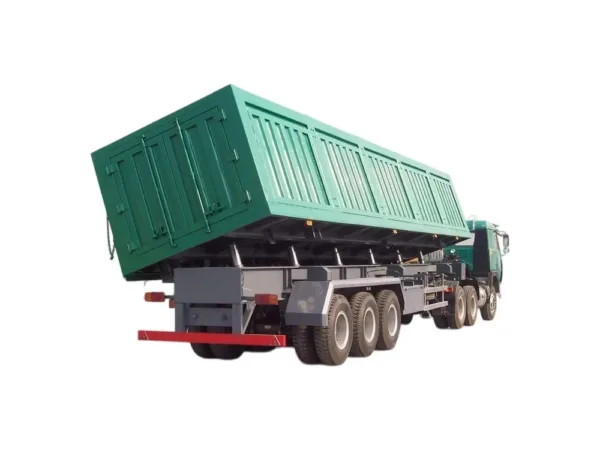
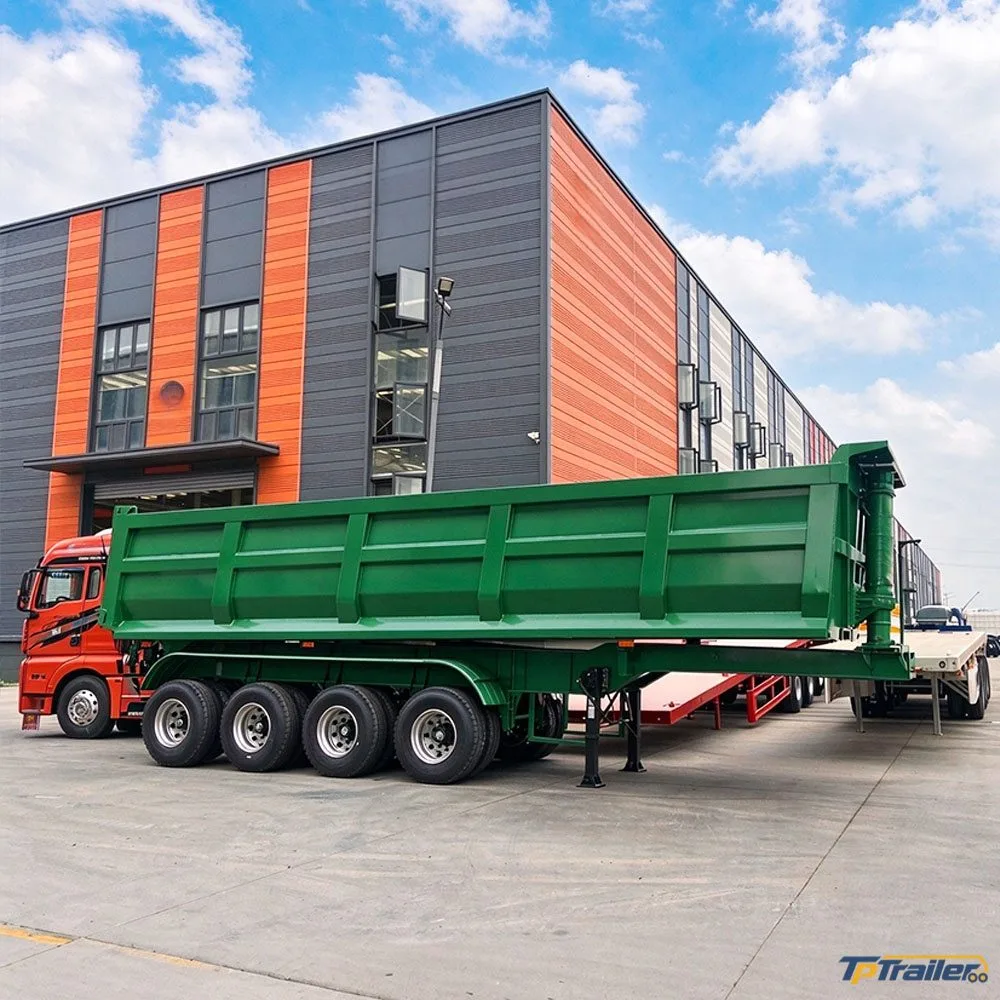
4 Axle 40CBM U Type Tipper Semi Trailer with Hydraulic Lift
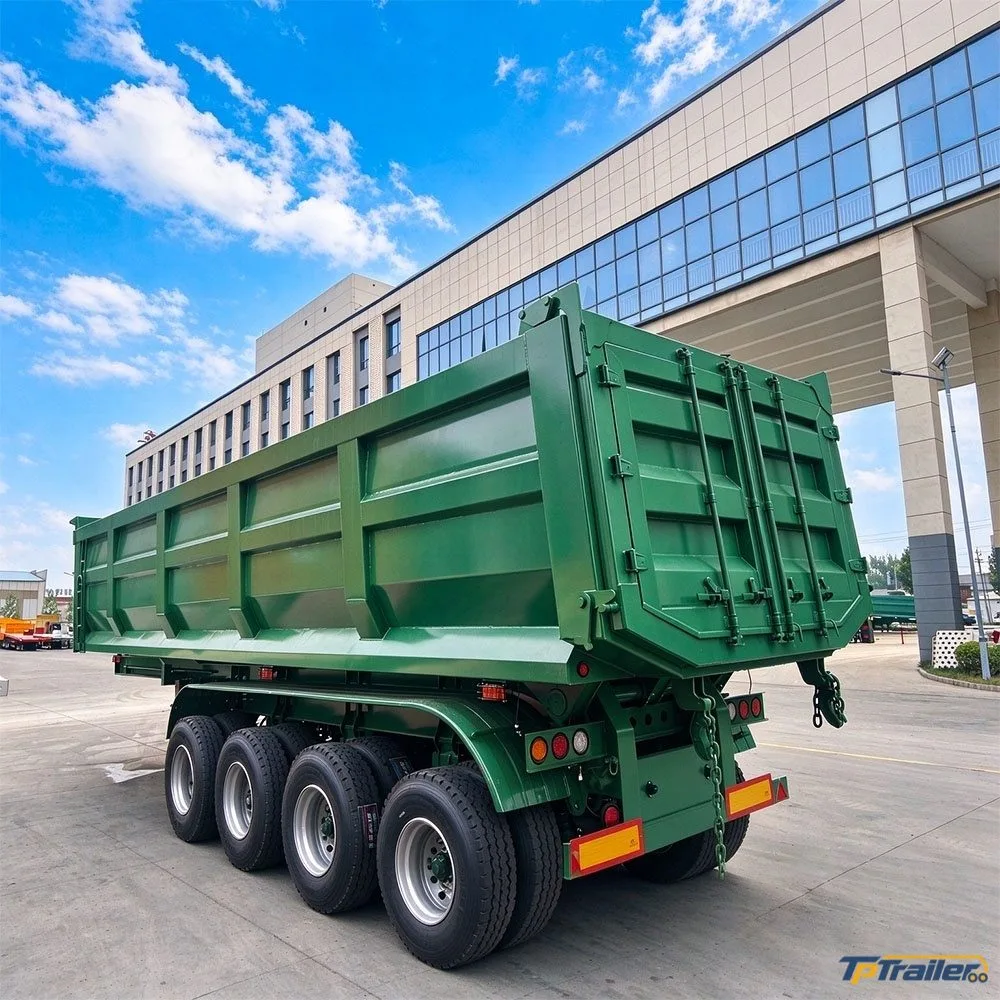
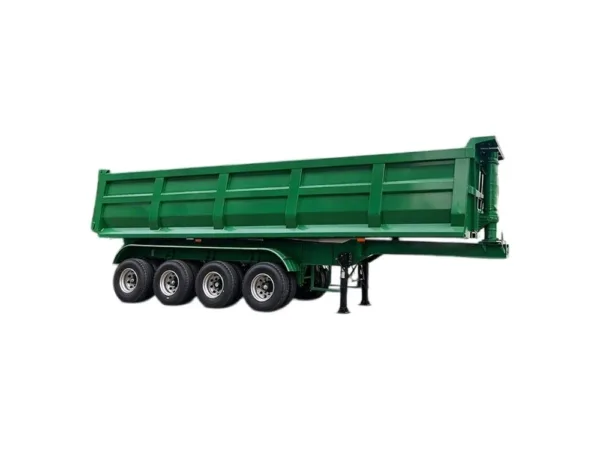
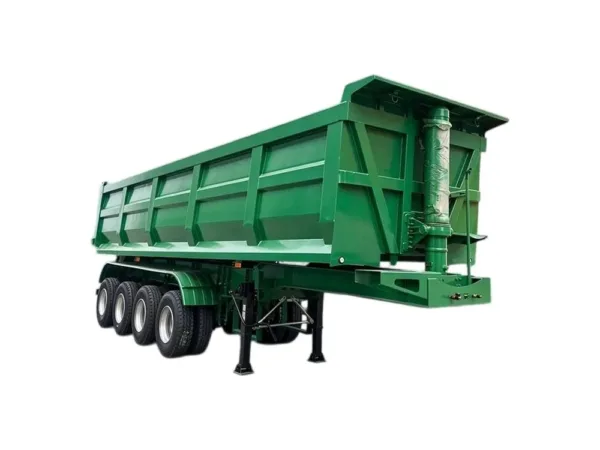
4 Axle U Type Tipper Semi Trailer with 40CBM capacity, hydraulic lift and 30000 KG load capacity for sand and coal haulage. Quotes available on request.
>30000 KG 4
FOB Reference PriceUS$4,800-6,500Final price confirmed by inquiry
Certifications
ISO 9001
Key Features
4 axle configuration for stable hauling of sand, coal and bulk cargo
40CBM U type tipper body for high volume bulk loads
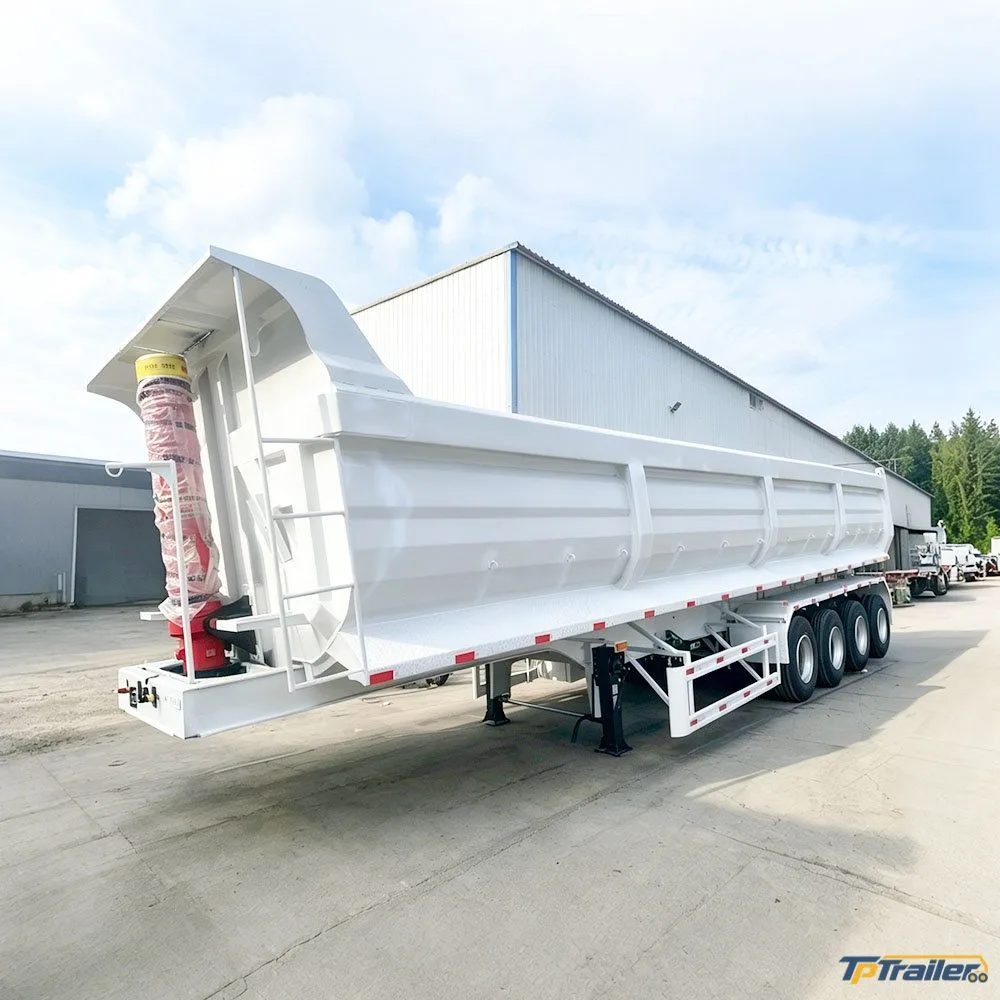
Hydraulic lift for controlled tipping at the discharge point
Rated load capacity of 30000 KG
Built for tipper semi trailer duty in heavy equipment fleets
The 4 axle tipper semi trailer is a heavy-duty bulk haulage unit built around a U-shaped tipping body and a hydraulic lift system, sized for sand, coal and other loose cargo. It suits fleet operators, quarry contractors and construction material suppliers who tip loads on site rather than shovel them out. Its strongest argument is the combination of a 30000 KG load capacity with a four-axle layout, which spreads the payload across more wheels and keeps the unit stable during tipping. If your day is built around repeated load-and-tip cycles over mixed road and yard surfaces, this trailer is the one to compare against your route profile and cargo density.
Table of Contents
Why It Works On Site
The U-shaped body sheds sticky loads. Flat-floor tippers hold damp sand and coal fines in the corners, and someone ends up with a shovel. The curved U profile gives the cargo nothing to grip, so the load slides out as the hydraulic ram lifts. That shortens each tip cycle and lets the 4 axle tipper semi trailer return to the loader sooner, which matters when a hauler is paid by the trip.
The hydraulic lift does the unloading. A tipper only earns when it is moving, and manual discharge is the slowest part of the day. The hydraulic lift raises the body to dump the load under its own power, so one driver clears a full load without extra labour on the pad. On a 4 axle tipper semi trailer this turns a two-person job into a single-operator stop.
The 30000 KG load capacity sets the trip count. Payload is what you actually sell, so the rated capacity decides how many runs a given tonnage of sand or coal takes. A trailer rated to this figure lets a fleet planner calculate trips per shift instead of guessing, and the 4 axle tipper semi trailer becomes a fixed number in the cost-per-tonne sum rather than a variable.
Four axles spread the weight. Bulk cargo is dense, and dense cargo concentrates load. The four-axle arrangement distributes that mass across more contact points, which supports steadier braking and cornering when the 4 axle tipper semi trailer runs loaded on mixed surfaces. It is the layout that makes the stated capacity practical rather than theoretical.
Bulk cargo volume suits the body. Sand, coal, gravel and aggregate are measured in cubic metres at the loader and tonnes at the weighbridge. The body volume and the rated capacity together tell you whether a load cubes out or weighs out first, so the 4 axle tipper semi trailer can be matched to the material your routes actually carry instead of a generic figure.
Purpose-built for loose material. This is not a flatbed with sides bolted on. The tipping body, the lift geometry and the chassis are designed as one unit for loose cargo, so the 4 axle tipper semi trailer is ready for aggregate work from the first trip rather than needing adaptation for it.
Where It Is Used
The most common duty is quarry-to-yard aggregate movement. A loader fills the body with crushed stone or gravel, the 4 axle tipper semi trailer runs a fixed route to a batching plant or stockyard, and the hydraulic lift empties it onto the pad. These are short, repeated cycles over a working day, so the value of the unit is measured in trips completed rather than distance covered. The same pattern covers sand pits feeding construction sites and coal yards feeding stockpiles, where the cargo is loose, heavy and tipped rather than lifted off. Route surfaces are usually a mix of sealed road and unpaved yard, which is where the four-axle layout earns its place.
A second duty is construction and infrastructure supply. Site work generates spoil, and site work consumes fill, so the 4 axle tipper semi trailer moves in both directions: excavated material out, sand or crushed base in. Coal and bulk mineral transport follows a similar logic on longer runs between a stockyard and a transfer point, where the trailer is loaded at one end and tipped at the other. In every case the operator recognises the same rhythm: load, run, tip, return. The 4 axle tipper semi trailer is built around that rhythm, and the cargo types it handles are the ones that flow rather than stack.
Choosing The Right Spec
Match the load capacity to your material density. Sand and coal sit at different weights per cubic metre, so the same body volume gives different tonnages. Check the 30000 KG rating against the density of what you haul and confirm whether your loads weigh out or cube out first. That single check decides whether the 4 axle tipper semi trailer is working at its rating or running part-filled.
Confirm the axle count against your routes. Four axles suit operators who need the payload spread across more wheels for stability and surface loading. If your work is lighter or your routes are short and sealed, compare the four-axle 4 axle tipper semi trailer against the load you actually plan to carry, and let the duty cycle rather than habit pick the configuration.
Match body volume to the cargo. A body sized for light, bulky material fills differently from one sized for dense aggregate. Look at how your loader fills the trailer and whether the 4 axle tipper semi trailer will reach its rated capacity before the body is full. Getting this right avoids paying for capacity you cannot use on every trip.
Weigh the tipping cycle against the route. The hydraulic lift is the feature that separates a tipper from a fixed-body trailer, so confirm the discharge method fits your unloading point. If your sites tip on open pads, the 4 axle tipper semi trailer fits directly. If discharge is constrained, plan the cycle before you commit to the specification.
Customisation Before Delivery
Axle configuration. The 4 axle tipper semi trailer is built around the axle count you confirm, and the running gear, brake chambers and suspension mounts are matched to it. Buyers hauling dense sand on short cycles often keep the full set, while lighter bulk cargo runs may suit a reduced count. The final choice is settled at order confirmation, not assumed from a catalogue picture.
Deck length and body volume. Body length and the U type shell profile are agreed against the cargo you carry, so the 4 axle tipper semi trailer fits your loading method and site access. Longer decks suit low-density coal and grain, shorter bodies suit dense loads. Confirm the body length and side height at order confirmation so fabrication starts from a fixed drawing.
Suspension type. Mechanical and air suspension are both offered on the 4 axle tipper semi trailer, and the choice changes ride height, axle spacing and the mounting brackets welded to the frame. Air suspension is usually chosen where road damage or load sensitivity matters. State the preference at order confirmation so the frame jig is set correctly before welding.
Tyres and wheels. Tyre size, ply rating and rim type are selected with the axle set, because the 4 axle tipper semi trailer must clear the body and stay within your permitted axle load. Tubeless radial tyres are common for highway hauling, while mixed site work may call for a different pattern. Lock the tyre specification at order confirmation.
Paint and finish. Colour and coating system are chosen from the options offered, and the finish is applied after fabrication. For coal and sand work, buyers often ask for a heavier surface preparation to resist abrasion and corrosion. Colour, topcoat and any marking layout are confirmed at order confirmation so the paint shop works from an approved sample.
Fitting And Installation
A 4 axle tipper semi trailer arrives as a complete unit, but the tractor interface still has to match. The fifth wheel position, kingpin height, air and electrical coupling heights and the hydraulic take-off point on the tractor all need checking before the first coupling. If the input gives no fitment data for your tractor model, a fitment drawing is confirmed at quotation instead of being guessed here. Check the landing gear travel and the mudguard clearance against your tractor’s rear frame, and confirm the hydraulic pump drive and tank capacity on the tractor side. A mismatch at this stage is a workshop job, not a roadside fix.
A wrong size costs downtime in the busiest season. If the kingpin height or fifth wheel position is off, the 4 axle tipper semi trailer sits nose-high or nose-low, the landing gear scrapes on ramps and the body tips at an angle that stresses the hoist. If the hydraulic hose routing and tube size do not match the tractor’s take-off, the lift is slow, the oil overheats and fittings weep under load. Torque values for the wheel nuts and suspension clamps are supplied with the unit’s documentation where stated; where they are not, follow the workshop manual. Getting the coupling right on day one protects the hoist, the frame and the tyres.
Service Life And Maintenance
Hydraulic lift system. The hoist cylinder, seals and hose ends wear first on a 4 axle tipper semi trailer, especially with abrasive sand dust around the pivot. Operators should inspect for weeping seals, chafed hoses and a slow or uneven lift. Keeping the oil clean and the breather clear extends the seal interval. Report any drift in the raised body before it becomes a cylinder repair.
U type body shell. The curved floor and side plates take the abrasion from coal and sand discharge. Inspect the floor for thinning, the tailgate hinge for play and the top rail for cracks after heavy loading. A heavier wear plate or an optional liner, where offered, extends the interval between body repairs. Wash out abrasive residue to slow corrosion at the seams.
Frame and cross members. Cracks usually start at welded brackets and cross member ends on a 4 axle tipper semi trailer used on rough sites. Operators should check the frame rails around the suspension hangers and the hoist mounting pads. A protective coating on the frame and a careful inspection after overload incidents extend service life. Stop using the trailer if a frame crack is found.
Axles, brakes and suspension. Brake linings, drums and suspension bushes wear with every loaded cycle. Inspect brake adjustment, air leaks at chambers and bush play on the 4 axle tipper semi trailer at each service. Choosing the specified suspension type and keeping the axle alignment correct extends tyre and bush life. Grease the specified points and check wheel nut torque against the supplied values.
Tyres and finish. Tyres wear fastest on the drive and rear positions under heavy bulk loads. Rotate where the axle set allows, keep pressures matched to the load and inspect sidewalls for cuts from site debris. The chosen paint and coating system extends the corrosion interval, so touch up chips on the body and frame early. Store the 4 axle tipper semi trailer on firm ground with the body lowered.
Packing And Container Loading
Each 4 axle tipper semi trailer leaves the yard with the hydraulic lift protected first. Rams and hoses are tied back, and exposed chrome is wrapped so grit cannot score it in transit. The tipping body is braced against the chassis to stop movement on the deck. Wheels are strapped, not chocked with loose timber. Buyers shipping more than one unit should ask for a loading plan before dispatch. That plan shows where each 4 axle tipper semi trailer sits in the container and which parts come off first at the destination.
Space is the real cost on this class of unit. A 4 axle tipper semi trailer is long and wide, so nesting is limited to stacking smaller parts inside the body, not stacking trailers on each other. Ask the supplier to load ramps, spare wheels and mudguards inside the tipping body. Confirm whether the unit ships whole or partly broken down. Break-down saves container space but adds assembly work. Verify the loading photos against the plan. Check the seal number on arrival. A 4 axle tipper semi trailer that shifts in transit can bend a ram before it ever carries sand or coal.
Common Mistakes Buyers Make
Ordering the wrong axle count. Some buyers compare a 4 axle tipper semi trailer against a three-axle unit on price alone, then find the tractor and route paperwork do not match the heavier configuration. The single check: confirm the axle count against your permit and route limits before you pay a deposit, and put that count in the purchase order text, not just in the chat thread.
Ignoring the load capacity figure. The load capacity is stated for the unit, but buyers often load by volume and forget weight. Overloading a 4 axle tipper semi trailer stresses the tipping body and the lift. The single check: calculate the heaviest legal load for your densest cargo, compare it with the rated load capacity, and write the cargo type and density into the order so the supplier can advise.
Mismatching the hydraulic lift. A tipper that lifts slowly or will not raise a wet load is usually a lift specification problem, not a fault. Buyers assume every 4 axle tipper semi trailer lifts the same way. The single check: confirm the lift type and mounting position in writing, and ask for the tipping angle, since the input is silent on the angle and it must be confirmed at quotation.
Skipping the coupling and tyre check. Fitment failures at the fifth wheel and wrong tyre sizes are common returns. A 4 axle tipper semi trailer must match your tractor’s coupling height and your road rules. The single check: measure your tractor’s coupling height and confirm the trailer’s kingpin and landing gear position before order, then confirm tyre size and rim type on the specification sheet.
Buying without a written specification. Verbal orders leave the body type, dimensions and finish open to interpretation. A 4 axle tipper semi trailer built to an assumed spec is hard to dispute on arrival. The single check: sign a specification sheet listing body type, dimensions, axle count and load capacity, then compare the arrival inspection against that sheet line by line before you sign the delivery note.
Buyer Questions
Can I fit more than one 4 axle tipper semi trailer in a single container?
That depends on the unit length and the container size, and the input does not state either. Measure the overall length and width you need, then ask the supplier for a loading plan for the quantity you want. A 4 axle tipper semi trailer is normally too long to pair inside one standard container, so confirm whether the unit ships whole or partly broken down. Get the plan and the container count in writing before you book freight.
What should I confirm about the hydraulic lift before ordering?
Ask for the lift type, the number of stages and where the ram mounts on the chassis. The input does not give these details, so they are confirmed at quotation. Also ask for the tipping angle and the recommended warm-up procedure for cold weather. Confirm whether spare seal kits ship with the unit. A 4 axle tipper semi trailer used for wet sand needs a lift matched to that duty, so state your cargo and discharge method in the enquiry.
Is the quoted price for a complete unit or a bare chassis?
The price range covers the 4 axle tipper semi trailer as configured in the quotation, and the input does not itemise what is included. Ask the supplier to list tyres, rims, hydraulic lift, lights and any ramps separately. Confirm whether the price is per unit and how it changes with quantity. Get the currency, the delivery term and the included items on the quotation itself, not in a separate message.
Send your required trailer length, axle count and order quantity for a quotation. State your cargo type and the load capacity you need, and confirm the hydraulic lift arrangement you expect. With those details, the supplier can match a 4 axle tipper semi trailer to your route and quote the right configuration.
We use cookies to enhance your browsing experience, serve personalized content, and analyze our traffic. By clicking "Accept All", you consent to our use of cookies. Privacy Policy
Cookie Preferences
Required for the website to function properly. Cannot be disabled.
Help us understand how visitors interact with the website (Google Analytics).
Used to deliver personalized ads and measure ad campaign effectiveness.




















Write a Review