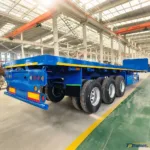
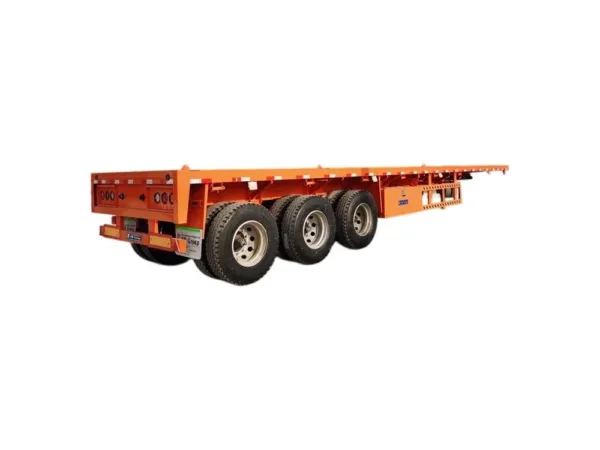
3 Axle Flatbed Semi Trailer 40ft Container Trailer 30000 KG

40ft flatbed semi trailer with 3 axle chassis and 30000 KG load capacity for container hauling. Request a quote for fleet or single-unit orders today.
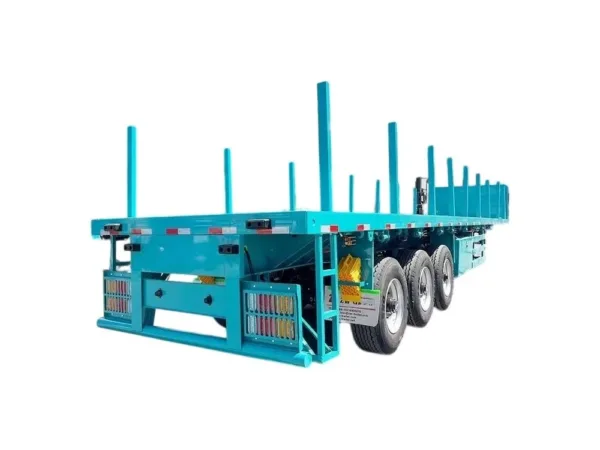
>30000 KG 3
FOB Reference Price US$4,000-6,000 Final price confirmed by inquiry

Certifications

  • ISO 9001

Key Features

  • 3 axle flatbed semi trailer sized for 40ft container hauling
  • Rated load capacity of 30000 KG for regular freight duty
  • Flat deck suits container, pallet and general cargo loads
  • Specification-led build for fleet operators and importers
  • Quantity-based pricing available from single units upward
Load Capacity >30000 KG
Type Semi-Trailer
Max Payload >30000 kg

The 40ft flatbed semi trailer is the workhorse platform of a container and general-cargo fleet, built to carry standard containers and loose freight on one open deck. ZW China Trailer Factory builds this three-axle unit for hauliers, freight forwarders and rental fleets that move mixed loads and need a trailer that earns on every leg. Its strongest case is versatility: the same deck accepts a container, a stack of steel or a bundle of pipes, so the asset stays busy instead of waiting for one cargo type. The load capacity of 30000 KG covers the daily mix of container and breakbulk work most operators actually run.

Why It Works On Site

  • Three-axle running gear spreads the load. Distributing weight across three axles keeps axle loads within road limits while the deck still carries the rated payload. That means a 40ft flatbed semi trailer can leave the yard fully loaded without the operator reorganising cargo or dropping volume to stay legal at a weighbridge.
  • The 30000 KG load capacity sets the working envelope. Knowing the ceiling lets a dispatcher accept a heavy container or a dense steel load with confidence. The rating is the number planners use when they match a job to a unit, so this 40ft flatbed semi trailer is not over-committed on paper and not under-used on the road.
  • The open flat deck accepts many cargo forms. With no fixed sides or roof, loading runs from above and from the side. Forklifts, cranes and side-loaders all reach the deck, which shortens turnaround at a dock and lets this 40ft flatbed semi trailer handle containers and awkward freight on the same shift.
  • Standard container twist locks suit intermodal work. The deck is set up for container mounting, so a box can be locked down for road legs between port and depot. That makes the 40ft flatbed semi trailer a natural link in a container chain rather than a one-way general hauler.
  • Three axles suit long-haul and regional routes alike. The axle count gives stable tracking under load and predictable braking behaviour on highway runs. A fleet can assign this 40ft flatbed semi trailer to both trunk routes and shorter depot shuttles without changing the operating method.
  • Simple structure keeps maintenance predictable. A flat platform with conventional running gear is easy to inspect and easy to repair. Fewer moving panels mean fewer site stoppages, so the 40ft flatbed semi trailer spends more days in service and less time in the workshop queue.

Where It Is Used

Container flows are the first job most operators think of. A 40ft flatbed semi trailer moves a standard box from port stack to inland depot, from depot to a distribution centre, or between rail terminals and warehouses. The open deck and container mounting let a forklift or crane drop and lock the box without a dock leveller. On these runs the trailer often works a loop: import box in, empty or export box out.

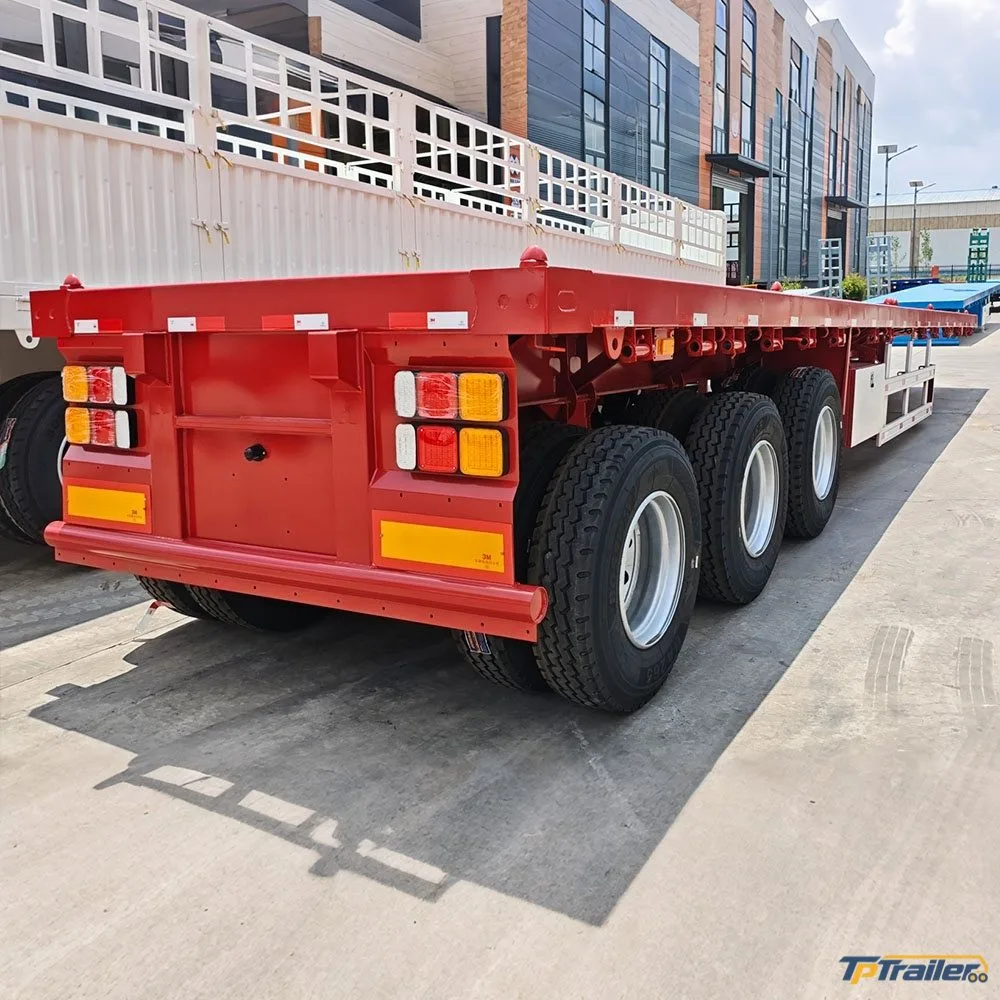
40ft flatbed semi trailer - detail 1

That pattern rewards a platform that loads quickly and does not need special handling equipment. The load capacity of 30000 KG also lets the same unit take a heavy-laden box where a lighter chassis would be marginal. Fleets running port shuttles and inland legs on the same day use this 40ft flatbed semi trailer as the flexible middle link.

Breakbulk and construction freight are the second daily use. Steel beams, rebar bundles, pipe sections, timber packs, palletised building materials and pre-cast elements all sit on the same deck. Loading from above with a crane or from the side with a forklift is straightforward because nothing blocks access. Site deliveries often need a trailer that can wait at a gate, take a partial load and move on, and a flat platform handles that rhythm well. The 40ft flatbed semi trailer also suits machinery that fits within the deck footprint and the rated capacity. Rental and lease fleets like this profile because one unit covers container work, building-supply runs and general haulage, which keeps utilisation high across mixed demand.

Choosing The Right Spec

  • Match the load capacity to your heaviest routine job. The stated rating is the ceiling for normal operation. Review the densest cargo you move regularly, then confirm the 40ft flatbed semi trailer covers it with margin. A unit sized to the real mix avoids both over-specification and the risk of refusing a profitable heavy load at the booking desk.
  • Choose the three-axle layout for the routes you run. Three axles suit long highway legs and mixed regional work where stable tracking under load matters. If your operation is mostly short depot shuttles, the same layout still works, but the decision should follow your route profile and the axle limits you must meet.
  • Confirm container mounting for intermodal jobs. If a large share of your work is boxed freight, the container mounting on the 40ft flatbed semi trailer is the feature that decides the purchase. For pure breakbulk operators the deck matters more than the locks, so weigh the cargo mix before committing to the configuration.
  • Plan deck length against your cargo lengths. Long pipe, timber and steel need a deck that supports the full length without overhang problems. Check the longest items you regularly haul against the platform before you order. For mixed fleets, a 40ft flatbed semi trailer that covers both container and long-freight work reduces the number of specialised units you need to keep on the road.

Customisation Before Delivery

  • The axle count is the first choice to settle, because it decides how the 40ft flatbed semi trailer carries weight across the road. A buyer moving dense loads may want more axles than a buyer running light containers. Confirm the configuration at order confirmation so the running gear matches your duty cycle.
  • Deck length and deck layout are open to discussion for a 40ft flatbed semi trailer. Tell us what you haul, and the deck can be set to suit the cargo footprint. Every dimension is written into the order confirmation, so both sides work from the same document.
  • Suspension type is selected at order confirmation. Mechanical and other options change ride behaviour and how the trailer tracks on uneven ground. The choice should follow your route profile and the loads you expect. Nothing is assumed on our side until you approve it.
  • Tyre specification is agreed before production begins. Tyre size and pattern affect ground pressure and wear on a 40ft flatbed semi trailer. State the road conditions and typical load, and the tyre set is matched to that. The confirmed list is attached to your order record.
  • Colour and finish are chosen at order confirmation. Paint and coating matter for visibility and for how the steel weathers over the years. Pick a colour that suits your fleet identity or local rules. The final finish is locked in writing before the build starts.

Fitting And Installation

On arrival, the buyer has to match the 40ft flatbed semi trailer to the tractor unit. Check the fifth wheel height and the kingpin position first, because those two points set the deck height and the level ride. Then confirm the landing gear footprint and the ground clearance where the trailer will be parked. Air and electrical connections must reach the tractor sockets without strain, so compare the coil length and the socket layout. If any of these points differ from your fleet, a fitment drawing is confirmed at quotation instead of being assumed. That drawing is the reference the workshop uses on delivery day, and it removes guesswork from the first coupling.
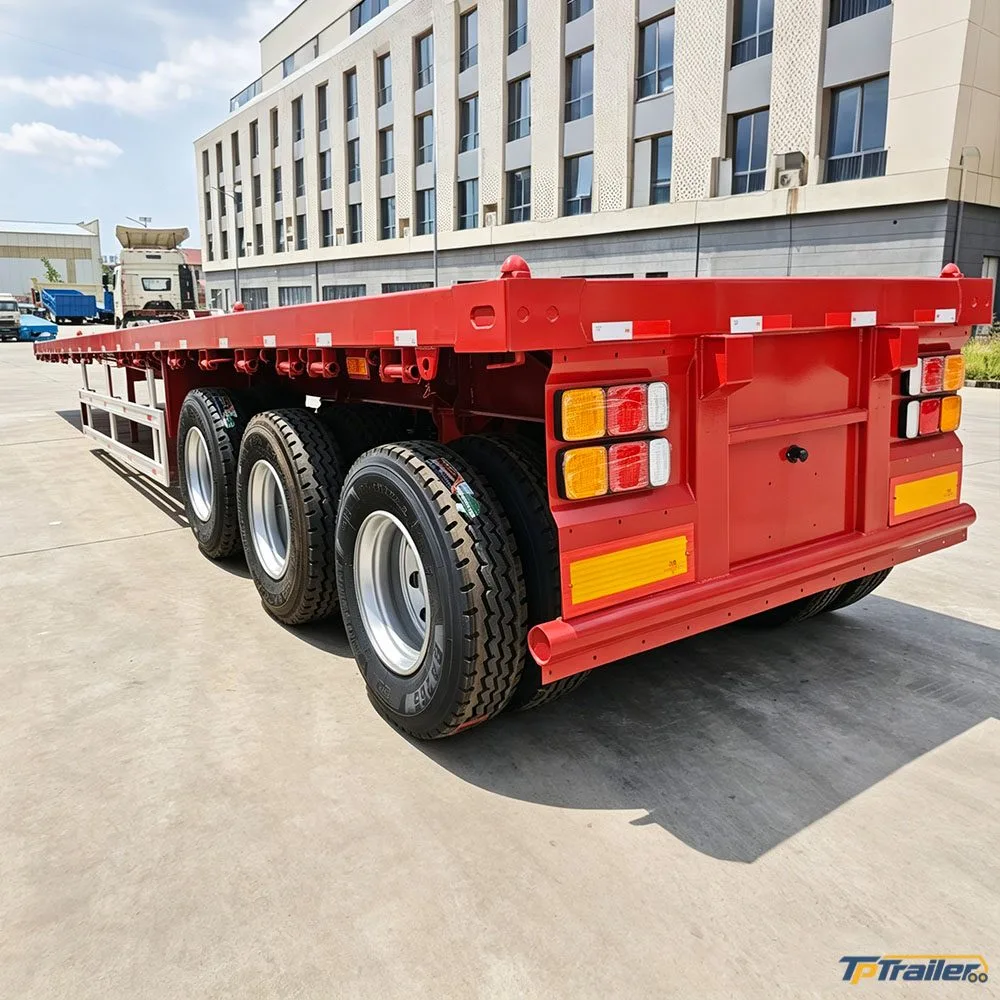
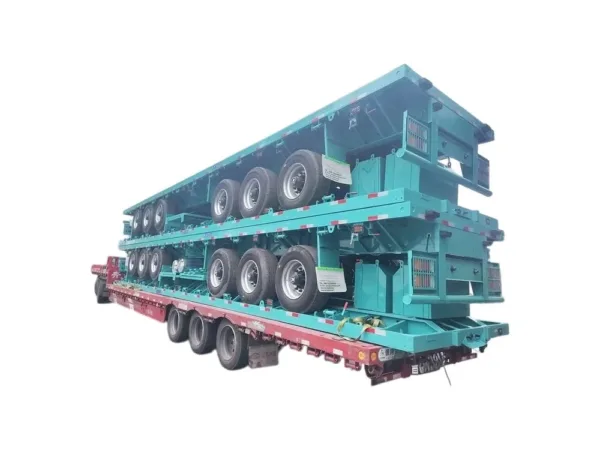
40ft flatbed semi trailer - detail 3
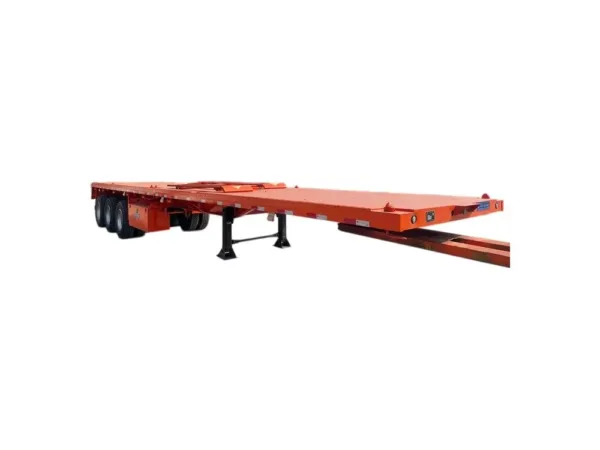
40ft flatbed semi trailer - detail 2

A wrong size costs downtime, and the cost is not only the part. If the kingpin or the coupling height is off, the 40ft flatbed semi trailer may not sit level, and the load shifts across the deck. If the air line routing does not reach, the trailer cannot be moved legally until it is corrected. Every hour the unit stands still is an hour the cargo does not move.

That is why the fitment drawing is agreed before the order is released, and why the buyer should send tractor details early. Small mismatches are cheap to fix on paper and expensive to fix on the yard. Confirm the interface points at quotation, and the first hook-up is a routine step rather than a repair job.

Service Life And Maintenance

  • Tyres wear first on any 40ft flatbed semi trailer, because they take the road load directly. The operator should inspect tread depth and sidewall condition on a set schedule. Uneven wear points to alignment or load balance. Rotating the tyre set and keeping the pressure at the specified level extends the interval between replacements.
  • Brake linings and drums are the next wear item. The operator should check lining thickness and drum condition at each service. Air leaks at the chambers or lines shorten lining life and weaken stopping power. A routine leak check keeps the braking system within its designed performance and avoids surprise downtime on the road.
  • Suspension components carry the load and absorb road shock. Inspect springs, shackles and bushes for cracks or looseness. The suspension choice made at order confirmation sets how much maintenance the system needs. A matching duty cycle keeps wear predictable, and prompt replacement of a worn bush protects the parts around it.
  • The steel structure and its coating decide how long the 40ft flatbed semi trailer stays sound. Walk the deck, cross members and side rails for paint damage or rust spots. Touch up chips before corrosion spreads. The coating option chosen before delivery sets the starting point, and a simple wash routine keeps that coating working.
  • Fasteners and the kingpin area deserve a regular look. Check bolts for looseness and the kingpin for wear at the coupling face. A worn kingpin affects how the trailer tracks behind the tractor. Replacing it early protects the fifth wheel and keeps the 40ft flatbed semi trailer stable under load.

Packing And Container Loading

A 40ft flatbed semi trailer ships as a steel structure with exposed surfaces. The factory protects machined and painted areas before loading. Axle ends, brake chambers and air line fittings are wrapped or capped. The deck surface is kept clear so the unit can be handled by crane or forklift at both ends of the voyage. Landing gear is retracted and secured. Loose items such as spare tyres, tools and mud flaps are boxed and strapped to the frame rather than left loose. Buyers should ask for loading photos before the container or vessel is sealed. A 40ft flatbed semi trailer is a long, low unit, so the loading plan matters as much as the packing itself.

Stacking and nesting are limited for this product. A 40ft flatbed semi trailer is a rigid welded frame, so units cannot nest inside each other like smaller components. Some factories load more than one unit per vessel deck by stacking with timber dunnage between frames, but this depends on the shipping method and must be confirmed at quotation. For container shipment, the trailer is normally too wide and long for a standard box, so flat rack or break bulk is the usual route. Ask the supplier to state the loading method in writing. Verify the 40ft flatbed semi trailer frame for bending, paint damage and missing fittings on arrival, and photograph any issue before unloading.

Common Mistakes Buyers Make

  • Ordering the wrong deck length. A buyer specifies a container size but not the actual cargo footprint. The trailer must match the loads it will carry, not just the container it moves. Check the deck length and width against your tallest and longest cargo before ordering a 40ft flatbed semi trailer.
  • Ignoring the load capacity rating. The rated load capacity is a limit, not a target. Overloading a 40ft flatbed semi trailer shortens axle and suspension life. Confirm the rating matches your heaviest permitted load, including container weight and cargo, before you sign.
  • Mismatching axle count to local rules. Axle count affects legal payload and road tolls in many markets. A three-axle 40ft flatbed semi trailer may not suit every jurisdiction. Check your local axle load rules and confirm the configuration with the supplier before production starts.
  • Skipping the coupling check. The kingpin and fifth wheel interface must match your tractor. A 40ft flatbed semi trailer that will not couple is useless on arrival. Measure your tractor fifth wheel height and confirm the kingpin standard before the order is released.
  • Not agreeing inspection before shipment. Buyers often accept photos of a finished 40ft flatbed semi trailer without a checklist. Agree what will be inspected, who signs off and which photos you receive. This single step prevents most arrival disputes and return shipments.

Buyer Questions

Can the trailer be shipped in a standard container?

Usually not. A 40ft flatbed semi trailer is wider and longer than a standard box container opening, so it is normally shipped on a flat rack, by break bulk or by ro-ro. The exact method depends on the destination port and the shipping line. Ask the supplier to confirm the loading method in writing and to send loading photos. Also confirm who arranges the vessel booking and who pays for port handling, because these costs sit outside the trailer price.

What should I check when the trailer arrives?

Inspect the frame for bending or weld cracks, and check that paint is not rubbed through at contact points. Confirm the axles, brake chambers, air lines and electrical harness are present and undamaged. Check the landing gear operates and the kingpin is clean. Photograph any damage before unloading and notify the supplier the same day. For a 40ft flatbed semi trailer, also confirm the deck surface is flat and free of dents, since deck damage is hard to prove after the unit is in service.

How do I confirm the specification before ordering?

Send the supplier your cargo dimensions, your heaviest permitted load and your local axle rules. Ask for a written specification sheet covering deck size, axle count, load capacity and tyre size. Compare that sheet against your tractor fifth wheel and your route restrictions. Confirm the price tier that applies to your order quantity, and ask what is included in the quoted 40ft flatbed semi trailer price. Any item not stated in writing should be treated as confirmed at quotation only.

To receive a quote, send the deck length you need, the number of axles, and the quantity you plan to order. State your destination port and preferred shipping method. The supplier can then confirm the configuration, the price tier for your volume, and the loading plan for your 40ft flatbed semi trailer.

Explore more 40ft flatbed semi trailer in this range.

Load Capacity >30000 KG Type Semi-Trailer
Max Payload >30000 kg Place of Origin China
Use Truck Trailer Material Steel
Size Customer

Reviews (0)

No reviews yet — click the Review button on the right to share your experience with this product.
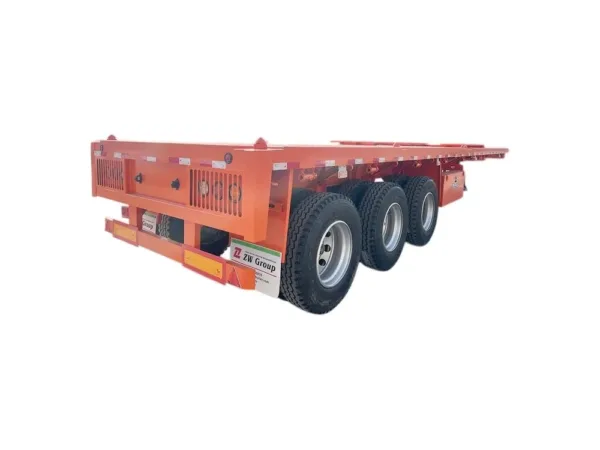
Frequently Bought Together

Inquiry about: 3 Axle Flatbed Semi Trailer 40ft Container Trailer 30000 KG

Fill in the form below and our team will respond within 24 hours.