

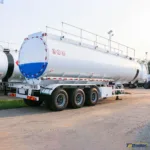
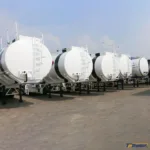

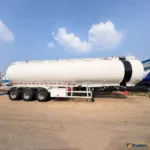
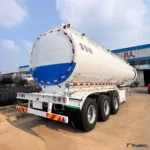
Looking for lightweight aluminum fuel tanker trailer transport? This 3 axle semi trailer carries 45000L of petroleum and diesel with a 30000 load capacity.


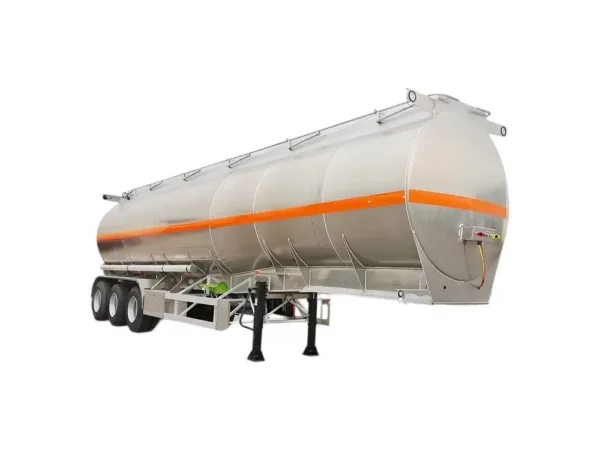


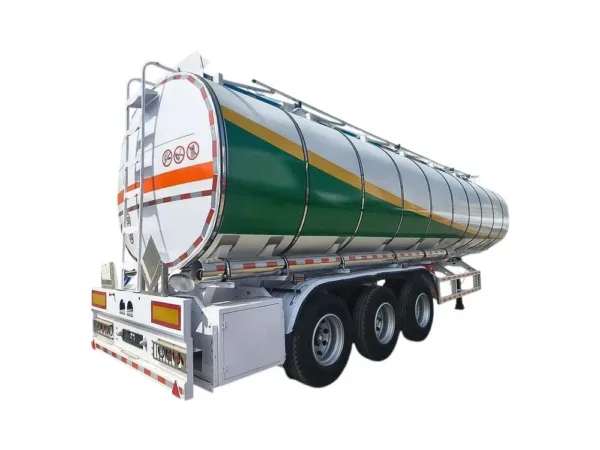
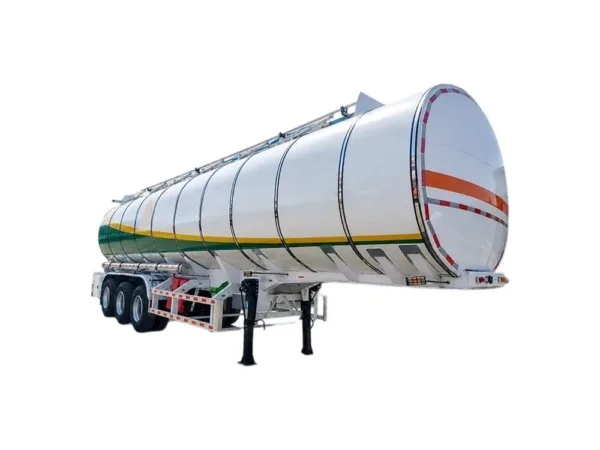
Lightweight aluminum fuel tanker trailer transport planning starts with the running gear and the barrel, and this three axle semi trailer pairs a carbon steel barrel with a chassis built for sustained petroleum and diesel runs. It carries a rated load capacity of 30000, so fleet operators moving fuel between depots, terminals and retail sites get one unit that covers both bulk and shuttle work. The barrel is carbon steel, a material that holds its shape under repeated filling and discharge cycles.
For buyers comparing haulage assets, the strongest reason to shortlist this unit is the balance between payload and structural durability on long duty cycles. It suits operators running fixed petroleum routes and contractors adding tanker capacity to an existing fleet without rebuilding their maintenance regime around a new material.
Lightweight aluminum fuel tanker trailer transport duty most often begins with depot-to-depot fuel movement. A tanker of this size fits routes where a terminal loads the barrel and a regional storage point receives it, often on fixed schedules. Drivers recognise the pattern: load, run the highway leg, discharge, repeat. Planning on these routes depends on predictable payload and steady handling, because the tractor and trailer pair may cover the same corridor several times a week. The three axle layout keeps the barrel stable through the sustained speeds these corridors demand, and the carbon steel shell tolerates the repeated fill and discharge cycles that depot work involves without needing a change in workshop routine.
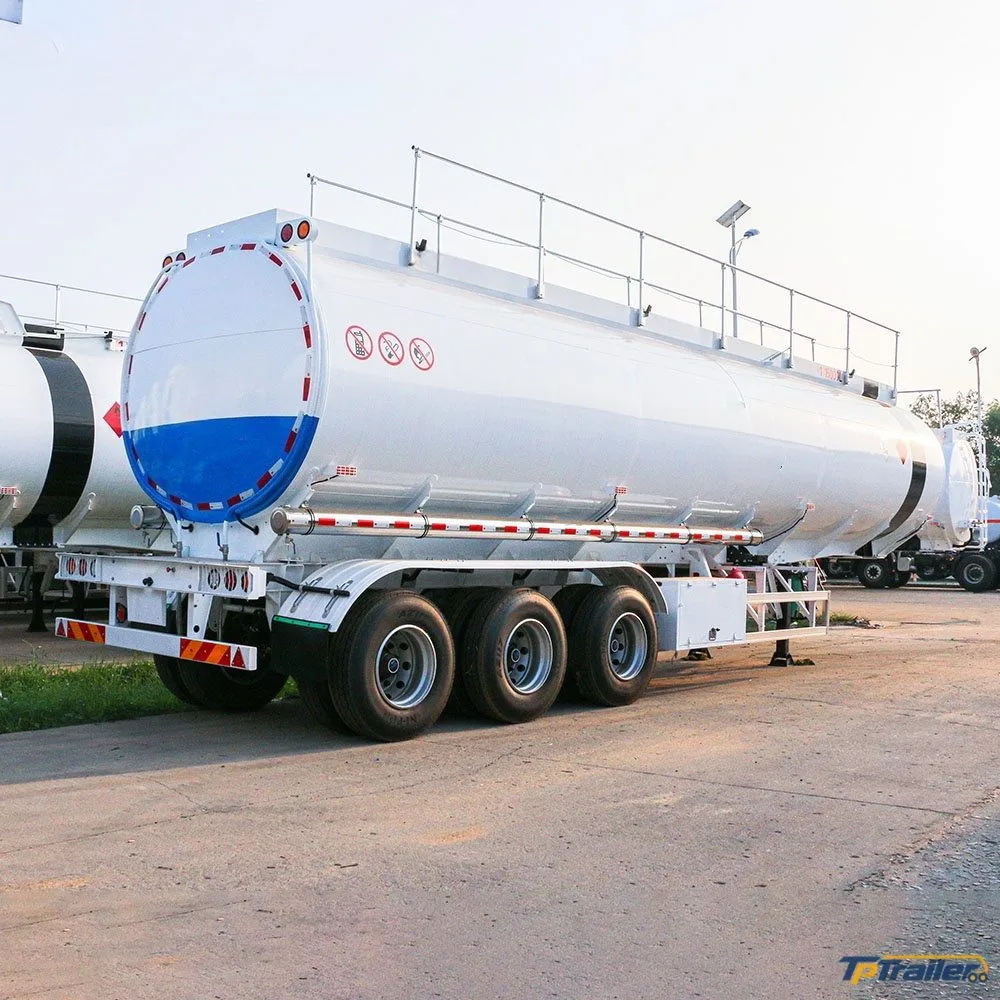
Retail and site delivery rounds form the second pattern. Here the trailer moves diesel to filling stations, construction compounds and equipment yards, often with shorter highway legs and more stopping. Manoeuvring in tighter yards puts a premium on tracking and predictable braking, which the axle arrangement supports. Operators running lightweight aluminum fuel tanker trailer transport as part of a mixed delivery fleet use units like this to cover the high-volume drops while smaller vehicles handle restricted access points. The rated load capacity of 30000 gives dispatchers a clear figure for planning each round, and the carbon steel barrel keeps inspection intervals aligned with the rest of a conventional fleet.
A third pattern appears in high capacity fuel trailer aluminum diesel tanker delivery work where the same unit alternates between bulk transfers and scheduled drops. On these contracts the trailer may sit loaded overnight at a terminal and discharge at first light, so the barrel and fittings see more product contact than the mileage suggests. The semi trailer format lets a single tractor serve two trailers across a shift, which is where the lightweight aluminum fuel tanker trailer transport argument becomes a scheduling tool rather than a weight figure on a spec sheet.
Lightweight aluminum fuel tanker trailer transport orders are built to a confirmed configuration, so the choices below are settled before production rather than after. Each option changes the running gear layout, the tare figure or the coating sequence, and those details are far cheaper to fix on paper than on a finished chassis.

On arrival, the buyer has to match the trailer to the tractor unit and to the loading point. The critical points are the kingpin and coupling height, the position of the landing legs, the mounting points on the chassis, and the routing of any hose or pipe run between the two vehicles. Air and electrical connections must reach without strain, and the tube size on the tractor side must suit the fittings on the trailer.
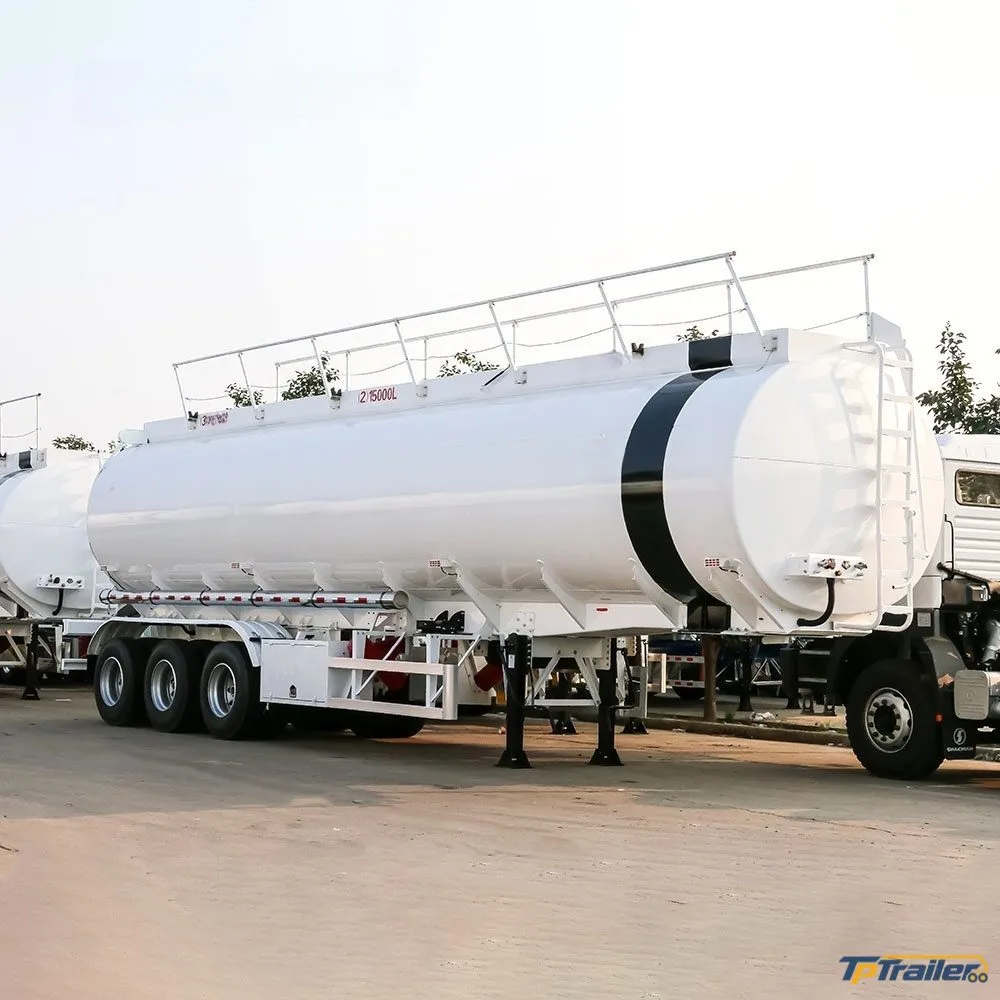
Where the input gives no fitment figures, treat the fitment drawing as the reference: it is confirmed at quotation, before the order is released. That drawing shows the interface points the buyer must check on the ground. A crew that measures against a confirmed drawing avoids the common failure of discovering a mismatch after the trailer has been delivered.
A wrong size at the interface is expensive in a way that is easy to underestimate. If the coupling height is off, the trailer sits nose-up or nose-down and the load shifts forward or back. If a hose run is too short, the operator cannot turn without pulling a fitting loose. If the mounting points do not line up, the trailer waits while brackets are cut and re-welded.
Each of those problems takes the unit out of service, and for a fuel delivery business downtime means missed drops. Buyers evaluating lightweight aluminum fuel tanker trailer transport should send their tractor details with the enquiry so the drawing is right the first time. Confirm the fitment drawing at quotation, check it against the tractor, and only then release the build.
Lightweight aluminum fuel tanker trailer transport schedules usually set the inspection rhythm for the whole fleet, because a tank trailer carries product as well as load. The checks below are the wear points that decide whether the unit stays in service or spends a week in the workshop.
Each unit is prepared for sea freight with the tank shell protected against transit abrasion. Exposed steel surfaces receive a protective coating before dispatch, and fittings are secured so they cannot shift against the shell. The running gear and axle assemblies stay assembled on the chassis, which keeps the unit ready for road use on arrival. Buyers planning lightweight aluminum fuel tanker trailer transport should confirm the coating system and fitting protection in the order specification, because the input does not state a packing standard. Ask the supplier to photograph the unit before loading. Those images become your reference when the container is opened at destination.
Stacking and nesting are not practical for a finished tank trailer. The unit ships as a complete rolling assembly, so container space is used by the trailer itself rather than by nested parts. This affects how many units fit per shipment and how loading is planned. For lightweight aluminum fuel tanker trailer transport, confirm the loading method and securing points at quotation, since the input gives no container count or loading plan. On arrival, verify the shell coating, the fittings, the axle assemblies and the tank interior before accepting the delivery. Record any transit damage with photographs before signing the delivery receipt.
Lightweight aluminum fuel tanker trailer transport procurement goes wrong in a small number of predictable ways, and most of them trace back to a detail that was never written down. The list below covers the checks that are cheapest to make before the order is released.
The input does not state a packing standard, so protection is confirmed at quotation. Ask the supplier to describe the coating applied to exposed steel, how fittings are secured, and whether the tank interior is sealed against dust and moisture. Request photographs of the unit before loading and again at the port. On arrival, inspect the shell coating, the fittings and the axle assemblies before signing the delivery receipt. For lightweight aluminum fuel tanker trailer transport, confirm the loading method and securing points in the same quotation.
The trailer ships as a complete rolling assembly, so nesting and stacking do not apply. How many units fit per shipment depends on the loading plan, which the input does not state. Confirm the loading method, the number of units per shipment and the securing arrangement at quotation. For lightweight aluminum fuel tanker trailer transport, ask the supplier to confirm the container plan in writing before you place a multi-unit order, and keep that plan with your shipping documents for reference at destination.
Confirm the load capacity, the tank volume, the axle count and the tank material against your intended duty, and put each property on the purchase order. Confirm the fitting arrangement and connection sizes at quotation, because the input does not state them. For lightweight aluminum fuel tanker trailer transport, ask for the loading plan and the pre-shipment photographs. Then compare the delivery against those photographs and the order before accepting the unit.
Lightweight aluminum fuel tanker trailer transport buyers get the fastest answer by sending the trailer length they need, the axle count and the quantity for the first order. With those three details, the supplier can confirm the configuration, the loading plan and the price tier that applies to your volume.
Explore more lightweight aluminum fuel tanker trailer transport in this range.
| Load Capacity | 30000 | Type | Semi-Trailer |
|---|---|---|---|
| Place of Origin | China (Mainland) | Province | Guangdong |
| Use | Truck Trailer | Material | Steel |
| Size | 11700x × 2500 × 3800mm | Dimensions | * * |

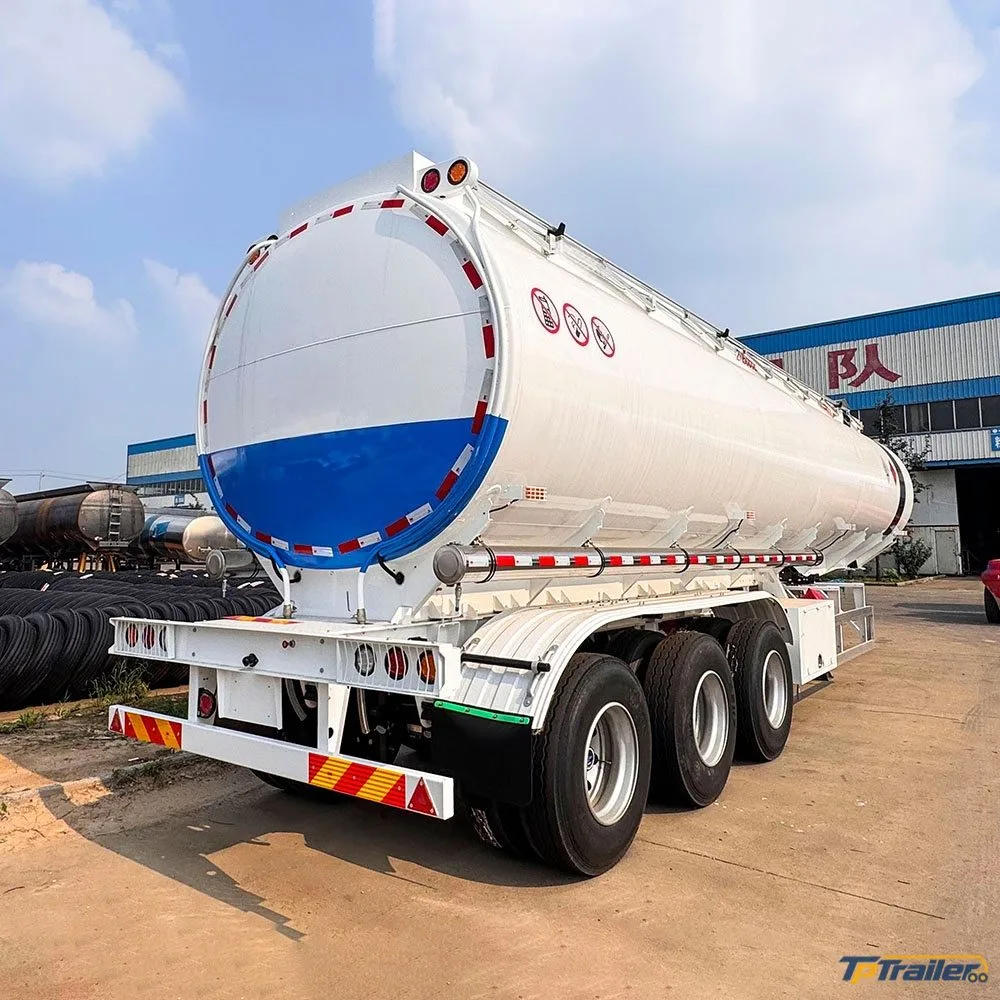
No reviews yet — click the Review button on the right to share your experience with this product.
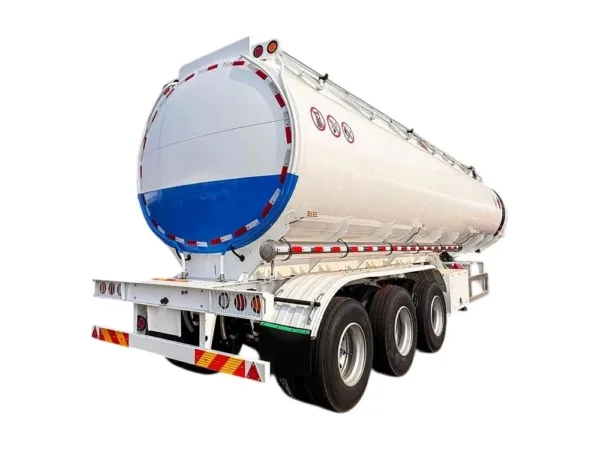


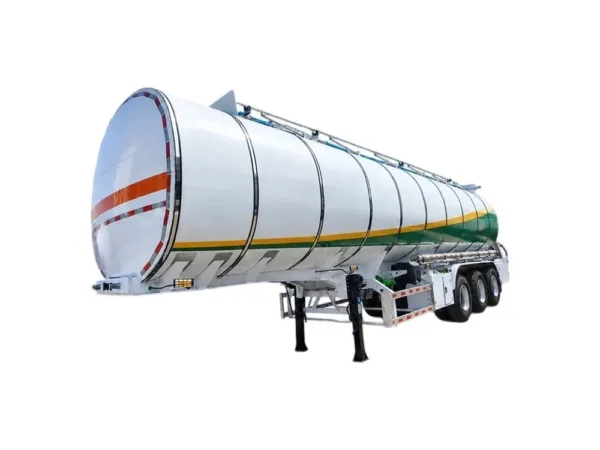








Fill in the form below and our team will respond within 24 hours.
Write a Review