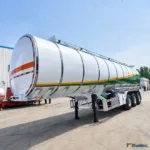
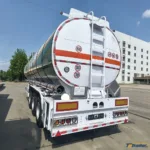
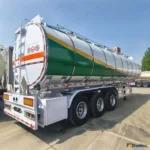
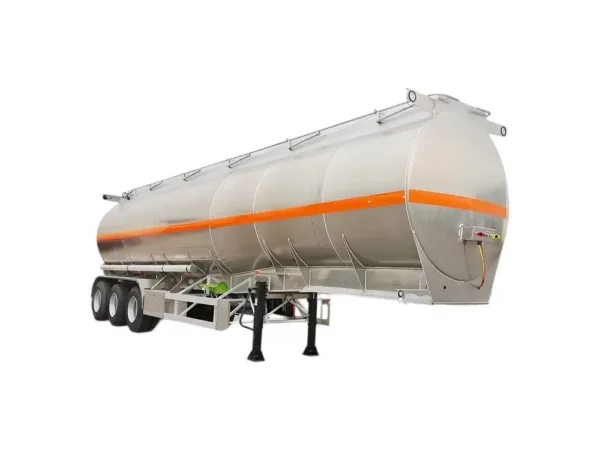
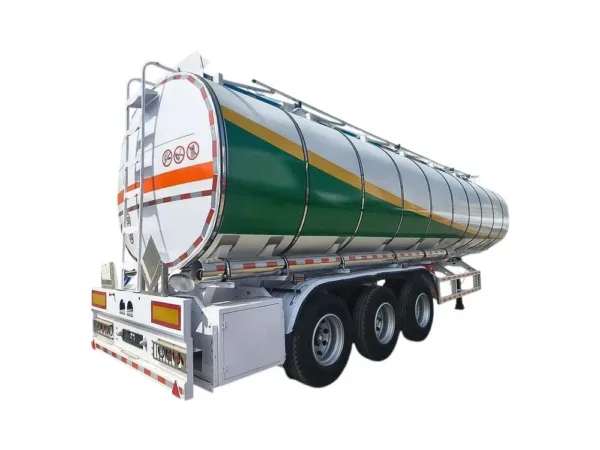
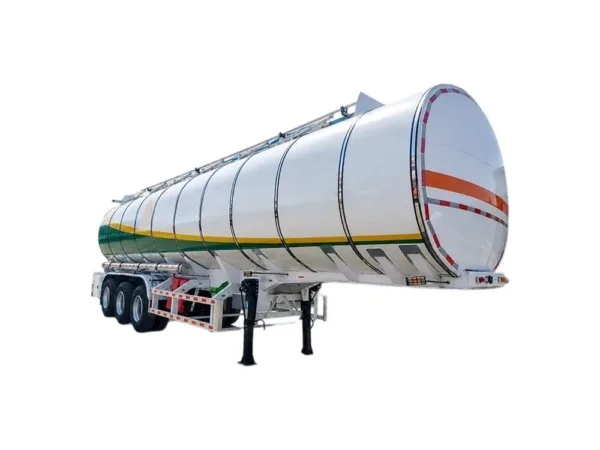
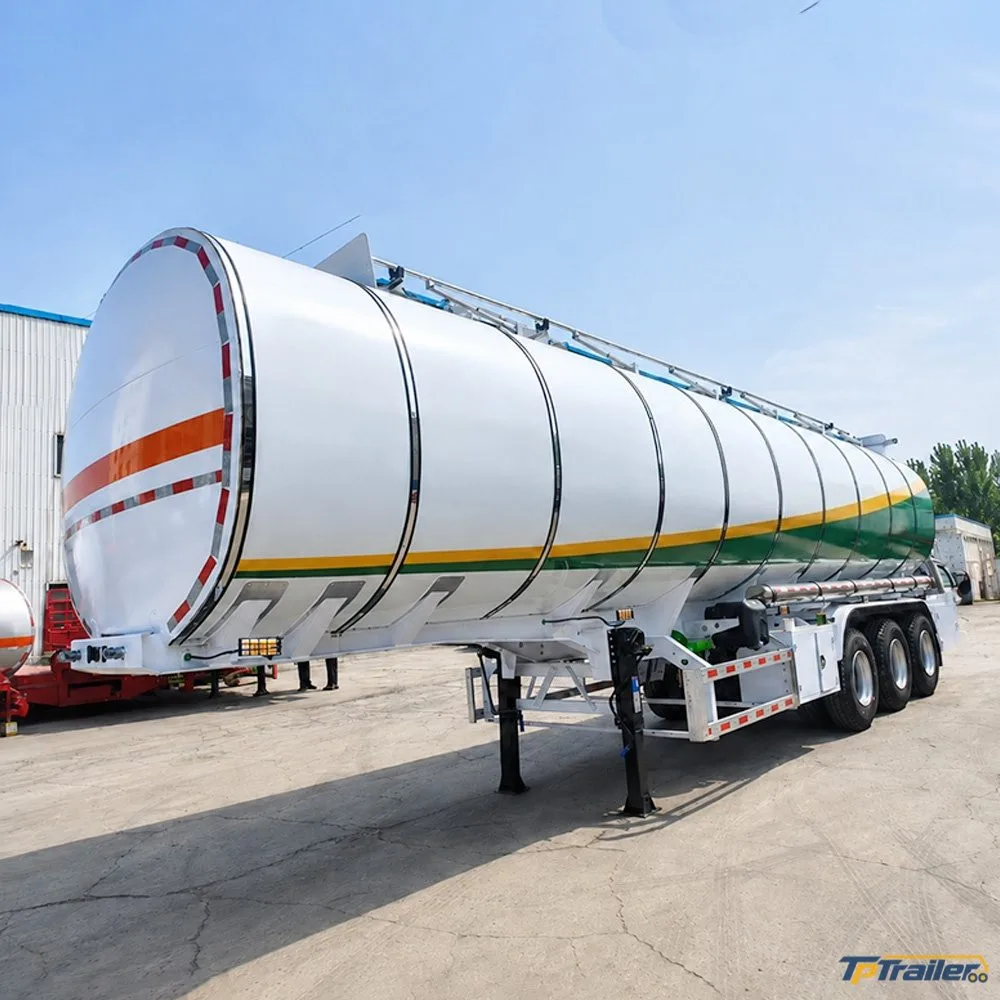
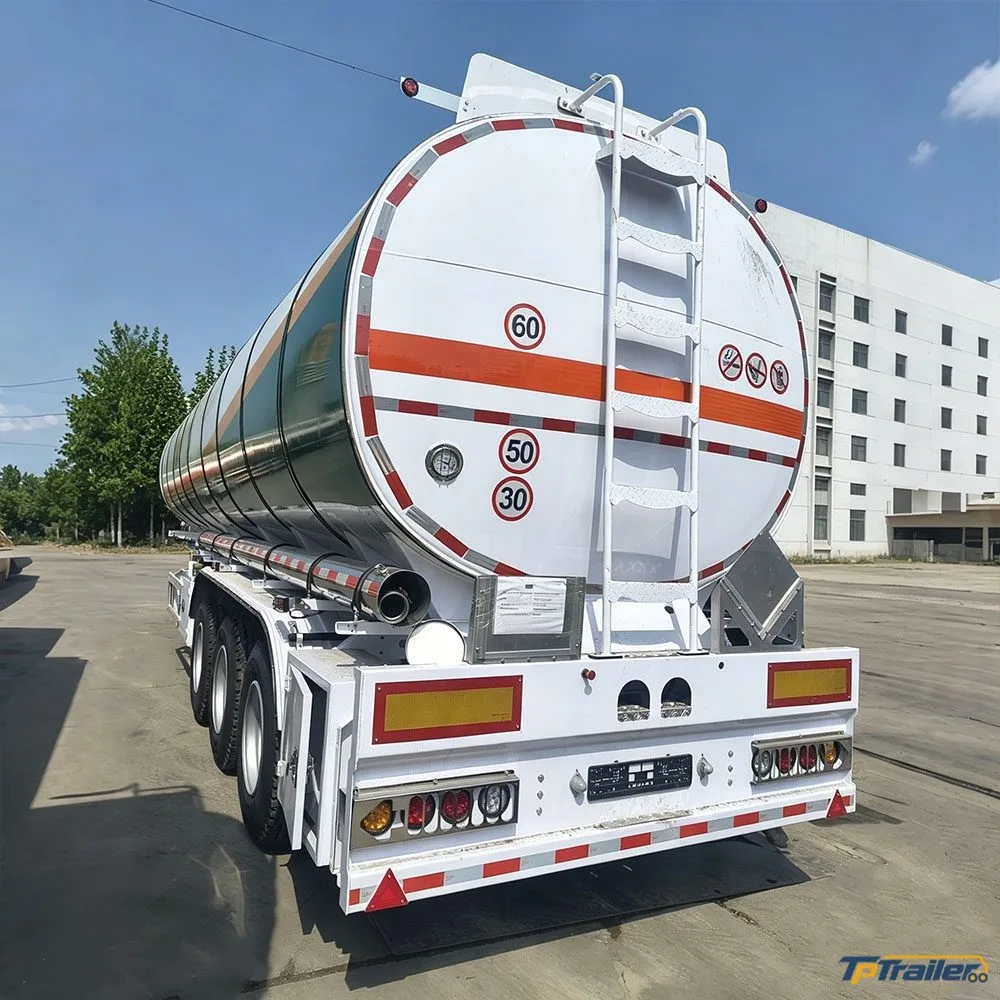
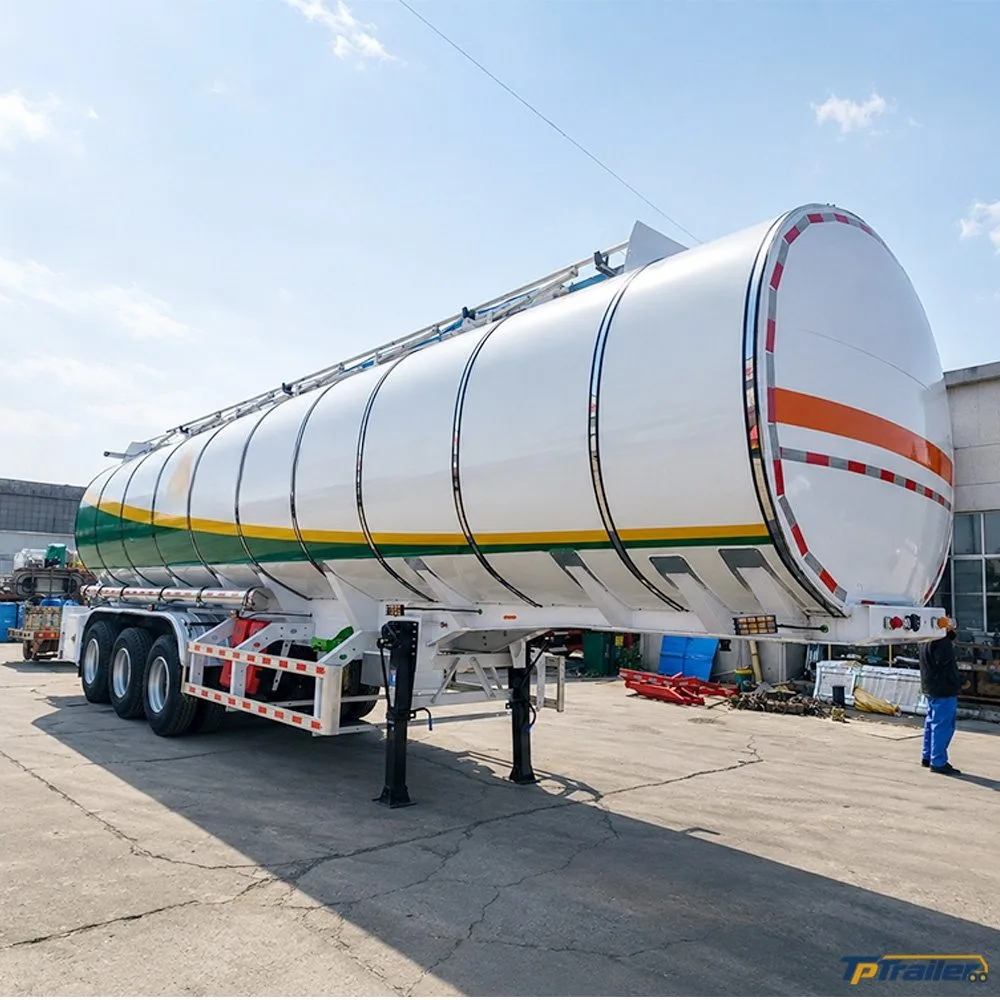
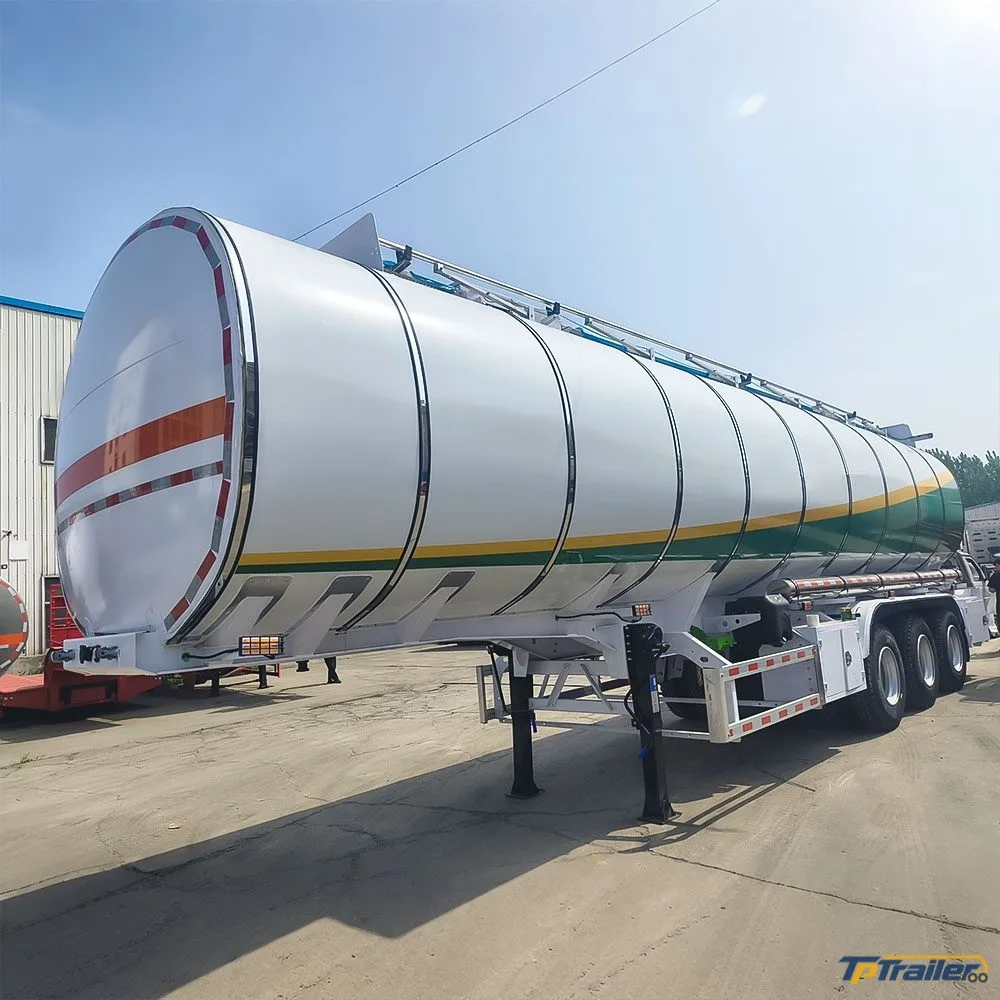
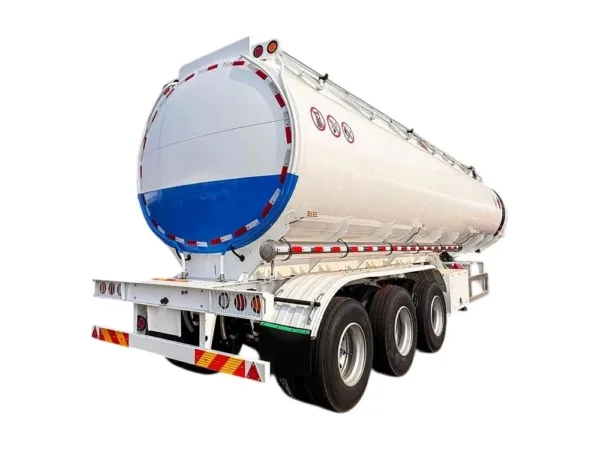
Fuel tanker semi trailer with 45000L carbon steel tank and 3 axle build for asphalt, diesel and petrol transport. Request a quote for your fleet today.
15001-20000 KG 3
FOB Reference PriceUS$8,000-10,000Final price confirmed by inquiry
Certifications
ISO 9001
Key Features
45000L carbon steel tank for asphalt, diesel, petrol and gasoline loads
3 axle configuration for heavy duty road transport
Carbon steel tank body suited to fuel and oil transportation
The heavy duty 3 axle 45000L carbon steel fuel tanker semi trailer is a bulk liquid hauler built for asphalt, diesel, petrol, gasoline and oil transport over long regional routes. It is aimed at fleet operators and fuel distributors who move large volumes daily and need a barrel that holds its shape under repeated loading. The single strongest reason to choose it is the carbon steel barrel: it takes road vibration, thermal cycling and rough yard handling without the denting that thinner shells suffer. Every unit is specified around your cargo, route and discharge routine, so the trailer earns its place in the fleet rather than sitting idle between peak seasons.
Table of Contents
Why It Works On Site
Carbon steel barrel construction. The steel shell resists impact from dock contact, gravel yards and tight depot turns, so the fuel tanker semi trailer keeps its shape through years of daily shunting. Operators spend less time on body repairs and more time on the road, and the barrel stays dimensionally stable for accurate volume readings at the loading bay.
Three-axle running gear. Spreading the load across three axles keeps the fuel tanker semi trailer stable when a full barrel shifts weight in corners and braking. Drivers get predictable tracking on highway curves and ramp entries, and the extra axle set reduces per-axle stress during long loaded runs between depots and delivery points.
45000L working volume. A large single barrel cuts the number of trips needed to move a bulk order, so the fuel tanker semi trailer handles full depot restocks in one run. Fewer journeys mean lower fuel burn, less driver hours and faster turnaround on high-demand days when a station needs several product grades at once.
Load capacity of 15001-20000 KG. This payload band matches medium and heavy tractor units without overloading the prime mover. The fuel tanker semi trailer stays within sensible gross weight for bridge and road limits, so route planning is simpler and dispatchers can assign it across a mixed fleet without recalculating every load.
Multi-product service design. The barrel is built to carry asphalt, diesel, petrol, gasoline and oil, so one fuel tanker semi trailer covers several contracts. A fleet can switch between hot product work and cold fuel distribution without buying another unit, which keeps utilisation high across seasons and reduces the number of chassis in the yard.
Simple, serviceable structure. Carbon steel is repairable in most workshops with standard welding and plate stock, so the fuel tanker semi trailer does not depend on specialist composite suppliers. Maintenance teams can handle walk-around checks and minor shell work in-house, shortening downtime and keeping the unit available for scheduled hauls.
Where It Is Used
Fleet operators use this fuel tanker semi trailer on depot-to-station fuel runs, where a single load covers several retail sites. The large barrel carries diesel, petrol and gasoline grades across regional highways and urban ring roads, and the three-axle layout handles the stop-start rhythm of multi-drop delivery. Drivers recognise the routine: load at the terminal, run the highway leg, discharge at each station, then return for the next batch.
The carbon steel shell copes with repeated coupling and uncoupling in busy yards, and the payload band keeps the unit within normal gross weight limits on these routes. Operators often keep one unit on a fixed station circuit so the same driver learns the discharge points and turnaround times, which shortens each stop. On high-volume days, the fuel tanker semi trailer can complete a second loop instead of sending two smaller rigs, cutting driver hours and fuel burn per litre delivered.
Construction and road maintenance contractors use the same fuel tanker semi trailer for asphalt and heavy oil transport. Bitumen and asphalt work is seasonal and time-sensitive, so a large barrel that can move bulk product to paving sites and mixing plants in one trip keeps crews supplied. The carbon steel barrel handles the thermal load of hot product, and the three-axle running gear keeps the unit stable on site roads and temporary access tracks.
These jobs often involve short, rough routes between plants and laydown areas, where a robust shell matters more than lightweight construction. The fuel tanker semi trailer also suits industrial oil distribution, moving lubricants and process oils between storage terminals and factories. Because the barrel serves several cargo types, a contractor can keep the unit working across paving season and the colder months, when fuel and oil demand replaces asphalt runs.
Choosing The Right Spec
Match the barrel to your main cargo. If most runs are diesel, petrol and gasoline, the carbon steel fuel tanker semi trailer gives a durable shell for steady depot-to-station work. If asphalt and heavy oil dominate, confirm the barrel build suits hot product handling before ordering, because the same unit may need different internal preparation for each duty.
Check payload against your tractor unit. The 15001-20000 KG load capacity band suits medium and heavy prime movers. Operators running lighter tractors should confirm the loaded gross weight stays within their route limits, while heavy fleets can plan full loads knowing the fuel tanker semi trailer is rated for this band.
Plan around the 45000L volume. A large barrel reduces trips on bulk contracts, but it also sets the minimum load size that makes a run worthwhile. Fleets with steady high-volume demand gain the most from this fuel tanker semi trailer, while operators on smaller or mixed loads should map their typical order sizes before committing.
Compare the price tiers by fleet size. The listed USD 8000.0-10000.0 range moves with order quantity, from MOQ 1 at the higher tier down to MOQ 10 at the lower. A single-unit buyer and a fleet adding several fuel tanker semi trailer units face different per-unit costs, so plan order size against expected route coverage and utilisation.
Customisation Before Delivery
Axle count is confirmed at order confirmation. A fuel tanker semi trailer can be built with the axle layout you specify for your route and payload rules. Tell us the configuration you need and the build sheet is locked before production starts. No change is assumed unless it is written into that confirmed order.
Suspension type is selected at order confirmation. Mechanical and other available options change ride behaviour and load distribution on a fuel tanker semi trailer. State the road conditions and load profile you run so the choice matches them. The selection is recorded on the build sheet and does not shift afterwards.
Tyre specification and quantity are fixed at order confirmation. Tyre choice affects ground pressure and rolling resistance on a loaded fuel tanker semi trailer. Give us the surface and climate you operate in. The agreed set is written into the order so the delivered unit matches what you planned for.
Colour and finish are agreed at order confirmation. Paint and surface treatment on a fuel tanker semi trailer are chosen from the options offered at quotation. Send the reference you want applied. The finish is confirmed in writing before the build begins, so there is no mismatch at handover.
Deck length and other dimensional options are settled at order confirmation. Overall length and layout on a fuel tanker semi trailer must suit your tractor unit and yard access. Confirm the dimensions you need at quotation. Once accepted, the figures are fixed on the order and the unit is built to them.
Fitting And Installation
On arrival, the buyer has to match the fuel tanker semi trailer to the tractor unit that will pull it. Check the fifth wheel height and the kingpin engagement first, because a mismatch here affects every other connection. Confirm the landing gear travel clears your yard surface and the coupling height you work at. Look at the mounting points on the chassis and compare them with the brackets on your tractor.
Verify the electrical connector type and the air line couplings against the tractor’s fittings. Check that the hose routing you plan does not foul the tank shell, the catwalk or the discharge pipework. Where the input gives no fitment data, a fitment drawing is confirmed at quotation instead of being assumed. Walk the whole unit before it enters service and record what you find.
A wrong size costs downtime that is easy to avoid. If the kingpin or coupling height is off, the fuel tanker semi trailer cannot be paired with the tractor and sits idle while adapters are sourced. If the air line couplings do not match, the braking system cannot be charged and the unit cannot legally move. Hose routing that fouls the shell forces rework of pipework before the first load.
Mounting points that do not line up mean brackets are fabricated on site, and that work is rarely planned into a delivery schedule. Each of these faults stops the unit earning. Confirm the interface details at quotation so the fuel tanker semi trailer arrives ready to couple, not waiting for a workshop slot. Buyers who check the drawing early avoid the most common handover delays.
Service Life And Maintenance
The tank shell and its welds are where condition should be watched first on a fuel tanker semi trailer. Inspect the shell, baffles and compartment divisions for distortion, cracking or weeping at seams. Look closely at the areas around the manholes and the discharge pipework. A carbon steel shell with a sound protective coating holds its condition longer between inspections. Record what you see at each check so changes are visible over time.
Corrosion protection is the main factor in how long the fuel tanker semi trailer body lasts. Inspect the coating on the shell, the chassis frame and the underside for chips, blistering or bare metal. Touch in damage before it spreads, because small breaks grow into panel repairs. The coating option chosen at order confirmation sets the starting point for this interval. Keep the exterior clean of spilled product and road salt to slow attack.
Running gear and suspension components wear with every loaded kilometre on a fuel tanker semi trailer. Check bushings, shackle pins and spring leaves for play, cracks or flattening. Inspect the axle tubes and hub areas for oil seepage. The suspension type selected at order confirmation determines which points need the closest attention. Replace worn bushes as a set rather than singly, so the axle alignment stays correct.
Tyres and wheel-end parts are the fastest-wearing items on a fuel tanker semi trailer. Check tread depth, sidewall condition and inflation across the fitted set. Inspect wheel nuts for looseness and look for uneven wear that points to alignment drift. The tyre specification agreed at order confirmation sets the baseline for this check. Rotate and replace as a matched pair on an axle where possible.
Brake and air system parts need routine attention on any fuel tanker semi trailer carrying liquid loads. Inspect brake chambers, slack adjusters and air lines for leaks, chafing or corrosion. Confirm the hose routing stays clear of moving parts and hot surfaces. Keep the air system dry and check drain points as part of the walk-around. Log every finding so a small leak is fixed before it becomes a roadside stop.
Packing And Container Loading
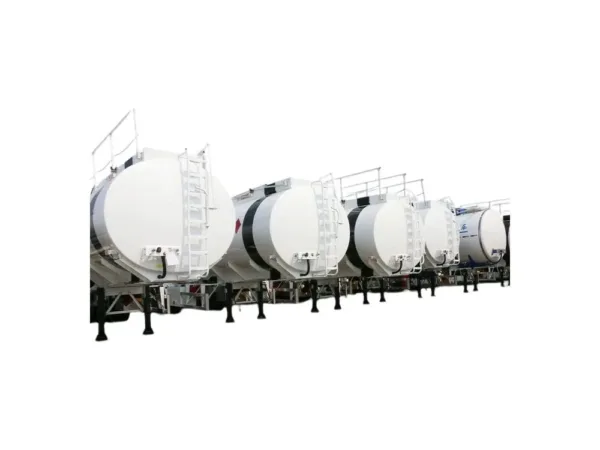
A fuel tanker semi trailer is too large to ship fully assembled. The unit is split into sections for sea freight, and each section is braced so it cannot shift inside the container. Steel contact points are wrapped to limit rubbing during transit. Small fittings are boxed and labelled against the packing list. The buyer should confirm the loading plan before dispatch, because a fuel tanker semi trailer loaded without a plan wastes space and risks damage at the corners.
Nesting and stacking depend on how the sections are cut and braced. Ask whether the supplier stacks sections or loads them side by side, and request photos of the braced arrangement. On arrival, check the container seal, count the sections against the packing list, and inspect the shell and frame for dents or bent fittings. Confirm that every boxed item is present before signing. A fuel tanker semi trailer cleared without a joint inspection is hard to claim for later.
Common Mistakes Buyers Make
Ignoring the load capacity band. Buyers order a fuel tanker semi trailer sized for a heavier duty cycle than the declared load capacity allows, then find the unit unsuited to the route. Check the load capacity against your actual payload before ordering, and confirm the figure in writing on the quotation.
Ordering the wrong axle configuration. The axle count must match the load and the local road rules, and a mismatch sends the unit back. Confirm the axle count and the tyre size together, since the two are ordered as one package on a fuel tanker semi trailer.
Skipping the tank volume check. Buyers assume the quoted volume matches the shell they receive. Measure the intended volume against the compartment layout you need, and ask for the compartment count in writing before production starts.
Not confirming the discharge fittings. The valve and coupling arrangement is often assumed rather than specified. List the fittings you need and confirm them at quotation, because a fuel tanker semi trailer built to the wrong fitting standard cannot be corrected after shipping.
Overlooking the shipping split. Buyers order a complete unit without agreeing how it will be sectioned for the container. Agree the loading plan and the bracing method before dispatch, and check the arrival count against the packing list.
Buyer Questions
How do I confirm the tank volume and compartment layout before ordering?
State the volume you need and the compartment count you want in the enquiry, then ask the supplier to confirm both in writing on the quotation. Do not rely on the model name alone, because the same fuel tanker semi trailer platform can be built to different compartment arrangements. Ask for a simple drawing showing the compartment split and the position of the discharge points. Measure your intended route and depot access before you finalise, so the unit you order fits where it will be filled and emptied.
What should I check about the axle and suspension setup?
Confirm the axle count and the suspension type together, since they are ordered as one package. Ask how the axles are rated against the declared load capacity, and request the tyre size in writing. If your route has weight restrictions, state them in the enquiry so the fuel tanker semi trailer is specified for the roads it will use. Confirm the braking arrangement at quotation, because the input does not state it. Record every confirmed item on the purchase order.
Can the unit be shipped in one container, and what does that change?
A unit of this size is normally shipped in sections rather than fully assembled, so ask for the loading plan before dispatch. The plan should show how the sections are braced and whether they are nested or loaded side by side. Confirm the number of sections and the packing list, then inspect the container seal and the section count on arrival. Any change to the shipping split affects the quote, so agree it before the fuel tanker semi trailer goes into production.
To receive a quote, send the tank length you need, the axle count you require, and the quantity you plan to order. Add the compartment layout and discharge fitting details if they are fixed. With those points confirmed, the supplier can price the fuel tanker semi trailer against your specification.
We use cookies to enhance your browsing experience, serve personalized content, and analyze our traffic. By clicking "Accept All", you consent to our use of cookies. Privacy Policy
Cookie Preferences
Required for the website to function properly. Cannot be disabled.
Help us understand how visitors interact with the website (Google Analytics).
Used to deliver personalized ads and measure ad campaign effectiveness.

















Write a Review