The flatbed vs container chassis decision shapes how an importer moves freight. Both trailer types carry containers, yet they serve different jobs. A clear comparison helps you buy the right unit for your fleet.
This guide explains the main differences. It covers structure, payload, axles and typical applications (Two Axle Steel Flatbed Container). All figures come from our product data.
Flatbed vs Container Chassis: The Core Difference
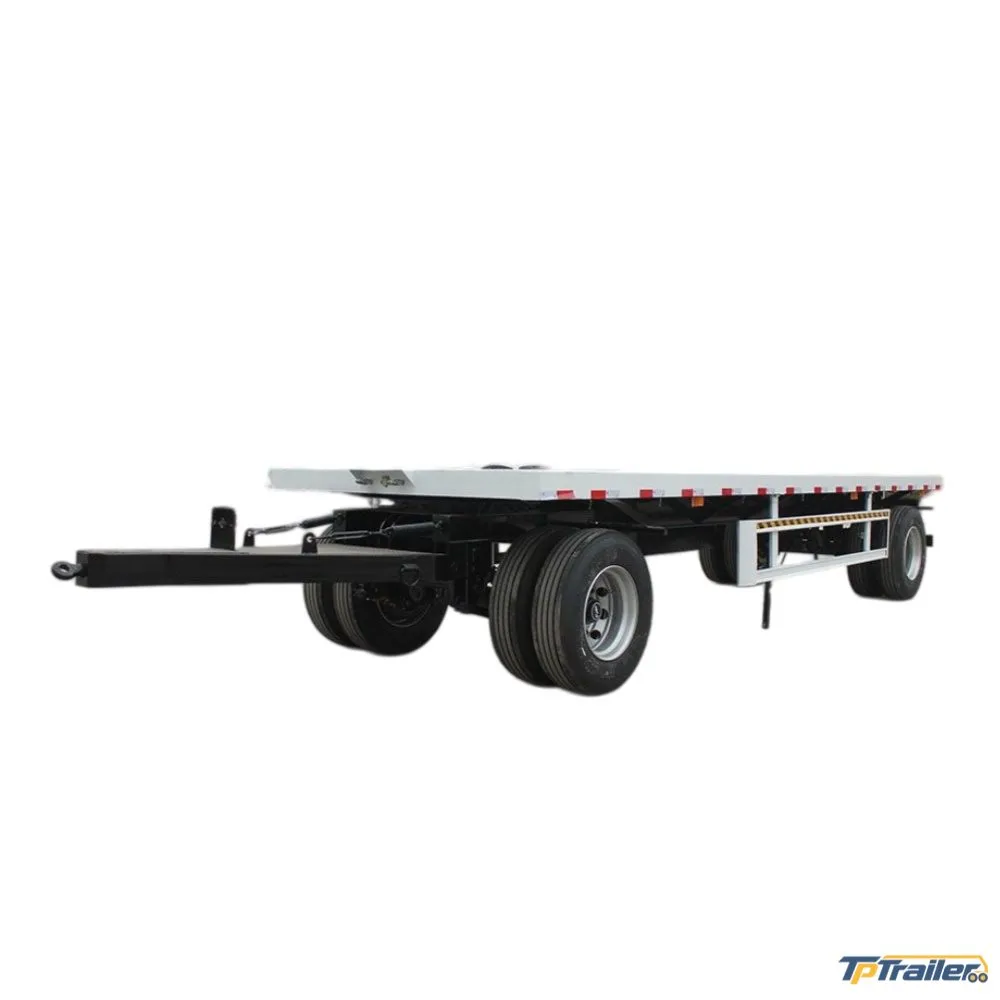
A flatbed trailer has a flat, open deck. You can load containers, steel, timber or machinery onto it (20ft Full Steel Flatbed Semi). A container chassis is built mainly to hold and lock a shipping container.
The flatbed is more flexible. However, a dedicated chassis can be simpler for pure container haulage. Therefore, your cargo mix should guide the choice.
Both types appear in our range as semi-trailers and full trailers. Payload ratings vary by model, so check each unit before ordering.
How to Choose the Right Trailer
Start with your cargo. If you move only containers, a container-focused flatbed or chassis works well. If you also carry loose freight, a flat deck adds value.
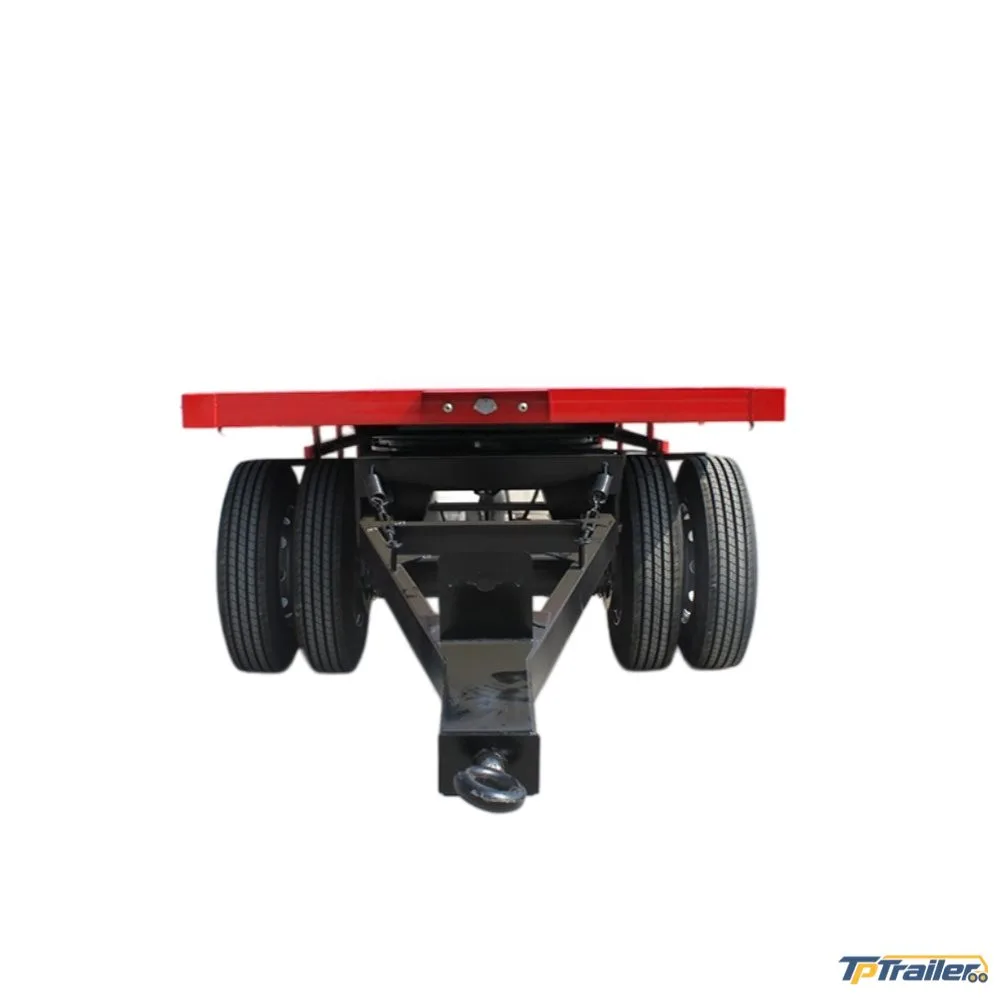
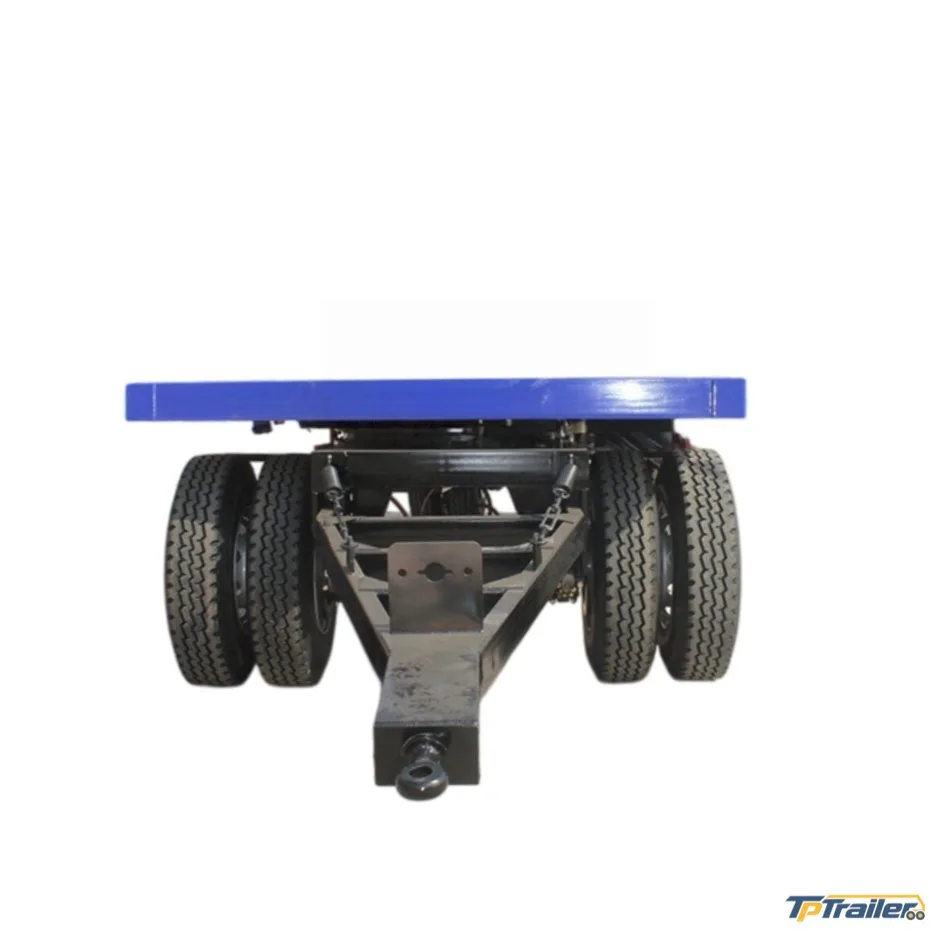
Next, check the coupling type. Semi-trailers connect to a tractor unit. Full trailers use a drawbar and connect behind another vehicle.
Then confirm the payload. Most heavy models in our range are rated above 30000 KG. Lighter drawbar units sit in the 15001-20000 KG band.
Finally, match the trailer to your routes. Port work, rail terminals and regional delivery each place different demands on the unit.
Semi-trailer or full trailer?
- Semi-trailers suit long-haul and high-volume fleets.
- Drawbar full trailers suit regional and flexible operations.
- Tandem axle setups help spread load evenly.
Specifications That Matter
Several numbers decide whether a trailer fits your operation. Review them before you commit to a purchase.
Payload and load capacity
Payload is the first specification to check. Many of our flatbed models carry more than 30000 KG. For example, the Full Type Flatbed 20FT Shipping Container Dolly Transport Trailer Container Dolly Semi-Trailer, 30000 KG Payload is rated above 30000 KG.

Lighter work may need less capacity. The 15-20 Tons 2 Axle Drawbar Flatbed Full Trailer for Container Transport is rated 15001-20000 KG. Choose according to real freight weight, not the maximum.
Deck length and container fit
Deck length must match the containers you handle. A 20ft deck suits single 20ft boxes (this 20ft 40ft). A 20ft 40ft deck handles both sizes. Therefore, mixed fleets often prefer the longer deck.
For example, the 20ft 40ft Container Trailer Flatbed Draw Bar Semi-Trailer Steel carries both container sizes. This reduces the number of trailer types in your yard.
Axles and structure
Axle count affects load distribution and stability. Tandem axle trailers are common for container work. Steel construction is standard and durable for heavy duty.
The 20ft Tandem Axle Flatbed Semi Trailer 30000KG Steel is one example. It combines a tandem axle layout with a 30000KG rating.
Applications and Market Notes
Flatbeds suit importers who handle mixed cargo. They carry containers, steel coils, building materials and machinery. This flexibility supports backhaul and reduces empty runs.
Container-focused units suit steady box traffic. Port shuttles, depot transfers and terminal work benefit from a dedicated deck.
Drawbar full trailers fit regional distribution. They work well where tractors are limited or routes are short.
All units in our range are manufactured in China (Mainland). Therefore, plan shipping, customs and spare parts early. Ask for a parts list with your order.
Practical Tips for Buyers
- Confirm the payload against your heaviest legal load.
- Check deck length against your container mix.
- Match axle count to road and load conditions.
- Request drawings and weight data before ordering.
- Plan spare parts and brake components in advance.
- Confirm coupling type with your tractor fleet.
Besides the trailer itself, consider training. Drivers should know container locking points and load limits. This protects the deck and improves safety.
Conclusion
The flatbed vs container chassis choice comes down to cargo and routes. Flatbeds offer flexibility. Container-focused units offer simplicity. Both are available in our range with payloads above 30000 KG or in the 15001-20000 KG band.
Review your freight profile, then shortlist two or three models. The manufacturer can advise on specifications and export documents. Contact us for a quote and current lead times.
FAQ
What is the main difference between a flatbed and a container chassis?
A flatbed has an open deck for many cargo types. A container chassis is built mainly to carry shipping containers.
Which trailer is better for mixed cargo?
A flatbed is better for mixed cargo. Its open deck accepts containers, steel, timber and machinery.
What payload can these trailers carry?
Many models carry more than 30000 KG. Lighter drawbar units are rated 15001-20000 KG.
Can a flatbed carry both 20ft and 40ft containers?
Yes, if the deck is long enough. The 20ft 40ft flatbed drawbar model handles both sizes.
Do you offer full trailers as well as semi-trailers?
Yes. Our range includes semi-trailers and drawbar full trailers.
Where are the trailers manufactured?
They are manufactured in China (Mainland).
How do I choose the right axle setup?
Match axle count to your load and routes. Tandem axle units are common for container work.